 SJX Watches
Why Is Everything Inverted?
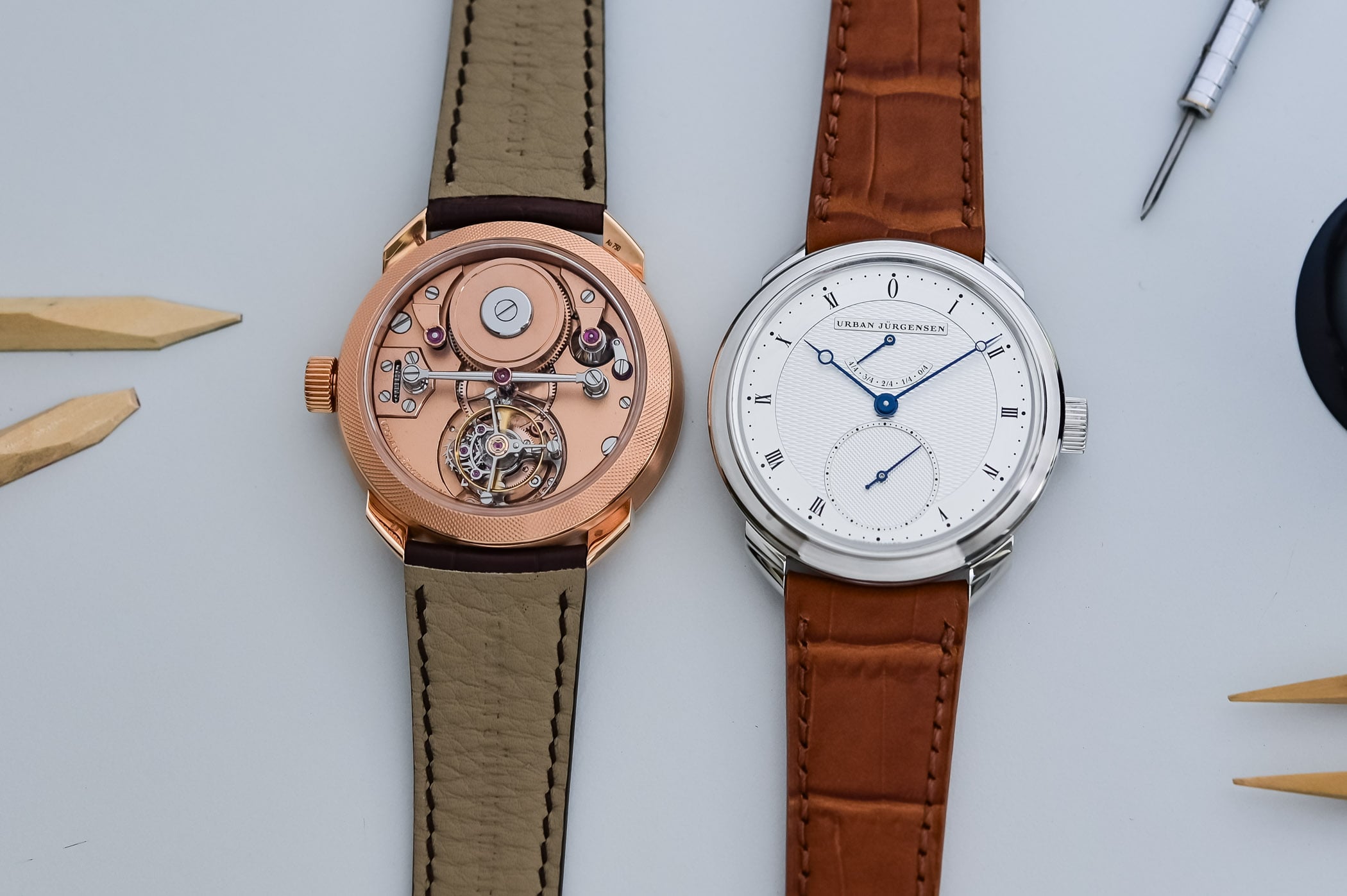
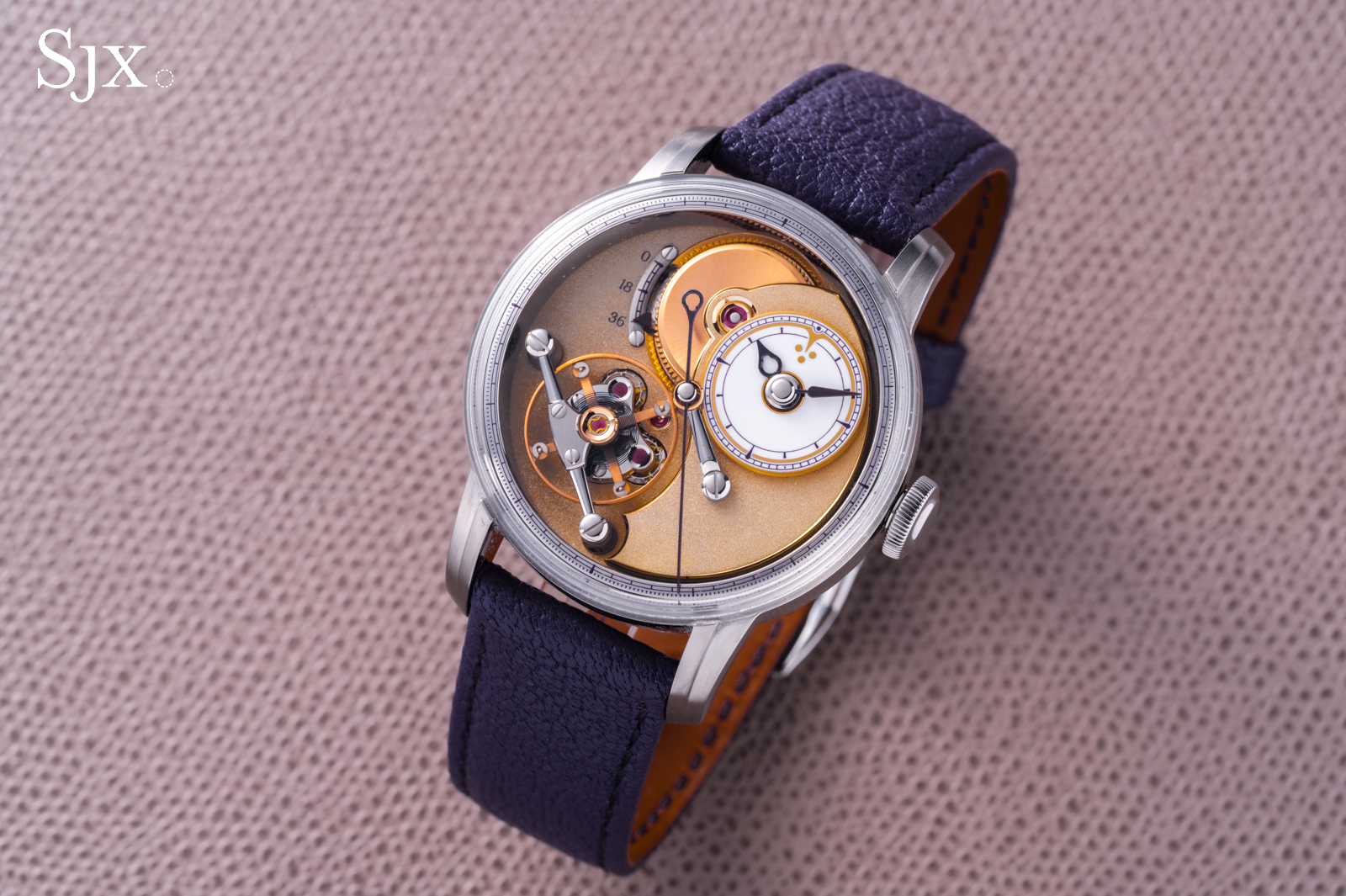
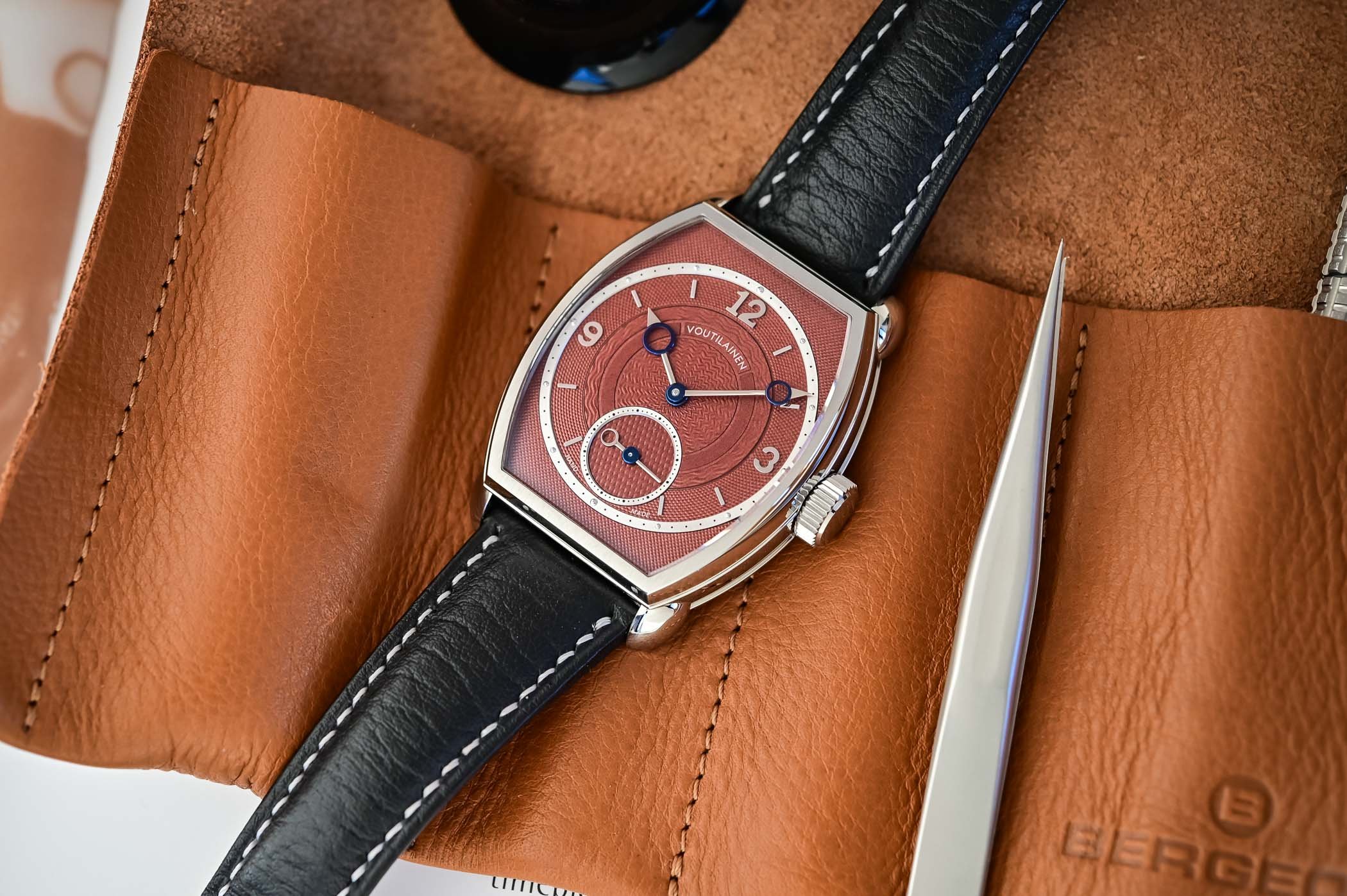
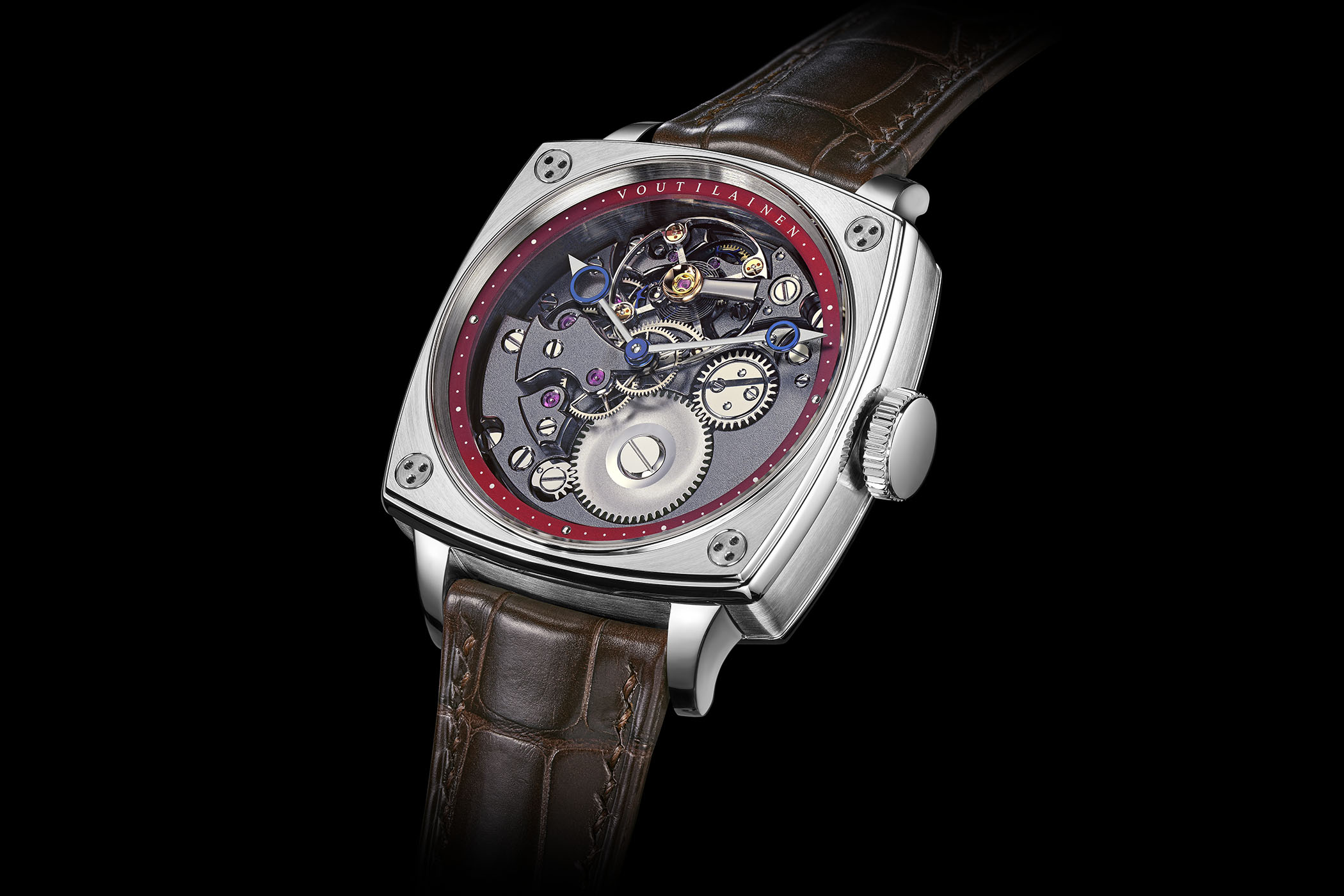
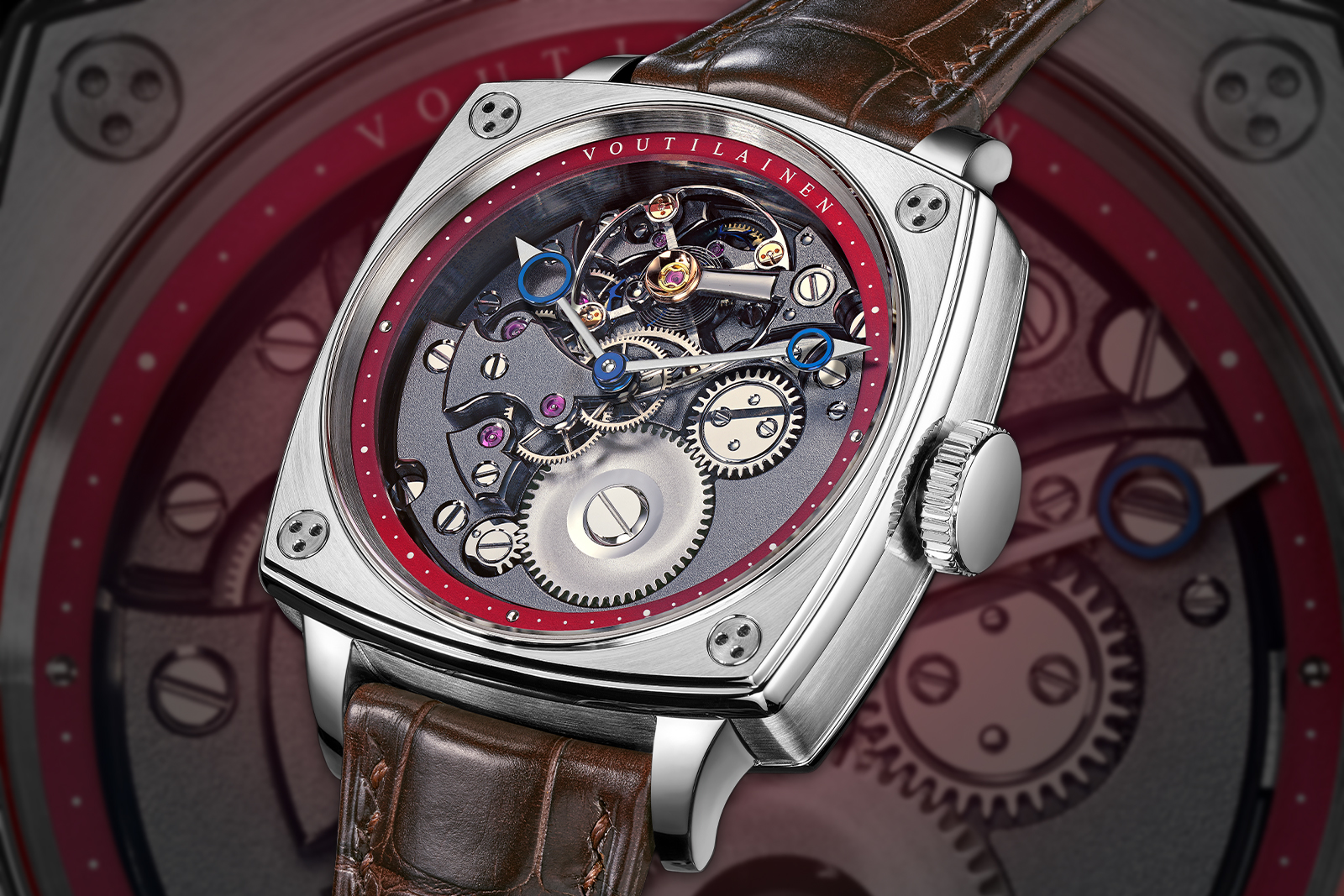
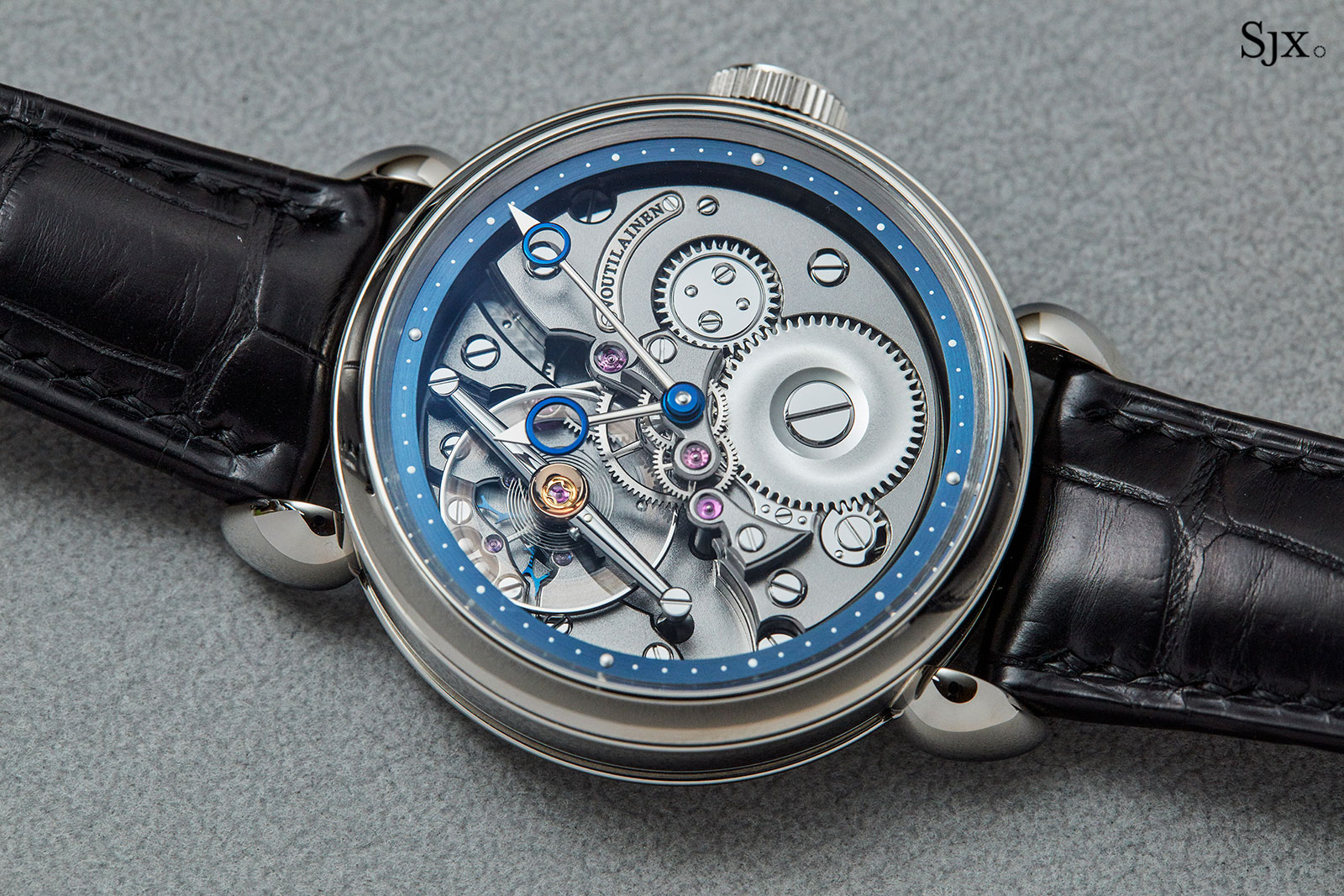
At the beginning of the year, we wondered if 2026 might become the year of the jumping hours wristwatch. While that trend is still developing, a spate of new releases in the past few months has crystallised another trend that’s been taking shape for a number of years: the inverted movement. While not an altogether new format, it’s hard to miss its growing popularity. What is an inverted movement? There’s no hard-and-fast rule for what constitutes an inverted movement, since the category itself has emerged informally. That said, a simple definition takes the term at face value: a movement that’s been reversed inside the case, such that barrel(s), gear train, and escapement are fully exposed on the wrist. The dial, if there is one at all, is usually consigned to a dial flange or small, off-centre time display. Ordinarily, an inverted movement begins its product lifecycle like any other conventional calibre. The Voutilainen 28TI, for example, was adapted from the brand’s normal cal. 28, with an additional train over the centre wheel to reverse the direction of the hands. However, sometimes the inverted variant is selected as the launch platform, with a conventional sibling that follows later — sometimes much later. The inverted cal. 507DR that powered the Breguet Tradition 7027 — the watch that arguably pioneered this trend back in 2005 — pre-dated its conventional counterpart by two decades. The cal. VS00 that powers the Breguet Classique Souscription 2025 is...