Daniel Roth was born in Nice, France, in 1945 and trained as a watchmaker at the École d'Horlogerie de Nice through the 1960s. He moved to the Vallée de Joux in the early 1970s and joined Audemars Piguet Renaud Papi's movement-development workshop, then in 1973 took a senior position at Breguet, then owned by the Chaumet family of Parisian jewellers. Breguet was a sleeping brand at this point, the firm Abraham-Louis Breguet had founded in 1775 had passed through generations of mediocre management and was producing only a few hundred watches per year by the early 1970s.
Roth's job at Breguet was to re-design the entire production catalogue in the spirit of the original 18th-century house. Working with the Chaumet brothers and a small team, he established the visual conventions that still define every modern Breguet: guilloché barley-corn dials hand-engraved on a rose engine, blued steel pomme hands (the classic main de Breguet), Roman numerals in the founder's style, fluted case bands, secret signature engraved on the dial. The 1979 Classique line that came out of this work is essentially the Breguet template still in use today; later Breguet management has refined details but the overall visual identity is Roth's.
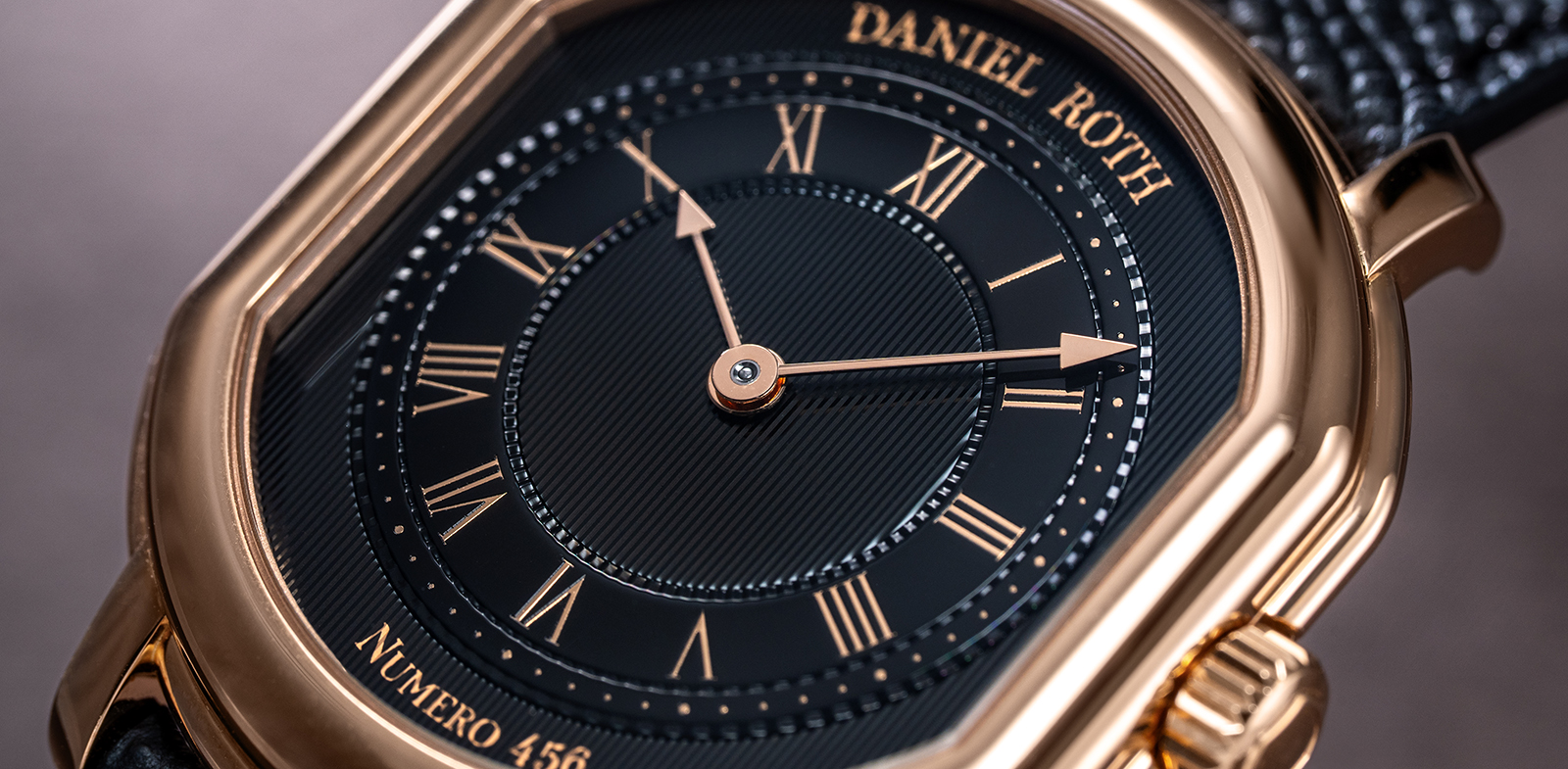
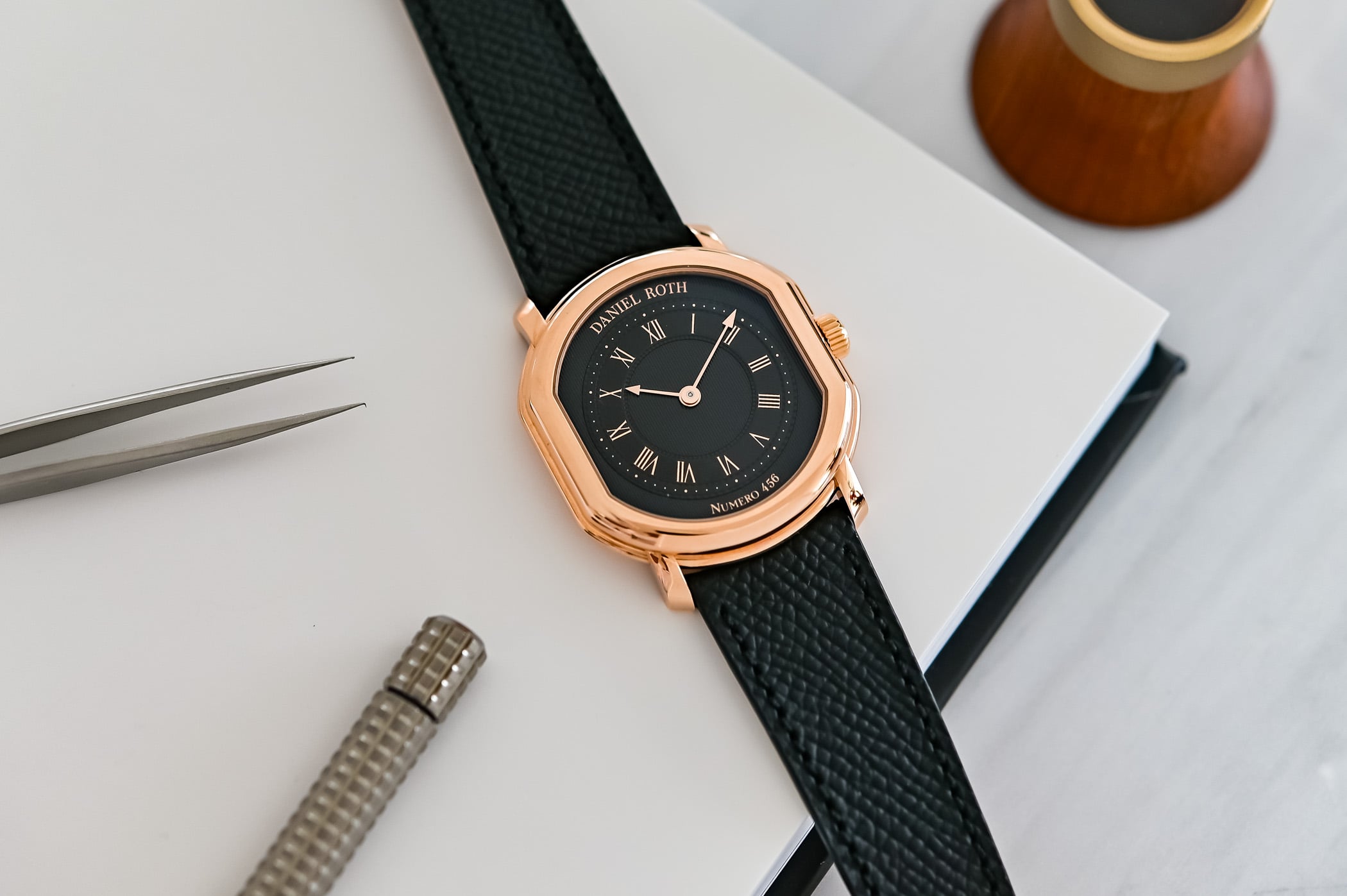
"The double ellipse is a shape that doesn't exist in nature. I drew it because I wanted a watch case that didn't resemble any other watch case made before."- Daniel Roth, on the eponymous brand's signature form
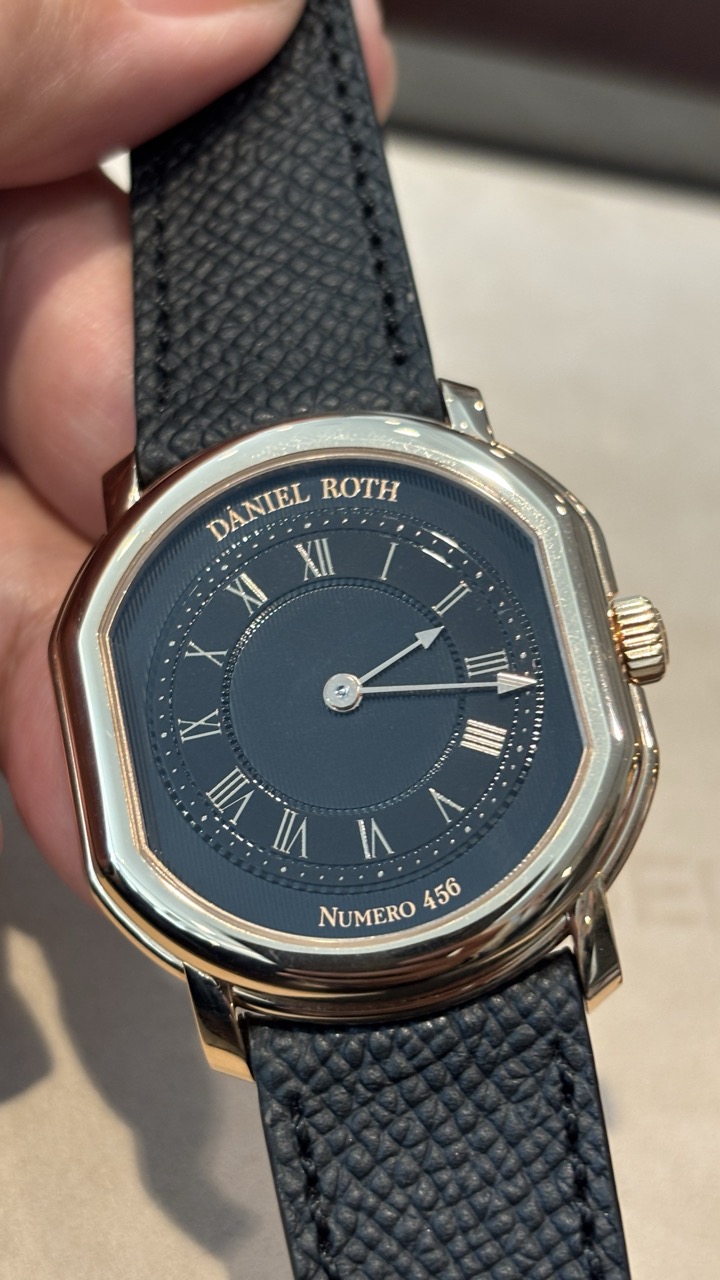
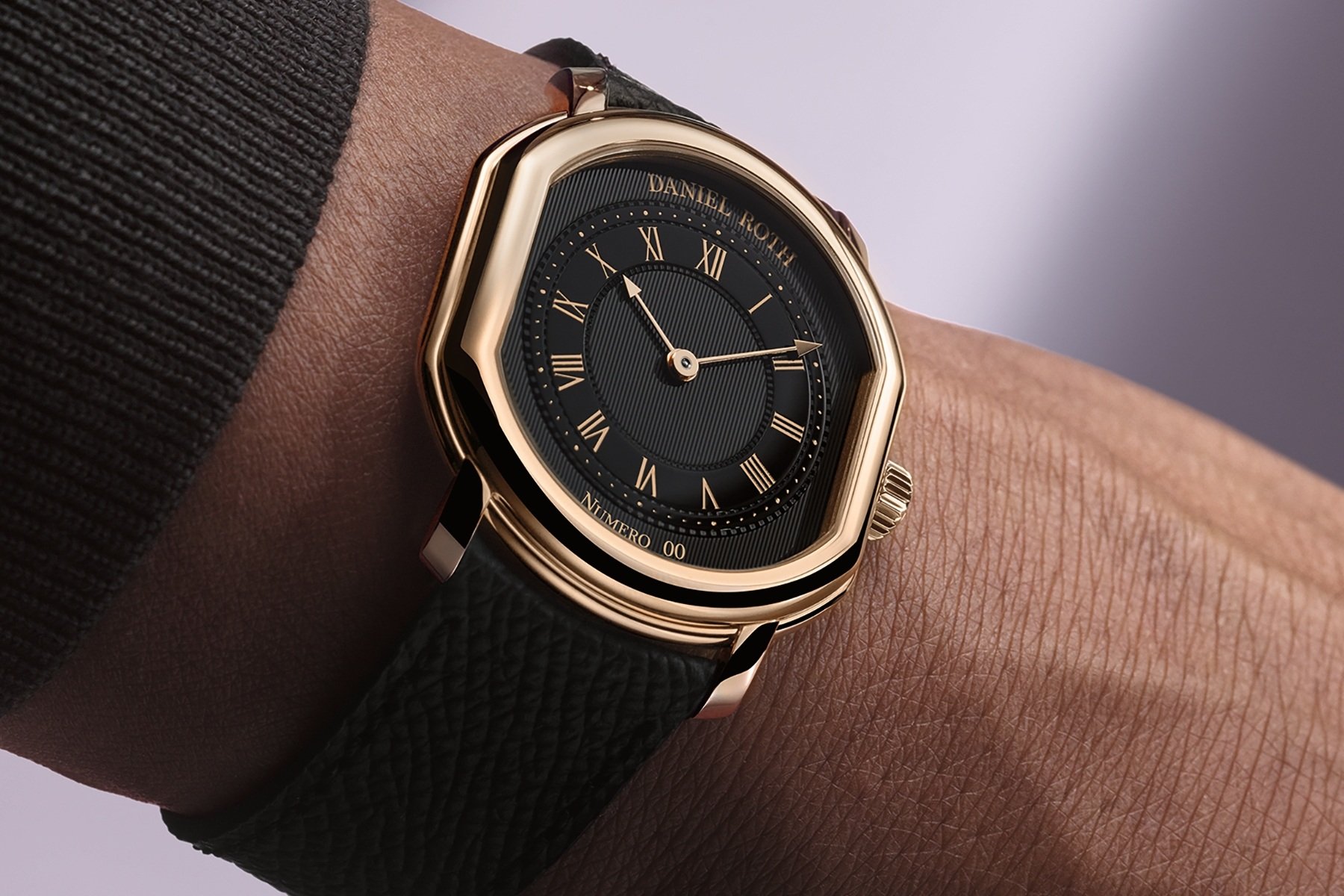
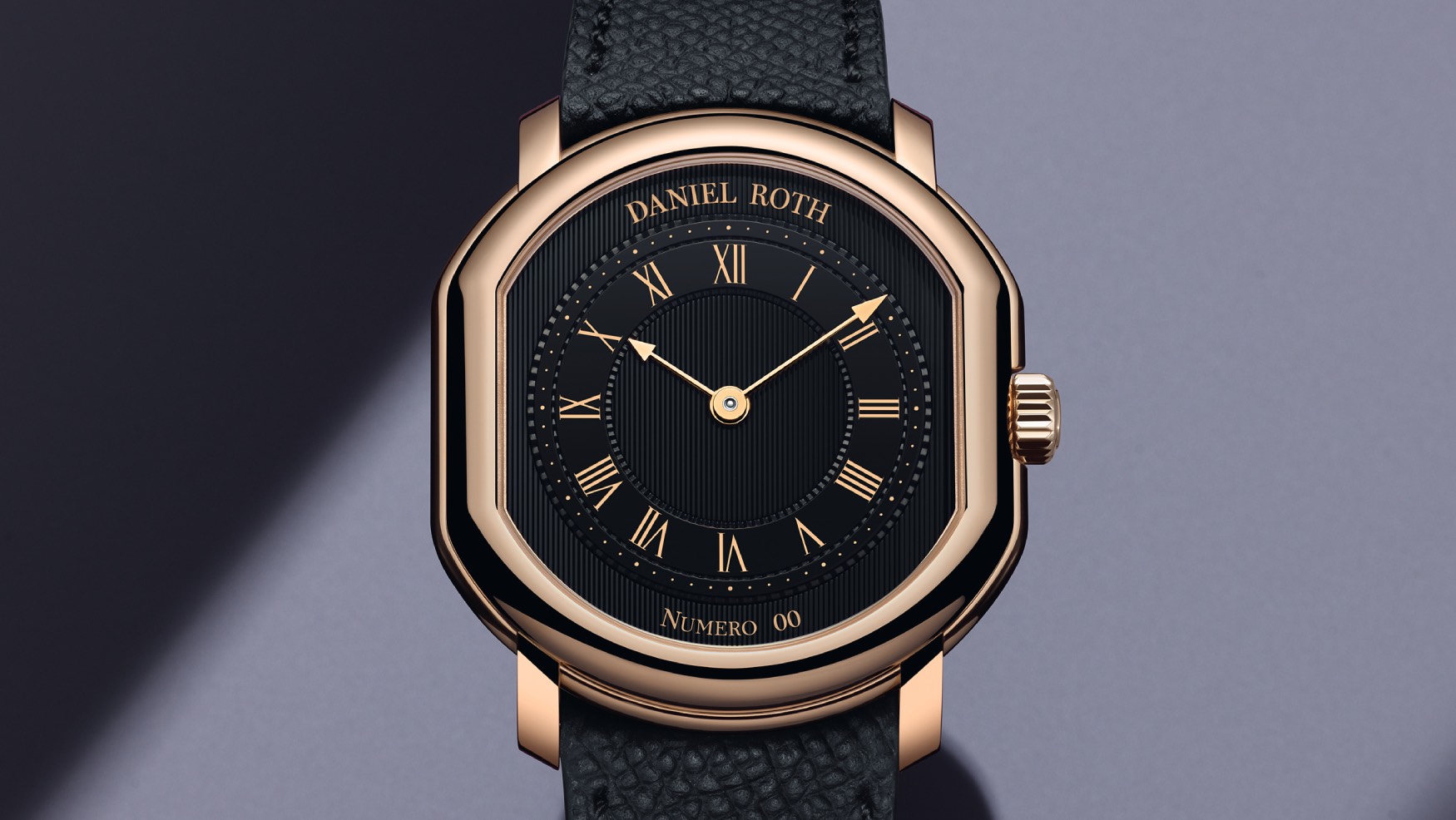
In 1989, after 16 years at Breguet, Roth founded his own brand: Daniel Roth in Le Sentier. His signature was the double-ellipse case, an unusual barrel-shaped form that fuses a circle and a rectangle into a single profile. The shape was inspired by 18th-century Breguet pocket watches Roth had studied at the Breguet archives, but its modern execution, no two surfaces meeting at a hard angle, every transition sweeping curve, was original. The Daniel Roth catalogue concentrated on tourbillons, perpetual calendars, and minute repeaters, all in the double-ellipse case, all priced at the upper end of haute horlogerie.
The Roth brand was acquired by Bulgari in 2000 as part of the Italian jeweller's aggressive watch-building expansion (Bulgari also bought Gerald Genta's eponymous brand in the same era). Roth himself stayed on as creative consultant for several years and then withdrew. The Daniel Roth name appeared on Bulgari Daniel Roth references through the 2000s before being effectively retired in 2019. In 2023, in a much-celebrated move, Bulgari revived the Daniel Roth name as a separate boutique brand with the Tourbillon Souscription reference C125, with the 78-year-old founder consulting on the project; the new pieces use the original double-ellipse case and hand-finishing standards.
Beyond the Roth brand, Roth's early-1990s freelance design work also shaped Breguet's 1990 Marine (a wave-pattern guilloché dial, fluted case, originally a more sport-oriented Breguet that has since become a flagship), the Type XX Aéronavale-tribute chronograph reissues, and various other Vallée de Joux movements developed through APRP. He also contributed early designs to Jean Daniel Nicolas, his post-Breguet workshop name, before the Daniel Roth brand launch.
In modern collector vocabulary "the Daniel Roth case" is shorthand for the double-ellipse barrel shape; "the Roth Breguet era" refers to the 1979-1989 catalogue updates that brought the brand back from sleeping-firm status. He is widely cited alongside Gérald Genta as one of the two most influential late-20th-century watch designers, with Genta defining the steel sports watch and Roth defining the modern haute-horlogerie classic.




Comments 2