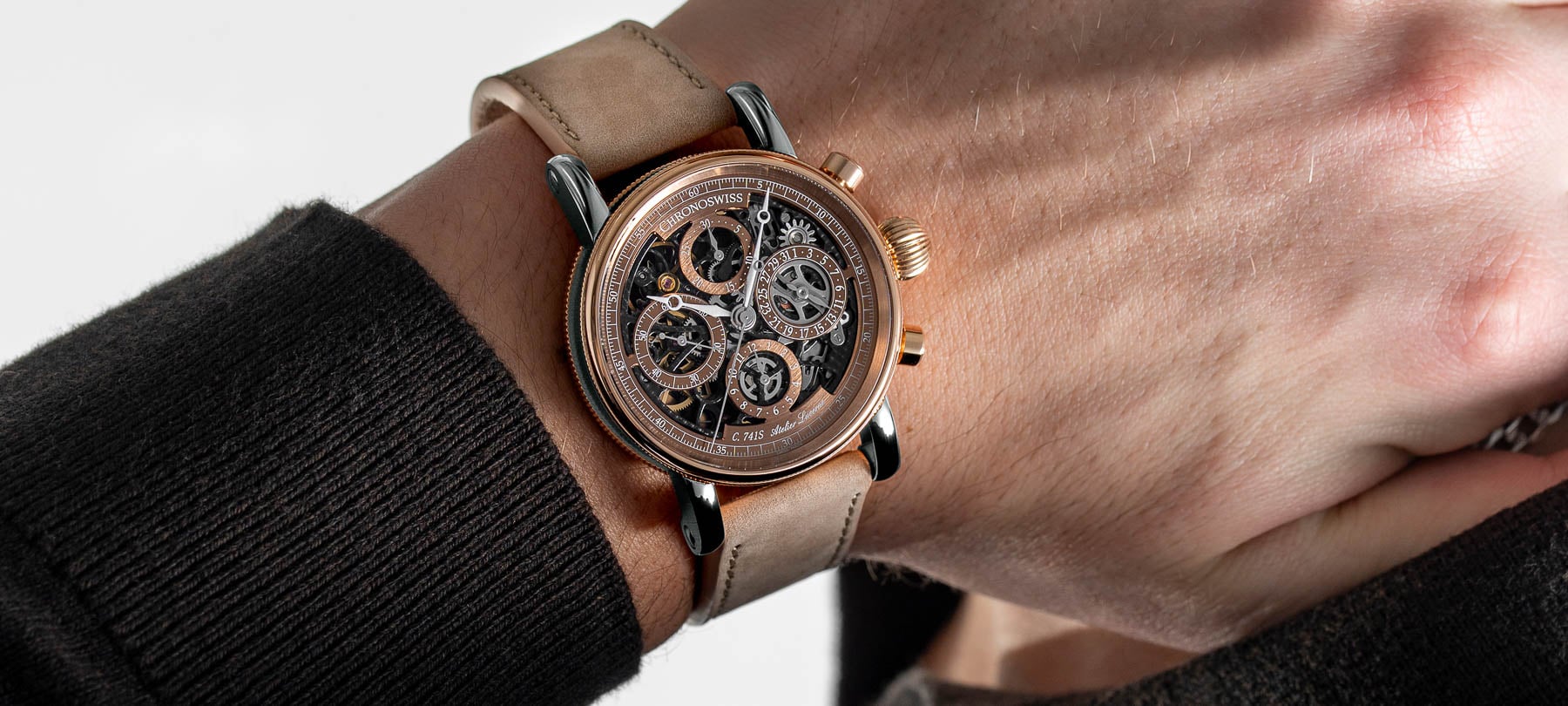
Guilloché is the French name for engine turning, a technique in which a cutting tool is held stationary against a workpiece mounted on a rotating mandrel. The mandrel turns and traverses under mechanical guidance from a pattern master, producing a geometric engraved pattern on the surface. The technique was developed in France in the early 18th century for goldsmith and jewellery work, and adapted for watchmaking by goldsmiths making pocket-watch cases. Abraham-Louis Breguet adopted guilloché for dials in 1786; it has been a Breguet signature continuously since.
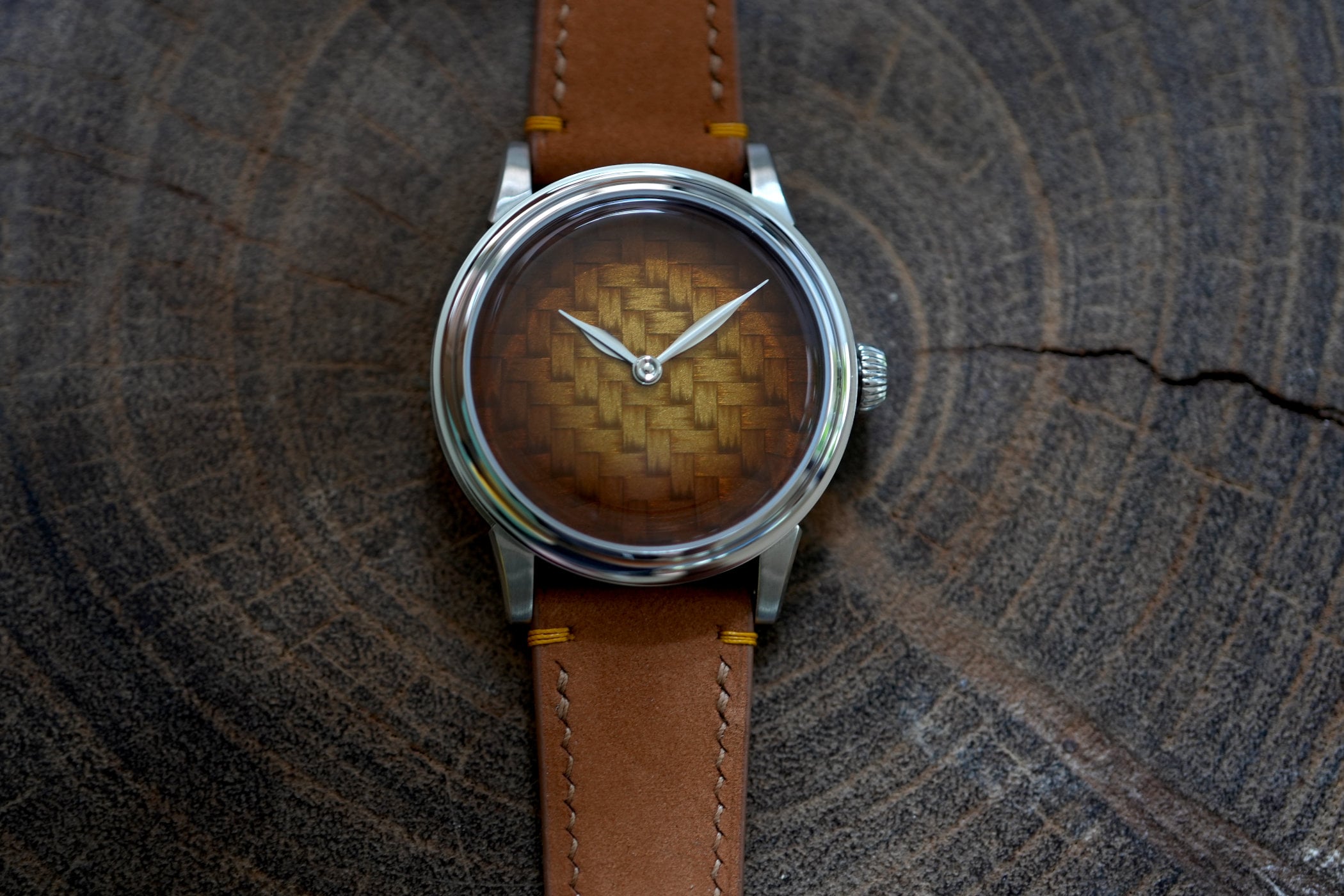
Two machines do the work. A rose engine cuts circular and floral patterns on a piece rotating against a radial cutter; patterns include Clous de Paris (tiny pyramids), Grain d'orge (barleycorn), soleil (sunburst from the centre), waves, and proprietary brand patterns. A straight-line engine cuts linear patterns on a reciprocating slide, including Côtes de Genève and cross-hatched grids. Both machines are 18th-century mechanical technology; a good hand-guilloché dial takes 4 to 8 hours of bench time per piece, which is why modern manufacturers largely use CNC.
Hand guilloché is practised by fewer than 50 craftspeople worldwide today. The largest concentration is at Breguet (about a dozen dedicated guillocheurs at the Vallée de Joux manufacture) and at F.P. Journe. Independents Kari Voutilainen, Andreas Strehler, and Rexhep Rexhepi (Akrivia) cut their own guilloché by hand. The visual difference between hand and CNC guilloché is subtle but visible under magnification: hand-cut patterns show micro-irregularities and chatter marks that give a dial life; CNC patterns are uniformly perfect and, to an expert eye, lifeless.
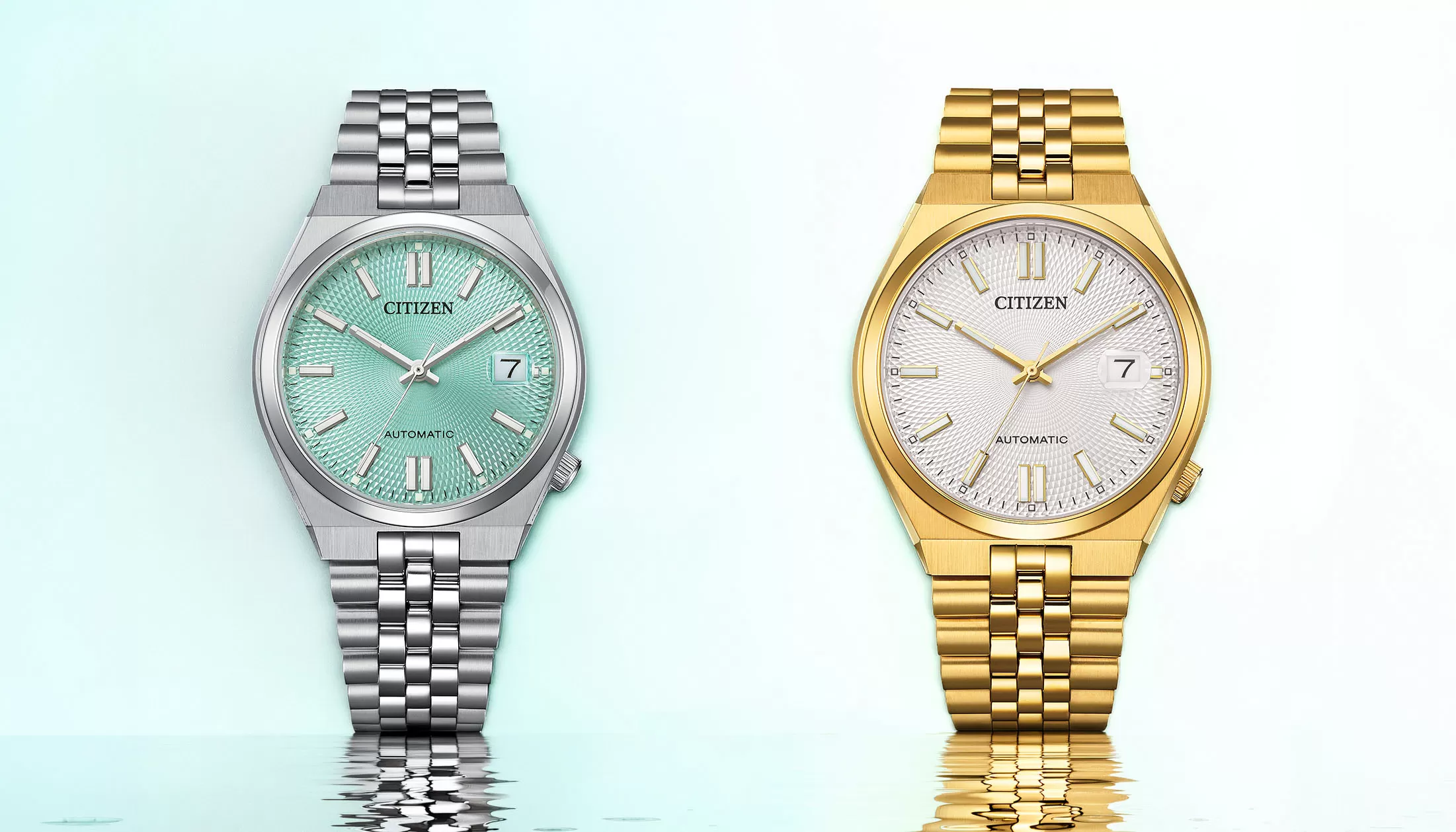
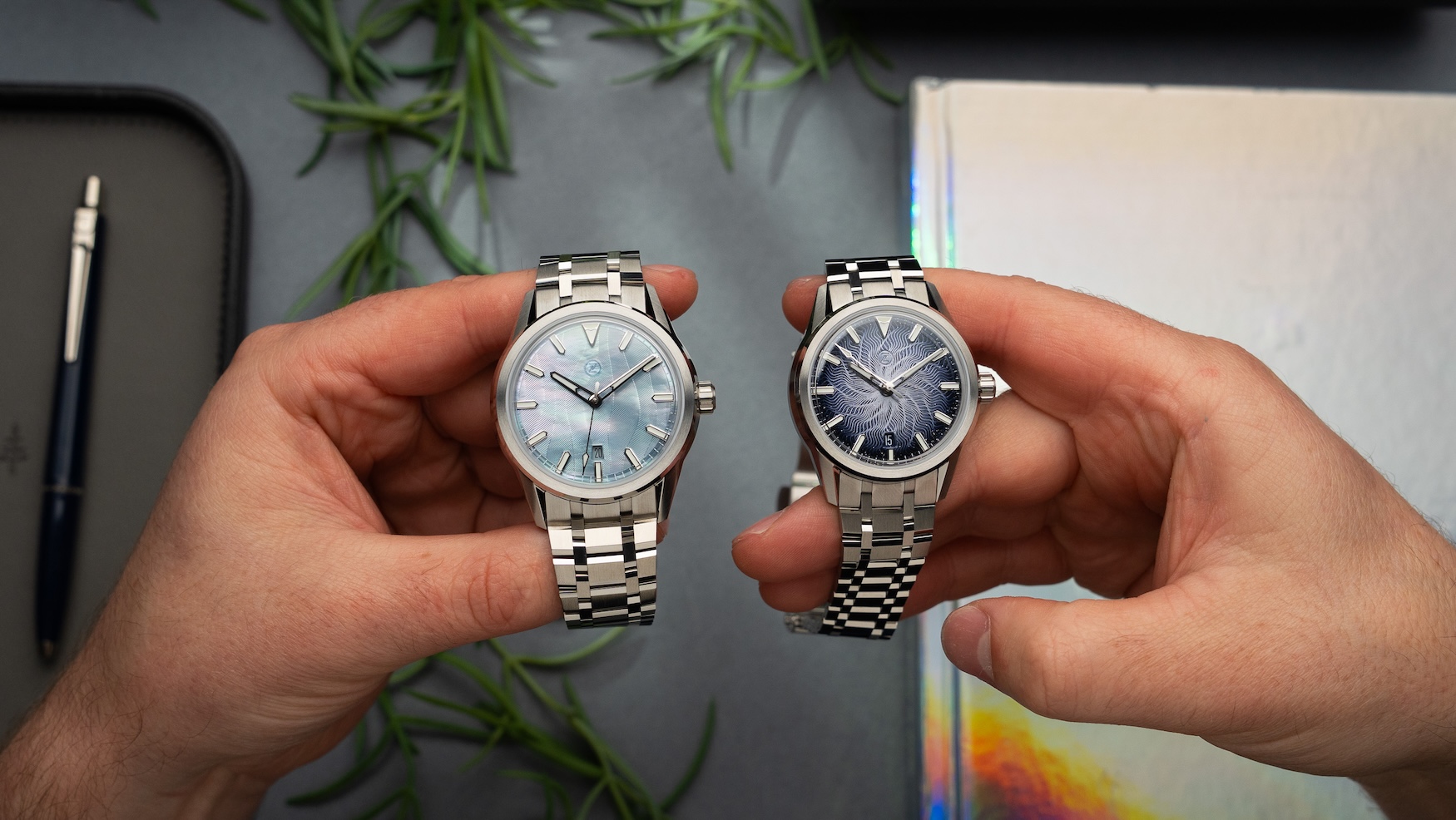
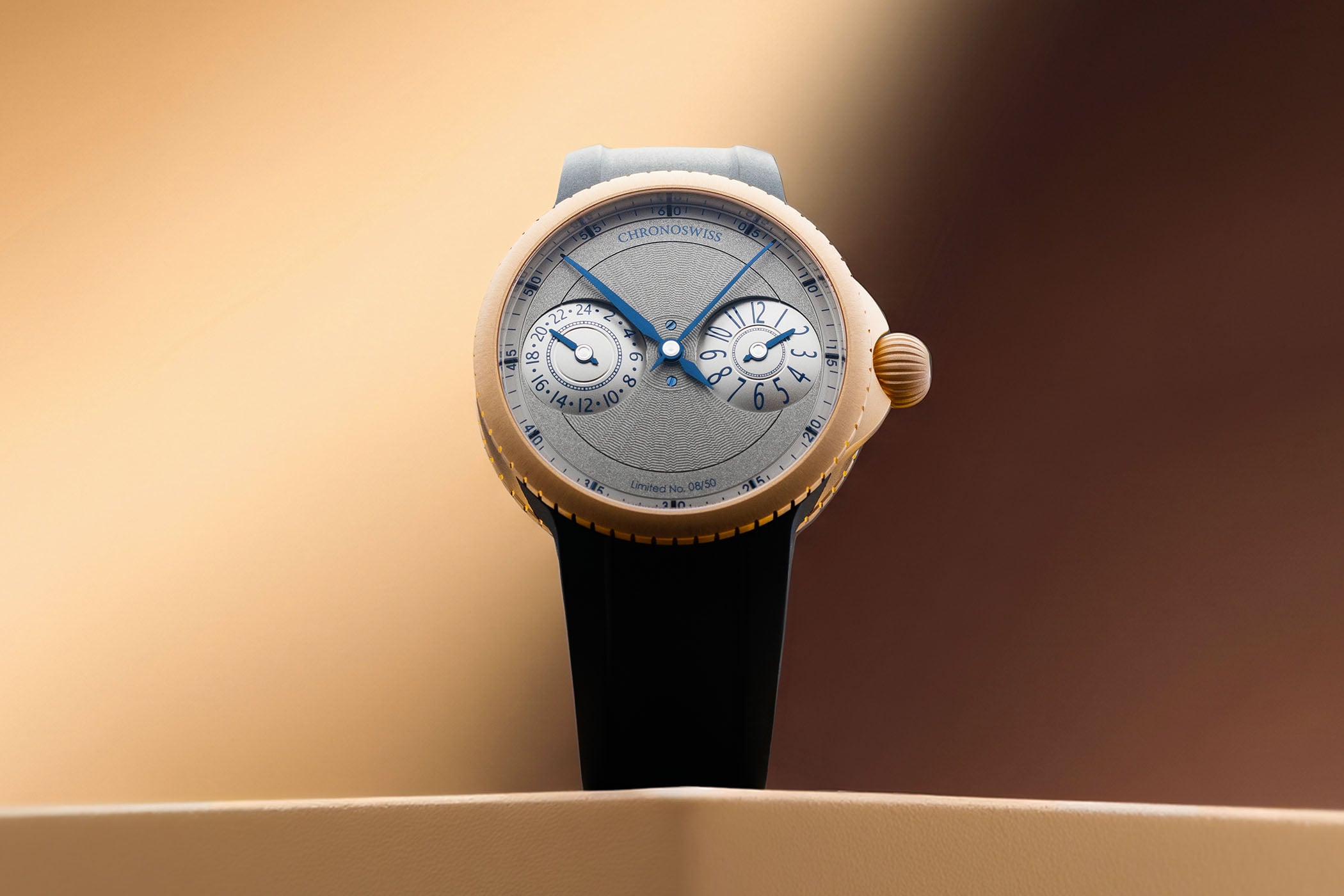
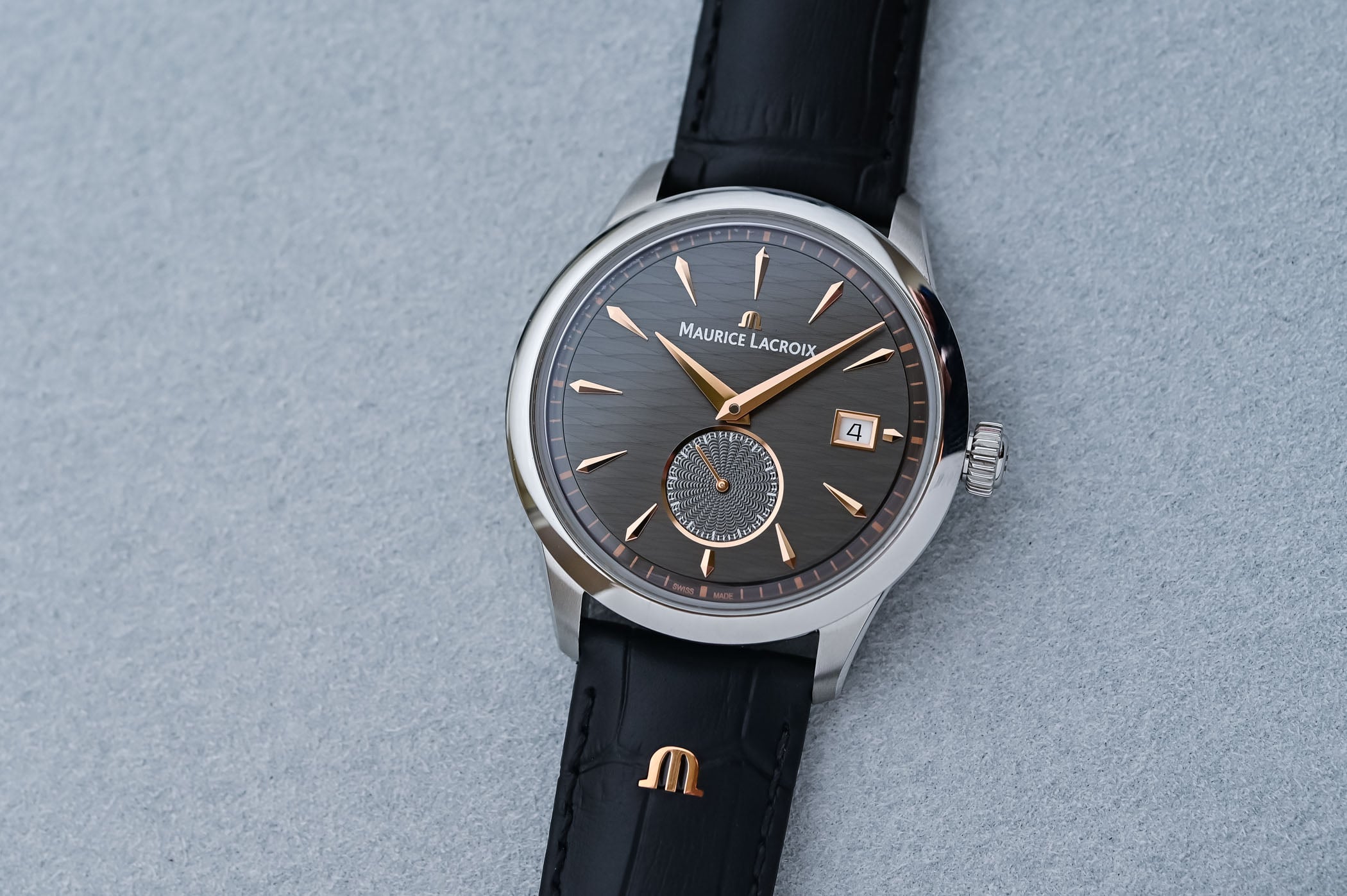
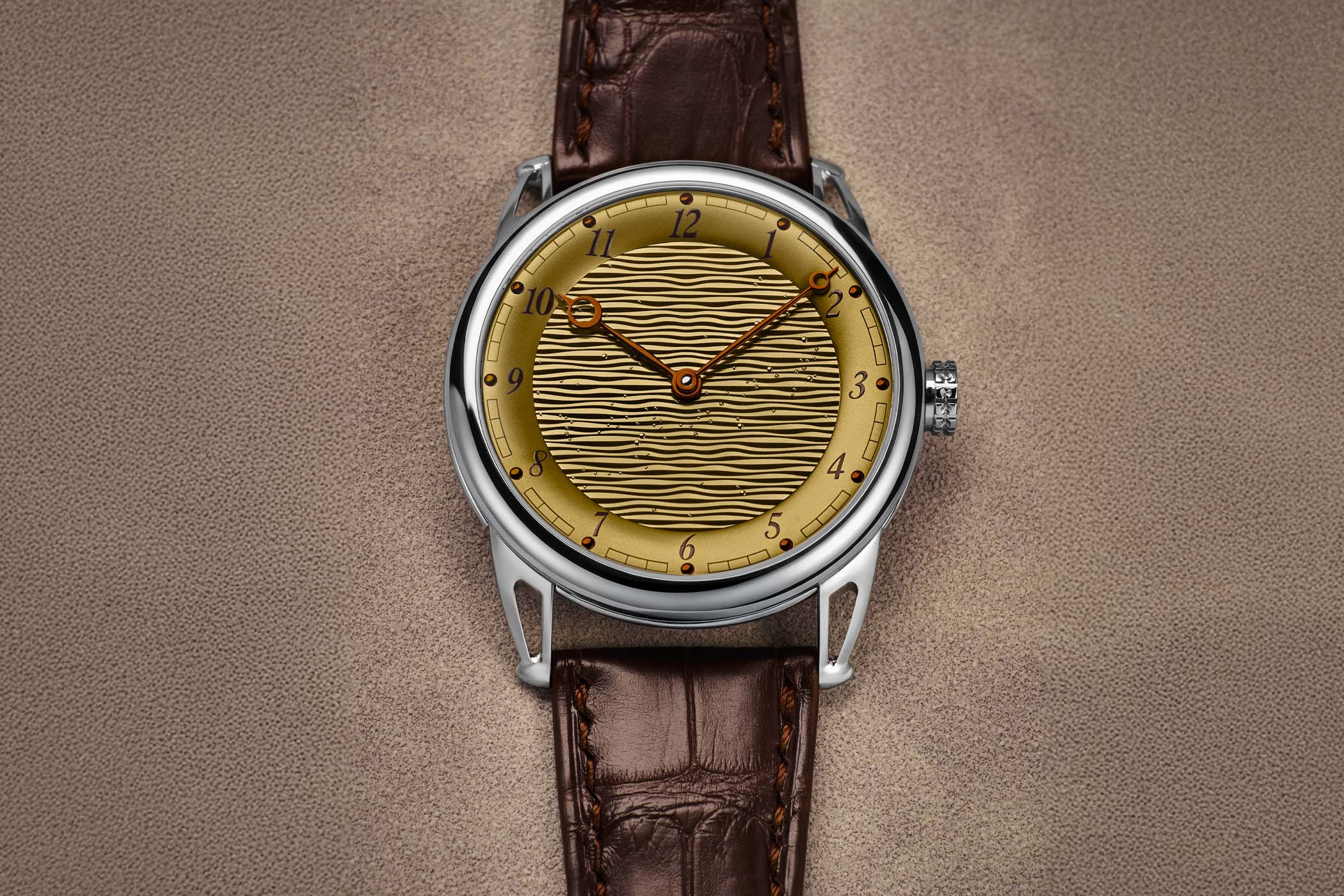
CNC guilloché produces perfectly repeatable patterns at a fraction of the cost. Most sub-€10,000 watches with "guilloché" dials today use CNC-milled or stamped patterns, often finished with an enamel or lacquer fill. The distinction is important to collectors: a Breguet Classique dial is hand-cut and each one takes a day of work; a similarly-priced competitor may have a machine-stamped dial that took minutes. Some brands (Voutilainen, Dornblüth, Moritz Grossmann) are explicit about which dials are hand-cut; most are not.



Comments 1