
Grand feu (French for "great fire") enamel is the highest-heat enamelling technique in watchmaking. Powdered vitreous enamel (finely ground silica-based glass) is mixed with water into a paste, applied in a thin layer to a metal substrate, and fired in a kiln at 800 to 900°C. The enamel fuses to the substrate, producing a hard, glass-like surface that is colour-stable for centuries. A single dial requires a minimum of five firings: base coat, multiple colour layers, sometimes a counter-enamel on the back to prevent warping, and a clear protective top coat. Each firing risks cracking the dial; total reject rates of 30 to 60 percent per dial are typical.
Grand feu yields several decorative variants. Grand feu noir is a single-colour base; grand feu blanc is the porcelain-white dial of classical haute horlogerie. Cloisonné (partitioned) uses gold wire soldered to the dial to outline a figurative design, with enamel colours poured into each cloison; a master cloisonné dial (Patek dome tops, Vacheron ornate pieces) can take 30+ hours of hand work. Champlevé (excavated) carves recesses directly into the metal and fills them with enamel. Flinqué overlays translucent enamel on a guilloché pattern, producing a shimmering effect under light.
Grand feu suppliers are a specialist cottage industry. Donzé Cadrans (acquired by Ulysse Nardin in 2011) supplies many high-end Swiss brands. Jaquet-Droz Métiers d'Art (Swatch Group) supplies Breguet and Omega. Patek Philippe, Vacheron Constantin, and Cartier maintain their own enamelling workshops. The number of enamellers capable of producing grand-feu dials at haute-horlogerie quality is estimated at fewer than 100 worldwide.
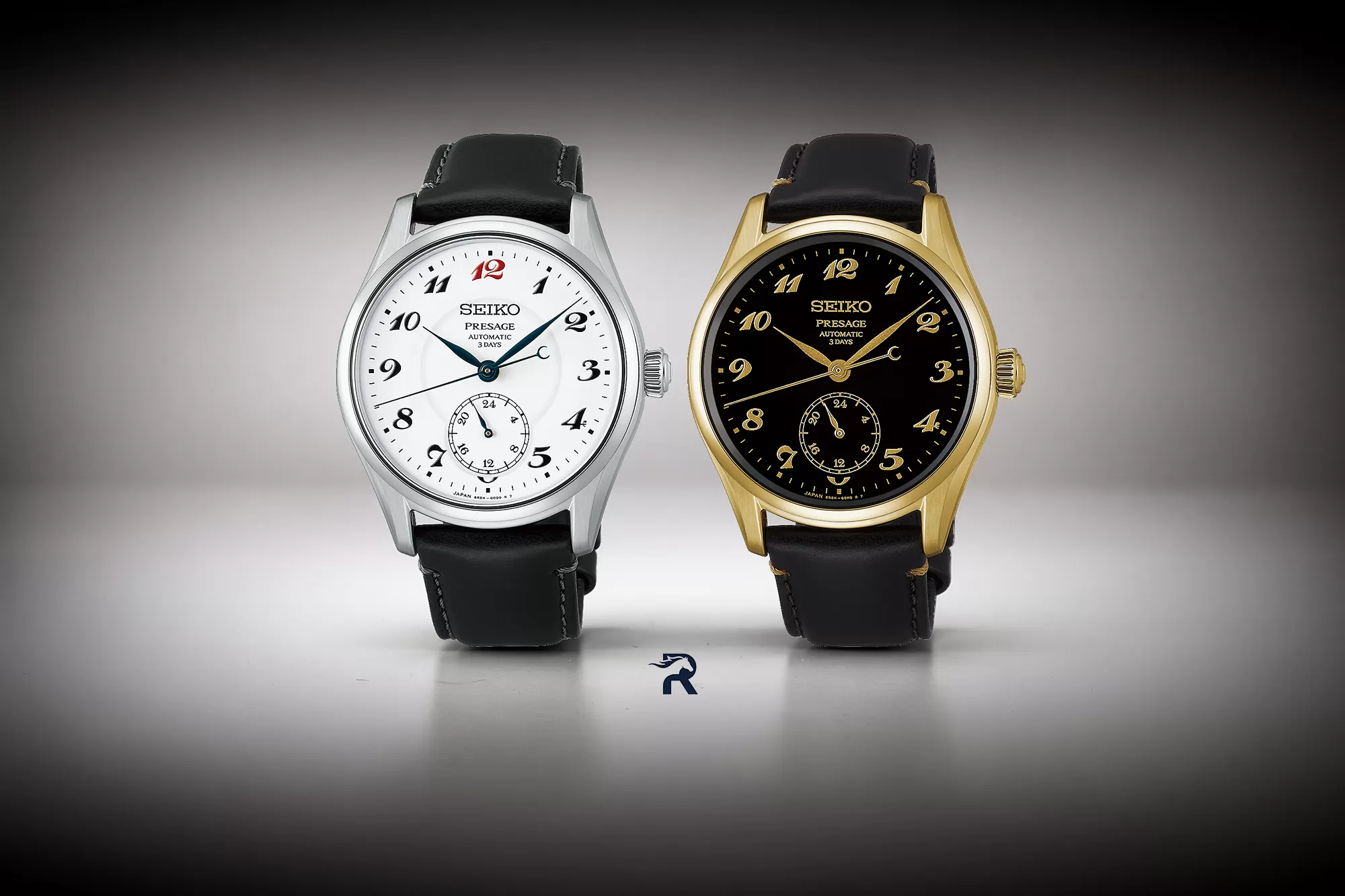
Grand feu dials are found across the market from sub-€10,000 pieces (Nomos Ludwig, Laurent Ferrier Classic, Grand Seiko SBGW263 "Snowflake enamel") to the absolute top (Patek Philippe Ref. 5711/1A Tiffany, cloisonné pieces from Vacheron Constantin). The attraction is twofold: grand-feu enamel is essentially immune to UV fading and colour drift, so the dial will look the same in 100 years as it does new; and the depth and luminosity of enamel colours is unmatched by any other dial technique. Modern lacquer dials can mimic the look but never match the light behaviour.





Comments 2