
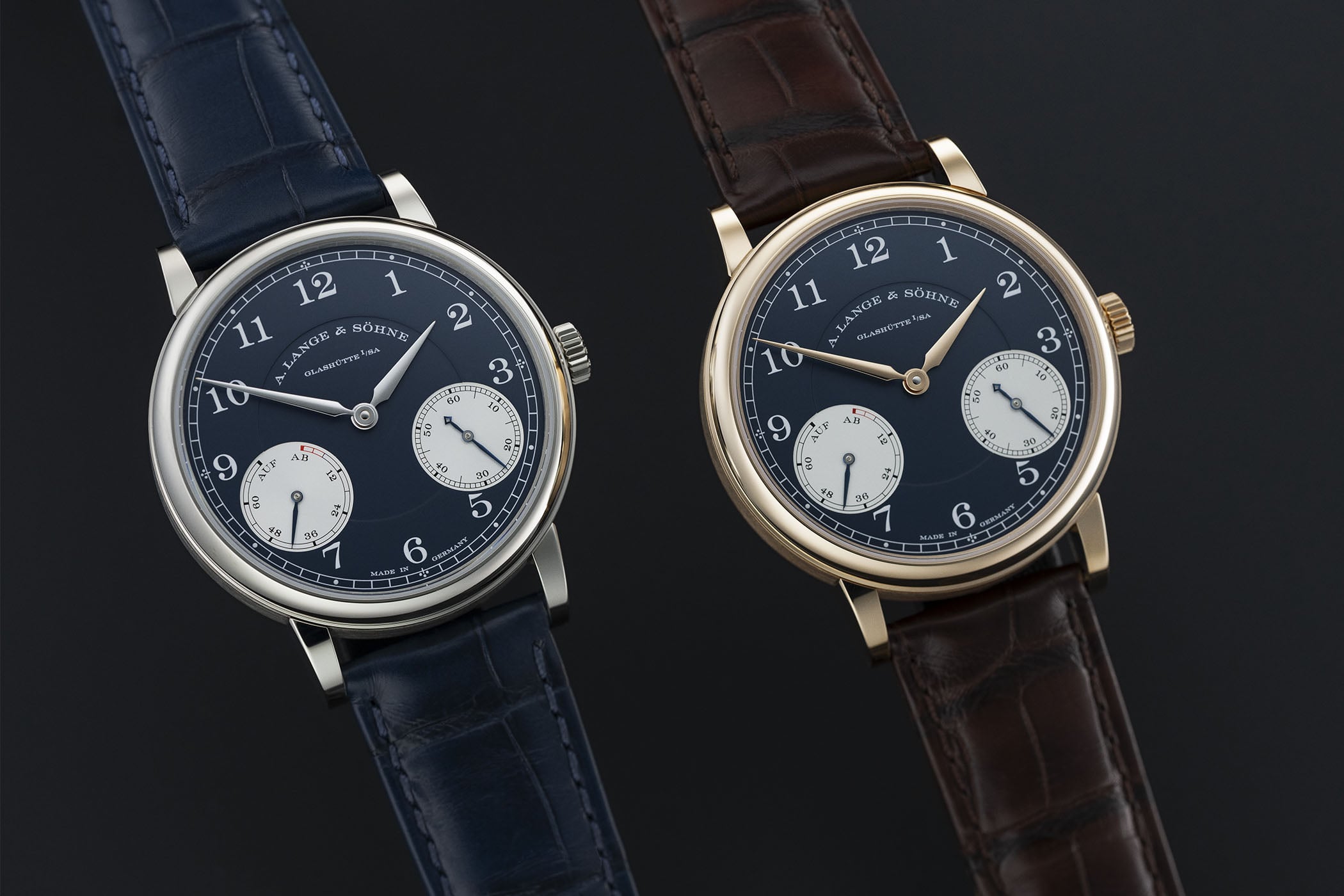
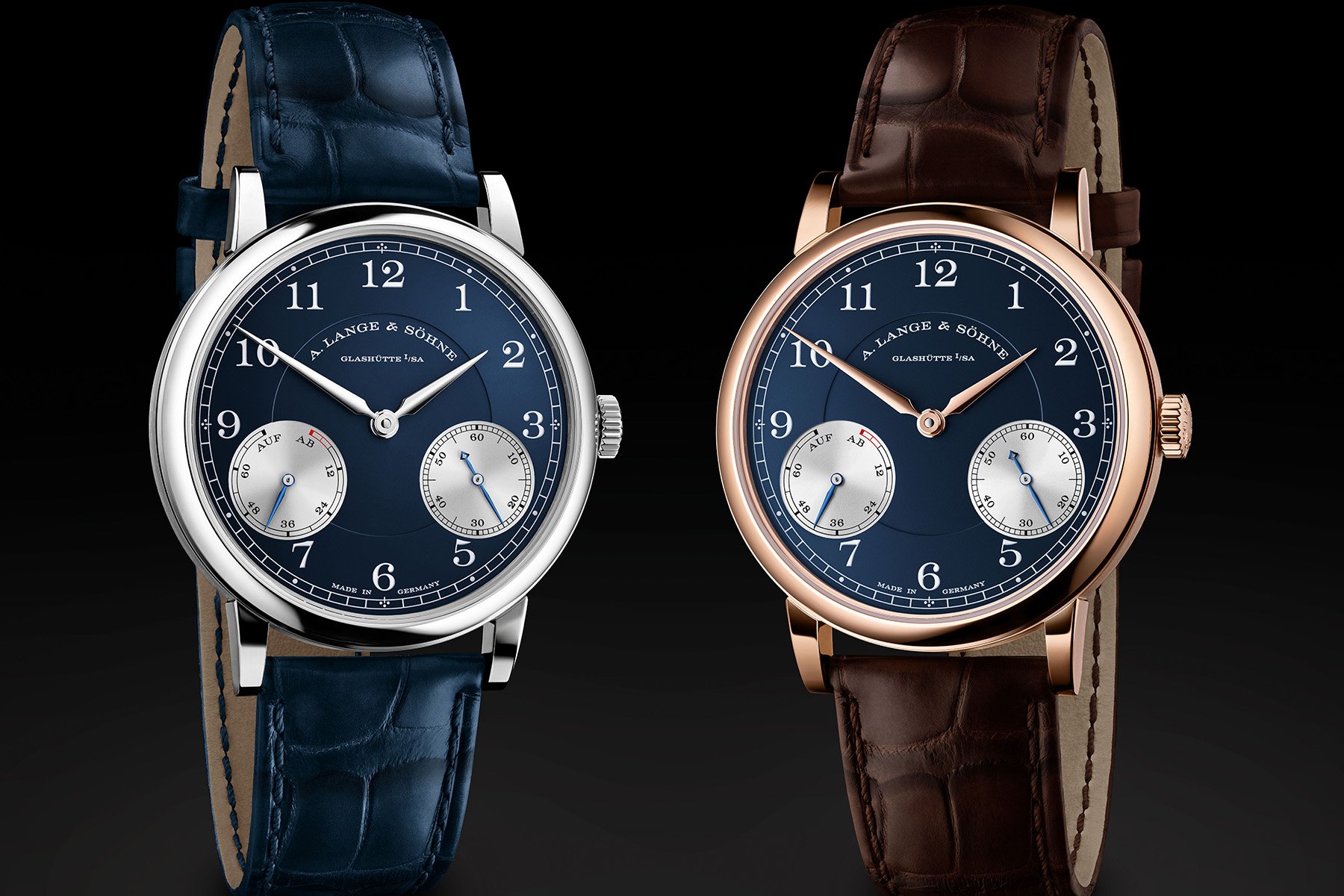
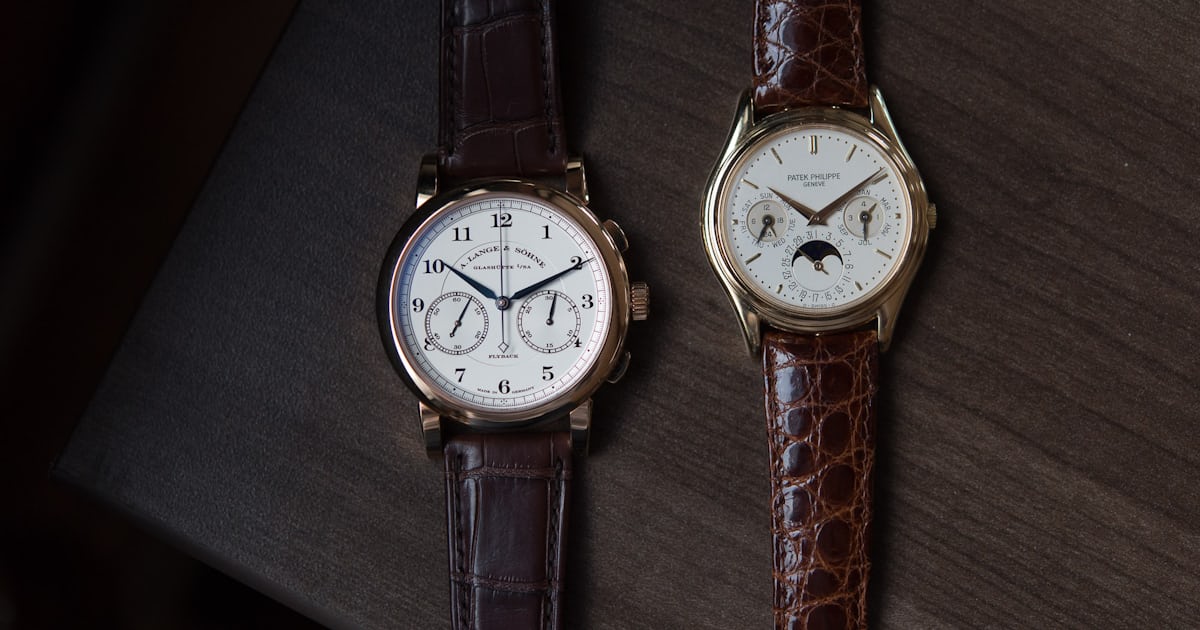
A. Lange & Söhne's 1815 launched in 1995, one year after the brand's relaunch with the Lange 1, Saxonia, Arkade, and Tourbillon Pour le Mérite. Where the Lange 1 was asymmetric and modern, the 1815 was deliberately classical: arabic numerals, railway-track minutes, blued steel hands, small seconds at 6 o'clock. The reference deliberately echoed the design language of nineteenth-century Saxon pocket watches, named for the year Ferdinand A. Lange (the brand's founder) was born.
The line's defining feature is hand-winding. Where the Saxonia and Lange 1 are typically automatic, the 1815 is hand-wound across nearly all references. The decision is aesthetic, the absence of an automatic rotor leaves the German silver three-quarter plate and the hand-engraved balance cock visible through the sapphire caseback in their most legible form. The Cal. L051.1 uses 188 components, gold chatons, blued screws, and the hand-engraved balance cock that became the brand's mechanical signature.
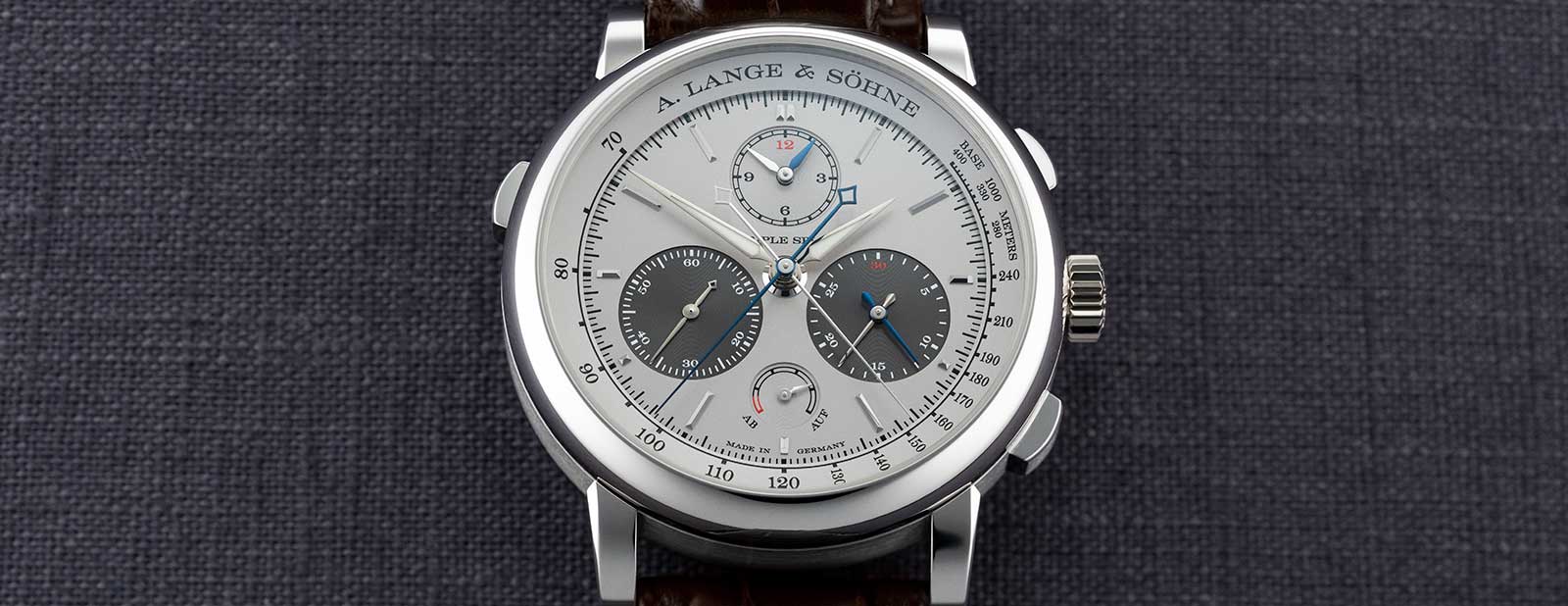
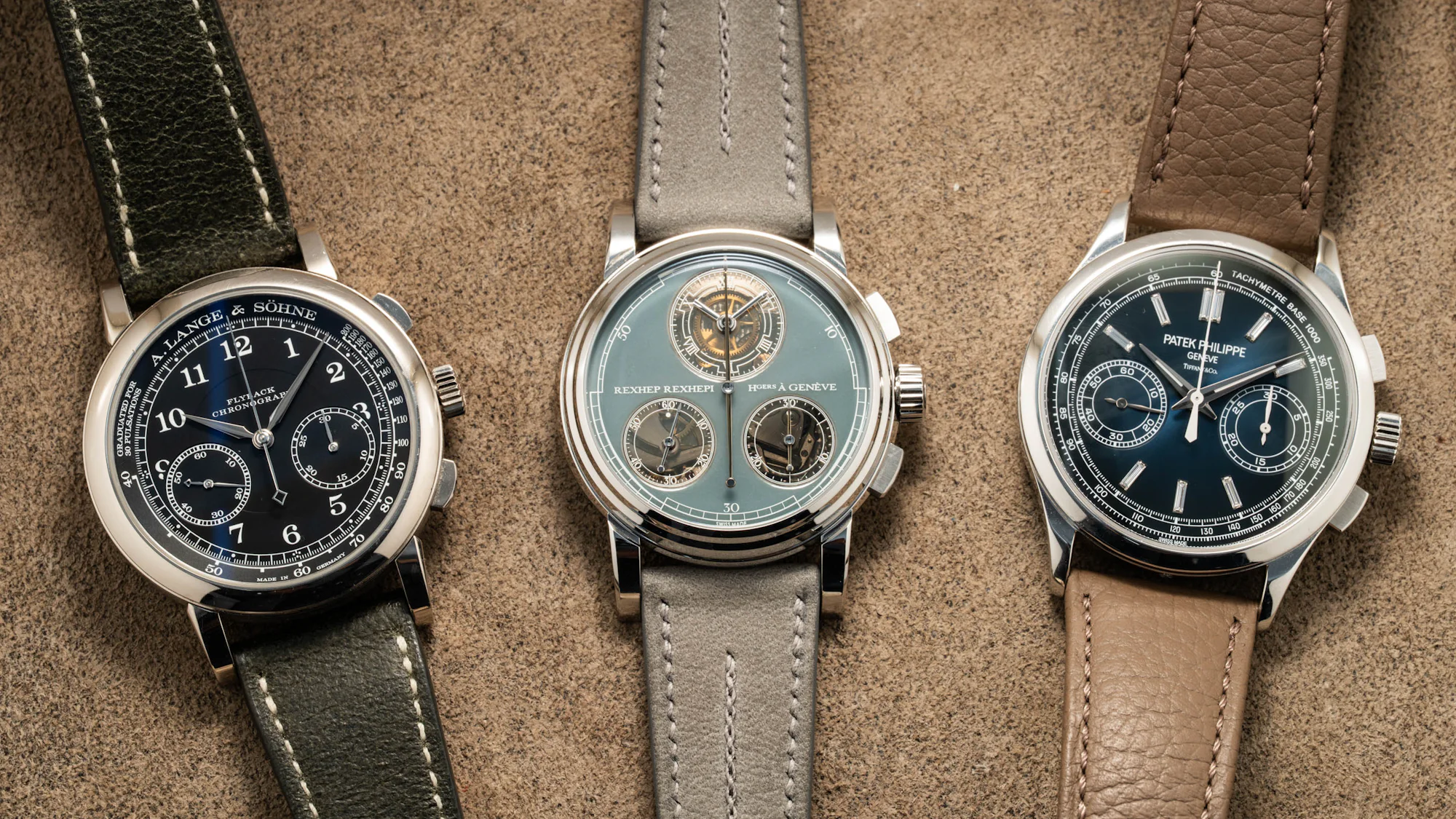
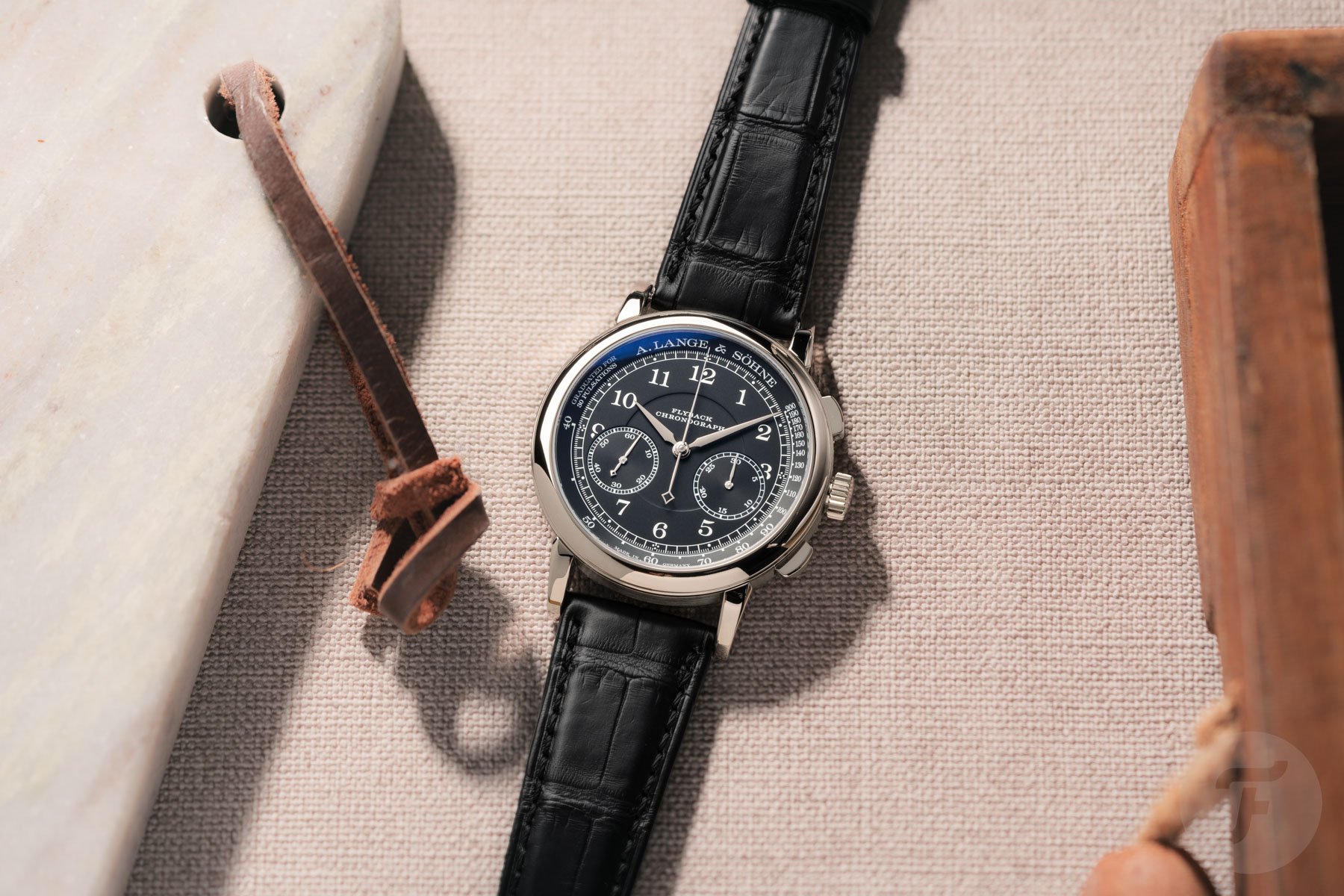
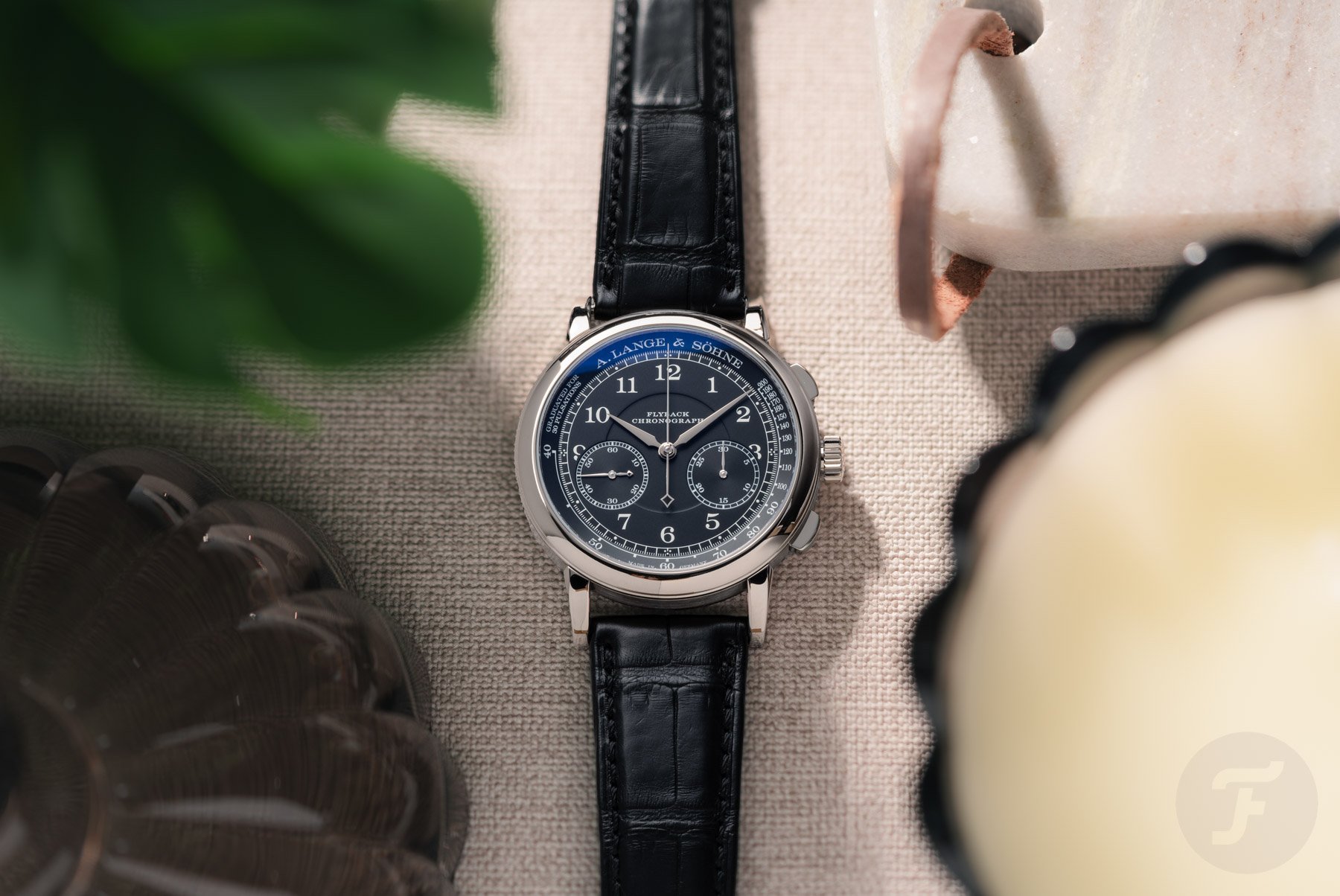
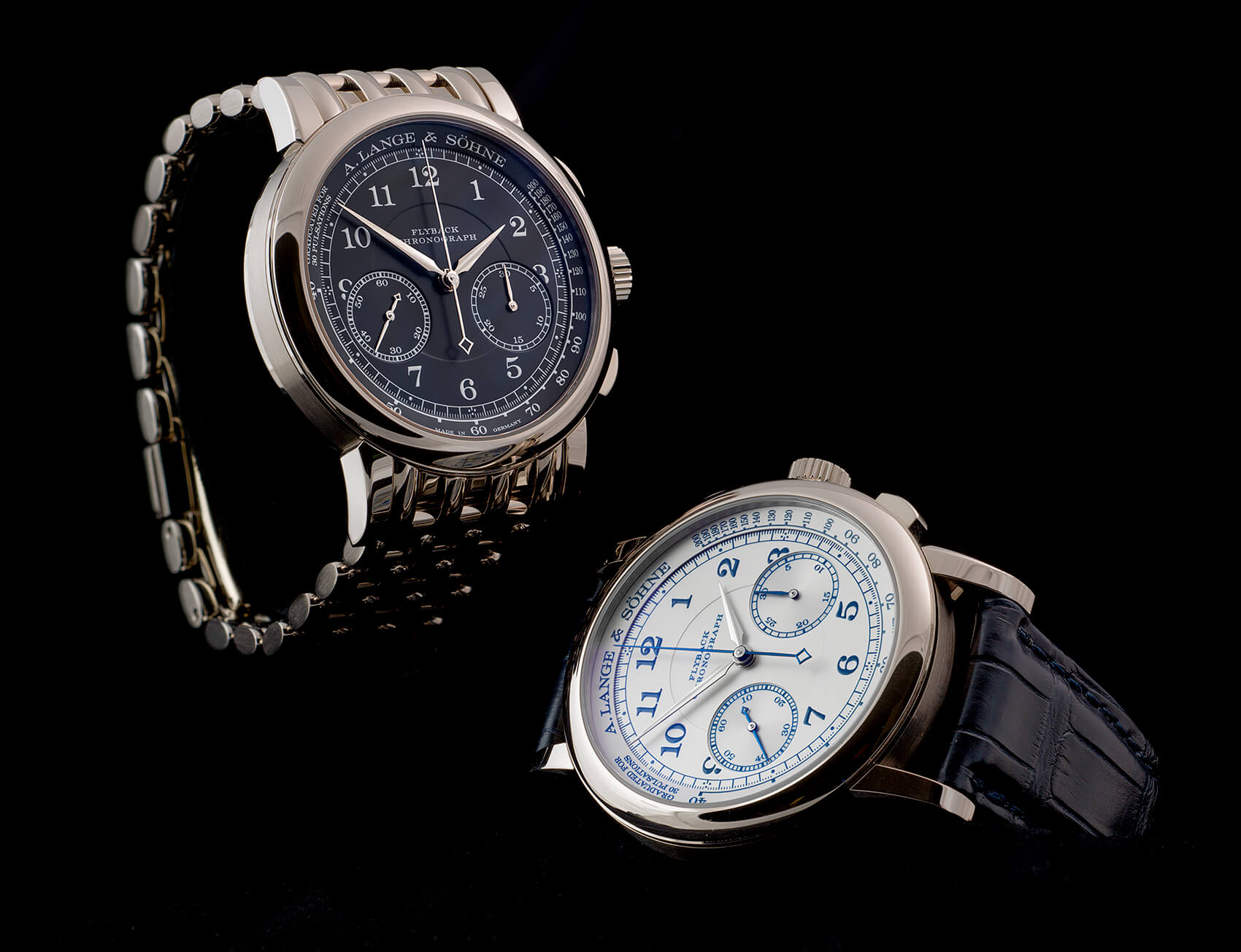
Major variants include the 1815 Up/Down (1997-2017, with a power-reserve indicator at 12), the 1815 Annual Calendar (2017, with a small annual-calendar layout that respects the dial's classical proportions), the 1815 Chronograph (2004, with the in-house Cal. L951.5 flyback chronograph), the 1815 Tourbillon (2014, with stop-seconds and zero-reset complications), and the haute-complication 1815 Rattrapante Perpetual Calendar (2013, split-seconds chronograph + perpetual calendar in one case).
The 1815 is one of the four founding references of Lange's 1994 relaunch (alongside Lange 1, Saxonia, and Arkade) and the only one positioned squarely as a hand-wound dress watch. Retail spans ~€26,000 (1815 Time-Only) to ~€185,000+ (Rattrapante Perpetual). The reference for buyers who want hand-wound classical horology rather than a Saxonia or Lange 1; arguably the most quintessentially Lange watch in the catalogue.



Comments
No comments yet, be the first to weigh in.