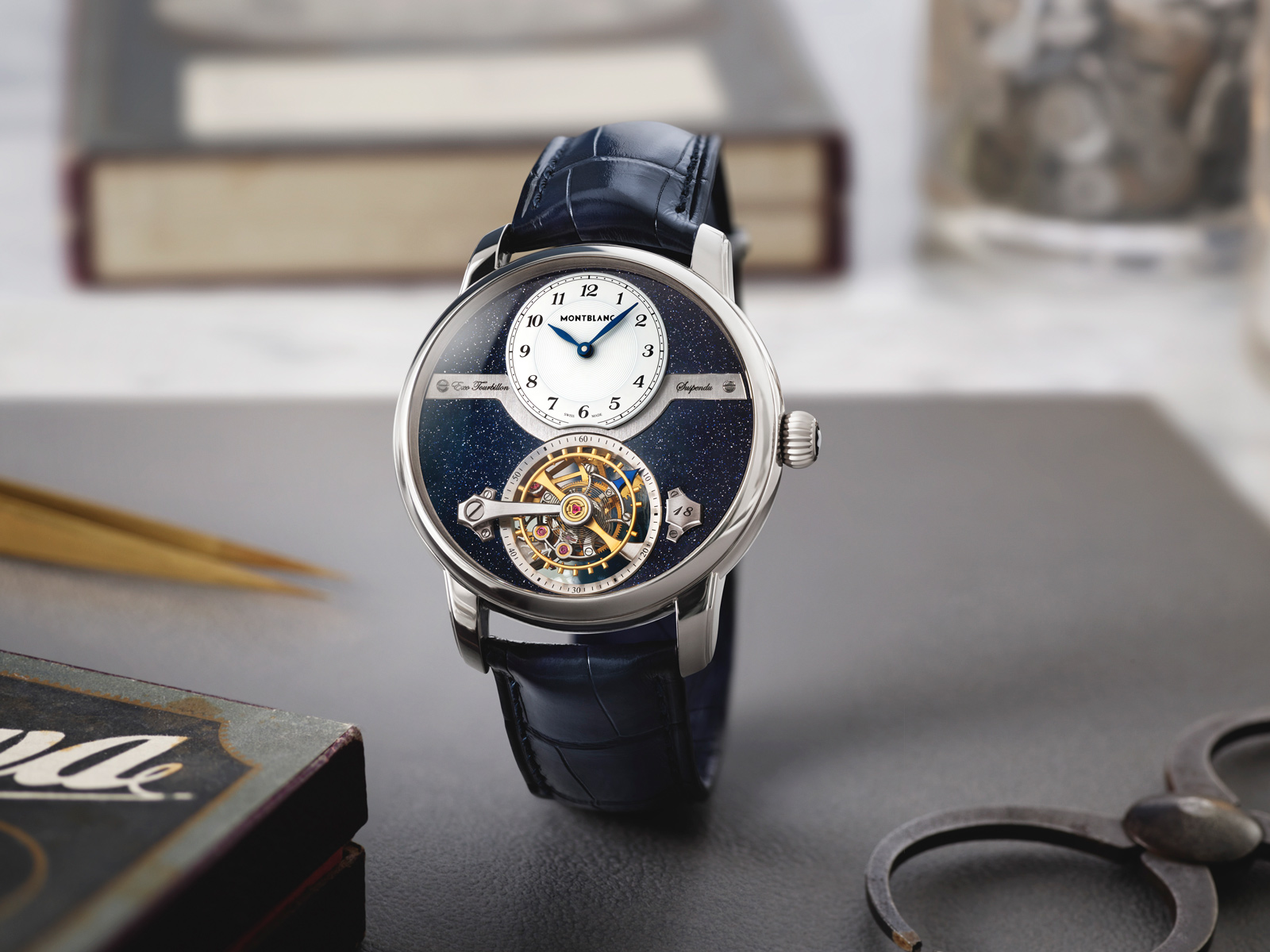
Montblanc Introduces the Star Legacy Suspended Exo Tourbillon
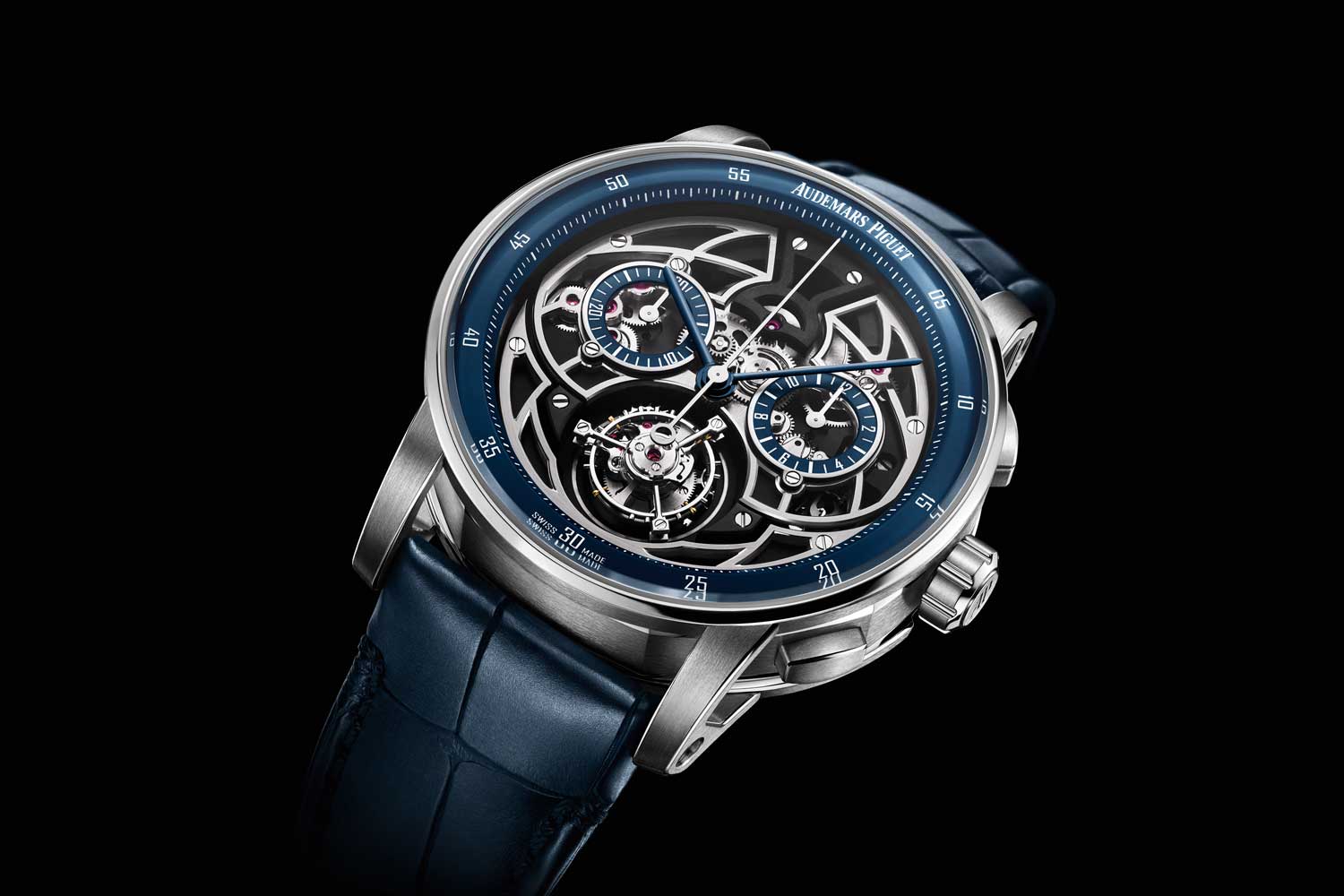
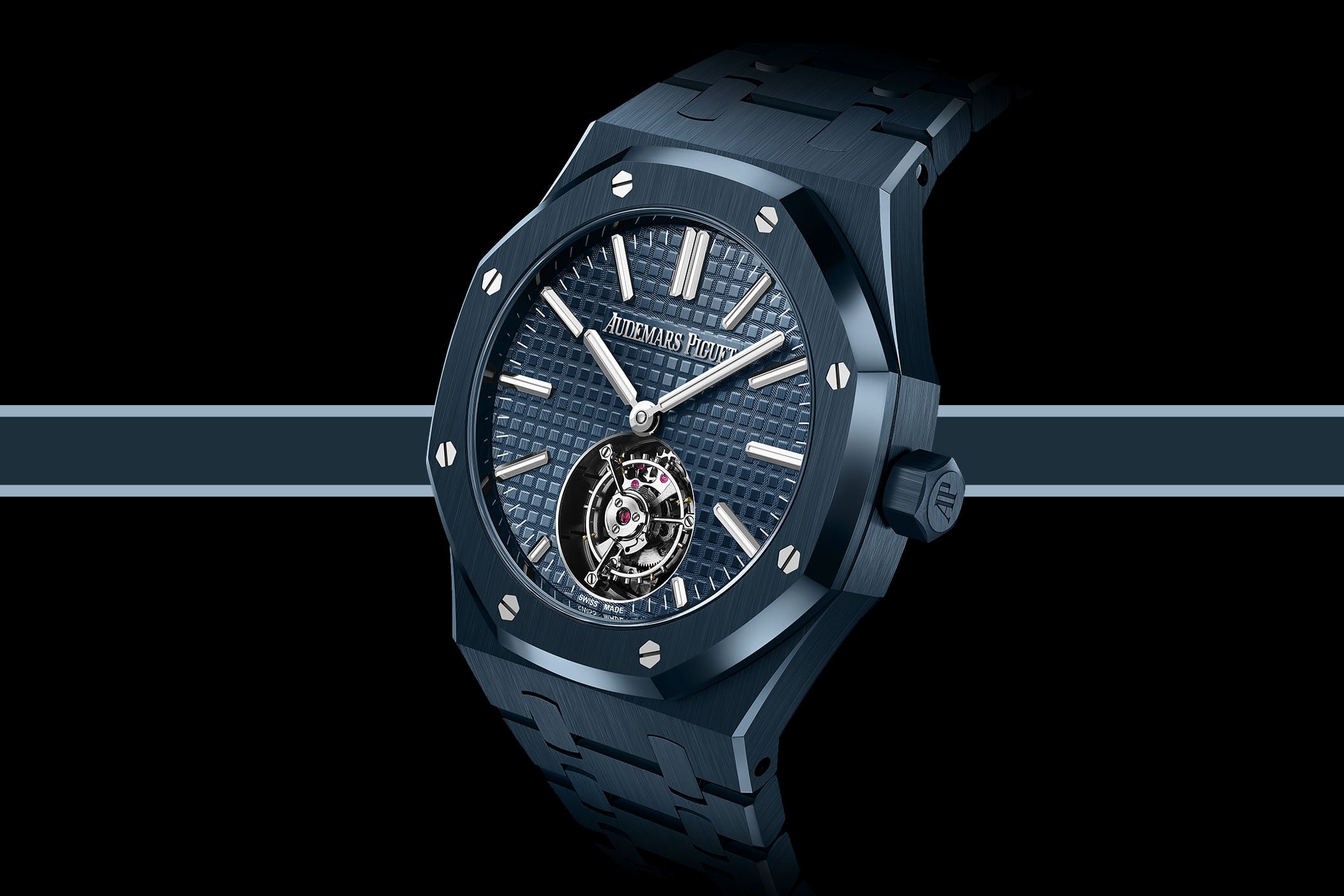
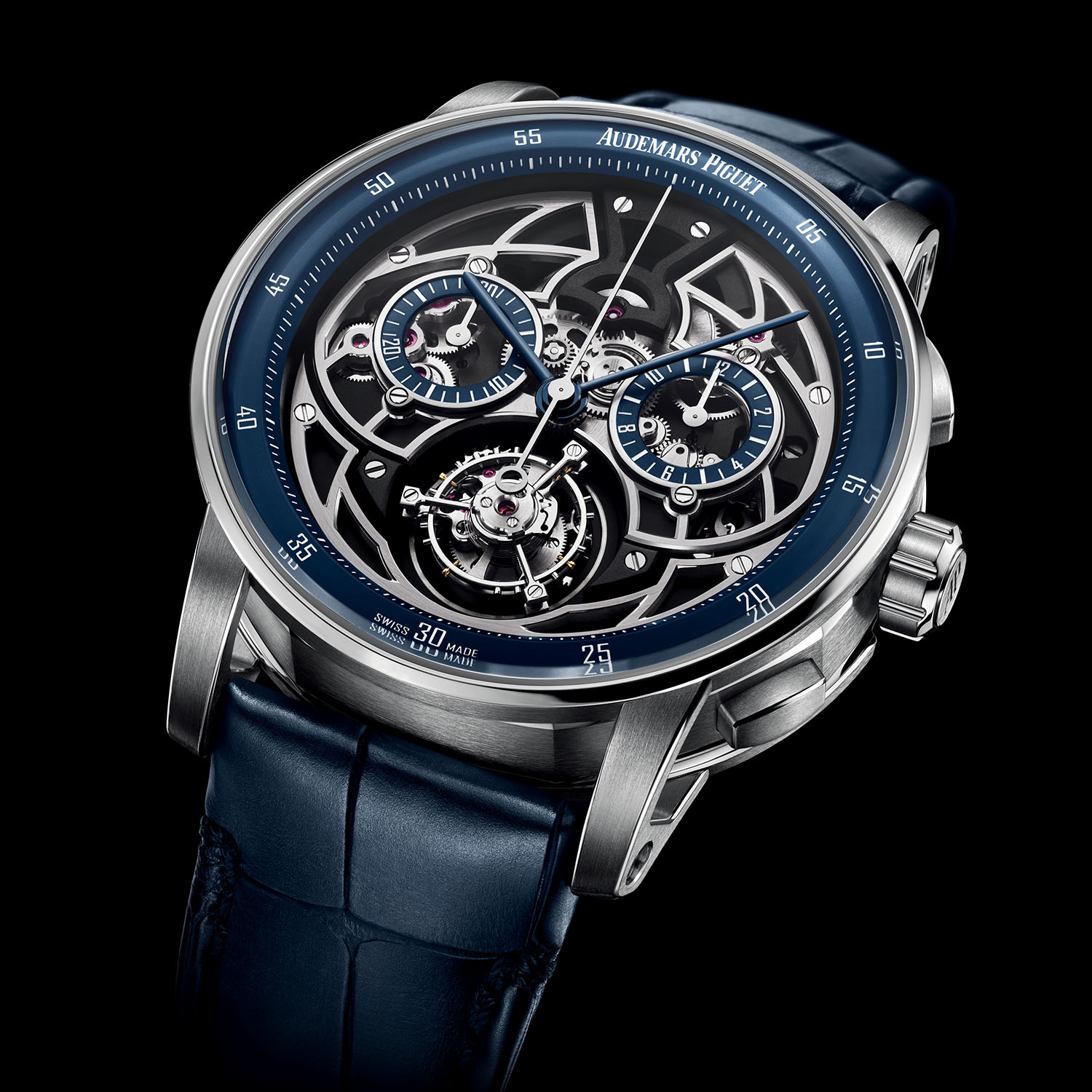
One of the most interesting new releases from Montblanc at Watches & Wonders 2021 is the Star Legacy Suspended Exo Tourbillon, a technically impressive movement fused with a sparkly aventurine-glass dial. It’s equipped with a larger-than-usual balance wheel positioned above the dial, seemingly suspended but actually part of the tourbillon regulator. Initial thoughts Introduced at SIHH 2018, the Suspended Exo Tourbillon movement was most recently seen in an open-worked variant unveiled last year. Despite not being new in terms of mechanics, the new Star Legacy Suspended Exo Tourbillon is different enough from its predecessors – and still powered by the same fine movement. Very much living up to the Star Legacy model name, the aventurine-glass is restrained and modern, especially when combined with the white gold case, giving it a different look from the earlier models that were in rose gold. Typical of Montblanc’s higher-end watches made at the former Minerva manufacture in Villeret – as opposed to its more affordable timepieces, manufactured at the main facility in Le Locle – the Star Legacy Suspended Exo Tourbillon is remarkably well-finished. Worlds apart from Montblanc’s entry-level tourbillon in terms of movement decoration, the movement is also more traditionally finished than comparably priced alternatives such as the Audemars Piguet Code 11.59 Flying Tourbillon. However, because the movement was derived from the pocket watch calibres developed by M...
 Time+Tide