Revolution
Results for IWC
1,822 articles · 10 videos found · page 22 of 62
Related pages
IWC's 1939 pocket-watch-movement wristwatch for Portuguese maritime officers. Oversized 42mm for its era.
IWC's 1955 anti-magnetic engineer watch, redesigned by Gérald Genta in 1976 and revived in 2023.
Geneva luxury holding group founded 1988 by Johann Rupert. Owns Cartier, IWC, JLC, A. Lange & Söhne, Vacheron, Panerai, Piaget. Largest haute-horlogerie portfolio in the industry.
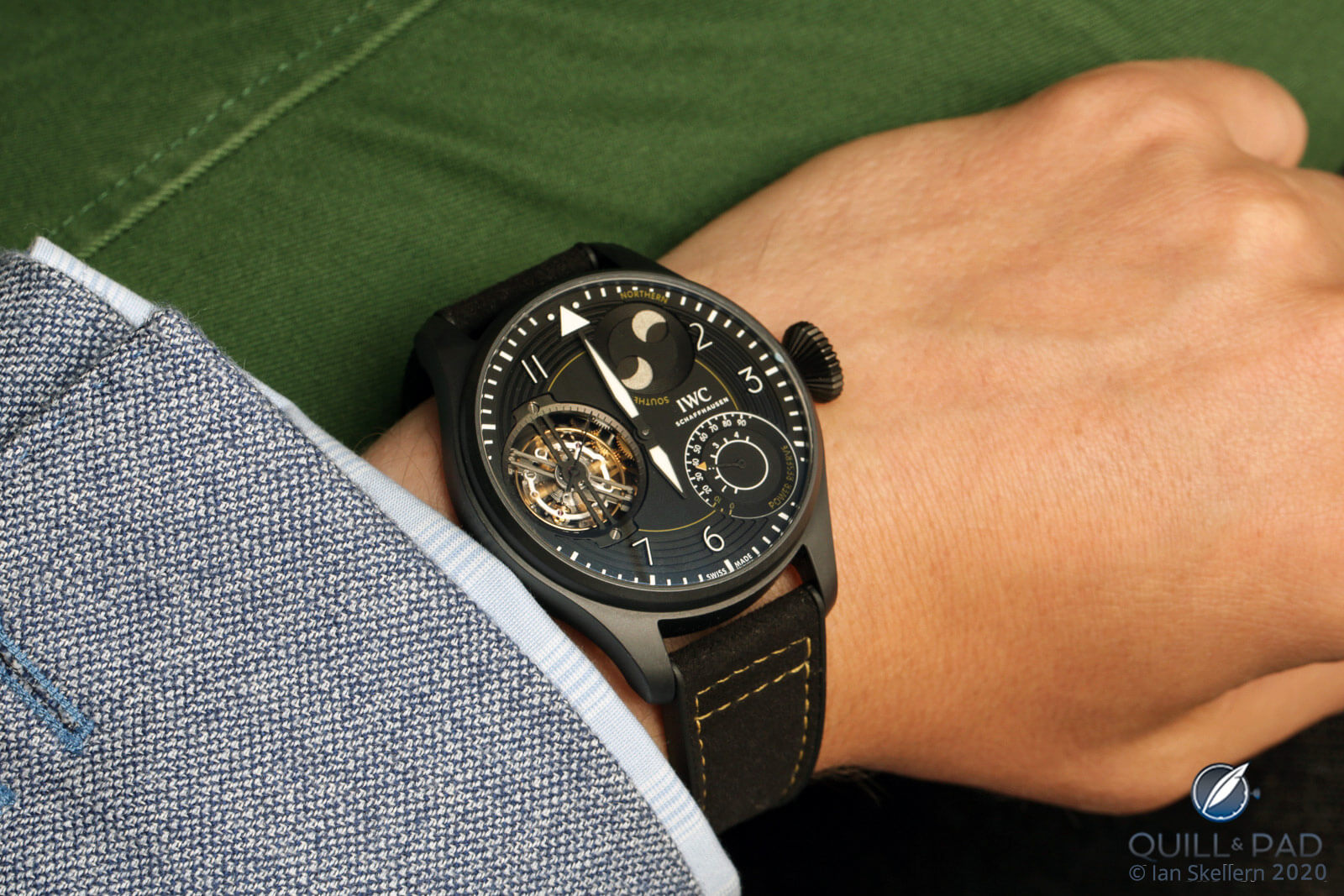
Wristshot gallery from the Horlogeforum IWC thread.
Revolution
Deployant
In conversation exclusive: interview with Georges Kern, CEO IWC. Part 2.
Part 2 of the interview with Georges Kern, touching on the brand strategy, collection review.
Revolution
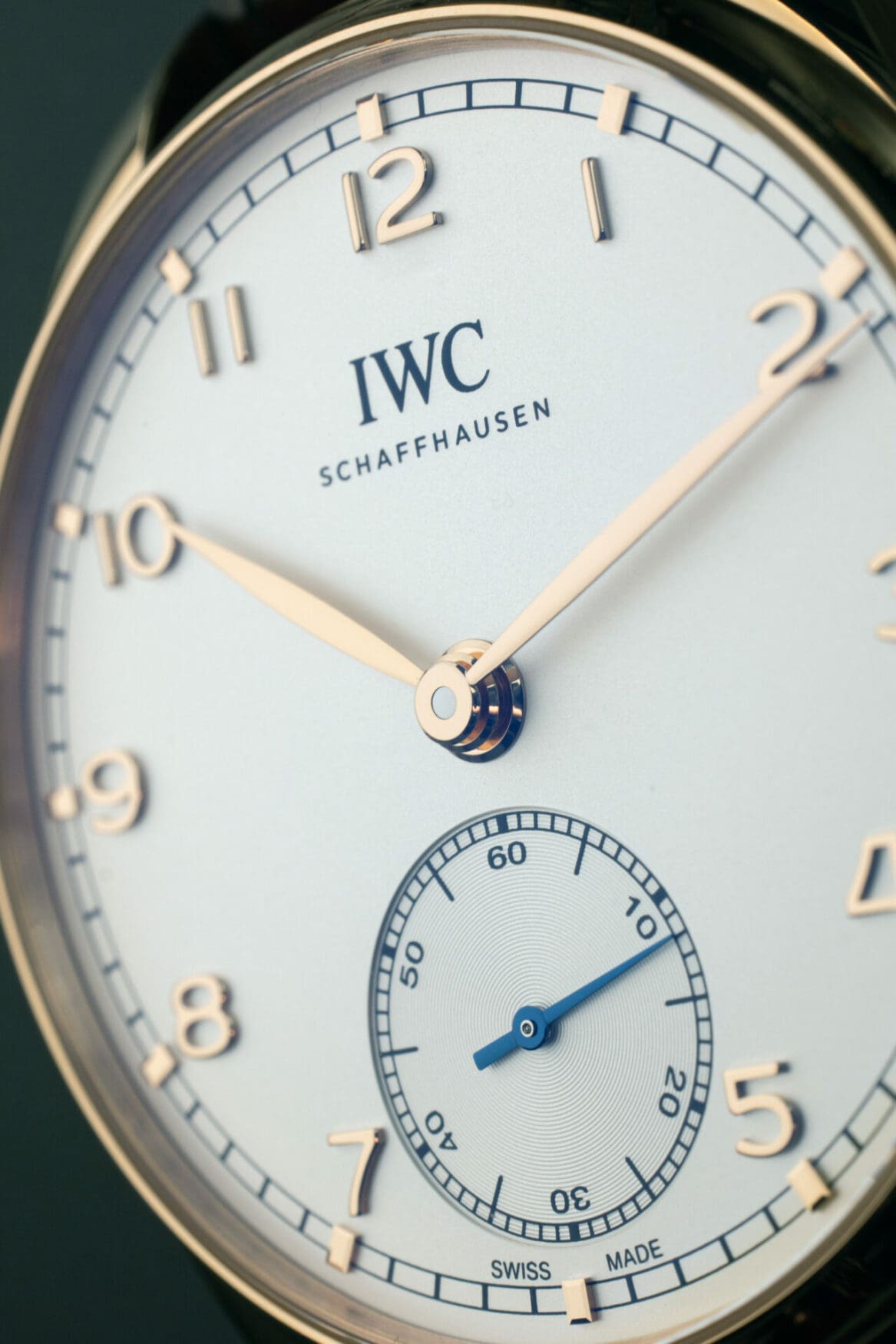
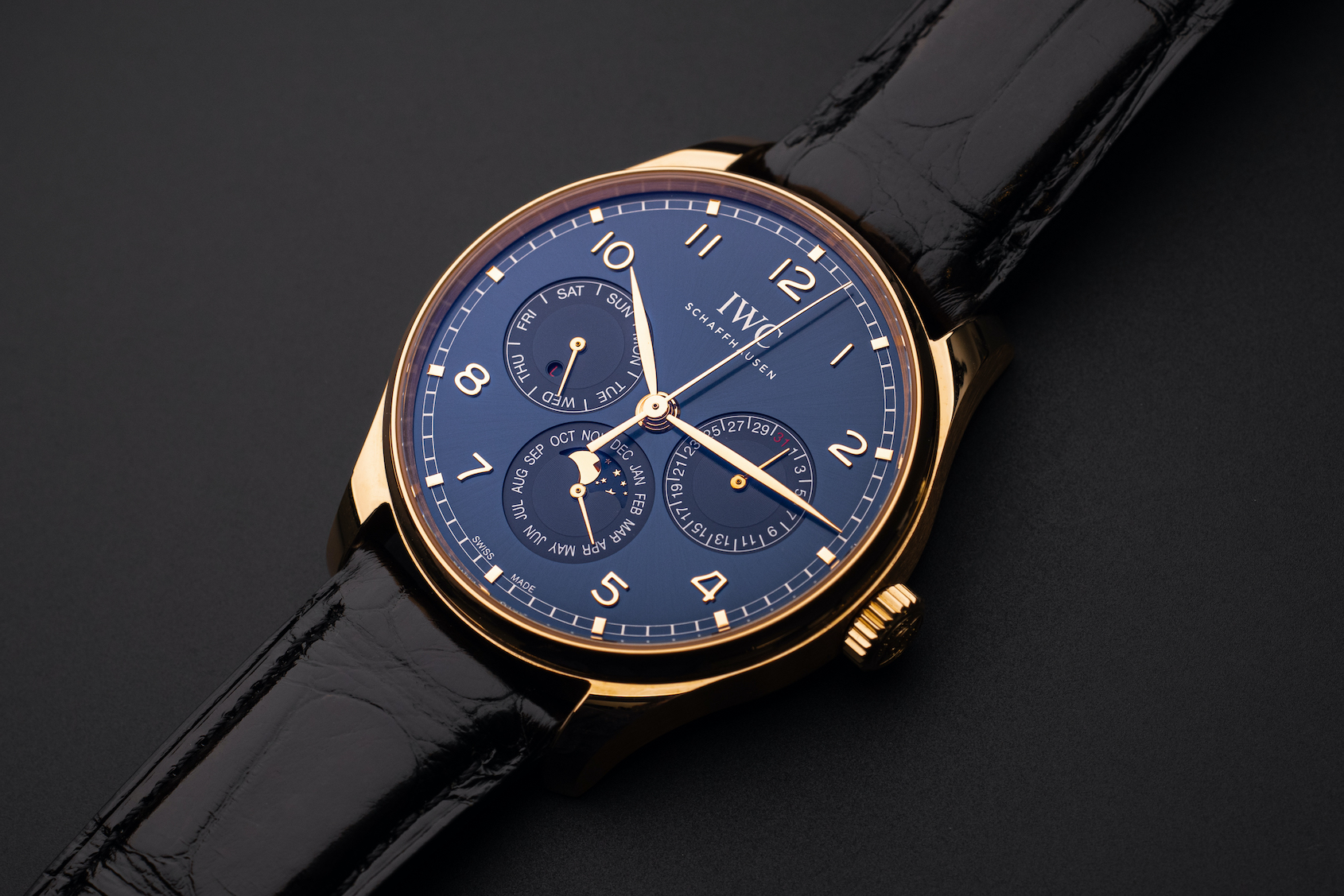
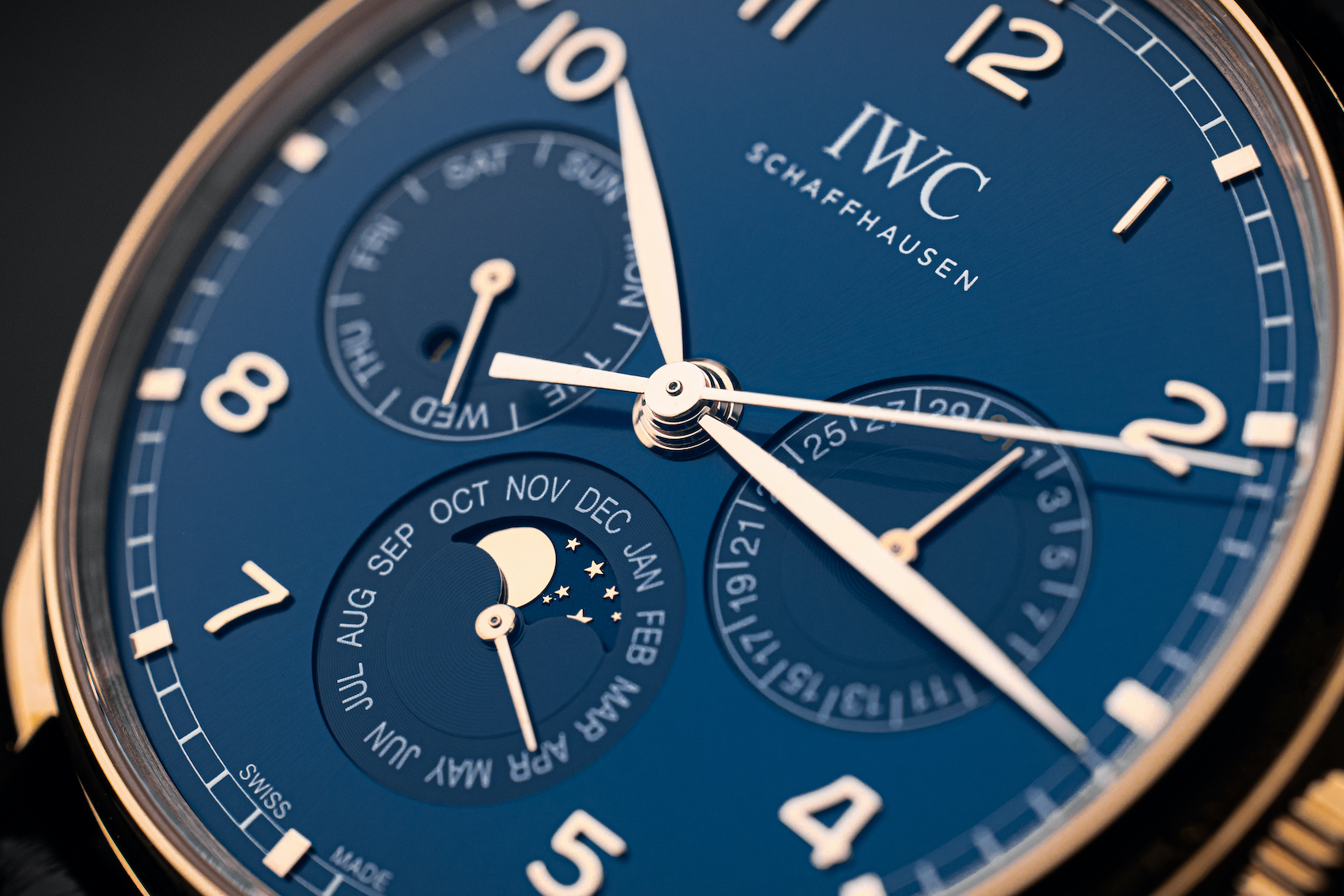
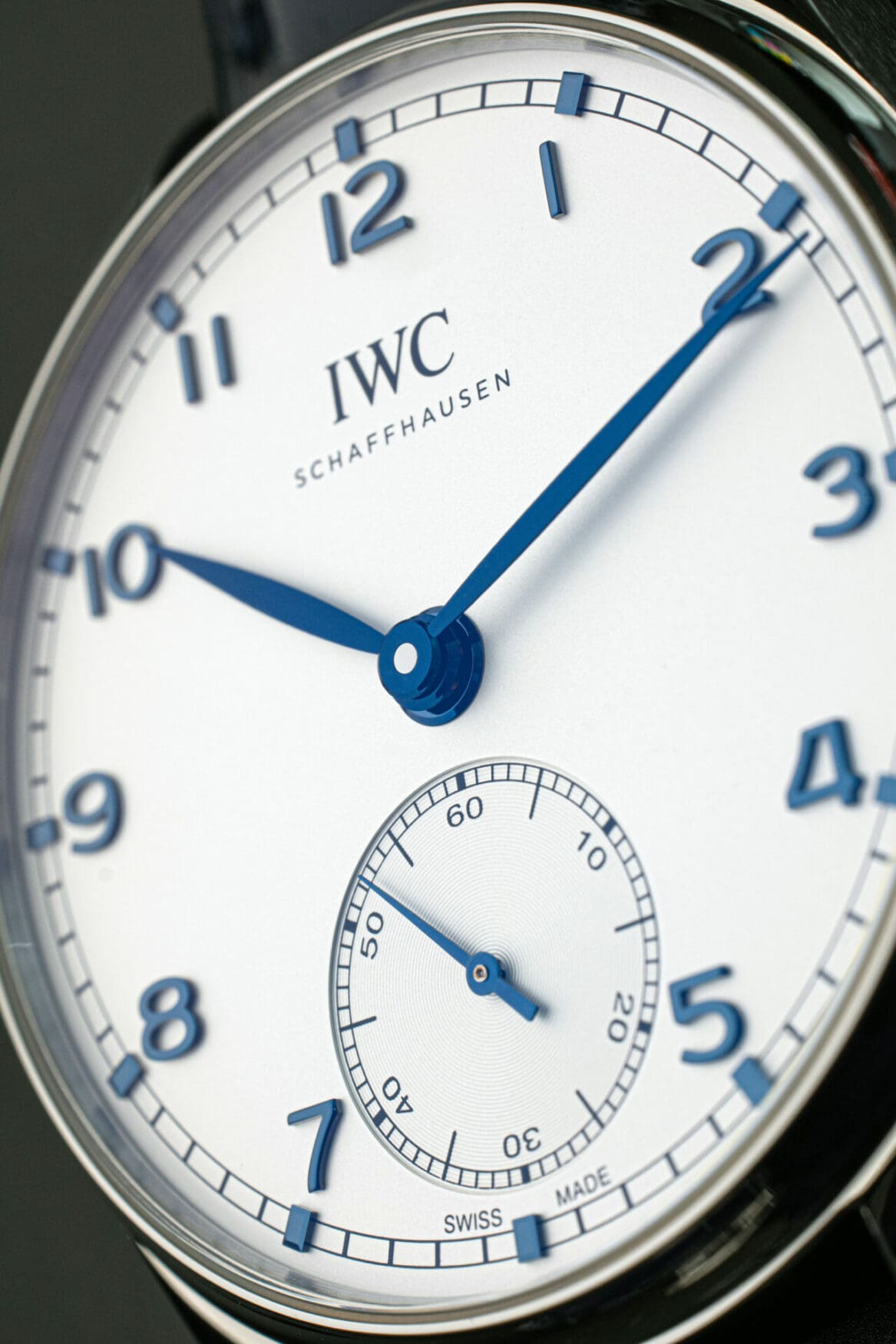
Everything Same, Everything Different. How Well Do You Know The New IWC Portugieser?
There are two types of change - one is the change you make because you have to and the second is the change you make because you want to. It’s a good rule of thumb to hold that the second kind is usually better than the first, because that kind of change usually means you’re […]
Deployant
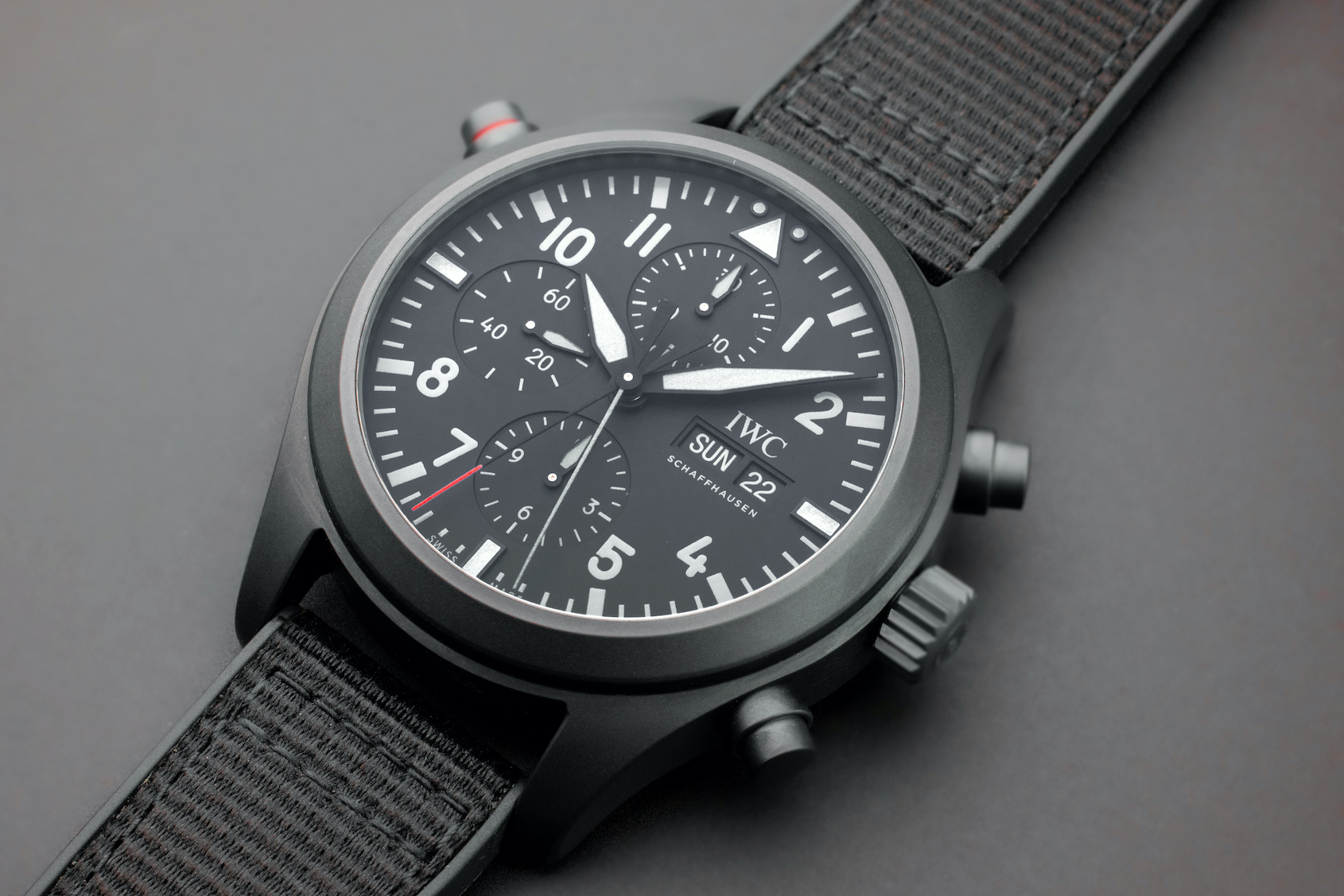
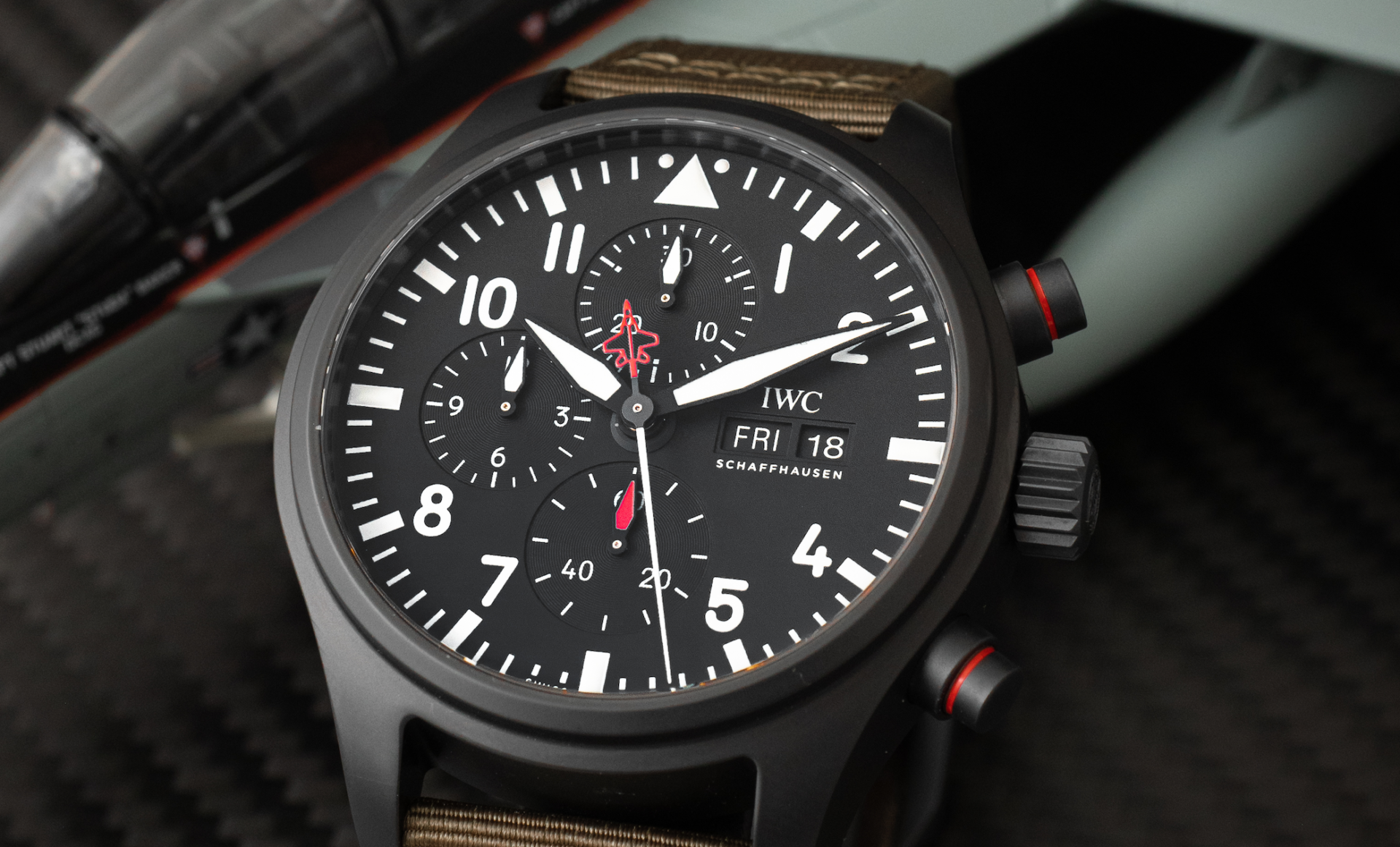
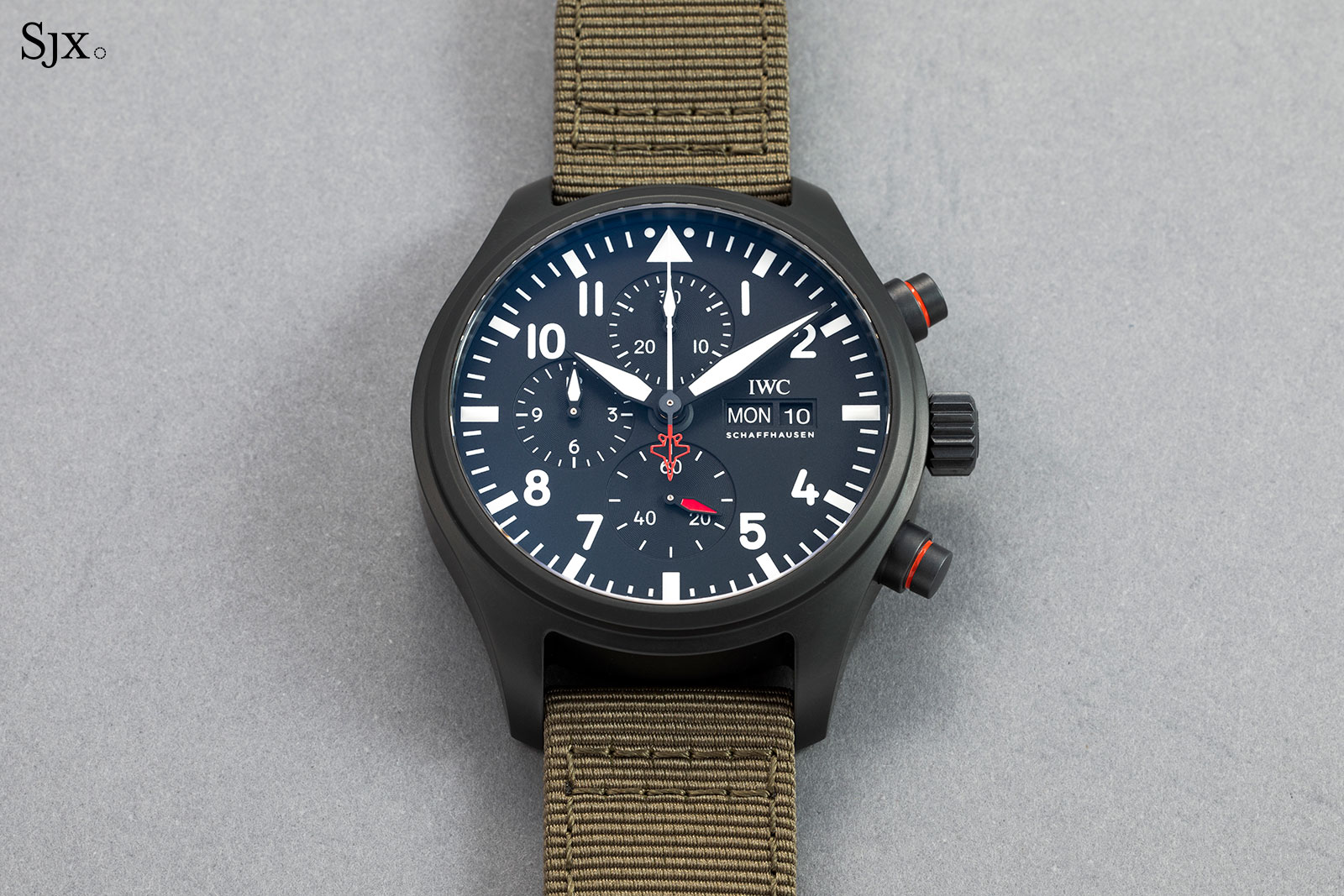
IWC Pilot Chronograph Top Gun: An Airman’s Perspective (Part 1): The Collector’s View
As some of the readers may know, I am currently an Airman (not a pilot though) in the Republic of Singapore Air Force. Being a watch enthusiast, I tend to observe and interact with other airmen, and gaining an insight on the kind of watches that they are wearing. This sort of leads me to question the existenceRead More
Revolution
IWC : Two Ingenieurs On The Race Track.
Materials used in Formula One™ inspired the cases of the Ingenieur Double Chronograph Titanium and Ingenieur Dual Time Titanium. Technically speaking, too, the two timepieces are ideal for the motorsport’s premier discipline. While the Double Chronograph records lap times, the Dual Time helps to keep track of the time during the racing season despite constant […]
Revolution
Ruling The Skies: IWC and Top Gun
The Advanced Fighter Weapons School In the 1970s, the Swiss mechanical watch industry was almost wiped out by an electronic threat called quartz technology, which instantly democratized accuracy in the form of cheap, Japanese-made watches. But ultimately, in the clash between soulless battery-operated machines and those handcrafted by human artisans, the mechanical watch won out, […]
Monochrome
Recap – The Integrated Bracelet Watch Trend Keeps Going Strong, With Tons of New Models Presented at Watches & Wonders 2026
A category defined during the 1970s by a handful of models that all became proper icons of the industry – AP Royal Oak, PP Nautilus, VC 222, IWC Ingenieur, GP Laureato, to name a few – the luxury sports watch or integrated bracelet trend made a strong comeback about 10 years ago. Not only did […]
Teddy Baldassarre Videos
Watch Shopping with Doctor Mike
In today's video we make another visit to Carat & Co. in New York to do some watch shopping. This time, joining us is YouTube's favorite doctor: Doctor Mike! In search of a new watch that he can wear every day, to and from the hospital, Doctor Mike is interested in the likes of Omega, Grand Seiko, IWC, JLC, & C
Monochrome
Industry News – Richemont Reports Sales Up 11% For the Third Quarter of 2025
Despite a challenging political and economic context worldwide, and the undeniable impact of tariffs on exports to the US, luxury powerhouse Richemont, owner of Cartier, IWC, JLC, and Vacheron, seems to remain strong. Indeed, in its latest quarterly report for the three-month period ended 31 December 2025 versus the prior-year period, and at constant exchange […]
Fratello
Why Every Watch Collector Needs A “Calatrava”
There’s something about a classic dress watch that resonates beyond fleeting trends. For me, it all started with the vintage IWC “Calatrava” Cal. 89 that I inherited from my grandfather. It is a watch from a bygone era when watchmaking was all about understated elegance, mechanical mastery, and timeless design. Recently, my Fratello colleagues discussed […] Visit Why Every Watch Collector Needs A “Calatrava” to read the full article.
SJX Watches
Longines’ Ultra-Chron Classic is a Double-Certified, High-Beat Chronometer
Longines continues to mine its archive to good effect with the Ultra-Chron Classic, a faithful reissue of the brand’s pioneering high-frequency wristwatch first launched in 1967. The Ultra-Chron Classic is more than just a remake of a vintage watch. While it has a clean, period-correct vintage aesthetic, the mechanics are entirely modern, namely a high-beat, 5 Hz automatic movement that is both COSC chronometer and TIMELAB certified. Initial thoughts Longines does well at bringing back beloved designs from the past, but built to modern standards. The Ultra-Chron Classic is the latest in a long line of historical reissues that began nearly two decades ago with the bestselling Legend Diver. The Ultra-Chron Classic is impressively faithful to the original in style, but because of that, not especially exciting in terms of design, retaining the all-business look that was common among high-performance gentlemen’s wristwatches of the era; the same criticism could be leveled at the Jaeger-LeCoultre Geophysic E168 or IWC Ingenieur ref. 666. In other words, the dial, hands, and indices are mostly true to the source material, but this pared-back look may have a harder time standing out in today’s market than it once did. Dressy? Classic? Or plain? Looks aside, the Ultra-Chron Classic is modern Longines at its best: a solid build, a brand-exclusive movement, proper sizing, and sensible pricing. The movement in particular stands out for being notable high-spec with its 36,000 bea...
Fratello
Looking To Buy A Ceramic Watch? Here Are The Benefits And Potential Downsides
Ceramic is a material that has been used in watches for decades. It comes with some significant advantages over more traditional stainless steel. However, there are also a couple of issues to consider. Recently, I spent a significant amount of time with the IWC Pilot’s Watch Automatic RAAF (ref. IW3281-02). This is a modern interpretation […] Visit Looking To Buy A Ceramic Watch? Here Are The Benefits And Potential Downsides to read the full article.
Monochrome
Introducing – The Habring² Josef Regulator With Dead-Beat Seconds
Twenty years ago, Austrian couple Maria and Richard Habring (the latter being famous already for his previous work at IWC, including developing the 7750-based Doppel Chronograph, among other clever mechanisms) started their own journey, an independent watchmaking brand known as Habring². Now one of the most respected indie watchmakers in their segment, one of the […]
Worn & Wound
Habring² Pilot Watches: A Tale of Two Fun (and Rare) Complications
My journey with Habring² started back in 2009 when my girlfriend (now wife) and I decided to spend a cozy weekend in Vienna. At the time, I was living and working in Prague, thus it was an easy drive to Vienna. On a chilly November morning, after a delightful breakfast, we wandered through the city. That’s when I noticed these enormous banners showcasing various watch brands for an event called Vienna Time. Among them was a banner for Habring². I had been a fan of the brand but had never seen any of their watches in person. So, I jumped at the chance to visit and meet the brand’s founders, Richard and Maria Habring. Fast forward to today, after knowing the Habrings for so many years, I can honestly say they are some of the most down-to-earth and caring people you’ll ever meet. And it shows in their watchmaking too. I like to call it “honest watchmaking.” Their watches are reasonably priced, especially considering the various complications they offer. Even the packaging is charmingly unpretentious-a compact wooden box that simply says, “made with love.” In this box, the Habrings also include spare parts necessary for the first service with our preferred local watchmaker-a practical consideration. The Habrings do not like to discuss Richard’s past accomplishments at various big brands like IWC and Lange. However, they are well documented online. As a primer, I would recommend reading this Hodinkee article by Jason Heaton, and this WatchProZine write-up ...
Worn & Wound
Hands-On: the Praesidus DD-45 “Patina”
The muggy jungle of the South Pacific was no place for weak watches. As World War II raged through the early 1940s, Allied troops found themselves trailing behind the production capabilities of their Axis counterparts, and manufacturing on the homefront turned all attention to the war effort. Civilian-spec’d watches were not going to cut it in either theater of operations – the elements were too brutal for delicate equipment of any kind. Military necessity being the timeless innovator it is, the British Ministry of Defense (MoD) committed to finding robust timekeeping options for the Allies that could be produced as quickly as possible. The specifications were stringent and twelve brands were tapped for the task: Buren, Cyma, Eterna, Grana, Jaeger-LeCoultre, Lemania, Longines, IWC, Omega, Record, Timor, and Vertex. Among many other things, the watches were to have a black dial, Arabic numerals and be housed in a stainless steel case. The time would be made legible with the help of luminous indices and hands – care for a little radium, anyone? Every watch was marked on the caseback with triple Ws: Wrist Watch Waterproof. The diameter ranged in sizes, depending on the brand, with Longines at the larger end of 38mm and IWC and Omega on the small side at 35mm. These watches are widely considered to be the first true field watches, as we know field watches today. The entire set, one watch from each of the twelve brands selected for production, is a collection-grail for ...
SJX Watches
Seiko Revives the Credor Locomotive Designed by Gerald Genta
After having designed the Audemars Piguet Royal Oak (1972), IWC Ingenieur (1974), and Patek Philippe Nautilus (1976), Gerald Genta also penned the Seiko Credor Locomotive in 1978. Now Seiko has revived the Credor Locomotive, preserving much of the original’s aesthetics but executing it in the brand’s proprietary “high-intensity” titanium and installing the new Credor CR01 automatic movement. The 1978 sketch of the Locomotive Initial thoughts Probably the last of the 1970s integrated bracelet sports watches Genta designed, the Locomotive is typical of his work of the period. In fact, the design is arguably an amalgamation of his better-known creations. Though it brings to mind his other work, the Locomotive is distinctive and definitely polarising. The Locomotive isn’t Genta’s best creation, but for some reason I like it. I’m familiar with the original and it has charm, despite being a little weird. I am sure the new limited edition will have far superior fit and finish, which will boost the intrinsic appeal. At the same time, the retail price of US$12,000 is competitive, especially when set against the Swiss competition like the IWC Ingenieur. Forward motion Named locomotive in the hope that it would propel Seiko forward, the Locomotive was designed by Genta at the request of Reijiro Hattori, a grandson of Seiko’s founder and uncle of current Seiko Group chairman Shinji Hattori. Genta’s original sketch for the Locomotive is dated 1978, and the watch was l...
Monochrome
Industry News – Richemont Reports Sales up by 8% For Third Quarter, Jewellery Taking the Lead over Watches
Switzerland-based luxury conglomerate Richemont Group has just issued its trading update for the nine months ended 31 December 2023. The group, which includes brands such as Cartier, IWC, JLC and Vacheron, reports sales up by 8% at constant exchange rates and by 4% at actual exchange rates to EUR 5.6 billion for the last quarter […]
SJX Watches
Leica Shifts Focus with the ZM 11
Having introduced the ZM 1 and ZM 2 wristwatches in 2018, Leica now launches its first sports watch with ZM 11. Deviating entirely from the camera-inspired aesthetics of the earlier models, the ZM 11 is a straightforward three-hander in a minimalist style with an integrated bracelet (or strap). But like its predecessors, the ZM 11 is equipped with a movement made by a specialist, in this case Chronode. Initial thoughts On its face, the ZM 11 comes across as uninspiring at first, appearing similar to many current luxury sports watches with integrated bracelets. But on closer inspection it reveals interesting details, including a nicely finished case and bracelet with facetted, brushed surfaces. Also notable is the quick-release mechanism for the bracelet that’s activated by a red button, a reference to Leica cameras. The red button aside, however, the design doesn’t capture the essence of a Leica camera as the earlier ZM 1 and ZM 2 did. The earlier pair incorporated camera-inspired details into functional elements, like a patented “push-piece” crown that mimics the push of a shutter-release button. While the ZM 1 and ZM 2 are arguably Leica watches, the ZM 11 feels more like a Leica-branded watch. Priced around US$7,000 for the base model, the ZM 11 is competitively priced as far as integrated-bracelet sports watches go. The IWC Ingenieur, for instance, is about 40% pricier. However, such sports watches are generally priced at a premium relatively to everything else...
Deployant
Stepping out: Six watches under S$10,000 to add variety into your watch collection
Picture this. You have been a watch collector for at least the last decade or so, but the watches in your personal collection are predominantly the likes of the usual suspect: Rolex, Omega, IWC, and maybe one or two pieces from the “holy trinity of Swiss watchmaking” – if you are a little luckier inRead More
Time+Tide
Issue 7 of the NOW Magazine is now available, and so is a little digital treat
Though the magazine just about takes the cake for the piece of content that is most difficult to plan and execute, it is also just about one of our favourites. From the features to the Buying Guide, the brand new NOW Magazine Issue 7 is here, this time in resplendent aqua with the new IWC … ContinuedThe post Issue 7 of the NOW Magazine is now available, and so is a little digital treat appeared first on Time+Tide Watches.
Worn & Wound
Inside the Collection: Common Threads Through Uncommon Chronographs
I am not a chronograph guy. At least that’s what I keep telling myself. I’ve owned my share of chronographs over the years, but they always seem to be first on the chopping block when something new comes along that I need to clear out space for. They also, in general, don’t appeal to me aesthetically. I tend to like a less cluttered, more serene dial than what you’ll find on a typical chronograph, simply because of the nature of the complication itself. And I certainly don’t belong in the nerdiest segment of chronograph lovers, who have deeply held beliefs about the best chronograph movements ever made, and can rattle off the most minute differences between Speedmaster references at the drop of a hat. I admire the dedication and knowledge of these hardcore chronograph superfans, but I’ve never counted myself among them. And yet, day to day, the watch I’ve worn the most by far over the last year is a chronograph that flies in the face of everything I tend to think about my own watch preferences. And if you were to ask me, “Hey Zach, out of all of your watches, which one has your favorite dial?” I’d have to respond with another chronograph, that has one of the most intricate and beautifully made dials I’ve had the pleasure of owning. So what’s going on here? How did such a non-chrono guy wind up with this weird chrono subcollection? My IWC Pilot’s Watch Chronograph 41 Ceratanium has effectively become my daily wearer since picking it up last sum...
Worn & Wound
5 Times a Watch Surprised Me After the Fact
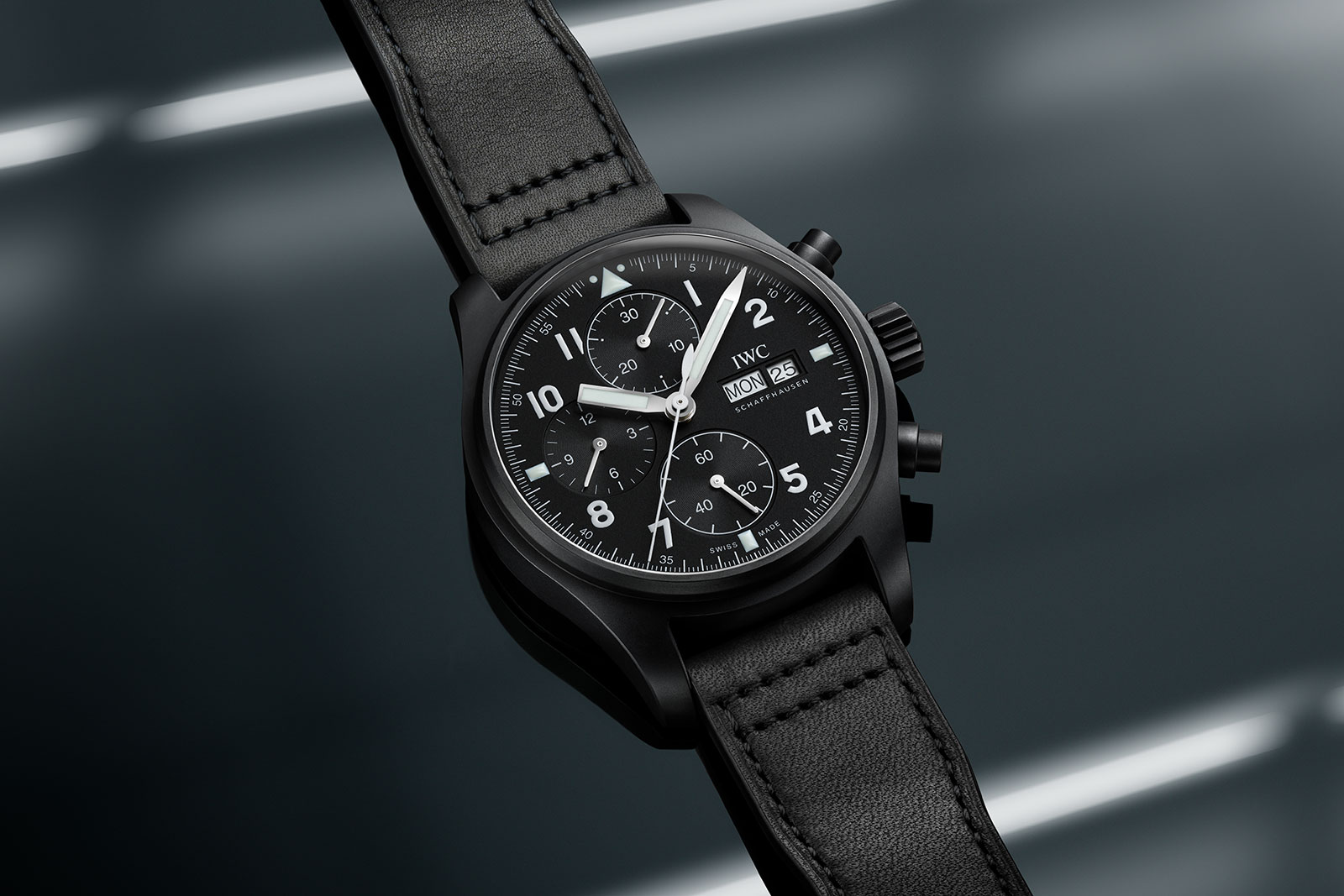
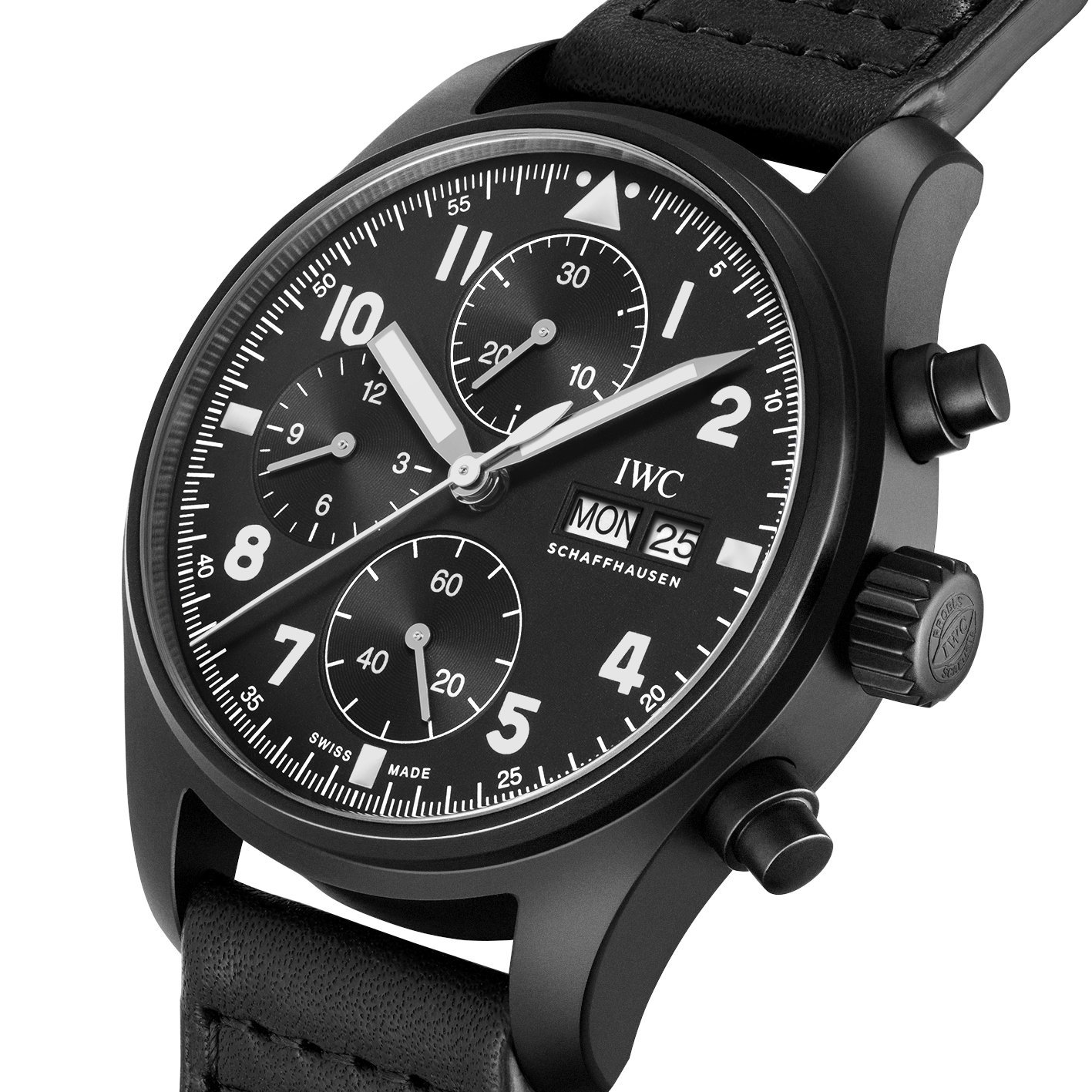
Watches can be tricky things to judge without getting some real world wrist time. Details like their scale or finishing details can be lost in even the best of images, and that’s to say nothing of more intangible things, like their heft or the way the bracelet wraps around your wrist. Try as we might, we still sometimes end up writing a watch off, or worse still, prematurely lauding it, before allowing enough hands-on time to appropriately confront our biases. These watches have a way of coming back to us, and like many things in life, a way of surprising us after the fact. With each example, we hope to learn a bit more about our blind spots, and take a bit more pause when scouting the landscape ahead. These are some examples of watches that surprised me after their initial launch, and what I learned from the experience. Jump into the comments below to share your thoughts and experiences. The IWC Tribute to 3705: Learning to Ignore the Numbers IWC has ridden their Pilot and Big Pilot ranges heavily in recent years, and while I enjoy the aesthetic of these watches, I’ve never been fond of the on-wrist experience with any of them. When I first saw the Tribute to 3705, I was quick to dismiss it based on some of the numbers, predominantly the thickness measurement north of 15mm. But then I got my hands on one, and it was the watch that triggered a reassessment of how I think about the numbers around watches. I even wrote an article implying you to do the same. The Tribut...
SJX Watches
Habring2 Introduces the Doppel 38
Habring² has scaled down its signature split-seconds chronograph to create the Doppel 38, which retains all of the key features of the original but in a more compact case. Still having the “bullhead” pusher layout that characterises the split-seconds chronographs of Habring², the Doppel 38 is smaller and thinner than its predecessor, but continues to be powered by the proprietary hand-wound A11R calibre. Initial thoughts Long one of the best values in terms of sub-US$10,000 chronographs, the Doppel is perhaps the archetypal Habring² watch since it’s descended from the complication Mr Habring invented at IWC three decades ago. Now vastly improved and refined by Mr Habring, the Doppel possibly the most accessible split-seconds chronograph on the market – in itself a major point of appeal. But the original Doppel was 42 mm, not massive but large enough to make someone who prefers smaller watches think twice. Personally I thought the larger Doppel was sized well for its particular type of complication, but the Doppel 38 is unexpectedly compact, especially at just 11.5 mm high. Beyond making it more wearable for more people, the new dimensions will no doubt give the Doppel 38 a slightly more retro feel, although the dial styles on offer are thoroughly modern. And it remains affordable as such things go, with a retail price of about US$7,900 before taxes. A value-proposition split-seconds Like many of the recent watches from the brand, the Doppel 38 is simple in sty...
SJX Watches
English Independents Team Up for the “Fears Garrick”
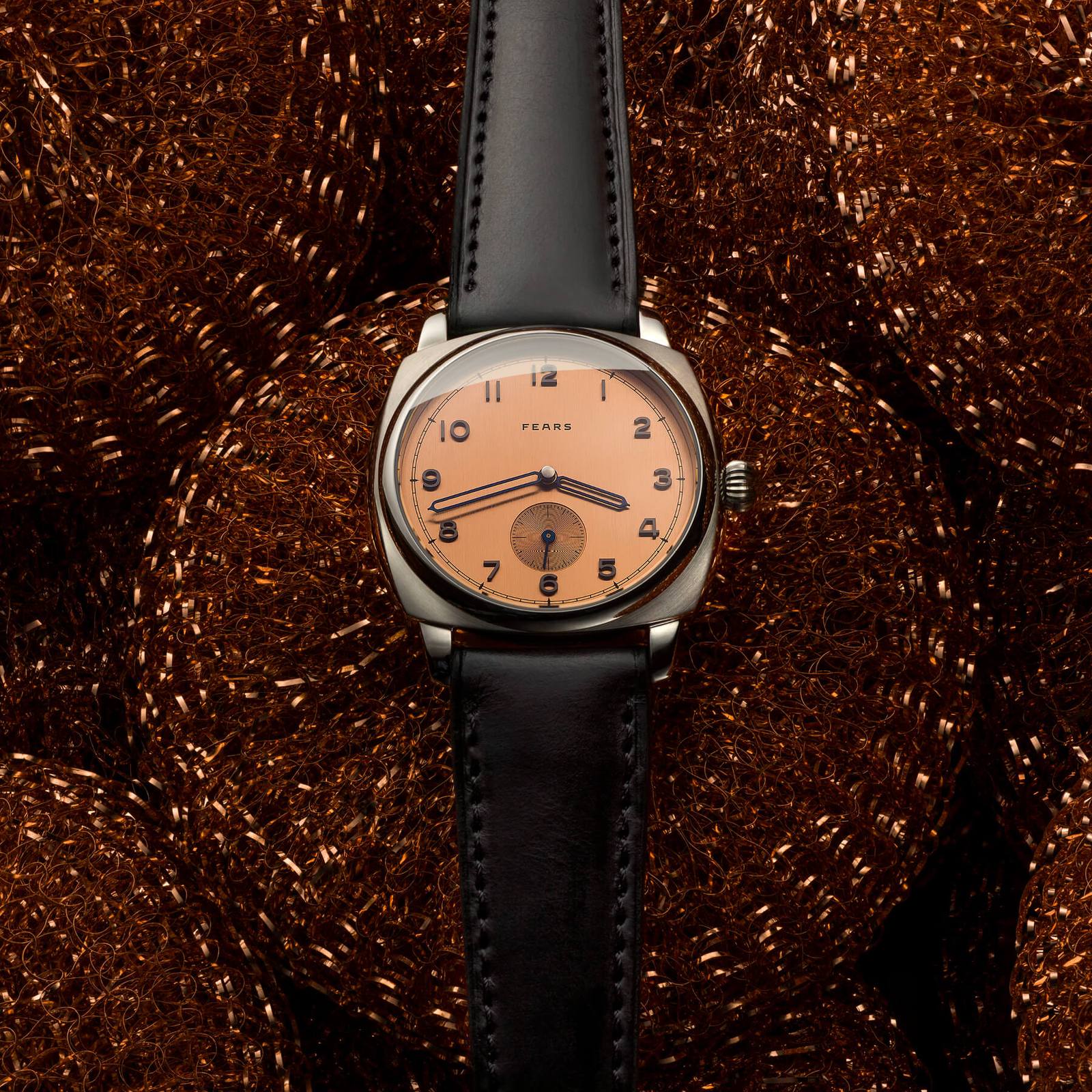
A pair of watchmakers with English roots, Fears and Garrick have banded together to create a wristwatch that bears the aesthetic of the former while relying on the mechanics of the latter, the Fears Garrick. Founded in 1846 but having gone out of business during the Quartz Crisis, Fears is an English brand that was revived in 2016 by a descendant of its founder. Though it was not in continuous operation, Fears is now one of the oldest, family-owned English watch brands. Its modern-day offerings are all about clean, simple designs inspired by watches from its past catalogue, which are sometimes paired with period-correct, vintage movements. Garrick, on the other hand, was founded in 2014. Sitting in a higher price point than the typical Fears, Garrick’s offerings are constructed with the help of Swiss specialists, including Andreas Strehler, and dressed up with traditional decoration such as engine turning. David Brailsford of Garrick (left), and Nicholas Bowman-Scargill, the great-great-great-grandson of Fears’ founder Initial thoughts The Fears Garrick is essentially a Garrick S1, the brand’s most impressive offering to date, but redesigned to give it a simpler aesthetic. Though intriguing, the open dial of the S1 has been done away with and the result is minimalist but appealing. I actually prefer the look of the Fears Garrick over the S1. But the Fears Garrick does bring to mind the IWC Portugieser, which is a good thing. For anyone who found the movement of ...
Revolution
Women Love Watches: Déborah Maldonado of São Paulo, Brazil
Déborah Maldonado knows all about watches, having worked for IWC since 2012 and being the owner of a popular watch-related Instagram account. She shares her collecting story and her thoughts on how watch brands can broaden their appeal to women.
Revolution
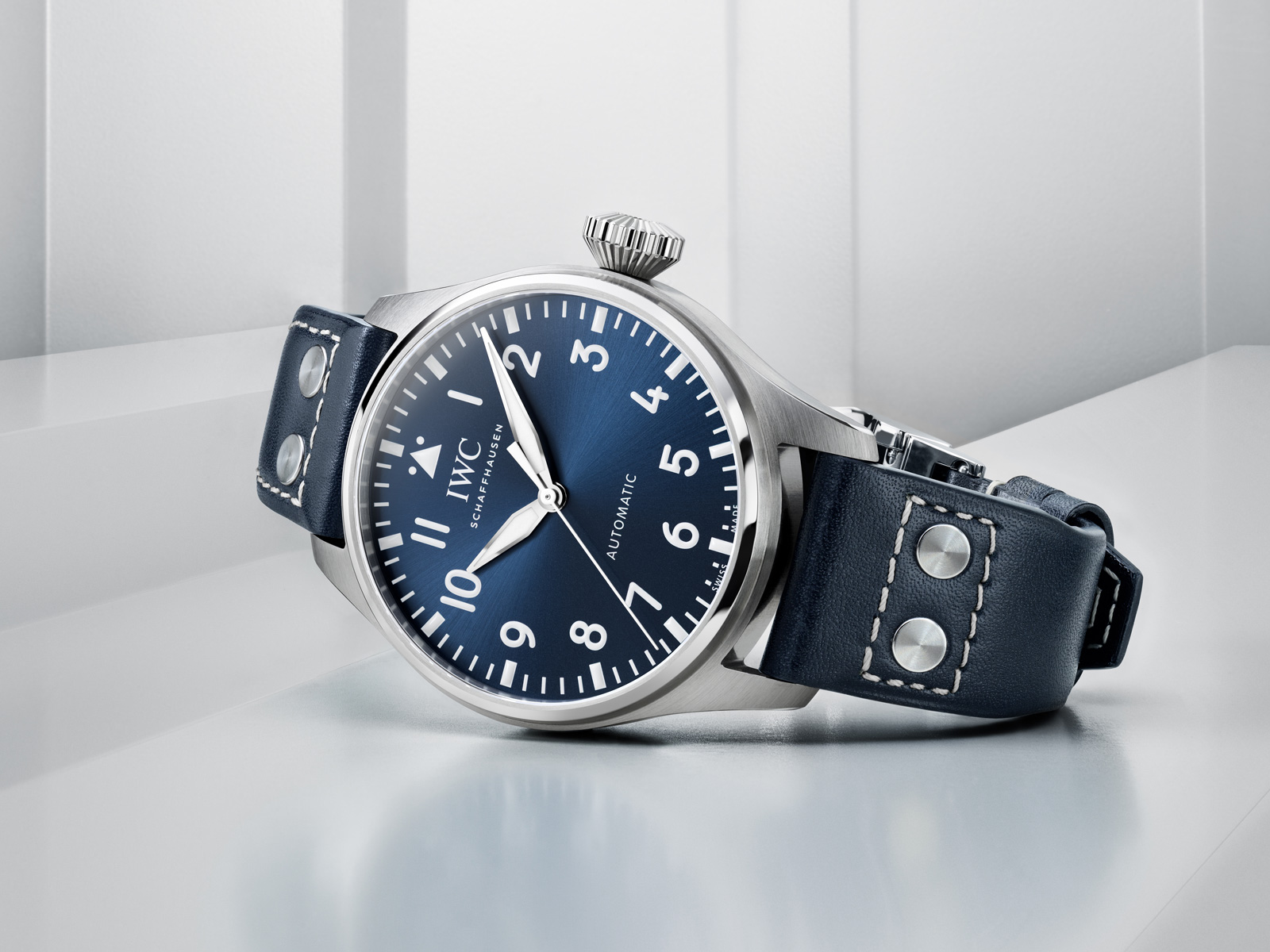
Introducing the Big Pilot’s Watch 43 Spitfire
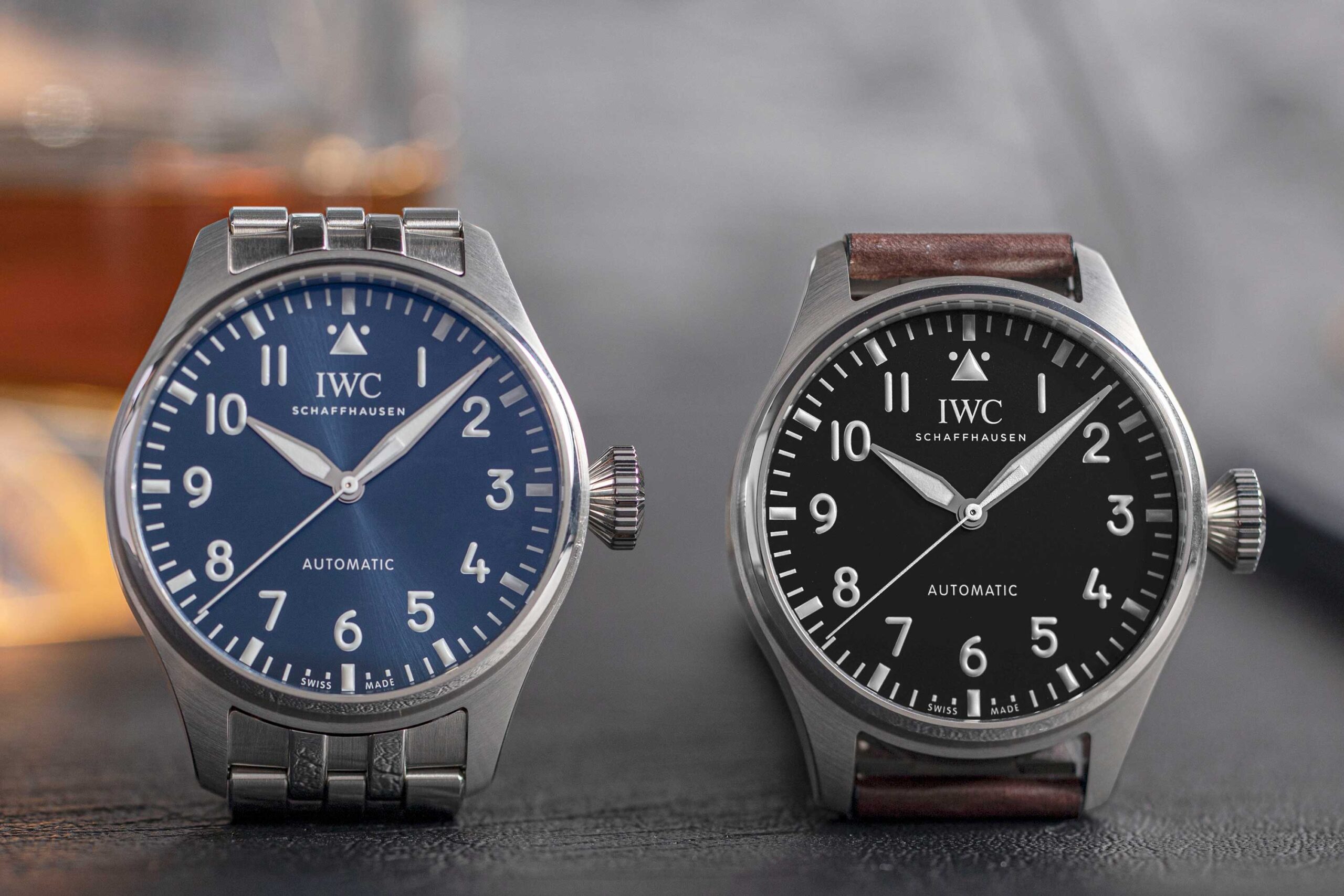
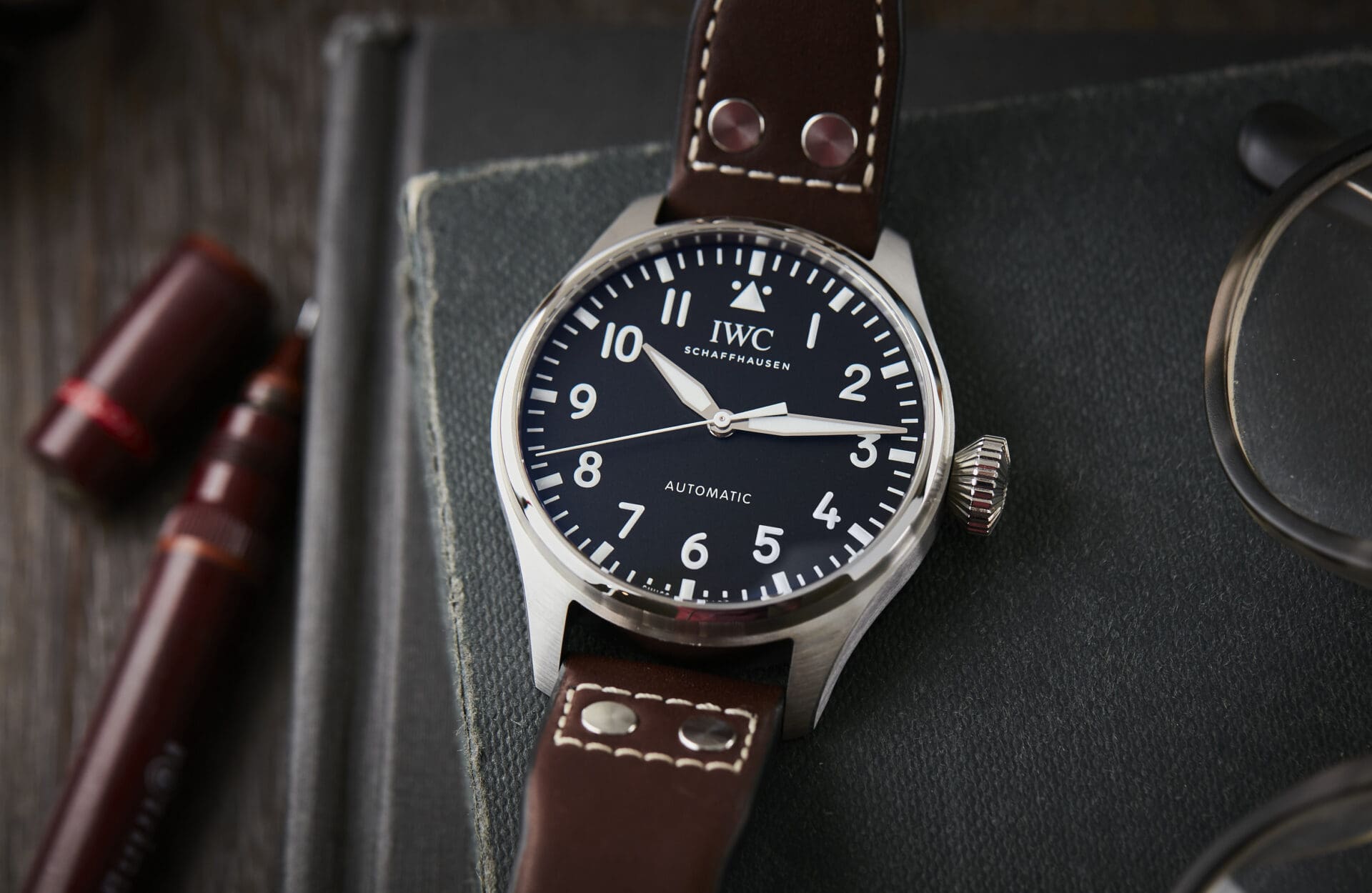
IWC releases two Spitfire editions of its Big Pilot’s Watch 43, in titanium and bronze respectively with titanium casebacks, wearing a Type B dial.
Revolution
Top of Their Game
IWC Schaffhausen has been producing reliable aviation tool instruments since their first Pilot’s Watch in 1936. We explore the making of the IWC Big Pilot into an icon against all odds and take stock of their newest Pilot’s Watches.
Revolution
About the Big Pilot’s Watch 43 Edition “Pink Dial Project”
IWC’s Chief Marketing Officer and Creative Director, Franziska Gsell and Christian Knoop respectively, on the Big Pilot’s Watch 43 Edition “Pink Dial Project” and why the brand decided to donate to #ThePinkdialProject.
Revolution
Talking F1 and watches with Valtteri Bottas
As this year’s unusual Formula 1 season comes to a close, we caught up with Mercedes F1 driver Valtteri Bottas to talk about the importance of time and his partnership with IWC Schaffhausen.
Revolution
The Dev’s in the Details
The Oscar-nominated, Bafta-winning Dev Patel – star of Slumdog Millionaire – talks to Revolution about his passion for acting, pottery and IWC.