 Teddy Baldassarre
Citizen Attesa: Japan's IYKYK "Tech-Forward" Titanium Collection Explained
How titanium, light power, and signal-controlled timekeeping define Citizen’s high-tech sports-watch collection.More
966 articles · 2 videos found · page 27 of 33
Nomos upgrades the Metro Date Power Reserve with a new caliber and adds a cool new dial color to one of its most complete watches
How long a fully wound mechanical watch runs; 40h entry, 72h modern, 50d record.
Longines refreshes one of its most quietly interesting re-editions with a light blue opaline dial. Still 38mm, still the same central power-reserve rotating disc, still the silicon-hairspring L896.5. €3,950 on strap, €4,050 on bracelet.
The beloved Pandial chronograph gets its darkest treatment yet, and only 33 examples exist.
Teddy Baldassarre
How titanium, light power, and signal-controlled timekeeping define Citizen’s high-tech sports-watch collection.More
 Time+Tide
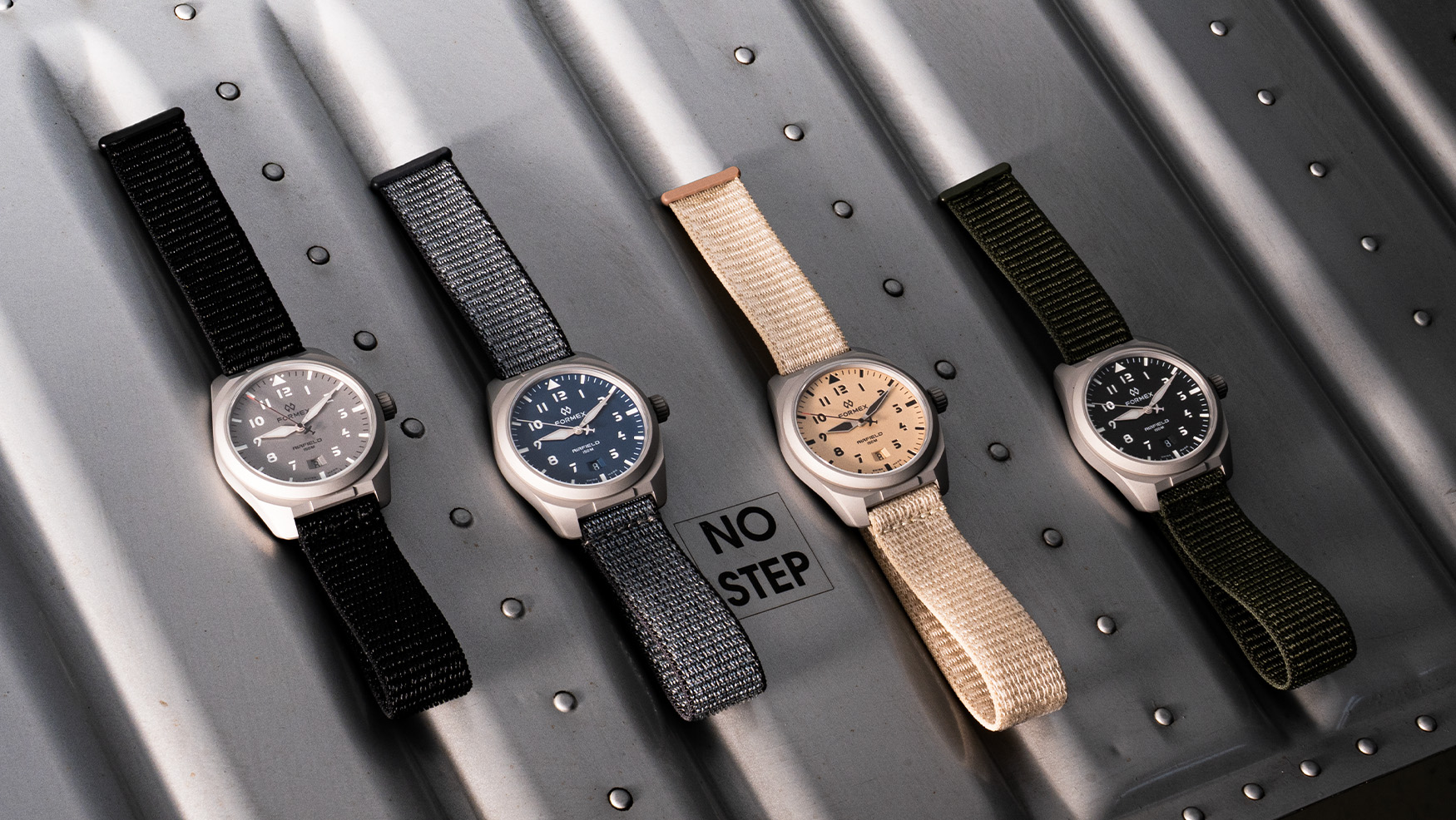
Formex turns its field watch into a pilot’s watch with the new AirField 40mm Automatic model. With a pilot’s watch-inspired dial and hand set, the AirField features the new Sellita SW200-2 Power+ and a hardened titanium case. Available in four different colours, the Formex AirField 40mm Automatic is available for pre-order now, with deliveries starting … Continued
 Monochrome
It seems like we can’t go a week or two without a new power-hungry car manufacturer launching something bonkers. This time around, it’s the madmen of Mercedes-AMG who have surprisingly taken the covers off a new super-sports-coupe. Based on the CLE platform, the CLE 646 Specialanfertigung (German for Bespoke, or Custom-Made) promises boatloads of power […]
 Two Broke Watch Snobs
Alpina brings solar power to the Startimer Pilot with a compact 38mm case and a La Joux-Perret-developed movement with 10 months of autonomy.
 Hodinkee
What We Know In January of 2025, I covered Louis Vuitton's major evolution of its distinctive Spin Time series, debuting as the Tambour Taiko Spin Time series in a set of six limited-edition watches, all set in a single "Dolphin Grey" color scheme across several different takes on the complication, from the classic jumping hour to a flying tourbillon and even a world timer. It introduced a cohesive set of new in-house movements to power the complications and marked the first time every element of the Spin Time was produced in-house at La Fabrique du Temps Louis Vuitton—cases, dials, movements, and more. It's been a while since we've heard anything about this collection, but this week Louis Vuitton introduced a new set of Tambour Spin Time watches into the brand's permanent collection. The main update to the permanent collection is a few fresh coats of paint, but the set of five references covers quite a bit of the Spin Time concept. All of these are set in the latest generation of Japanese drum-inspired Tambour case from the brand, with a sloped midcase complemented by screwed-in, sculpted lugs with laser-frosted interiors. On top is a sloped, predominantly sandblasted bezel ring with "LOUIS VUITTON" adorned on its periphery. All five of these new references are set in precious metal cases. Two 39.5mm Tambour Spin Times offer two very different wearing experiences (and price points). The simplest reference comes in the form of the Tambour Spin Time Green in White Gold,...
 Worn & Wound
From the imposing astronomical clocks of Tudor England to the exquisite pendant watches of Victorian Britain, timekeeping has long been a symbol of power, prestige, and technological marvel within Europe’s royal courts. This new series explores the fascinating evolution of clocks and watches crafted specifically for royalty, tracing how these intricate masterpieces reflected the tastes, ambitions, and innovations of monarchs. Through the lens of craftsmanship, artistry, and historical significance, we reveal how these royal timepieces marked the passage of dynasties and empires. King George III, who reigned from 1760 to 1820, had a deep interest in science, particularly astronomy, horology, mathematics, and natural philosophy. He was one of the most scientifically minded British monarchs and commissioned several important horological instruments and supported scientific institutions during his reign. King George III (1738–1820) is often remembered for his struggles with mental illness during his long reign, but he was also deeply engaged in science, astronomy, and horology. Although his interest did not necessarily come directly from his grandfather, King George II, there are examples of important commissions made prior to him succeeding to the throne. One such piece is the magnificent Grand Orrery below made by leading London maker, Thomas Wright in 1733. Image 1 – George II’s Grand Orrery, Fleet Street, made by Thomas Wright, c.1733. King’s College London © T...
 WristBuzz
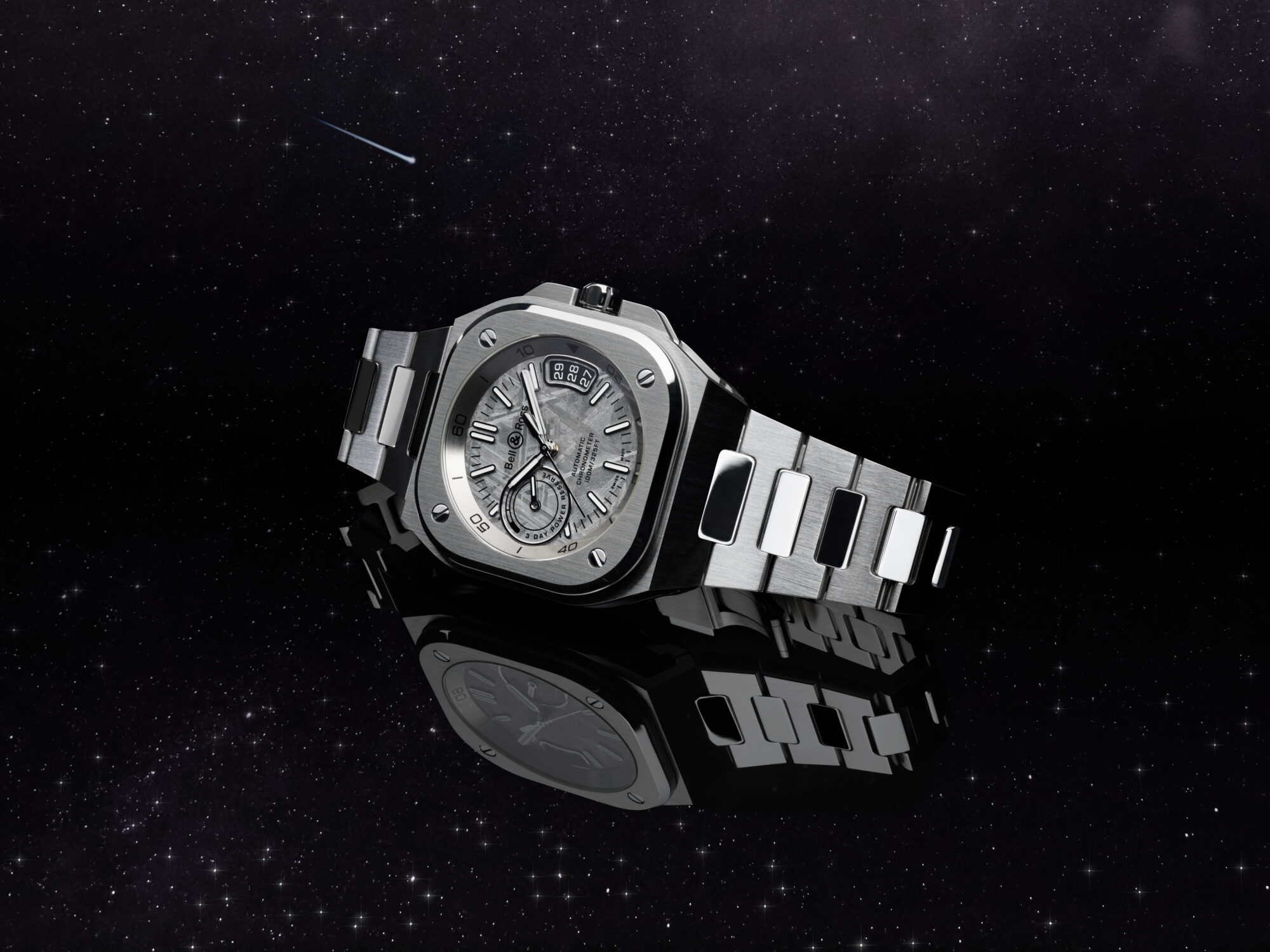
Bell & Ross drops a 250-piece BR-X5 with a dial cut from a single slab of the 1906 Muonionalusta meteorite from northern Sweden. 41mm x 12.8mm steel, COSC-certified BR-CAL.323 (Kenissi) with 72-hour reserve. €8,900 on rubber, €9,400 on the integrated bracelet.
 Fratello
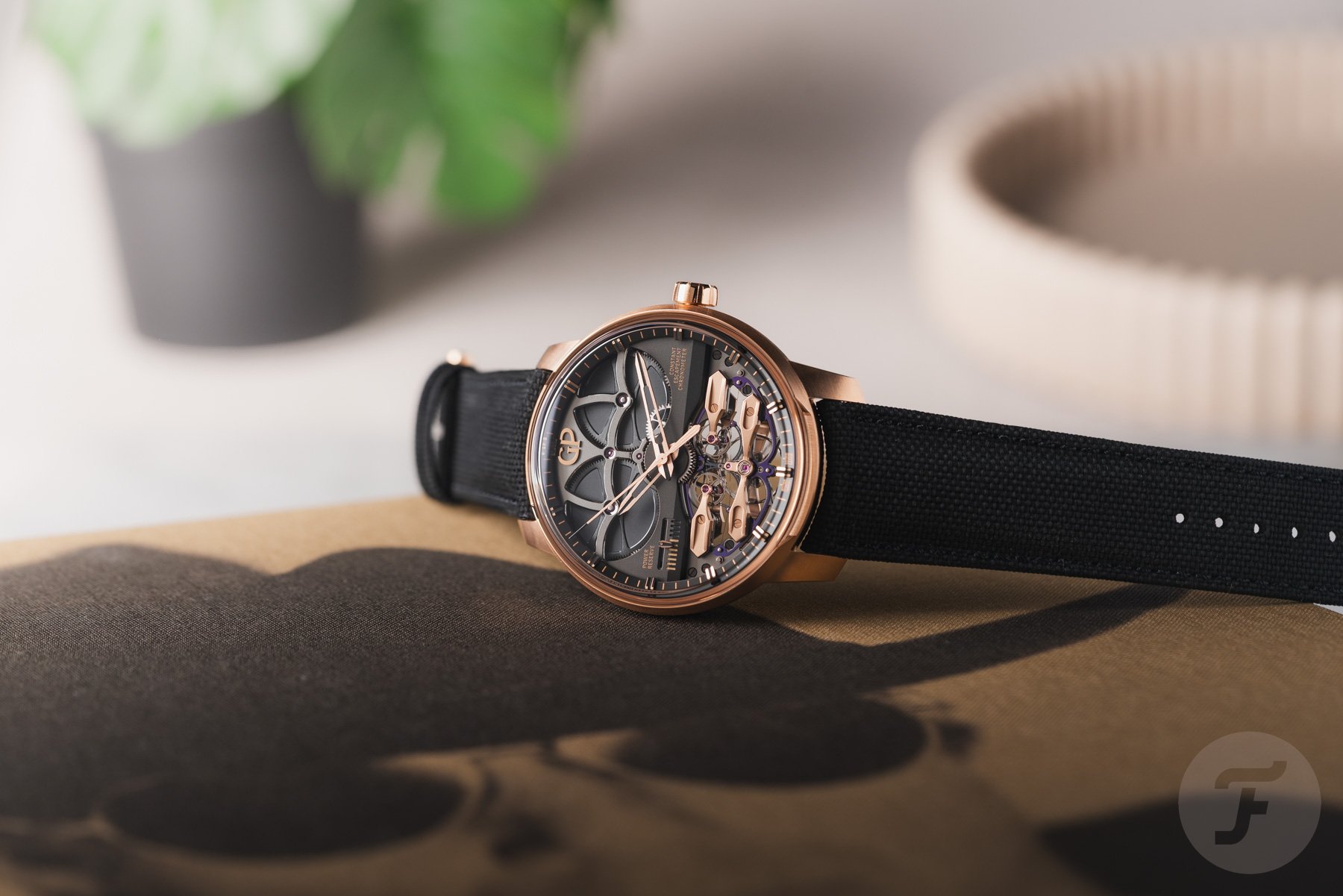
Why use a traditional, coiled balance spring when you can use a 14-micron-wide and 120-micron-“thick” silicon blade instead? With the latter, Girard-Perregaux set out to overcome the inherent challenge of fluctuating power delivery in mechanical watches. The goal for the 235-year-old Swiss watchmaker from La Chaux-de-Fonds was to achieve consistently superior precision. The quest involves […] Visit Hands-On With The Girard-Perregaux Neo Constant Escapement — Could We Catch The Purple “Butterfly” Inside? to read the full article.
 WristBuzz
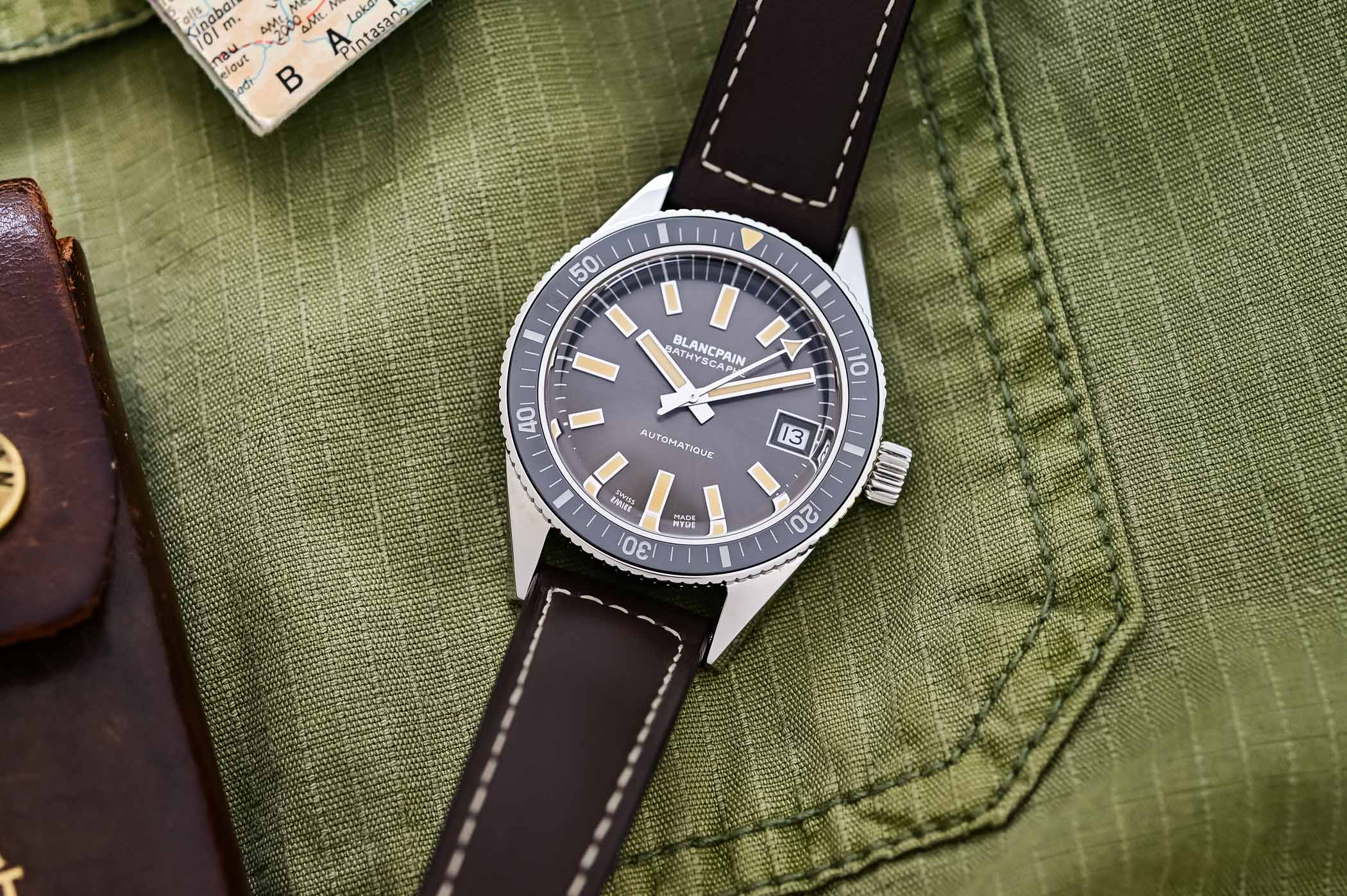
37.4mm steel, box sapphire, meteor-grey sunburst dial, cal. 1150 with 100-hour reserve. Blancpain marks 70 years of the civilian diver with a faithful re-edition of the 1968 Bathyscaphe. 300 pieces, €14,850.
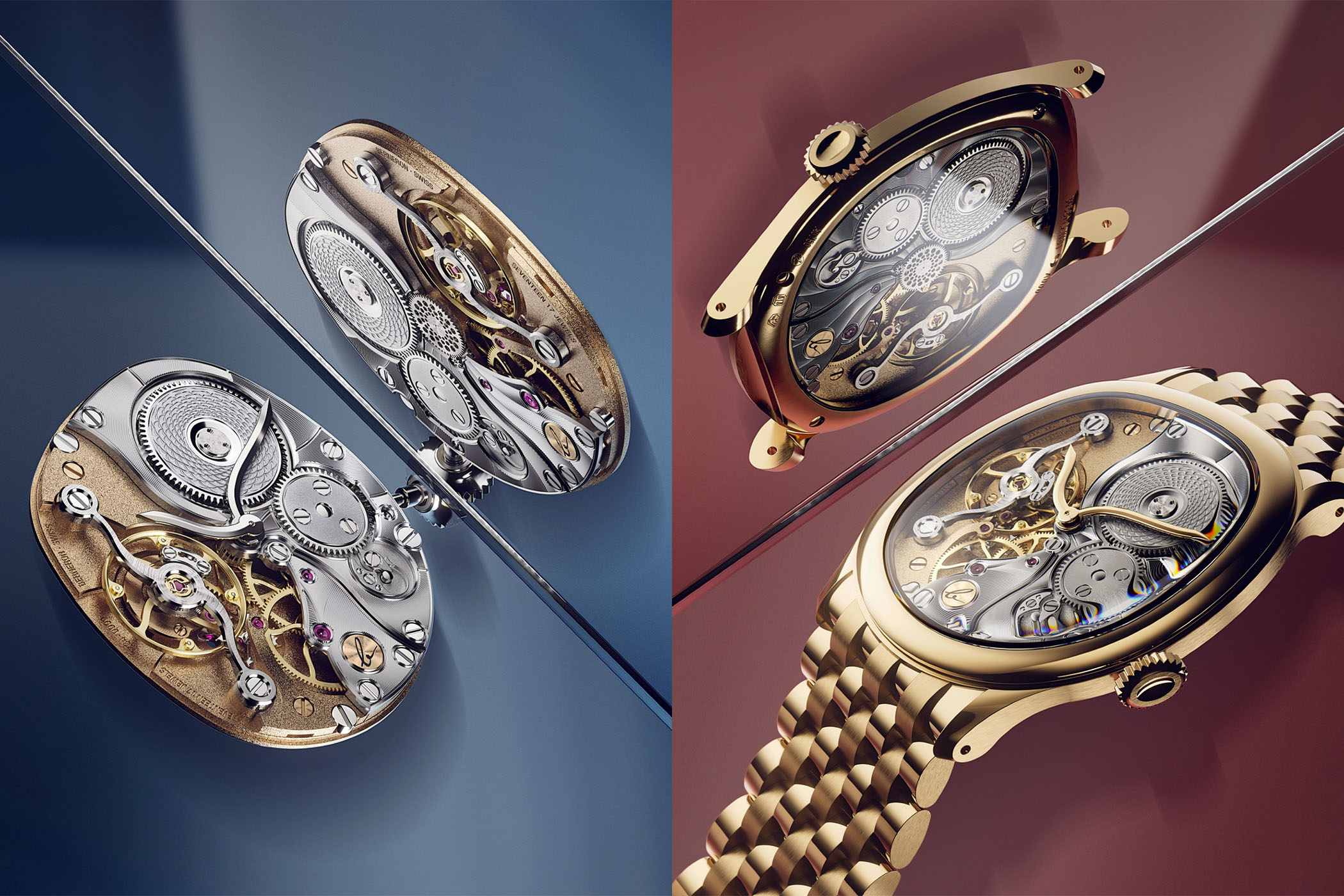 Monochrome
Since founding his independent brand in 2022, Sylvain Berneron has built a reputation around a distinctive approach to form, mechanics and scarcity. His experience on the creative side of major organisations clearly shaped his understanding of both product design and the power of restraint. His first watch, the Mirage, established that philosophy immediately. Introduced in […]
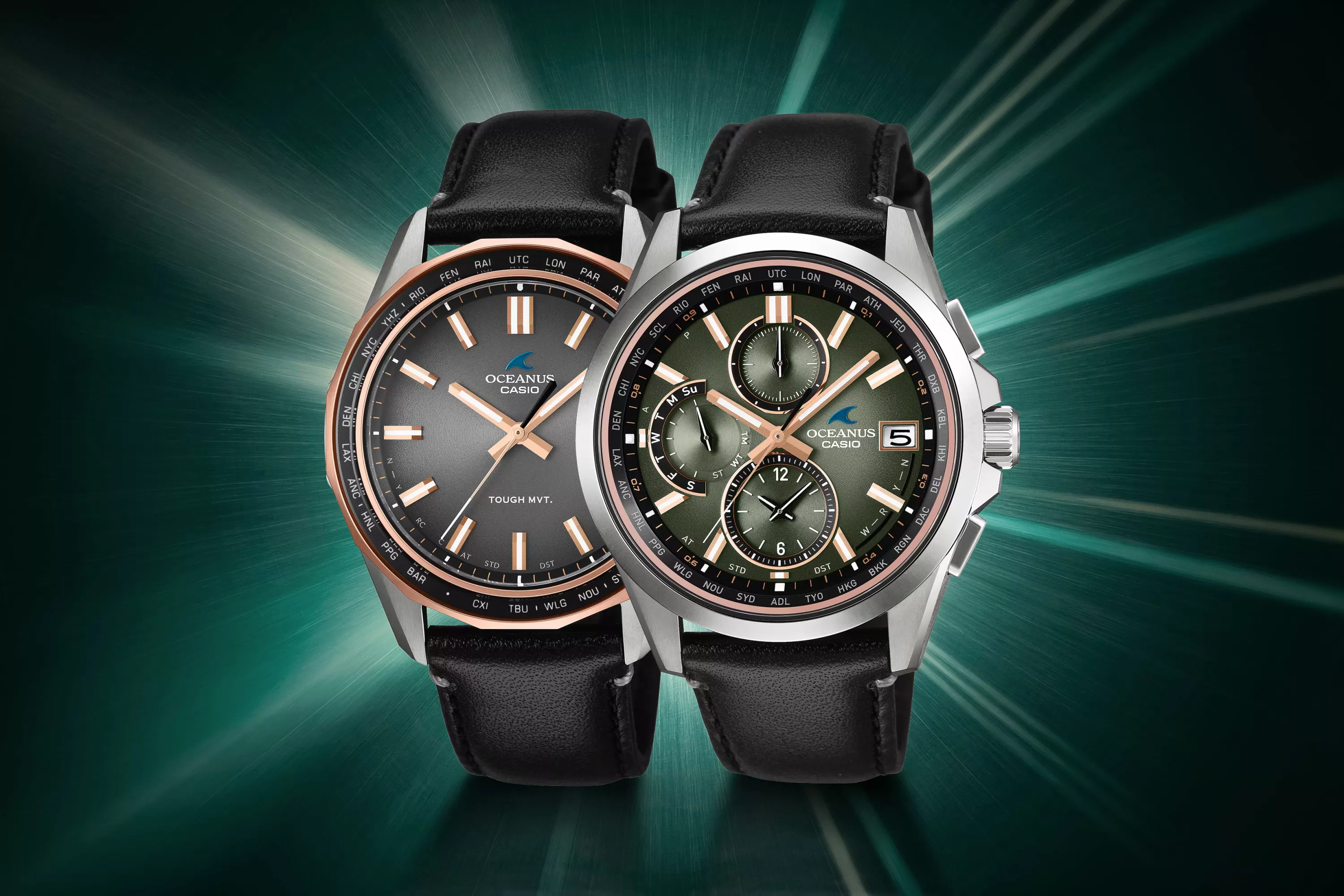 WatchRider
Casio has expanded its Oceanus Retro Tone Collection with two Japan-only limited editions for August 2026: the Manta S400 OCW-S400RL-8AJR and Classic Line OCW-T2600RL-3AJR. Both use lightweight titanium cases, solar power, radio-controlled timekeeping and Tochigi leather straps. The idea is simple: modern Casio technology presented with warmer colours and a more traditional character. The Casio Oceanus Retro Tone Collection pairs the green T2600 with the grey Manta S400. Image: Casio. A Softer Retro Tone Look Both watches use half-matte gradient dials that change gently from the centre to the outer edge. Casio creates the effect through a silver layer, colour coating and printed gradient pattern while keeping the dial transparent enough for solar charging. Straight hands and solid bar markers keep the displays clean. The vegetable-tanned cowhide straps come from Tochigi Leather, a Japanese maker founded in 1937 and should soften and develop a darker colour with use. The Lighter Manta S400 Casio Oceanus Manta S400 OCW-S400RL-8AJR with its grey gradient dial and rose-gold-coloured sapphire bezel. Image: Casio. The OCW-S400RL-8AJR is the smaller and more expensive model. Its titanium case measures 46.5 mm long, 41.3 mm wide and only 9.2 mm thick. Without a bracelet, the watch weighs just 38 grams. A frosted sapphire bezel ring carries world-time city codes and receives rose-gold ion plating. The dial is grey, giving the warm bezel and brown leather strap plenty of room to sta...
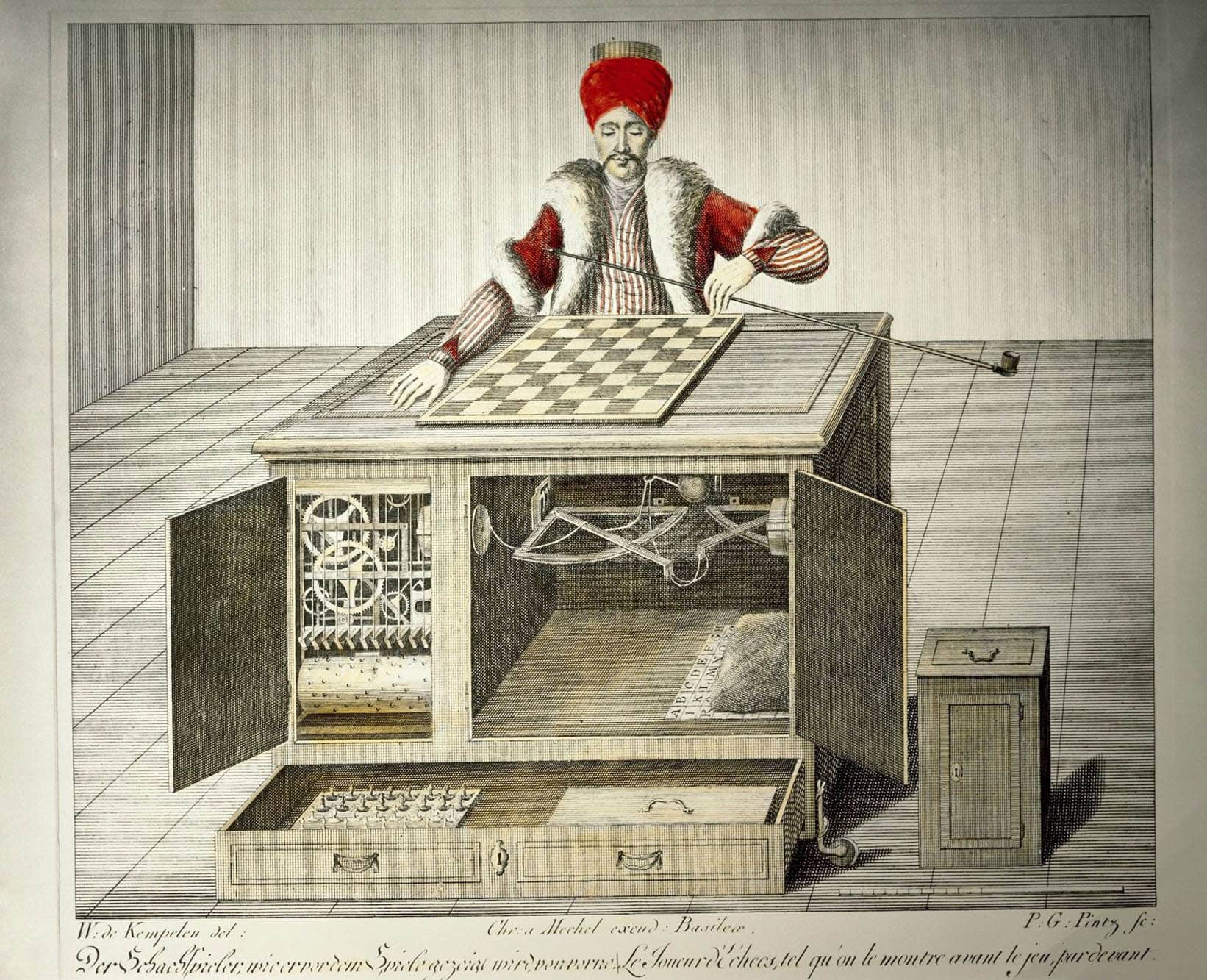 Worn & Wound
From the imposing astronomical clocks of Tudor England to the exquisite pendant watches of Victorian Britain, timekeeping has long been a symbol of power, prestige, and technological marvel within Europe’s royal courts. This new series explores the fascinating evolution of clocks and watches crafted specifically for royalty, tracing how these intricate masterpieces reflected the tastes, ambitions, and innovations of monarchs. Through the lens of craftsmanship, artistry, and historical significance, we reveal how these royal timepieces marked the passage of dynasties and empires. Maria Theresa was the ruler of the Habsburg monarchy from 1740 until her death in 1780, and the only woman to hold the position in her own right. Though crowned as Archduchess of Austria and Queen of Hungary and Bohemia, her true authority came from willpower, reform, and image-making. Maria Theresa ruled not as a king in disguise, but as a monarch in her own right, one who embraced both tradition and the flux of the Enlightenment. Horology, like art and music, became part of her sovereign language and a way to express her modernising ambitions and cultivated authority. Maria Theresa was born in Vienna on the 13th of May 1717, the eldest daughter of Emperor Charles VI and Empress Elisabeth Christine of Brunswick-Wolfenbüttel. As a child of the Habsburg dynasty, she grew up in the Hofburg Palace (below) surrounded by the rituals and splendour of imperial court life. Although her father’s hopes ...
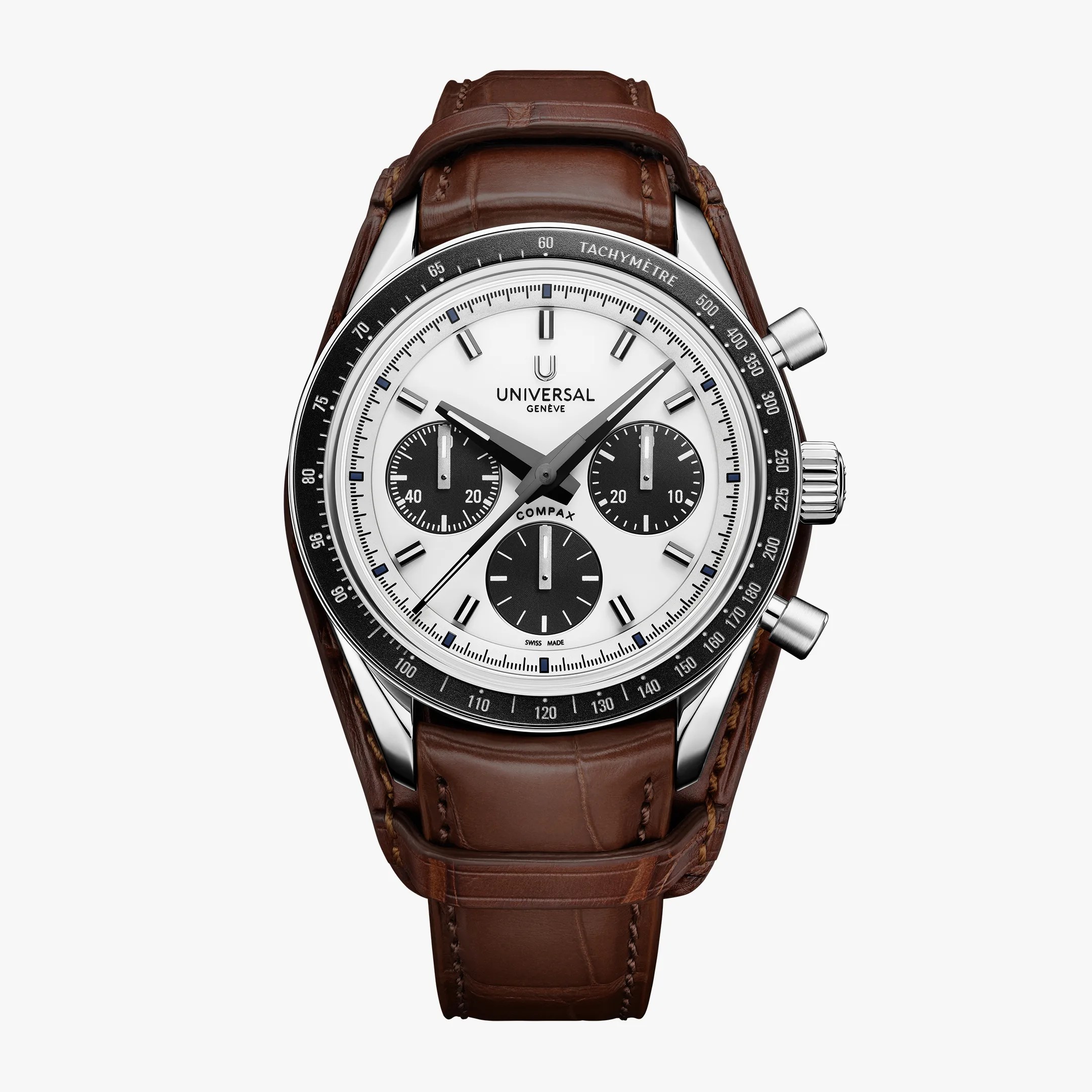 WristBuzz
The legendary manufacture returns with six new Compax references, a proper in-house Calibre UG-200 chronograph, and the two configurations everyone actually wanted: Nina panda and Evil Nina reverse-panda. 39.5mm, column wheel, vertical clutch, 72-hour reserve, from CHF 15,500.
 Teddy Baldassarre
The Studio Underd0g 02SERIES (Gen2) delivers sleeker cases, extended power, and two new dial colors to the microbrand's field watch line.
 WristBuzz
A softer, slightly retro personality for the 39mm Carrera Chronograph Glassbox. Warm sand dial, anthracite azuré counters, cal. TH20-00 with an 80-hour reserve, and only 500 pieces heading exclusively to European boutiques.
 Monochrome
How much horsepower is enough? Or better yet, how much horsepower is too much? While there’s surely no definitive answer, it seems like there’s no end to the power craze in performance cars. The latest generation of Super- and Hypercars are almost always pushing 1,000-horsepower figures, or more, and we’re not even touching upon full […]
 Worn & Wound
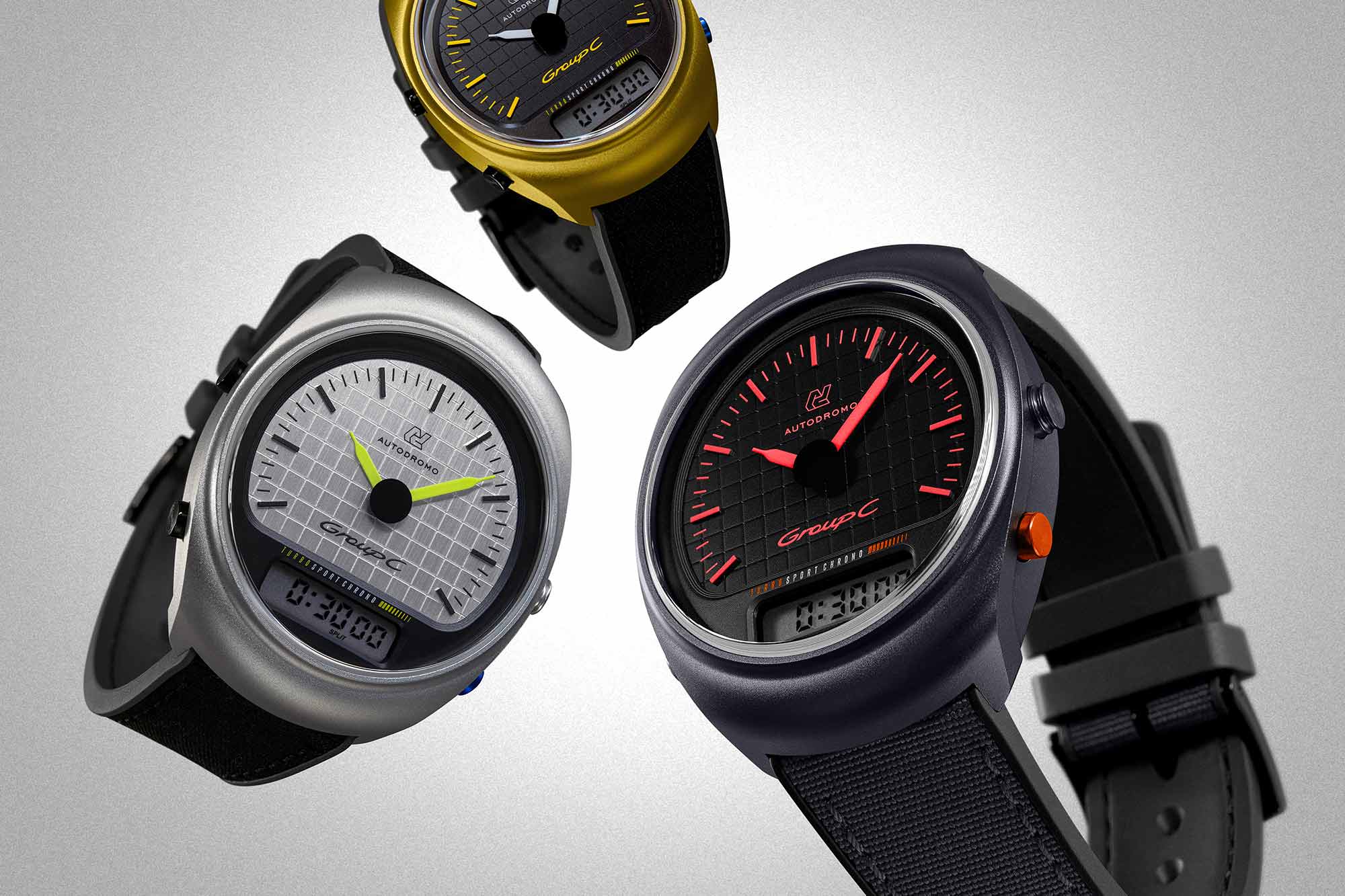
Few innovations in automobile engines have been as impactful as the turbocharger, first brought to production cars in the 1960s and popularized in the United States largely thanks to the iconic turbodiesel 1978 Mercedes-Benz 300SD. With a telltale whistle accompanying that extra boost of power, the turbocharger soon became synonymous with motorsports and performance cars of the 1980s: the Audi Quatto’s breathy flutter, the 930 Porsche 911 Turbo’s heartpounding lag, and the Ford Sierra RS Cosworth’s European rally dominance all helped propel the decade into the “golden era” of turbocharged performance. With their latest release, motorsport-inspired watchmakers Autodromo are bringing another homage to a period of automotive innovation, this time highlighting the Group C “prototype” class of sports cars from the 1980s, many of which featured bold (and sometimes dangerous) turbocharged power. The basis of this new collection is their already-successful Group C digital watch, initially released in 2023, and the new Turbo Sport models draw inspiration from the analog tachometers of turbocharged ‘80s motorsports legends to create an ani-digi design that straddles the classic and modern eras of automotive and horological design. First, the dimensions: measuring in at 38.5mm in case diameter and 40mm lug-to-lug, the Group C Turbo Sport is compact, and sits fairly lightly on the wrist with a 11.4mm case thickness measurement. The case itself is anodized aluminum ...
 Worn & Wound
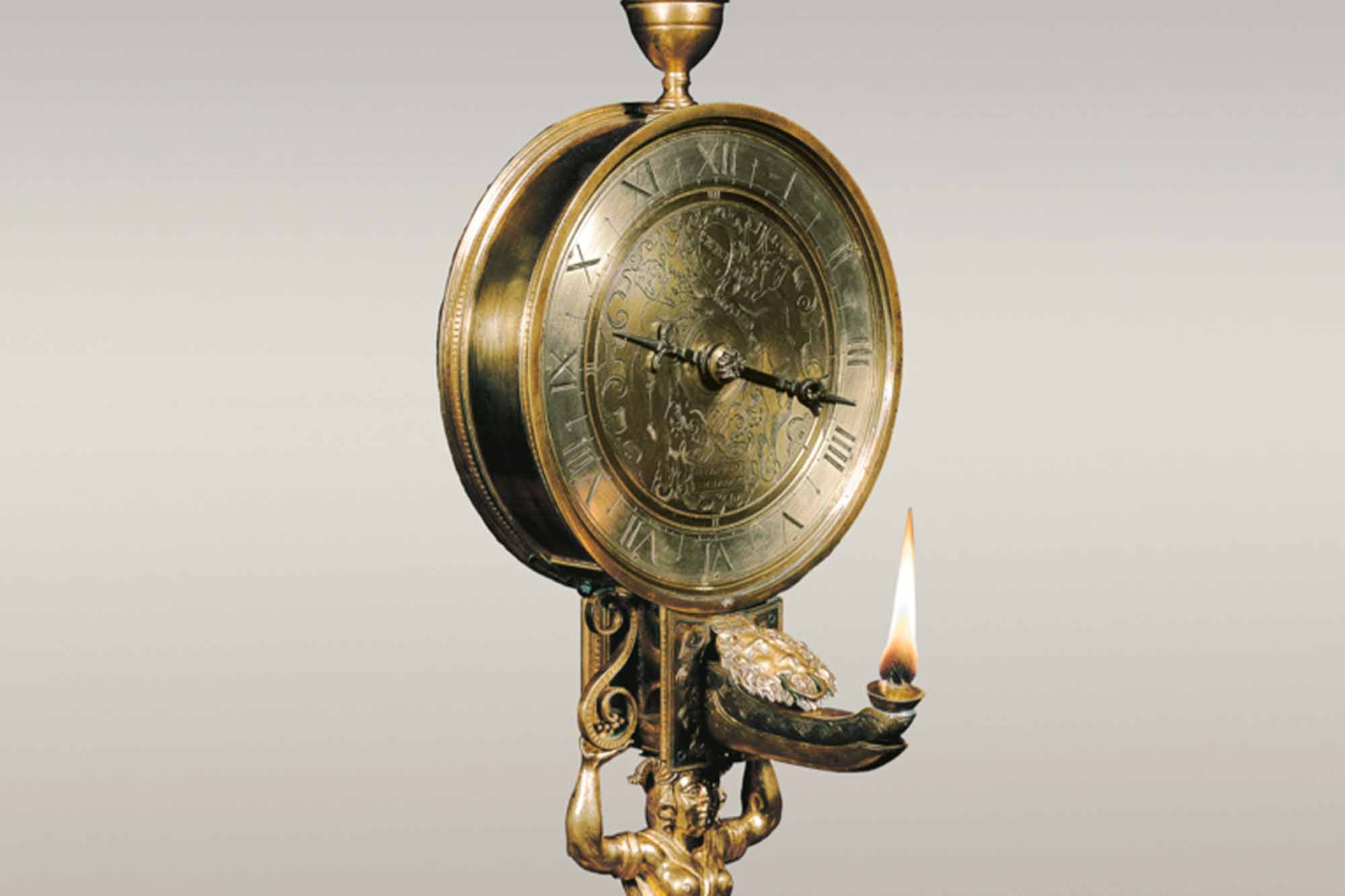
From the imposing astronomical clocks of Tudor England to the exquisite pendant watches of Victorian Britain, timekeeping has long been a symbol of power, prestige, and technological marvel within Europe’s royal courts. This new series explores the fascinating evolution of clocks and watches crafted specifically for royalty, tracing how these intricate masterpieces reflected the tastes, ambitions, and innovations of monarchs. Through the lens of craftsmanship, artistry, and historical significance, we reveal how these royal timepieces marked the passage of dynasties and empires. King Philip II (1527–1598) inherited a globe-spanning empire from his father Charles V and, after 1580, also ruled Portugal. A devout champion of the Counter-Reformation, he centralised government, built the vast monastery-palace of San Lorenzo de El Escorial, and presided over Spain’s political zenith. His court prized scientific instruments and clocks as emblems of order and piety. Philip was part of the great Habsburg dynasty and the son of the Holy Roman emperor Charles V. From time to time, the emperor wrote Philip secret letters, impressing on him the high duties to which God had called him and warning him against trusting any of his advisers too much. Philip, a very dutiful son, took this advice to heart. During his reign the Spanish empire attained its greatest power, extent, and influence, though he failed to suppress the revolt of the Netherlands and lost the ‘Invincible Armada’...
 Hodinkee
What We Know The Aquaracer, first introduced in 2004, is the tough tool watch in the Tag Heuer lineup, and the Solargraph is one of the most recent extensions of the Aquaracer range, bringing quartz timekeeping and fuss-free solar power to the brand's generalist dive watch. Just in time for Summer (in this hemisphere), Tag Heuer has launched an extension of the Solargraph, offering new colorways and the option of a new, smaller case size. In 2022, Tag Heuer began using La Joux-Perret's new solar-powered movements in some models that it labeled 'Solargraph' as part of an exclusive deal with the Swiss movement maker that saw the brand's owner, LVMH, later take a minority stake in LJP. Today, Tag Heuer is updating the Aquaracer line with four new 40mm models (spanning steel or titanium), as well as four 28mm-diameter steel-case versions for the first time. All the new models are powered by the Solargraph movement, underscoring the brand's commitment to new solar tech, which is also used in its relaunched Formula 1 watches. The new 40mm Aquaracer comes in both steel and titanium models and features an updated bezel with 'rider' tabs and grain-textured elements, as well as a sharper, finely brushed case construction with added fluted elements at 9 o'clock to better balance the crown guards at 6 o'clock. TAG says the handset has also been updated, and the bracelets are now easily interchangeable, with quick-release spring bar tabs, allowing for easy swapping to rubber or othe...
 Fratello
Early last year, Micromilspec teamed up with James Thompson, aka Black Badger, to release the Micromilspec Milgraph Sabotage Edition. The fun take on the Milgraph came with a story and a healthy dose of luminescent power, as we are used to seeing from Thompson. Accompanying the release was an animated setting known as The Time […] Visit Micromilspec And Black Badger Team Up For The Adventurous Broken Hour to read the full article.
 Two Broke Watch Snobs
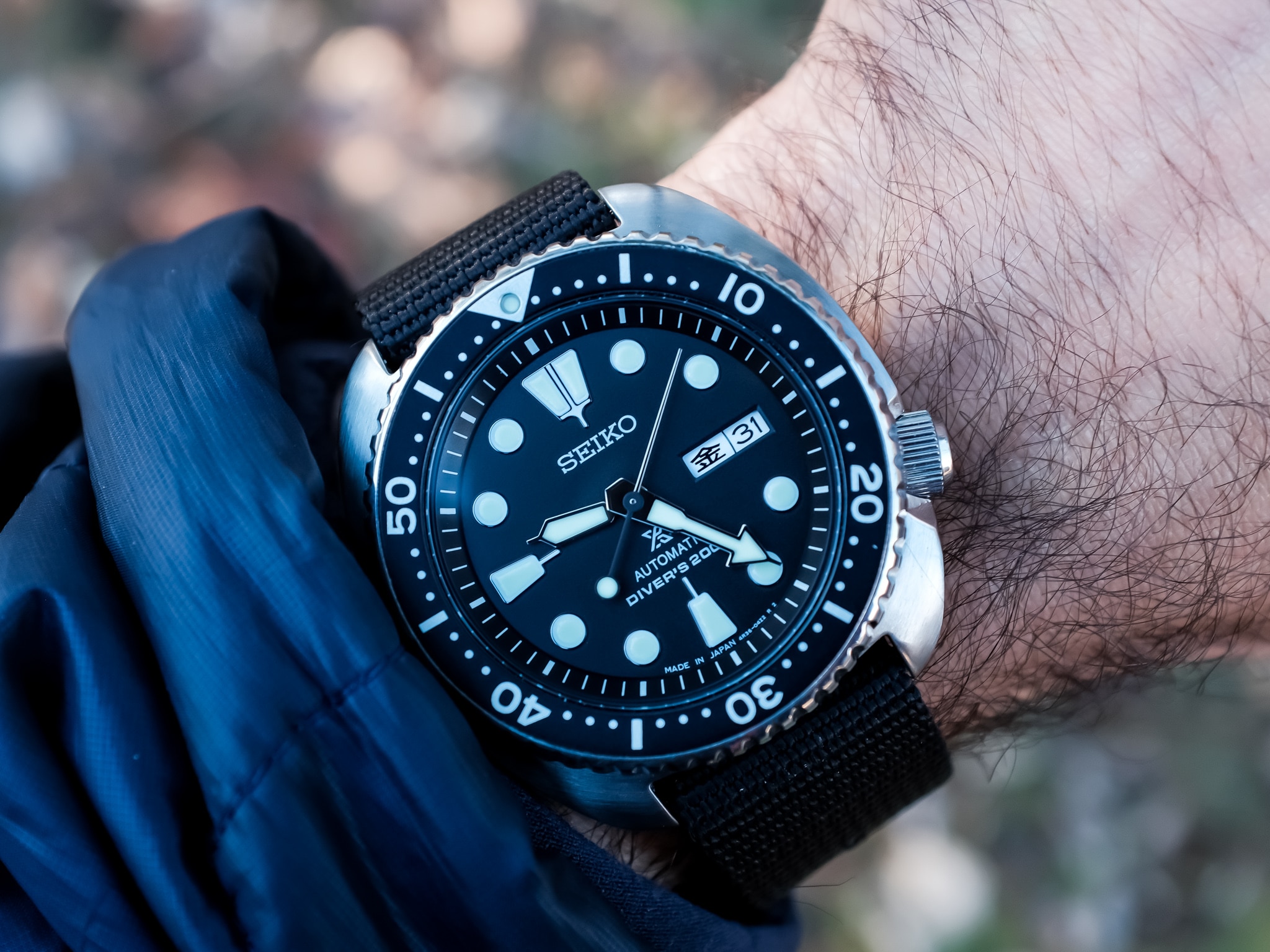
After reviewing the Seiko Turtle, Citizen NY0040, and Orient Kamasu, we compare which affordable dive watch has the best mix of character, value, and staying power.
 SJX Watches
The Vacheron Constantin (VC) Overseas Dual Time “Cardinal Points” was one of the most talked about releases of Watches & Wonders — despite being a somewhat predictable, incremental upgrade to an existing model. The response is indicative of strong product/market fit and the transformative power of colour and texture. Initial thoughts By all accounts, the Overseas Ultra-Thin ref. 2500V should have been the talk of the VC booth at Watches & Wonders. The copper-dialled platinum edition recalls one of the most sought-after models in the Overseas canon, and introduced a new micro-rotor movement that feels destined to be a big part of the brand’s movement strategy going forward. But it was the Overseas Dual Time that seemed to get people talking, despite its predictability and the fact that it’s a much more incremental update to an existing model. In my view, there are three reasons for this. First and foremost, it’s a perfectly targeted product, aimed at a well of unmet demand that has been simmering since the the titanium Dual Time was first teased seven years ago. The high/low contrast between the industrial-haute horlogerie build quality and the sporty aesthetic is inherently appealing. In some ways it feels like the perfect watch for locales like Sun Valley or Davos — the dual-time functionality is purpose-built for vacations (and economic forums) and the colours and textures will pair well with Mammut or Patagonia. Second, all four editions — named for the ...
 Worn & Wound
From the imposing astronomical clocks of Tudor England to the exquisite pendant watches of Victorian Britain, timekeeping has long been a symbol of power, prestige, and technological marvel within Europe’s royal courts. This new series explores the fascinating evolution of clocks and watches crafted specifically for royalty, tracing how these intricate masterpieces reflected the tastes, ambitions, and innovations of monarchs. Through the lens of craftsmanship, artistry, and historical significance, we reveal how these royal timepieces marked the passage of dynasties and empires. Cosimo I de’ Medici (1519–1574), the first Grand Duke of Tuscany, is remembered as a masterful statesman who unified Florence’s power. Yet behind his political authority lay a profound curiosity for the sciences, especially the study of the heavens and the measurement of time. The Medici family rose to power in Florence primarily through their wealth and strategic use of the Medici Bank, which became the largest and most powerful bank in Europe during the 15th century. They leveraged this financial power to influence Florentine politics, eventually establishing themselves as the de facto rulers of the city, although they maintained the appearance of a republic. They used their wealth and influence to transform Florence into a leading capital of trading and a place for the greatest creators to work and develop incredible scientific instruments, such as the clock in the Cathedral of Santa...
 Hodinkee
A little over a month ago, Citizen celebrated the 50th anniversary of Eco-Drive with a massive bash in New York and a few new releases. The most striking, and unlike anything they had released in the past, was the new Photon. Aptly named, of course, because of the very particles—oh wait, or is it waves?—that power Eco-Drive movements. And before we get any further, these aren't solar watches like most watch movements that could be considered a "competitor" on the market. They are powered by any light around you, whether it's your office lights, home lights, or yes, the big bright ball in the sky that's starting to peek out more and more in New York. If you want to know more about Eco-Drive, our friend Griffin recently published a story about the technology (and its history) here. But this watch requires a slightly different history lesson. If you take a look at the dial below, you'll see it has a very unusual design. It's also out of the ordinary for Citizen, which prides itself on creating watches that can pass for any other watch aesthetically and don't require slits in the dial to transmit light (a problem other brands have struggled to engineer around). The new Citizen Eco-Drive Photons are two watches measuring 39.6mm by 9.9mm with integrated bracelets, all of which are made of Super Titanium with Duratect coating. One features a titanium carbide finish, while the other, with a two-tone dial and case band, uses a DLC finish. Each is limited to 5,000 pieces and ava...
 Two Broke Watch Snobs
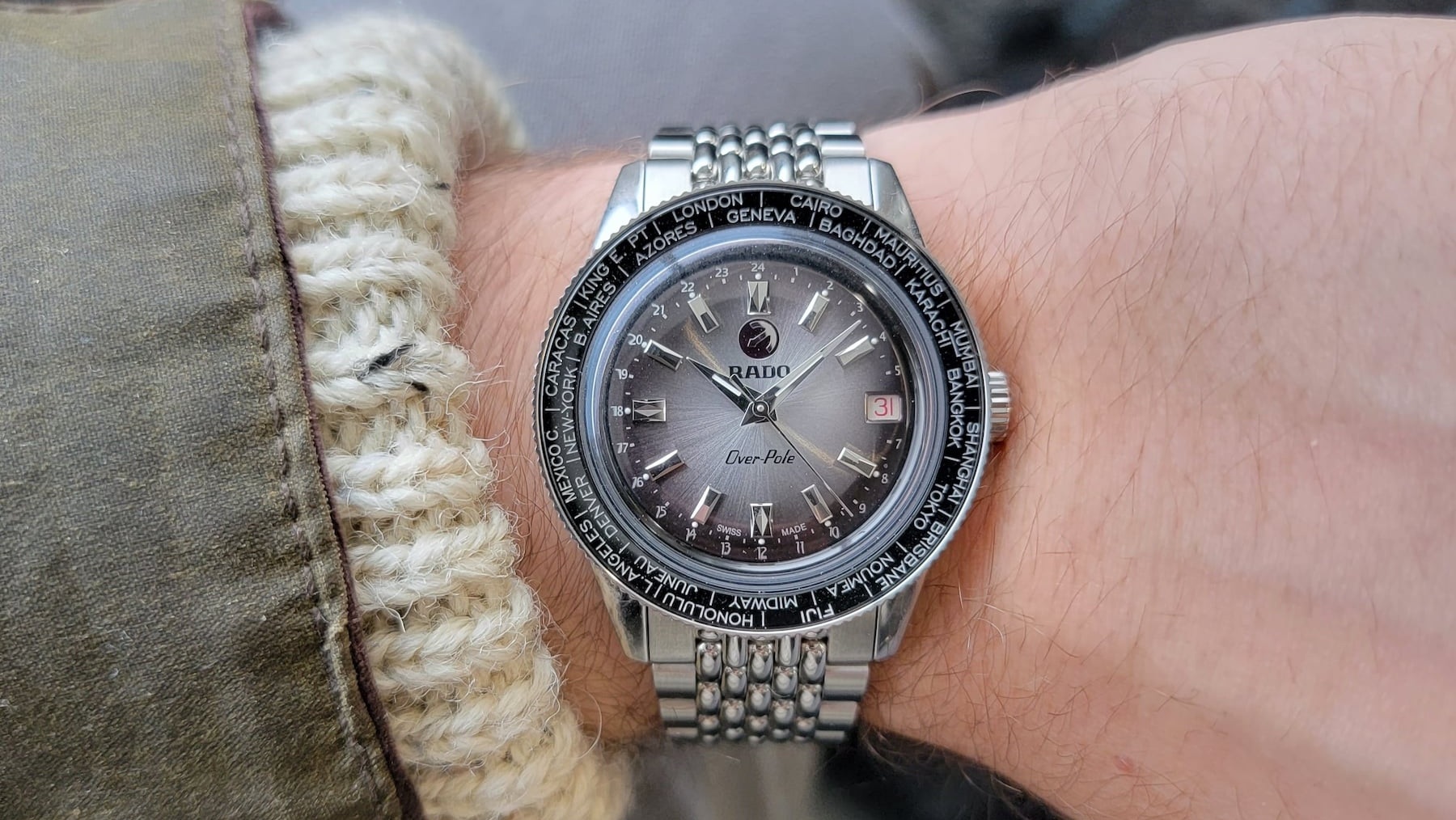
These overlooked iconic watches stood out in real-world wear, offering more personality, utility, and staying power than many collectors give them credit for. The post We Reviewed Iconic Watches That Almost Everyone Overlooks appeared first on Two Broke Watch Snobs.
 Fratello
From a watch with a full-ceramic bracelet from Tudor and a space watch from IWC to a timepiece by H. Moser & Cie. that requires the literal pushing of a button (pump) to power it, this year’s Watches and Wonders did not disappoint. In the frenzy of new watches and watch brands flexing their engineering, […] Visit What Is Your “Palate Cleanser” Wristwatch Following Watches And Wonders? to read the full article.
 Monochrome
Collaborations in watchmaking are nothing new, and the 1902 Synergy by Peter Speake builds on that idea by taking Schwarz Etienne’s 1902 collection and bringing in an independent watchmaker to work on it. In this case, the base is the 1902 Réserve de Marche, a watch built around traditional hand-wound mechanics and following on from […]
 SJX Watches
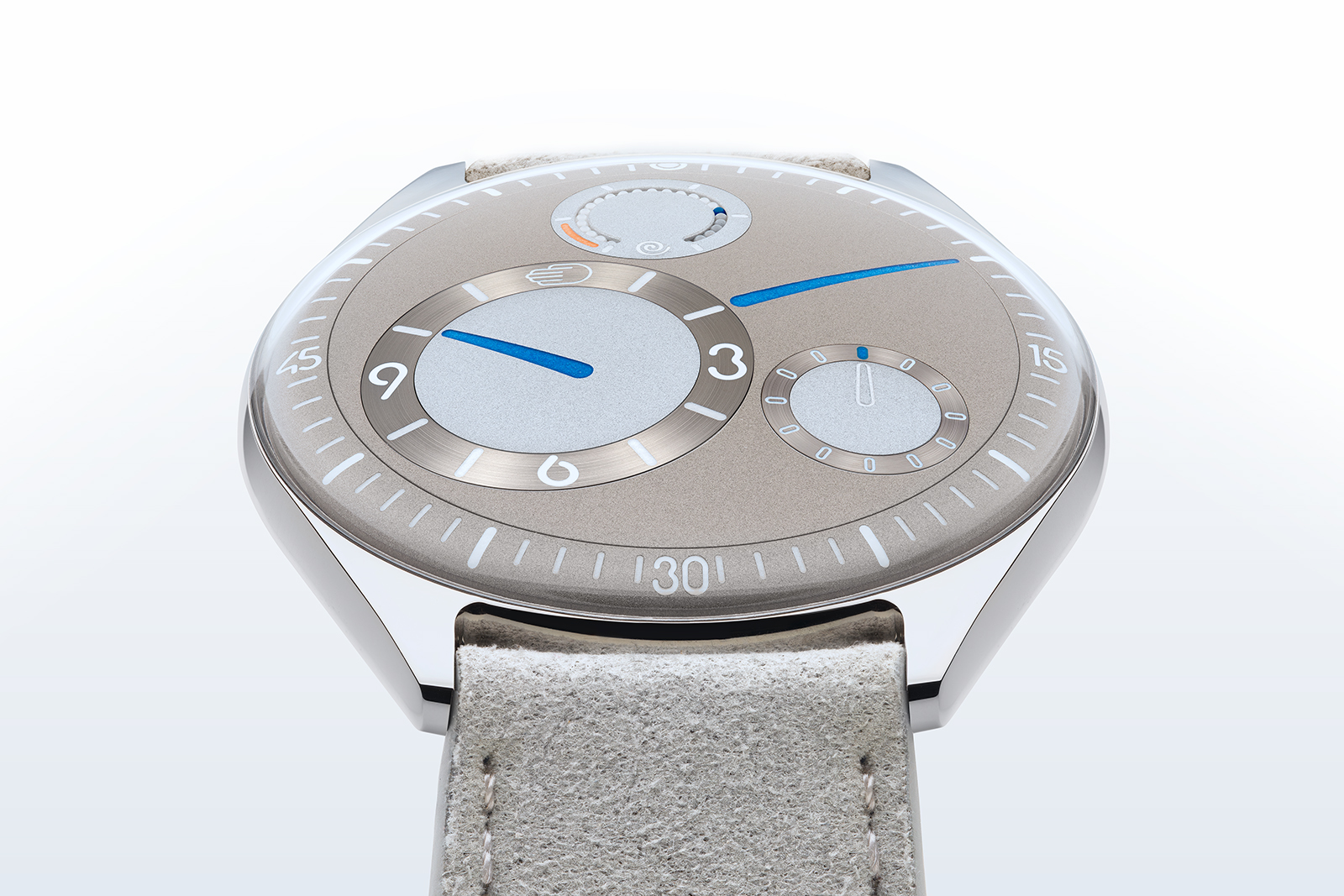
Independent watchmaker Ressence unveils the Type 11, powered by a proprietary movement for the first time. The trailblazer of oil-filled mechanical modules, Ressence has so far relied on third-party base movements to power its eccentric creations. The Belgium-based watchmaker has finally taken the next step and developed its own calibre, dubbed the Ressence-Werk RW-01. Initial thoughts Ressence watches are instantly recognisable for their inventive and minimalist way of telling the time, using the patented Ressence Orbital Convex System (ROCS) to put a new spin on the classic time display. Using a clever arrangement of planetary gears powered by a base movement, Ressence has achieved an original functional design that remains unique to this day. In terms of design, Ressence has an unmistakable, contemporary look, not unlike that of Apple. As a result, partnerships like those with industrial designer Marc Newson feel natural. The concept behind Ressence’s signature time display is the use of clear silicone-based oil which fills the hermetically sealed ROCS module to the crystal. The fluid medium cancels out total internal reflection, leading to the illusion that the turning disks sit right under the crystal itself. In this respect, Ressence dials can at times look like an OLED screen in a smartwatch. The Type 11 continues the signature streamlined minimalism of past Ressence models, but adopts a less complicated display. There are hours, minutes and seconds, arrange...
 Two Broke Watch Snobs
Three new Citizen Eco-Drive chronographs just landed in Japan with clean dials, a tachymeter bezel, and solar power. Here's what we know.
 Worn & Wound
From the imposing astronomical clocks of Tudor England to the exquisite pendant watches of Victorian Britain, timekeeping has long been a symbol of power, prestige, and technological marvel within Europe’s royal courts. This new series explores the fascinating evolution of clocks and watches crafted specifically for royalty, tracing how these intricate masterpieces reflected the tastes, ambitions, and innovations of monarchs. Through the lens of craftsmanship, artistry, and historical significance, we reveal how these royal timepieces marked the passage of dynasties and empires. During Henry VIII’s reign (1509–1547), portable watches as we know them today had yet to emerge in significant numbers. Timekeeping was dominated by grand and stationary mechanisms, with tower clocks or ornate table pieces, serving both practical and symbolic purposes as a show of wealth and status. Watches, if present at all, were nascent and extremely rare. The first clocks and watches were expensive luxuries and only in the reach of royalty and landed gentry. There was, however, a sufficient demand for these items in the Tudor royal court which spread to a prosperous London. The beginnings of the horological industry were probably first initiated by King Henry VIII. During this period there was somewhat of a technical revolution, starting with the invention of the printing press which changed the way people received information. This filtered through to the court where there was a revoluti...
Question, suggestion, or just want to say hi? Drop a note.