
The power reserve of a mechanical watch is the time it runs from fully wound to stopped. It is a function of the mainspring's length and the escapement's energy consumption. A shorter mainspring stores less energy; a high-frequency balance wheel consumes energy faster. The industry has gradually extended the standard from 40 hours to 72 hours, and a handful of specialist watches run for weeks.
The Monday-morning problem, a watch stopped over the weekend that needs resetting on Monday, motivated the 72-hour class. A watch with at least 65 hours of reserve started on Friday morning will still be running Monday morning. Rolex Cal. 3235 (2015) and Cal. 4130 (2000) are 72-hour; Cal. 3285 (2018) 72-hour. Omega Cal. 8500 / 8900 / 9900 family is 60 hours; newer Cal. 8800 is 55 hours. Audemars Piguet Cal. 4302 is 70 hours. The common denominator is a longer or thicker mainspring combined with more efficient escapement finishing.
Watches with week-long or longer reserves typically use twin or triple barrels. IWC's Portuguese 7-Day, Panerai's Cal. P.2002 (8-day), A. Lange & Söhne Pour le Mérite Tourbillon (7-day, with fusee-and-chain constant force). Beyond 10 days and you enter specialist territory, the Lange 31 (31 days), Jaeger-LeCoultre Duomètre (50 hours per train, two separate trains), and the record-holding Hublot MP-05 LaFerrari (50 days, eleven barrels in series).
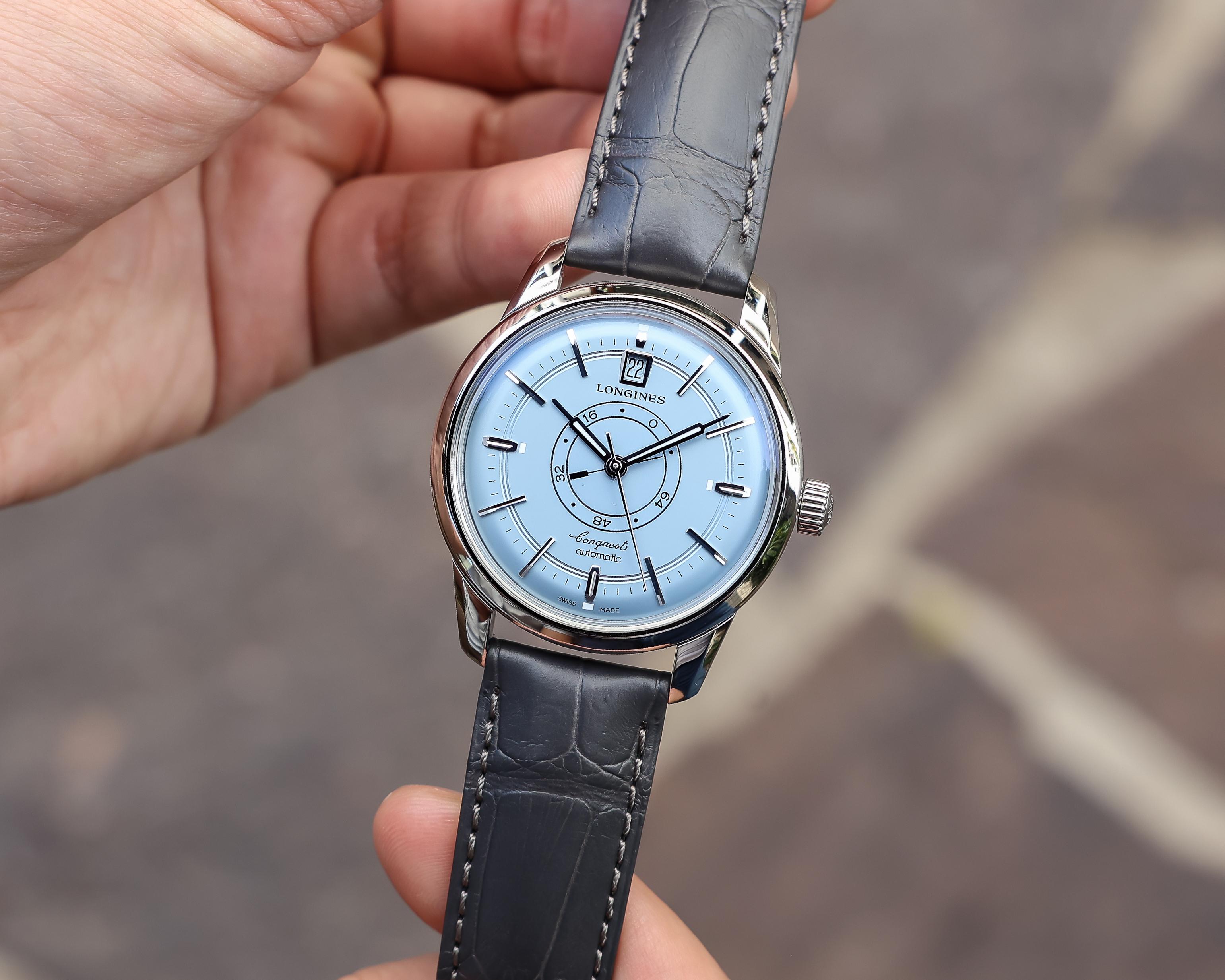
A power reserve indicator on the dial is a traditional complication. Often called a réserve de marche on French dials or "up/down" on English-market pieces, the indicator shows the remaining reserve with a small linear or arc gauge. Patek Philippe Cal. 31-260, Jaeger-LeCoultre Reverso Tribute Duoface, and the IWC Big Pilot all prominently display power reserve. On automatic watches the indicator is usually superfluous (wrist motion keeps the mainspring topped up), but it is a visually striking detail that has become a marker of technical seriousness.






Comments 2