 WristBuzz
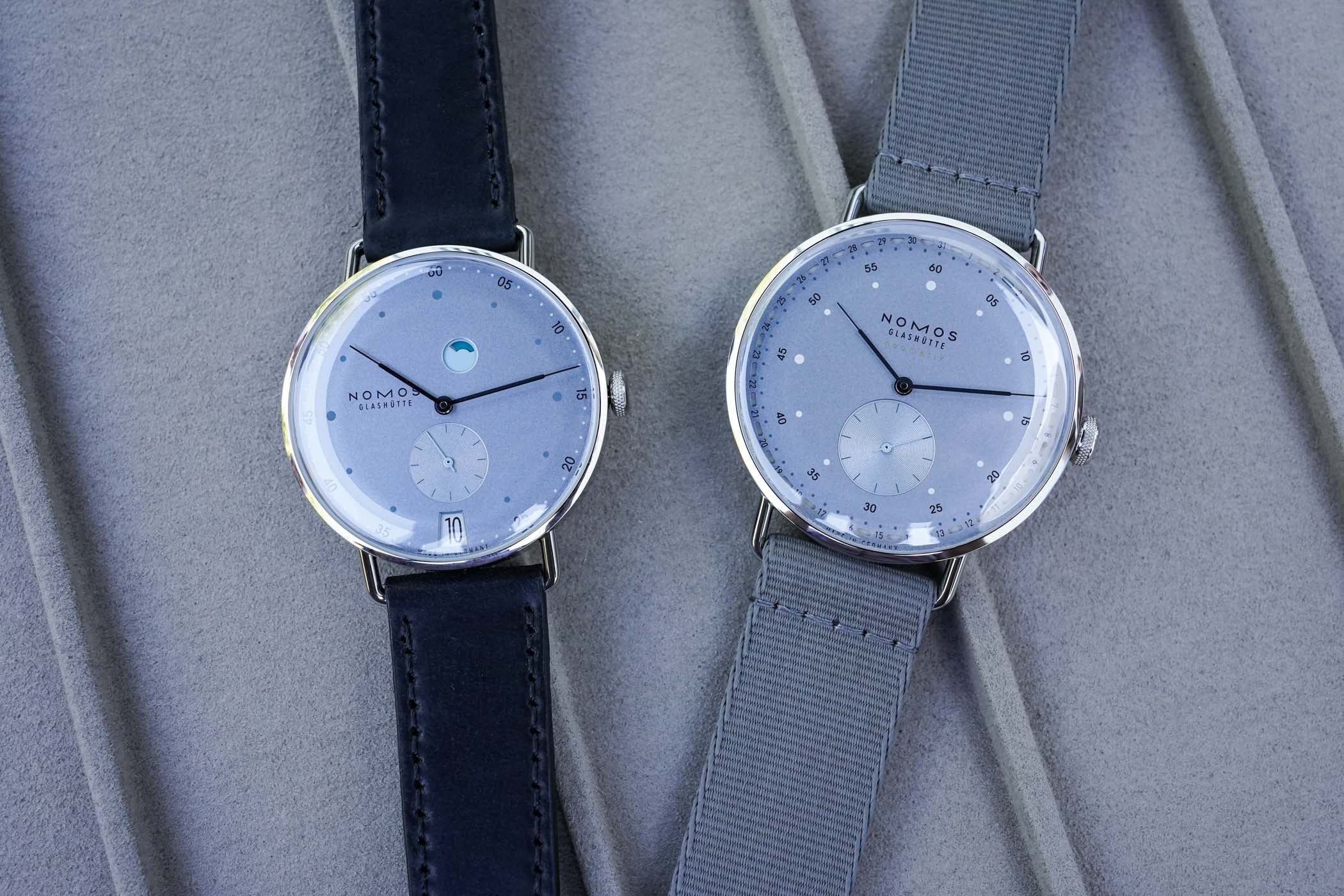
The Nomos Metro Date Power Reserve Gets a New Movement and an Ice Blue Option
Nomos upgrades the Metro Date Power Reserve with a new caliber and adds a cool new dial color to one of its most complete watches
966 articles · 2 videos found · page 1 of 33
Nomos upgrades the Metro Date Power Reserve with a new caliber and adds a cool new dial color to one of its most complete watches
How long a fully wound mechanical watch runs; 40h entry, 72h modern, 50d record.
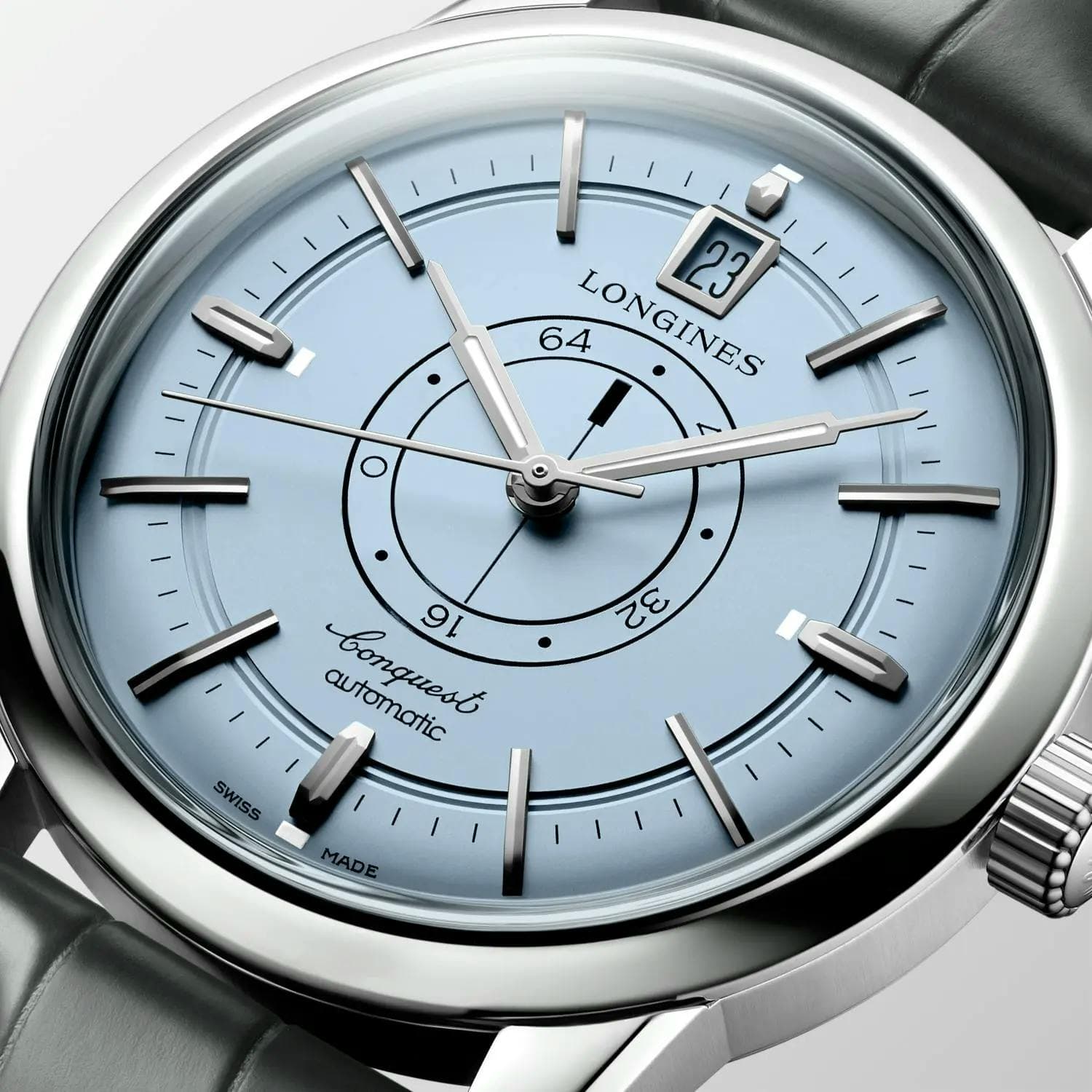
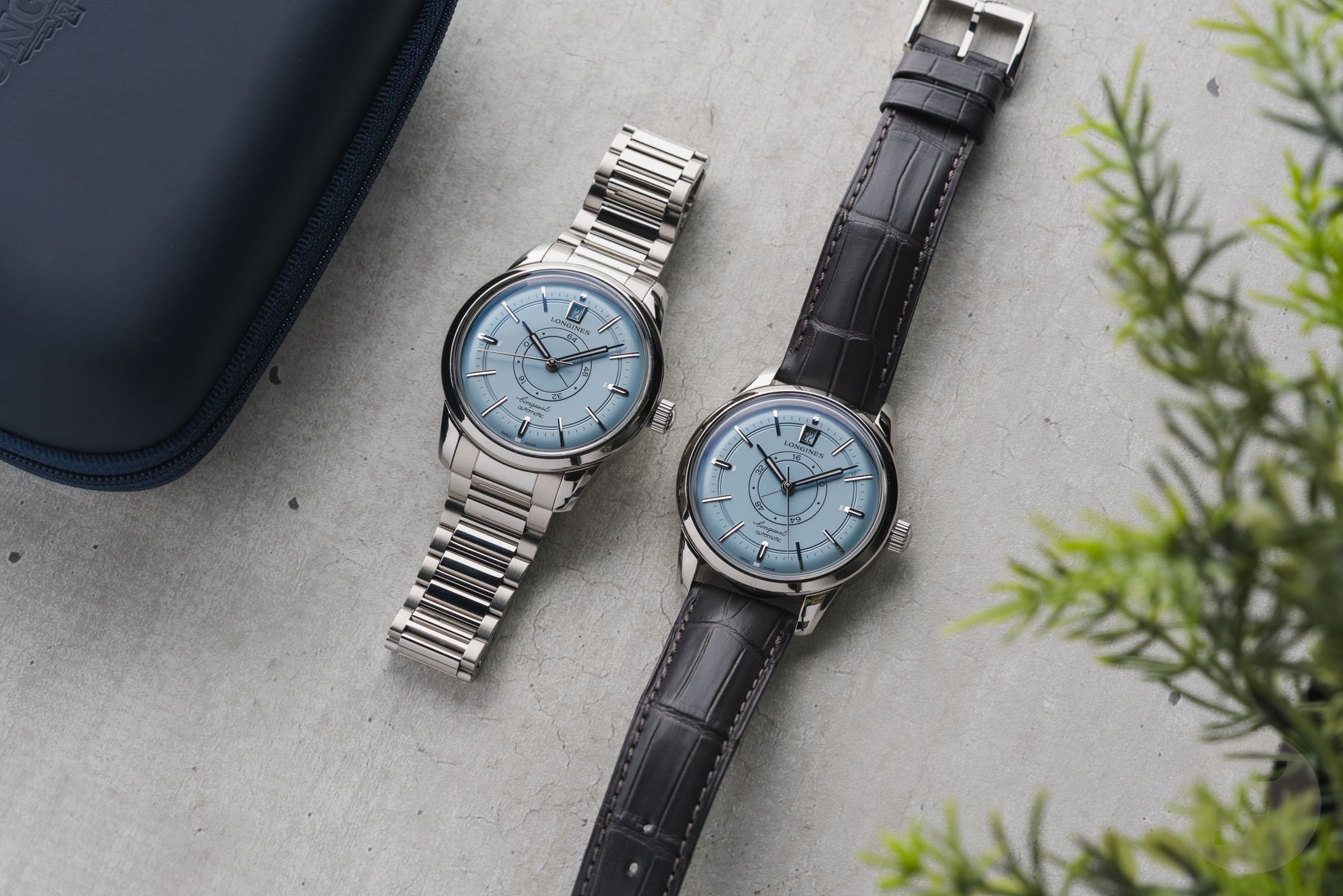
Longines refreshes one of its most quietly interesting re-editions with a light blue opaline dial. Still 38mm, still the same central power-reserve rotating disc, still the silicon-hairspring L896.5. €3,950 on strap, €4,050 on bracelet.
The beloved Pandial chronograph gets its darkest treatment yet, and only 33 examples exist.
WristBuzz
Nomos upgrades the Metro Date Power Reserve with a new caliber and adds a cool new dial color to one of its most complete watches
 Monochrome
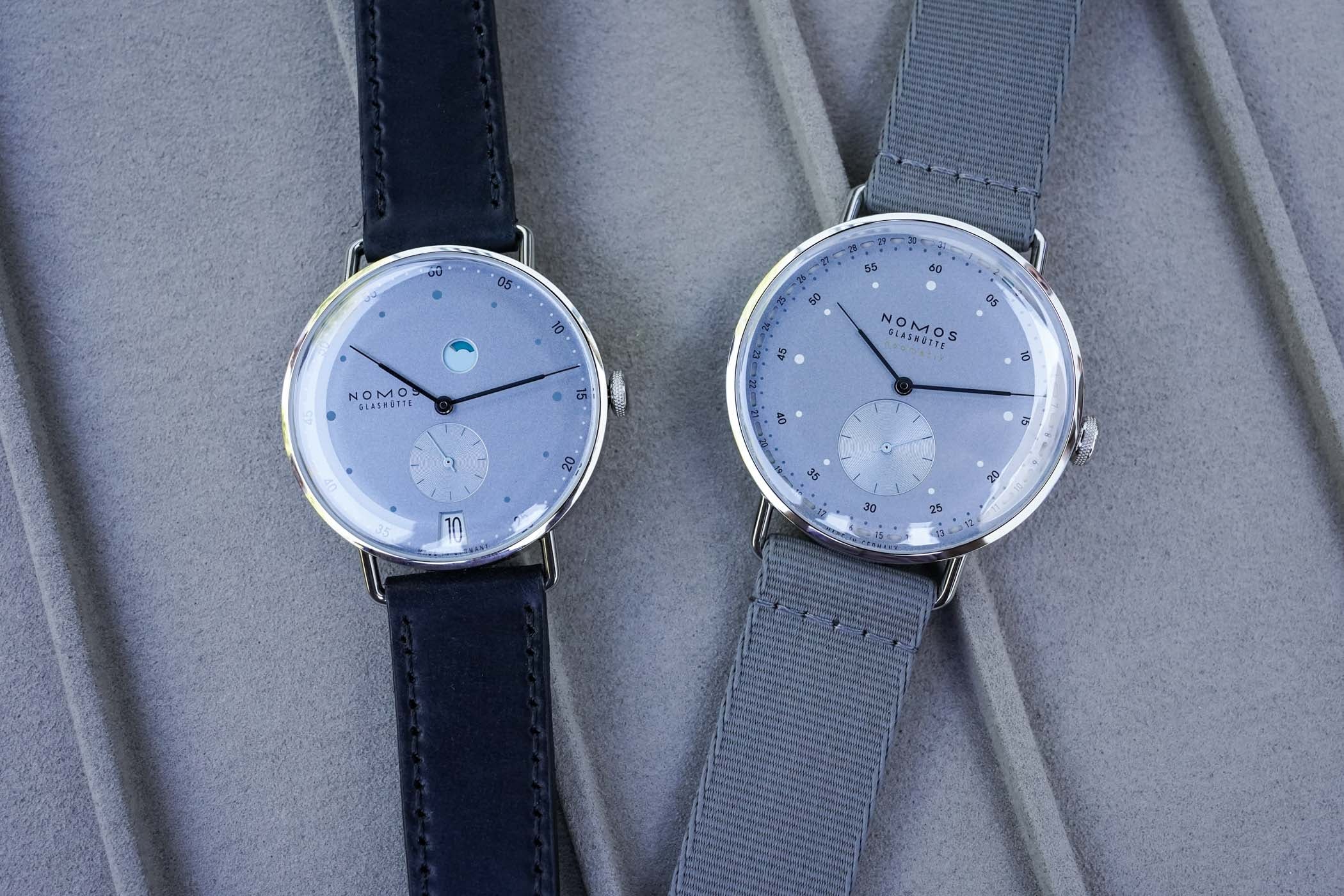
German product designer Mark Braun created the Metro family in 2014. Inspired by metro map signage and graphics, Braun injected well-calibrated doses of colour and city chic into the brand’s established Bauhaus design language. The inaugural Metro Date Power Reserve also marked a milestone for the brand, as the first model to debut the Nomos Swing […]
 Deployant
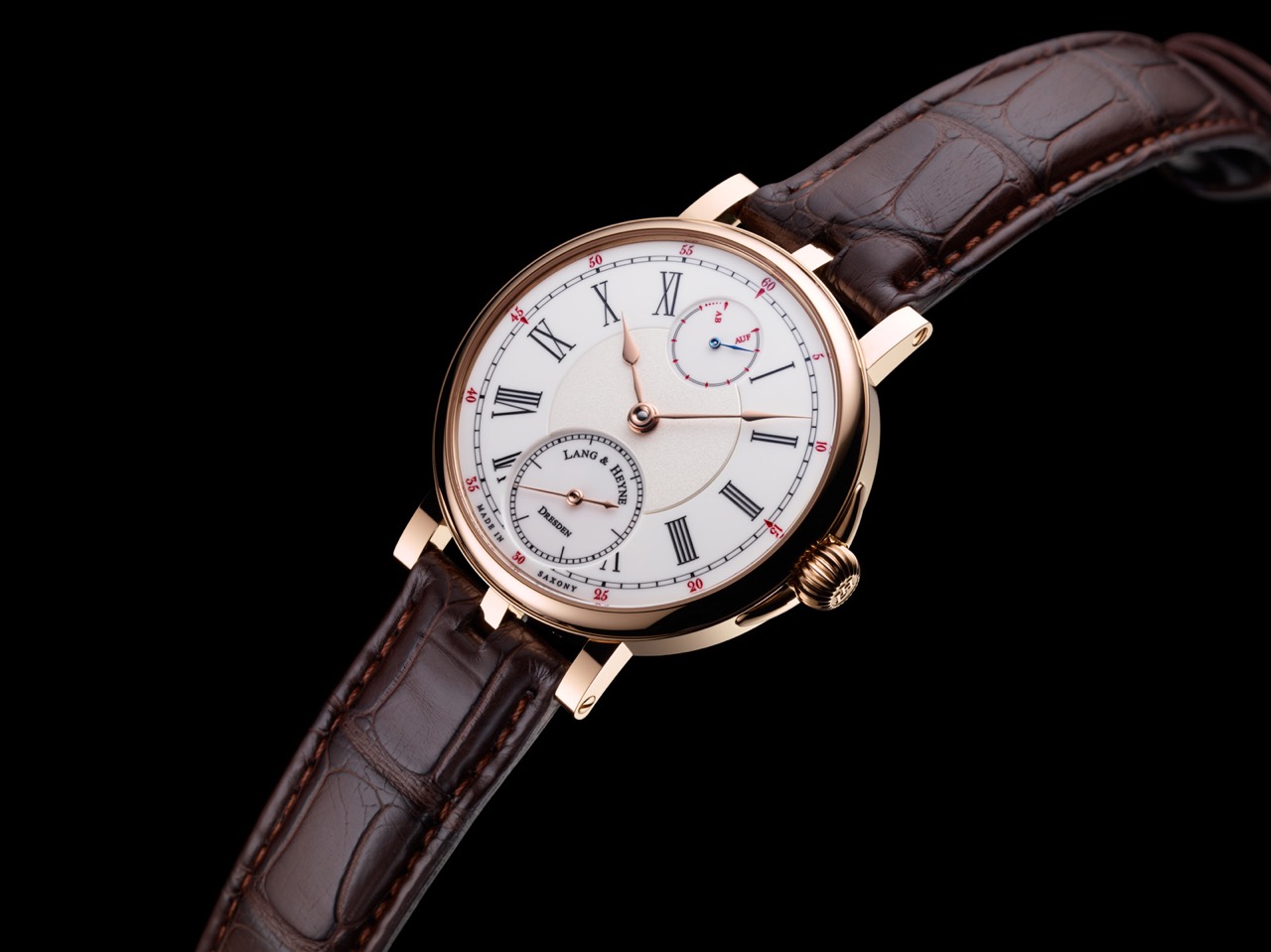
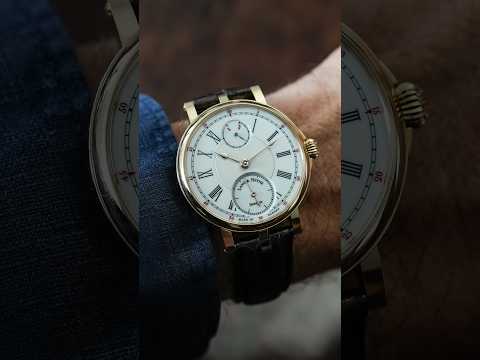
Lang & Heyne marks their 25th anniversary with a new interpretation of their Friedrich, now version III with a power reserve display.
 Two Broke Watch Snobs
The Khaki Field Power Reserve lineup doubles with blue and green dials. Our take on the 40mm case, the H-23 caliber, and that six o'clock dial text.
 Deployant
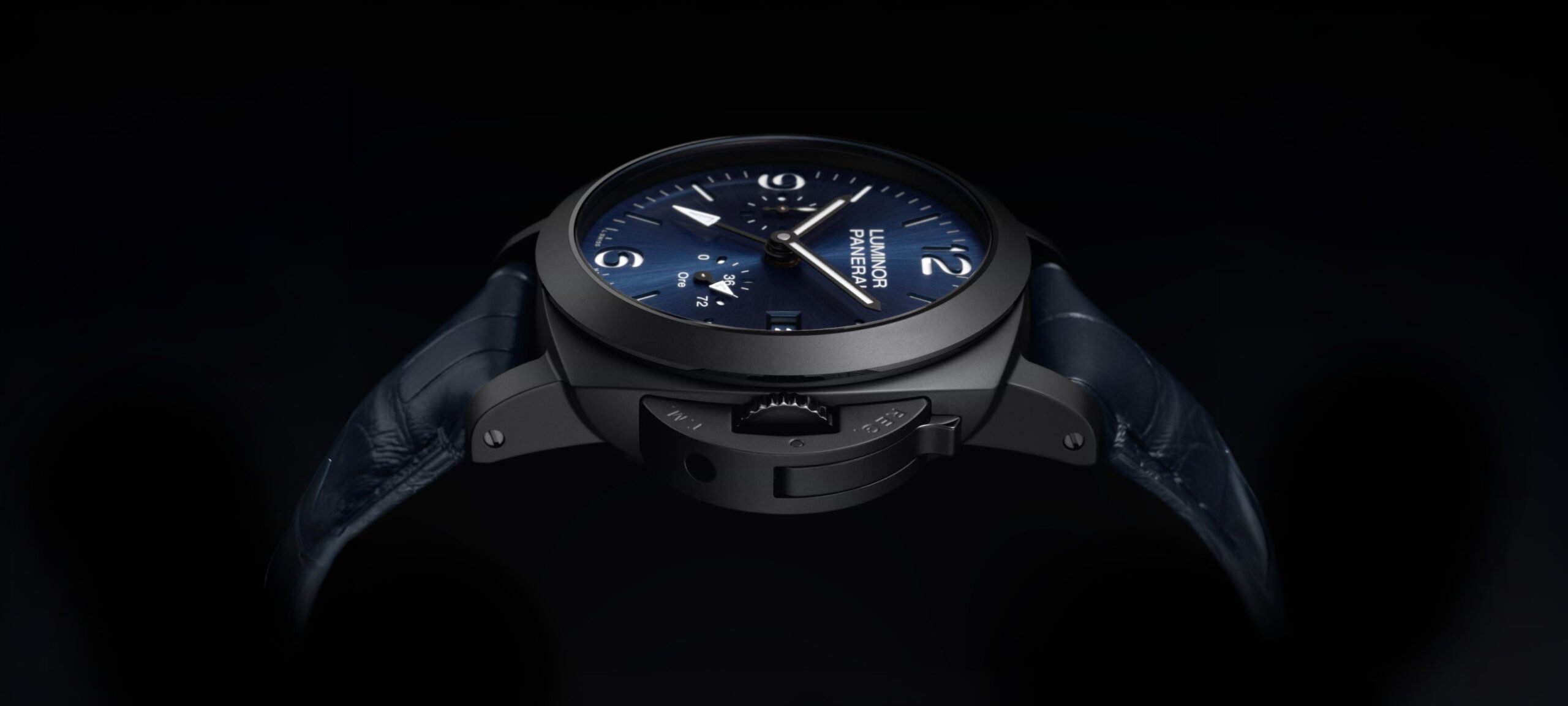
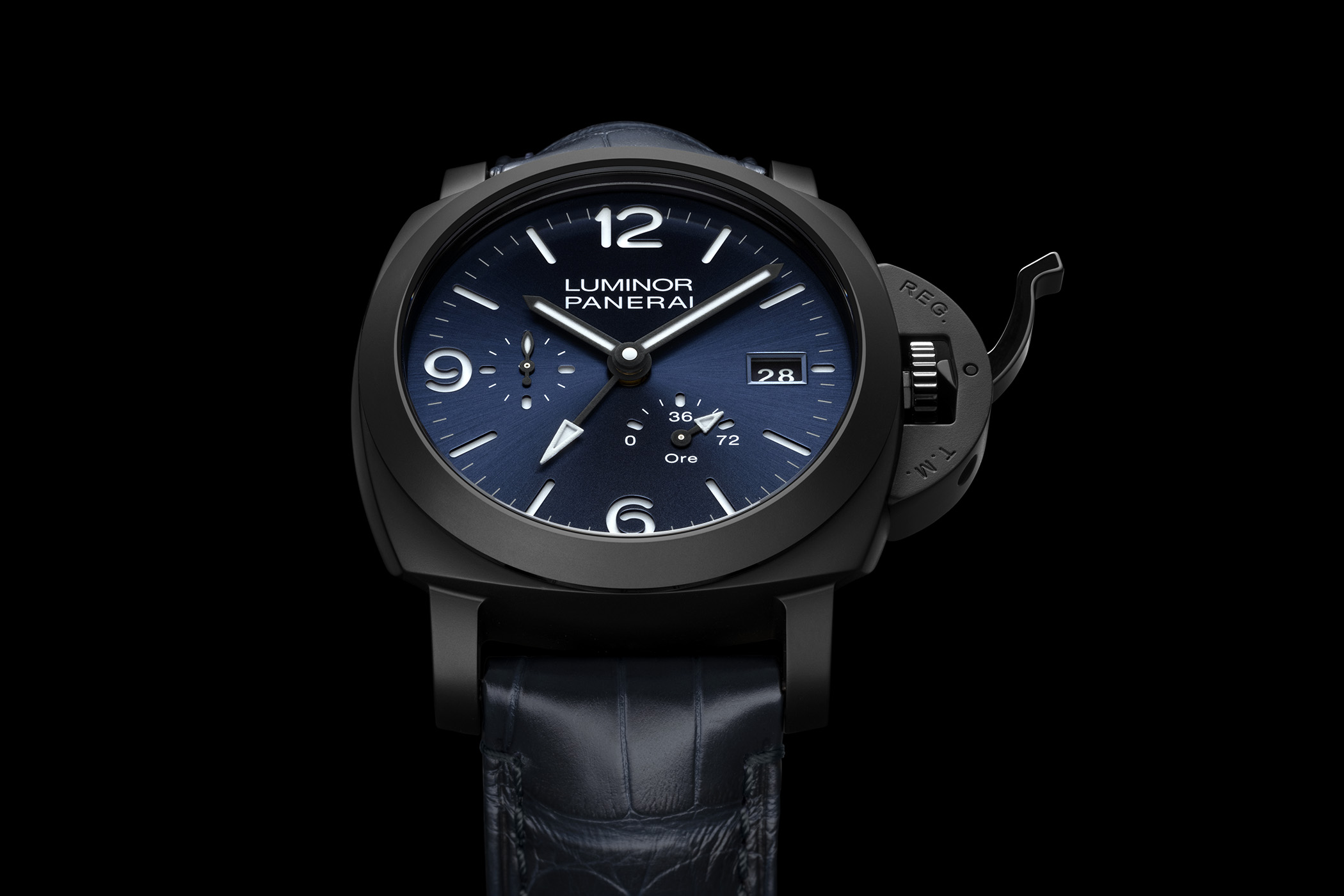
Panerai proudly returns to the world’s most important design fair as the Official Timekeeper of Salone del Mobile, thus reinforcing Panerai’s commitment to the world of design and innovation. As a tribute to this prestigious occasion, the Maison presents the Luminor GMT Power Reserve Ceramica PAM01574 making its debut at Panerai’s pop-up at Milano Rho Fiera.
 Video
Video
As an advocate for high-end, artisanal watchmaking for 25 years already, it's fair to say Lang & Heyne does things a touch differently than others. The brand's unbridled attention to detail, deeply rooted devotion to...
 Fratello
Panerai moves quickly! After a busy Watches and Wonders 2025, there’s already another new release. The Luminor GMT Power Reserve Ceramica was announced with the brand’s official timekeeping role at the Salone del Mobile. This is Milan’s Design Week, and the event is the world’s largest furniture show. Furniture may sound like a funny connection […] Visit Introducing: The Panerai Luminor GMT Power Reserve Ceramica PAM01574 to read the full article.
 Monochrome
Panerai is the official timekeeper of the Salone del Mobile, the largest and most prestigious annual international design fair held in Milan since 1961. Panerai’s involvement with Milan Design Week is celebrated with the release of the new Lumimor GMT Power Reserve Ceramica PAM01574. As a product launched in 1949 that retains many original design […]
 Time+Tide
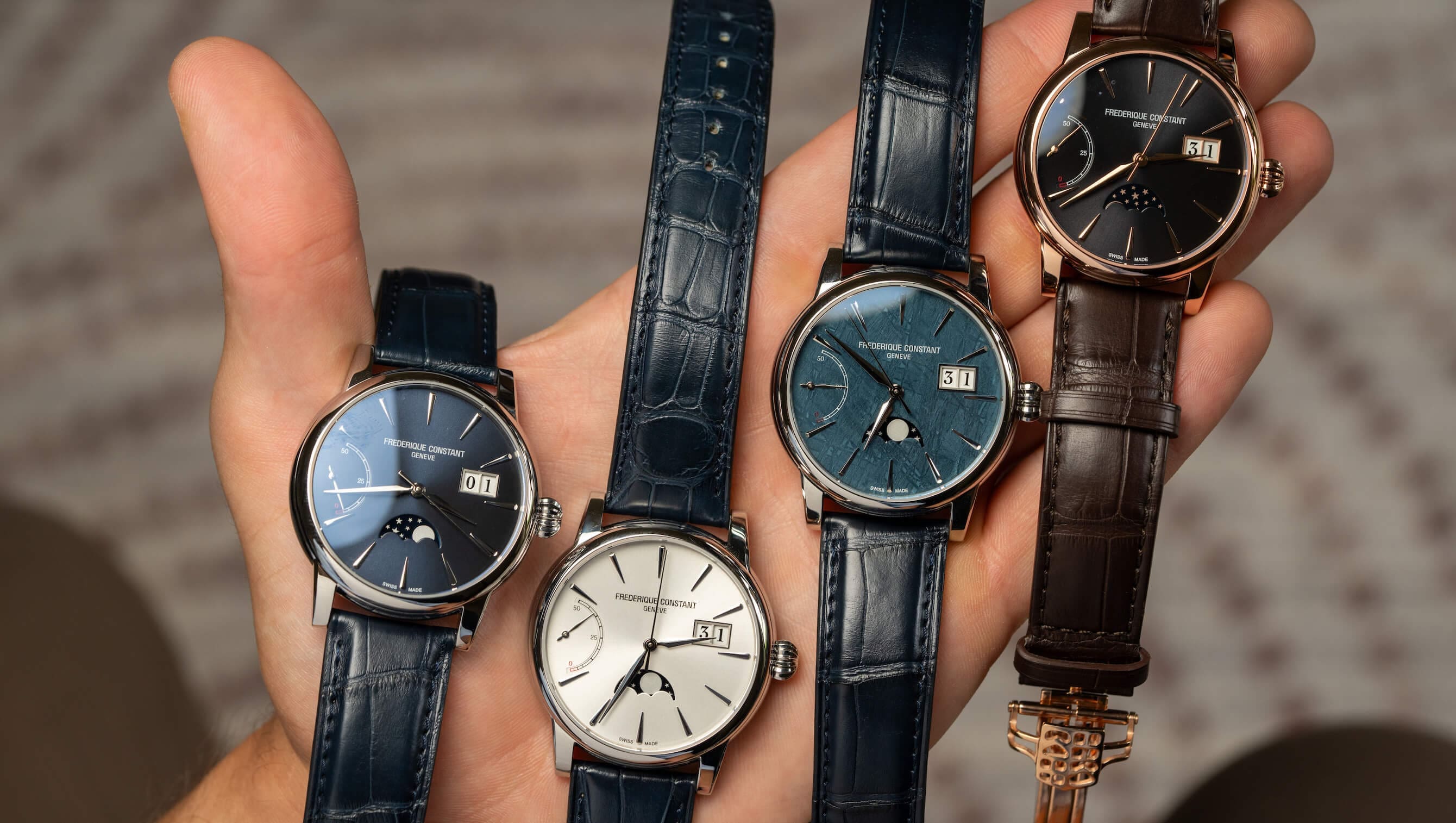
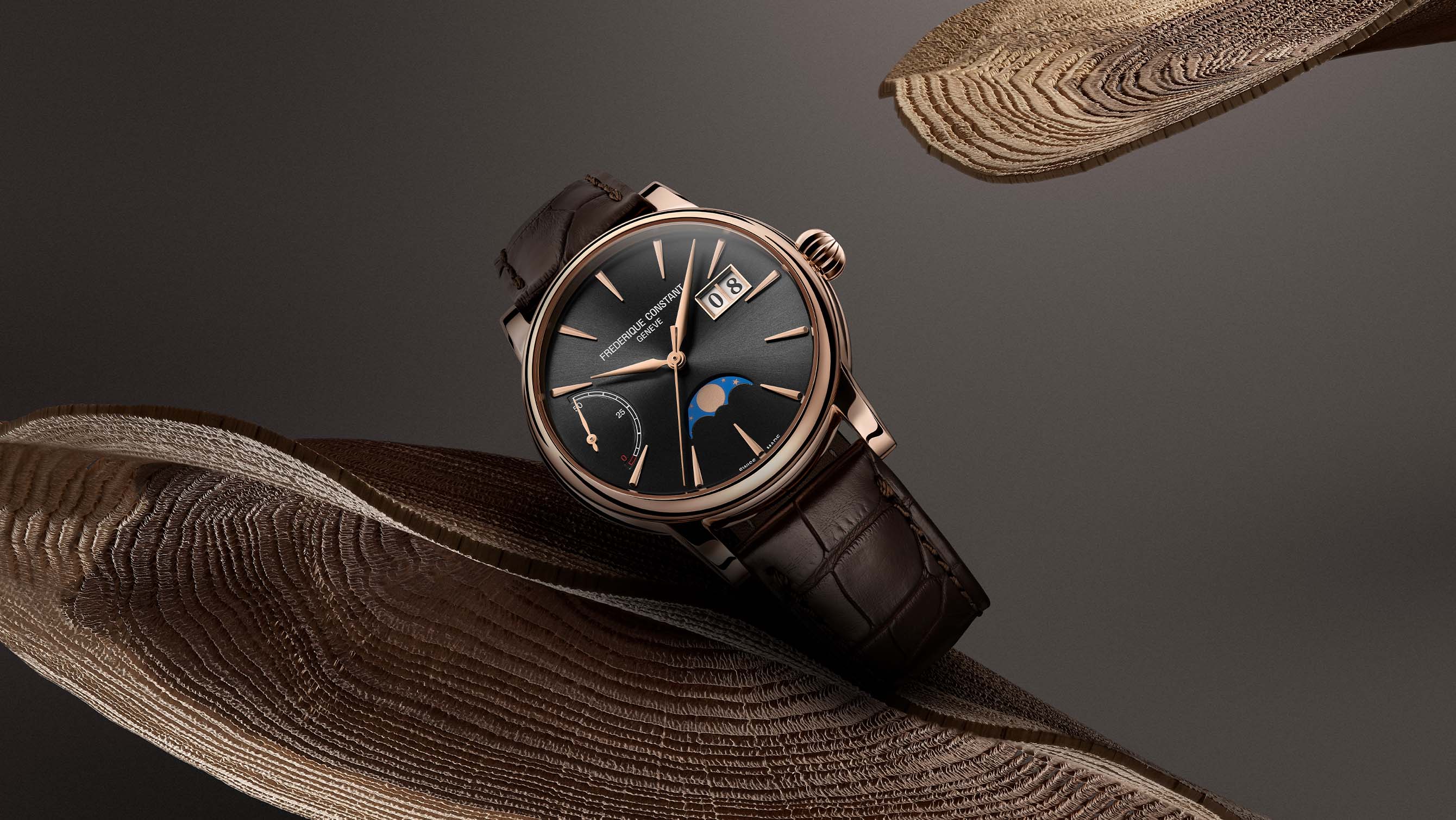
What better way to celebrate a significant milestone for a young brand that a shiny new release?The post The Frederique Constant Power Reserve Big Date sports the brand’s 31st in-house calibre appeared first on Time+Tide Watches.
 Time+Tide
The Frederique Constant Classic Power Reserve Big Date Manufacture combines elegant style with mechanical wow factor It’s highly accessible in design, referencing classic mid-century styles The FC-735 is Frederique Constant’s 31st in-house movement, signalling their intent to continue driving their brand upmarket Sometimes the little things in life are worth celebrating, and for Frederique Constant, … ContinuedThe post The Frederique Constant Classic Power Reserve Big Date Manufacture is a sign of a brand going upmarket appeared first on Time+Tide Watches.
 WatchAdvice
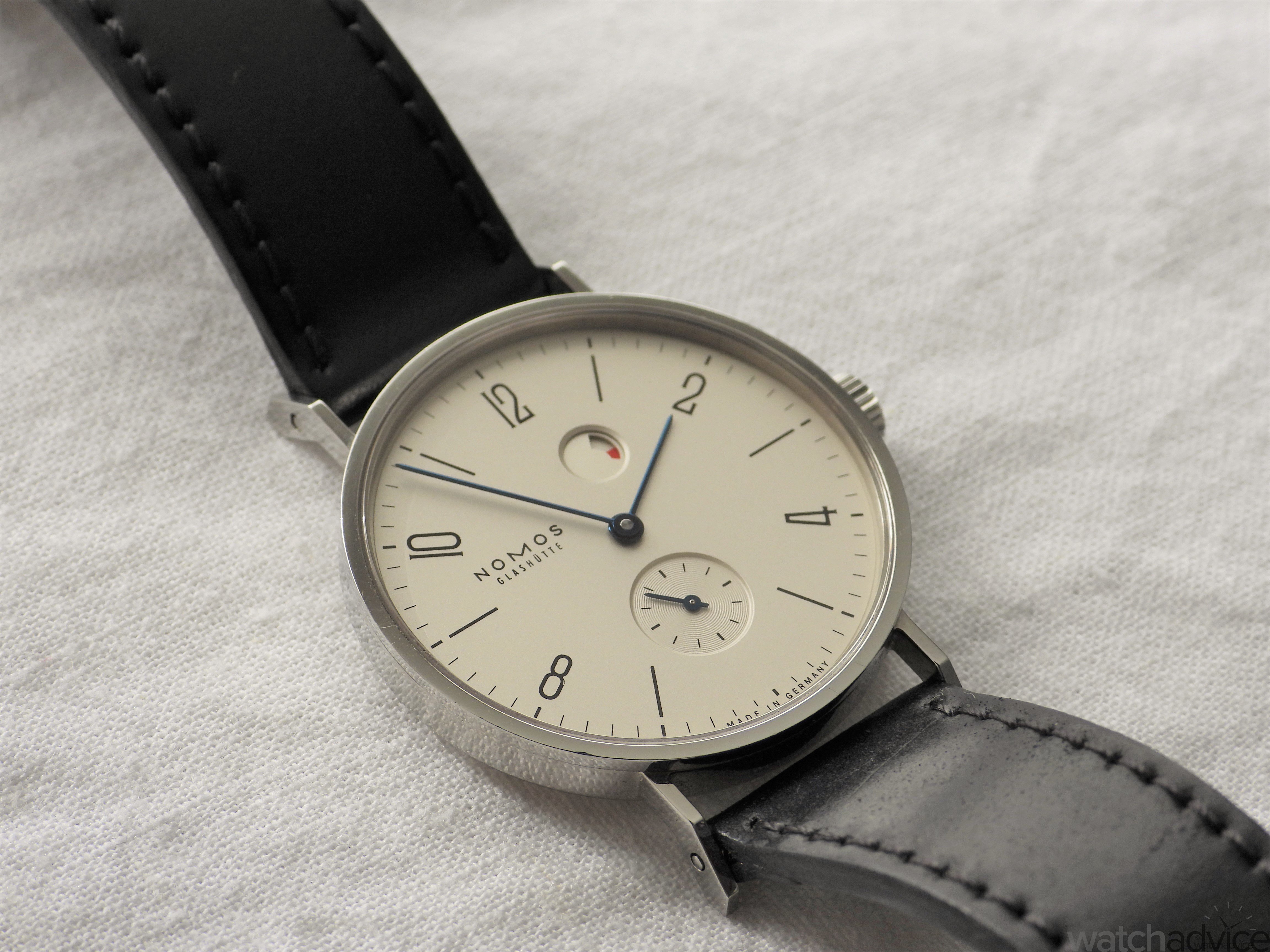
Nomos is the brand of entry level luxury Bauhaus design. Typically offering decluttered dials, no nonsense design and some of the best value in the luxury watch world. So is the Nomos Tangente power reserve the German watch for you? Case The Nomos Tangente power reserve features a stainless steel case, 35mm in circumference and only 6.6mm thick. The case itself takes an interesting shape having a raised band of steel around the center of its construction leaving depressions above and below the mid case. This offers some visual interest to what is already a remarkably slim and slender watch. The model weighing only 40grams including the supplied leather strap, offers the wearer the opportunity to constantly forget that it’s on their wrist. The stainless steel is finished to a high polish on all sides. There is the presence of a typically industrial and lets face it, German no nonsense crown, which features deep cuts for easy manipulation. Everything about the case on this watch screams German watch design, nothing is overdone, nothing is unnecessary or flamboyant. That is, until you see the lugs. The lugs are a strong statement in design from the Glashutte manufacturer. They protrude from the case and drop sharply at 45 degrees. They give the watch a much longer stance than the 35mm case size would suggest. Because of this design choice the watch wears 44mm lug to lug. When on the wrist I found the face of the watch appears about 2mm too small for the lugs. Although t...
 Video
Video
As an advocate for high-end, artisanal watchmaking for 25 years already, it's fair to say Lang & Heyne does things a touch differently than others. The brand's unbridled attention to detail, deeply rooted devotion to...
 Time+Tide
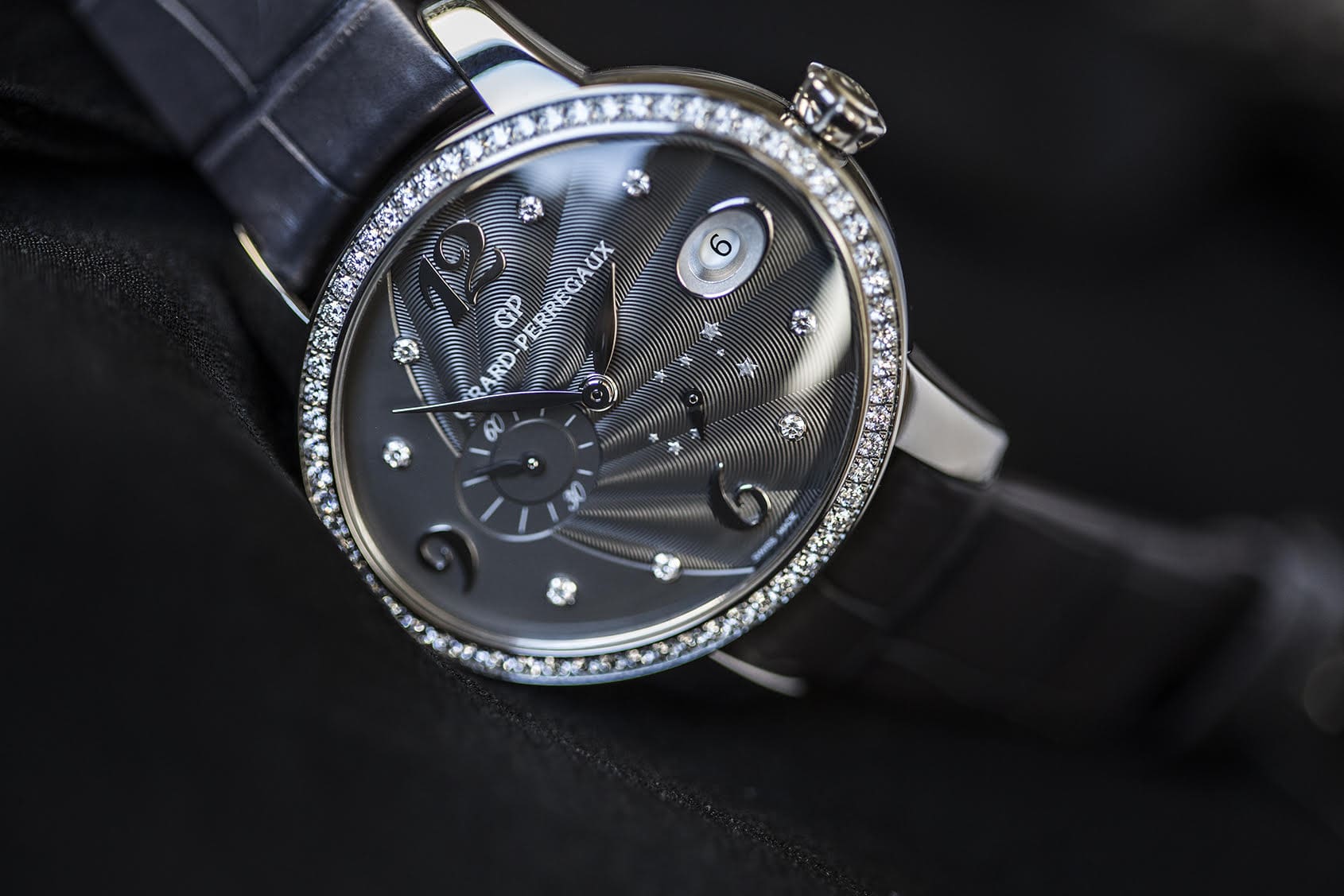
In the spectrum of colour, grey is quite the double agent. There it goes, trudging along amid notions of overcast skies, mind-numbing office cubicles, uncertainty. But just as we’re all stifling a yawn at its inherent dowdiness, what’s this we see? There goes grey playing its other hand in a realm populated by wolves and … ContinuedThe post HANDS-ON: the Girard-Perregaux Cat’s Eye Power Reserve – what a difference a grey makes appeared first on Time+Tide Watches.
 Deployant
For Pre-SIHH 2017, Baume & Mercier is whipping up our appetite with two additions into their flagship collections: the Clifton GMT Power Reserve and the Promesse Moon Phase. The two new additions, incidentally, have a common theme – Blue. In the words of Baume & Mercier, there are akin to “lights in the blue sky”, with the one forRead More
 Deployant
Truth to be told, it has been quite some time since we were intrigued by a Franck Muller watch. In the recent history, Franck Muller seemed to have diverted from their ethos and created humdrum pieces like the Conquistador GPG and the Infinity Ronde. The 7 Days Power Reserve Skeleton, however, is a little outstanding though. Franck MullerRead More
 Revolution
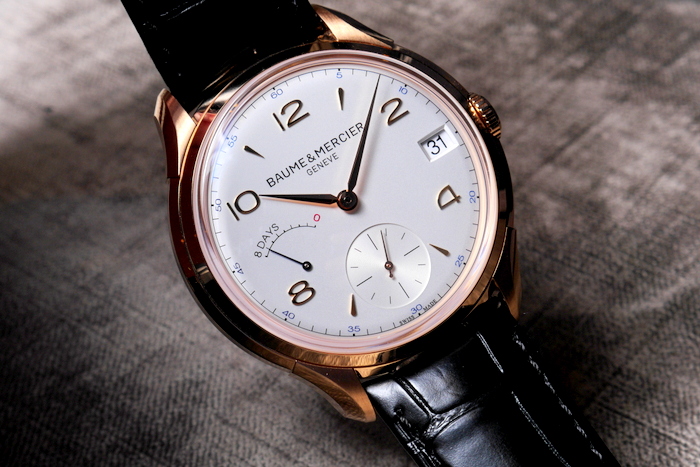
Some people buy watches to impress others, or to “join” a community of enthusiasts for a certain brand or model, and quite frankly there is of course nothing wrong with that. But sometimes you need to buy a watch just for you, a watch like the Baume et Mercier Clifton 8-Day Power Reserve, a decadent, […]
 WristBuzz
The beloved Pandial chronograph gets its darkest treatment yet, and only 33 examples exist.
 WristBuzz
Longines refreshes one of its most quietly interesting re-editions with a light blue opaline dial. Still 38mm, still the same central power-reserve rotating disc, still the silicon-hairspring L896.5. €3,950 on strap, €4,050 on bracelet.
 Monochrome
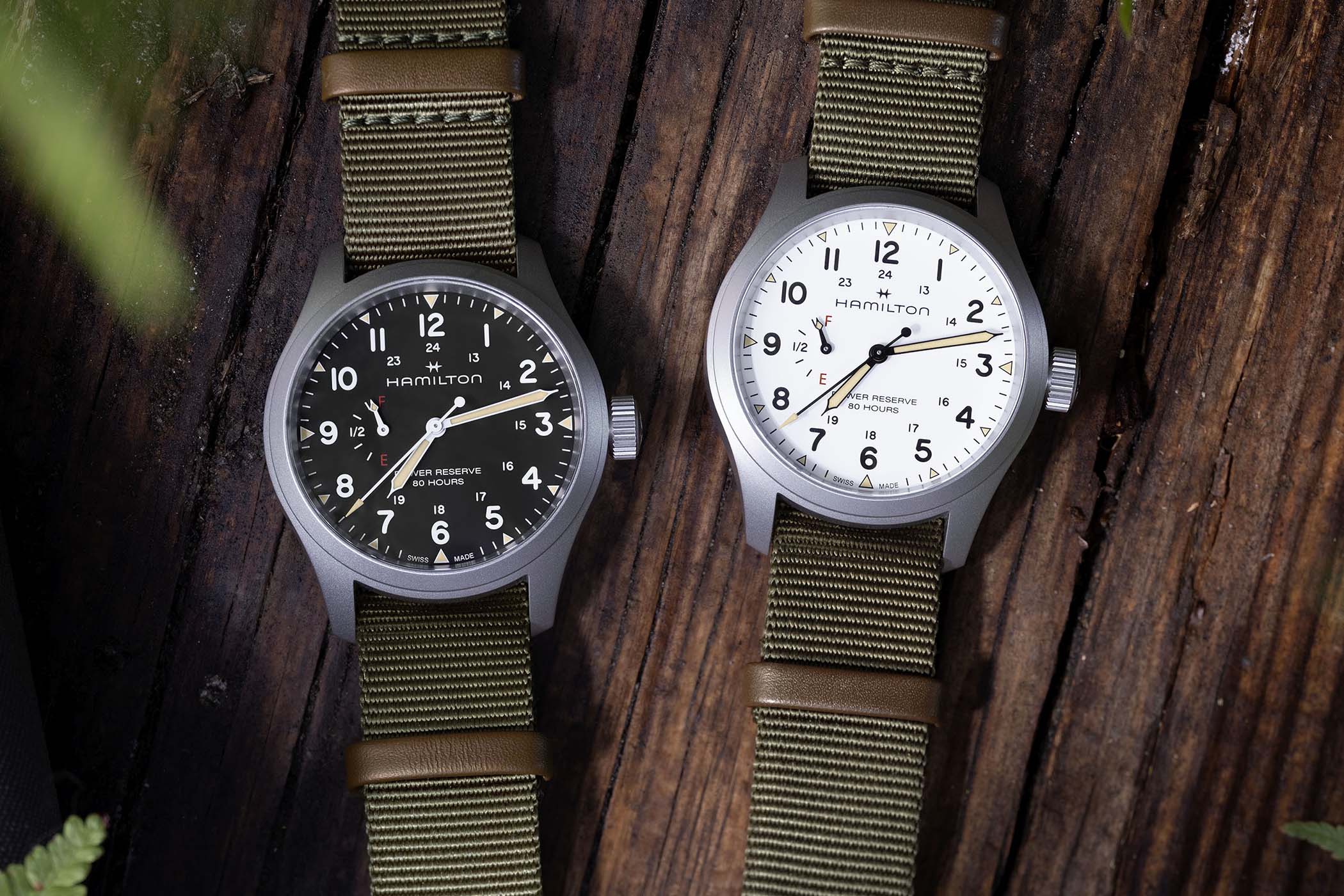
Hamilton, once one of the largest American watchmakers, has a long tradition of accessible, robust field watches and military-inspired timepieces, a style that’s been crucial for the brand with its Khaki Field Collection. While most of the models are modelled after the mid-20th-century Hamilton Hacked watches, some editions took the brief at face value, while some, […]
 Monochrome
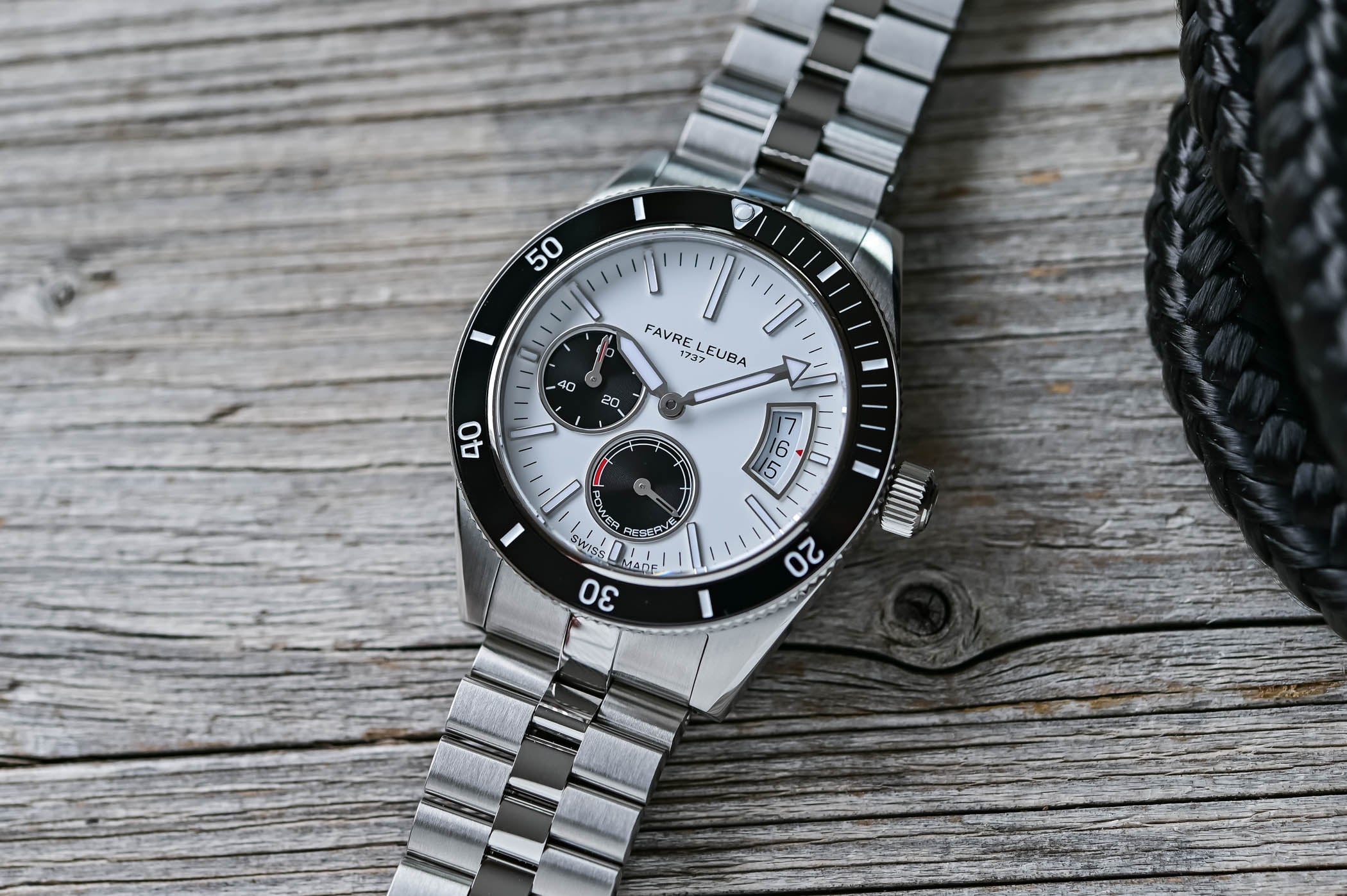
When you are a historic watchmaker like Favre Leuba, you can go back to the archives and return with a slice of the past and new ideas. That is exactly what happened with the Deep Blue, the brand’s six-decade-old dive watch known for its crosshair dial and 200m water-resistance. Stylish and genuinely capable at the […]
 Monochrome
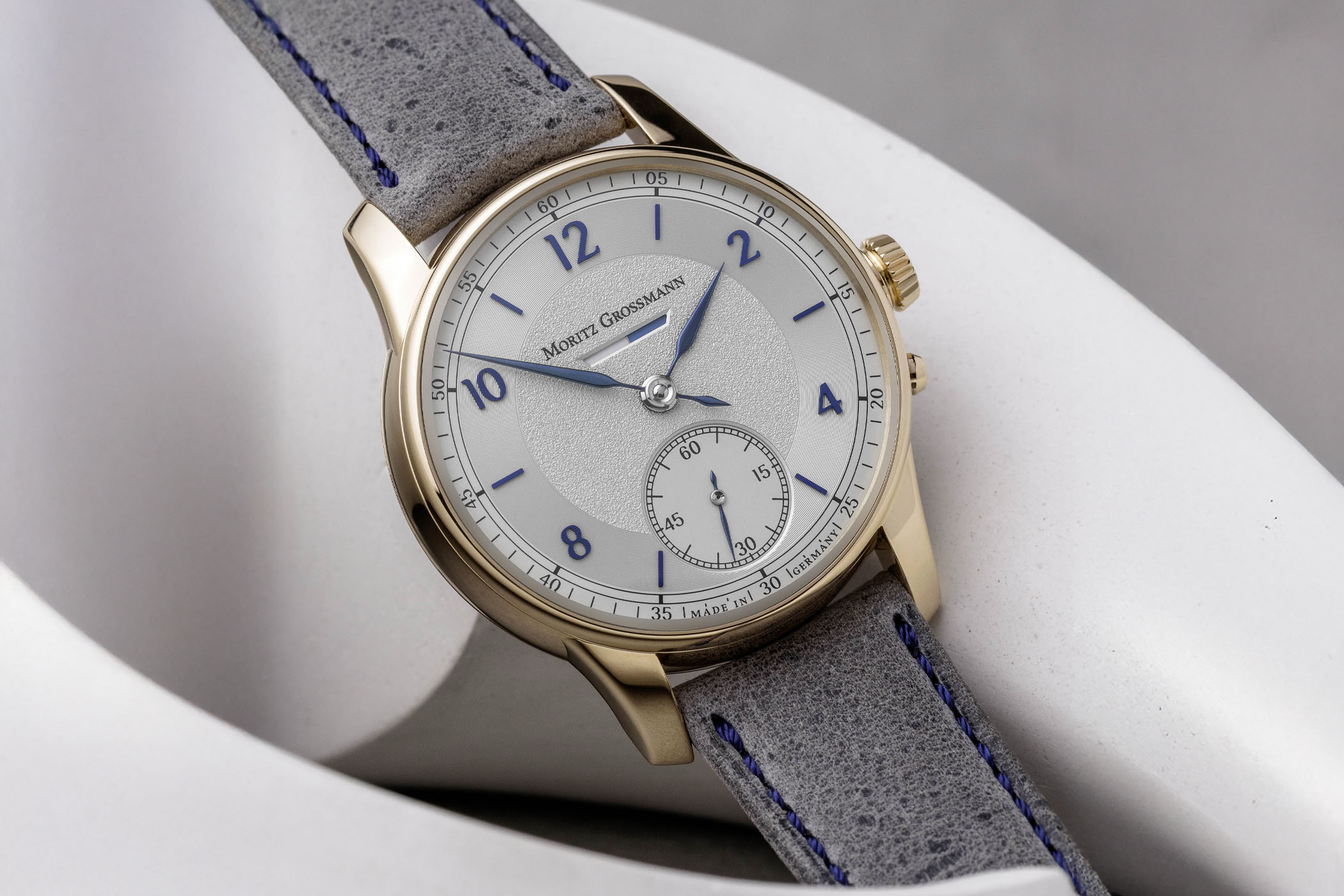
Ferdinand Adolph Lange was the founding father of Glashütte’s proud watchmaking tradition, attracting like-minded entrepreneurs and suppliers of parts to the region. One of these was Lange’s good friend, Moritz Grossmann, who set up shop in 1854. Revived in 2008 by Christine Hutter, Moritz Grossmann is admired today for its original, ultra-refined, understated, beautifully crafted […]
 Monochrome
The Hamilton Khaki Field Collection is one of the cornerstones of the brand, building on the rugged simplicity and reliability of the original soldiers’ watches produced during the 20th century. Known for their straightforward functionality, earthy colours, and robust construction, Khaki Field models have long been appreciated. From hand-wound mechanical editions inspired by WWII field watches […]
 Revolution
8-Days Power Reserve has always been associated with Panerai, ever since the Angelus 8-Days movement was used in many vintage Panerai watches. Panerai has announced a new 8-Days hand-wound movement, Calibre P.5000. This is not the first 8-Days in-house movement by Panerai. The P.2002 Calibre was announced several years back, with GMT and linear power […]
 Hodinkee
What We Know If you asked me to pick a watch from the catalog that best represents the small but mighty German brand Nomos Glashütte, I'd probably choose the Metro Date Power Reserve. Sure, it's not the distinctive Tangente, nor is it a simple Club Campus. But I think the Metro Date Power Reserve embodies so much of what makes the brand special to me—a beautifully considered, minimalist design by designer Mark Braun, a splash of color to make it interesting, a quirky power reserve indicator, and an in-house manually wound movement with the finishing you'd expect from the brand. That's why I bought mine a few years ago, and I've enjoyed it ever since. However, unlike many other watches in the lineup, the Metro Date Power Reserve is a tricky model to recommend to friends, especially those just starting out in this dangerously addictive space. That's because for all that the watch delivers, it has its Achilles' heel in the form of a non-quickset date. Yes, that means that if you haven't worn the watch in a while and the date is off a bit, you'll need to keep moving the hands back and forth past midnight to advance the date every single time. If you're fifteen days out, it gets tedious, and there's no way around it except to accept that your watch shows the wrong date. Luckily, after more than a decade in production, the model gets a new refresh. Today, Nomos brings a new in-house caliber, DUW 4701, to power the new generation of Metro Date Power Reserve. Most importantly, ...
 Fratello
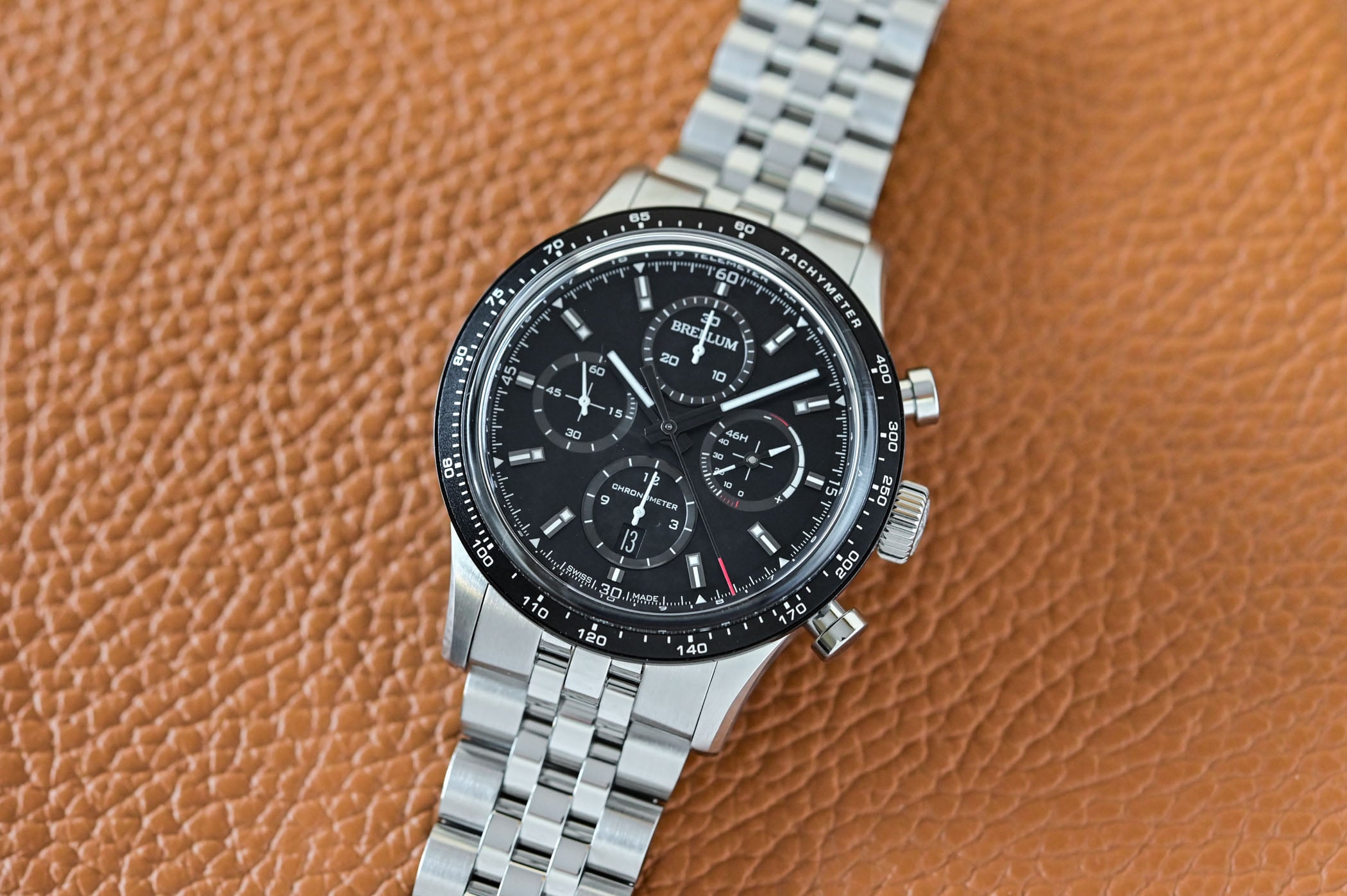
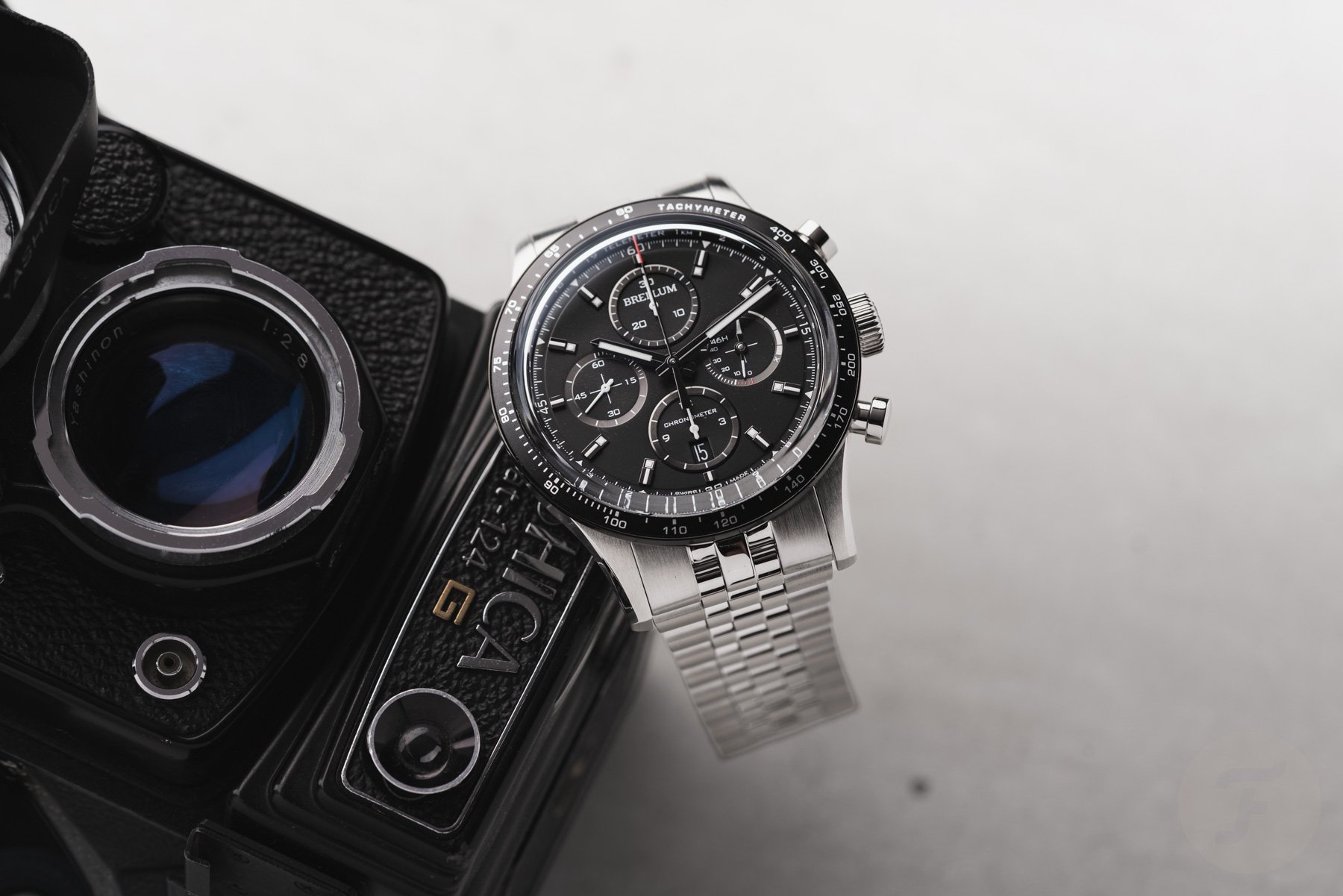
The first Brellum Pandial Power Reserve Chronometer LE I ever saw indeed had a panda dial. The white dial with black sub-registers created the famous look so many desire. The latest Pandial is like a panda suffering from melanism; it’s fully black. It does give this latest Brellum chronograph, a limited edition of just 33 […] Visit There Are Only 33 Of These: Introducing The Black-Dial Brellum Pandial 43 Power Reserve LE Chronometer to read the full article.
 Monochrome
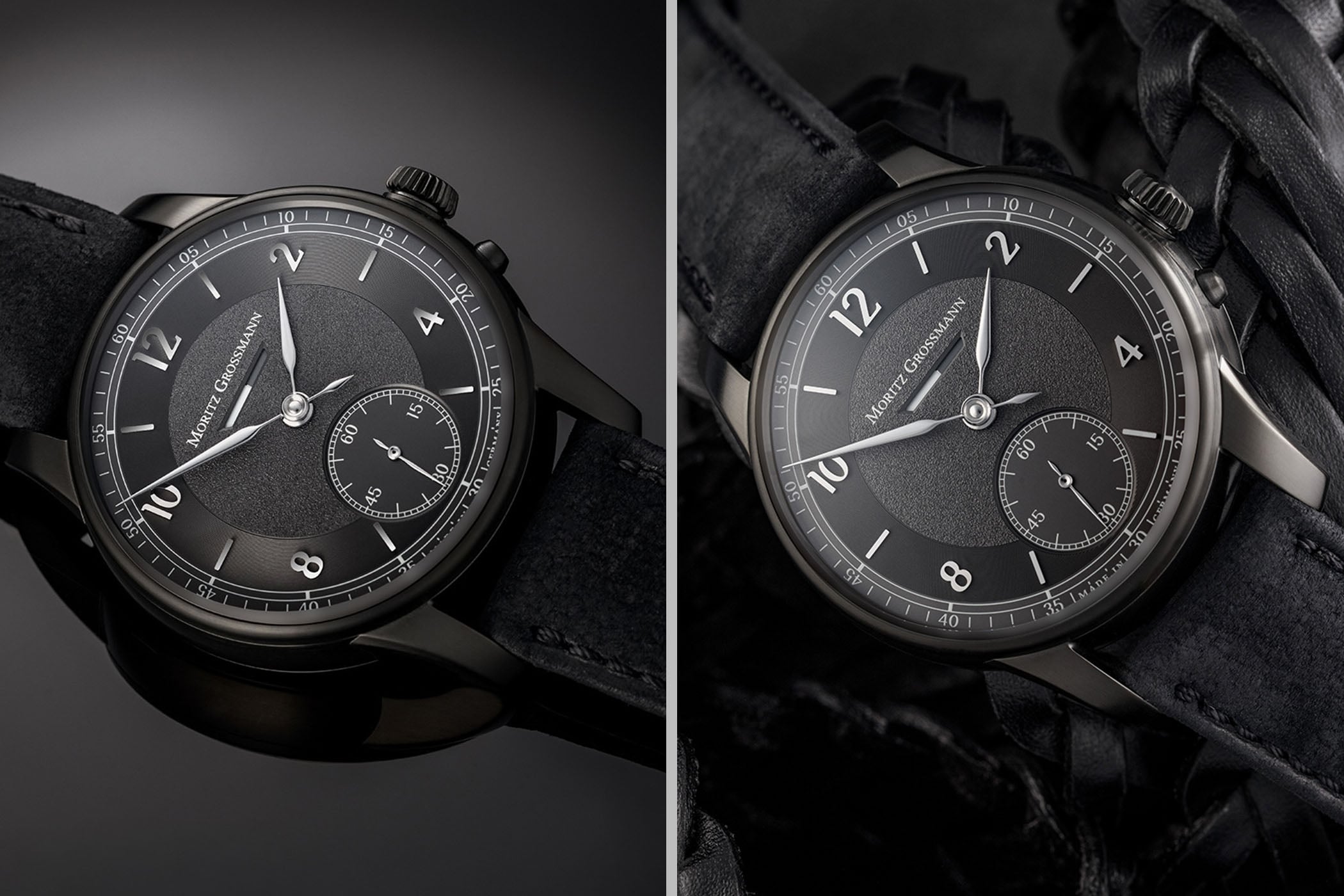
Bearing the name of one of the founding fathers of 19th-century German watchmaking, Moritz Grossmann is today an independent high-end Glashütte watch manufacture producing low-volume, hand-finished pieces. Marking the bicentennial of the founder’s birth, Moritz Grossmann presents two more contemporary, dark-themed versions of the elegant Benu Power Reserve. The Benu was the first watch to […]
 Time+Tide
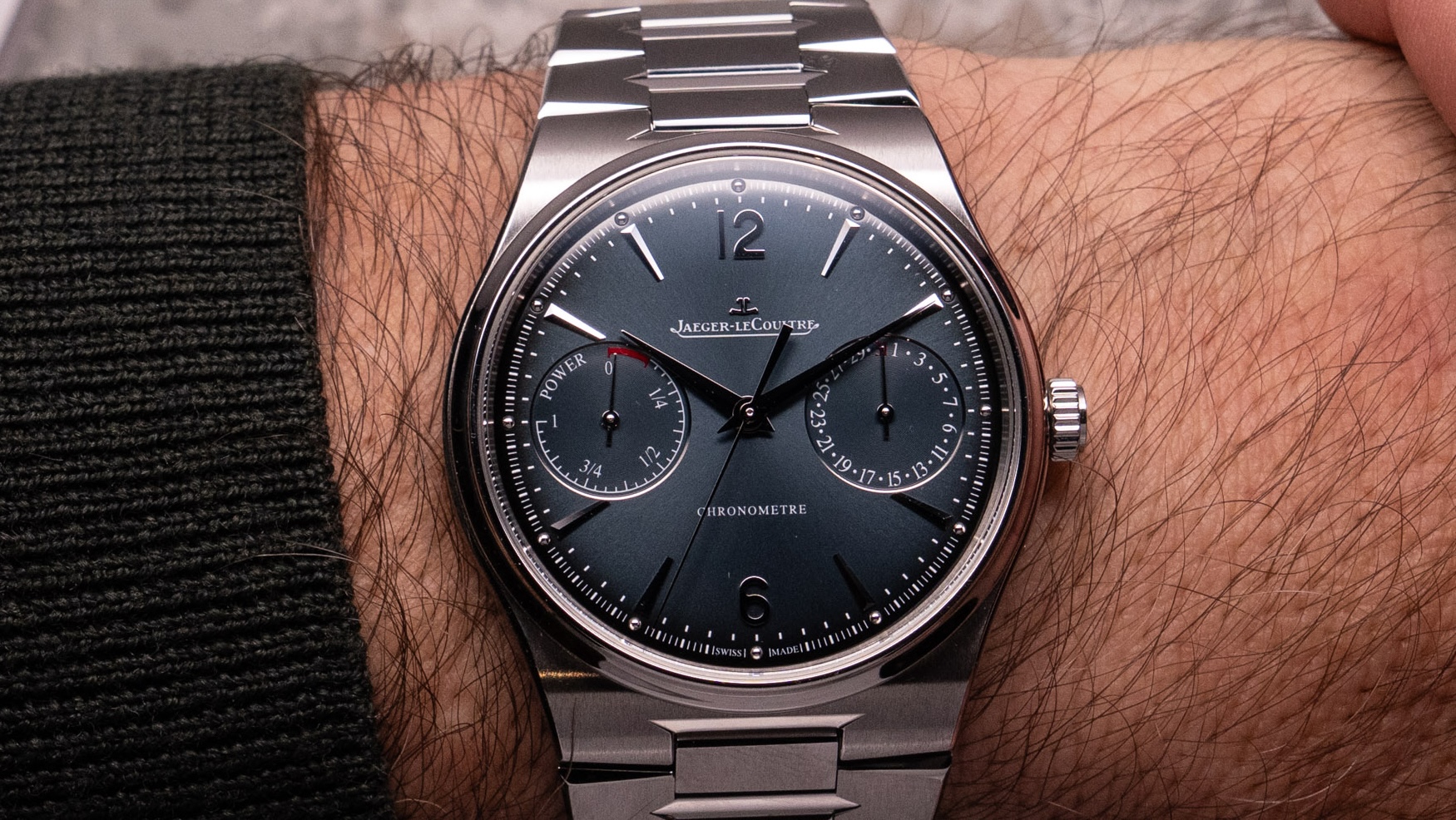
For Zach, his favourite of the group has to be the Jaeger-LeCoultre Master Control Chronometre Date Power Reserve. Here's why...
 WatchAdvice
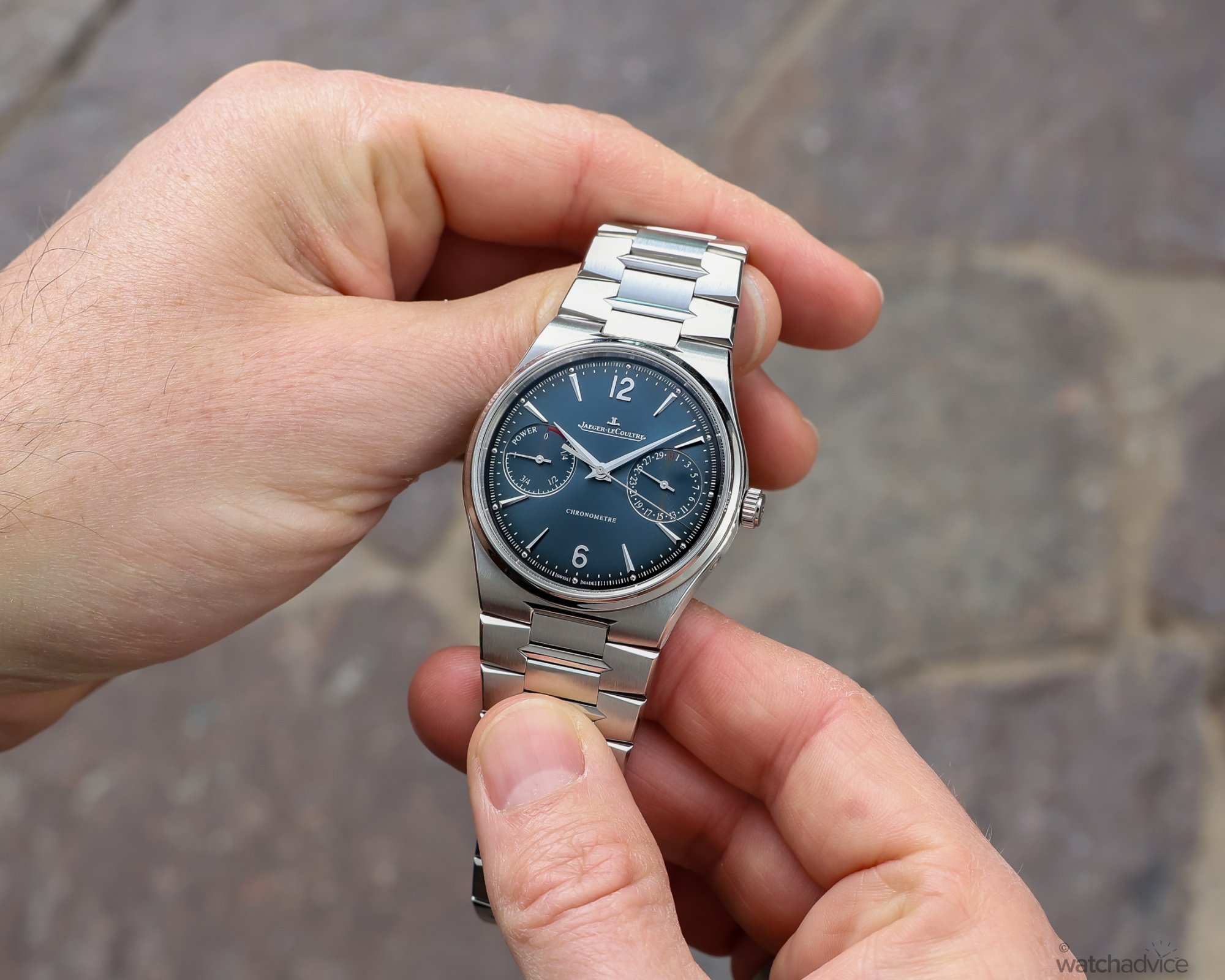
Jaeger-LeCoultre’s new Master Control Chronometre collection is a hit. Now we put the Date Power Reserve model under the microscope… What We Love Great integrated bracelet design, & a first for Jaeger-LeCoultre Super comfortable on the wrist Bridges both sports and dress watch genres easily What We Don’t No lume, so a better watch for day wear vs an all-around sports watch The bezel could be larger or have more detailing for greater balance Need a corrector tool to change the date, so it isn’t easy to do when out and about. Overall Rating: 9.25 / 10 Value for Money: 9/10 Wearability: 9.5/10 Design: 9/10 Build Quality: 9.5/10 Mario has had his say on the new Jaeger-LeCoultre Master Control Chronometre Date, but now it’s my turn, and for this review, I’m getting hands-on with the Master Control Chronometre Date Power Reserve. Yes, the name is a mouthful, but that is ok, I’ll forgive Jaeger-LeCoultre as this is (spoiler alert) a fantastic watch that I really had a hard time faulting. Since seeing the full collection first-hand at Watches & Wonders this year, I had been keen on trying them for a longer-term review. I do love the rose gold variants, but the sensible part of me thought it best to give the steel version a try, as this is probably the more everyday-wearing watch, and design-wise, sits nicely between the date model and the perpetual calendar. First Impressions I’ll say this. My first impressions of the Jaeger-LeCoultre Master Control Chronomet...
 Worn & Wound
Don’t look now, but Longines is having an uncommonly strong year. The release of the reworked HydroConquest dive watch in March remains one of the most discussed new releases of the year from a major brand, and their quiet but smart update of the Master Collection in June was also well received. Last month, they launched a new version of one of the more curious watches to be plucked from their archives in recent years, and while it’s certainly more of a niche product than the diver or the classically styled pieces in the Master Collection, it shows that the brand is still considering the enthusiast in spite of what is clearly a larger, big tent approach focusing on core models. The Longines Conquest Central Power Reserve in light blue is the third such watch following cream, anthracite and black dials introduced in 2024. These are incredibly charming watches in person, and lift from a design that originally debuted in 1959. It’s a fairly straightforward watch, with the central quirk (literally) being a power reserve indicator represented by a subdial in the dead center of the dial. The date appears at 12:00, and studying the dial reveals an idiosyncratic sector-like layout that is easily readable and visually interesting. The case of the Longines Conquest Central Power Reserve measures a tidy 38mm in diameter and 12.3mm thick. That is a tad taller than I’d typically like on a watch in this style, but I think it’s the price we pay for a modern, tech forward mo...
 Fratello
When it comes to the Longines Conquest Heritage Central Power Reserve, three years are important: 1954, 1959, and 2024. 1954 marks the year of the Conquest collection’s birth, 1959 is the year in which the first Conquest with a central power reserve indicator debuted, and 2024 marks the 70th anniversary of the Conquest collection. This […] Visit Feel The Power! The Newly Refreshed Longines Conquest Heritage Central Power Reserve to read the full article.
Question, suggestion, or just want to say hi? Drop a note.