Watch brandsWatch wikiWatch videosVariousWatch calendarSaved articles
PopularRolexOmegaPatek PhilippeAudemars PiguetTudorGrand SeikoCartierSeikoIWCTAG HeuerBreitlingJaeger-LeCoultreA. Lange & SohneZenith
WristBuzzWatch WikiMainspring
⚙ Movement · Since 15th century

Mainspring

The coiled power source of every mechanical watch

The thin, flat spring coiled inside the barrel that stores all the energy running a mechanical watch. Wound by hand or by a rotor (see automatic winding), released through the escapement over 40 to 80 hours.

Origin15th-century German pocket watches
Modern alloyNivaflex, Elinvar, Chromova
Typical PR40-80 hours
Max series~14 days (UN, Rolex Cellini)
CategoryPower source
WristBuzz Articles739
Mainspring

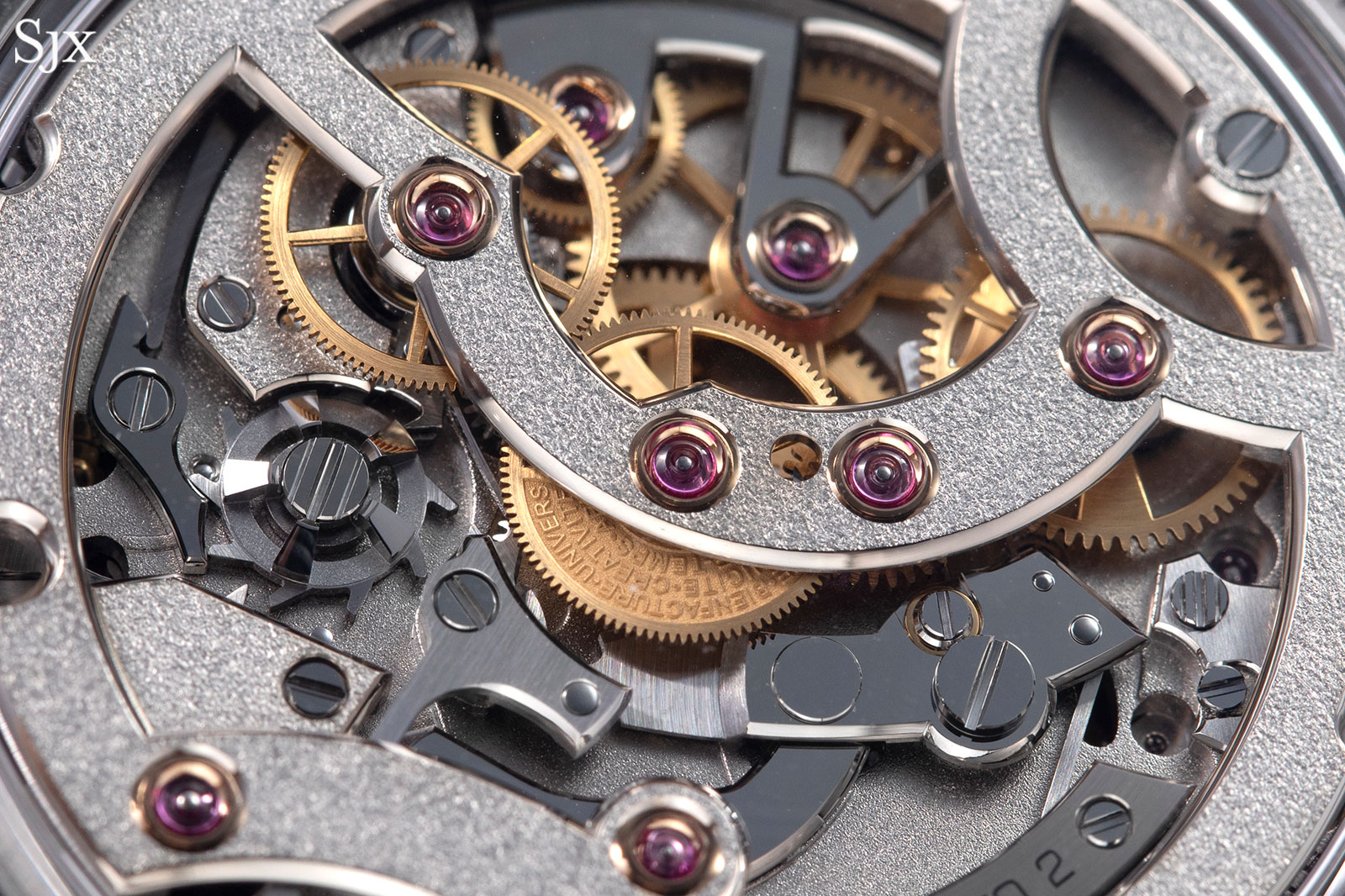
Photo: SJX Watches · Nov 7, 2025

~1500First Used
72hTypical PR
14 dLong-PR Max
~3Barrels for Long PR
739WristBuzz Articles

The Mainspring Story

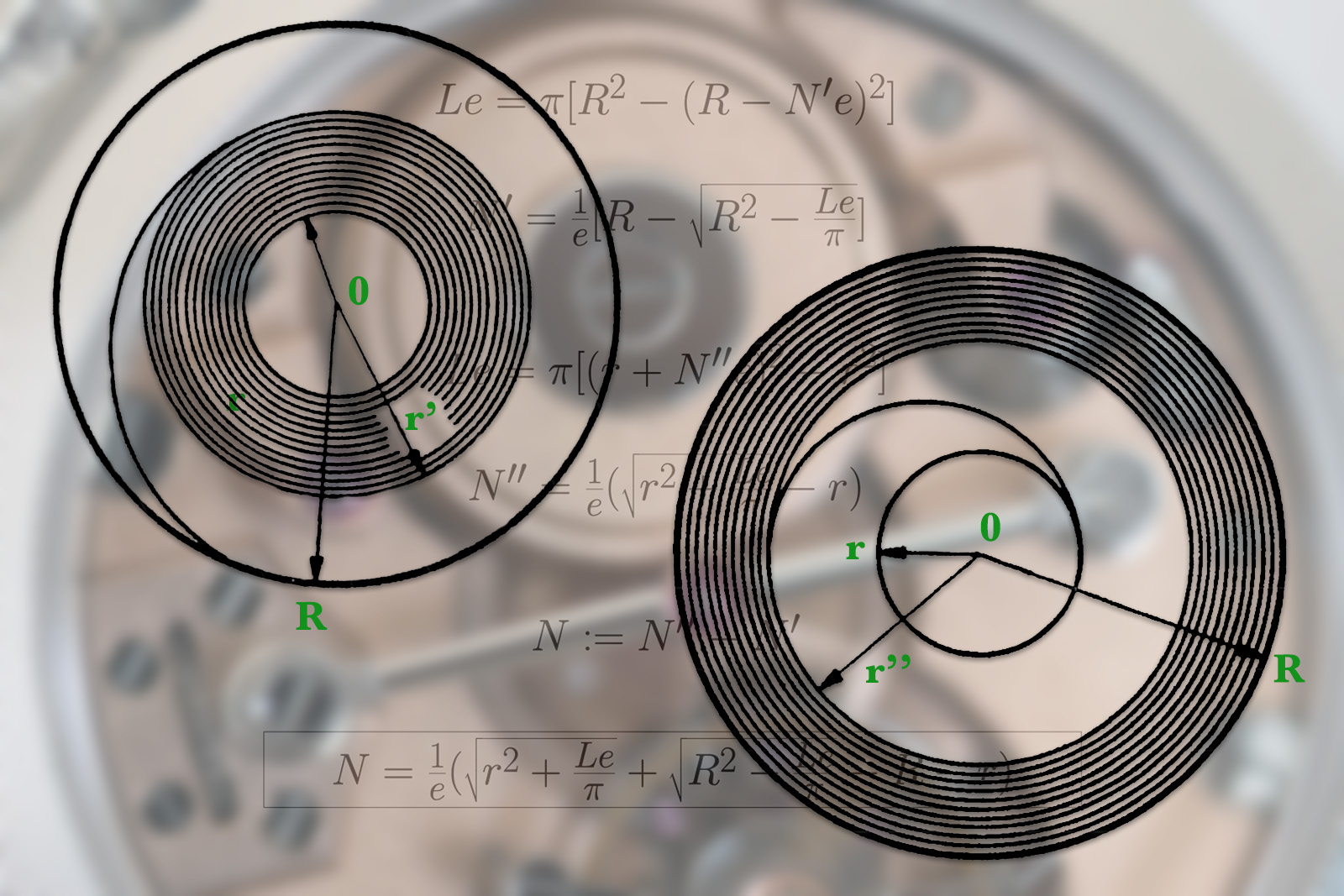
The mainspring, a flat coiled spring housed inside the barrel, is what stores energy in a mechanical watch. Unwound fully, it might be 20 centimetres long; coiled, it fits in a 10-millimetre-diameter barrel. Winding the watch (by hand via the crown, or automatically via a rotor) tightens the spring. As the spring unwinds, its stored energy travels through the wheel train to the escapement, which doses out the energy in discrete ticks to the balance wheel.

The mainspring concept dates to the late 15th century, enabling the first truly portable timepieces (pocket watches) and eventually the wristwatch. Early mainsprings were steel, prone to breakage and to uneven torque across the wind. Modern mainsprings are made from Nivaflex, a cobalt-chromium-nickel alloy patented by Reinhard Straumann (1933) that delivers constant torque across the power reserve and resists breakage. Most Swiss mechanical watches use a Nivaflex or Chromova mainspring supplied by a handful of specialist producers.

Power reserve varies by architecture. A typical wristwatch with a single barrel stores 40 to 48 hours of running time (ETA 2824, Rolex Cal. 3235, Valjoux 7750). Moving to 72 hours typically requires a larger barrel or a longer, thinner mainspring; Rolex's Cal. 3235 family achieves 72 hours with a proprietary long-wound mainspring. For seven-day and longer reserves, most manufacturers use twin or triple barrels: IWC's Portuguese 7-Day, Patek Philippe's Caliber 240 HU C, and Panerai's Cal. P.2002 all use this approach.

The absolute outer edge of mechanical power reserve includes Hublot MP-05 LaFerrari (50 days, 11 barrels in series), the Jaeger-LeCoultre Duomètre Quantième Lunaire (two entirely separate trains with separate mainsprings), and the A. Lange & Söhne Lange 31 (31 days, two mainsprings combined). For perpetual use without winding, automatic winding (Perrelet 1777, Rolex Perpetual 1931) re-tightens the mainspring via wrist motion, making the mainspring-reserve question irrelevant for daily-worn watches.

Notable Mainspring Implementations

2000 · Rolex
Cal. 4130 Mainspring
In every modern Daytona

Rolex's proprietary long-wound mainspring, giving the Cal. 4130 a 72-hour power reserve (up from the 44h of the preceding Zenith-based cal). Visible as the noticeably larger barrel in photographs.

72h
2010 · IWC
Portugieser 7-Day
Cal. <a href="/watch-calibers/iwc-52000/">52010</a>

IWC's 7-day twin-barrel architecture with the Pellaton winding system. Two barrels in parallel, long mainsprings, fully wound in 168 hours of wrist wear.

7 Days
2003 · Panerai
Cal. P.2002 Mainspring
8-day power reserve

Panerai's 8-day power reserve using three barrels in series. Long mainspring wound by hand; power reserve indicator on caseback.

8 Days
2007 · A. Lange & Söhne
Lange 31
31 days

31-day power reserve using two coupled mainsprings and a constant-force escapement. The mainspring must be wound with a key to manage the torque.

31 Days
2013 · Hublot
MP-05 LaFerrari
50-day PR

Eleven mainsprings in series, visible through the sapphire case, giving 50 days of power reserve. An engineering display piece more than a daily watch.

50 Days
1930s · Straumann (Nivarox-FAR)
Nivaflex Mainspring
Industry standard

The dominant mainspring alloy in Swiss watchmaking. Cobalt-chromium-nickel, almost unbreakable, flat torque curve across the wind. Supplied to virtually every Swiss brand by Nivarox-FAR.

Industry Standard

Latest Mainspring News

Mainspring
Hodinkee
Introducing: Citizen's New "The Citizen" And Attesa Recrystalized Titanium Limited Edition Eco-Drives
14h ago
Mainspring
Revolution
Vacheron Constantin Updates the Twin Beat Perpetual Calendar with a 70-Day Power Reserve
17h ago
Mainspring
Hodinkee
The Business of Watches Podcast: Q & A Episode - Your Business Questions Answered By The Hodinkee Team
19h ago
Mainspring
Worn & Wound
Farer Introduces a Trio of Classic Racing Inspired Chronographs
Yesterday
Mainspring
Hodinkee
Introducing: The Vacheron Constantin Traditionelle Twin Beat Perpetual Calendar Is Back
Yesterday
Mainspring
SJX Watches
Vacheron Constantin’s Twin Beat Returns with 70-Day Power Reserve
Yesterday
Mainspring
Teddy Baldassarre
Vacheron Constantin Traditionnelle Twin Beat Perpetual Calendar Marks Another Power-Reserve Milestone
2 days ago
Mainspring
SJX Watches
Insight: A Look At The Fusee and Chain
2 days ago
Mainspring
Hodinkee
Introducing: The Angelus Instrument de Mesures – Three Vintage-Inspired Scales, Modernized
2 days ago
Mainspring
Hodinkee
Introducing: The Doxa Sub 200 T-Graph II
3 days ago
Mainspring
Worn & Wound
Industry News: Ronda Returns to Mechanical Movements with the Impressive R01
5 days ago
Mainspring
Hodinkee
Introducing: The Longines Master Collection Refreshed For 2026
Jun 11, 2026
View all 739 articles

Learn More

Comments 2

  1. Aaron
    I used to own six watches and swapped them constantly, chasing the next thing. Reading about mainspring alloys like Nivarox making torque consistent across the wind cycle made me realize I was wasting energy on rotation instead of appreciation. Sold five of them. The one I kept, I actually understand now.
  2. Anonymous
    40 to 80 hours is pretty standard but some chronographs drain way faster.

Leave a comment

All comments are reviewed before they go live. Email is for our records only - it's never published.