 SJX Watches
In-Depth: Balancing Mainspring Dimensions Inside the Barrel
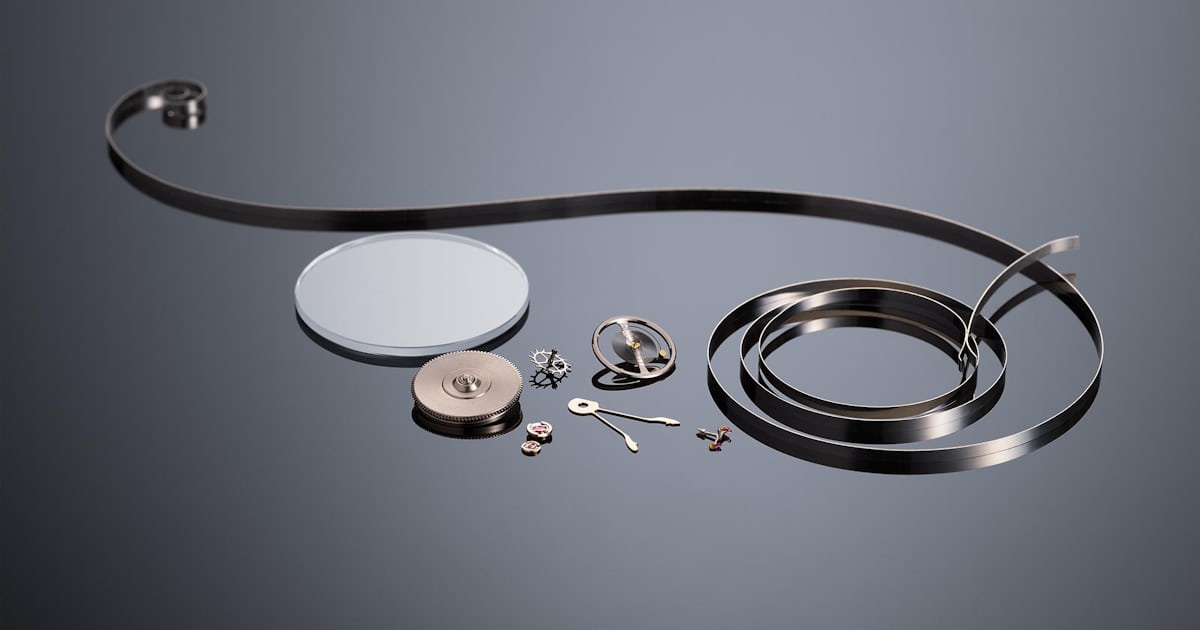
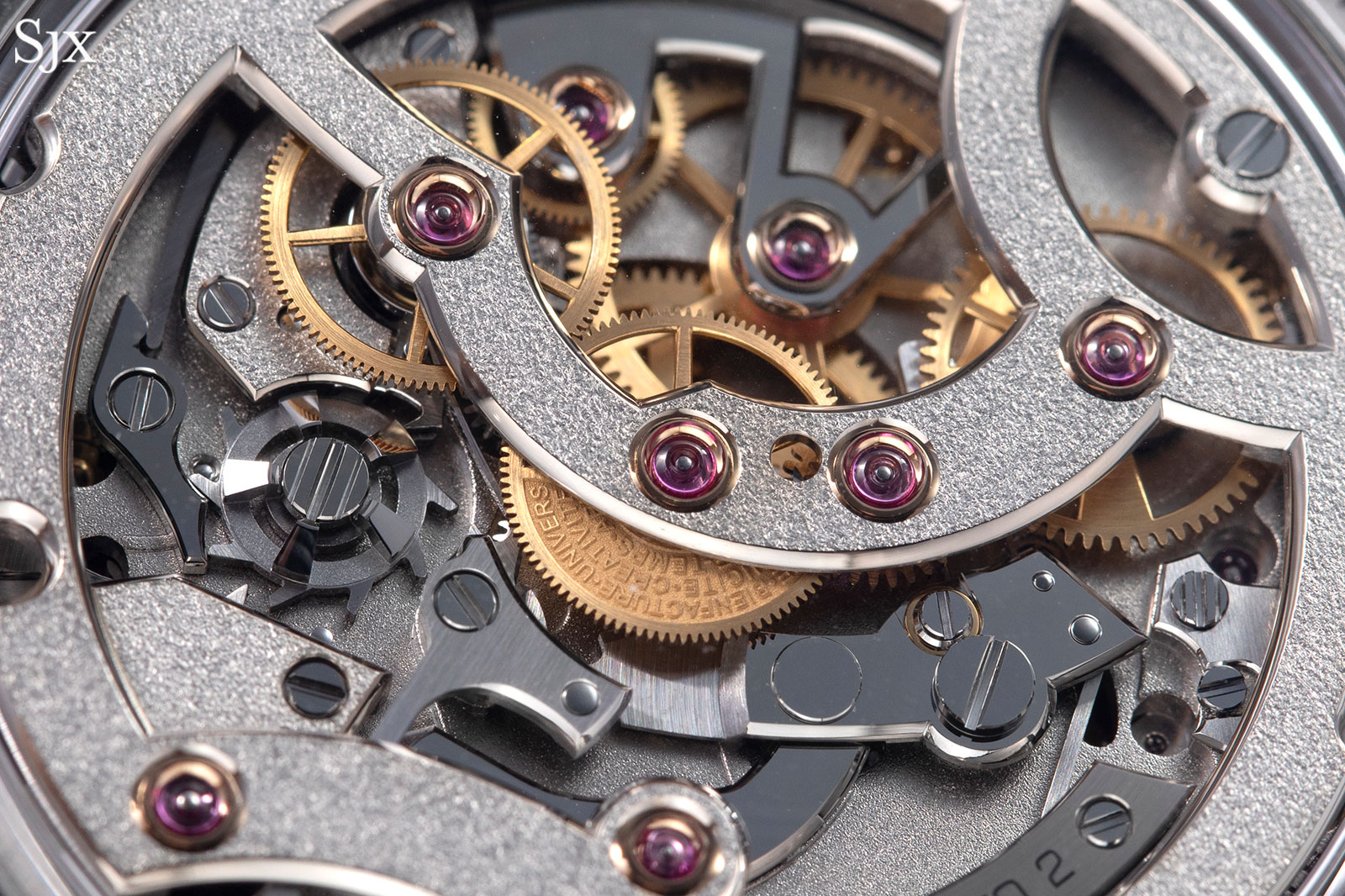
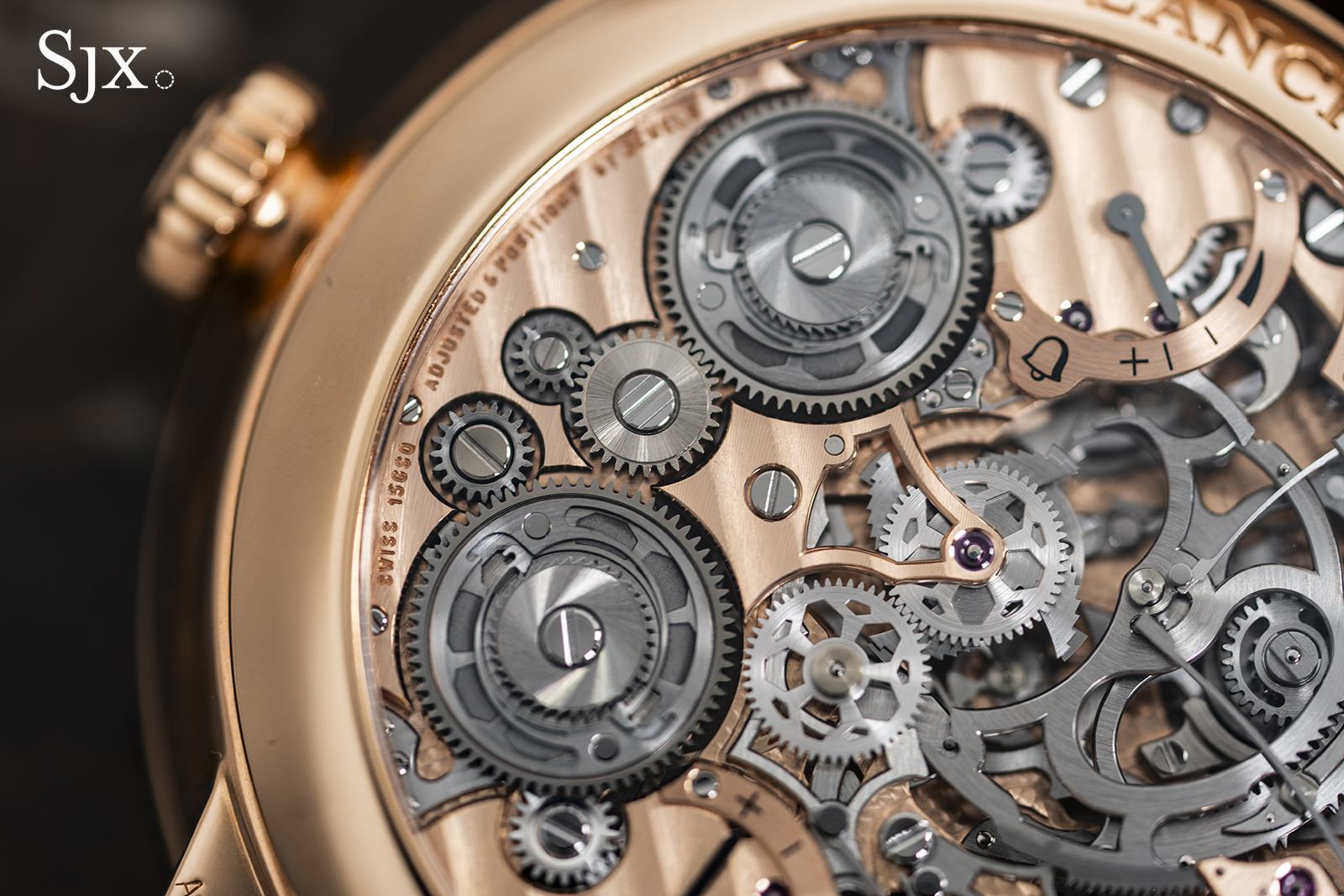
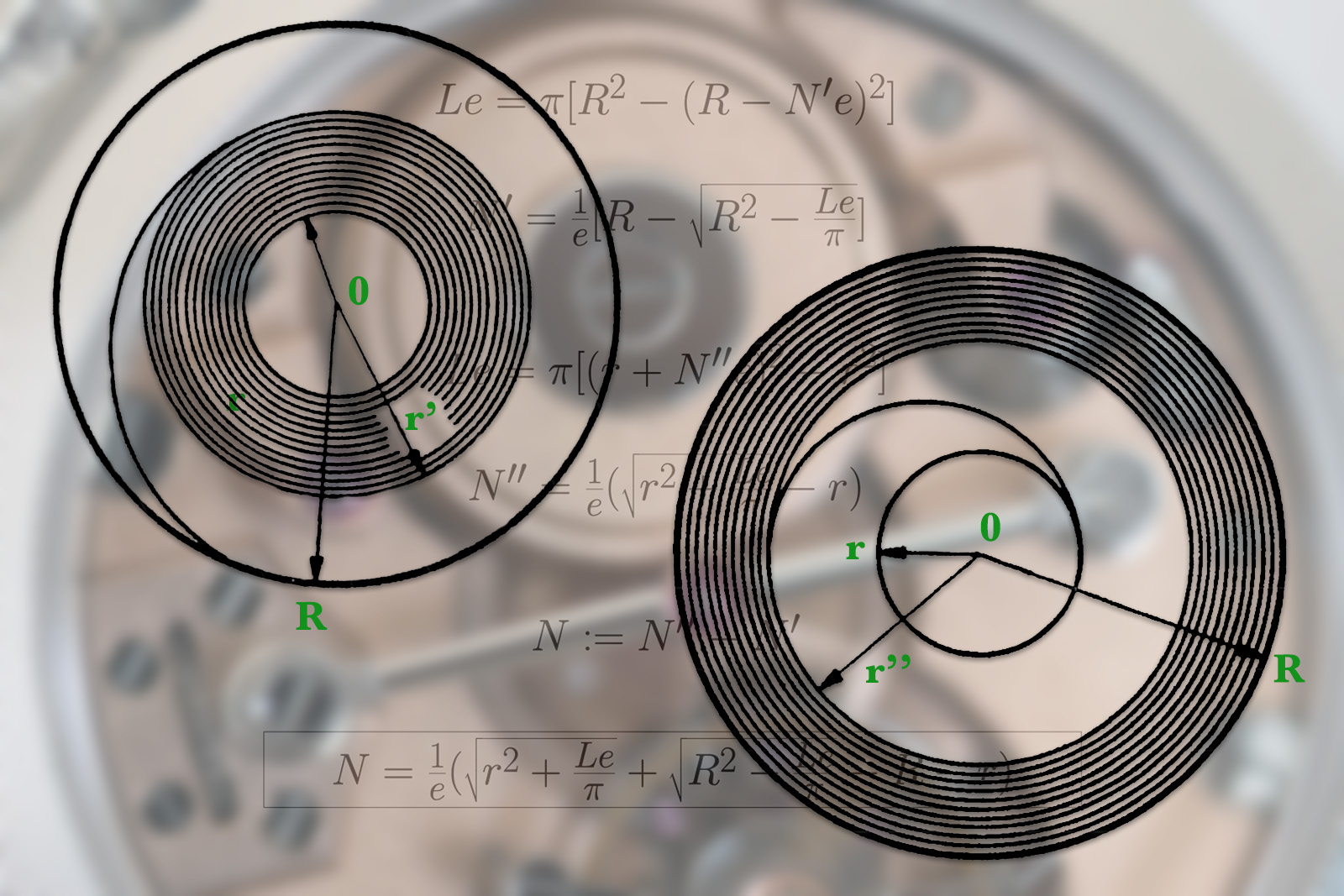
In a past story, we explained how multiple mainspring barrels can be paired in parallel or in series, for either lengthening a movement’s power reserve or increasing the torque discharged into the going train. In this article we expand on this topic to analyse the inside of the barrel by exploring how mainspring size balancing influences the torque output and power reserve. Enthusiasts tend to throw around the loosely-defined term “mainspring packing” - especially when criticising a movement’s unsatisfying power reserve. This term refers to how a watchmaker can get a higher power reserve by balancing a spring’s dimensions and the space it occupies inside a barrel. While this sounds simple, the reality is more complicated. Skeletonised barrel showing the tight coiled mainspring inside the Piaget Altiplano Tourbillon Concept. In order to set the record straight, it’s necessary to analyse the topic thoroughly. This requires getting a bit technical, but an interpretation is included for those less interested in the underlying maths. This theory-heavy deep-dive tries to unravel the concept of mainspring packing and explores why optimisation is not a very straightforward business. The core elements This section covers the basics of mainspring and barrel geometry and establishes their relation with power reserve and torque. In order to see how specific dimensions affect both torque and power reserve, we will resort to some known functions and a little geometric...