 Worn & Wound
This is the Company Quietly Making the Rubber Straps for Nearly Every Brand in the Industry
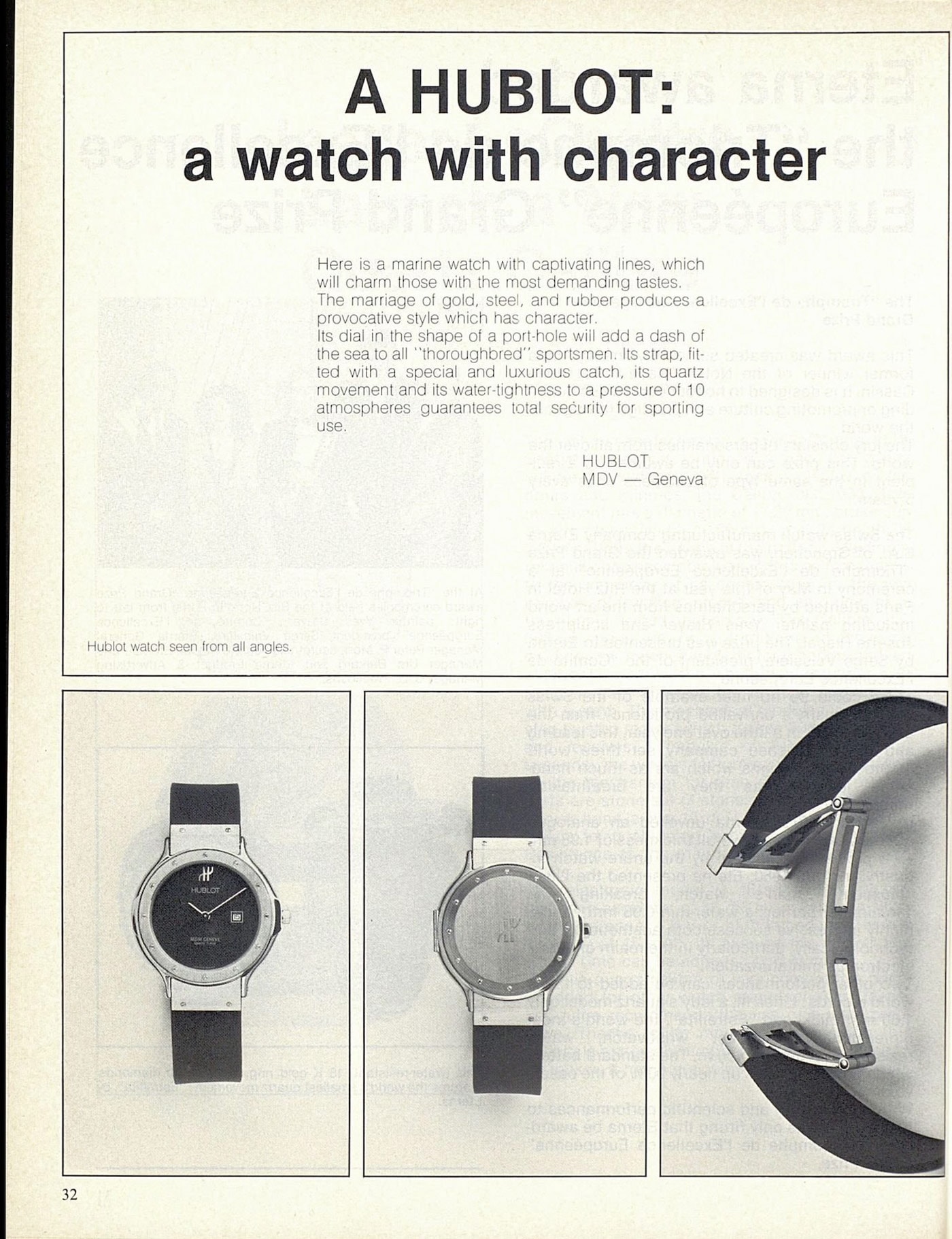
Rubber straps are relatively new in the centuries-old history of wristwatches, and their widespread popularity is even more recent. Like many elements of watchmaking, rubber straps first came into use for a specific utilitarian purpose, and now-in a world that no longer needs watches as practical tools-rubber straps no longer need to be purely functional. They can simply be a fashion statement. The first rubber straps appeared in the 1960s throughout the catalogs of brands like Rolex, Tudor, IWC, and Blancpain. Fittingly, these rubber straps were perfect for sport models like dive watches thanks to their lightweight build, durability, and resistance to the elements. Still, it would be another three decades before the rubber strap would transform from an occasional companion for a tool watch to a prominent bracelet material seen across styles and brands at all price points. Hublot was at the forefront of shifting the perception and prevalence of the rubber strap. In 1980, the brand debuted the material in its catalog in a surprising way. The Classic Original (later revived as the Classic Fusion) featured Hublot’s signature porthole shaped case rendered in polished and brushed gold, complete with a black rubber strap, perfectly complementing the model’s black dial. The watch was not only the brand’s first to showcase a rubber strap but also the first luxury wristwatch ever to combine a rubber strap with a precious metal case as opposed to stainless steel. The d...