Origin: a pocket-watch caliber
The ETA 6497 / 6498 family was originally designed by Unitas in the 1950s as a hand-wound pocket-watch caliber. At 36.6 mm diameter and 4.5 mm thick, it was sized for a vest-pocket pocket watch, not a wristwatch. Unitas was absorbed into the broader Swatch Group / ETA consolidation in the 1970s-80s, and ETA continued production of the 6497/6498 architecture as a niche caliber. Then in the late 1990s, the watch industry rediscovered "big watches" and the pocket-watch dimensions of the 6497/6498 turned out to be perfect for the new 44 mm+ wristwatch case sizes that were becoming fashionable. Suddenly there was a market for an oversized hand-wound caliber, and the 6497/6498 was the only off-the-shelf option.
The Panerai connection
The most-famous deployment of the 6497/6498 is in Panerai. When Panerai relaunched in 1993 (after decades of dormancy as an Italian military watchmaker), the new Luminor and Radiomir models needed a caliber. The 44 mm cases were too big for any standard 25-30 mm wristwatch movement; they needed a movement physically large enough to fill the case. The ETA 6497-2 fit perfectly. Panerai re-finished it (Geneva stripes, blued screws, perlage on the back-plate, custom rotor weight engraved with Panerai branding), rebadged it as Cal. OP I / OP II / OP III, and used it as the foundation of the Luminor and Radiomir collections through the early 2000s. The Cal. OP-series Panerais are now the most-collectable pre-in-house Panerai references.
"6497 vs 6498"
Same architecture, different dial layout. Cal. 6497: small seconds sub-dial at 9 o'clock, the "pocket-watch hunter" layout (the original orientation when the movement was used in a pocket watch with an enclosed cover). Cal. 6498: small seconds at 6 o'clock, the "Lépine" or open-face pocket-watch layout. When fitted into a wristwatch, the 6497 gives the iconic Panerai-style 9-o'clock small seconds; the 6498 gives a more conventional 6-o'clock layout. Both are mechanically identical; the choice depends on the watch design.
Other watches that have used it
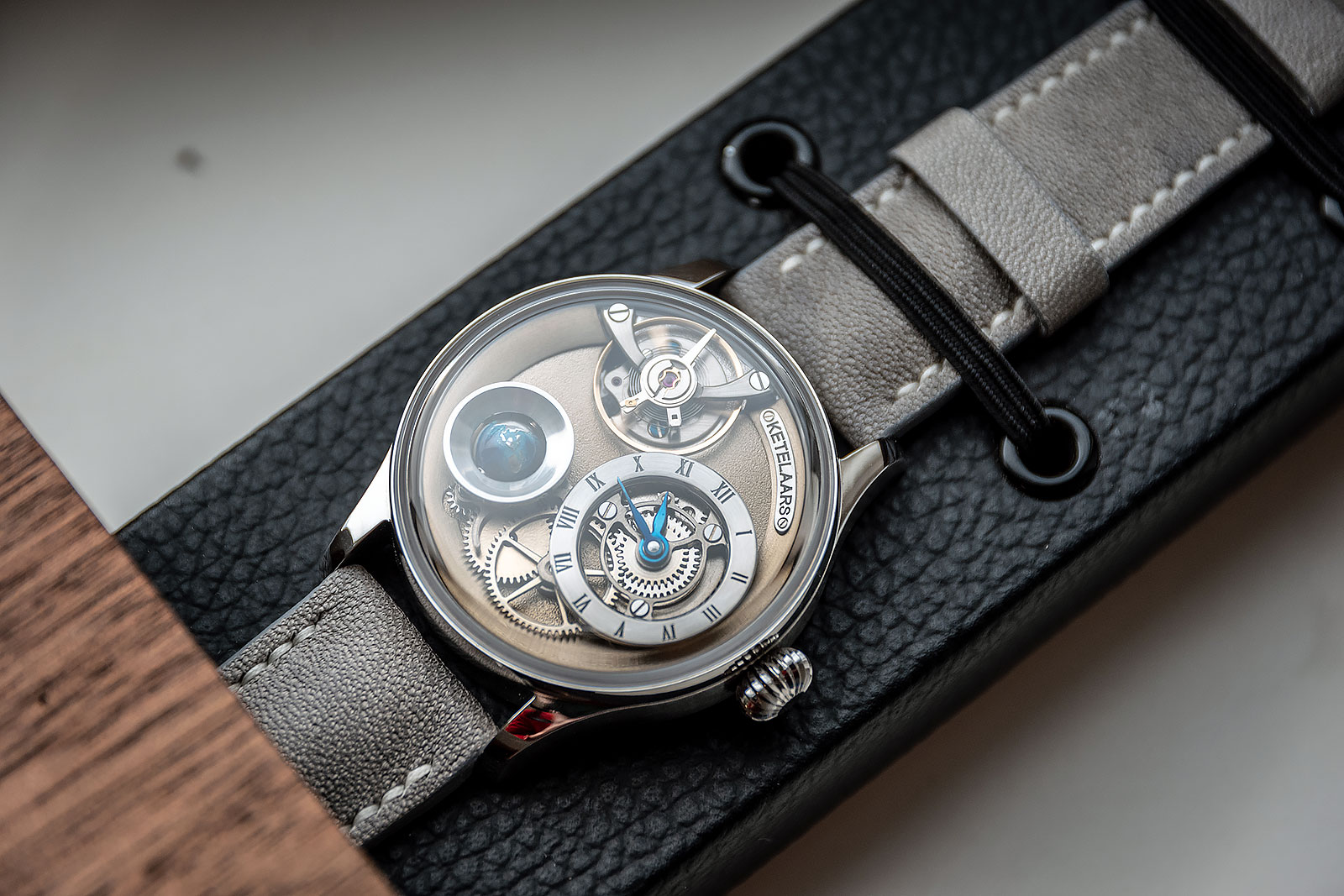
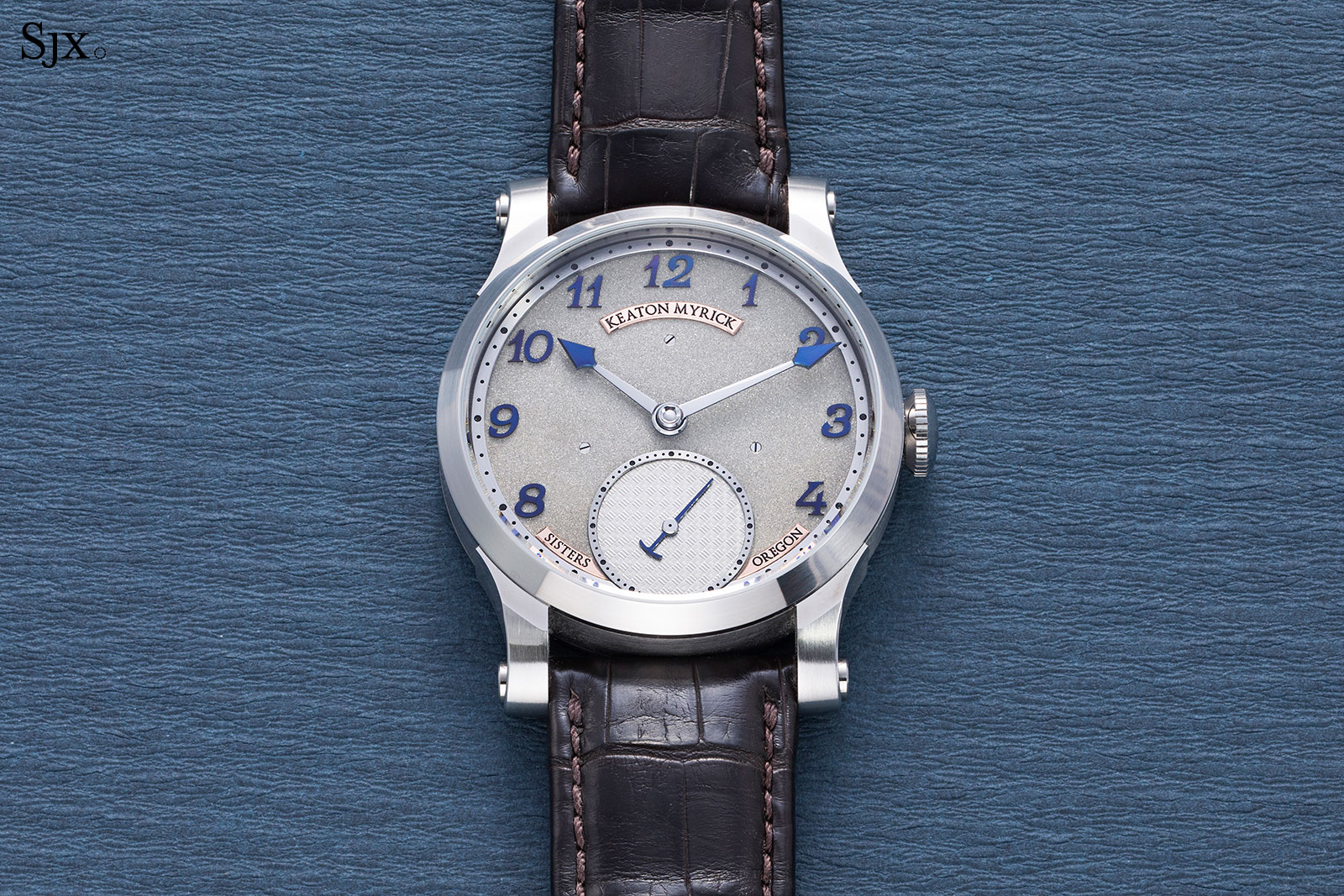
Panerai Luminor / Radiomir (Cal. OP I/II/III, 1990s-early 2000s; later replaced by in-house P.5000 family). Stowa Marine Original, Stowa Antea. Hamilton Khaki Field Mechanical (some refs). Tissot Heritage Visodate hand-wound (some refs). Damasko (a few hand-wound refs). Steinhart Marine. Archimede Pilot. The architecture is also a popular base for independent hand-finished pieces (high-end watchmakers buy the 6497 as a base ebauche and finish it to museum standards). For the budget enthusiast wanting a vintage-style 44 mm pilot or marine-style watch, an ETA 6497-equipped microbrand starts around CHF 600.
Sub-variants and the Top grade
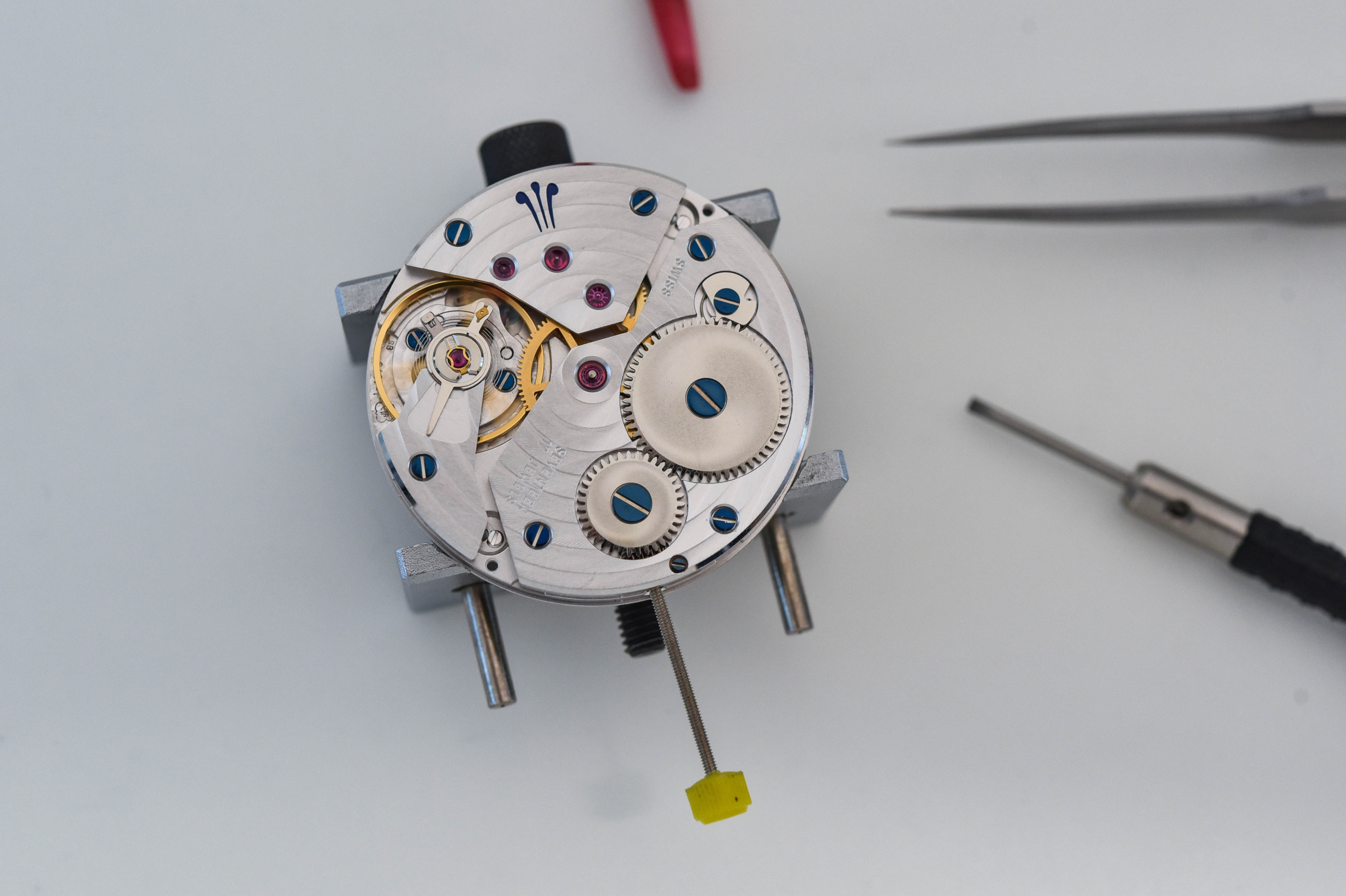
ETA grades the 6497/6498 the same way as the 2892-A2: Standard, Élaboré, Top, Chronometer. The Top-grade 6497-2 with Glucydur balance, blued screws, and Côtes de Genève stripes is what most modern Panerai and finer microbrand examples use. ETA also sells the 6497-1 Spezial with additional decoration for the haute-horlogerie tier, sometimes with hand-bevelled bridges and gold chatons. Sub-variants in production today include modified versions with display-back-friendly bridges, sub-second variants, and adapted wheel trains for specialist use.
Service notes
Service is straightforward at any independent watchmaker. The 6497/6498 is among the simplest, most-serviceable mechanical movements in modern Swiss watchmaking: 17 jewels, no automatic-winding system to fail, large parts that are easy to handle, abundant spare-parts availability. Cost: CHF 200-350 at an independent watchmaker for a routine service, faster turnaround than brand service. The mainspring is the only part that always gets replaced. Service interval: 5-7 years for daily wear. Magnetism vulnerability: the steel Nivarox hairspring picks up rate gain from common magnetic sources; demagnetising costs CHF 30-50.
Comments 2