Why Sellita exists
Sellita is a Swiss independent ébauche maker that, for decades, was an assembler of ETA movements rather than a designer. Brands sent unfinished ETA parts to Sellita; Sellita finished, regulated, and shipped them. By the early 2000s, Sellita had hundreds of skilled watchmakers, all the necessary jigs, and intimate knowledge of how the 2824-2 and 2892-A2 went together. When ETA announced in 2002 that it would phase out external supply over the following decade, Sellita made the obvious move: start making its own copies of the now-out-of-patent ETA movements. The SW200 launched around 2003; the refined SW200-1 around 2008. By 2026, Sellita is one of the three or four largest Swiss movement manufactures by volume.
How it differs from the 2824-2
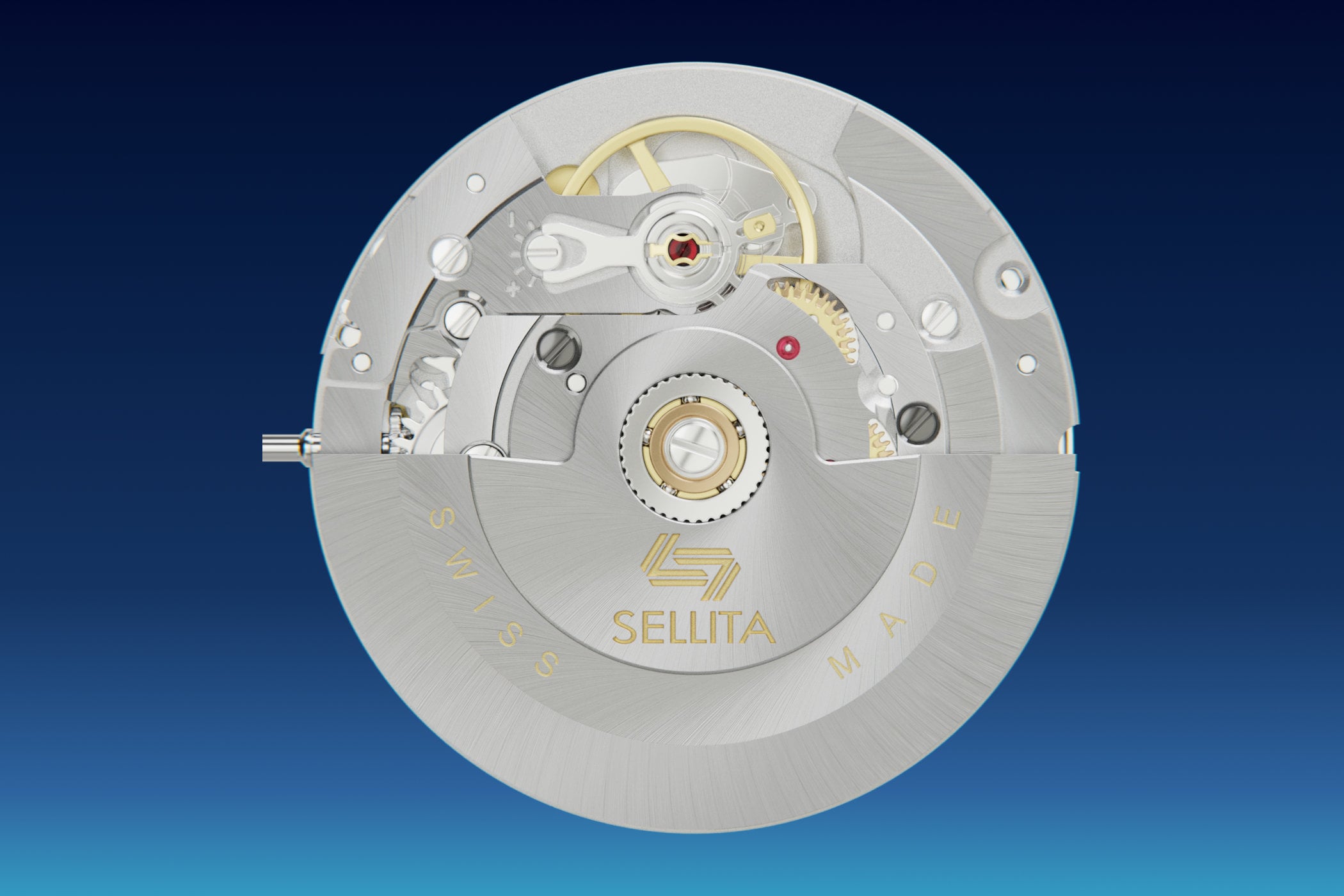
Three details. One extra jewel: the SW200-1 has 26 jewels vs the 2824-2's 25 (Sellita added one to the automatic-winding bridge). Slightly modified balance bridge: cosmetically distinct under the rotor, slightly easier to access for regulation. Hairspring options: Sellita offers Nivarox, Anachron, and (in higher grades) silicon hairsprings, where ETA 2824-2 was Nivarox-only at most price points. Otherwise the SW200-1 is parts-compatible with the 2824-2 to roughly 90%; a watchmaker servicing one can service the other with no retraining.
Grading and brand-modified versions
Sellita grades the SW200-1 into Standard, Special, Premium, and Chronometer (Top), matching the ETA tiering. Brand-modified SW200-1 movements are everywhere by 2026: Oris Cal. 733 (with red rotor), Longines L888 series (Powermatic 80 derivative), Bell & Ross BR-CAL.302, Bremont BE-93AE, Christopher Ward SH21 base (in some refs), Tudor MT5402 (early Black Bay 36, before MT5612). For a 2026 brand without ETA contracts, the SW200-1 is the default base; in CHF 500-3,000 Swiss watches, Sellita is the silent majority.
"Sellita is a copy" controversy
Some collectors look down on SW200-1 watches because the movement is "an ETA copy". Three responses. Patents have expired: the 2824 architecture is no longer protected. Sellita is not pirating; it is using a public-domain design. Quality is comparable: Sellita's Top-grade SW200-1 with silicon hairspring outperforms a Standard-grade ETA 2824-2 on basically every metric. The marketplace agrees: Sellita supplies movements to Tudor (some refs), Oris, Longines, IWC (entry-tier), Hamilton (some refs), Christopher Ward, and many others. By 2026 the question "ETA or Sellita?" has the same answer as "Coke or Pepsi?": both are fine; specific applications differ.
Watches that use it
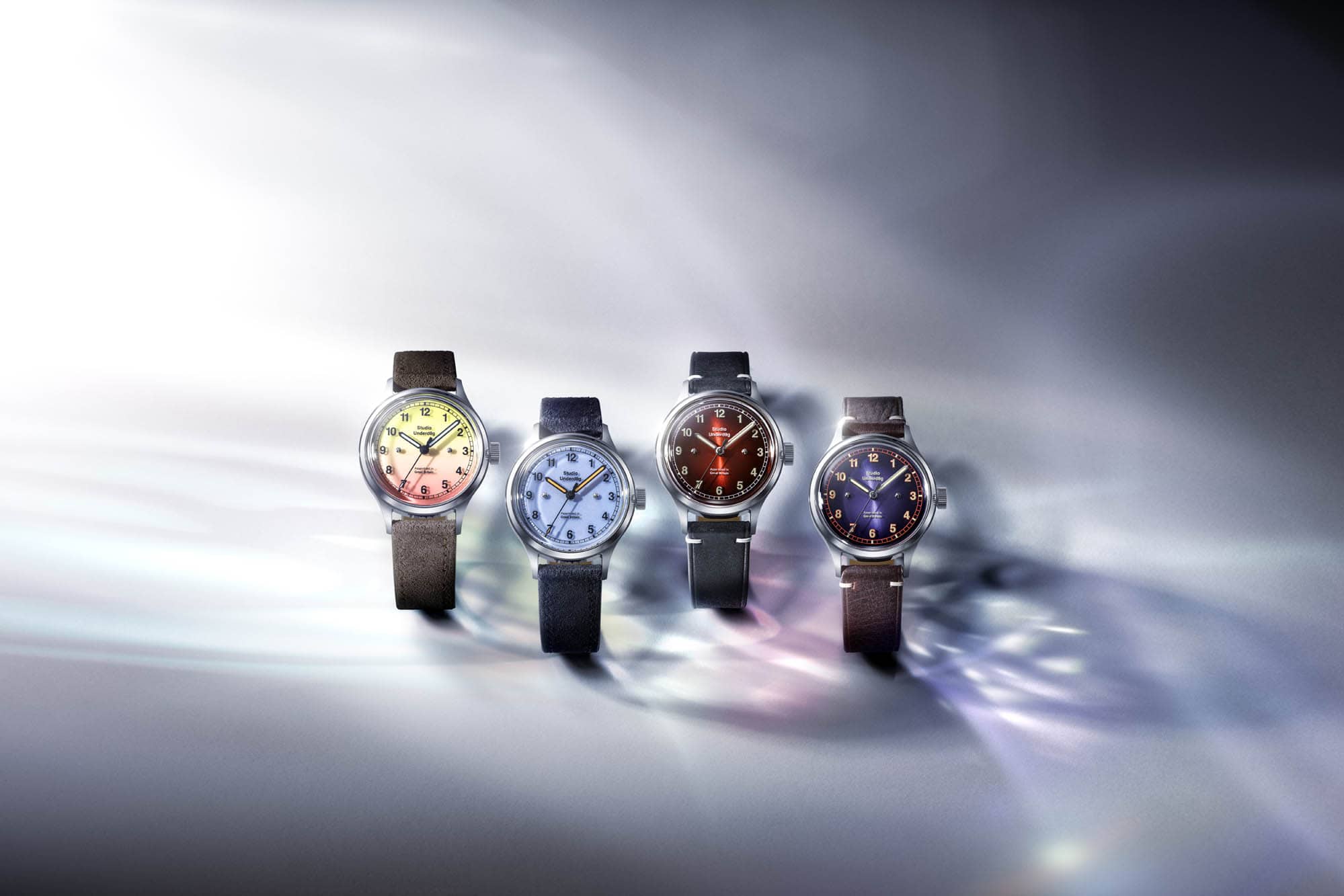
Oris Aquis, Diver Sixty-Five, Big Crown ProPilot (most refs); Christopher Ward C60 Trident (some refs, alternative to Miyota); Bell & Ross BR-03 time-only; Bremont Solo, MBII; Damasko DA34/DA38 (some refs); Steinhart Ocean One (current refs); Sinn 556 (current SW220 derivative); Squale 1521; Longines Hydroconquest, HeritageDolcevita L888 derivatives; Mühle-Glashütte Cal. SW200; plus a long tail of microbrands. If a Swiss-made automatic launched after 2015 is not in-house and not running an ETA-supply contract, statistically it is using a Sellita SW200-1.
Service notes
Service costs match the 2824-2 closely: CHF 200-350 at an independent watchmaker, CHF 350-600 at the brand. Parts are universally available through Sellita's own distribution network and through cross-compatibility with ETA 2824 parts where applicable. The mainspring is the universal wear part. Service interval: 5-7 years for daily wear. Magnetism note: Standard-grade SW200-1s have steel Nivarox hairsprings (vulnerable to magnetism); Top-grade and silicon-hairspring versions are dramatically more resistant. Demagnetising costs ~CHF 50.



Comments
No comments yet, be the first to weigh in.