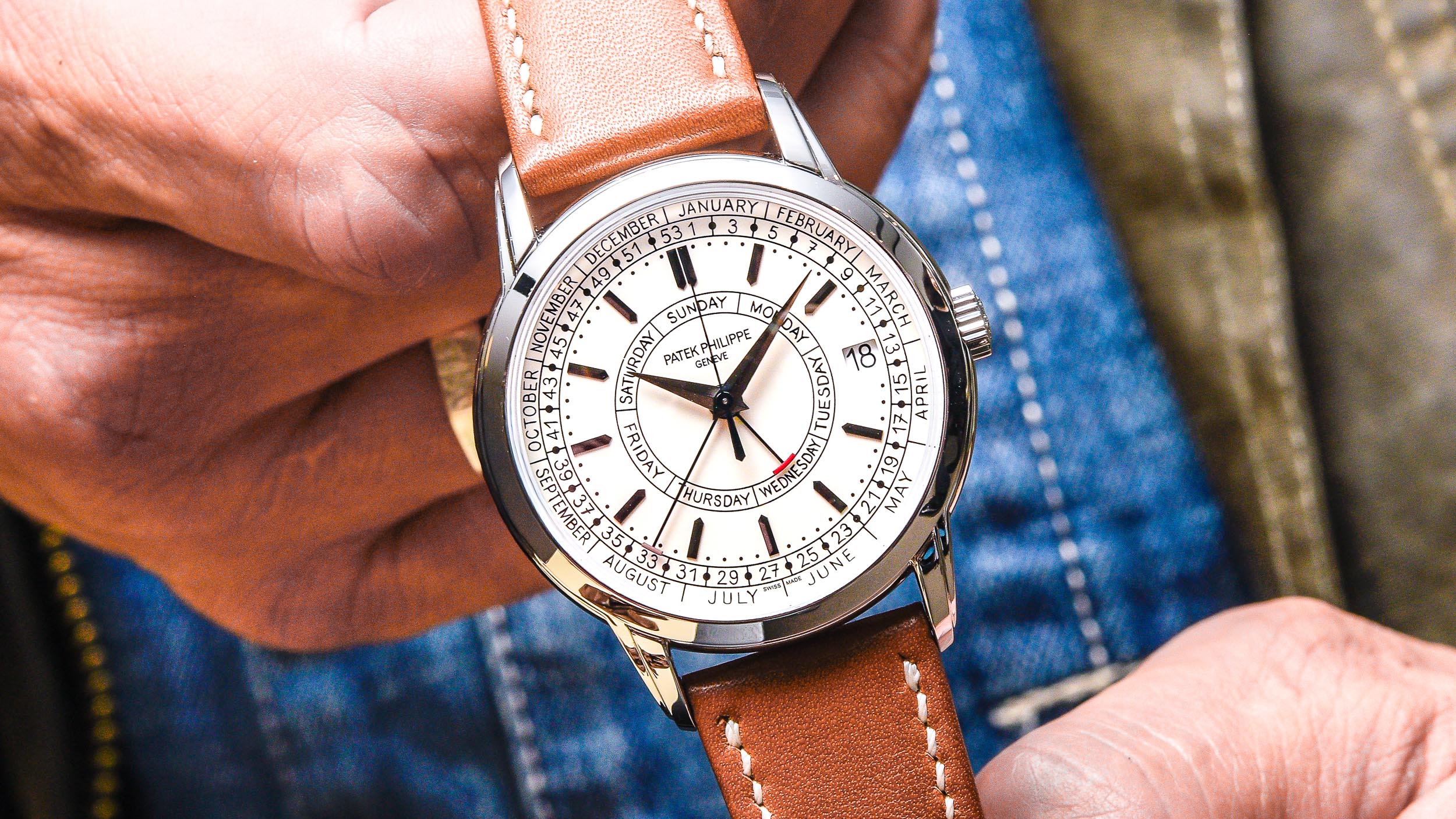
Antoine Norbert de Patek was born 14 June 1812 in Piaski, Polish-controlled territory under the Russian Empire. As a young man he served in the Polish cavalry during the November Uprising of 1830-1831; following the collapse of the rebellion he fled westward to avoid Russian conscription, eventually settling in Geneva in 1835 after stints in France and Switzerland. He took up watchmaking as a trade, and by 1839 he had partnered with fellow Polish exile Franciszek Czapek to found Patek, Czapek & Cie, a small Geneva workshop producing pocket watches with Polish iconography for the émigré market.
In 1844, at the Industrial Exposition of Paris, de Patek met the French watchmaker Jean-Adrien Philippe, who had just won an award for his innovative stem-winding mechanism, the first commercially viable system for winding and setting a pocket watch via the crown rather than a separate key. De Patek immediately recognised the commercial potential. After Czapek's departure in 1845 (Czapek went on to found his own house, today revived as Czapek & Cie), de Patek formed Patek & Cie with Philippe; the firm was renamed Patek Philippe & Cie on 15 May 1851.
"De Patek was the salesman the Stern era still imitates: travel constantly, never sign a deal you cannot personally honour, and price your watches as if they will outlive you and your buyer alike."- Hodinkee Reference Points, Patek Philippe origin essay
De Patek's role was the commercial one: travelling Europe and the Americas to sell, recruiting royal and aristocratic clients, and building the brand identity. The decisive moment was the Great Exhibition at London's Crystal Palace in 1851, where Patek Philippe exhibited a small lever-keyless pendant watch that Queen Victoria personally purchased; Prince Albert ordered another for himself. The royal patronage anchored the house's reputation, and similar relationships followed with European nobility through the 1850s and 1860s.
Throughout his lifetime de Patek travelled tirelessly, opening sales offices in New York, Philadelphia, Boston, and Mexico City, and cultivating personal relationships with American collector-industrialists during the Gilded Age. He died on 1 March 1877 in Geneva, leaving the firm in the hands of Philippe and the next generation. Philippe continued running the manufacture until his own death in 1894; in 1932 the Stern brothers (Charles and Jean) bought the company at auction, and the Stern family has owned Patek Philippe continuously ever since, four generations and counting.
De Patek is not as celebrated as Breguet or Wilsdorf, partly because his contributions were managerial rather than technical, and partly because the house's modern identity is more strongly associated with the Patek Philippe Stern era (1932-present). But the underlying business model, hand-finished movements, royal patronage, multi-generation customer relationships, was set by him in the 1850s, and Patek Philippe today still trades on patterns established during his lifetime.
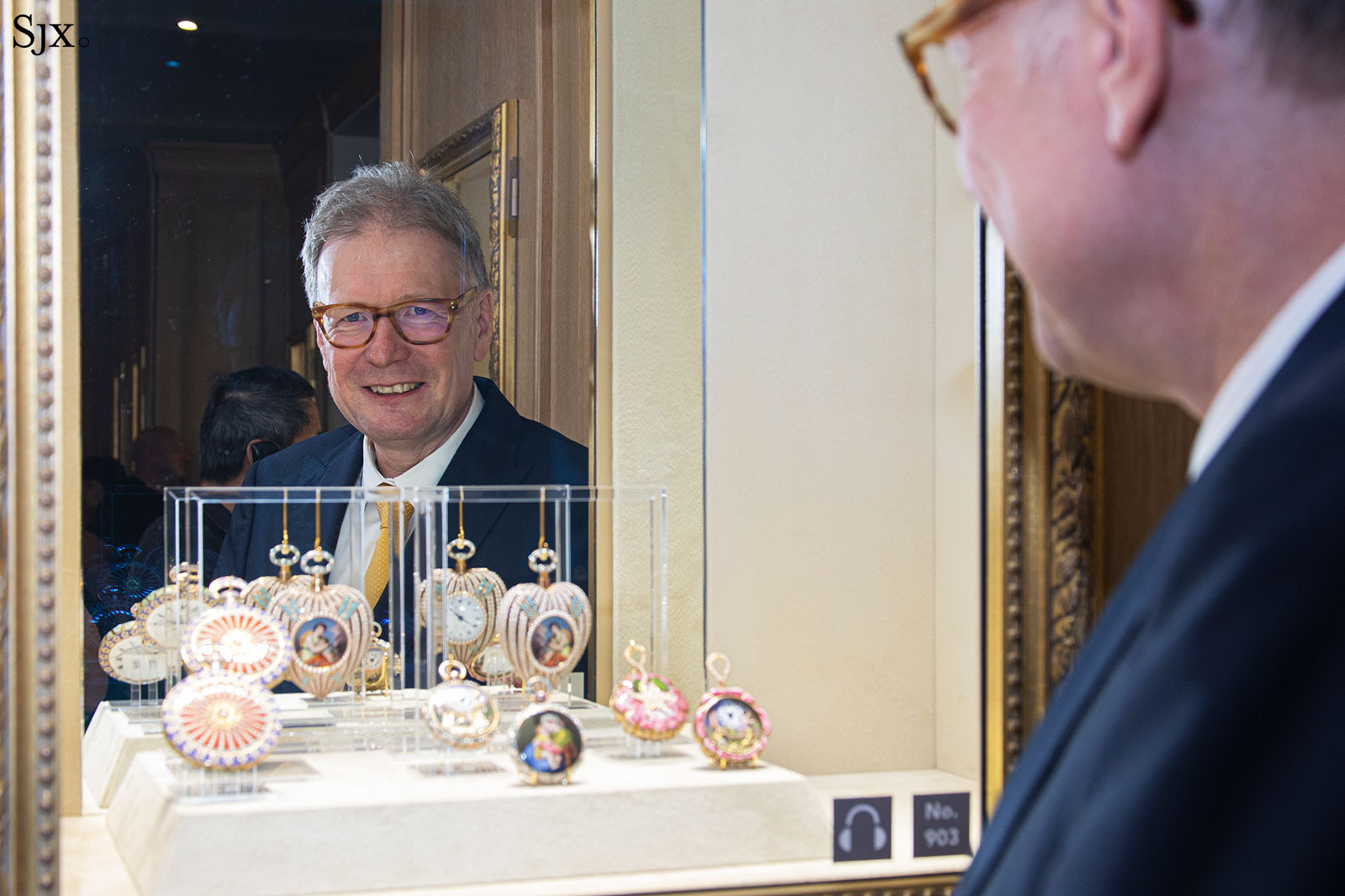
His grave at Cimetière de Plainpalais in Geneva is a small stone next to the family plot; the Patek Philippe Museum on Rue des Vieux-Grenadiers, opened in 2001, holds his early company correspondence, the original 1851 partnership documents, and the model pocket watch sold to Queen Victoria.



Comments 1