
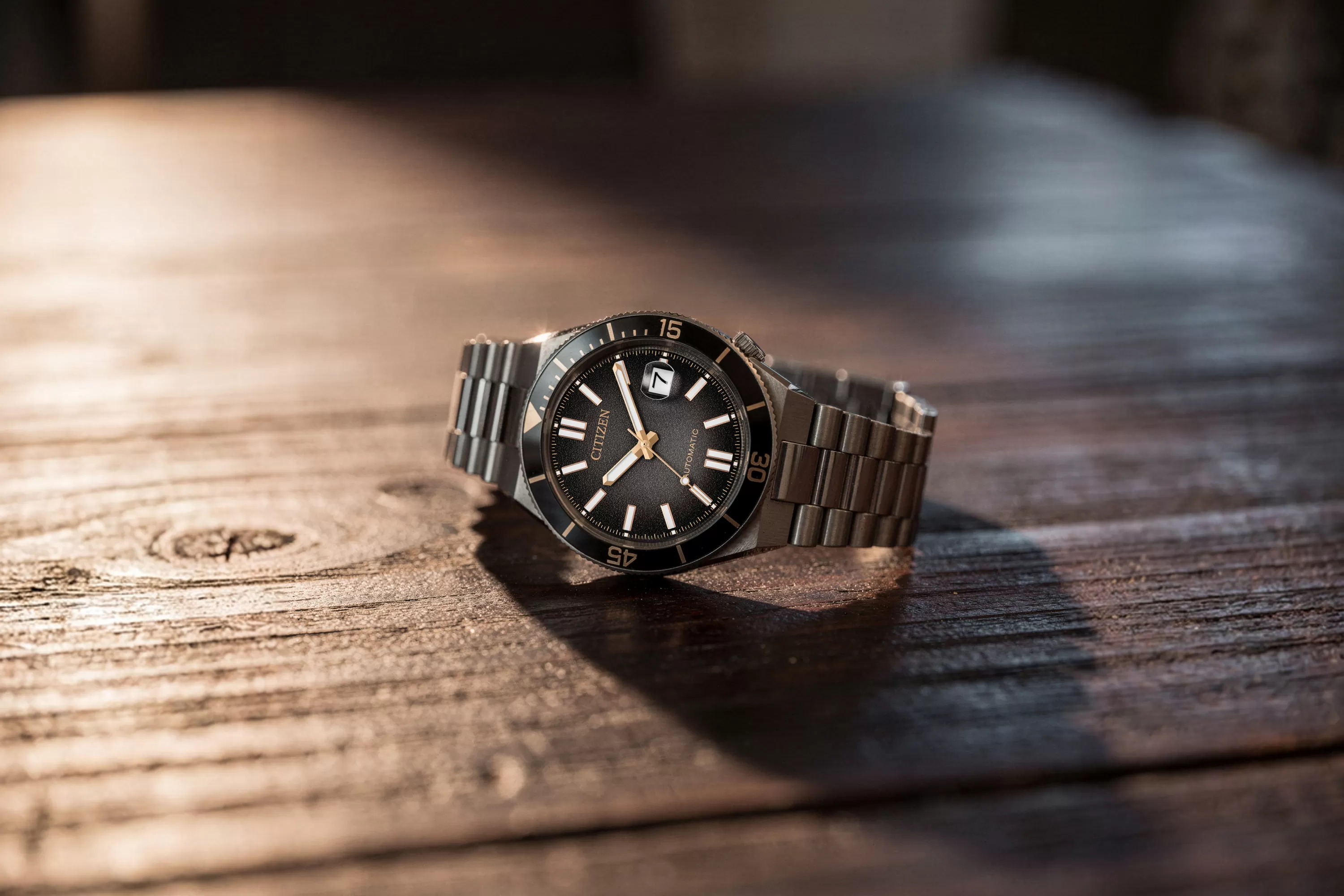
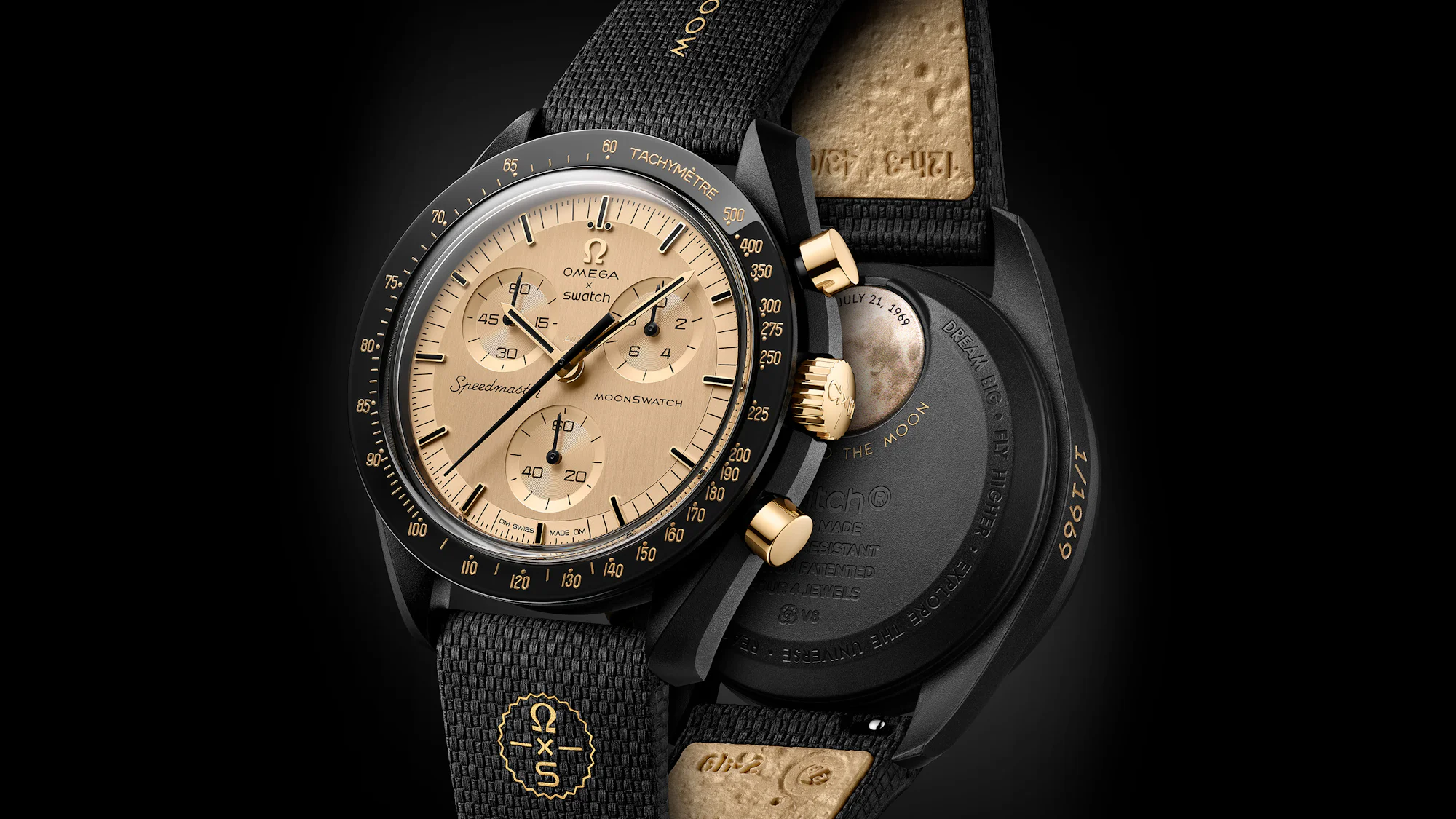
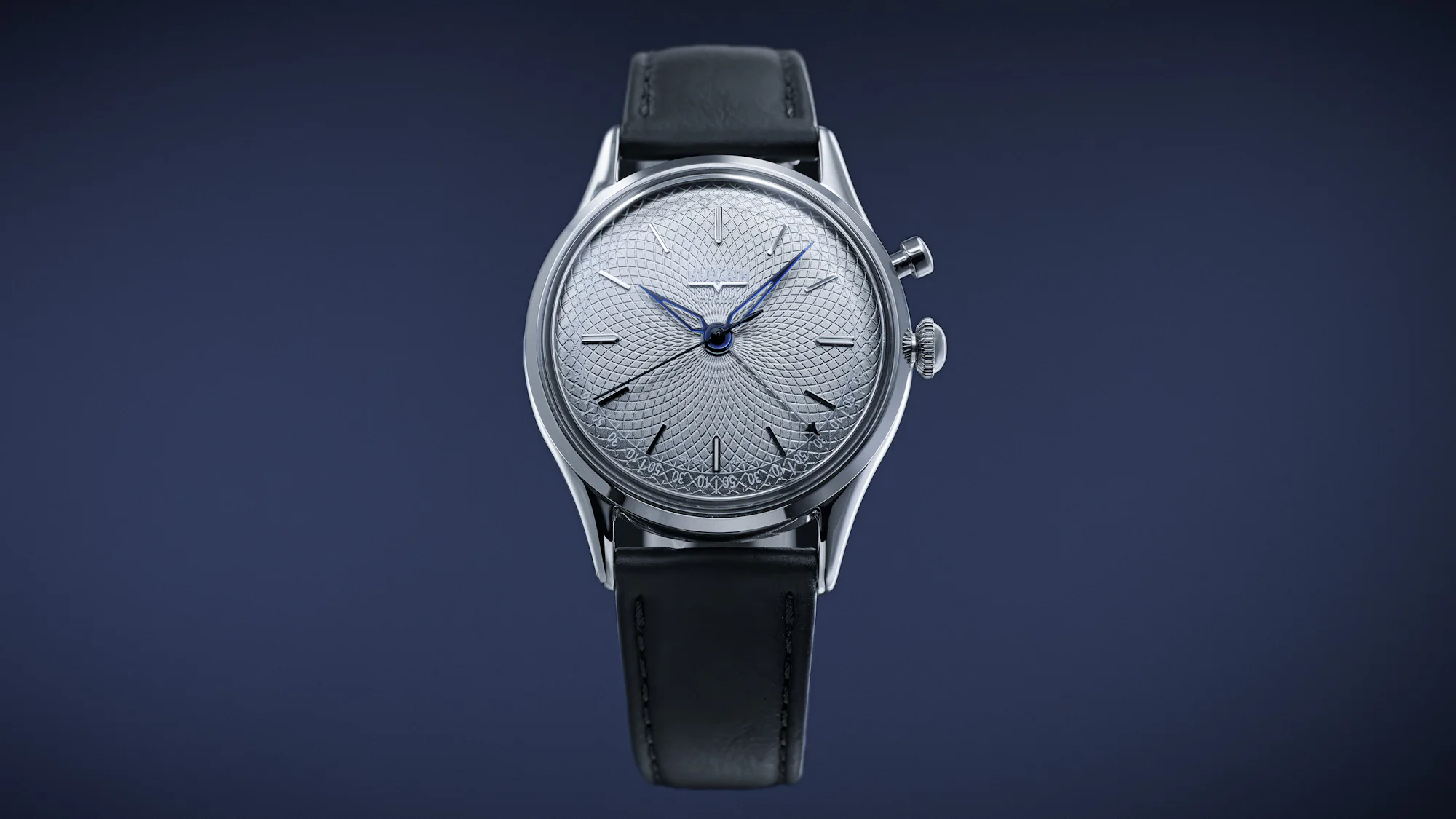
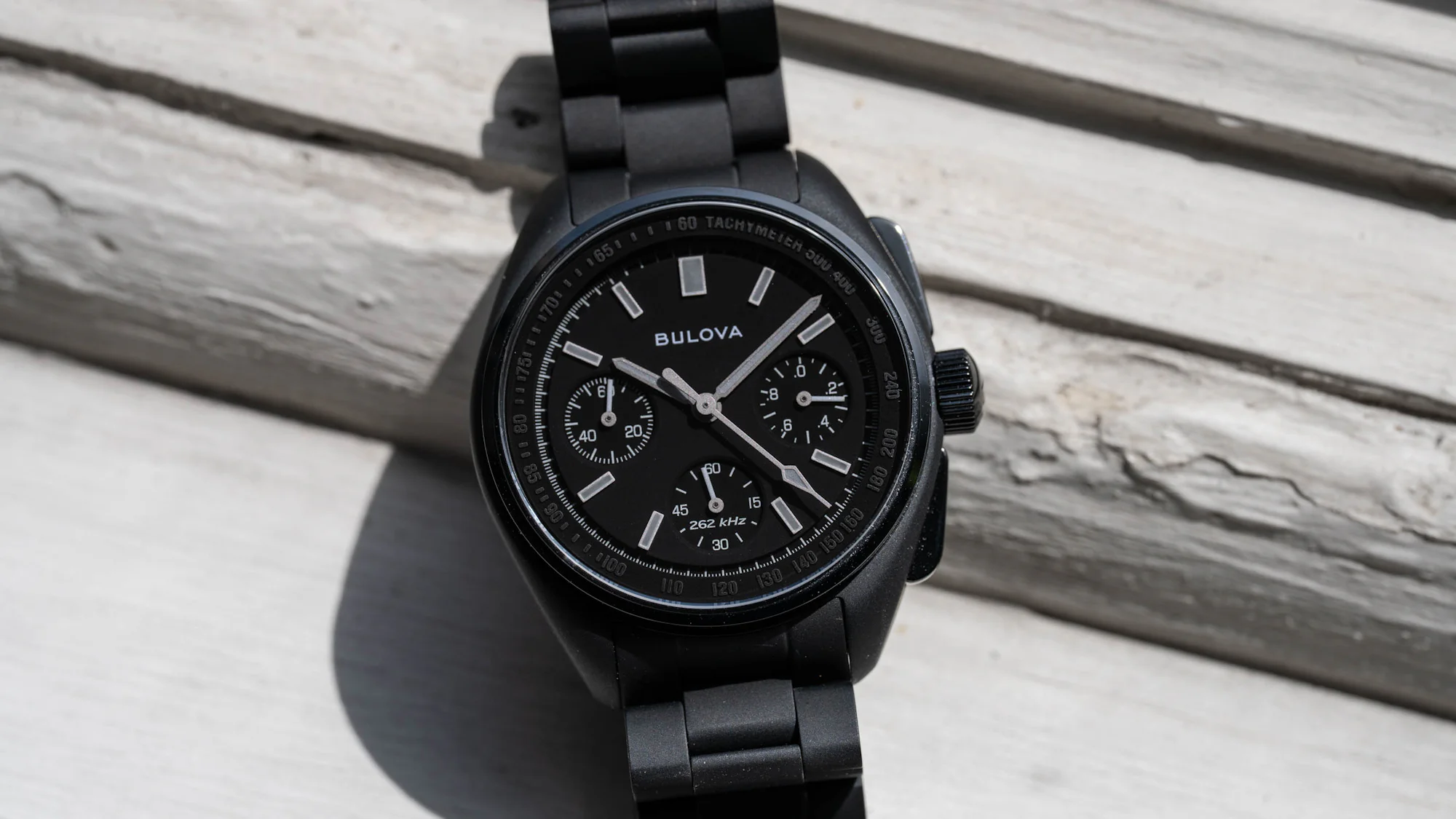
A watch dial's hour markers can be applied to the dial surface in two fundamentally different ways. Applied indices are machined metal blocks (typically gold, steel, or rhodium-plated brass) bonded to the dial at each hour position; the markers sit proud of the dial surface by 0.3-1.0mm and have polished or brushed surfaces that catch ambient light. Printed indices are painted directly on the dial surface using lacquer or pad-printing; they sit flat with the dial surface and have a matte or satin finish.
The visual difference is dramatic in person. Applied indices have three-dimensional presence: viewed at an angle, the side faces of the markers catch light differently than the top face; under direct light the polished surfaces flash brightly. Printed indices read flat: no depth, no light play, just clean matte text or shape on the dial surface. The difference is most visible at oblique viewing angles and under direct lighting.
"The applied index costs more than the rest of the dial put together. That is why it is on the dial."- Watch dial maker on tier economics
The cost differential is substantial. Applied indices require: (1) machined index blanks (gold, steel, or rhodium-plated brass), (2) precise dial-surface drilling for mounting pins, (3) hand-placement and bonding at each hour position, and (4) any final polishing or finishing. Per-dial cost adds up to CHF 200-500 in materials + labour. Printed indices are essentially free at production scale: the printing-machine pass adds milliseconds per dial. The cost is why applied indices signal premium positioning.
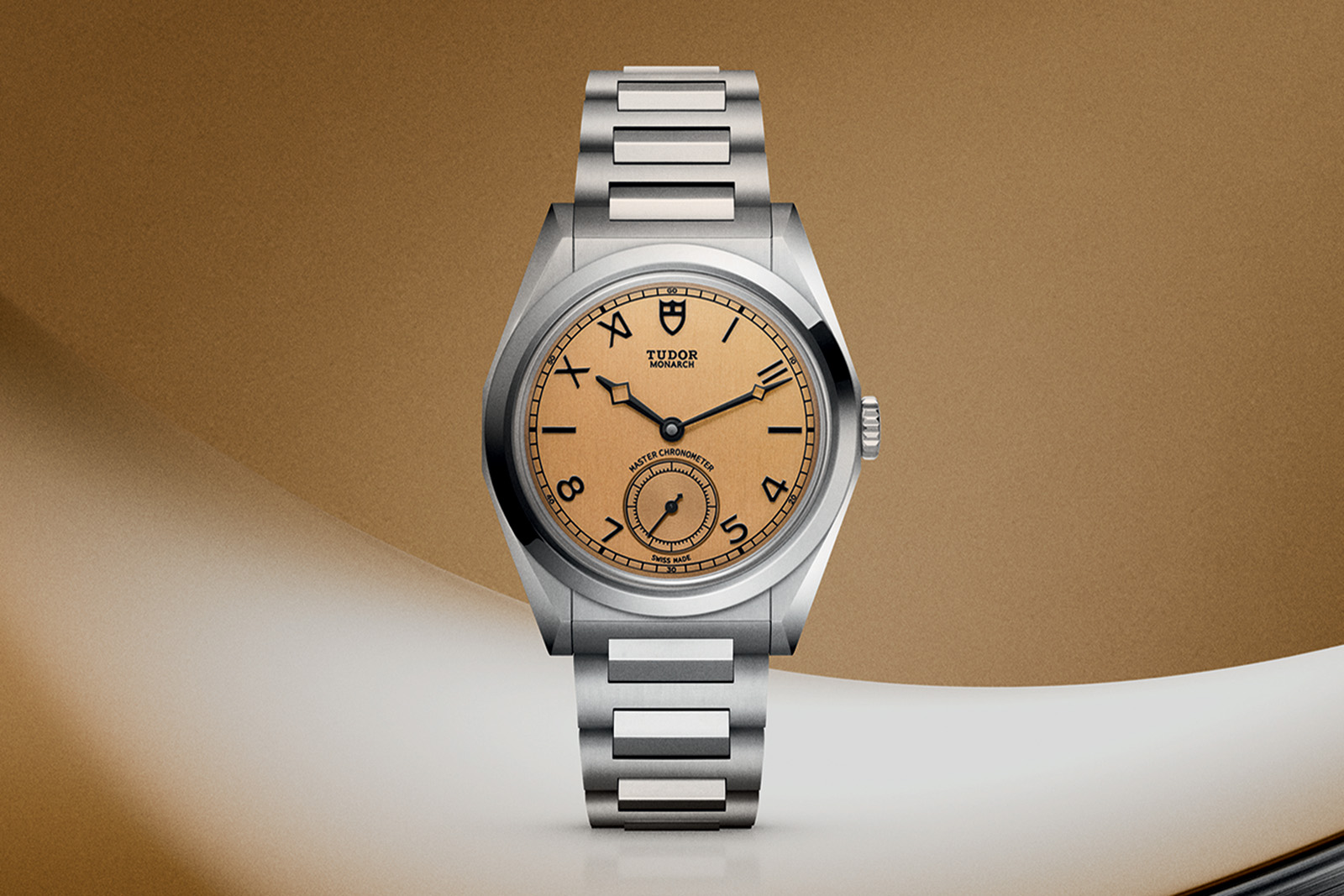
Applied index variants: solid gold applied (haute-horlogerie standard at top tier), steel applied (modern Rolex / Tudor / IWC), rhodium-plated brass applied (mid-tier and entry premium), and diamond-set applied (women's luxury). Printed index variants: flat printed (entry-tier standard), printed-with-lume (sport watches; lume sits in printed shape), filled engraved (deeper engraving filled with lacquer; mid-tier hybrid).
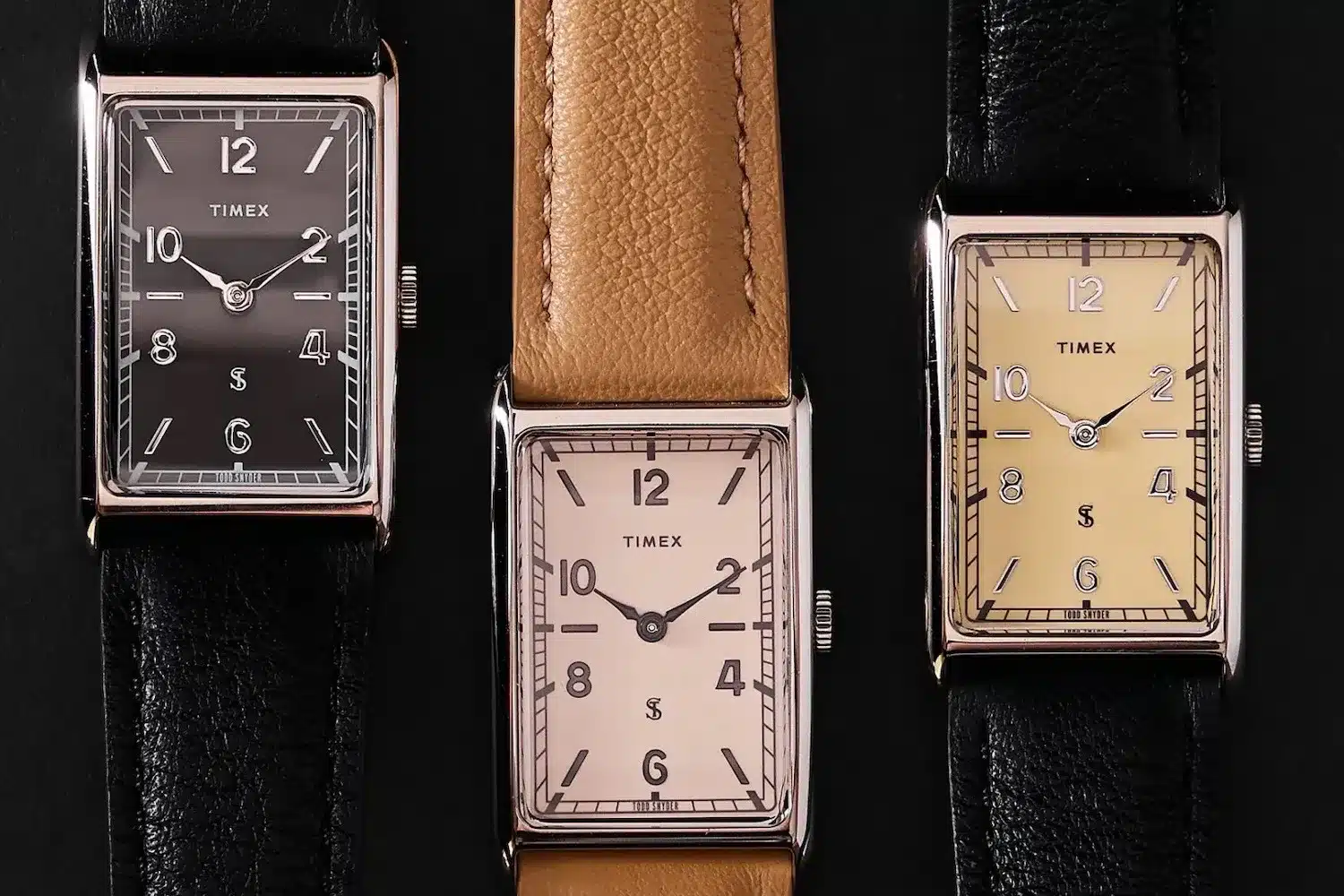
The tier signal in modern watchmaking: premium and haute horlogerie default to applied (Patek, AP, Lange, Vacheron, JLC, Rolex, Tudor, IWC volume references); entry-tier and microbrand default to printed (Hamilton, Tissot, Mido, Seiko 5, most microbrands); mid-tier varies. Specific design choices override the default: vintage-aesthetic reissues sometimes use printed indices to maintain period-correctness (vintage 1950s-60s watches often had printed indices on entry-tier references); modern minimalist designs (Nomos) sometimes use printed for design-language reasons. The general rule: look at the indices in side light; if they catch light dynamically, they are applied; if they are flat, they are printed.





Comments 2