Besançon sits in eastern France, ~50km west of the Swiss border, in the Doubs department. The city's watchmaking industry began in 1793 when Laurent Mégevand, a Swiss watchmaker from Le Locle, relocated to Besançon during the French Revolution and established a watchmaking workshop with French government support. The strategic intent was to establish a French watchmaking industry that could compete with Swiss imports; through the early 19th century the workshop grew and attracted other Swiss watchmakers crossing the border.
By the late 19th century, Besançon was the centre of a network of several hundred small watchmaking workshops producing pocket watches and clocks for the French market. Annual output peaked at ~500,000 watches per year in the 1880s; the city was known as the "French Geneva" for its concentration of horological skills. The industry declined through the 20th century: WWI disrupted production, the Swiss volume-industrialisation of the 1920s-30s outcompeted French workshops, and the post-WWII French market shifted toward Swiss imports.
"Geneva is on one side of the Jura. Besançon is on the other. We use the same valleys and the same skills; we just speak French."- Besançon watchmaker on French / Swiss watchmaking parallels
Lip, founded in Besançon in 1867 by Emmanuel Lipmann, is the most-historic French watchmaking brand and the most-cited Besançon name. Lip produced volume French mechanical watches through the 20th century; the firm went bankrupt in 1973 in a high-profile labour dispute (the "affaire Lip" with worker self-management); the brand has been revived multiple times since. Modern Lip references are produced in Besançon at modest volume.
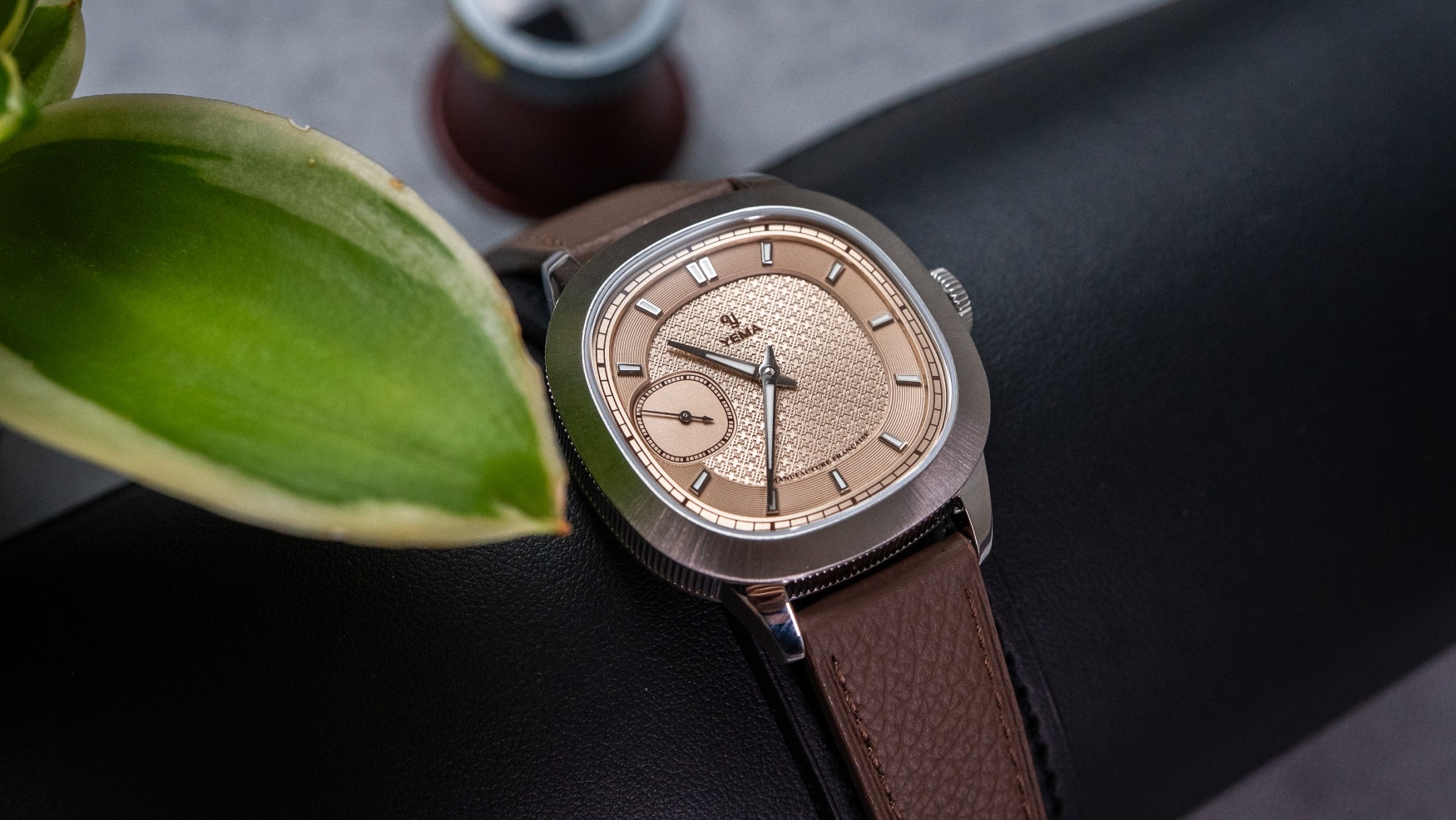
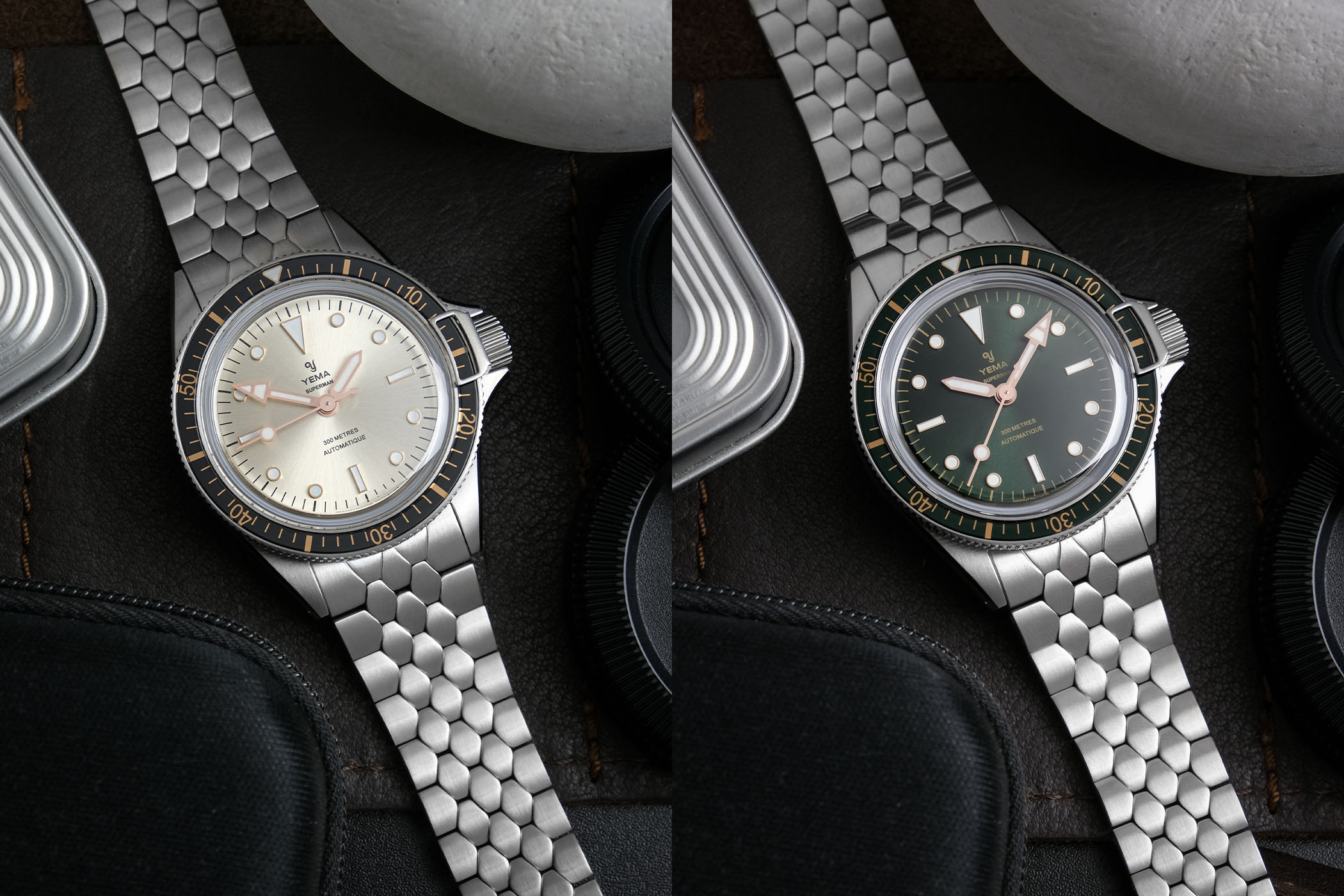
Yema was founded in Besançon in 1948 by Henry Louis Belmont; the brand became France's leading volume mechanical watchmaker through the 1960s-70s, producing dive watches (Superman, Sous-Marine), pilot watches (Yachtingraf, Méangraf), and chronographs at strong commercial volume. Modern Yema is independently owned (Pegasus Holding from 2009) and produces in Morteau (just north of Besançon) at approximately 30,000 watches/year.
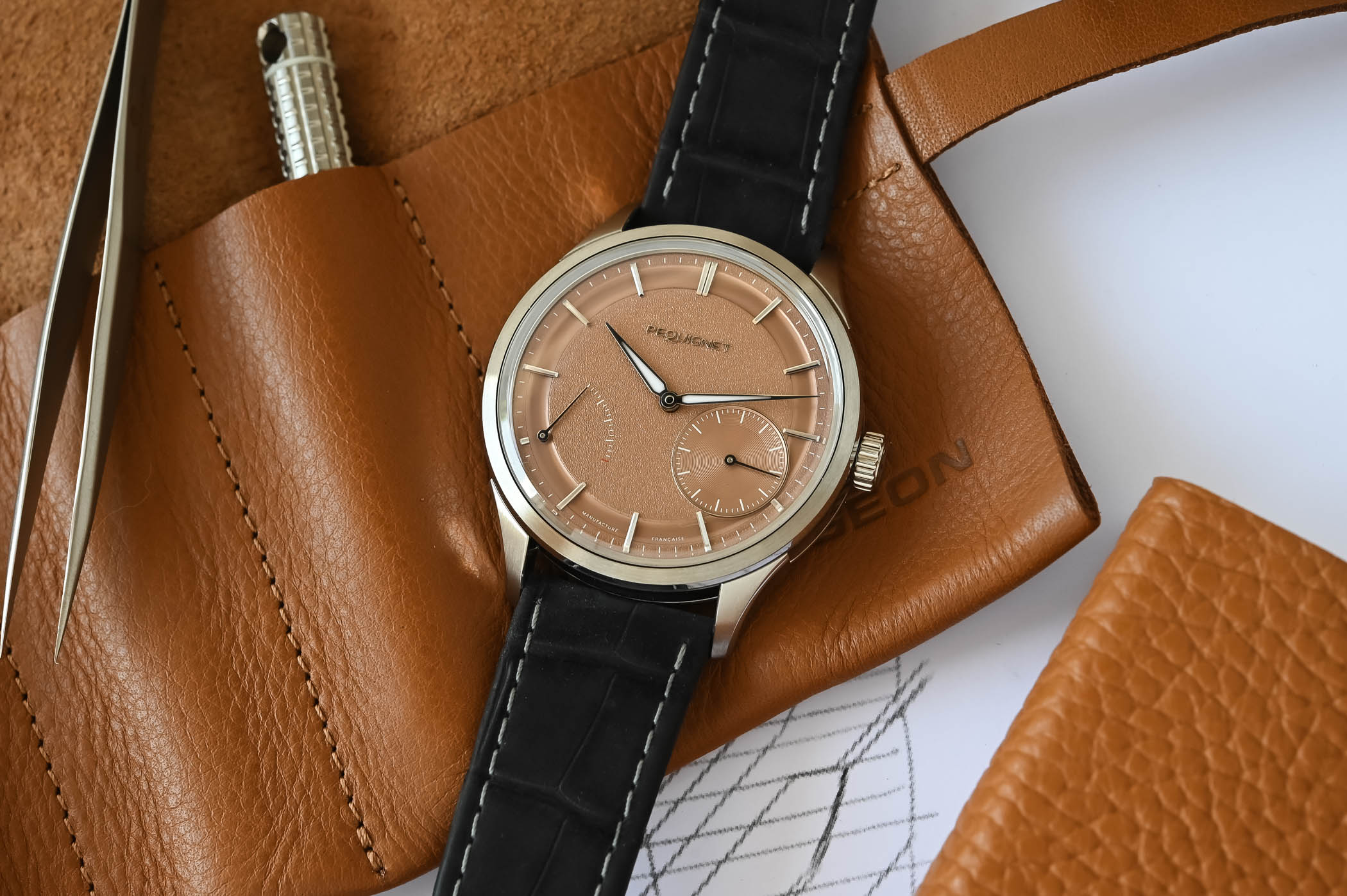
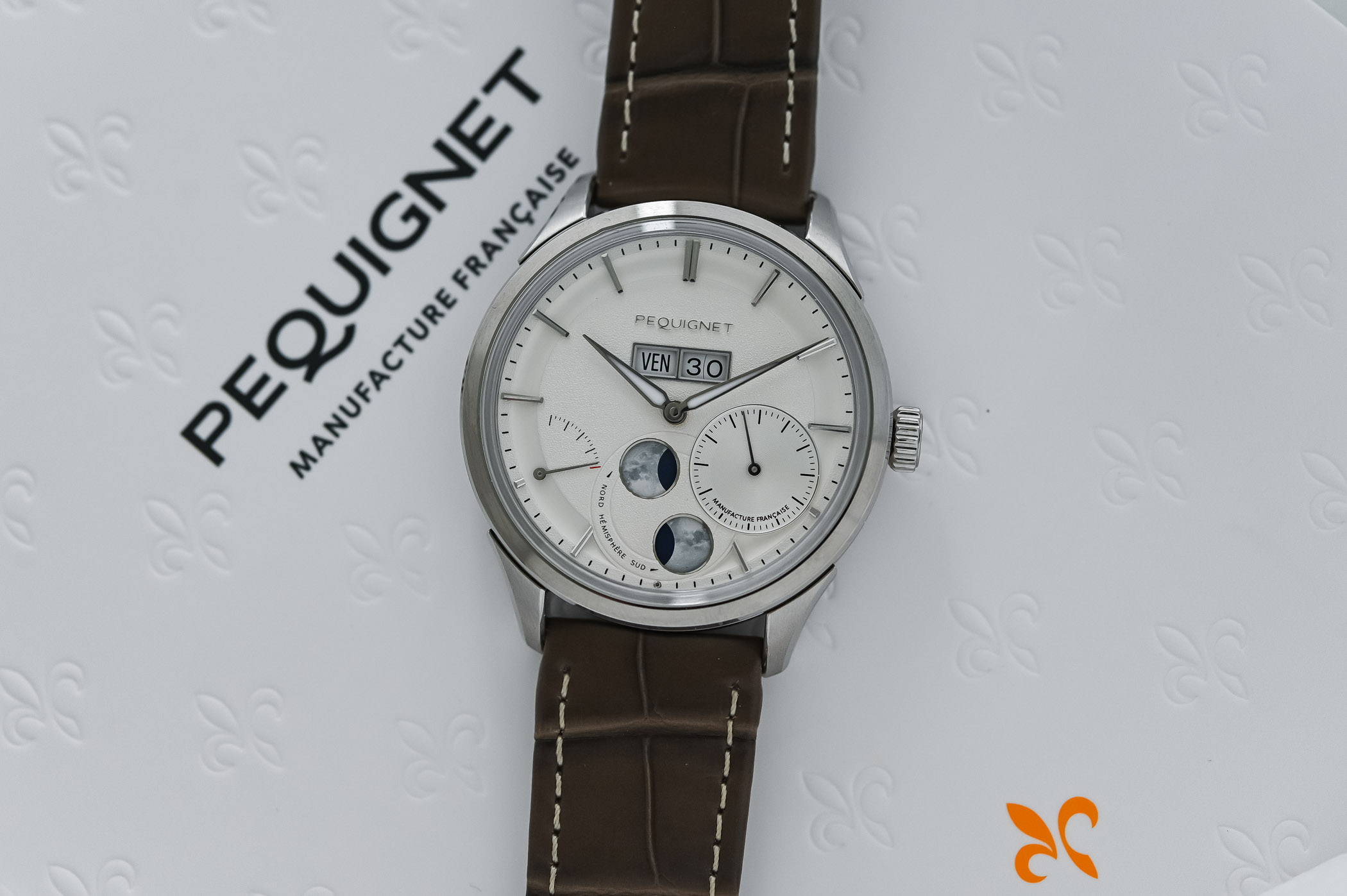
The Besançon Observatory chronometer certification is the French peer to COSC: founded as the Besançon Astronomical Observatory in 1882, the observatory provided chronometer trial certification from 1885 onward. Watches passing the trials received the "tête de vipère" (viper head) hallmark on the movement; the mark is the French equivalent of COSC's chronometer designation. Modern French watchmakers (Pequignet, Lip, selected Yema references) submit to the Observatory for the tête de vipère certification; the mark is recognised at French haute-horlogerie auction houses.



Comments 2