
Crown guards emerged in commercial watchmaking with the Rolex Submariner ref. 5512 in 1959. Earlier Submariner references (6204, 6205, 6536, 6538) had unprotected crowns that were vulnerable to accidental impact (snags on diving equipment, abrasion against rocks) and to inadvertent unscrewing (the screw-down crown could partially unscrew under operational handling). The 5512 introduced side projections flanking the crown that physically blocked impact and held the crown against unscrewing.
The early "pointed" crown guards on Submariner 5512 / 5513 / 5514 production through the early 1960s had an aggressive triangular profile: the guards projected outward at a sharp angle, producing a distinctive case-side silhouette. Through the 1960s the geometry was refined to a cleaner square profile; modern Submariner production (since the early 1980s) uses square crown guards. Vintage pointed-crown-guard examples are highly collected; original-condition pointed guards on a 5512 / 5513 add USD 5-15k to auction value vs polished or service-replaced guards.
"Look at the crown guards before you look at anything else. They tell you whether the watch was preserved or polished."- Vintage Rolex authenticator on case-condition assessment
Panerai's Luminor crown bridge (introduced 1956 on the Radiomir 6152/1; refined through the 1990s revival) is the most distinctive crown-guard design in watchmaking. The Luminor uses a twin-bridge crown protector with a lever-actuated locking mechanism: the crown is physically blocked against unscrewing until the lever is lifted. The geometry is the strongest single brand-recognition signal in the Panerai catalogue; "Luminor crown bridge" is functionally synonymous with "Panerai watch".
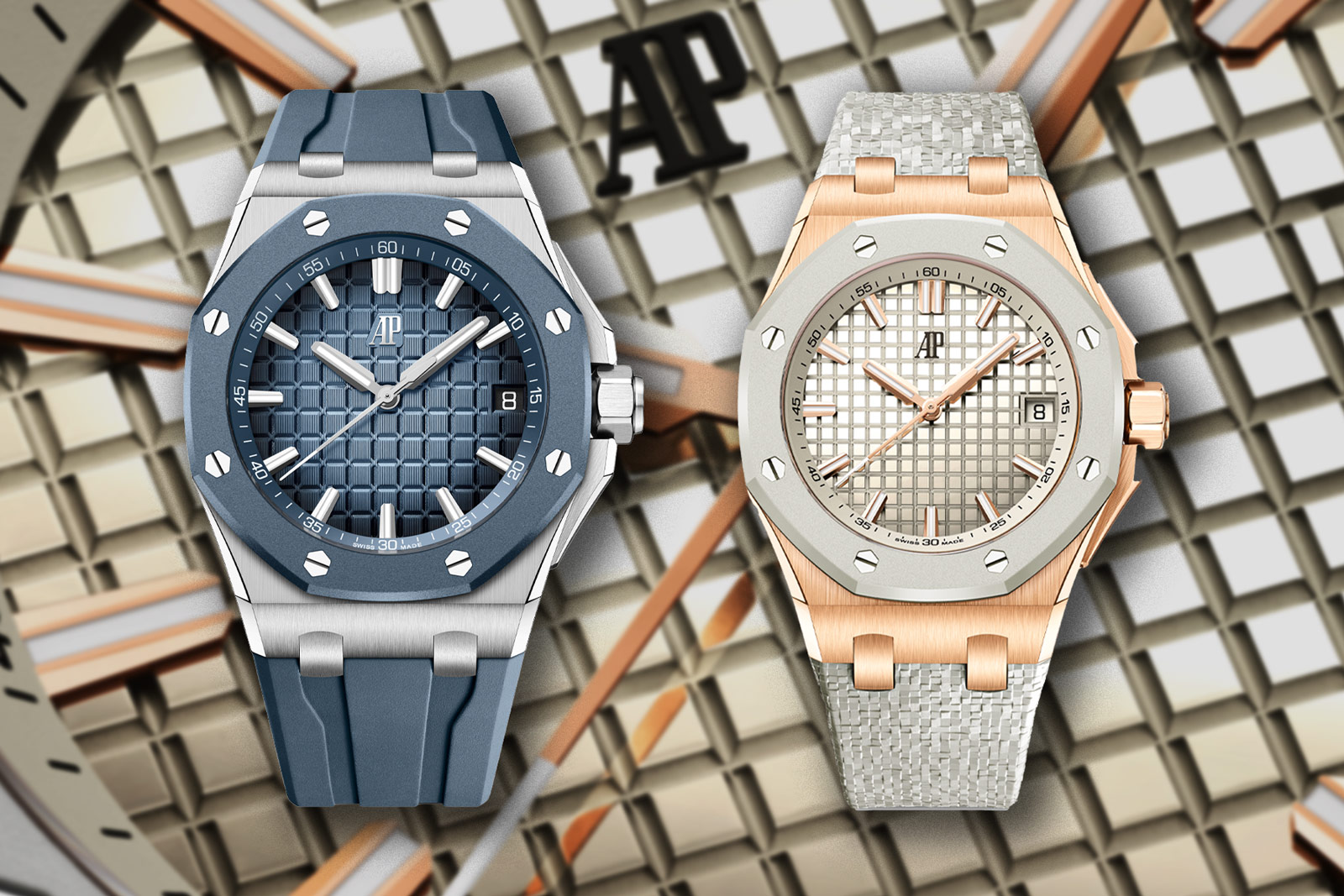
Modern integrated crown guards: AP Royal Oak, Patek Nautilus, and other integrated-bracelet sport watches use crown guards machined integrally with the case rather than as separately-machined components. The construction reads as continuous flowing case geometry rather than discrete crown protector; the visual distinction is significant for the integrated-bracelet sport-watch category.
Aftermarket crown-guard refurbishment is a common vintage-restoration concern. Original-condition crown guards on vintage Rolex sport watches are highly valued; polished or replaced guards (typically as part of factory service) reduce auction value significantly. The current vintage market preference is for "fat" or "unpolished" crown guards on Submariner / GMT-Master references; a watch with crisp original-geometry guards reads as "museum-grade vintage".


Comments 1