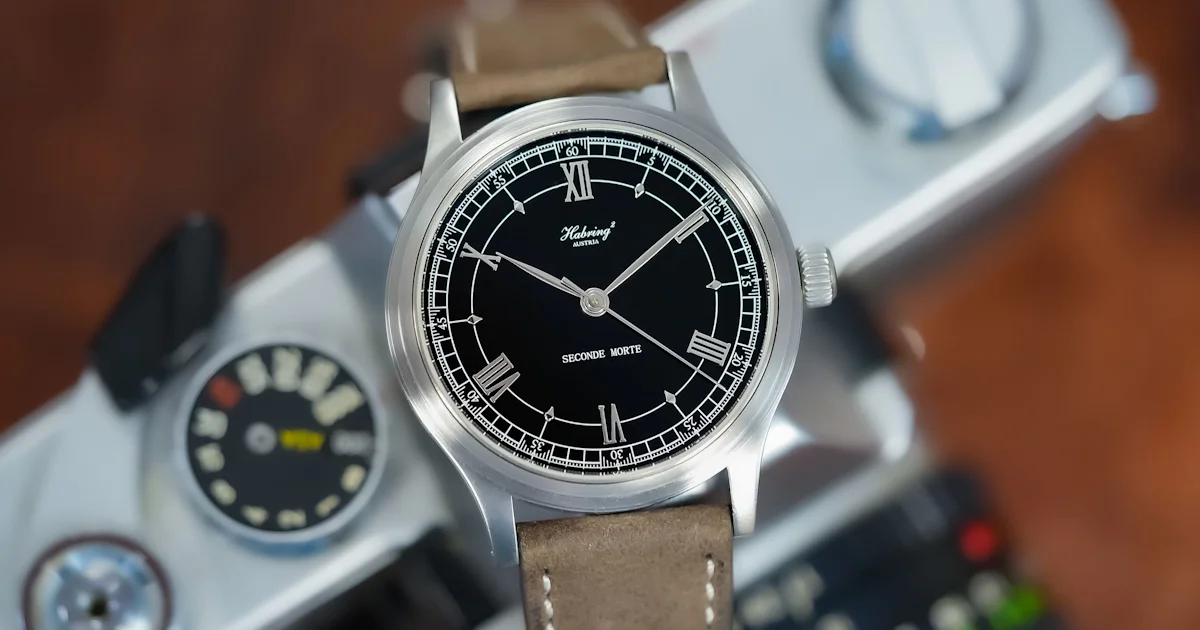
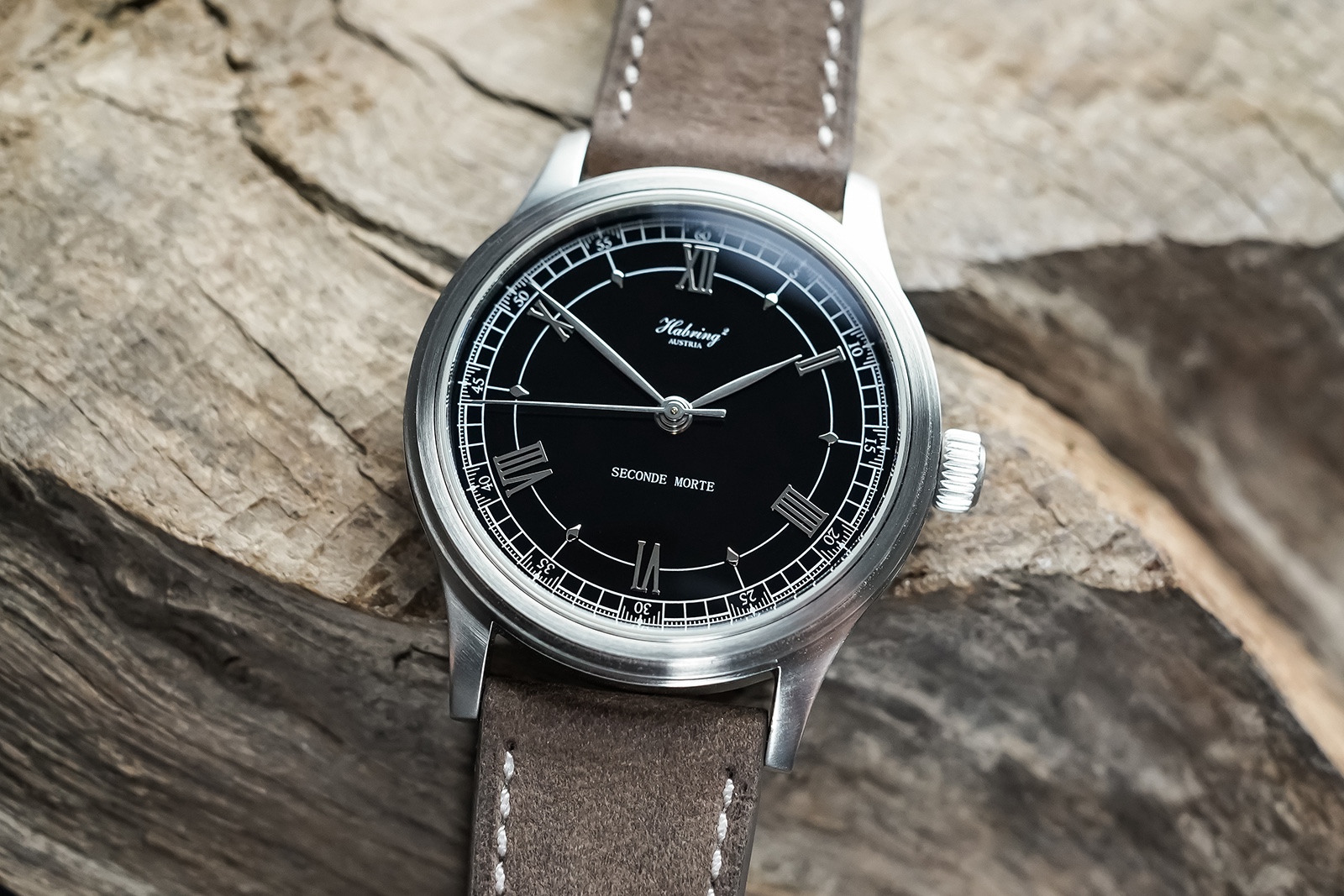
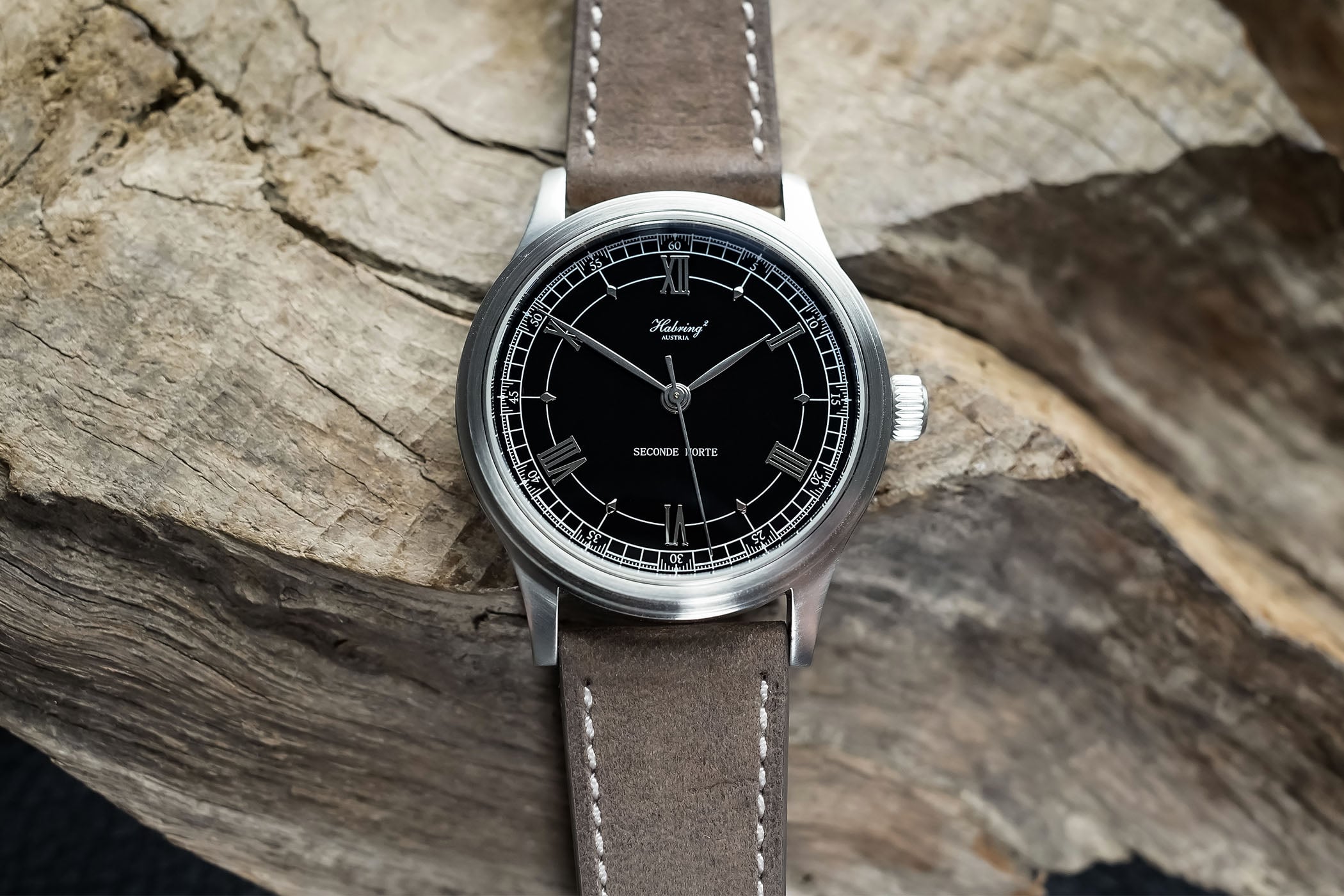
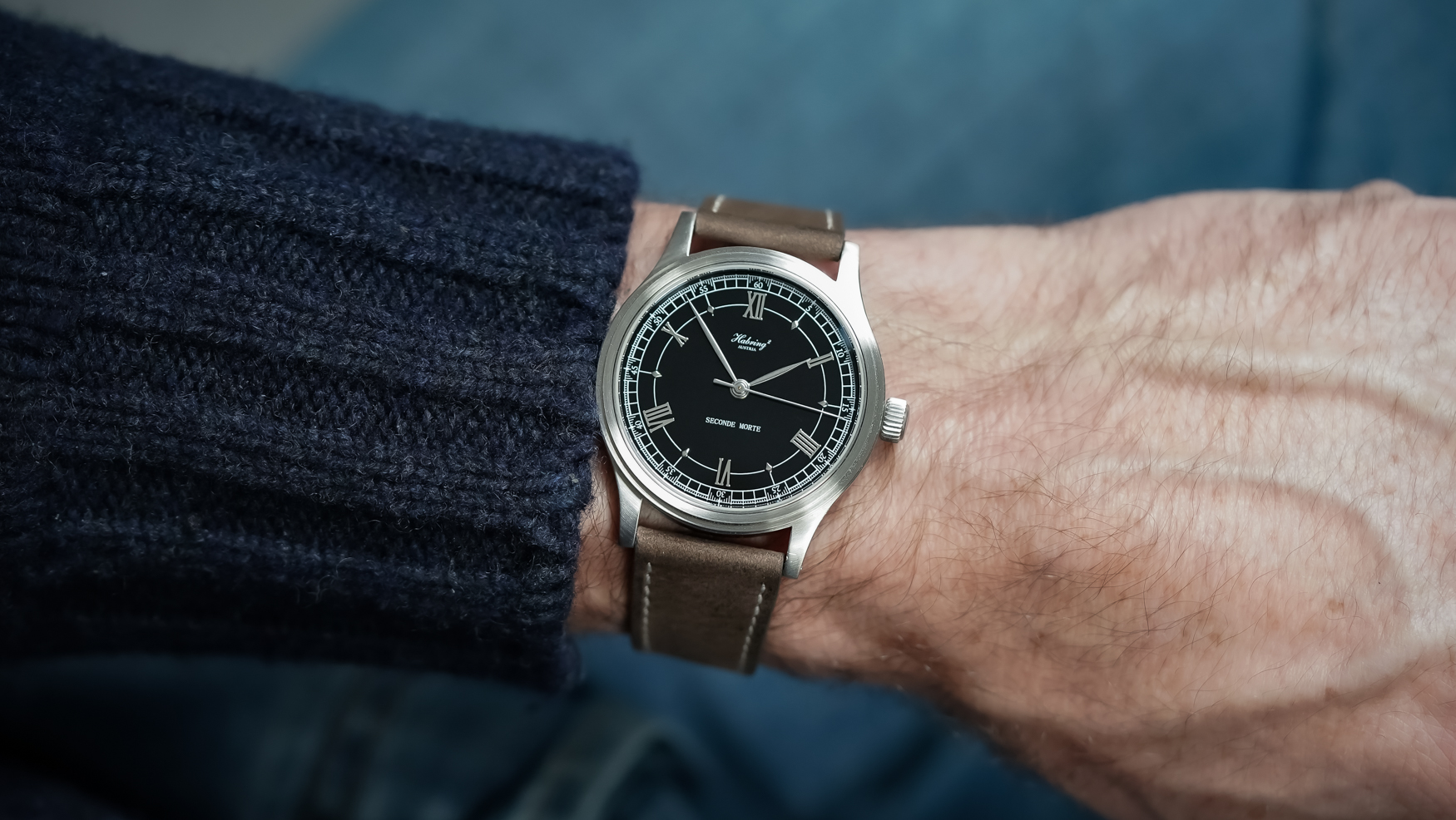
Dead seconds is a mechanism that overlays a once-per-second tick on a wristwatch's normal high-frequency oscillation (typically 28,800 vph = 8 ticks/second). A separate going train branch with a star wheel and a release jewel locks the seconds wheel for one second at a time, releasing it instantly to advance one step. The display contrast: a normal mechanical watch shows continuous sweep at 8 ticks/sec, while a dead-seconds watch shows a single discrete tick per second, like a high-end quartz watch.
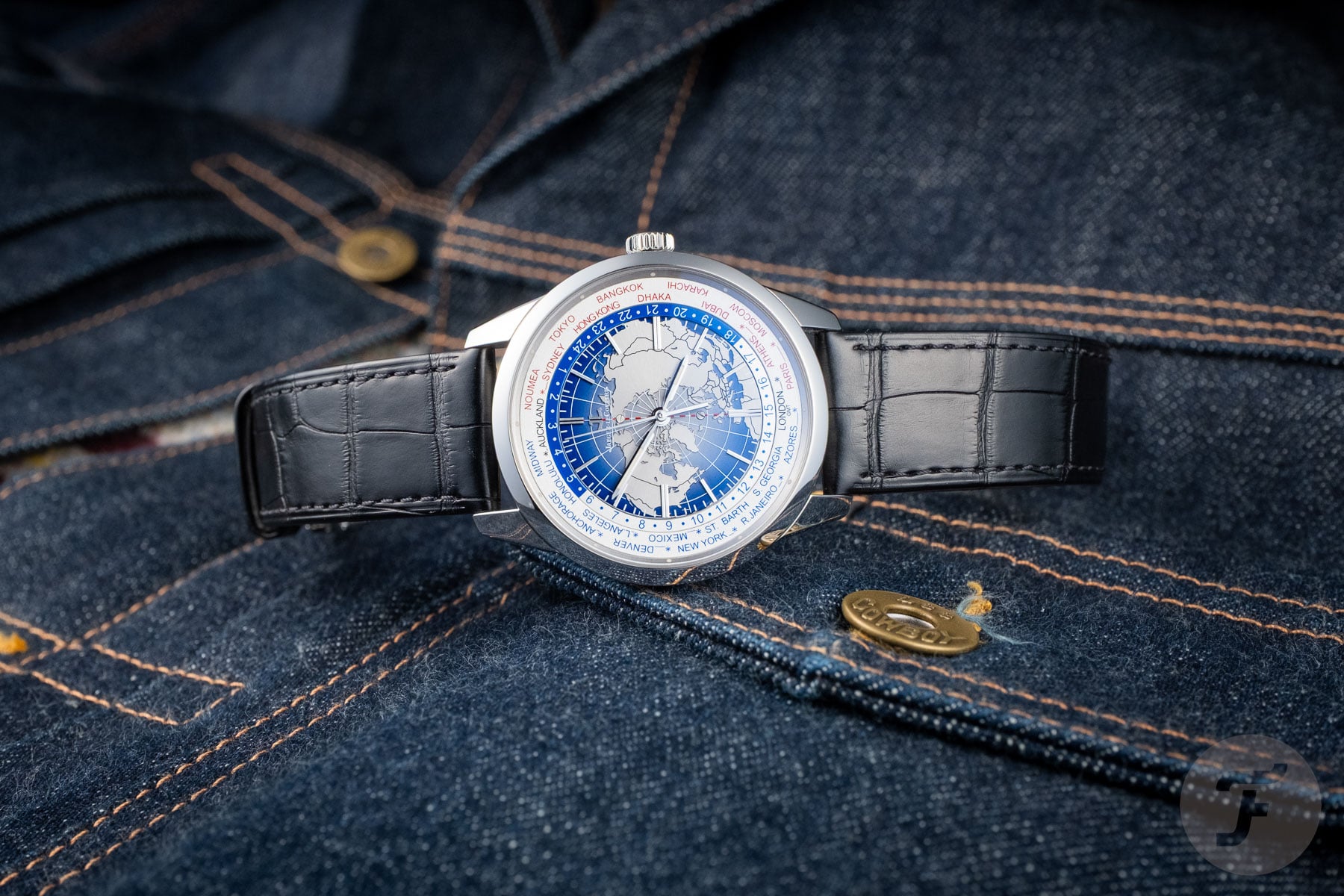
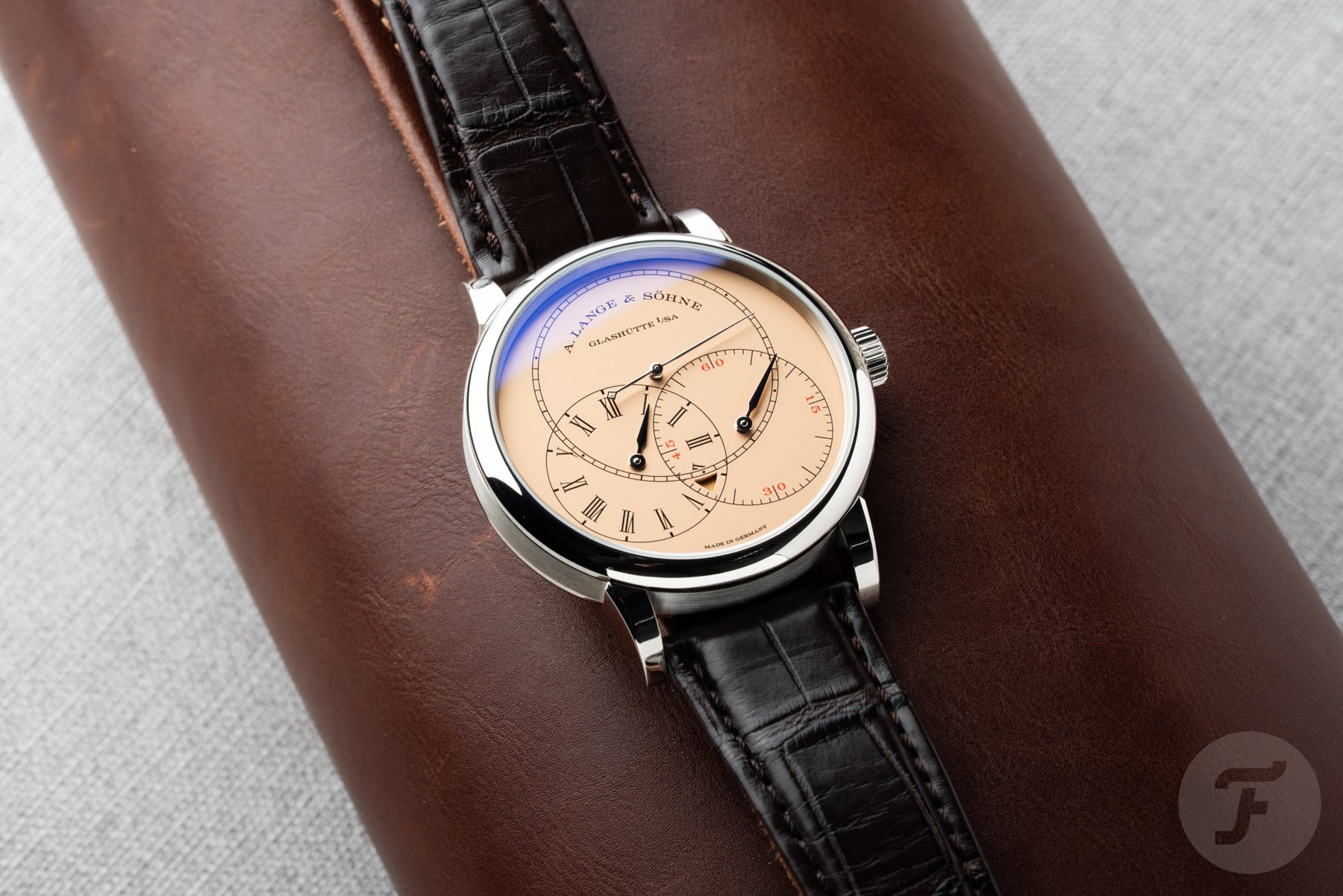
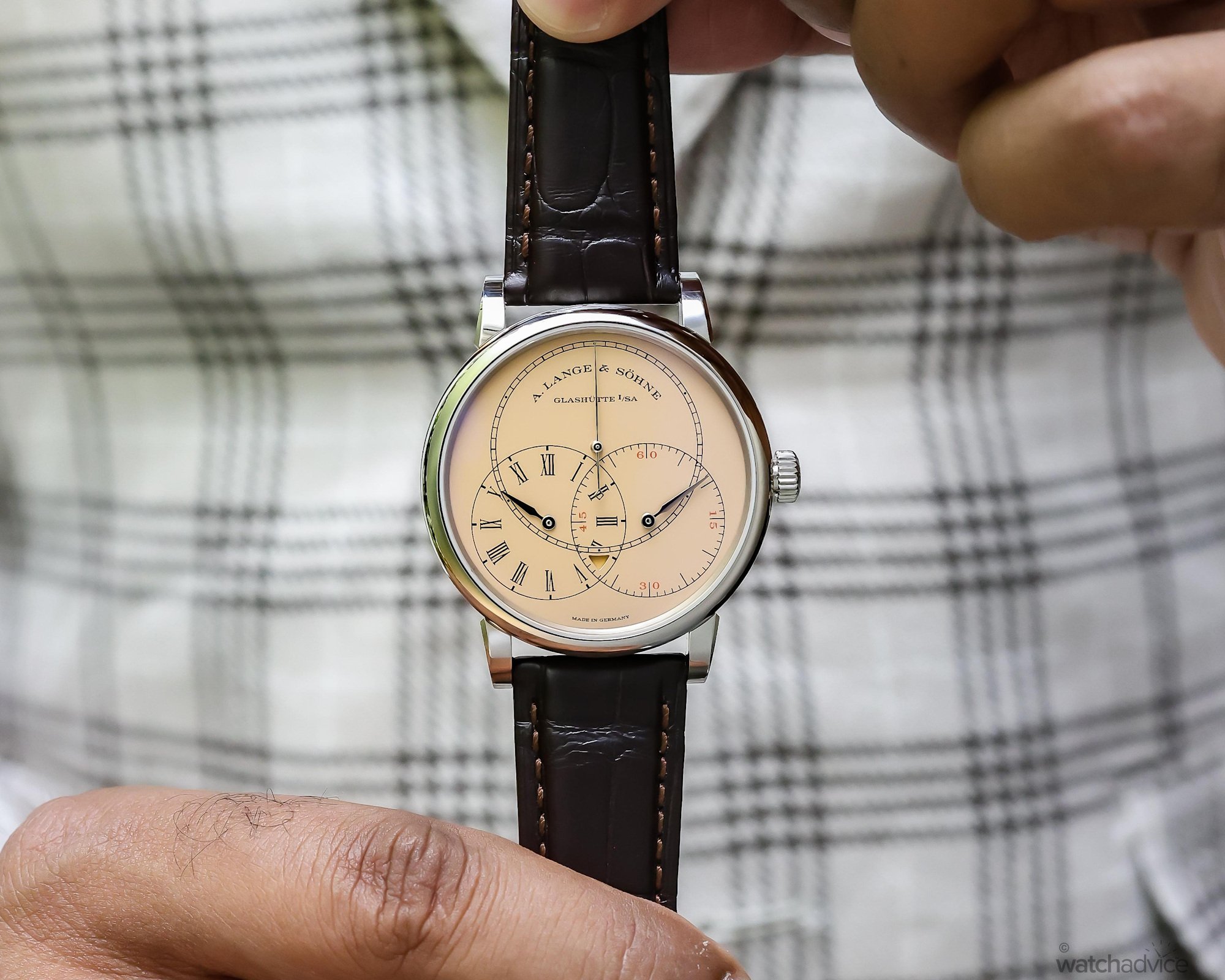
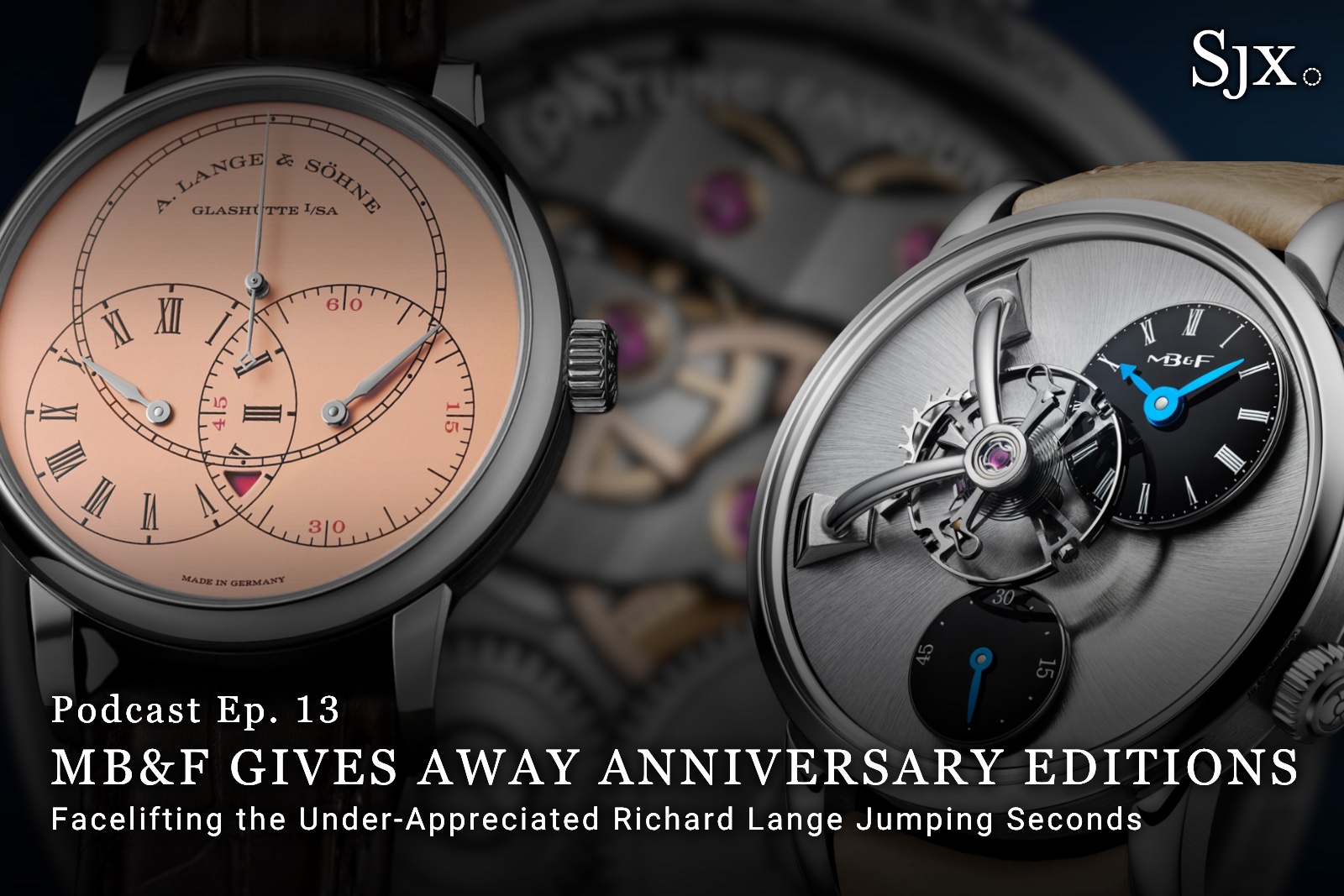
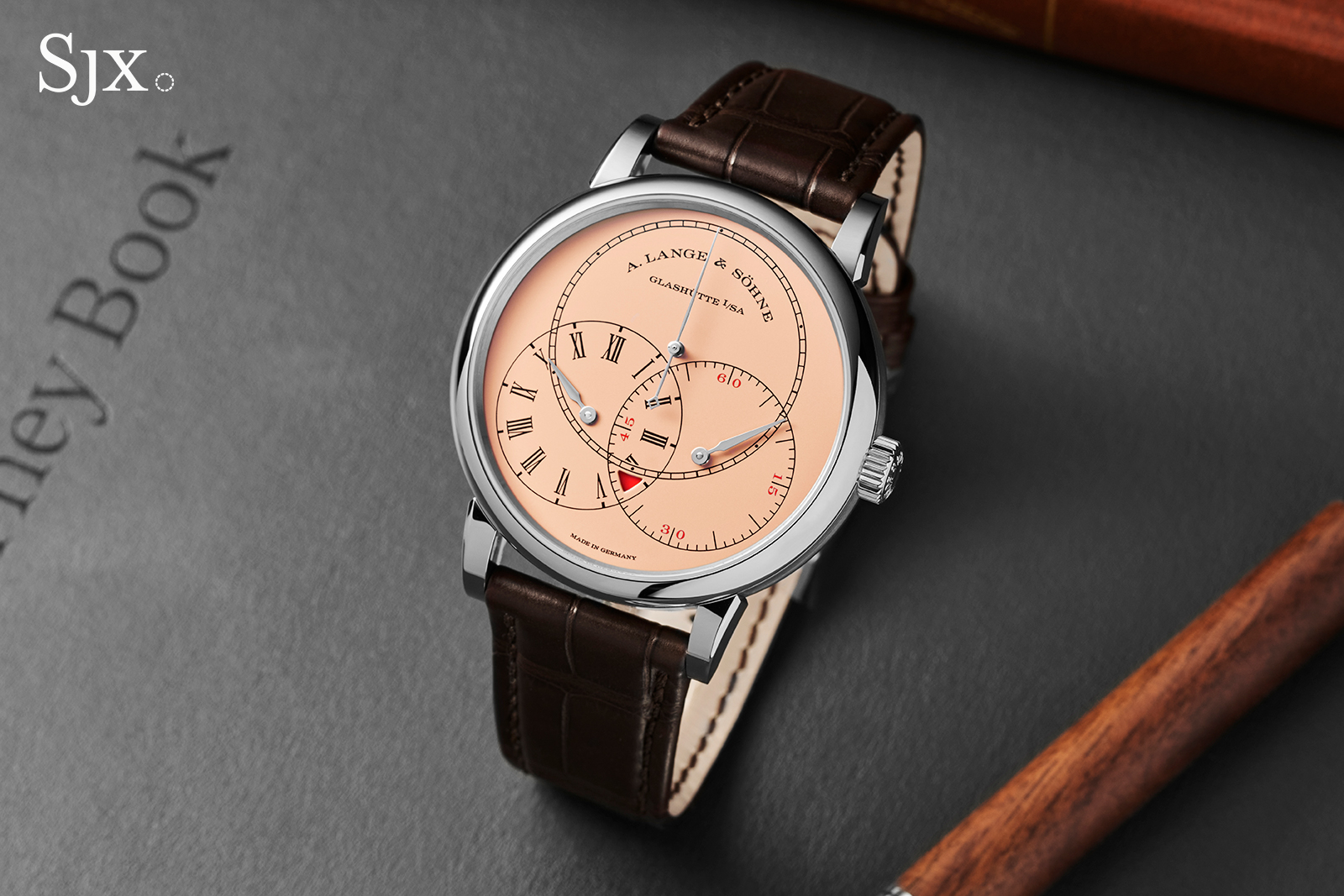
Origins are in 18th-century scientific watches; Breguet and other Paris makers used dead seconds for astronomical and naval timing. The complication declined through the 19th century as continuous-sweep regulators became standard, then survived in some railroad pocket watches. The modern wristwatch revival came with the JLC Geophysic True Second (2015), the A. Lange & Söhne Richard Lange Jumping Seconds, and the F.P. Journe Tourbillon Souverain à seconde morte.

Comments 3