Watch brandsWatch wikiWatch videosVariousWatch calendarSaved articles
PopularRolexOmegaPatek PhilippeAudemars PiguetTudorGrand SeikoCartierSeikoIWCTAG HeuerBreitlingJaeger-LeCoultreA. Lange & SohneZenith
WristBuzzWatch WikiDetent Escapement
⚙ Movement · Marine Chronometer Escapement

Detent Escapement

A high-accuracy escapement used in marine chronometers from the 18th century onwards. Frictionless impulse on alternating beats; mechanically more accurate than the lever escapement, but more delicate and impractical in wristwatches.

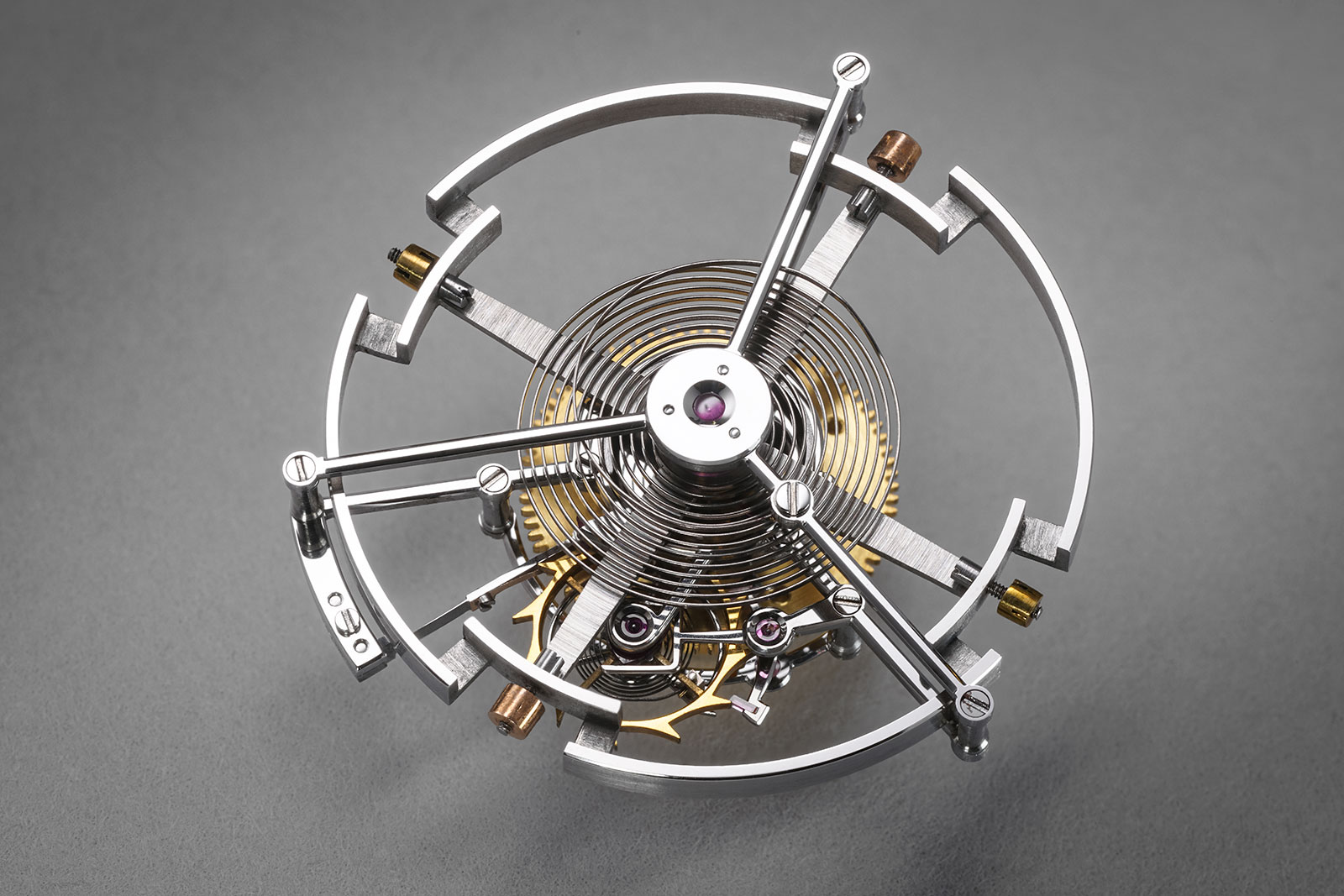
The detent escapement (also 'pivoted detent' or 'spring detent') is a precision escapement perfected in the late 18th century by John Arnold and Thomas Earnshaw for marine chronometers. It delivers impulse to the balance wheel only on every other beat (single-direction impulse), with no sliding friction during release; the mechanism is theoretically more accurate than the Swiss lever escapement. The trade-off is fragility: detent escapements are sensitive to shock and position changes, making them unsuitable for wristwatch use except in haute-horlogerie display references (Urban Jürgensen, Vianney Halter).

PerfectedLate 18th c. (Arnold, Earnshaw)
ImpulseEvery other beat (single direction)
FrictionNear-zero during release
Modern wristwatch useRare; Urban Jürgensen et al.
WristBuzz Articles12
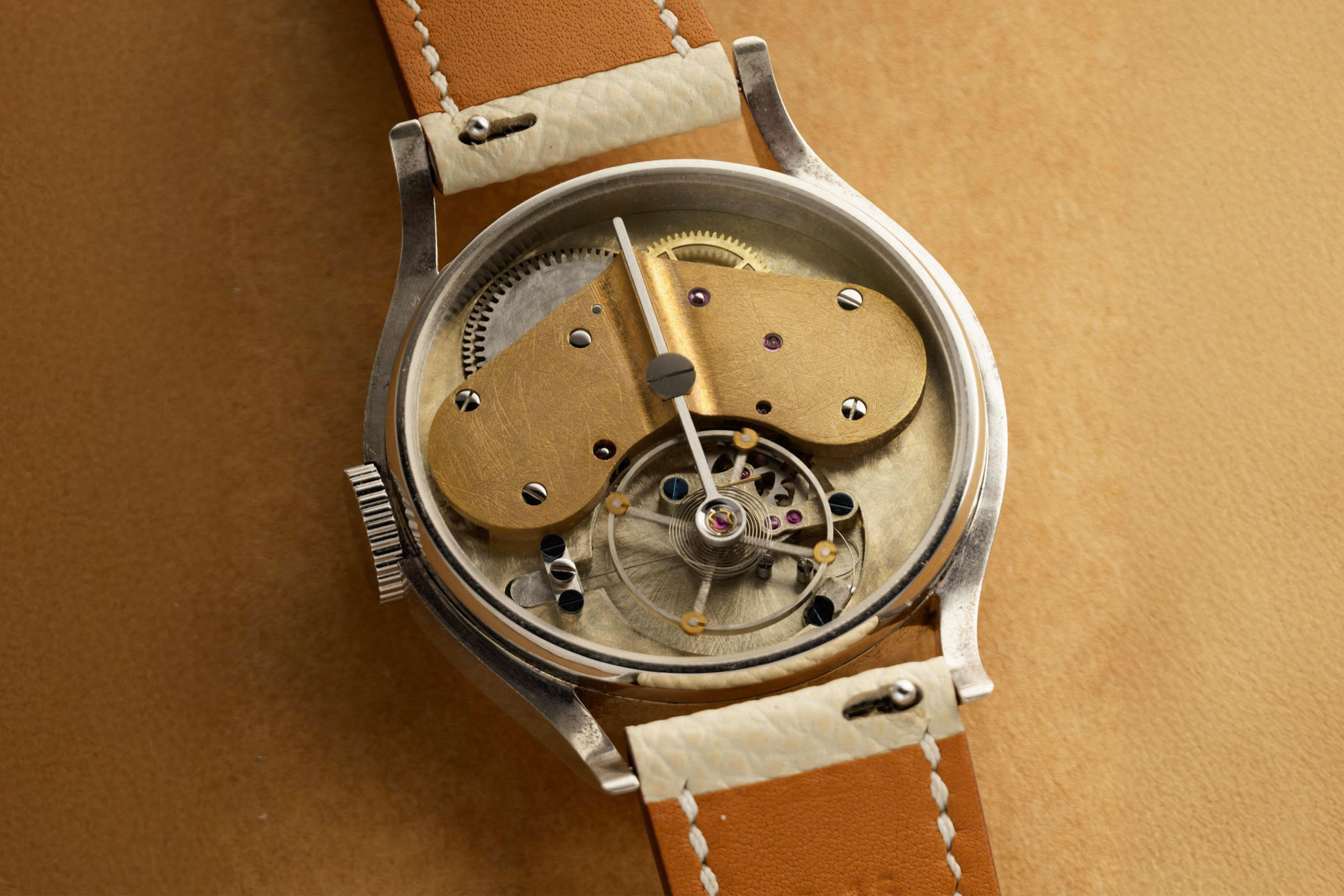
Detent Escapement

Photo: Monochrome · May 15, 2025

~1780Perfected
MarineChronometer
DetentSpring or pivoted
RareIn wrist
12WristBuzz Articles

The Detent Escapement Story

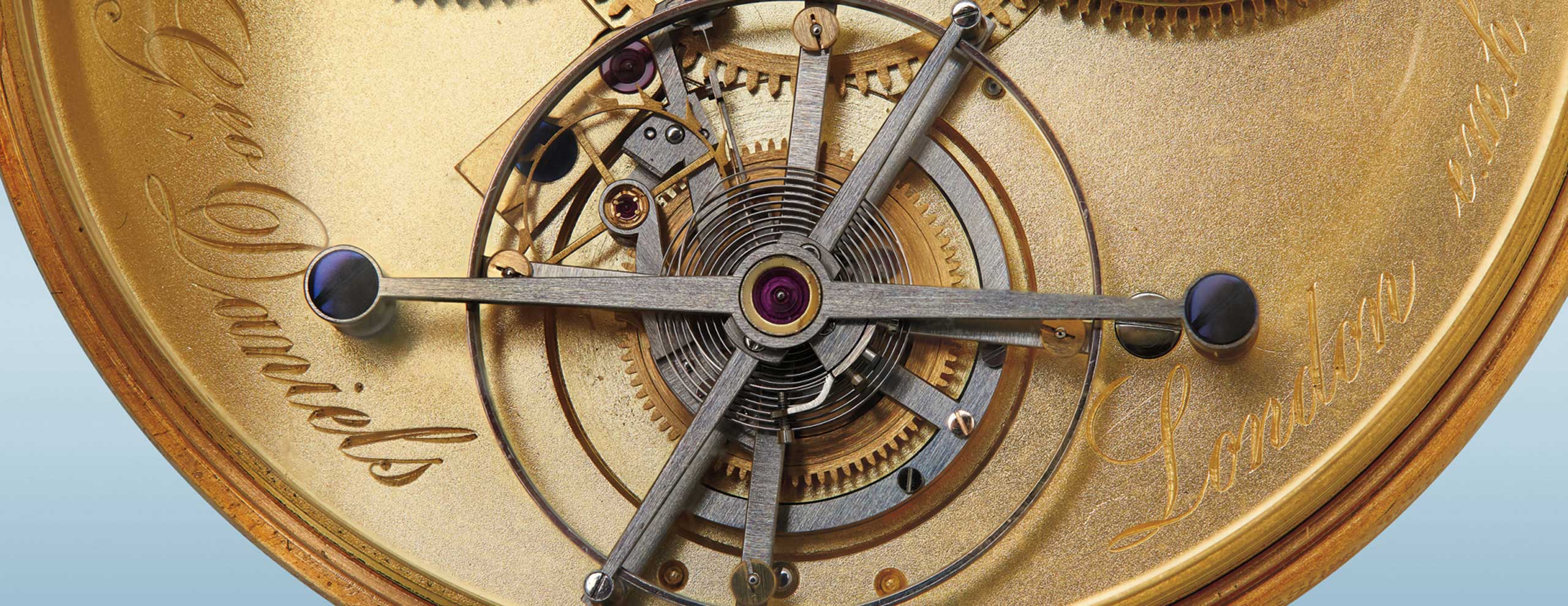
The detent escapement was developed in the late 18th century during the marine-chronometer race that followed the British Longitude Act (1714). John Arnold (UK) developed the spring detent (1779); Thomas Earnshaw (UK) refined it (1781) into the form used in most 18th-19th century marine chronometers. The mechanism delivers impulse to the balance only on alternate beats and the release is via a tiny gold spring (the 'detent'), eliminating the sliding friction that the lever escapement creates during unlock-and-impulse.

Why it isn't in wristwatches: the detent is sensitive to shock (a sudden movement can mis-trigger the release) and position (the mechanism works best in a stationary horizontal pocket-watch position). Marine chronometers were carried in gimballed boxes specifically to keep them horizontal. A wristwatch experiences far worse position and shock conditions than a chronometer-box pocket-watch, so the detent's accuracy advantage disappears under real wrist conditions. Modern wristwatches with detent escapements (Urban Jürgensen, Vianney Halter Antiqua, Christophe Claret pieces) are connoisseur references rather than practical accuracy plays.

Detent Escapement References

Modern · Urban Jürgensen
Reference 1140
1140

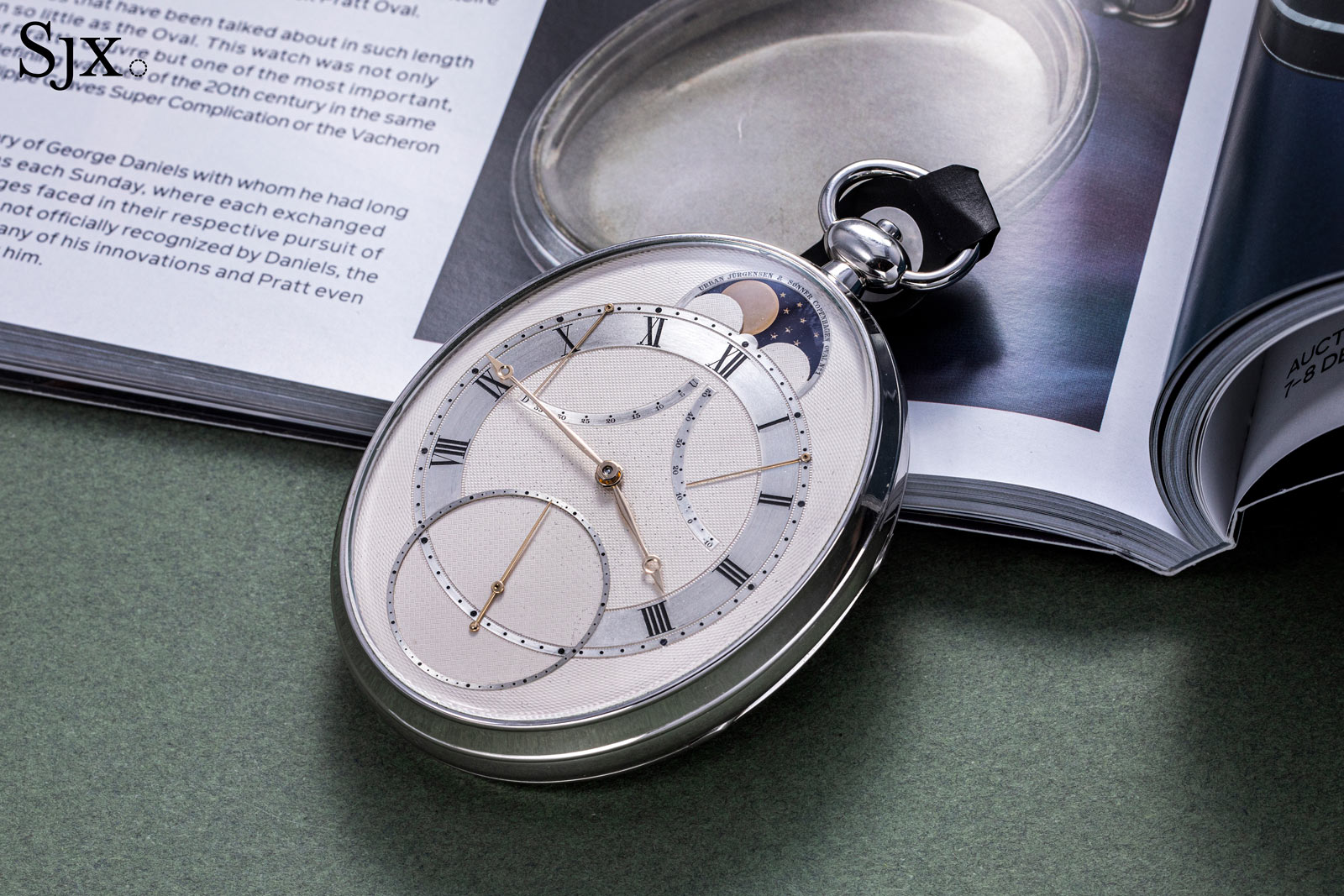
Modern wristwatch detent escapement. Hand-finished haute-horlogerie reference.

Modern Detent
1995 · Vianney Halter
Antiqua Detent
Antiqua

Halter's detent-escapement avant-garde reference.

Avant-Garde

Latest Detent Escapement News

SJX Watches
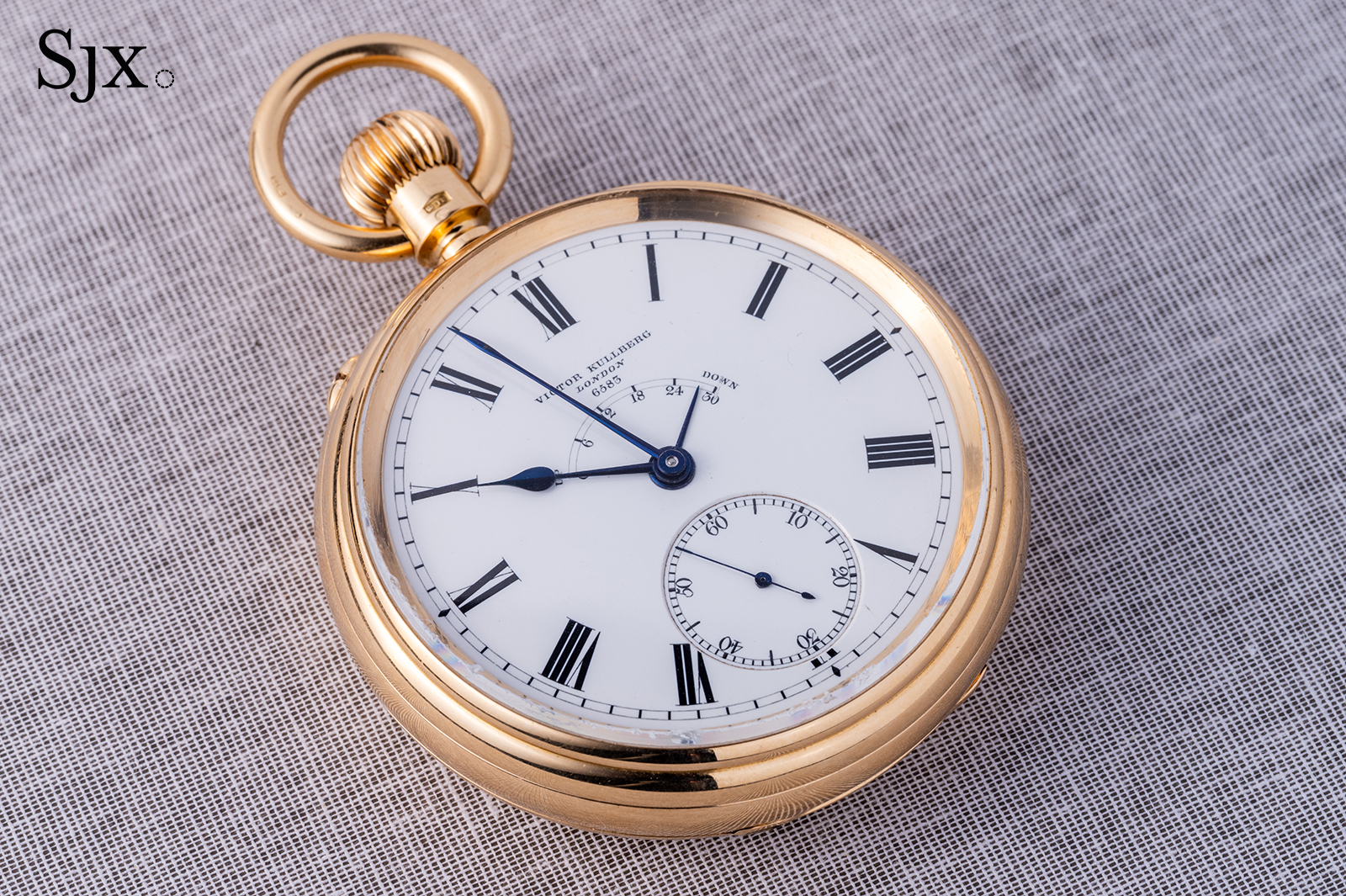
Hands On: Victor Kullberg Tourbillon Pocket Chronometer
10h ago
SJX Watches
Highlights: Pocket Watches at Phillips Hong Kong
Nov 14, 2025
Monochrome
Just Because – Logan Kuan Rao Doubles Down on the Detent Escapement with a Stunning Unique Piece
May 15, 2025
Revolution
The Detent Escapement In Wristwatches: Dream A (Big) Little Dream
Feb 9, 2025
SJX Watches
Hands On: Urban Jürgensen and Derek Pratt Oval Pocket Watch
Nov 6, 2024
SJX Watches
Explained: The Detent Escapement
May 8, 2024
SJX Watches
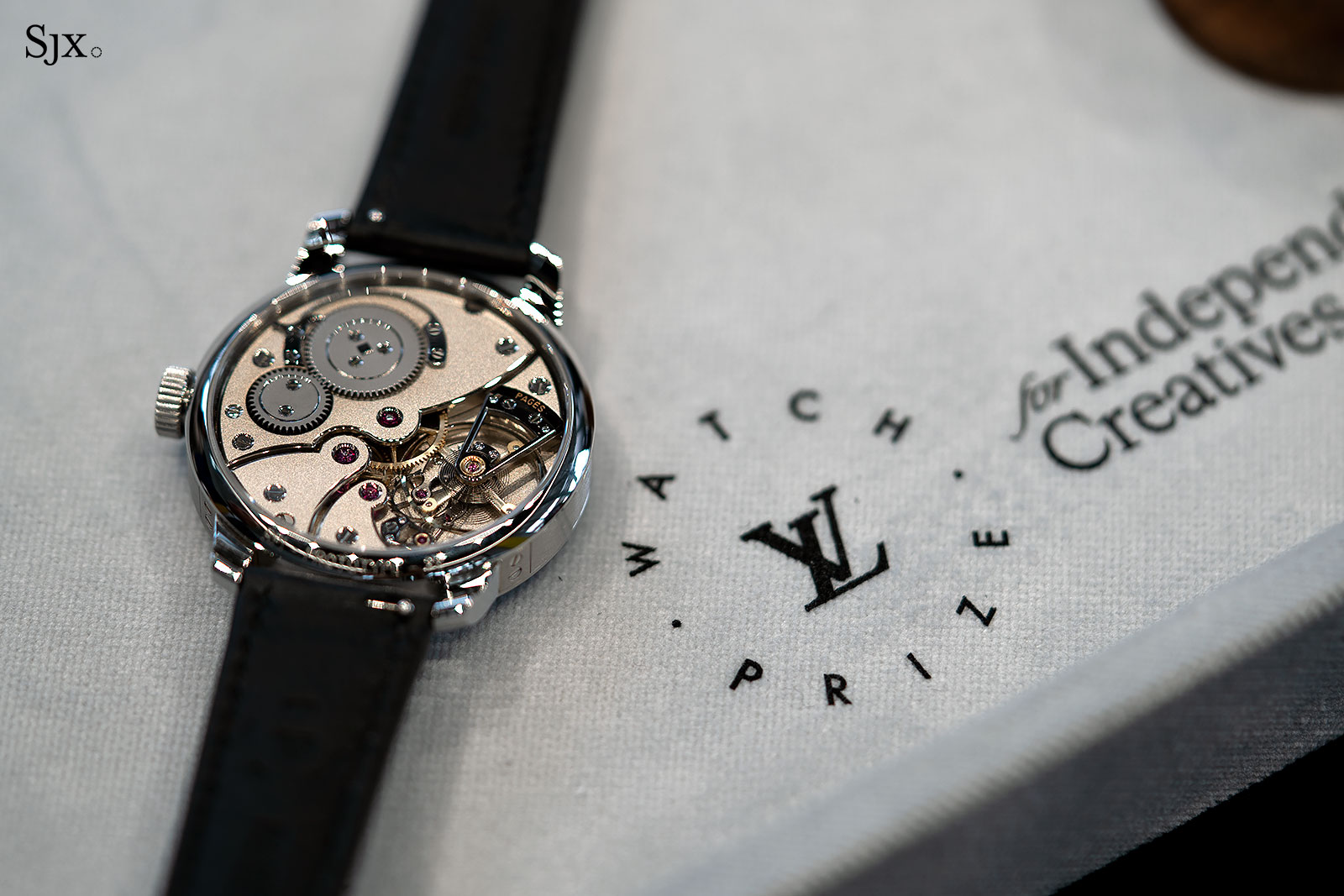
Raúl Pagès Wins Inaugural Louis Vuitton Watch Prize
Feb 7, 2024
Hodinkee
Breaking News: Raúl Pagès Wins The First Louis Vuitton Watch Prize For Independent Creatives
Feb 6, 2024
Hodinkee
Introducing: The Spanish Watchmaker Bringing Back The Detent Escapement
Nov 16, 2022
Quill & Pad
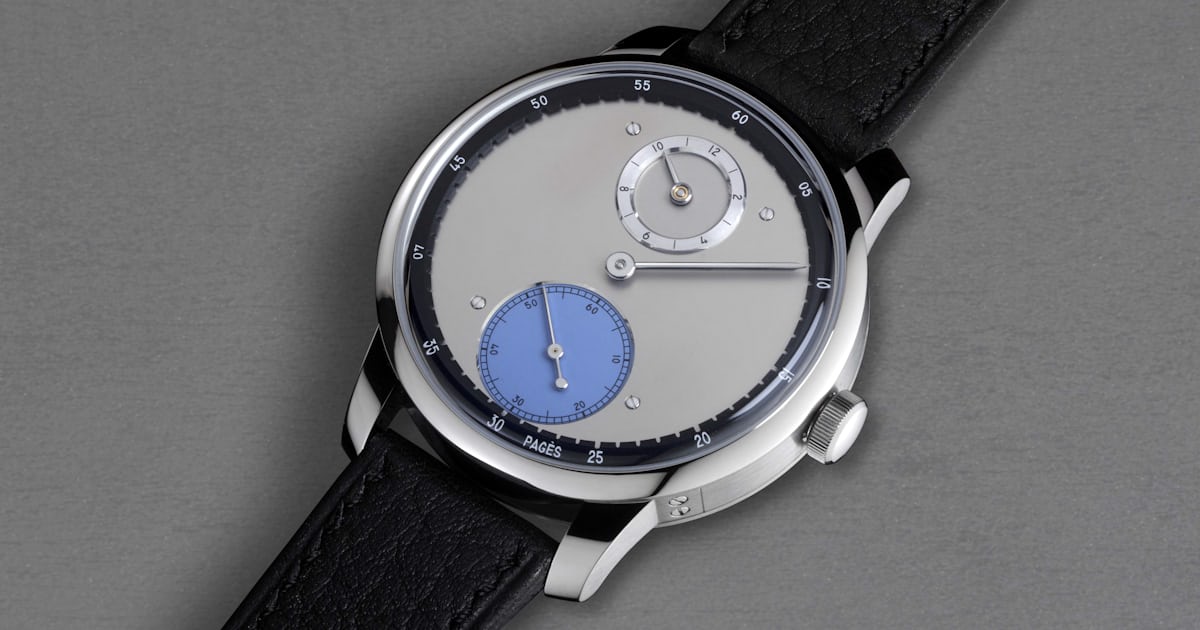
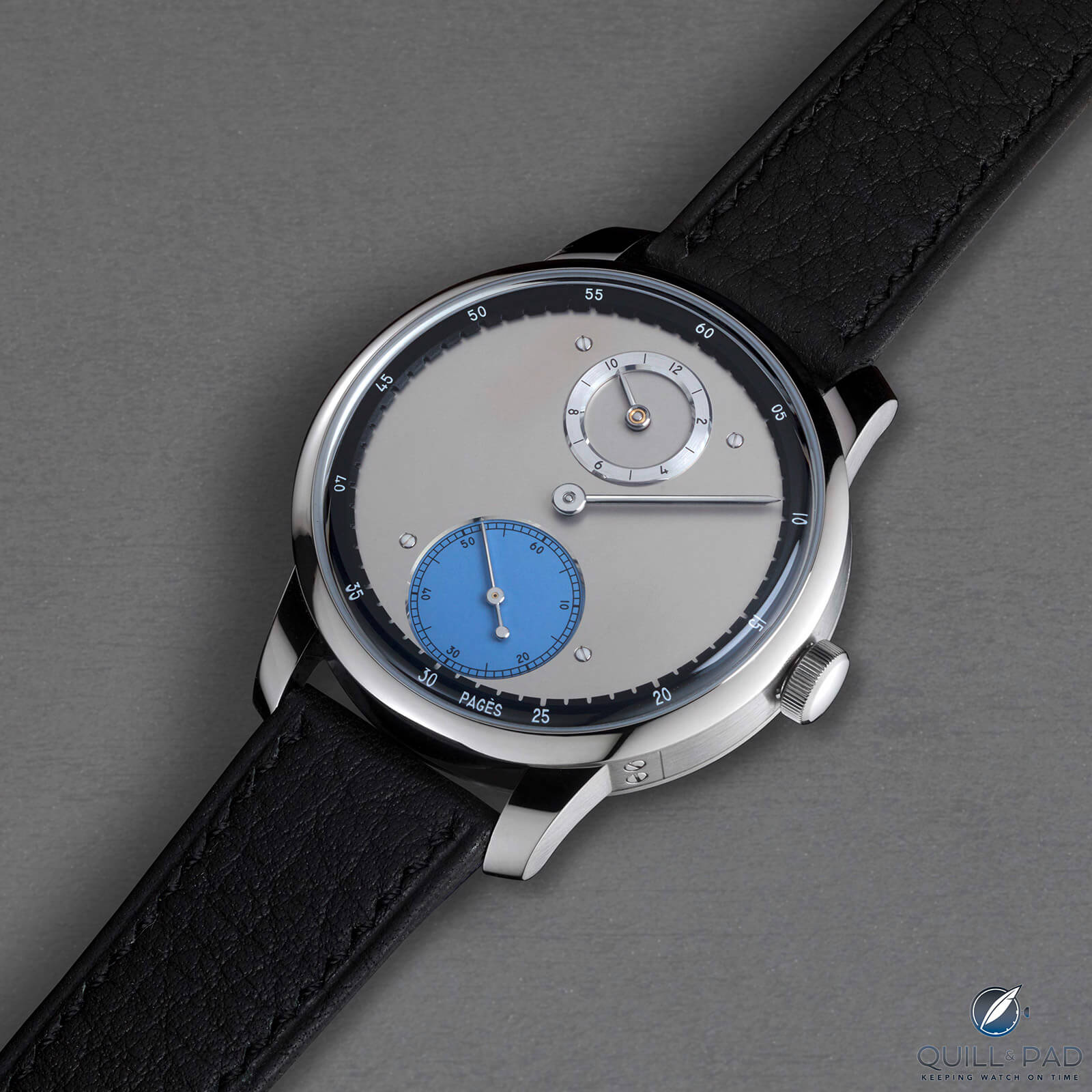
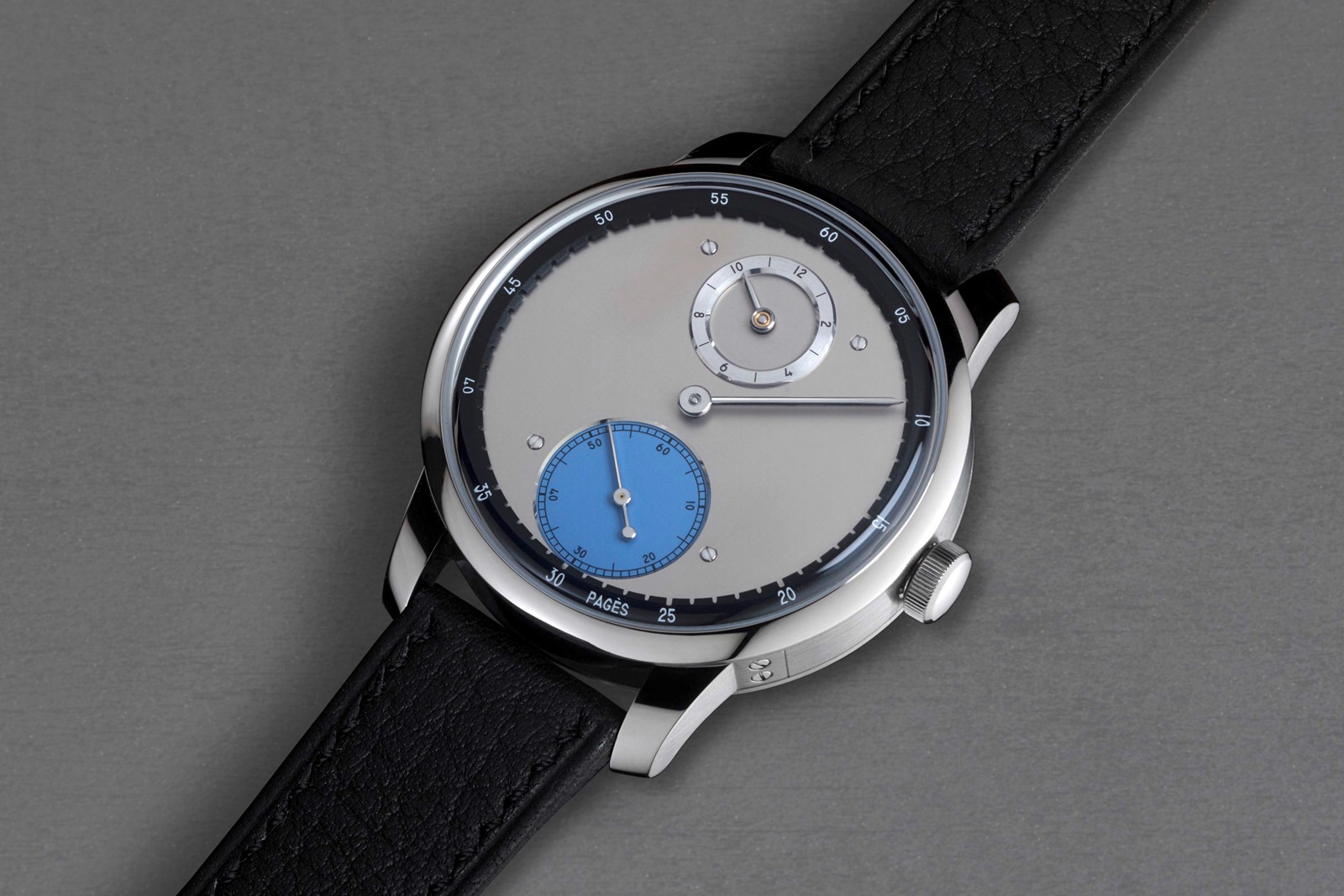
Raul Pagès Régulateur à Détente RP1: Innovating Tradition
Feb 20, 2022
SJX Watches
Raúl Pagès Introduces the Régulateur à détente RP1
Jan 26, 2022
Deployant
Live from SIHH 2019: Christophe Claret
Jan 17, 2019
View all 12 articles

Learn More