Ferdinand Adolph Lange was born in Dresden on 18 February 1815 and apprenticed at age fifteen to Johann Christian Friedrich Gutkaes, the Saxon court watchmaker famous for the five-minute clock at the Dresden Semperoper. After completing his apprenticeship, Lange spent three years on a traditional Wanderjahre (1837-1840) working in Paris with chronometer makers, in London among the precision-watch ateliers, and in Switzerland with Vacheron and Patek. He returned to Dresden in 1841, married Gutkaes's daughter, and began drafting plans for a Saxon watchmaking industry that could compete with Geneva.
In 1843 Lange submitted a 41-page proposal to the Saxon government to establish a watchmaking school in Glashütte, a destitute silver-mining town in the Erzgebirge mountains 30 km south of Dresden. The mines had collapsed economically after centuries of operation; Lange argued that the surplus skilled metalworkers were ideal for a watchmaking industry. The government agreed to a 6,706-thaler subsidy, structured as 10-year interest-free loans to the apprentices Lange would train. He moved to Glashütte and on 7 December 1845 formally opened his workshop with fifteen apprentices.
"From this day forward, the precision watchmaking industry shall be Saxon, not Genevan." (the founder's diary, 7 December 1845)- Ferdinand Adolph Lange, opening-day workshop journal
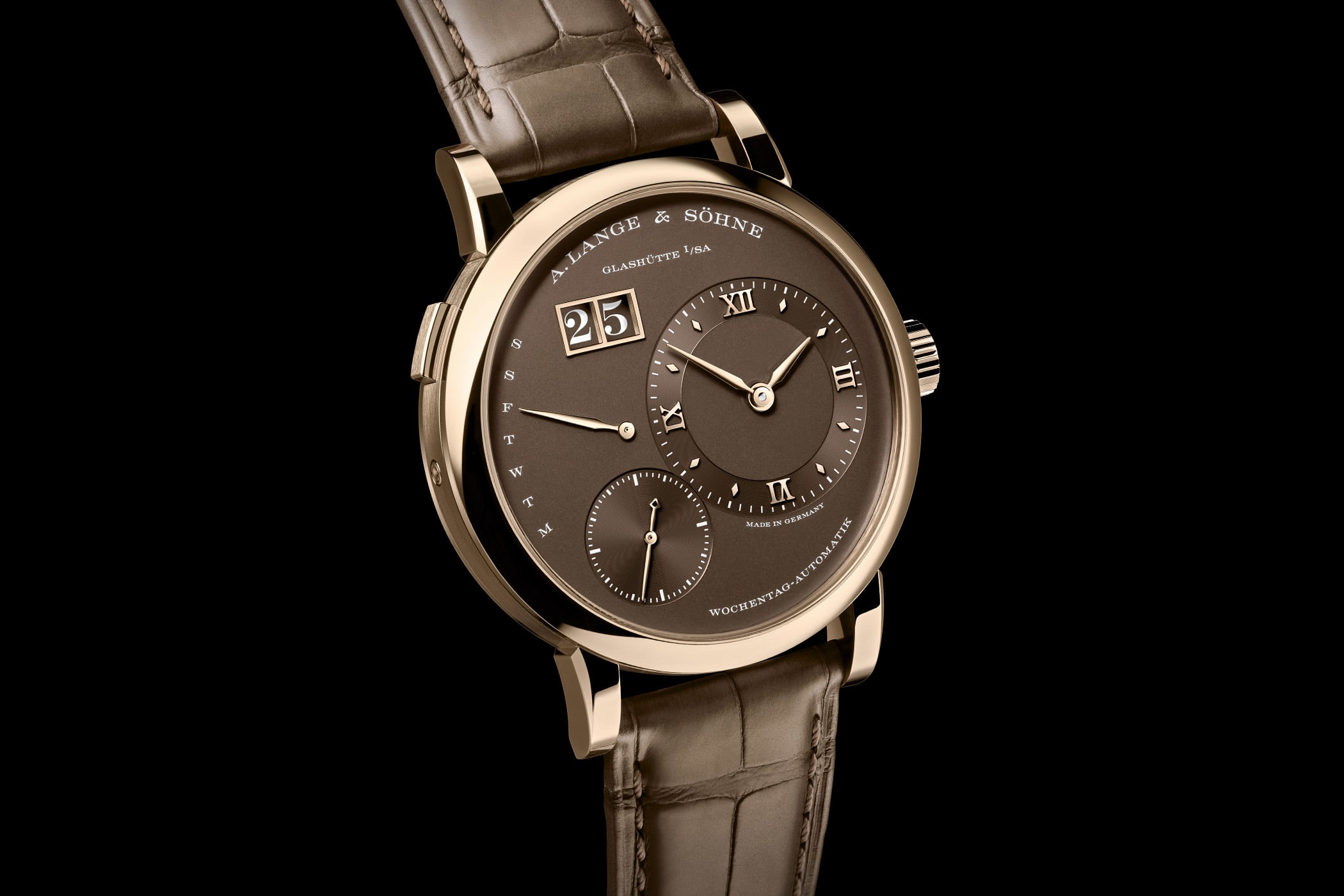
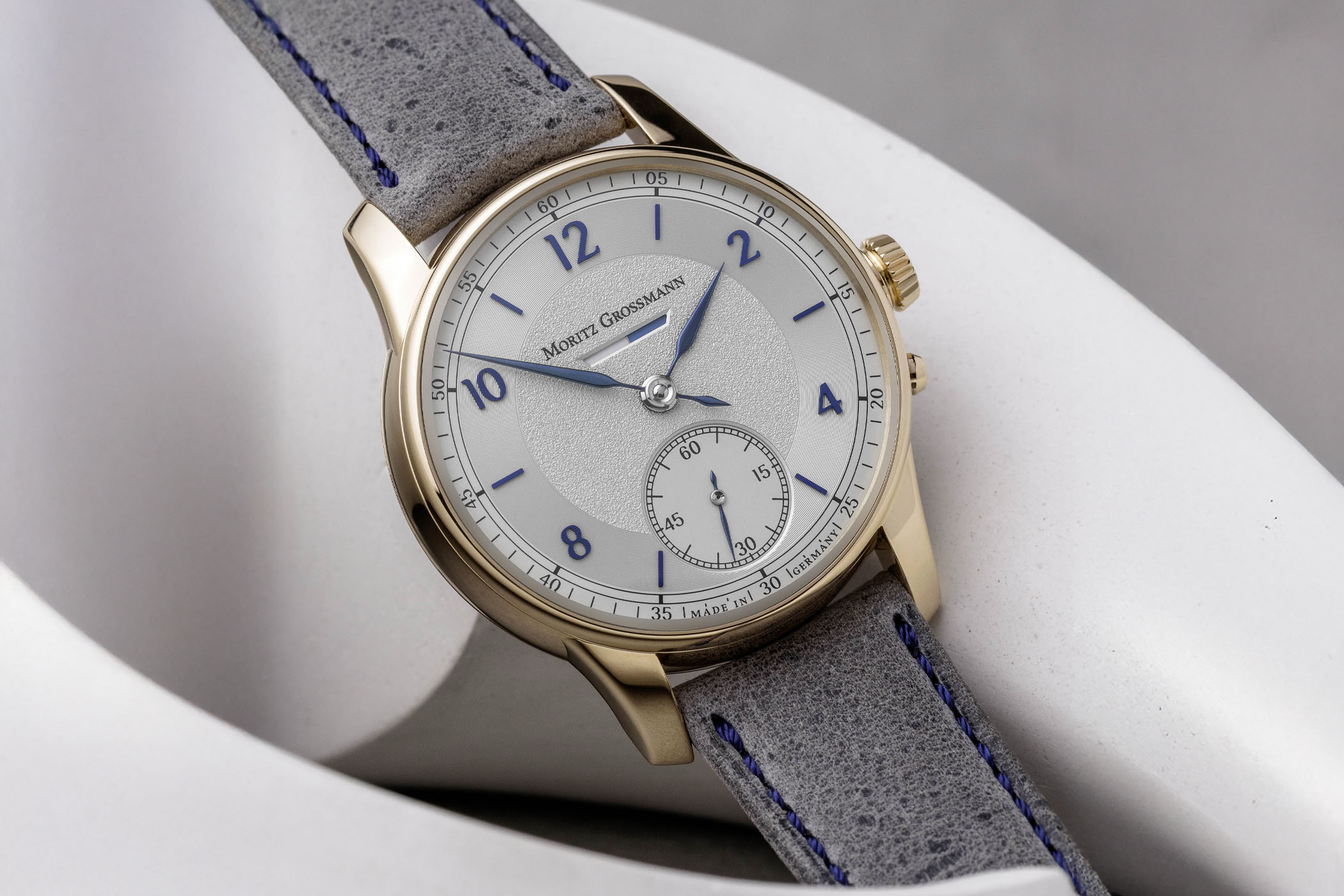
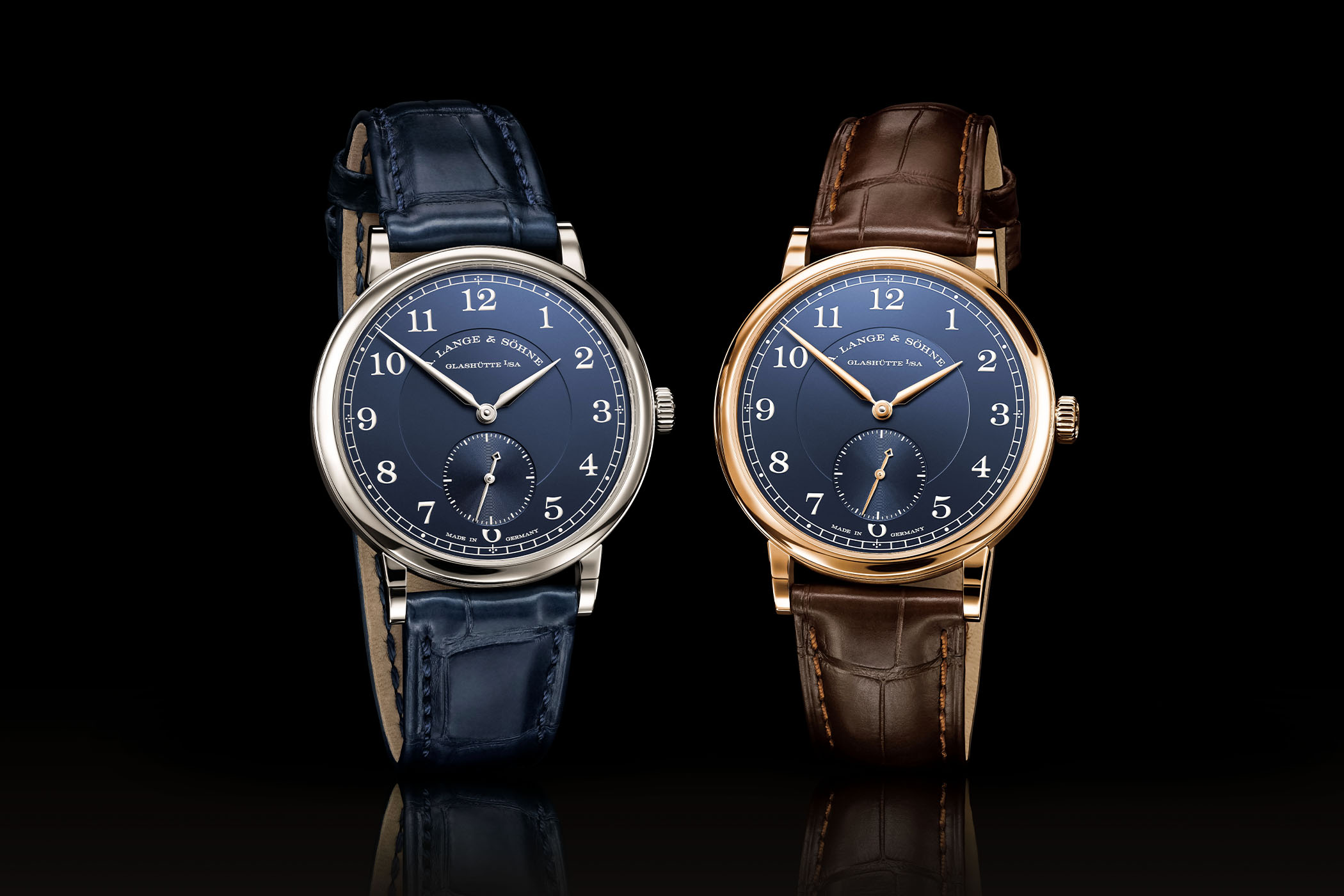
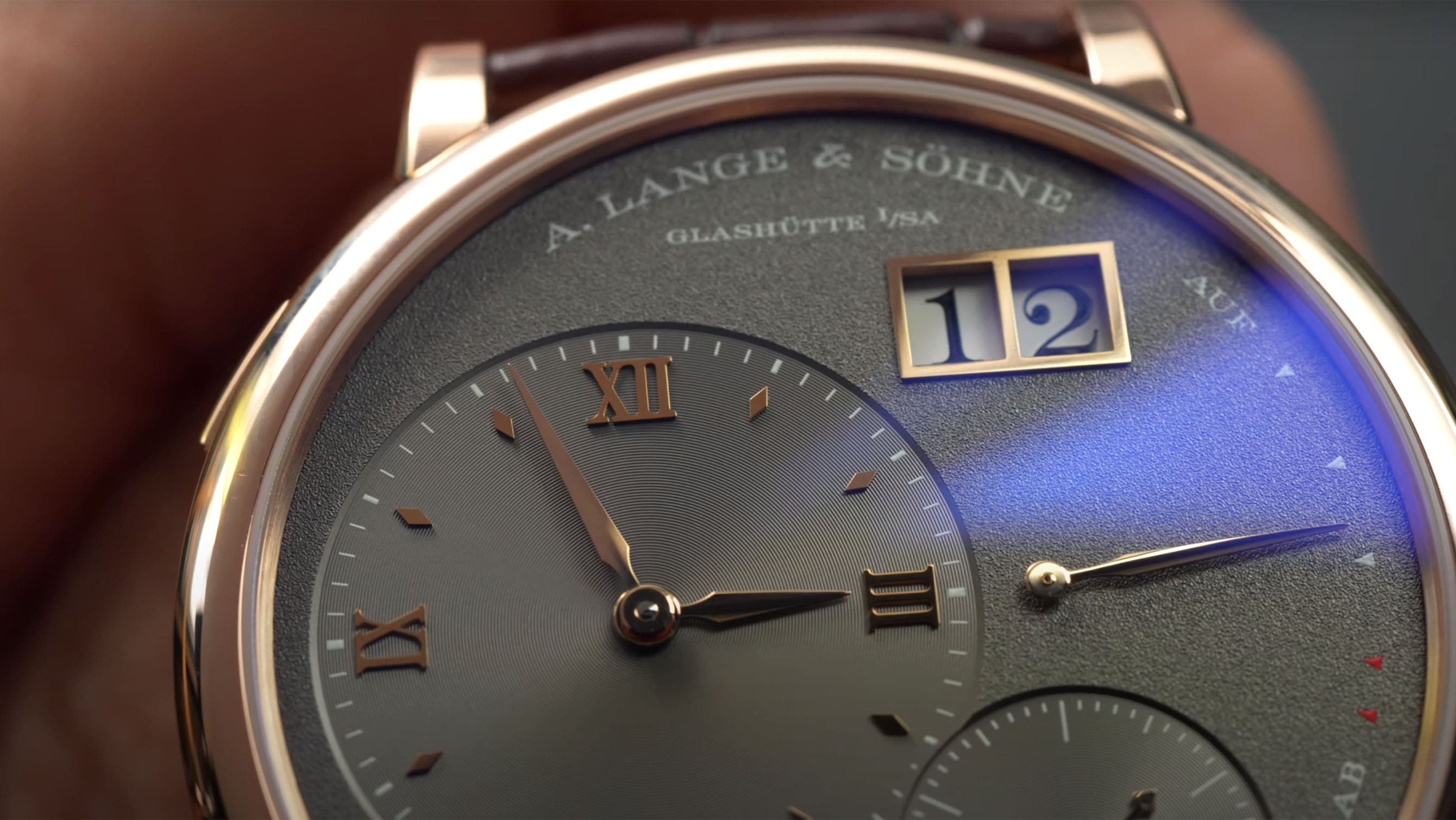
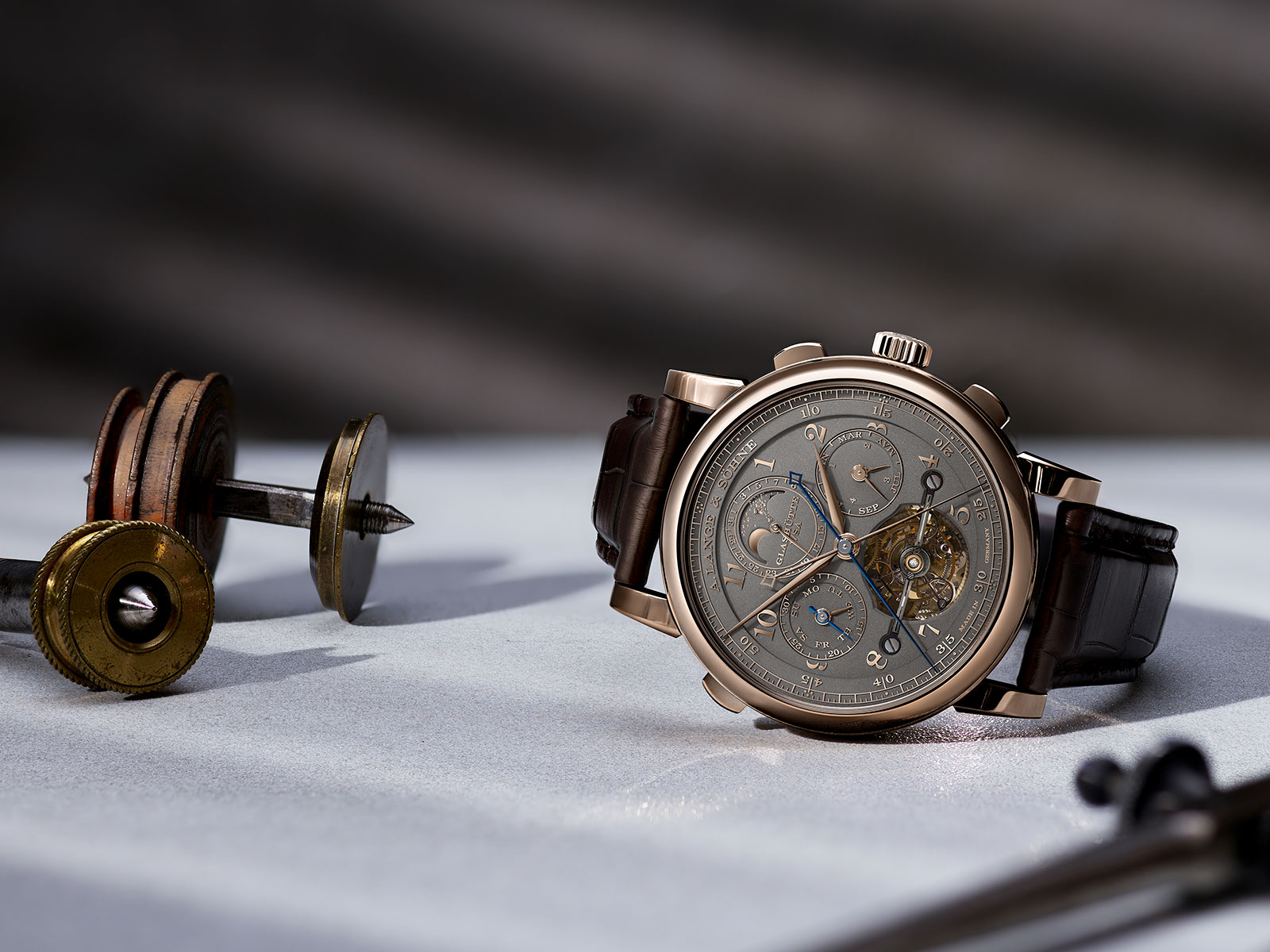
Lange's technical contribution was a complete redesign of the pocket-watch movement architecture. He introduced the three-quarter plate (single large bridge spanning most of the movement, instead of the Swiss-style multiple separate bridges), gold chatons (gold cups holding the rubies that act as bearings, allowing easier replacement during service), and a new lever escapement layout. These elements became the canonical "Glashütte" architecture and are visually recognisable on every modern A. Lange & Söhne, Glashütte Original, NOMOS, Mühle-Glashütte, and Moritz Grossmann movement, alongside the swan-neck regulator and hand-engraved balance cock.
Beyond watchmaking he served as Mayor of Glashütte from 1848 to 1866, oversaw the town's post-mining industrial transformation, founded a vocational school, and lobbied successfully for the railway connection that arrived in 1862. By his death on 3 December 1875, Glashütte employed roughly 800 watchmakers (in a town of ~3,500 residents), and his sons Richard and Emil had taken over the firm under the name A. Lange & Söhne.
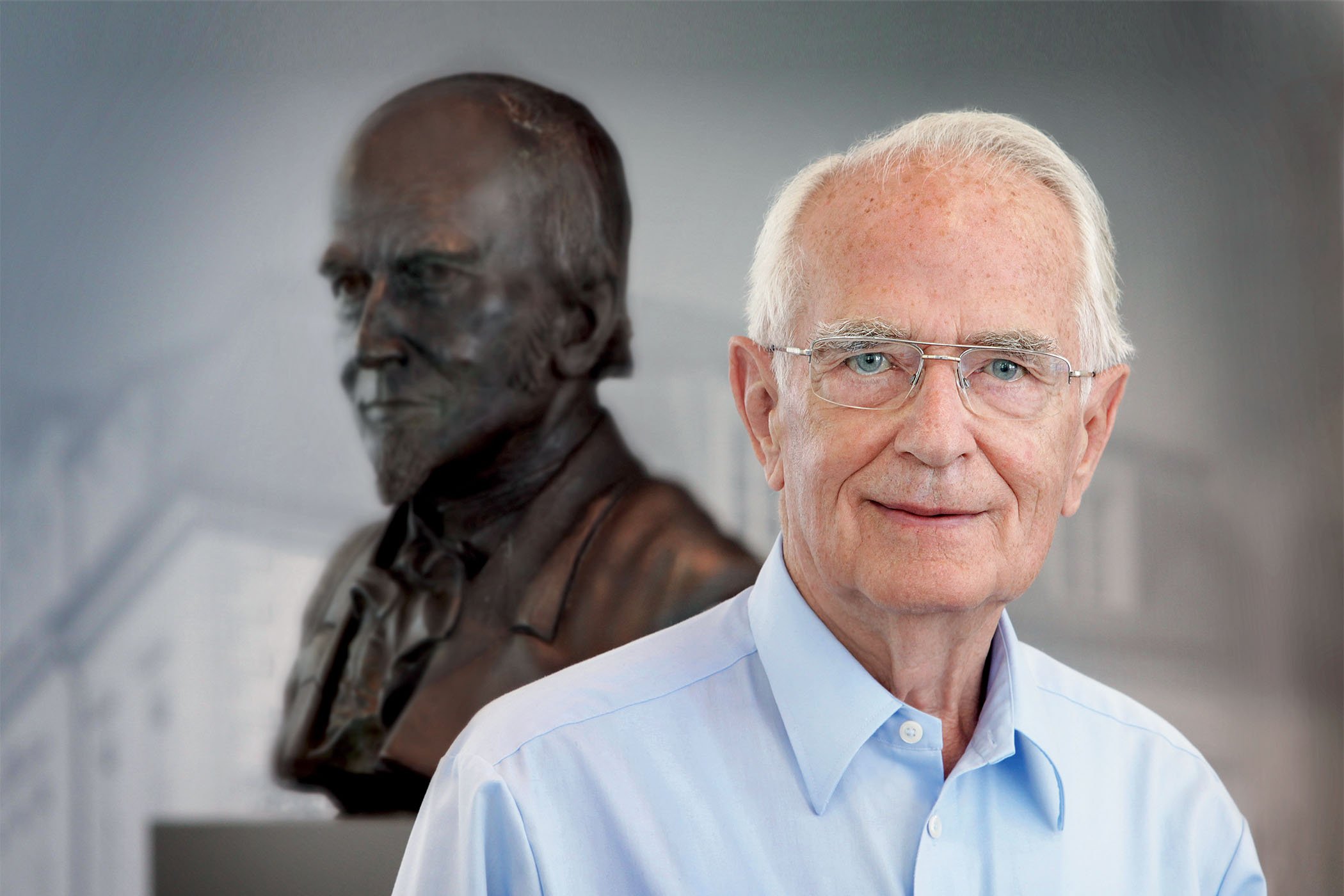
The firm thrived through 1945, then was nationalised by the East German GDR government and merged into the state-owned VEB Glashütter Uhrenbetriebe, the same entity that became Glashütte Original. The Lange name was effectively dormant from 1948 to 1990. Lange's great-grandson Walter Lange escaped to West Germany in 1948 and spent decades waiting; following the fall of the Berlin Wall he registered "A. Lange & Söhne" again on 7 December 1990, exactly 145 years after his great-grandfather's founding day.
A bronze statue of Ferdinand Adolph Lange stands today in the central square of Glashütte, unveiled 1995 on the firm's 150th anniversary. The local watchmaking school he founded is still active as the German Watchmaking School Glashütte, training roughly 12-15 watchmakers per cohort across a 3.5-year programme; many graduate directly into A. Lange & Söhne, Glashütte Original, NOMOS, or one of the smaller Glashütte ateliers.




Comments 2