
Lapis lazuli is a deep-blue metamorphic gemstone composed primarily of lazurite (the blue mineral), with secondary calcite (white veining) and pyrite (golden flecks). The stone has been mined for over 6,000 years, with the highest-quality material historically coming from the Sar-e-Sang mines in Badakhshan, Afghanistan; ancient Egyptian, Sumerian, and Persian artisans used Sar-e-Sang lapis for jewellery and ceremonial objects. Modern supply comes from the same Afghan mines plus secondary sources in Chile and Russia.
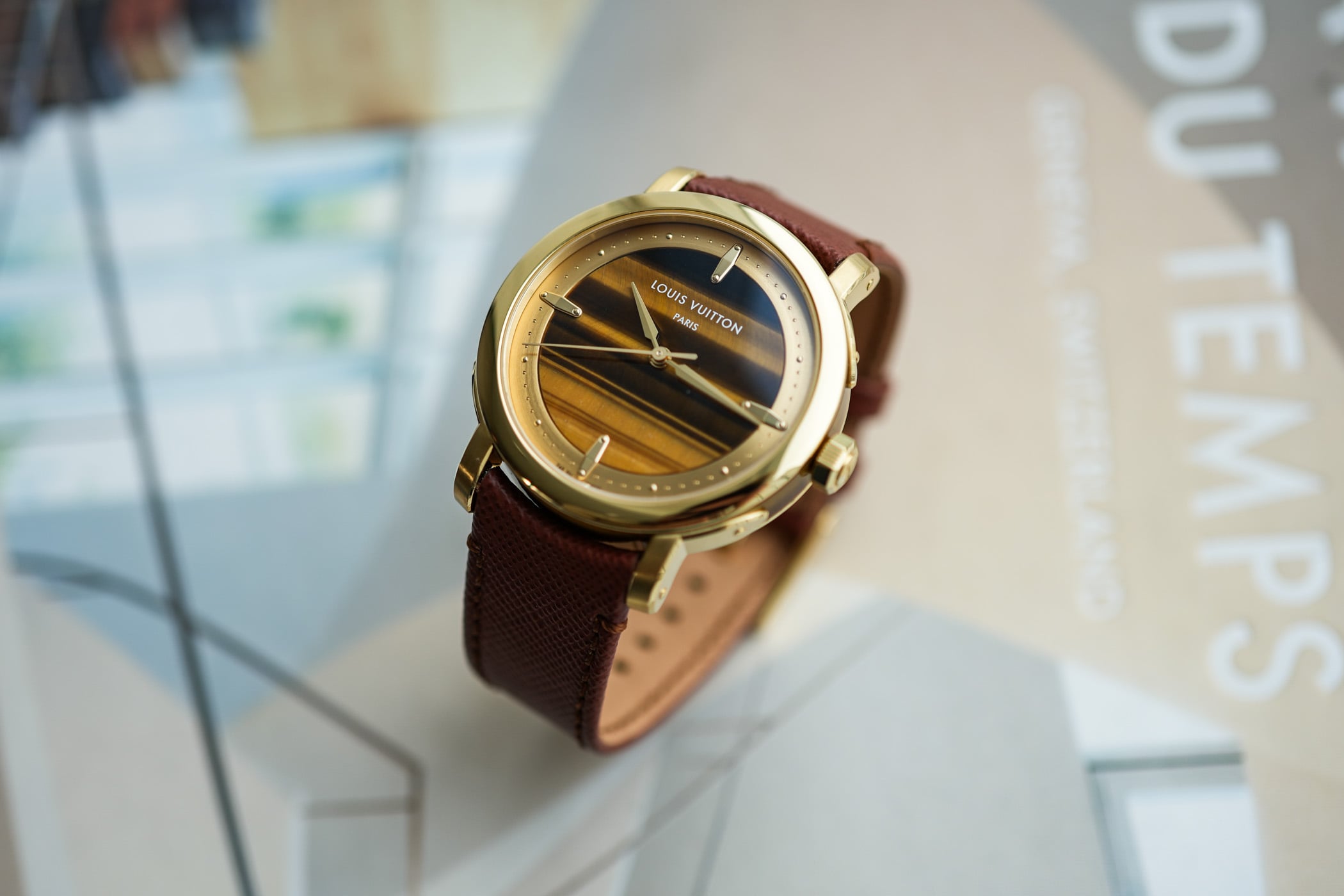
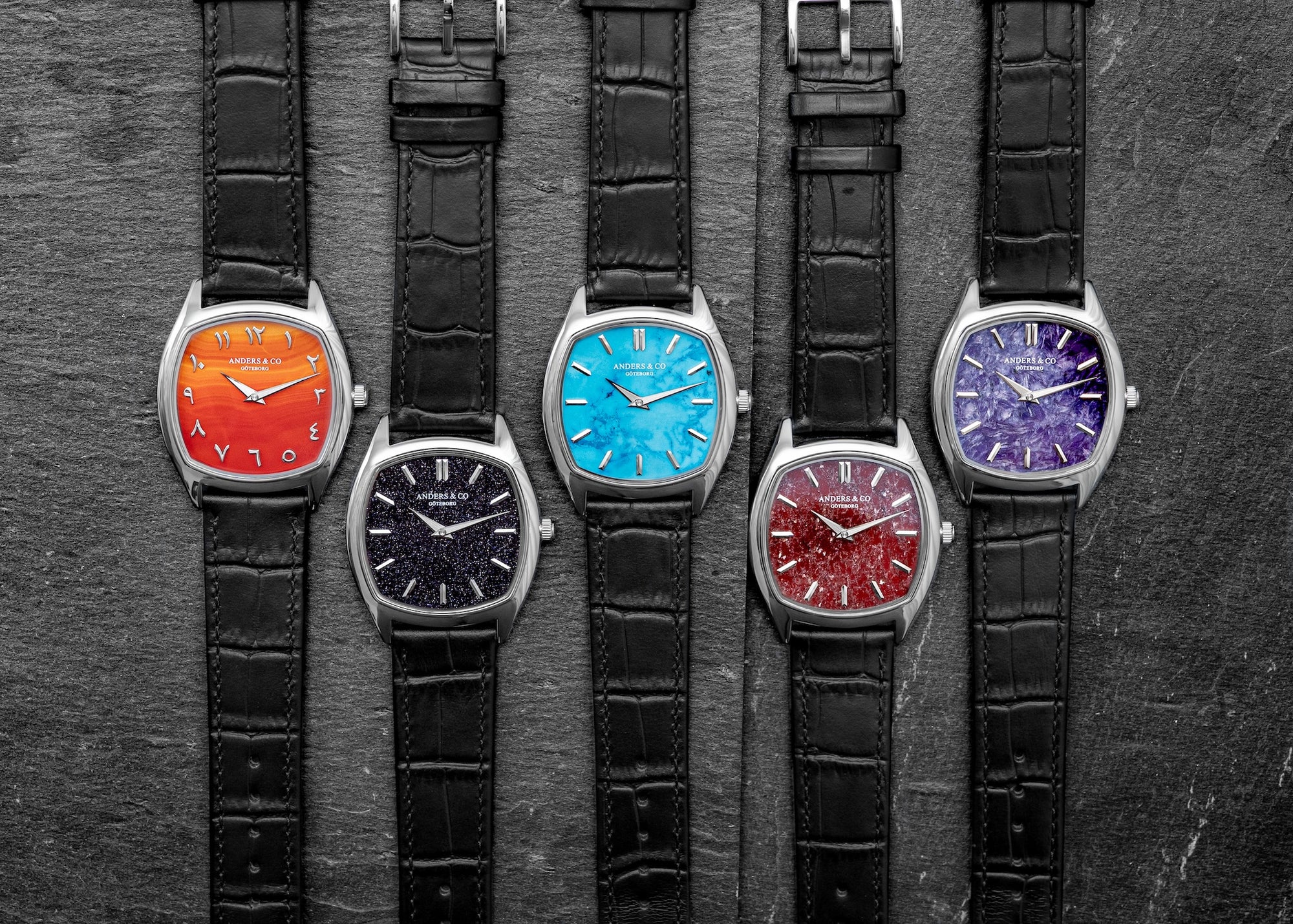
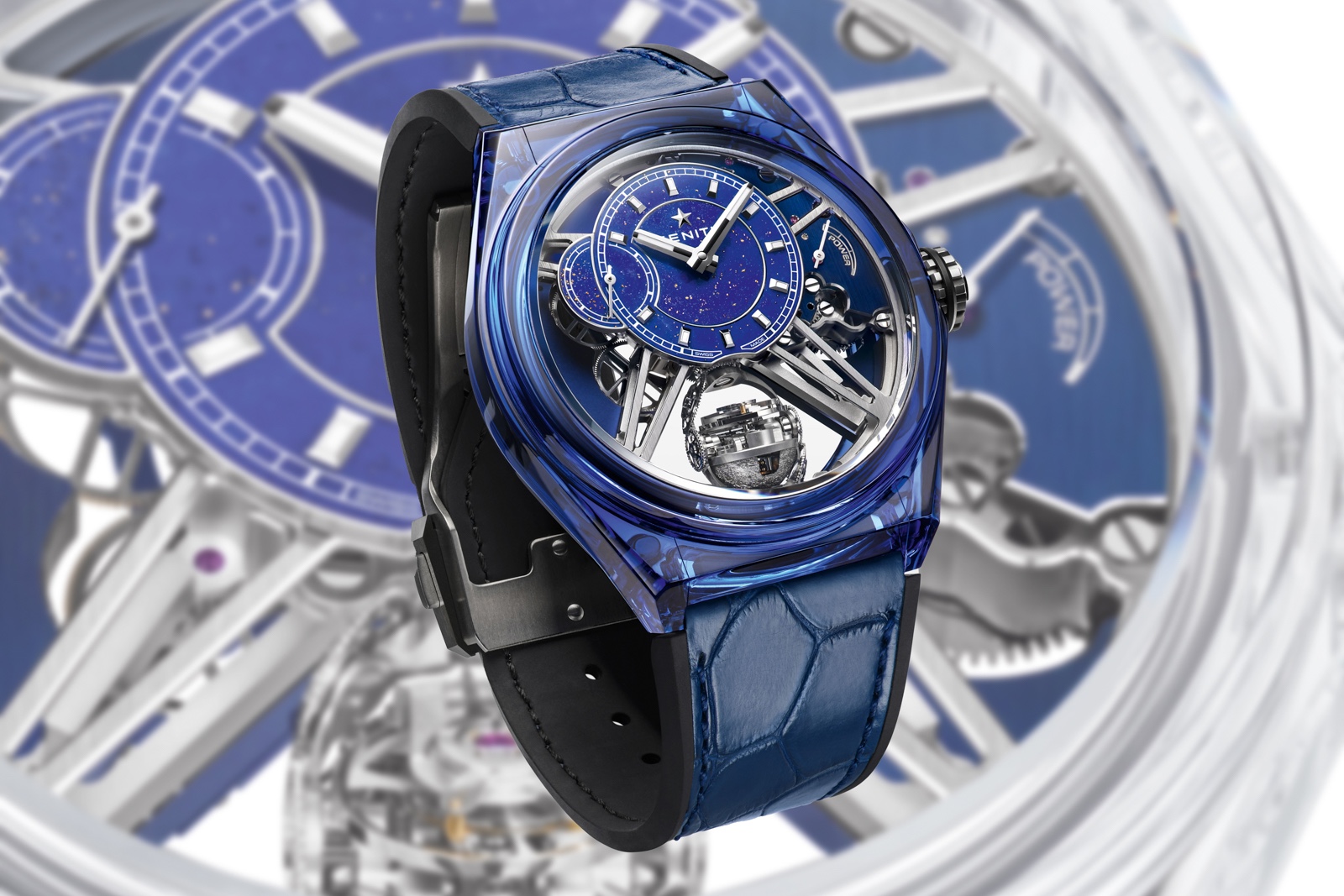
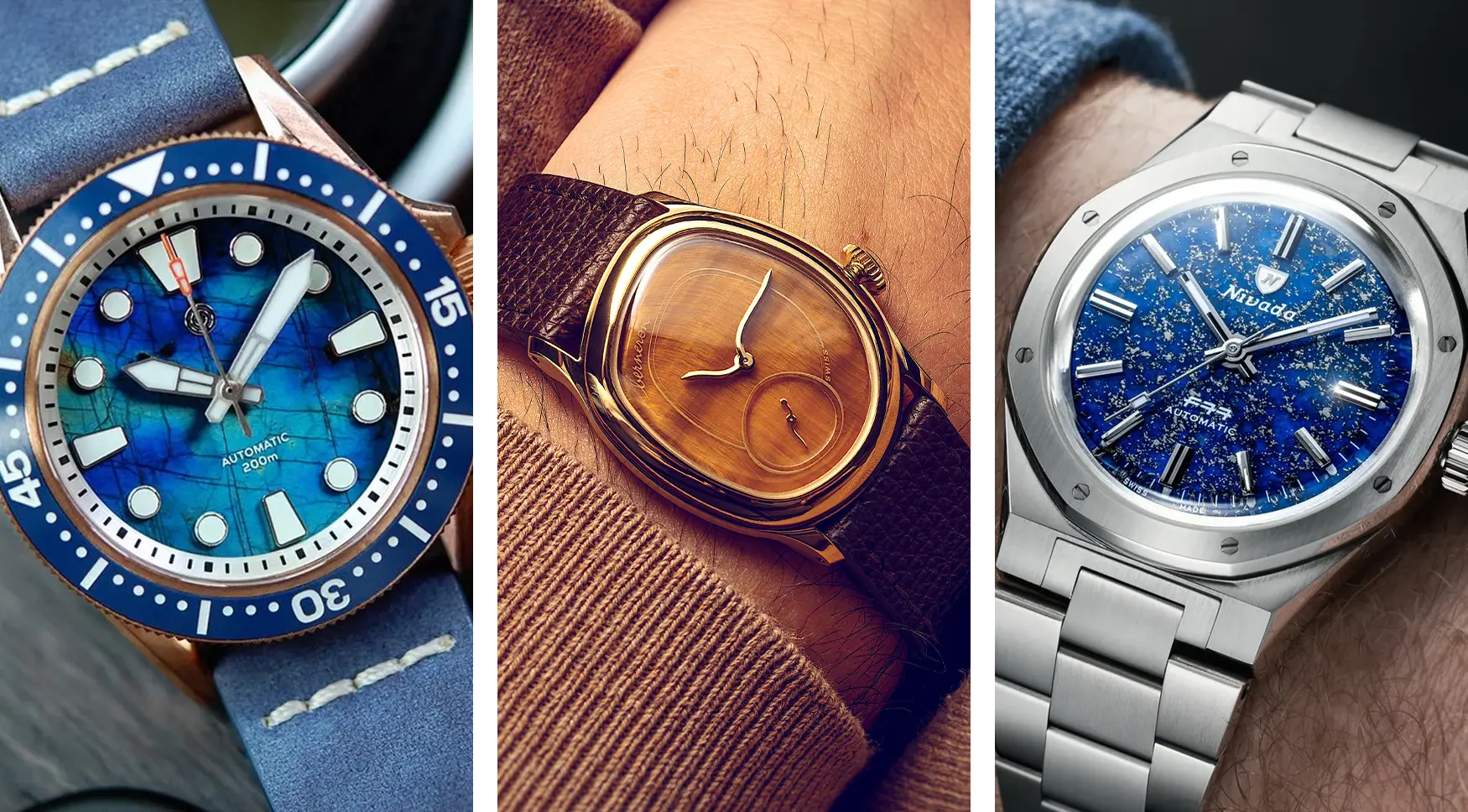
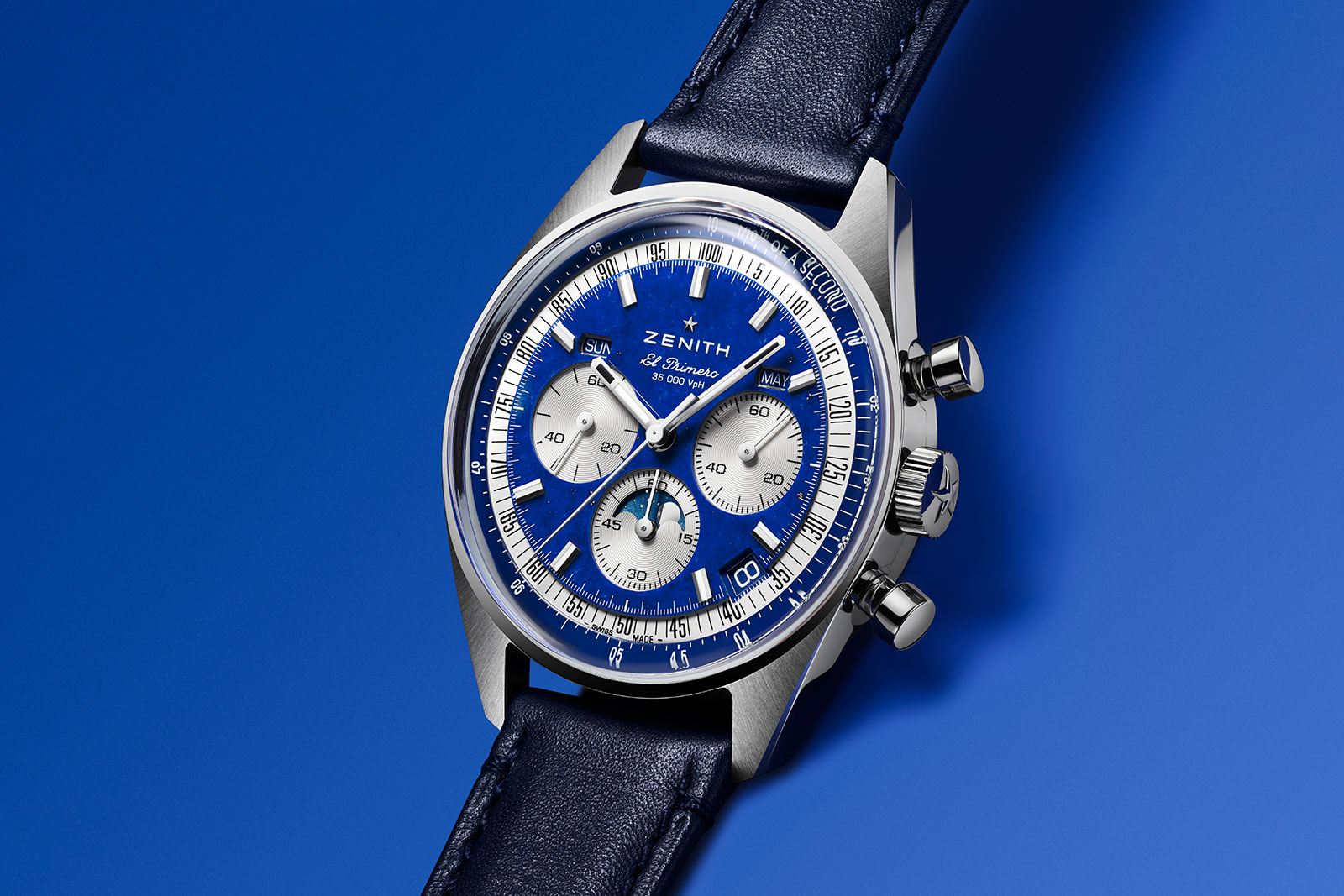
In watchmaking, lapis is used as a thin gemstone dial: the stone is sliced to approximately 0.5mm thickness, polished, and bonded to a brass dial plate as a cover surface. The stone's natural variation in veining means each lapis dial is visually unique: the pyrite-fleck distribution, the calcite-vein pattern, and the depth of blue all differ piece to piece. This is part of the appeal: a lapis dial cannot be exactly reproduced; the buyer receives a unique piece.
"Every lapis dial is a different watch. Same reference, same brand, two different objects."- Patek Philippe collector on lapis dial uniqueness
Manufacturing challenges: lapis is brittle (cracks easily under stress); cutting to 0.5mm without fracturing requires diamond-saw work in oil bath; matching dial dimensions to within 0.05mm for proper case-fit; indices and dial text must be applied either as separately bonded gold-foil markers or as etched/printed work directly on the stone (the latter is delicate). The full dial-production process for a single lapis dial takes 20-40 hours of skilled work; failure rate during cutting is significant (10-20% rejection).
Patek Philippe has been the most consistent user of lapis dials, with references across the Calatrava, Nautilus, and complications catalogues since the 1960s. The Patek 5066/1A Aquanaut Lapis Lazuli (2003), Patek 5712 Nautilus Lapis (limited reissues), and various Calatrava 96 Lapis vintage references are highly collected. AP Royal Oak Lapis (multiple references), Cartier Crash Lapis, and Breguet Tradition Lapis all extend the tradition.
Vintage lapis dial Patek references trade at significant auction premiums: a 1970s Patek Calatrava 3445 with original lapis dial sells for 2-3× the equivalent gilt-dial example. The premium reflects scarcity (lapis dials were never volume products, typically limited 10-50-piece editions), uniqueness per piece, and the colour's timeless appeal. For collectors the lapis dial signals haute-horlogerie commitment; the cost premium over conventional dials at the same model is significant but the visual identity is unmistakable.




Comments 1