The microbrand category is a 21st-century phenomenon enabled by three converging forces. (1) Movement supply: after ETA's 2002 announcement that it would throttle third-party sales, Sellita emerged as a near-clone alternative supplier; Miyota (Citizen) and Seiko NH35 opened Japanese movement supply at lower cost. By the mid-2010s any small brand could buy chronometer-grade automatic movements in modest quantities at predictable prices. (2) Manufacturing: Chinese case, dial, and bracelet manufacturers (mostly in Shenzhen and Guangdong) reached Swiss-spec quality at 30-40% the cost; tooling-development costs dropped accordingly. (3) Channel: Kickstarter, IndieGoGo, Shopify, and direct-to-consumer e-commerce eliminated the traditional 50-60% retail markup; brand-to-customer cost-of-sale became 5-15%.
The structural advantage of microbrands over traditional Swiss volume brands is cost efficiency at small scale. A traditional Swiss brand selling through authorised dealers needs ~3-4× cost-to-retail markup (cost CHF 300 → AD wholesale CHF 600 → retail CHF 1,200) to support the dealer network. A direct-to-consumer microbrand needs ~2× markup at most (cost CHF 300 → retail CHF 600); the saved margin can go to better materials, more complex finishing, or simply lower price. The net effect: microbrand watches at USD 500-1,500 retail can match the build quality of CHF 2,000-3,000 traditional Swiss watches.
"Sellita supplied the engine. China supplied the case. Kickstarter supplied the customer. We supplied the design. The microbrand is a four-supplier business and it works."- Microbrand founder, on the structural advantage
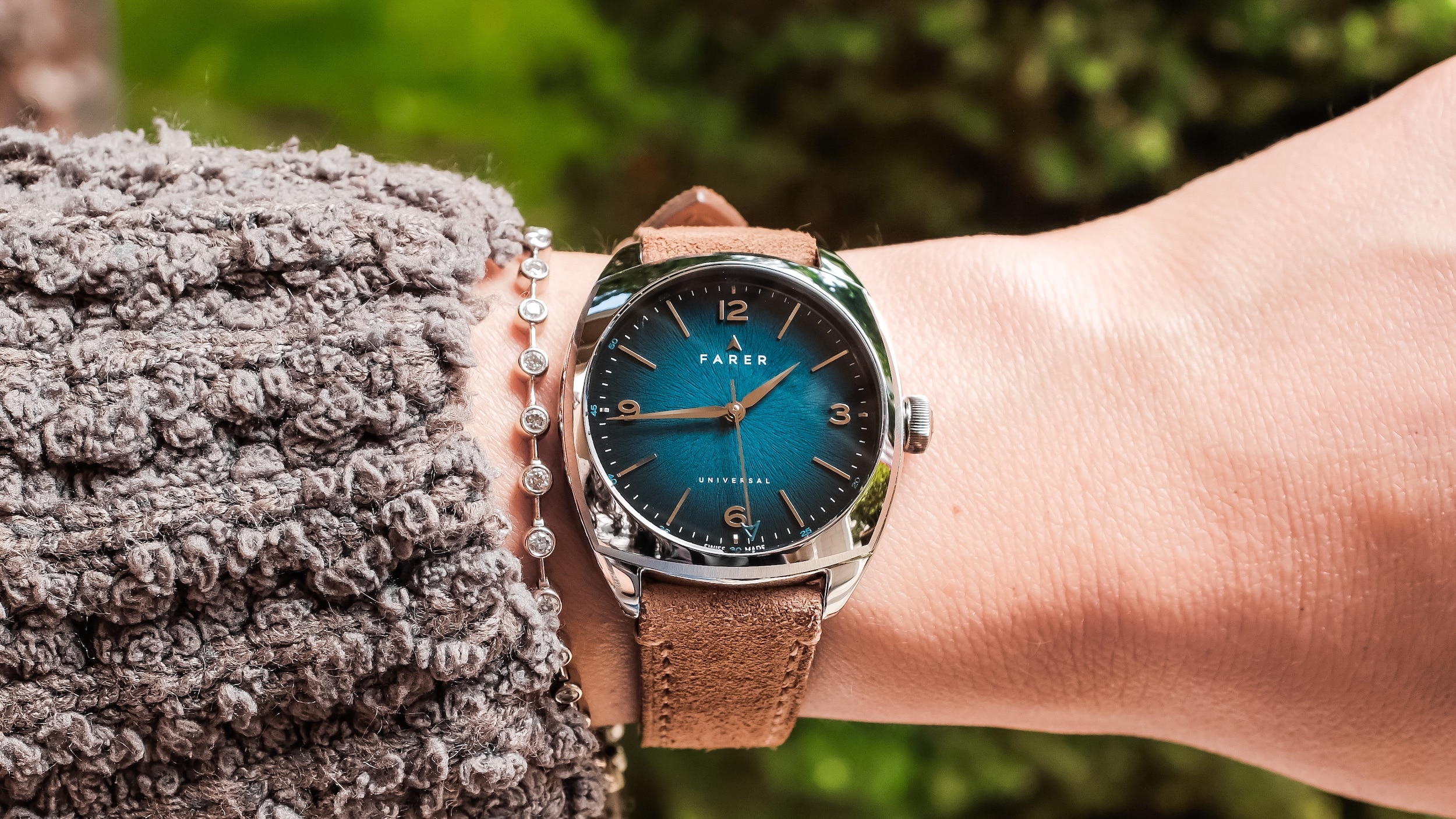
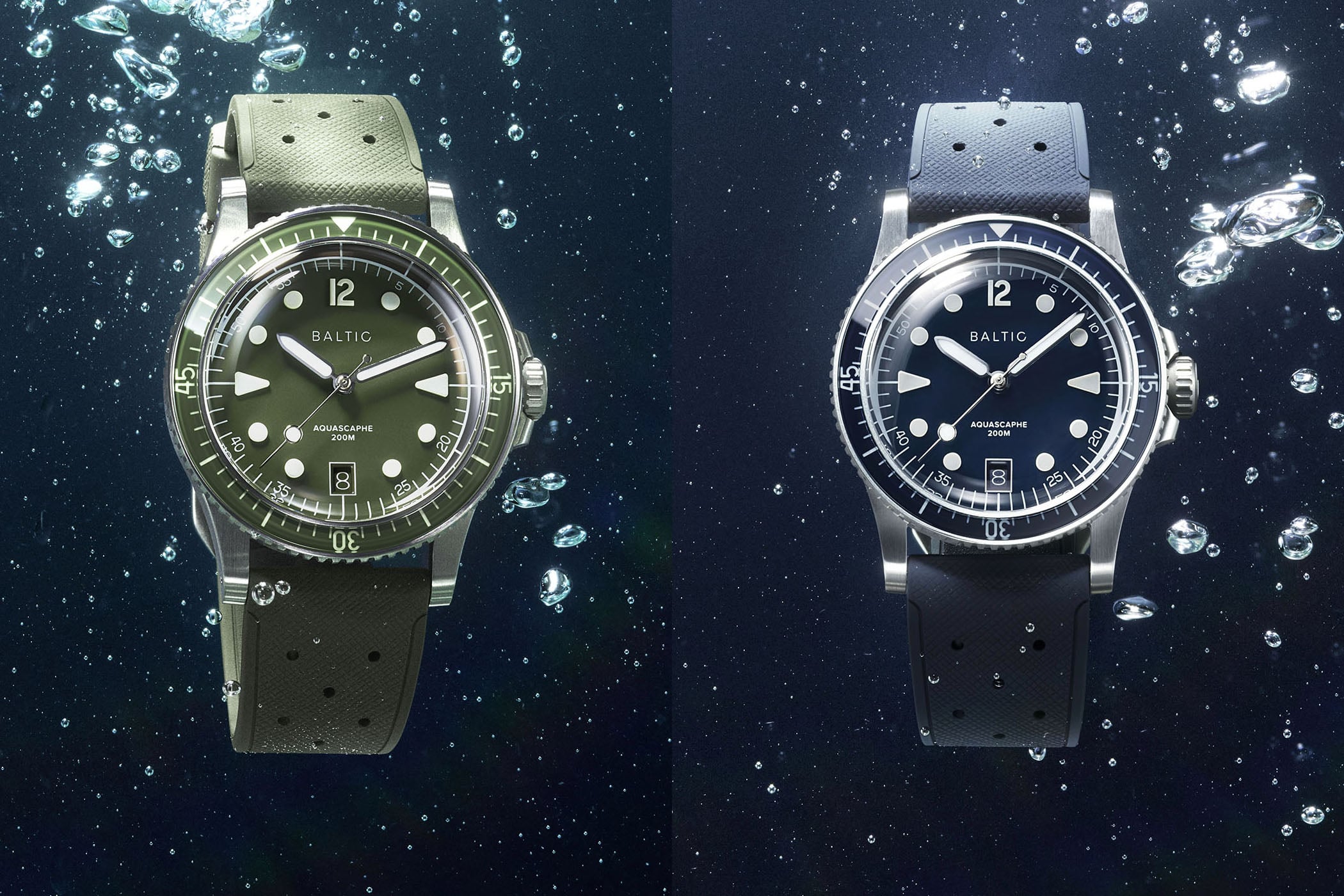
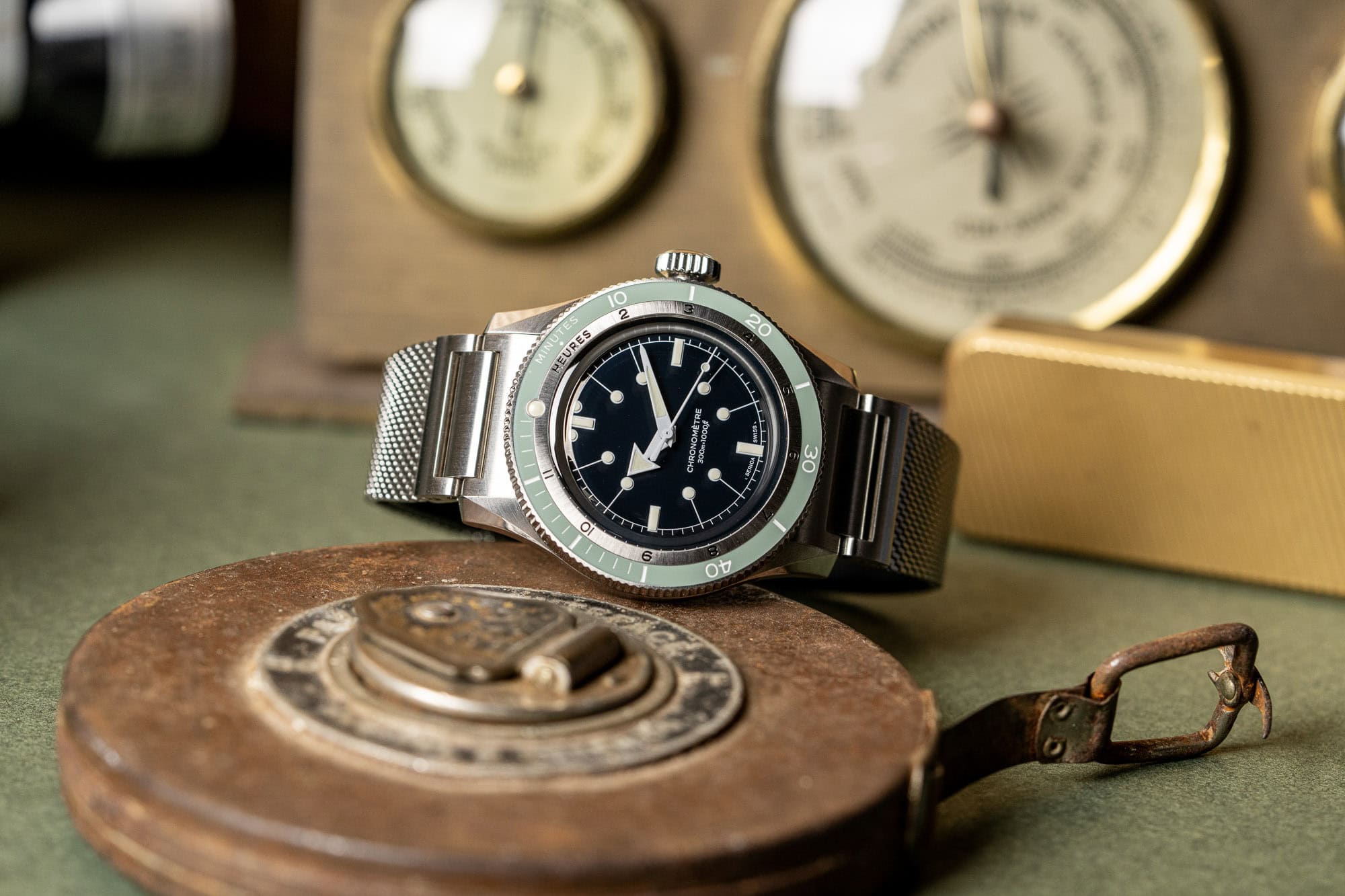
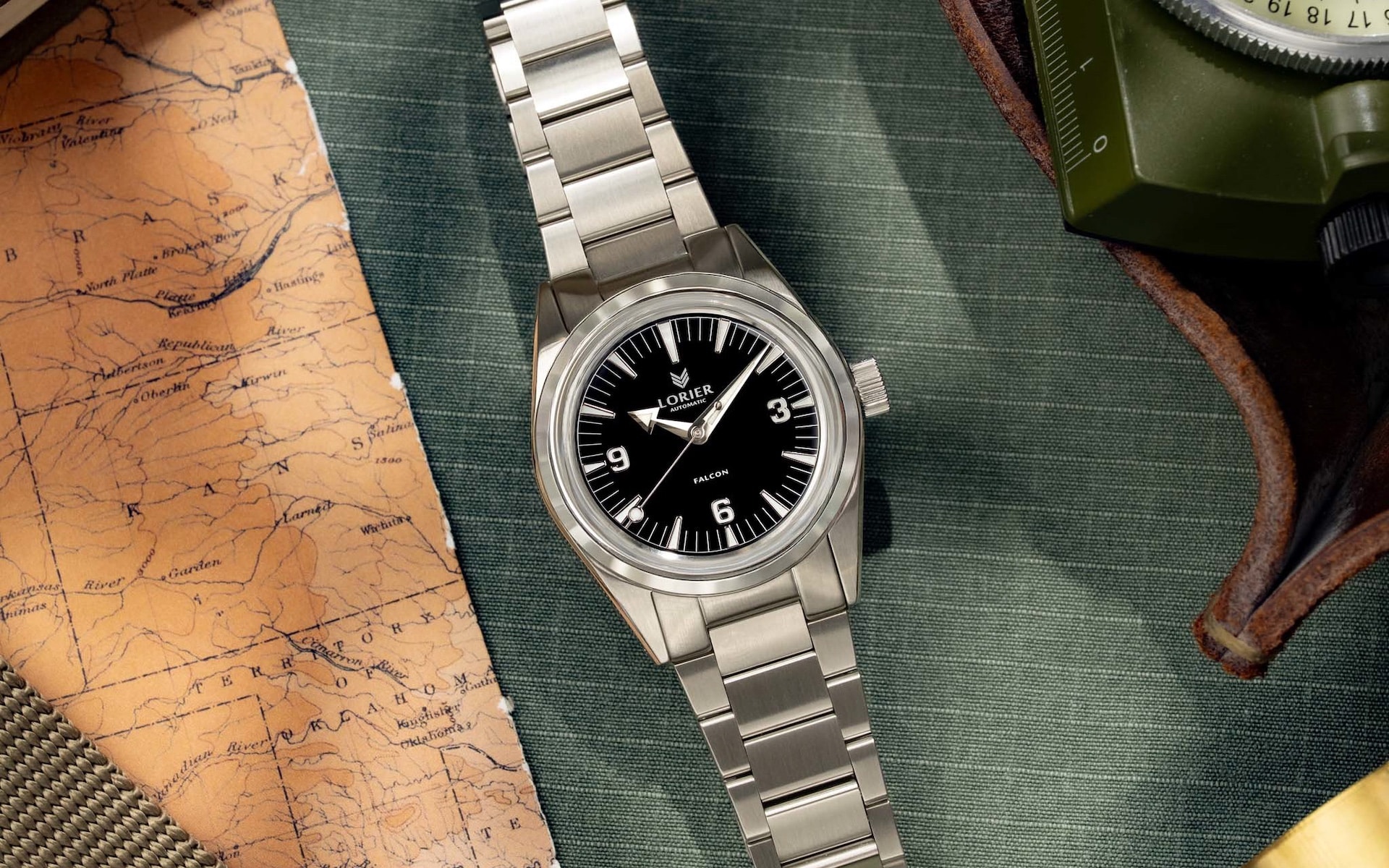
The defining microbrand brands of the modern era include: Baltic (France, vintage-aesthetic divers and chronographs at USD 500-1,200); Serica (France, military-aesthetic field watches and divers at USD 1,000-2,500); Farer (UK, distinctively colourful vintage-modern designs at USD 800-2,000); Massena LAB (William Massena, USD 1,500-5,000 with quality Swiss components); Nodus (USA, technical microbrand divers at USD 500-1,200); Lorier (USA, vintage-style divers and pilots); Halios (Canada); Ming (Malaysia, technical-aesthetic at USD 2,000-15,000); Studio Underd0g (UK, fruit-themed chronographs at USD 1,000-2,500). Each represents a distinct strategic position within the broader microbrand category.
Quality variability is the defining microbrand challenge. The category includes both excellent execution (Baltic, Ming, Massena, Halios) and questionable execution (the Kickstarter graveyard of underspec'd watches that failed to deliver on promises). Common red flags: generic case designs (purchased off-the-shelf from Chinese case makers without modification); vague movement claims ("Swiss" without specifying Sellita SW200 or actually being Chinese clone); unrealistic delivery timelines (Kickstarter watches frequently ship 12-24 months late); and poor after-sales support. Established microbrands have built reputations through 5+ years of consistent delivery; new entrants warrant due diligence.
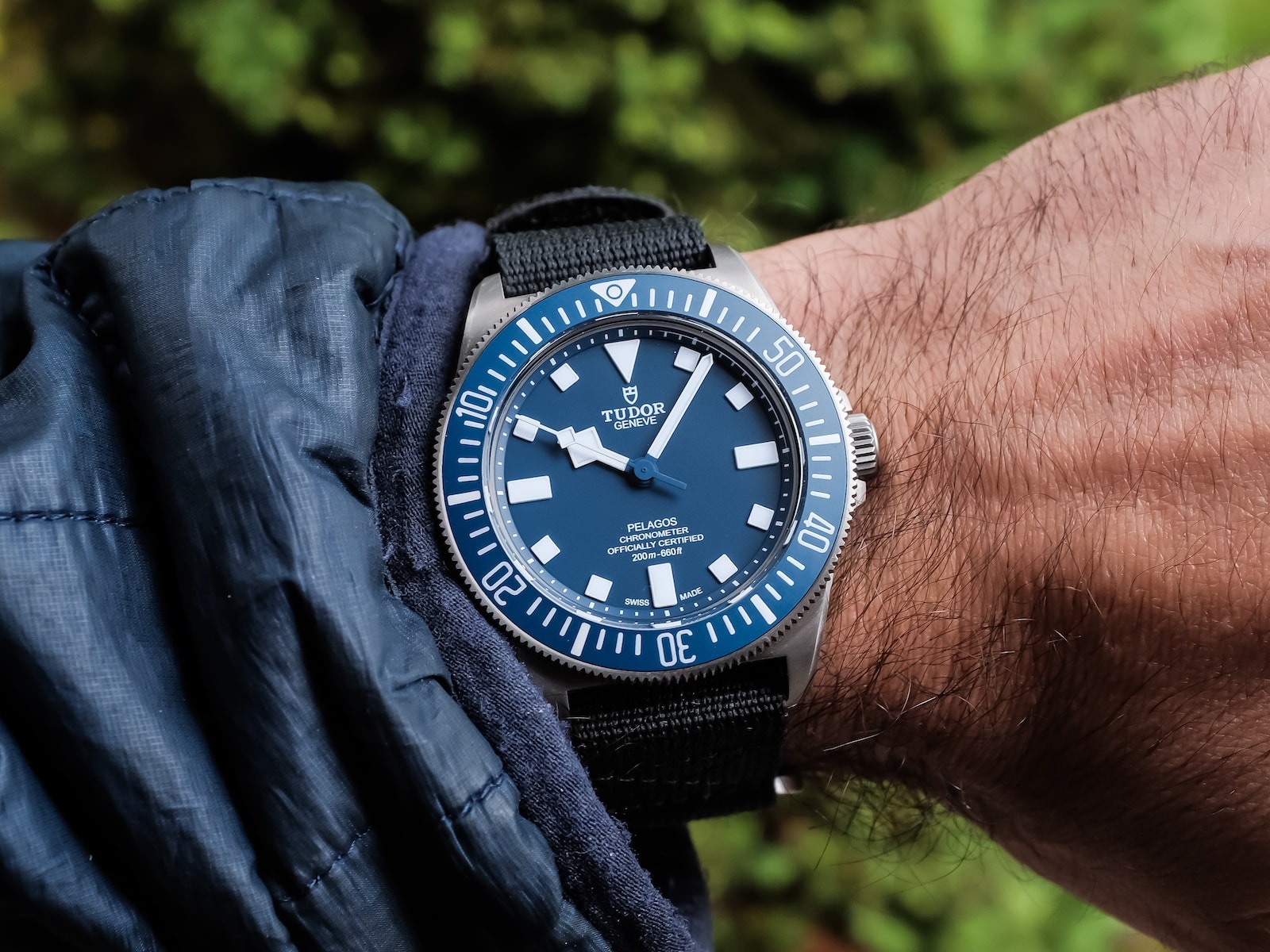
The relationship with traditional Swiss brands is complicated. Some microbrands (Baltic, Serica) are explicit competitors at the entry-mid tier (CHF 500-1,500); some (Massena LAB, Ming) compete with mid-tier Swiss at CHF 2,000-15,000. Tudor, Hamilton, Tissot, and Mido (Swatch Group volume brands) feel the most direct pressure from the lower-priced microbrand segment; Rolex, Omega, Patek (premium and haute-horlogerie tiers) feel essentially no pressure. Some Swiss brands have responded by direct-to-consumer programmes of their own (Hamilton Khaki direct, Tissot e-commerce); others have ignored the segment.
For buyers, the practical guide: microbrands offer real value at the entry tier (USD 500-1,500); the build quality has caught up with traditional Swiss volume brands. The trade-off is brand recognition (a Tag Heuer carries more cultural weight than a Baltic), resale value (microbrand watches typically lose 30-50% on the secondary market vs ~20-30% for established Swiss brands), and service network (microbrand service is often factory-direct only, with shipping cost and turnaround risk). The microbrand category rewards the buyer who values watch quality over signal.




Comments 1