Watch brandsWatch wikiWatch videosVariousWatch calendarSaved articles
PopularRolexOmegaPatek PhilippeAudemars PiguetTudorGrand SeikoCartierSeikoIWCTAG HeuerBreitlingJaeger-LeCoultreA. Lange & SohneZenith
WristBuzzWatch WikiSapphire Crystal
💎 Material · Mohs 9

Sapphire Crystal

Synthetic corundum, harder than anything except diamond

Synthetic sapphire (aluminium oxide), grown in boules from 2,000°C alumina melt and sliced into transparent wafers. Mohs hardness 9, scratched only by diamond and a few exotic materials. The default crystal on any serious watch since the 1980s.

MaterialSynthetic sapphire (Al₂O₃)
HardnessMohs 9
First watch1947 Jaeger-LeCoultre
Mass-marketRolex from mid-1970s
Vs acrylicScratch-proof but brittle
WristBuzz Articles299
Sapphire Crystal

Photo: WatchRider · Jul 29, 2026

9Mohs Hardness
2050°CMelt Point
1947First on Watch
1970sRolex Adopts
299WristBuzz Articles

The Sapphire Crystal Story

Synthetic sapphire crystal is transparent single-crystal aluminium oxide (Al₂O₃), grown commercially since 1902 via the Verneuil process invented by Auguste Verneuil. A powdered alumina feedstock is melted at 2,050°C in an oxygen-hydrogen flame and deposited on a rotating seed crystal to form a cylindrical boule of pure corundum. The boule is then sliced, ground, and polished into a watch crystal. Sapphire's Mohs hardness of 9 means it can only be scratched by diamond (Mohs 10) and a few exotic lab materials like moissanite.

Watch crystals before sapphire were mineral glass (ordinary soda-lime glass, Mohs ~5-6) or acrylic/plexiglas (Mohs ~2). Mineral glass scratched and chipped easily; acrylic scratched even more easily but could be polished out and was cheap and shatter-resistant. Jaeger-LeCoultre fitted the first sapphire crystal to a wristwatch in 1947 (Futurematic reference). Sapphire remained a premium option through the 1950s and 1960s, used by Patek Philippe, Vacheron Constantin, and high-end Omega. Rolex adopted sapphire crystals across the entire line in the late 1970s, making sapphire the expected default for any serious watch.

Sapphire has two significant trade-offs versus acrylic. It is brittle: a hard point impact at the edge can shatter it where acrylic would deform. And it is highly reflective, roughly 8 percent at each surface, reducing readability under strong light. Modern watches use anti-reflective coatings (multi-layer magnesium fluoride / silicon dioxide films) on one or both surfaces to reduce reflection to below 1 percent. Single-sided AR (usually on the inside) is the most common compromise: the outside stays durable; the inside is protected from scratching.

Sapphire is now used for more than crystals. Full sapphire cases are a flagship material in modern haute horlogerie: Hublot Big Bang Unico Sapphire, Audemars Piguet Royal Oak Concept, Richard Mille RM 056, Greubel Forsey Sapphire. A full sapphire case takes 500 to 1,500 hours of CNC machining per case; scrap rates during cutting are high because a single micro-fracture ruins a blank. Prices run into the high six figures.
Sapphire in Watchmaking

1947 · Jaeger-LeCoultre
Futurematic Sapphire
First on a wristwatch

JLC's Futurematic (1947) is credited as the first mass-produced wristwatch with a sapphire crystal.

Historical First
1970s · Rolex
Rolex Sapphire Era
Acrylic → sapphire transition

Rolex switched from acrylic (Plexiglas) crystals to sapphire across the line in the late 1970s, setting the industry expectation for serious watches.

Industry Default
2008 · Hublot
Big Bang Sapphire Case
Complete case in sapphire

Hublot was an early pioneer of the full-sapphire case architecture. Entire case (not just crystal) machined from sapphire blanks. 500-1,500 hours of machining per case.

Full Sapphire
2012 · Richard Mille
RM 056 Sapphire Tourbillon
Full sapphire case

Tourbillon chronograph with a full sapphire case. Five units made, at ~USD 2 million each. Showcase for sapphire's structural properties at the extreme end.

Halo Piece
Modern · All brands
Anti-Reflective Coated Sapphire
MgF₂ / SiO₂ AR

Multi-layer AR coating on one or both sides of a sapphire crystal. Single-sided (inside) is most common. Cuts 8% reflection to below 1%.

AR Coating
2015 · Audemars Piguet
Royal Oak Concept Sapphire
Ref. 26587

Full sapphire Royal Oak Concept case with a visible tourbillon. Octagonal bezel carved from a single sapphire blank, a significant engineering statement.

Octagonal Sapphire

Latest Sapphire Crystal News

Sapphire Crystal
WatchRider
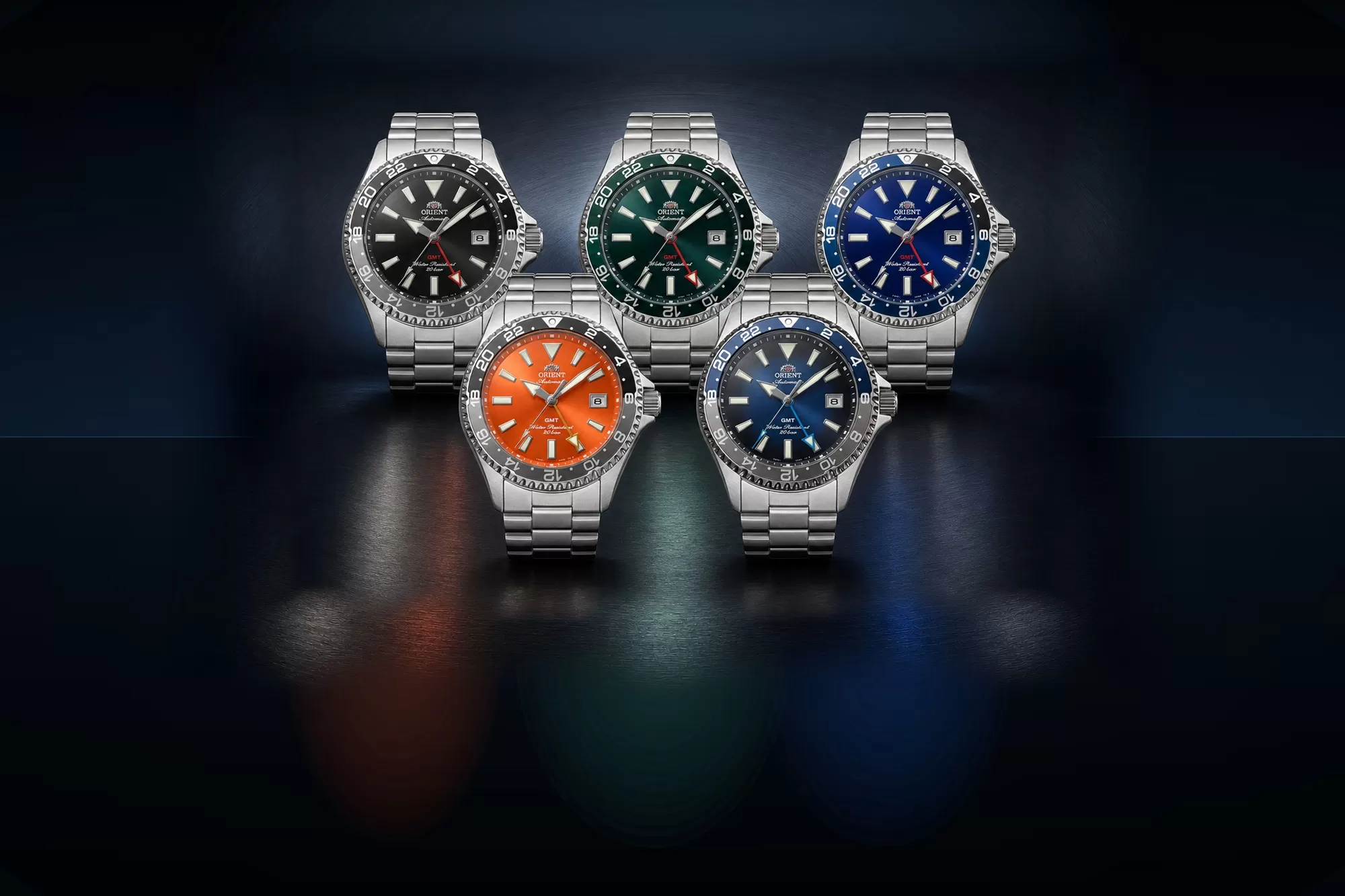
Orient Mako Gets a GMT for the First Time in Five Cool Colors
2 days ago
Sapphire Crystal
Hodinkee
Inside The Manufacture: Why Fam al Hut Is Pursuing Manufacture Status
3 days ago
Sapphire Crystal
WatchRider
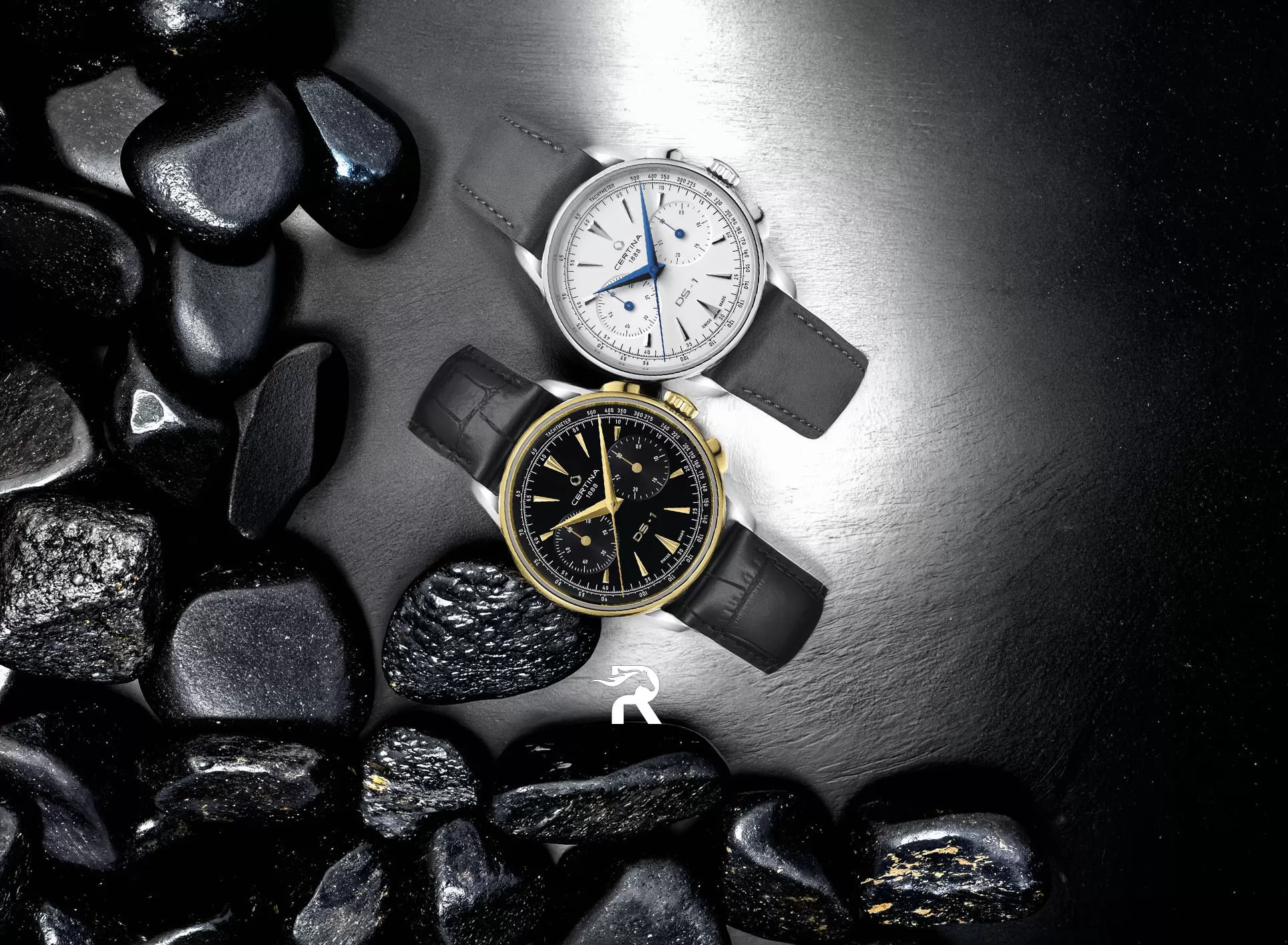
A Look at the New Certina DS-1 Chronograph Automatics: Models C029.462.16.011.00 and C029.462.26.051.00
4 days ago
Sapphire Crystal
Hodinkee
Introducing: Seiko x Tradman's Bonsai Presage Classic Series
4 days ago
Sapphire Crystal
WatchRider
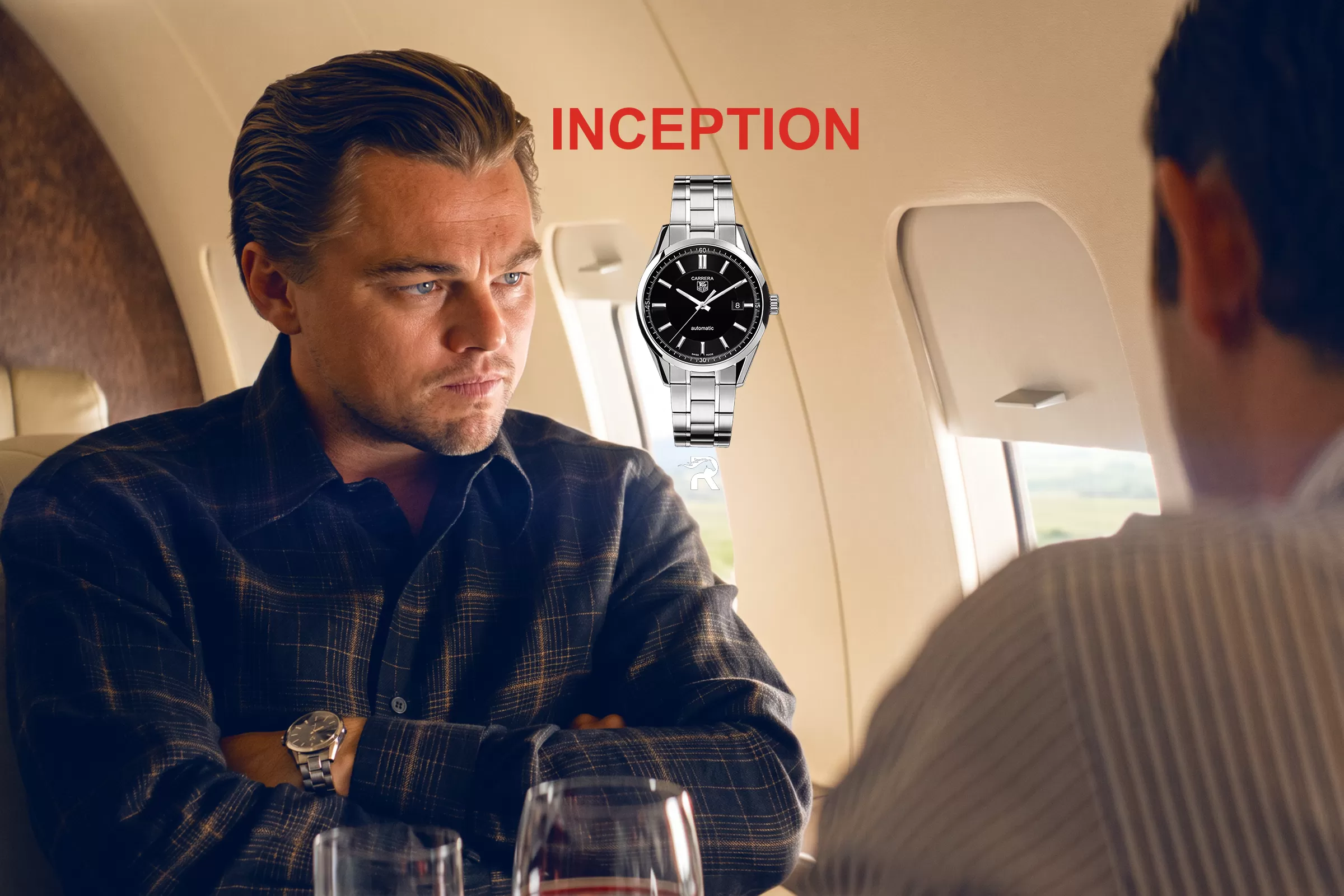
Tag Heuer Carrera Calibre 5 Review (WV211B): Am I Stuck in a 7-Year Dream with the Inception Watch?
5 days ago
Sapphire Crystal
SJX Watches
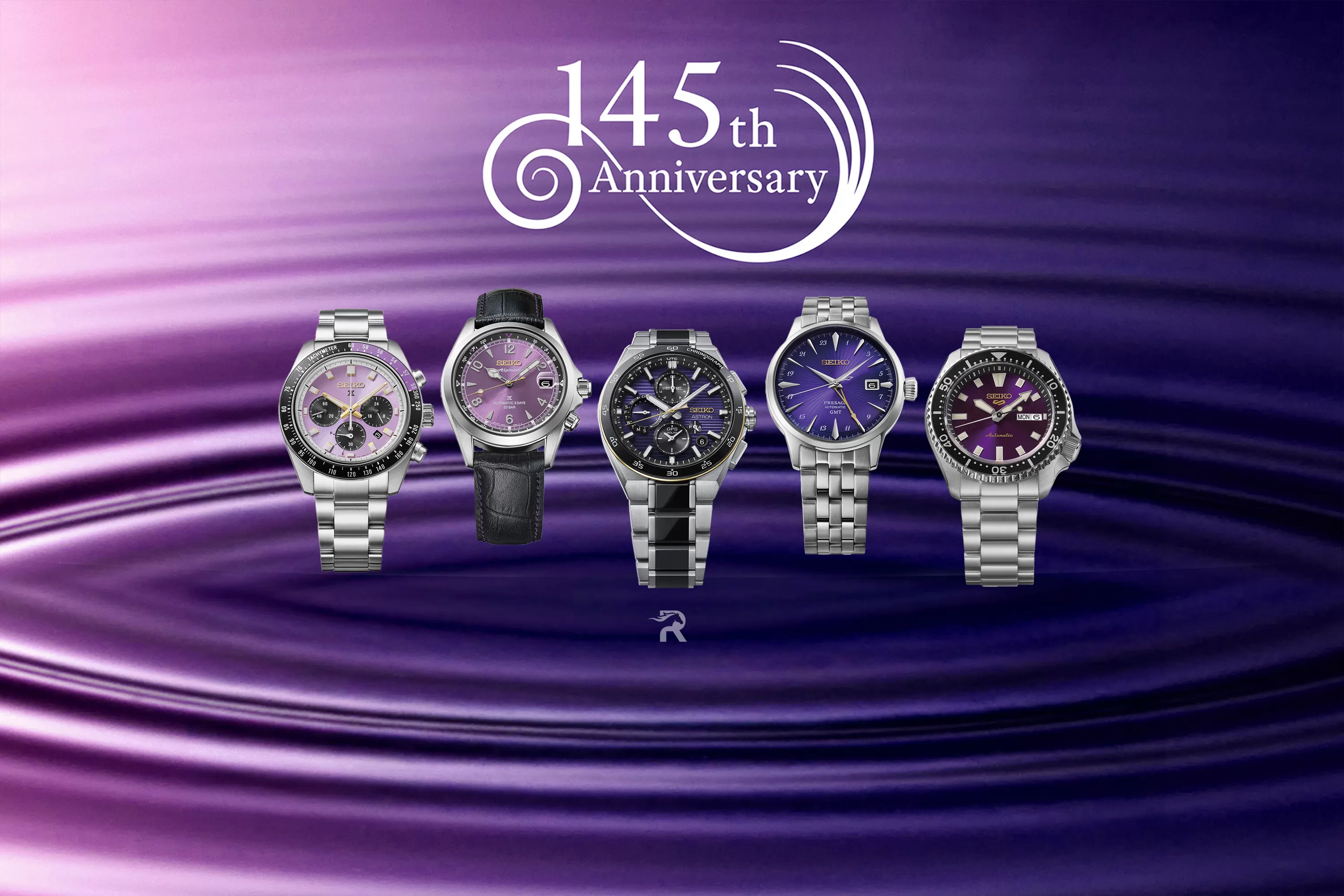
Alpinist to Astron: Seiko Celebrates 145 Years
Aug 14, 2026
Sapphire Crystal
WatchRider
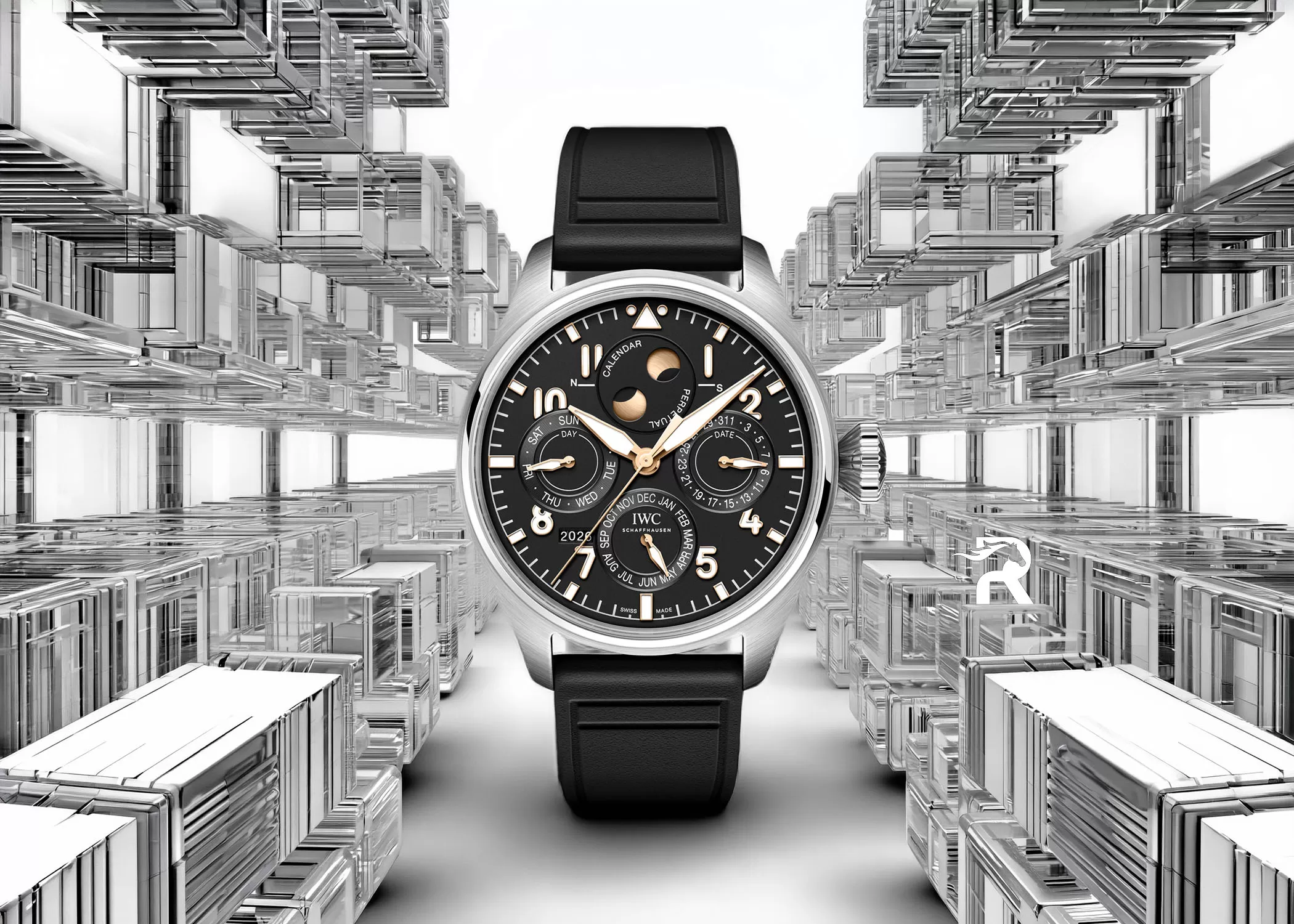
IWC Dresses the Big Pilot ProSet IW329603 in Black and Gold for 140 Years of Mercedes-Benz
Aug 14, 2026
Sapphire Crystal
Fratello
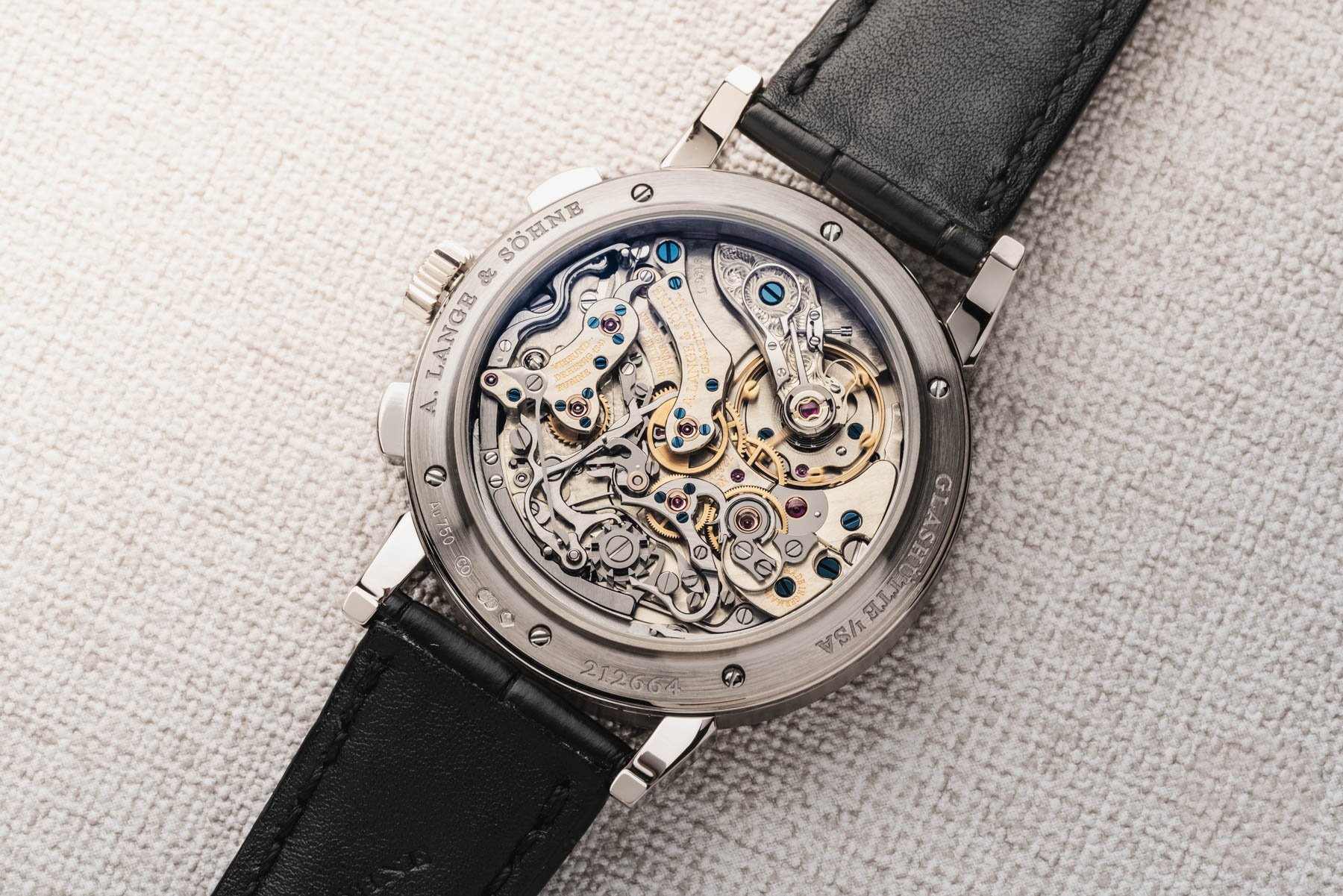
Fratello Talks: Can A Case Back Make Or Break A Watch
Aug 13, 2026
Sapphire Crystal
SJX Watches
Hands On: Breguet Classique Tourbillon Sidéral
Aug 7, 2026
Sapphire Crystal
WatchRider
Seiko’s Edo Purple Collection Adds a Speedtimer to the Astron, Alpinist, Presage and Seiko 5 Sports
Aug 6, 2026
Sapphire Crystal
WatchRider
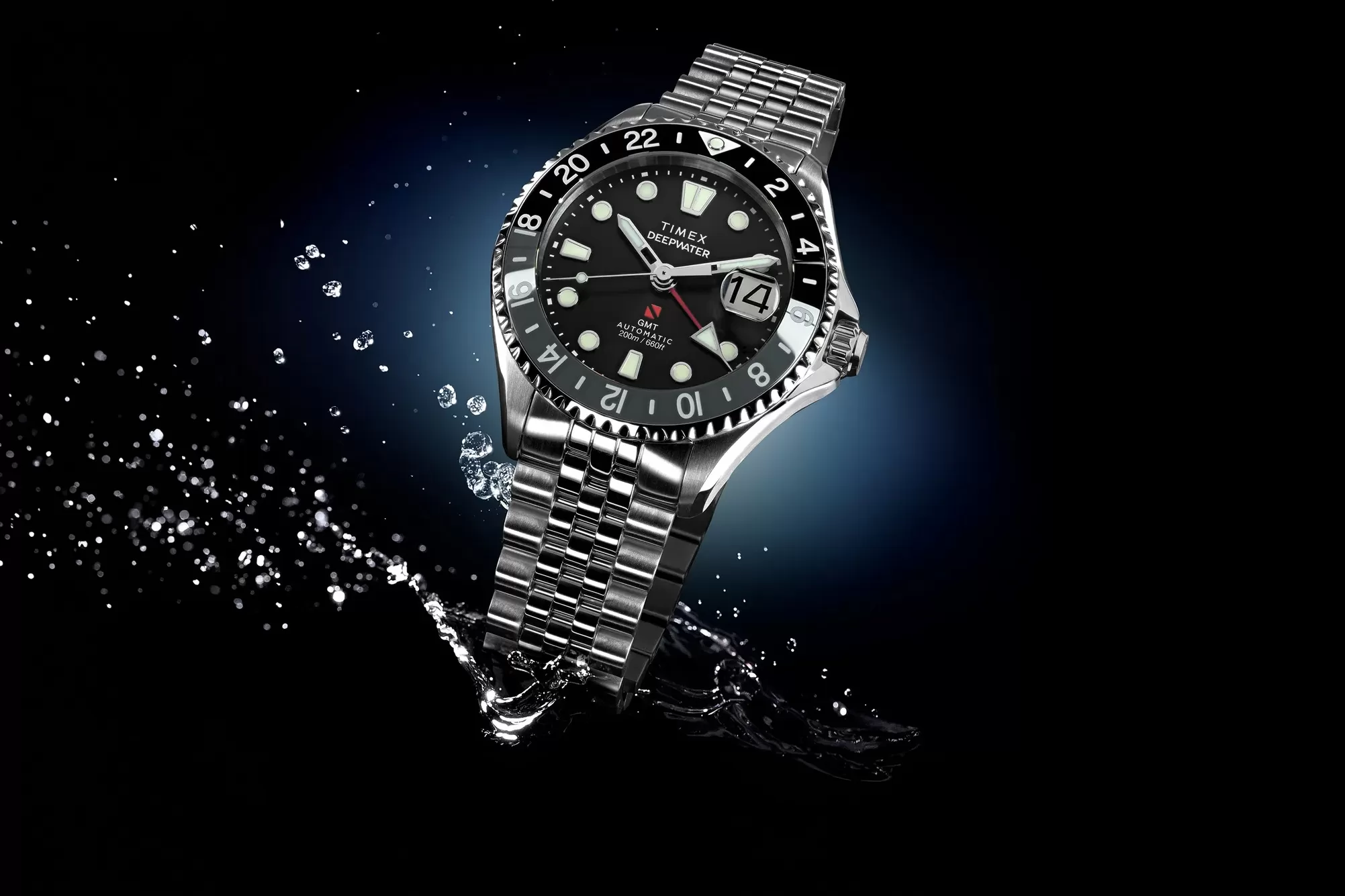
Timex Deepwater Meridian 200 Automatic GMT Takes On Seiko’s 5 Sports GMT
Aug 2, 2026
Sapphire Crystal
Hodinkee
Introducing: The Ming 37.06 Royal Selangor Limited Edition
Jul 30, 2026
View all 299 articles

Learn More

Comments 3

  1. Rik
    The shift from acrylic to sapphire really changed how watch dials read at oblique angles. Acrylic always had that soft diffusion, especially on vintage pieces with applied indices. Sapphire's clarity is almost clinical by comparison, which means dial proportions and hand geometry matter even more now. A poorly spaced hour marker looks worse through a perfect crystal.
    1. Anonymous replying to Rik
      good point about dial legibility, but I'd argue vintage acrylics also hid a lot of sins. scratches, dust under the crystal, misaligned printing. sapphire forces watchmakers to actually care about finishing details now.
  2. Karam
    Mohs 9 is correct, but the real issue for movement longevity is dust ingress through the case back once the crystal seal degrades. Sapphire doesn't scratch, sure, but a compromised gasket lets particles into the escapement faster than mineral glass ever did. That's the spec nobody talks about.

Leave a comment

All comments are reviewed before they go live. Email is for our records only - it's never published.