Watch brandsWatch wikiWatch videosVariousWatch calendarSaved articles
PopularRolexOmegaPatek PhilippeAudemars PiguetTudorGrand SeikoCartierSeikoIWCTAG HeuerBreitlingJaeger-LeCoultreA. Lange & SohneZenith
WristBuzzWatch WikiWater Resistance
🌊 Spec · Static Pressure Rating

Water Resistance

Measured in metres or ATM; what it actually means versus what you can do with it

Every serious watch has a water-resistance rating printed on the dial or caseback. The rating reflects static water pressure tested at a certain depth, not the depth at which you can safely dive. A "30m" watch is splash-resistant; "100m" is swimming; "300m+" is a real dive watch.

UnitMetres or ATM (atmospheres)
1 ATM~10 metres static
ISO standardISO 22810 (2010) / ISO 6425 (divers)
First waterproofRolex Oyster, 1926
CategoryCase specification
WristBuzz Articles569
Water Resistance

Photo: Two Broke Watch Snobs · Mar 2, 2026

30mSplash Only
50mOccasional Swim
100mSwimming / Snorkel
300m+Actual Diving
569WristBuzz Articles

The Water Resistance Story

Watch water resistance ratings are not depth ratings. When a watch is marked "100 metres", it does not mean the watch can be worn at 100 metres under water. It means the watch was tested static to a pressure equivalent to 100 metres of water column. In actual use, water pressure on a watch case is far higher than static, because water flows past the case as you move, and because any wrist motion (swimming, diving) creates temporary pressure spikes. The industry rule of thumb: divide the rated depth by 10 for a realistic "do not exceed" working depth.

The modern rating system has its roots in the Oyster case invented by Hans Wilsdorf and Rolex in 1926. The ISO standard for standard water-resistant watches, ISO 22810, was finalised in 2010; the separate diver-watch standard, ISO 6425, is much stricter and requires testing at 125 percent of rated pressure, resistance to magnetic fields, thermal shock resistance, and readability of a timing bezel in the dark. A watch meeting ISO 6425 may use the term "DIVER'S" on the dial; a watch meeting only ISO 22810 may not.

The practical categories are well established. A watch rated 30 metres (3 ATM) is splash-resistant: safe for rain or a quick hand-wash, but not swimming. 50 metres (5 ATM) tolerates occasional swimming. 100 metres (10 ATM) is the minimum for real swimming and casual snorkelling. 200 metres is a good recreational dive rating. 300 metres is the Submariner standard, safe for any recreational diving. 1,000 metres and above is saturation-diver territory, requiring a helium escape valve.

The extreme end of modern water resistance is a demonstration of engineering rather than a useful spec for humans. Rolex Deepsea is rated to 3,900 metres; the Rolex Deep Sea Challenge (2022) to 11,000 metres, tested to 13,750m. Omega Seamaster Planet Ocean Ultra Deep is rated to 6,000 metres. No human dives to these depths unprotected; James Cameron reached Challenger Deep (~10,935m) in 2012 in a submersible. The extreme ratings are engineering showpieces that demonstrate the Oyster-descended case-construction tradition.

Water Resistance Across the Range

Base · Patek Philippe
Calatrava
30m (3 ATM)

Dress-watch water resistance. Splash-resistant, not for swimming. Typical for thin cases with snap-on casebacks and non-screw crowns.

30m Dress
Std. · Rolex
Datejust
100m

Modern Rolex Oyster standard: 100m, Twinlock crown, Oyster case. Suitable for swimming and snorkelling.

100m
Dive · Rolex
Submariner
300m

Recreational dive watch standard. ISO 6425 compliant. The reference "real" dive watch from which every other dive watch descends.

300m Diver
Saturation · Rolex
Sea-Dweller
1,220m + HEV

COMEX-heritage saturation dive watch. Helium escape valve, 1,220m rated. Actually-deployable deeper than any human will recreationally dive.

1,220m
Extreme · Rolex
Deepsea
3,900m

Ringlock System architecture, titanium inner ring, 3,900m rating. More than most humans will ever encounter.

3,900m
Showpiece · Rolex
Deep Sea Challenge
11,000m

Titanium case rated to 11,000m, tested to 13,750m. Based on the prototype James Cameron wore to Challenger Deep in 2012. The engineering endpoint of the Oyster tradition.

11,000m

Latest Water Resistance News

Water Resistance
WatchRider
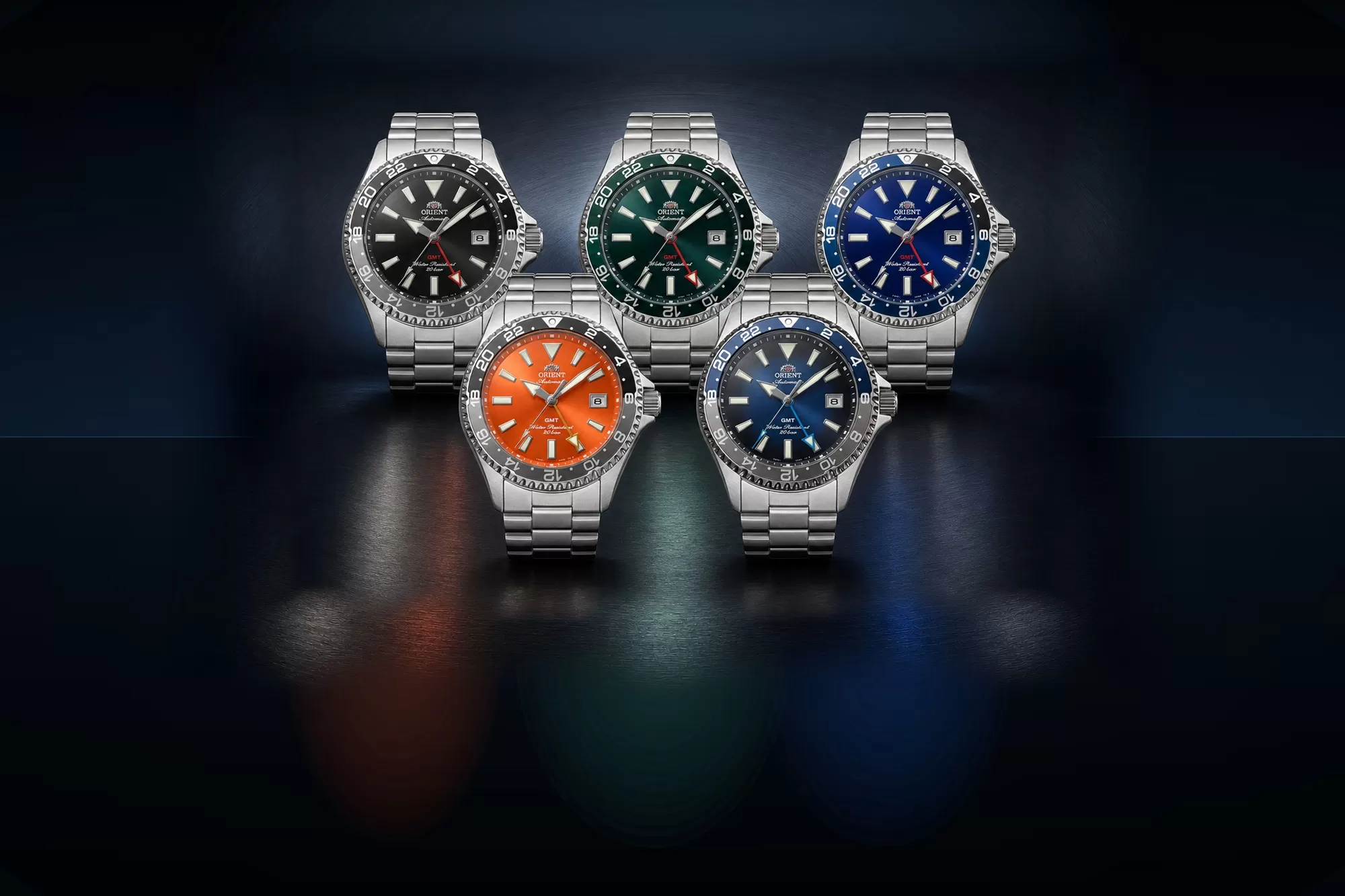
Orient Mako Gets a GMT for the First Time in Five Cool Colors
2 days ago
Water Resistance
WatchRider
Tag Heuer Carrera Calibre 5 Review (WV211B): Am I Stuck in a 7-Year Dream with the Inception Watch?
5 days ago
Water Resistance
Two Broke Watch Snobs
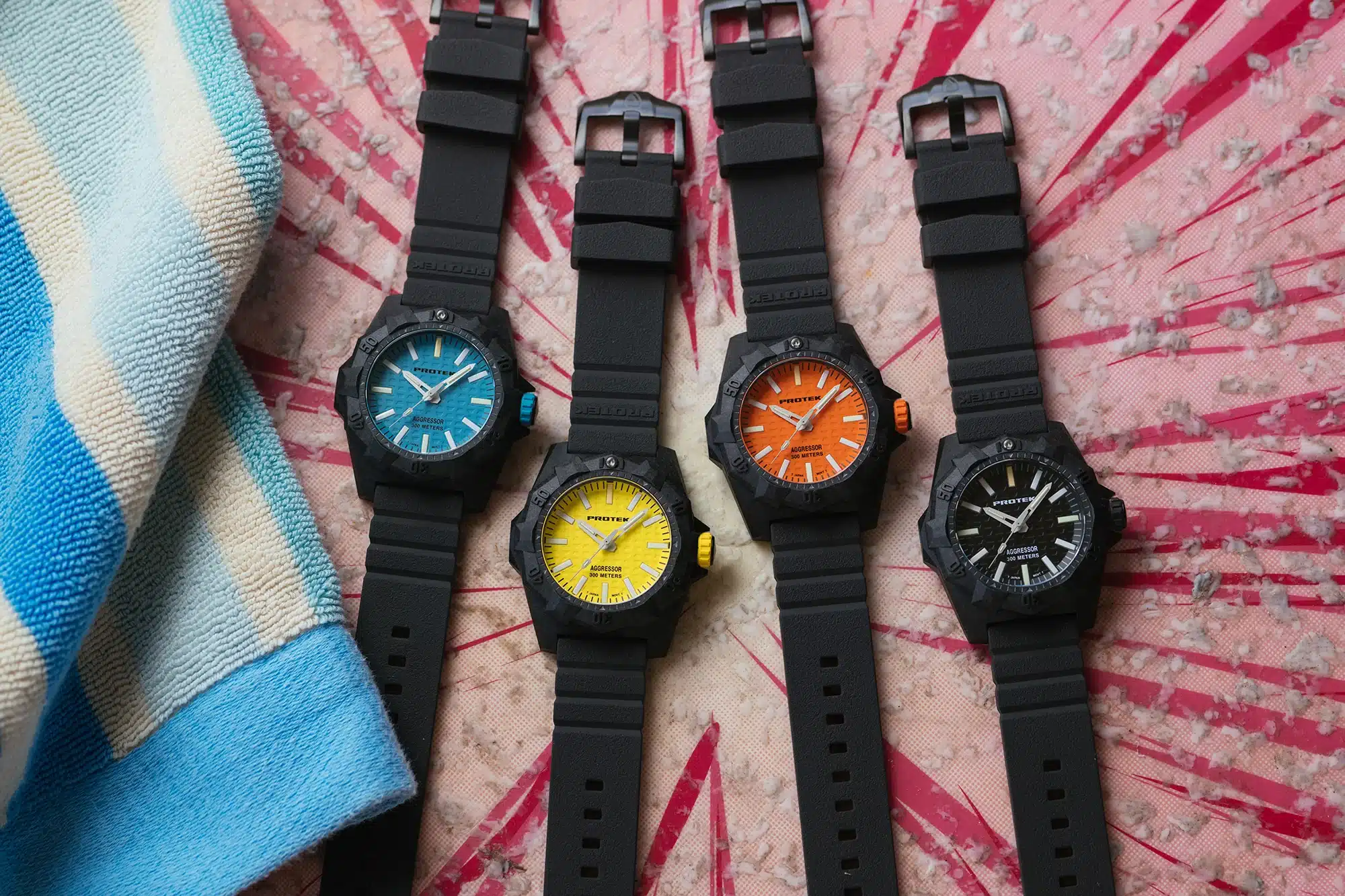
ProTek Goes Big With the Aggressor Series 4000, a 45mm Affordable Dive Watch
Aug 15, 2026
Water Resistance
Teddy Baldassarre Videos
Most Impressive Watch Dials For the Money
Aug 15, 2026
Water Resistance
Worn & Wound
Hands-On: the Bernhardt Captain
Aug 12, 2026
Water Resistance
Fratello
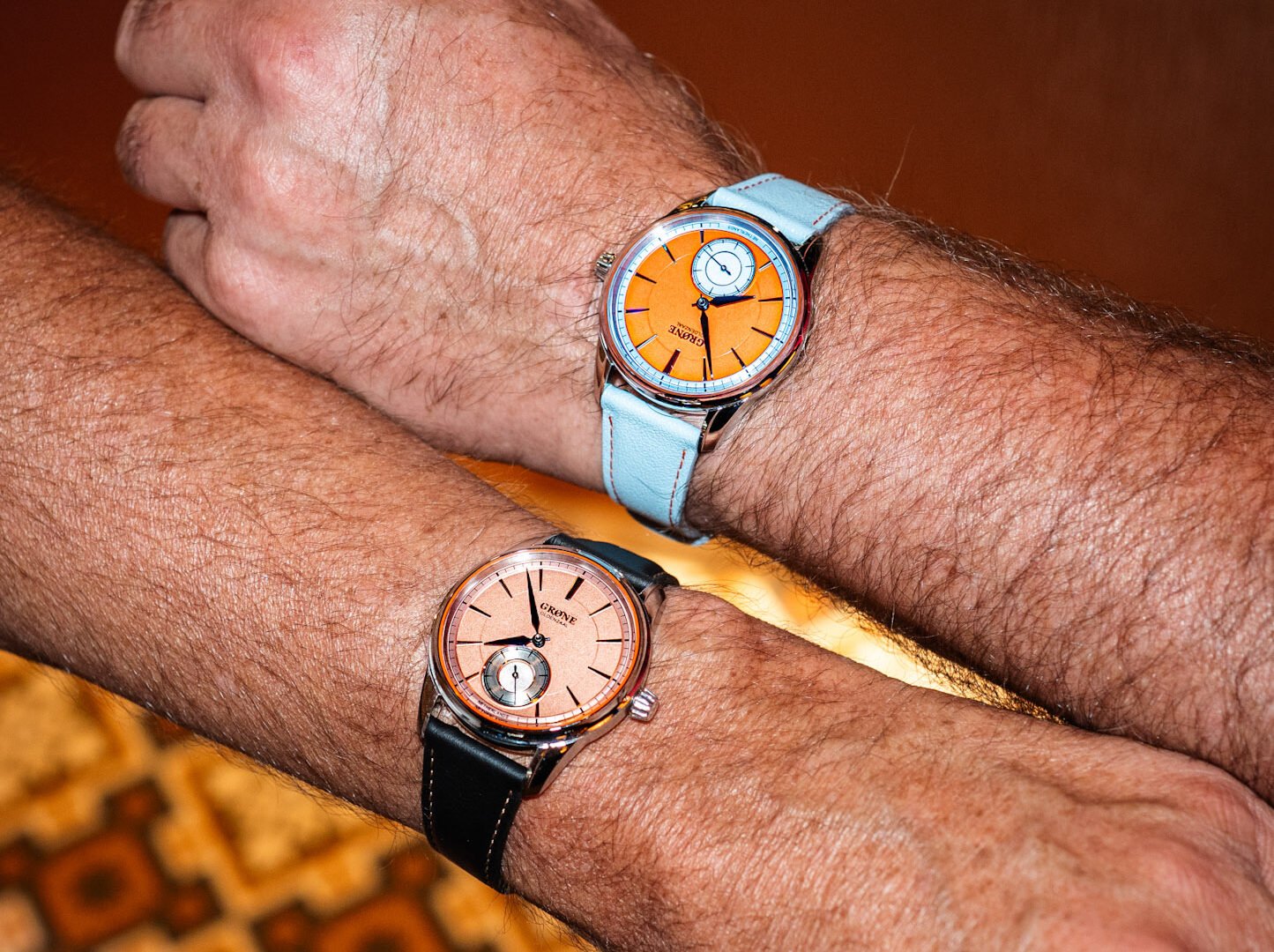
Play It Classic, Or Make It Loud: Unpacking the Grøne Horologium’s Dual Identity
Aug 12, 2026
Water Resistance
Teddy Baldassarre
7 Of Our Favorite Skin Diver Watches (And What Is A Skin Diver, Anyway?)
Aug 11, 2026
Water Resistance
Hodinkee
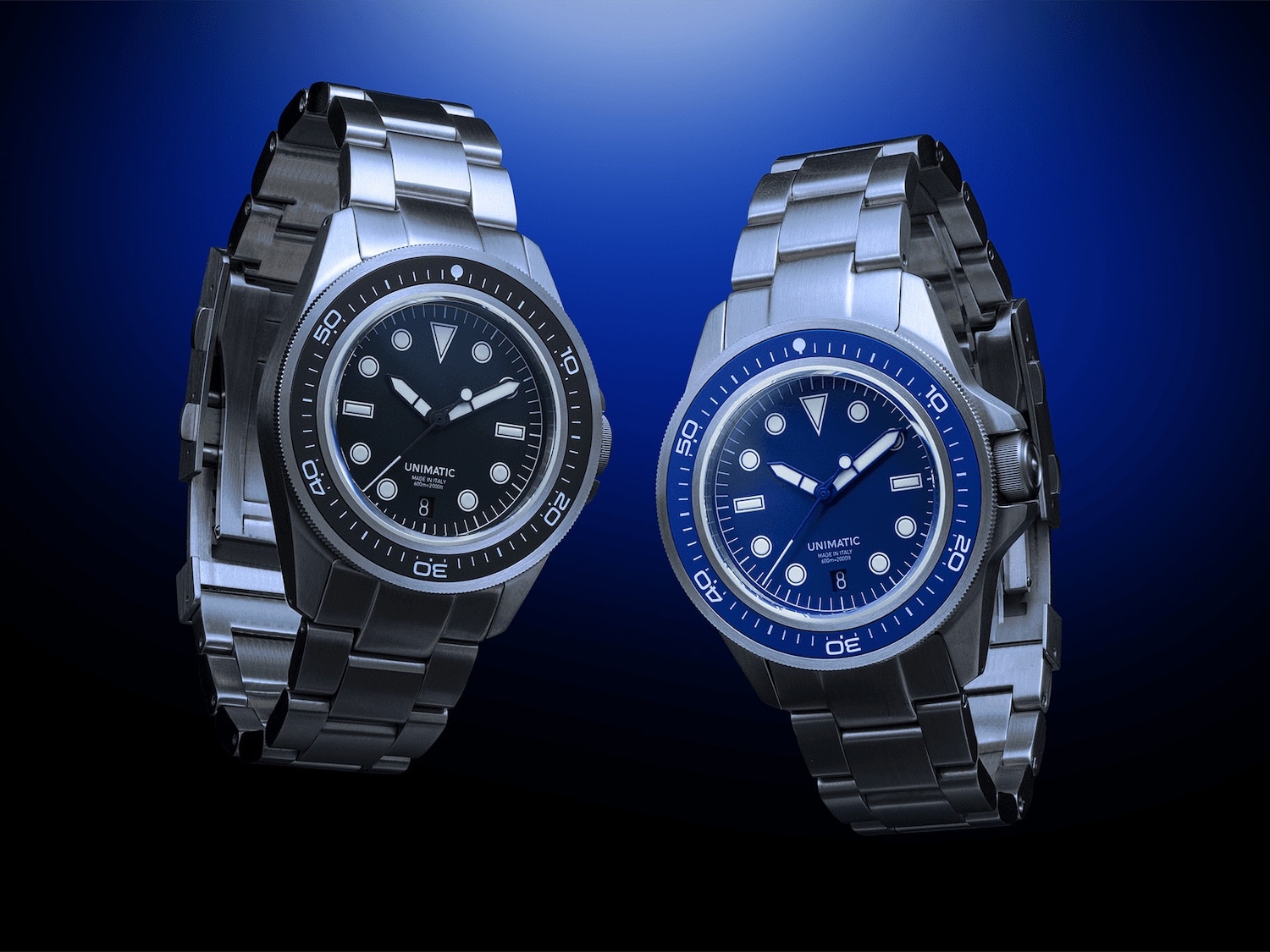
Introducing: Unimatic UT1-PD
Aug 7, 2026
Water Resistance
Fratello
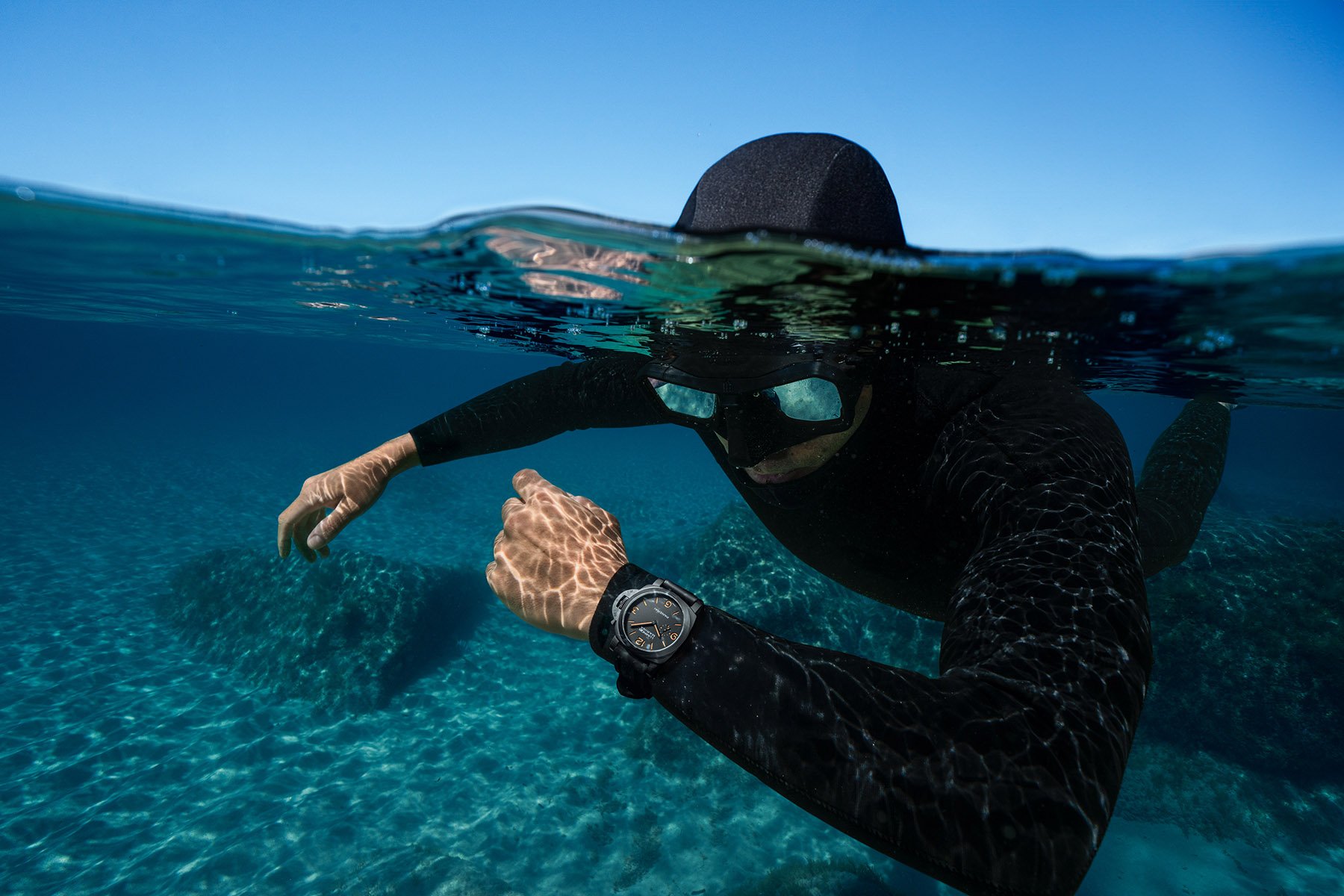
An Ideal Blend Of Old And New: The Panerai Luminor Marina PAM01707 In Carbotech
Aug 3, 2026
Water Resistance
WatchRider
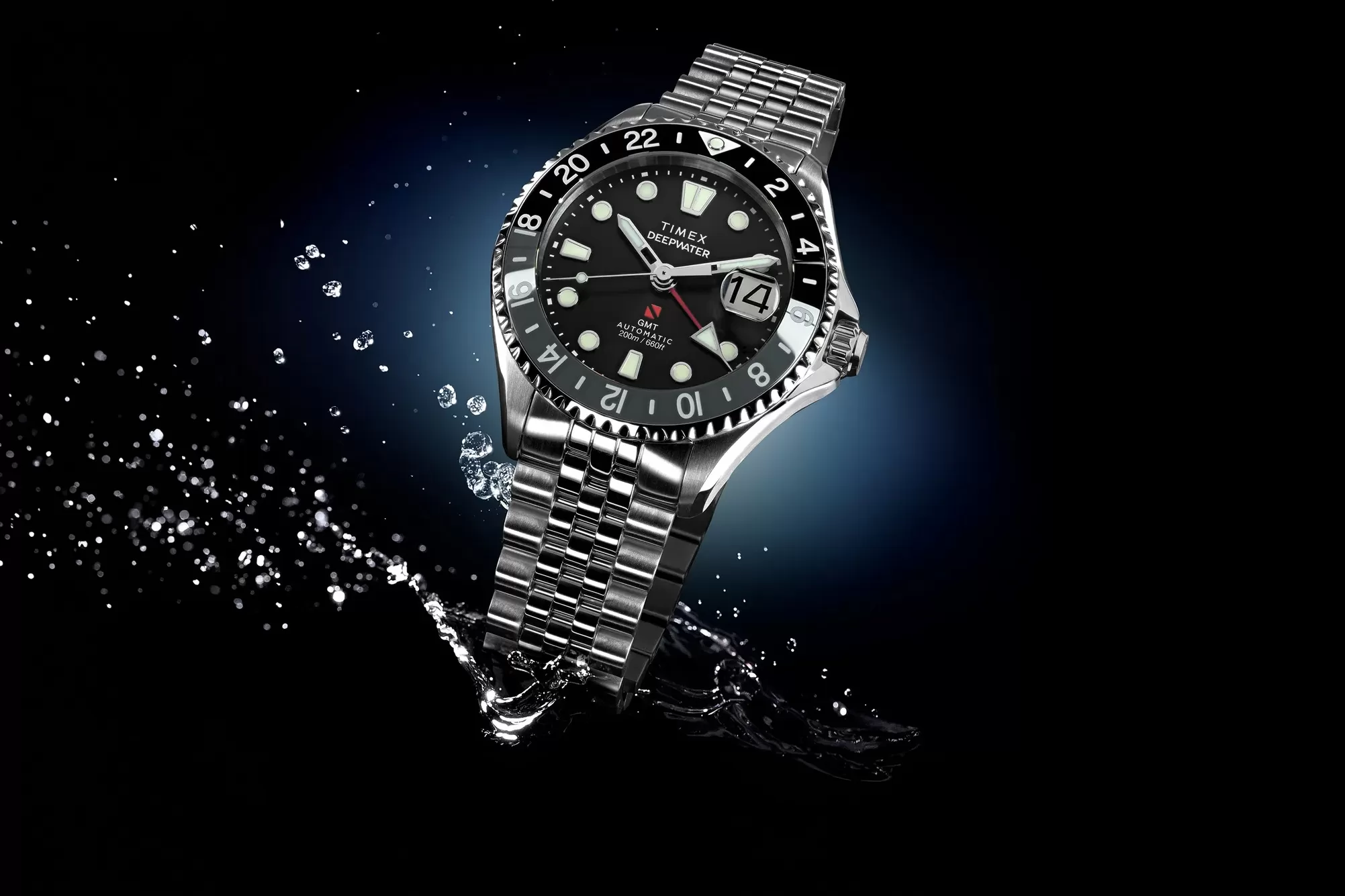
Timex Deepwater Meridian 200 Automatic GMT Takes On Seiko’s 5 Sports GMT
Aug 2, 2026
Water Resistance
Two Broke Watch Snobs
The New Timex Deepwater Meridian Is an Affordable Automatic GMT With Rolex Style
Jul 31, 2026
Water Resistance
WatchRider
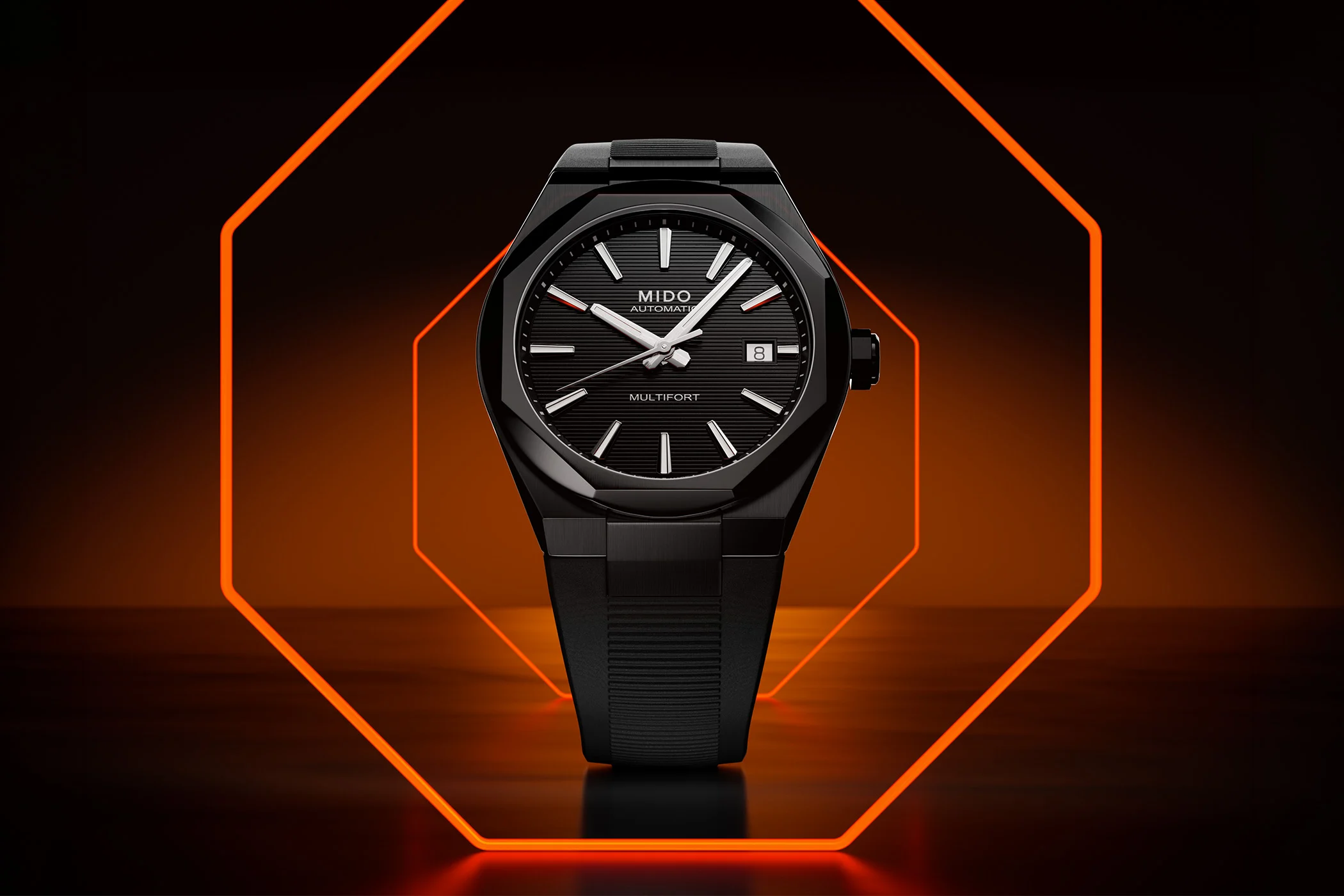
Mido Multifort 8 One Crown Goes Fully Black in PVD
Jul 31, 2026
View all 569 articles

Learn More

Comments 2

  1. Rik
    The distinction between static pressure rating and actual dive depth deserves clearer visual treatment on spec sheets. Most brands bury ISO 6425 in tiny type or skip it entirely. A simple icon system showing splash / swim / dive categories would be far more useful than raw metre numbers in marketing materials.
  2. Anonymous
    good explainer. always wondered why my 100m watch felt fine in the pool but everyone said don't dive with it.

Leave a comment

All comments are reviewed before they go live. Email is for our records only - it's never published.