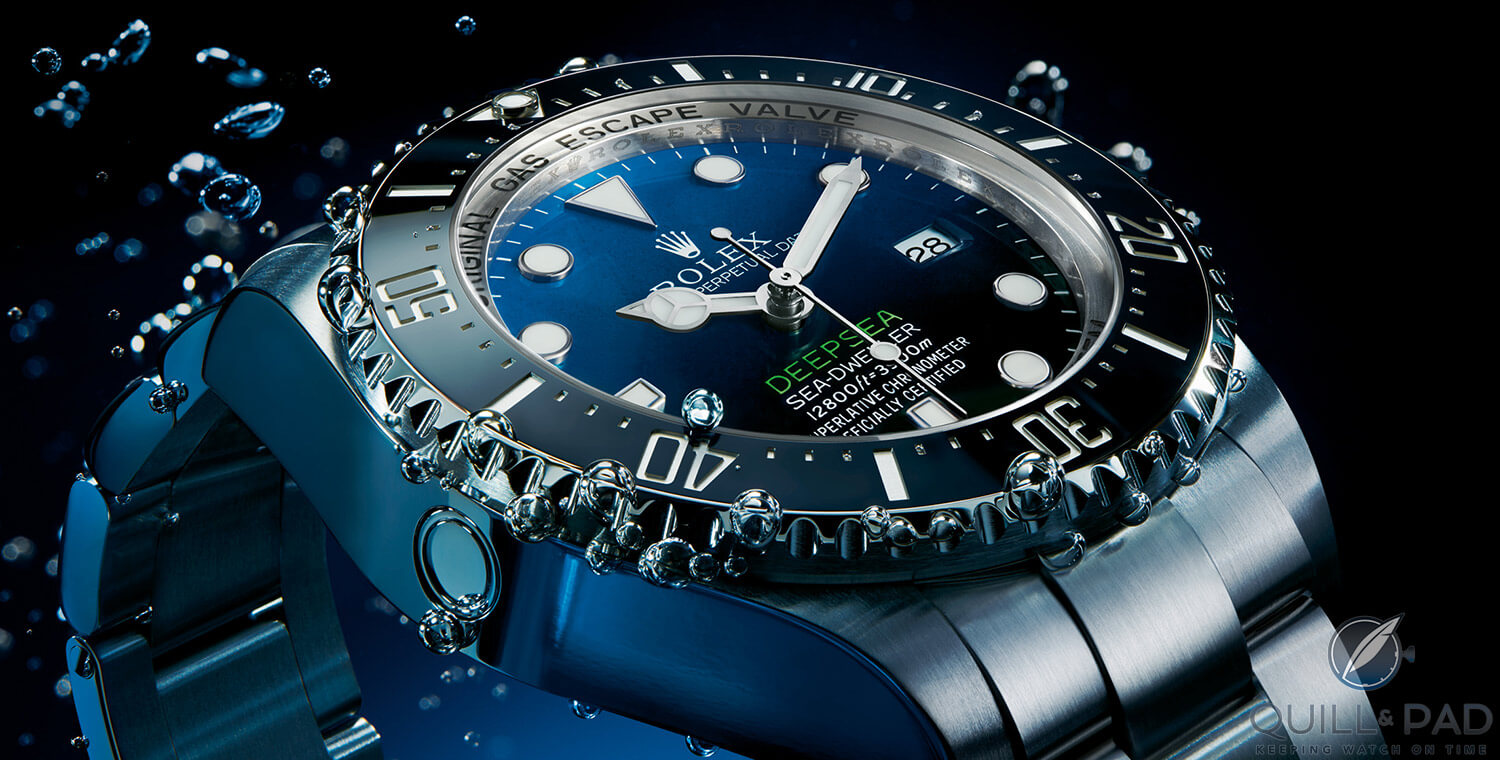
A saturation diver lives in a pressurised chamber, breathing a helium-oxygen mixture ("heliox") for days or weeks at a time while working at depth. During this extended exposure, helium atoms, significantly smaller than any other element except hydrogen, migrate slowly through the rubber gaskets of a conventional water-resistant watch case and equalise with the chamber's internal pressure. The watch itself is unharmed at depth. The problem comes during the slow surface decompression, typically over several days: the external pressure drops, but the helium trapped inside the case cannot escape back through the gaskets fast enough. Pressure builds up inside the case until the crystal is literally blown off.
The problem was identified in the mid-1960s by Doxa divers working with the French commercial diving company COMEX (Compagnie Maritime d'Expertises) off Marseille. COMEX technicians submitted their standard-issue Rolex and Doxa watches to long saturation tests in a hyperbaric chamber. Crystals popped off reliably during surface decompression. A collaborative solution emerged in 1967: a small spring-loaded one-way valve built into the case flank, calibrated to open automatically when internal pressure exceeded external pressure by about 3 to 5 bar, releasing trapped helium harmlessly.
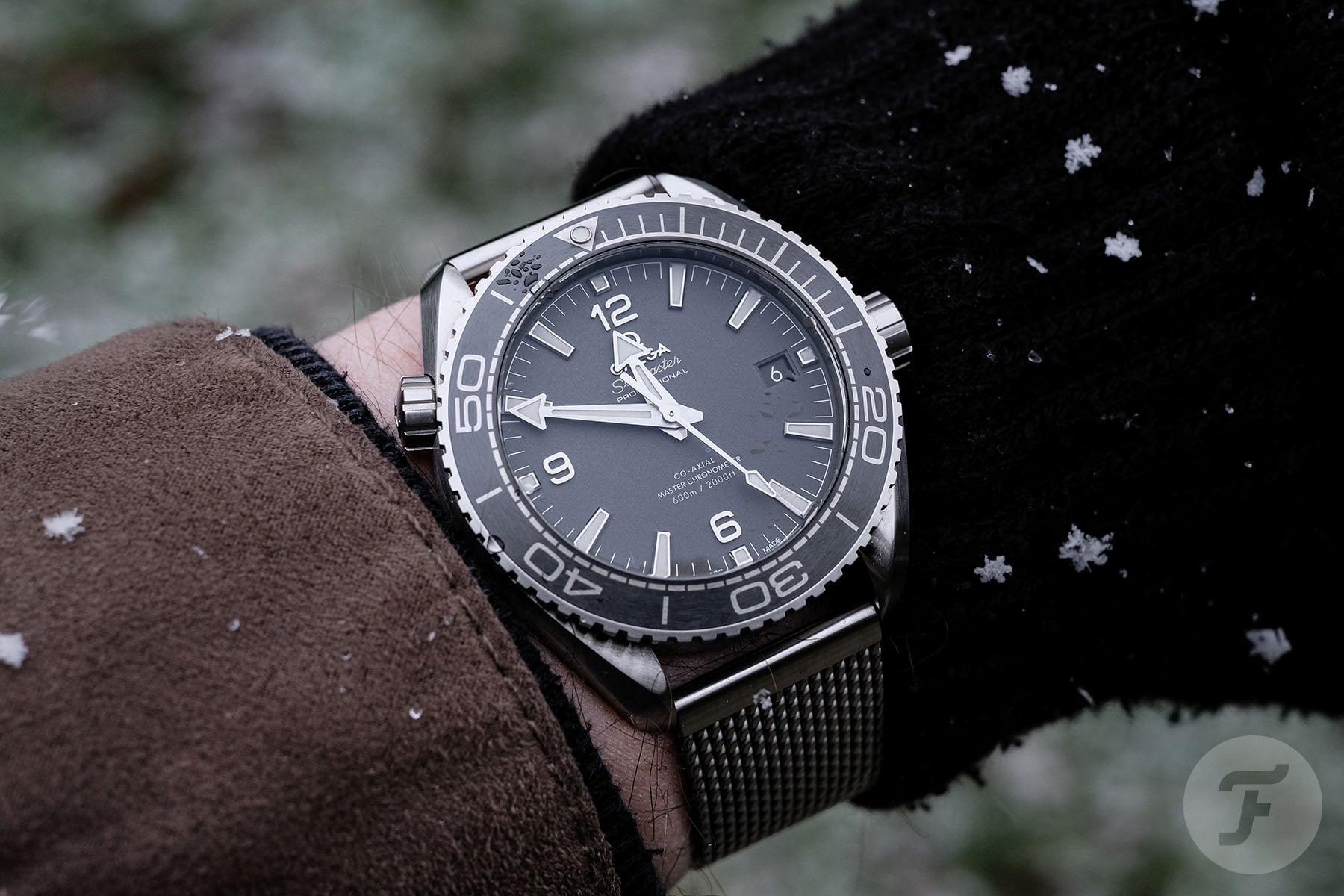
The Rolex Sea-Dweller ref 1665 (1967) was the first serial watch with a HEV, initially rated to 610 metres and later 1,220 metres. Doxa had an equivalent variant. Omega added HEVs to the Seamaster Ploprof (1970) and Seamaster Professional 300m (1993, with a manually operated HEV at 10 o'clock, the distinctive cosmetic feature of every Omega Seamaster since). Breitling, Panerai, and others followed.
The practical reality is that roughly zero percent of civilian divers need a HEV. Recreational SCUBA diving is not saturation diving, and a standard Oyster case-architecture watch will work fine for any sport diving under 300 metres. The HEV is a professional-tool feature that has become a design signature on the wrist, an outward marker that a watch is a "serious" dive watch, even when it will never see the conditions that justify the mechanism. The 10 o'clock HEV on an Omega Seamaster is the most recognisable case feature on the modern Seamaster range.






Comments 4