 Video
Video
What big watch brands can learn from Hanhart and the 417es
For inquiries and collabs: twtw.mike@gmail.com
Video
For inquiries and collabs: twtw.mike@gmail.com
 Video
Video
Is the OMEGA Seamaster No Time to Die the best modern Seamaster? In this hands-on review of the titanium Seamaster Diver 300M 007 Edition, I explore what makes this James Bond watch so good, the mesh bracelet clasp th...
 Video
Video
Winner stays, watches under $300.
 Video
Video
A Navy SEAL, a Tudor Submariner and the Apollo 14 splashdown. It doesn’t get more “tool watch” than this. Zach spoke with Lt. Robert “Bob” Rohrbach, a retired US Navy SEAL, to talk about the Tudor he was iss...
 Video
Video
At the time of recording, the exchange rate was 1 GBP = 1.33 USD. Please note that exchange rates fluctuate, so the conversion may differ when you view this video. Always check current exchange rates for the most accu...
 Video
Video
👉 Please note: Only comments on the upcoming full length YouTube Video will qualify for the draw of the free merch giveaway!
 WatchRider
On 11 October 2026 we went to WARO, the Romanian Watch Fair, at Novotel Bucharest City Centre and saw a lot of seriously cool watches. There were established names, smaller independent brands and designs that looked very different from the watches we usually see every day. We filmed a short video of some of the pieces we saw and tried. Unfortunately, we arrived late and could not get good shots of all the cool watches. The event brought together more than 35 exhibitors. Below are 19 brands we saw and photographed, with a closer look at their watches. Some of the cool watches we saw and tried at WARO 2026. Isotope: Moonshot Horizon The Isotope Chronograph Moonshot Horizon makes quite an entrance with its cyan blue dial, orange rings and orange strap. The three silver aluminium Moondiscs partly cover the chronograph registers, giving the dial a depth and shape that you do not usually see on a chronograph. Isotope is an independent English brand founded in 2016 and this is a good example of its willingness to do things differently. A Swiss automatic chronograph movement powers the watch inside a 41 mm Grade 5 titanium case, with production limited to 30 pieces. We filmed it on the orange FKM strap, which brings the whole colour combination together. Isotope Chronograph Moonshot Horizon on the wrist at WARO 2026. Site: Isotope · Instagram: @isotopewatches Mezei Watch Company: Midnight Fumé Limited Edition The Mezei Midnight Fumé Limited Edition takes a quieter approach, but...
 Worn & Wound
One side effect of working in the watch industry is becoming the default person to ask when there’s a watch-adjacent question. While I have a go-to answer for most questions, the occasional “What smartwatch should I buy?” was always a bit of a curveball. Until last month, I would have recommended that you stay within your phone’s ecosystem to take advantage of any integrations and connectivity that were built in, with only one exception. When it comes to fitness tracking, especially for runners, I’ve always heard that Garmin was the brand to go with. Now, I’ve always considered the smartwatch to be an extension of your phone, so mechanical watches were the perfect way to become a little less connected, but this newest release has me thinking that maybe I should add a smartwatch back into the collection. While I don’t think I’ve ever explicitly mentioned my age in an article or on the podcast, smartwatches really started to take off when I was in high school. Around that time, I remember buying a rather affordable Xiaomi-branded smartwatch for myself. Despite being a fraction of the cost, it packed many of the same features as the current-generation smartwatches: phone notifications, step counting, and it even tracked just how little sleep I was getting each night, making it an easy purchase for an unemployed high school student.I’ d go on to wear this watch throughout high school and college, before ultimately becoming interested in mechanical watches and...
 Worn & Wound
The post Everything You Can See and Do at the 2026 Windup Watch Fair NYC appeared first on Worn & Wound.
 Monochrome
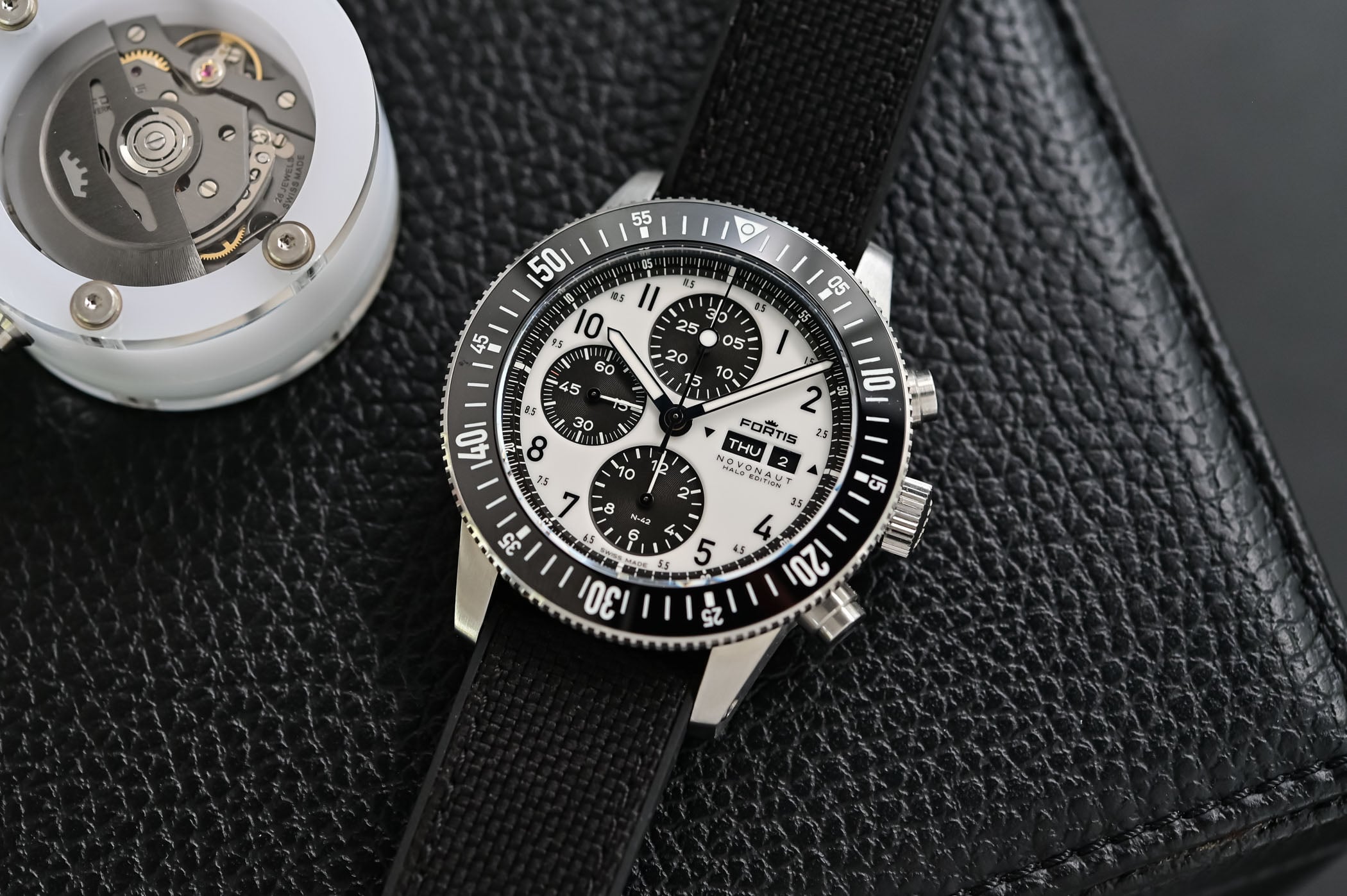
In recent years, Swiss brand Fortis has worked hard to update most of its collection and mechanical offerings, including a refreshed Flieger collection, the return of the Marinemaster, and the introduction of the Stratoliner with a space-tested movement. In 2023, the brand tackled the task of revamping one of its most important models, a model once known as the B-42 Official Cosmonauts […]
 Worn & Wound
RGM has introduced a new perpetual calendar, their first since the Model 103-R Minute Repeater Perpetual which was introduced in the 1990s. The new watch, dubbed the 501-PC, has classic RGM aesthetics and incorporates a new module from Dubois-Depraz for the calendar complication (not unlike another perpetual calendar to debut recently). While the watch is not inexpensive by any means, the use of a module fixed to a mass produced movement does keep costs down somewhat compared to a fully in-house design, and serves as another example of the many small ways traditional higher end complications are being democratized across the larger watch marketplace. The 501-PC has a fairly traditional perpetual calendar layout, with a 12:00 subdial indicating the months and leap year, a 3:00 subdial showing the date, a moonphase at 6:00, and the day of the week in a subdial at 9:00. The dial layout and design takes inspiration from 19th century pocket watches, a frequent source of inspiration for RGM over the years, and is rendered in white enamel. Black painted Roman numerals and blued hands add additional depth and historic coherence to the design. It’s all very traditional and the antithesis of flashy. Again, exactly what you’d expect from RGM. The case is stainless steel and measures 39mm in diameter and is 11.5mm thick. Like the Fears linked above, which this watch is sure to draw comparisons to thanks to the movement, that’s an incredibly wearable and approachable size. The ...
 Deployant
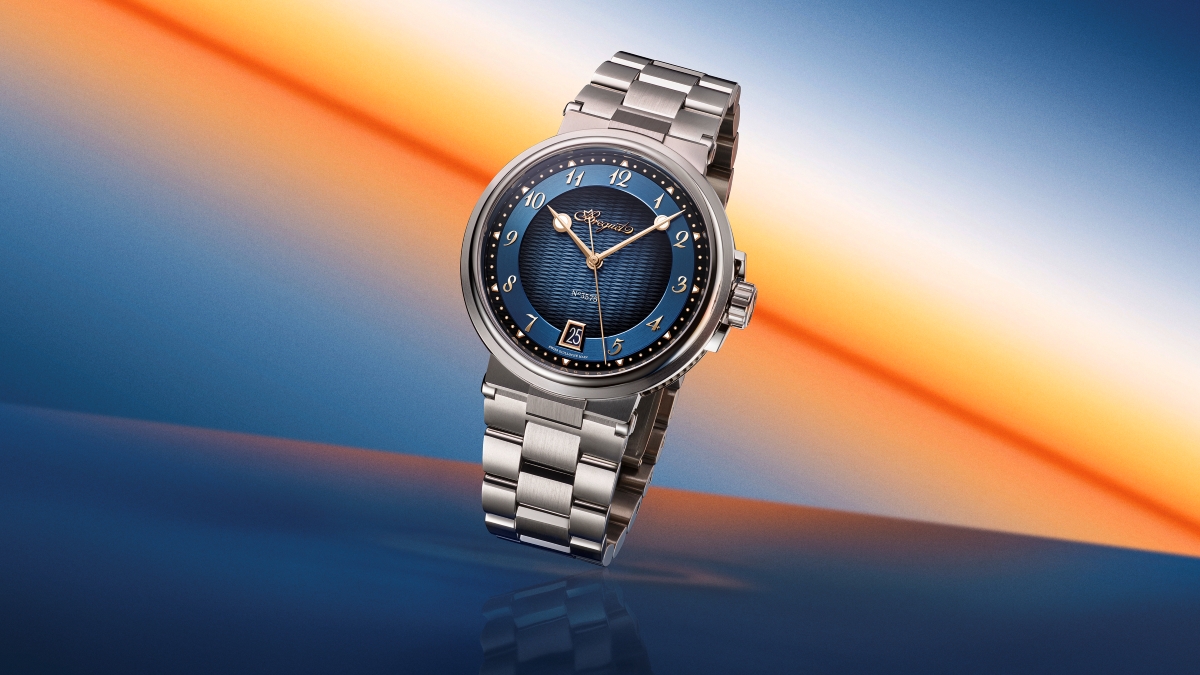
The Breguet Marine 5517 and 5527 return for 2026 with new guilloché dials, Breguet numerals, revised layouts and updated finishing.
 Revolution
 Fratello
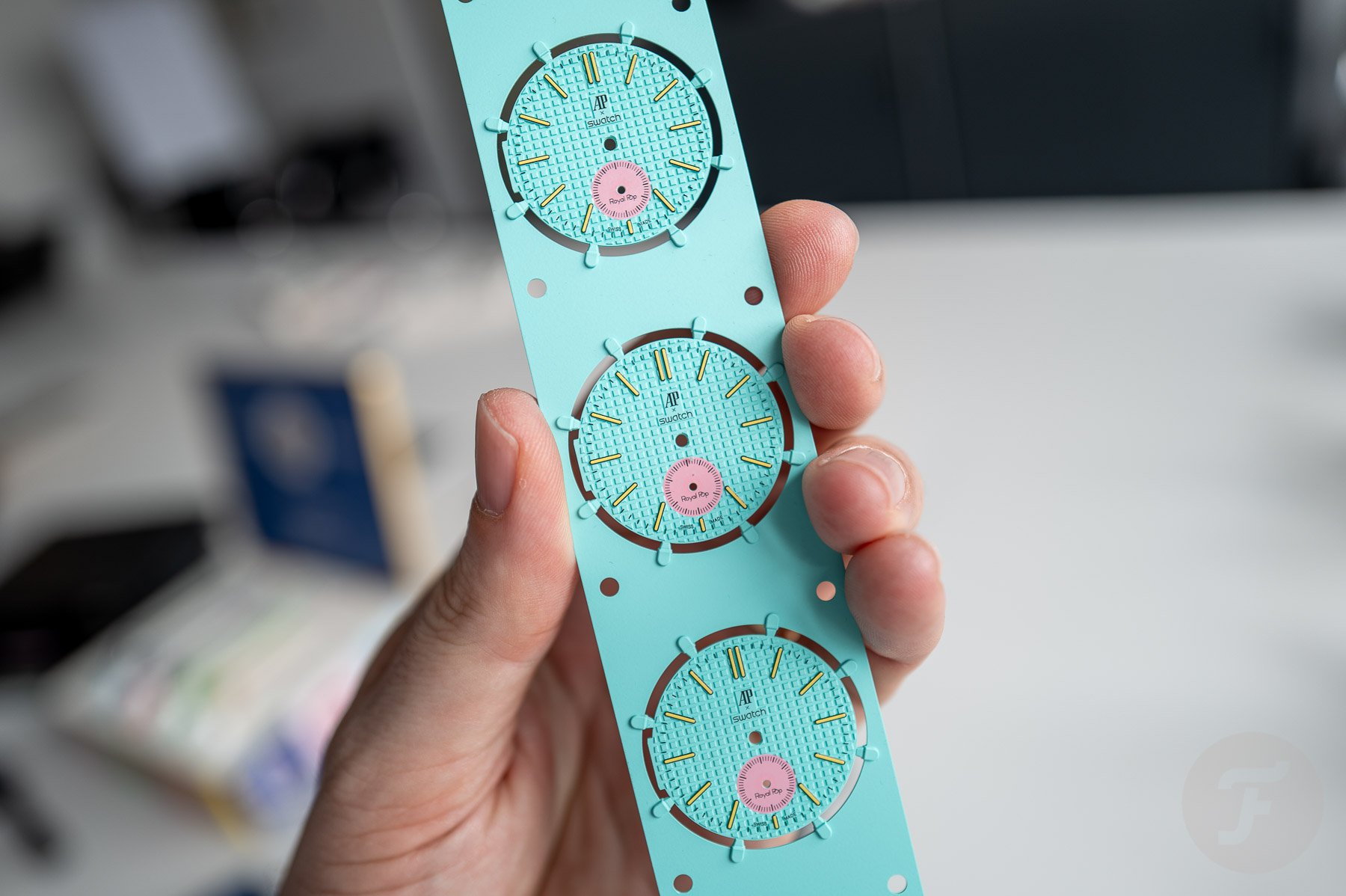
In September, I ended up spending more time in airport lounges than in my living room at home. Sometimes, that’s not so bad, especially when it means new opportunities! One highlight was visiting Switzerland to tour two Swatch Group production sites. At one, I saw how movements are made, and at the other, I watched […] Visit Inside The Swatch Sistem51 And Bioceramic Production Sites to read the full article.
 Hodinkee
For Eric Wind and Charlie Dunne, watches connect them to the past and help them build lifelong relationships with others. For the first time in Talking Watches, Ben sits down with two guests to discuss how a passion can be learned, sharpened, and passed along. The watches they bring not only reveal the charming details that define an exceptional vintage watch, but also the friendships and experiences that give collecting its meaning. There's *a lot* of inside jokes in this episode. Most of them on the casebacks. Longtime Hodinkee readers need little introduction to Eric. Before Wind Vintage, before Christie's, and before his many appearances in Reference Points, he was one of the site's earliest and most prolific contributors. Through Bring A Loupe, auction coverage, and deeply researched stories, Eric helped introduce a wider audience to the nuances of vintage collecting. His enthusiasm could make an obscure chronograph as compelling as a six-figure Rolex, and his scholarship gave collectors the tools to distinguish a merely old watch from an exceptional one. Since founding Wind Vintage in 2017, he has continued to approach the category with the same curiosity, exacting eye, and belief that great watches can be found at nearly every price. The Wind Vintage duo. Charlie entered the watch business through a different route. Before entering the trade, Charlie was a collector of watch books and a researcher; in 2021, while working in digital marketing, he used several weeks...
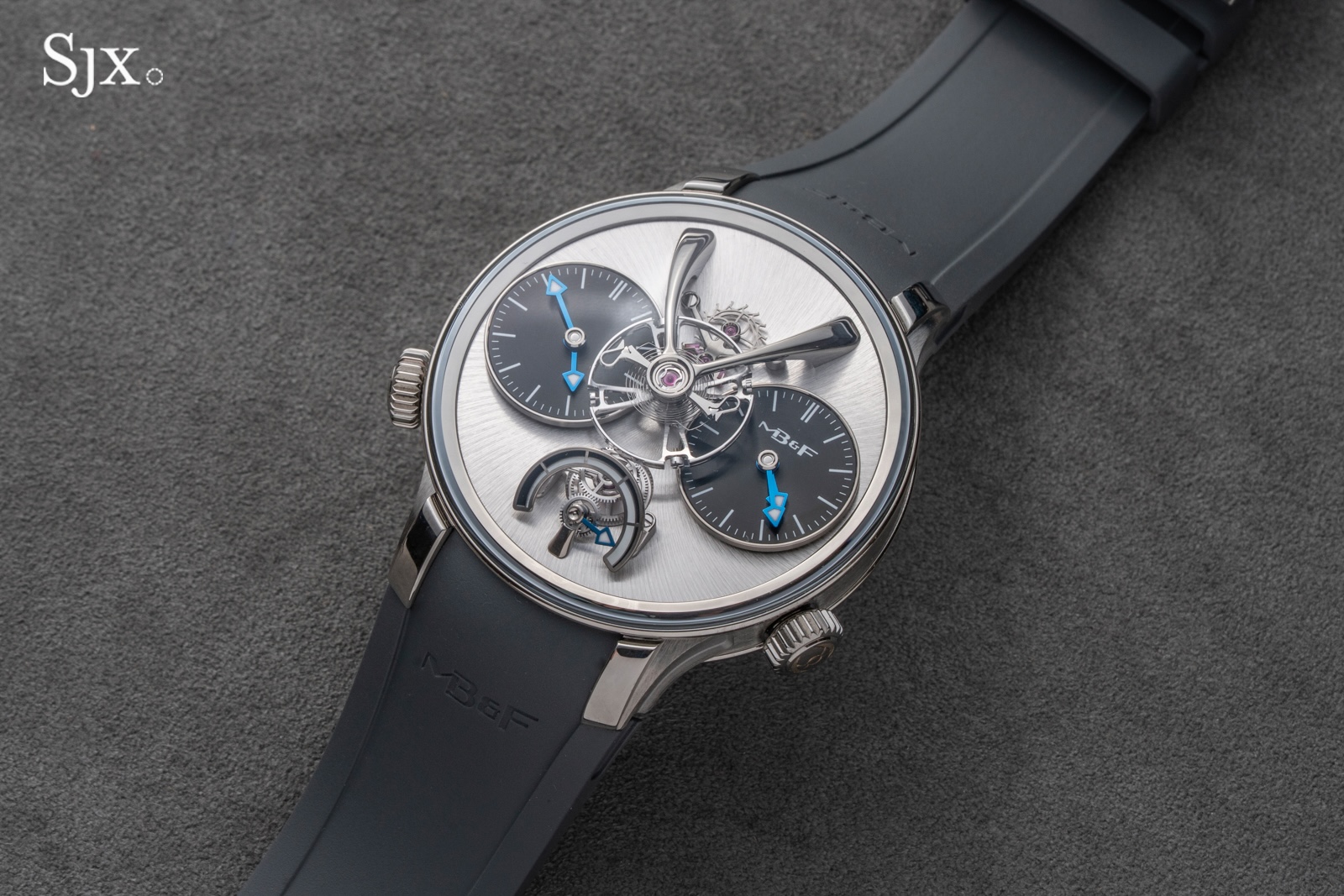 WristBuzz
Fifteen years on, the watch that started it all gets the EVO treatment, and it was worth the wait. The MB&F; LM1 EVO brings back the original Legacy Machine 1 in a smaller, sportier case with better shock protection, water resistance, and a revised movement.
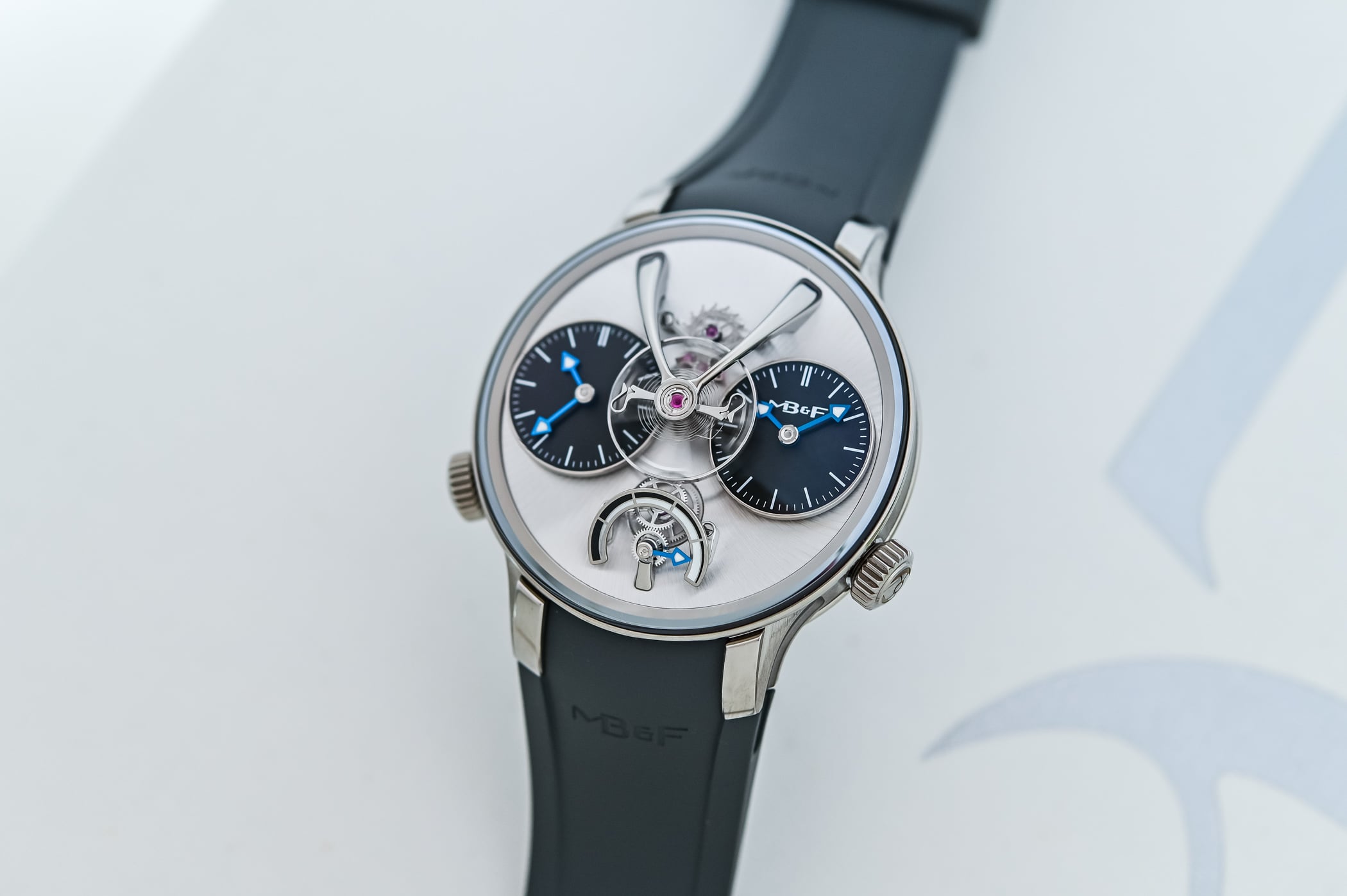 Monochrome
When it was launched in 2011, MB&F;’s Legacy Machine 1 seemed like a totally alien presence among the brand’s fleet of futuristic galactic-themed Horological Machines. Appearing in the brand’s first round case, the LM1’s classical Roman numerals, lacquered registers and overtly 19th-century air made it look less like a spacecraft instrument and more like a […]
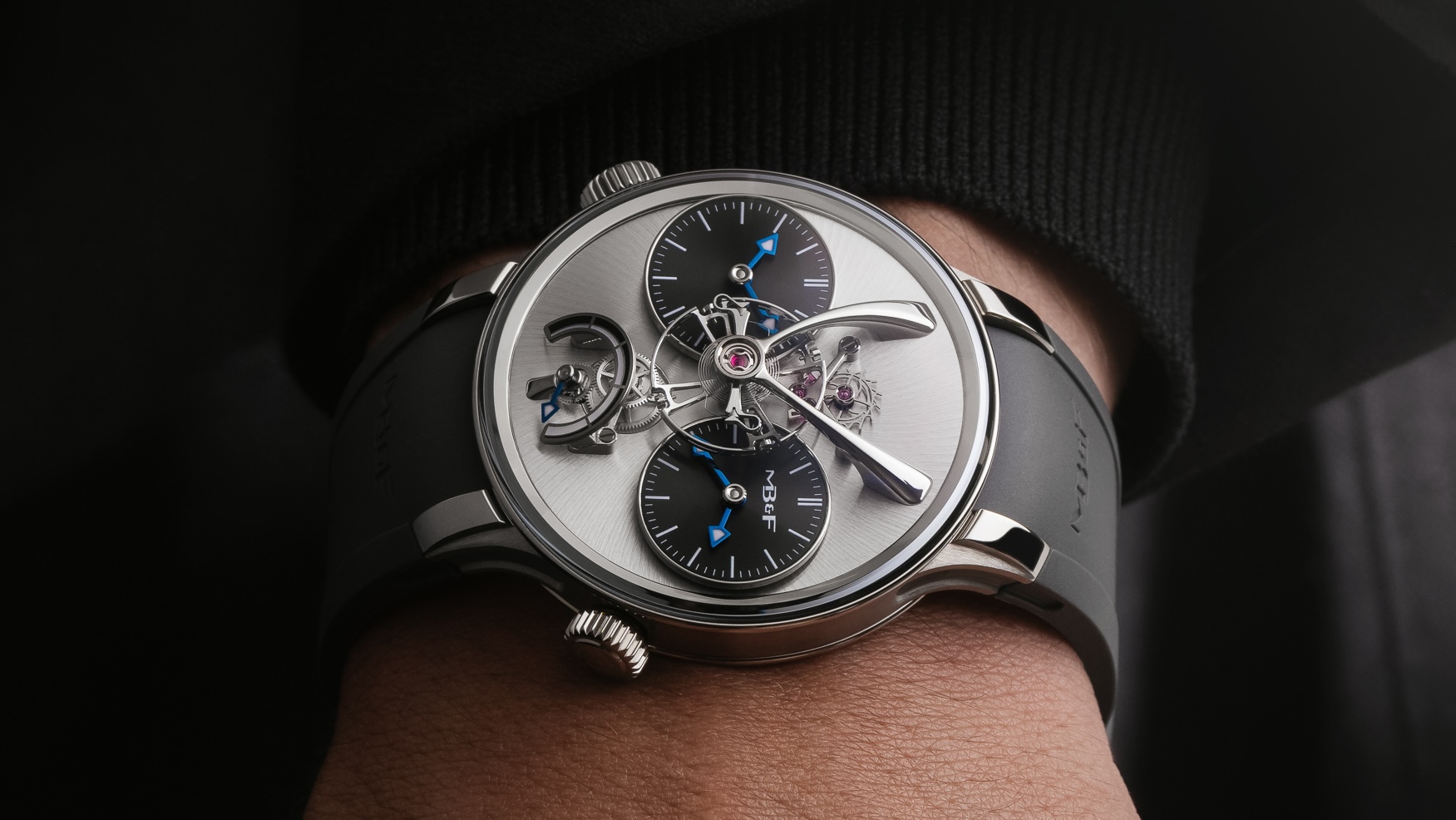 Time+Tide
The new MB&F; LM1 EVO returns to the original Legacy Machine design, but makes it more wearable, robust, and alluring than ever before.
 SJX Watches
The MB&F; LM1 EVO brings back the original Legacy Machine (LM) in a smaller, sportier case, with improved shock protection, water resistance and a revised movement. Fifteen years after the LM1 established the LM collection, the EVO preserves its distinctive dual-time layout and suspended balance while making it more suited to the demands of daily wear. Initial thoughts I still remember seeing the LM1 for the first time when it launched in 2011. Up to that point, MB&F; had spent six years developing its identity around the futuristic Horological Machine (HM) collection, and the brand’s original take on traditional watchmaking came as a surprise. The LM1 established what is now the Legacy Machine collection, which began as a thought experiment about what kind of watch founder Max Büsser might have designed had he been born a century earlier. The original LM becomes the fifth MB&F; platform to get the EVO treatment, after the LM Split Escapement, LM 101, LM Perpetual, and LM Sequential (in both regular and flyback configurations). It follows the same script as its predecessors, with a polished titanium (or 18k rose gold) case, proprietary rubber strap, and the brand’s patented FlexRing shock absorber, which helps take the edge off severe impacts. The EVO case is also water resistant to 80 m thanks in part to twin screw-down crowns. Of course, it’s a manually wound movement, which means the threads will se a lot of action assuming the watch is worn regularly. Fortunately, ...
 Hodinkee
What We Know We are six years into the reign of the Legacy Machine EVO, a sportier version of MB&F;'s most "traditional" (and I use that term loosely) watch designs, which had the added benefit of higher water resistance, a built-in FlexRing shock protection system, slightly less delicate dials, and a different case design that lends itself to the rubber straps. We've had the Perpetual EVO, Sequential EVO, Sequential Flyback EVO, Split Escapement EVO, and LM101 EVO. Now, the original Legacy Machine, the LM No. 1, joins the collection with two case materials: titanium and a limited-edition rose gold. It seems like case sizes are the most hotly debated topic these days, and MB&F; has never shied away from a large case. It's needed to accomplish the dramatic design and depth of the floating balance that hovers over the dual time display (now in sunburst-polished black, flat subdials). The cases are 42mm by 16.8mm, with a 52mm lug-to-lug and 18mm lug width. This brings one major update to the EVO series: these watches now have quick-change rubber straps, made possible by a case redesign (so this won't apply to swapping into other EVO series models). Another update: the original's vertically moving power reserve indicator is now more traditional, rotating side to side and pointing at an inclined scale. One of my favorite things about the Legacy Machine is that it's so wild in the front and more traditional in the back. The movement is still the Jean-François Mogard-designed cali...
 Hodinkee
What We Know When Garmin launched the Marq collection in 2019, it answered what Garmin customers had been asking for: a premium product with top-end engineering. With today's launch of the third generation, Garmin is pushing that idea further. The collection debuts six new watches—the Marq Adventurer, Athlete, Aviator, Commander, Diver, and Golfer—offering something for everyone. The Marq 3 Diver. Before we get into the six variations, we need to start with the 47mm case, because much of what's new comes from how it's built. Garmin uses a process it calls nano molding technology, which bonds a glass-filled polymer to the titanium at the nanoscale. The polymer sections at the top and bottom of the case give the antennas a non-metal window for transmission, and because the bond needs no gasket, it produces a thinner case. Garmin says that is what made room for the LTE and satellite radios on top of GPS, Bluetooth, and Wi-Fi. On the left, the Marq 3 Adventurer, on the right is the Marq 3 Golf. It also removes the five button holes in the Gen 2 case. A polymer wall seals the case, and an inductive sensor behind it registers each press, with a tactile element on the outside for the click. Garmin's point is that the crown and pushers are the usual failure point on a dive watch, and here nothing passes through the case. The process also forced a change to the Commander's DLC coating, which is normally applied at a heat that would deform the polymer, so Garmin moved to a lower...
 Hodinkee
Earlier this year, we covered the announcement of a novel idea from the minds at Vacheron Constantin and the Phillips auction house: an open call looking for the best vintage Vacheron Constantin watches in the world for display, appreciation, and eventually the potential to be crowned the best in its category. It was a Concours D'Élégance like any held for cars, except this time for Vacheron timepieces. The underlying raison d'être was not just to show the best of vintage Vacheron but also to show support and appreciation to the collectors who have carried the passion for the brand (and maybe to draw some watches out of hiding). A platinum ref. 6448 from 1962 with JMV RA 13-ligne ultra-thin hand-wound movement (left) and a ref. 30030 from 2006. The jury (all fourteen members) reviewed 550 entries from vintage collectors worldwide. Now we know the 34 finalists in the seven categories (chronographs, Métiers d'Art, Chronomètre Royal, astronomical complications, multiple complications, design, and chiming mechanisms), and there are some truly phenomenal pieces, including some that I did not know existed. And for those in Geneva during the lead-up to GPHG and the fall auction season, you can see the watches on display from November 4th to 8th before the winners in each category—plus a potential "Best in Show"—are announced at a ceremony on November 10th. The legendary retrograde full date and 'Don Pancho' minute repeater from 1940, with a replacement dial faithful to...
 Monochrome
Launched in 2025, the Bianchet UltraFino Tonneau marked several firsts for the young independent: its first ultra-thin watch, first automatic movement, and first integrated-bracelet model. Initially presented in Grade 5 titanium, the collection has since expanded into sapphire crystal and carbon fibre, including a recent Maserati edition. Earlier this year, Bianchet introduced white and deep-blue […]
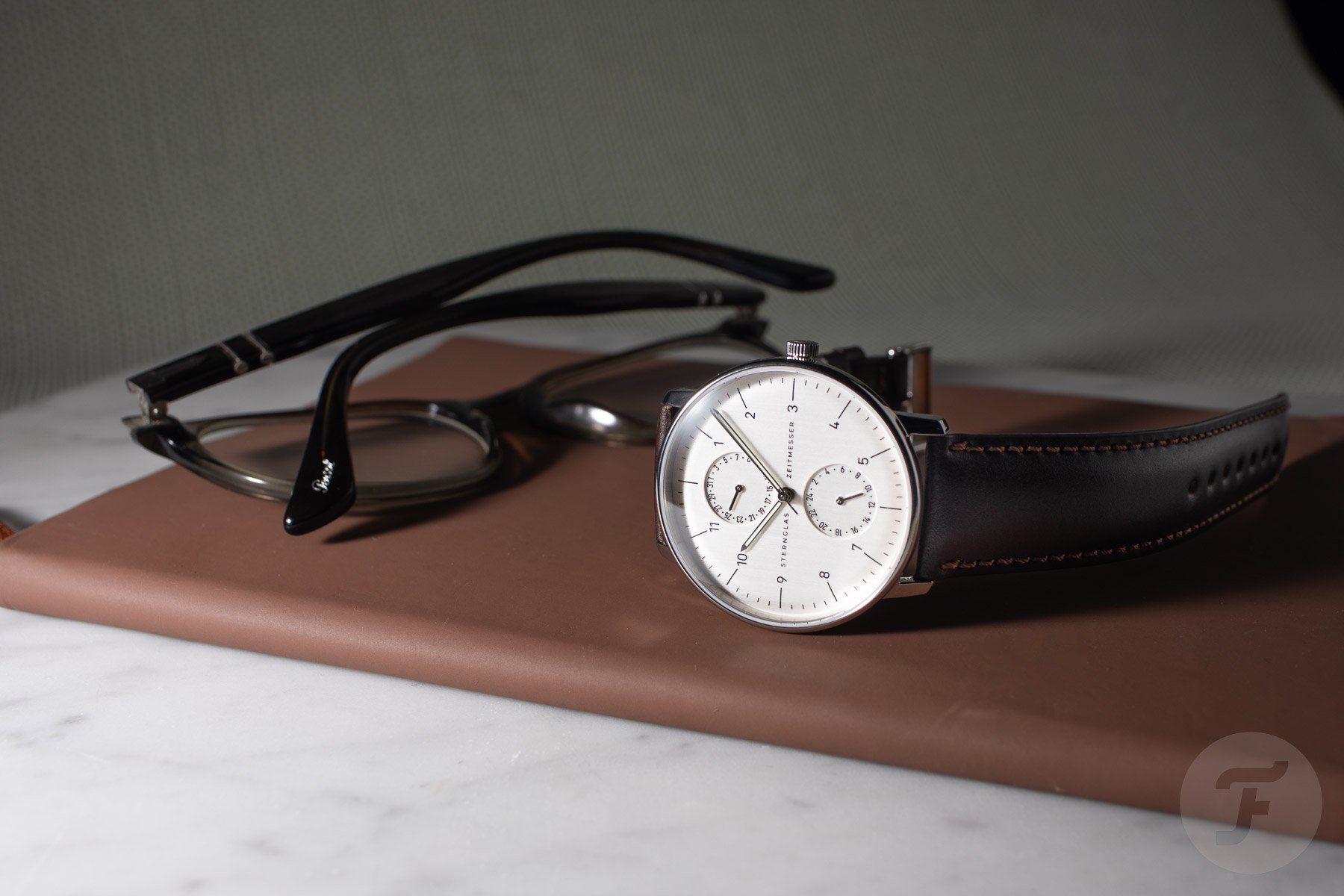 Fratello
It’s impressive to realize that Sternglas has been around for a decade. I first reviewed a Sternglas watch seven years ago, so I have followed the company for most of those years. Putting aside the realization that I am getting older fast, it’s been fun to see how the Hamburg-based brand has used Bauhaus design […] Visit The New Sternglas Zirkel X Proves The Circle’s Significance to read the full article.
 WristBuzz
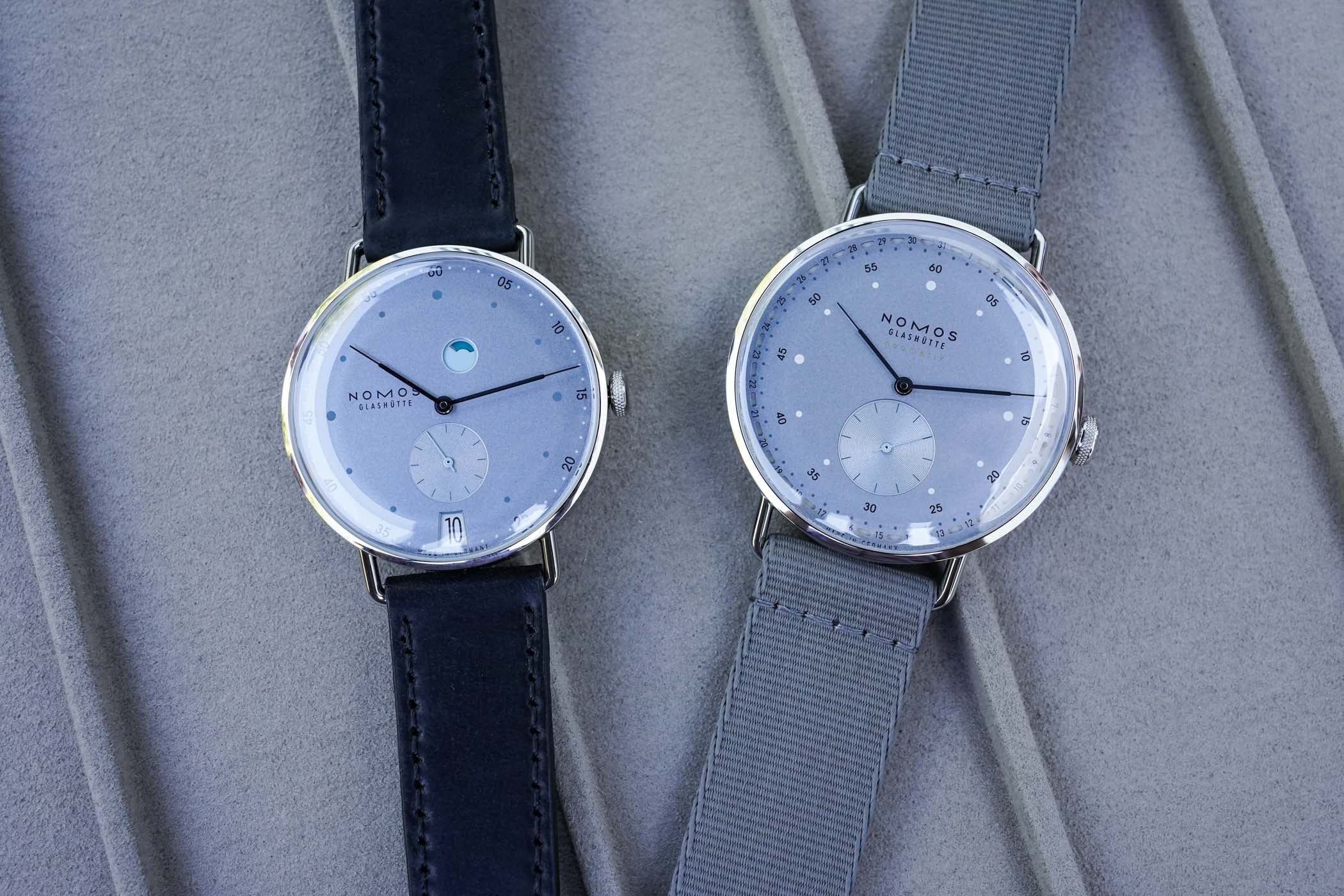
Nomos upgrades the Metro Date Power Reserve with a new caliber and adds a cool new dial color to one of its most complete watches. The Nomos Metro Date Power Reserve gets a significant movement upgrade and a new ice blue dial option. Here's what changed and why it matters.
 Time+Tide
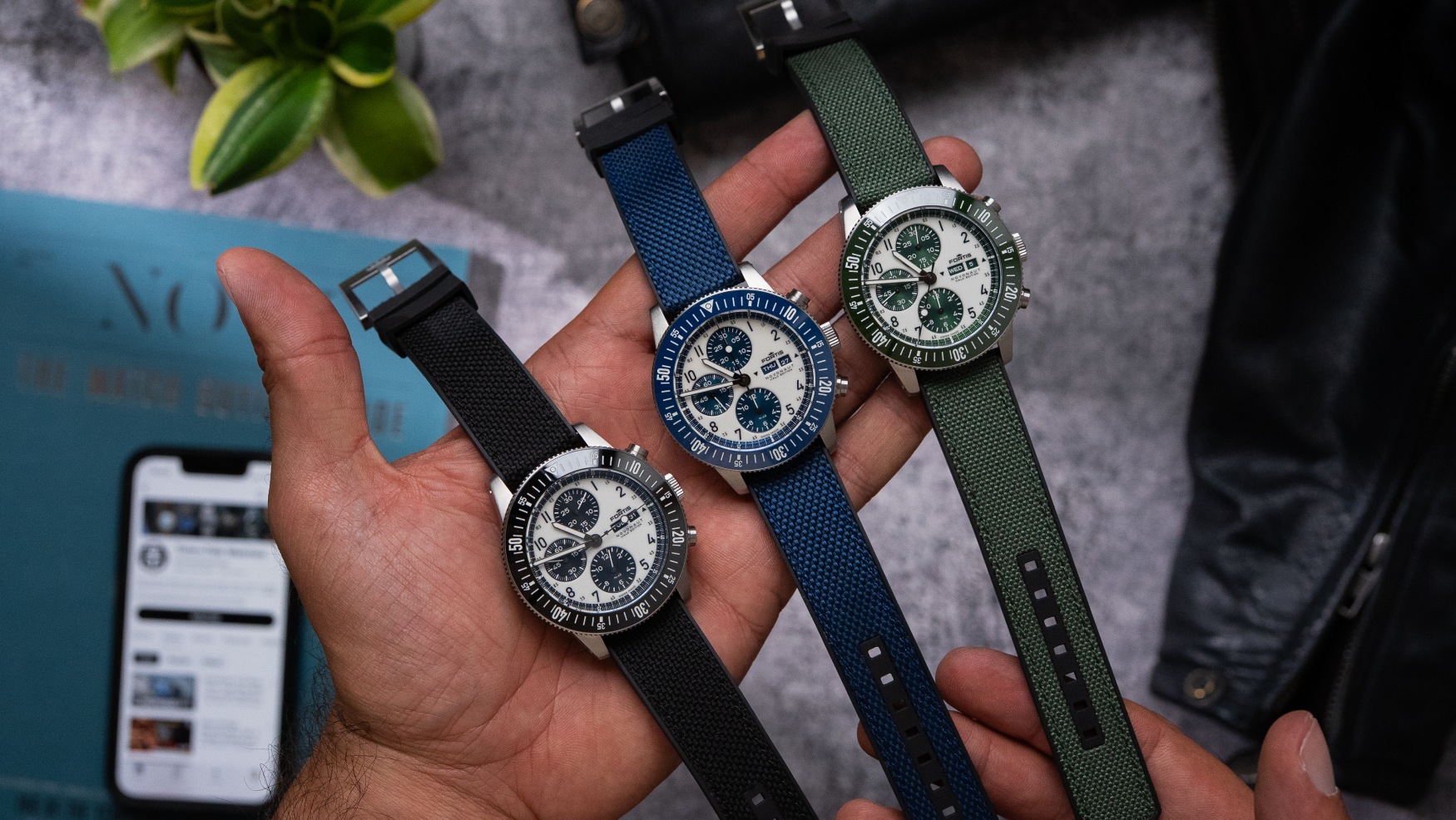
A no-nonsense diving chronograph gets a glowing facelift with some extra power added under the hood as well.
 Monochrome
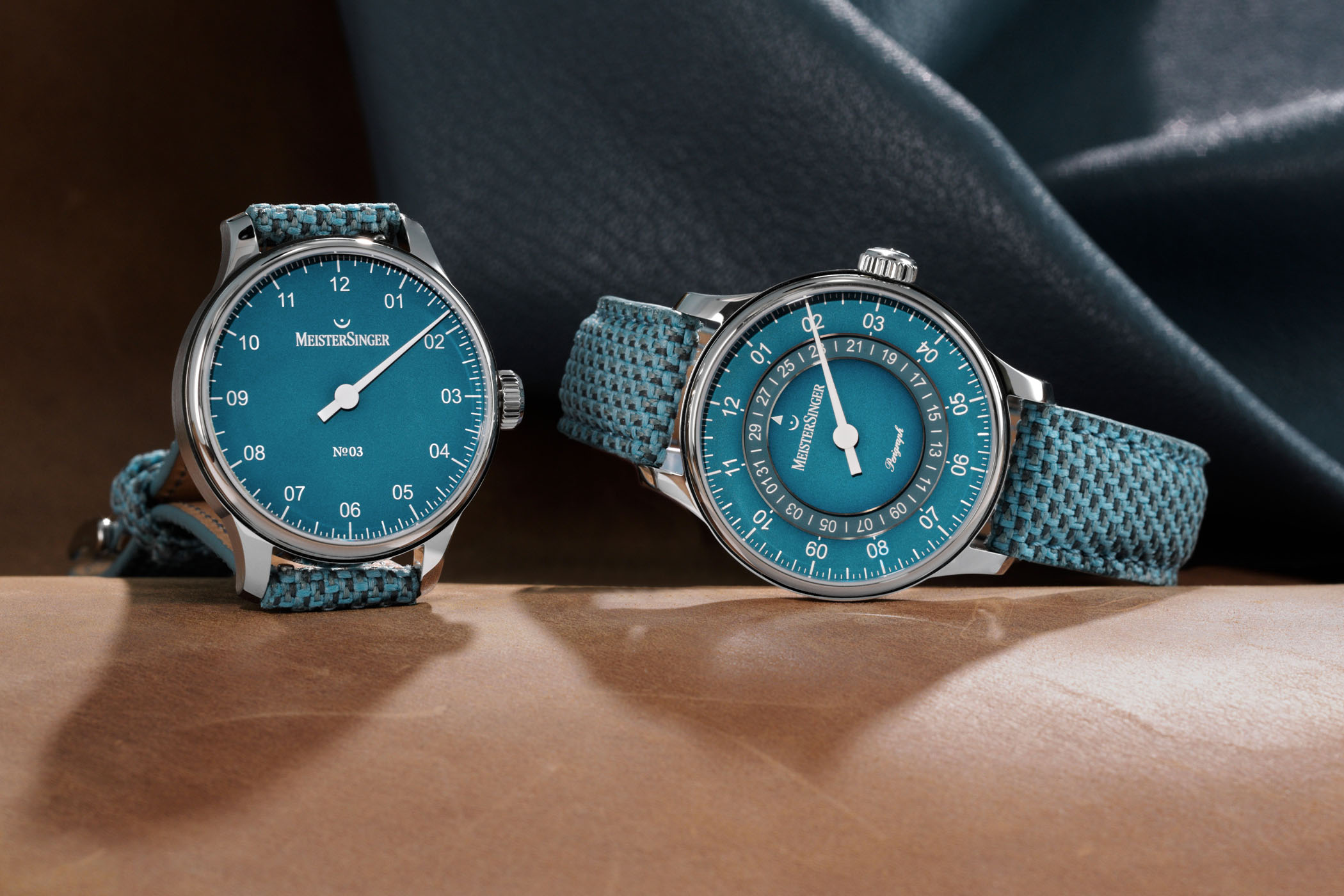
Watchmaking enthusiasts know MeisterSinger and the foundational idea behind its creations: time does not always need to be read to the nearest second. Two of the Münster-based brand’s long-standing models, the No03 and the Perigraph, now come as special editions that pair the signature single-hand display with a cool new dial colour. Both watches are […]
Question, suggestion, or just want to say hi? Drop a note.