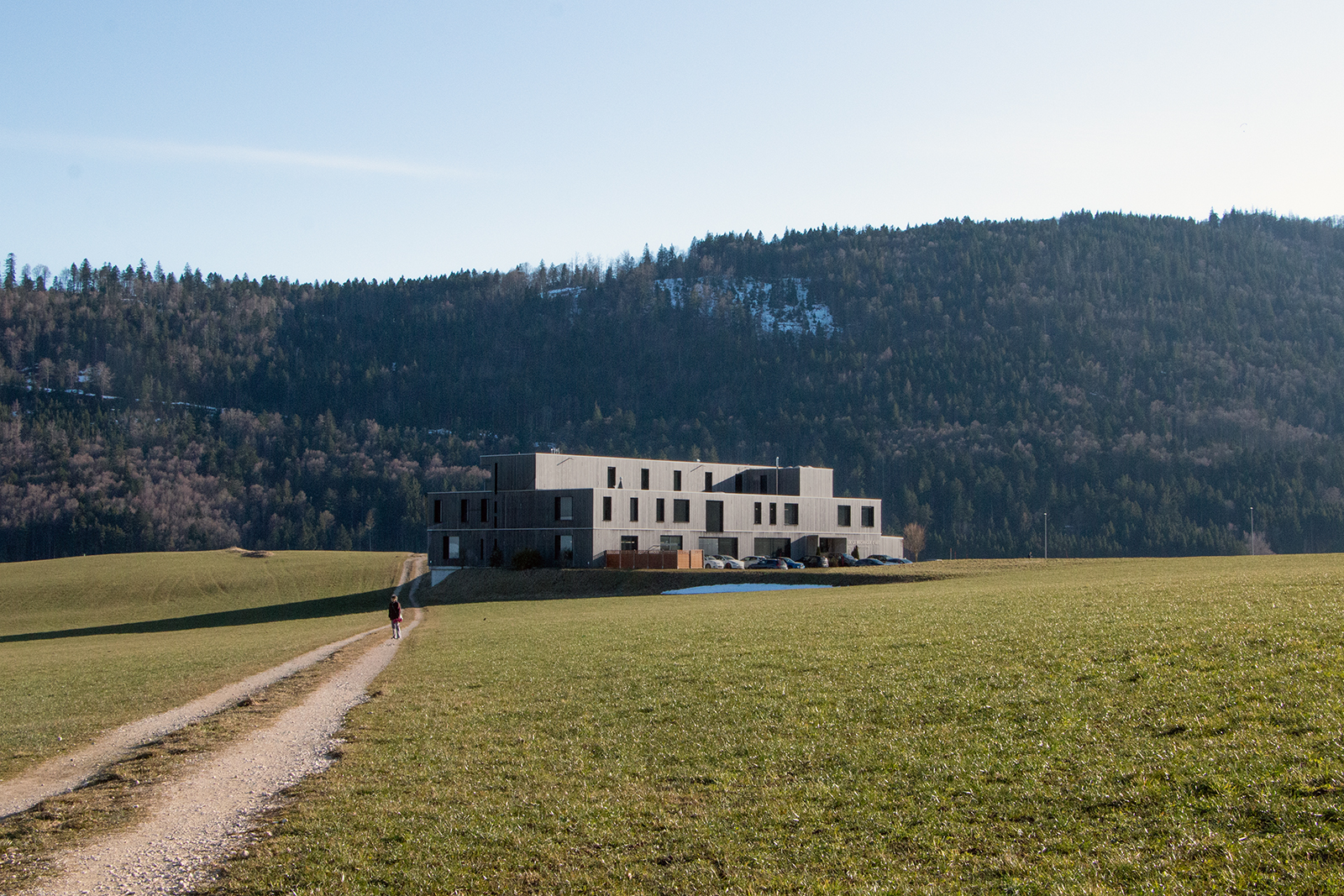
De Bethune was co-founded in 2002 by David Zanetta (a Swiss antiques dealer and collector) and Denis Flageollet (a watchmaker trained at La Chaux-de-Fonds) as a deliberate anti-traditionalist project. Where most haute-horlogerie houses reach back to the 19th century for design cues, De Bethune reaches sideways, to 18th-century astronomy, industrial design, and science-fiction. The atelier sits in a restored 18th-century farmhouse in Sainte-Croix high in the Swiss Jura, close to the music-box and automaton craft the region is historically known for, and the brand developed into one of the most technically inventive independents alongside MB&F and Urwerk.
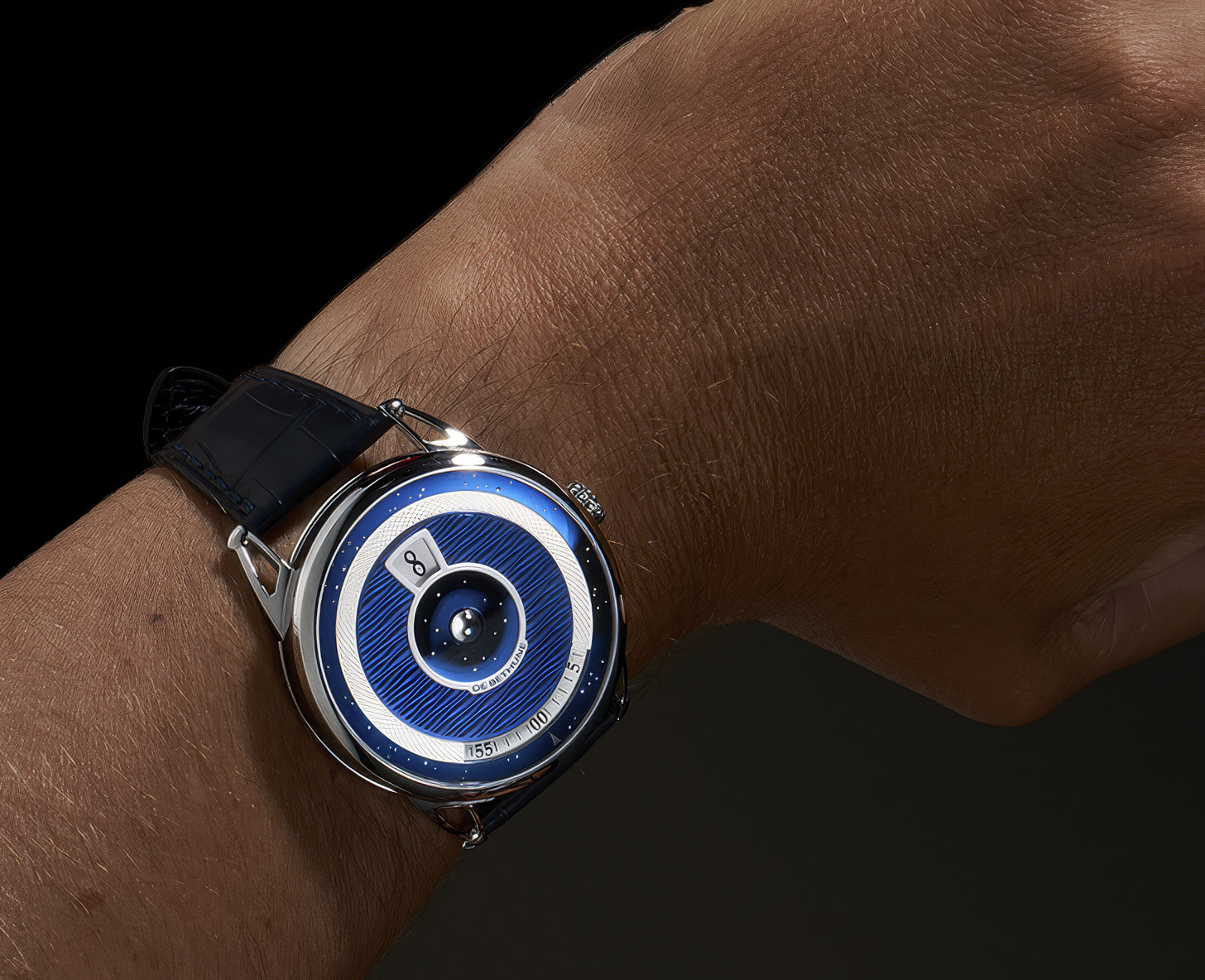
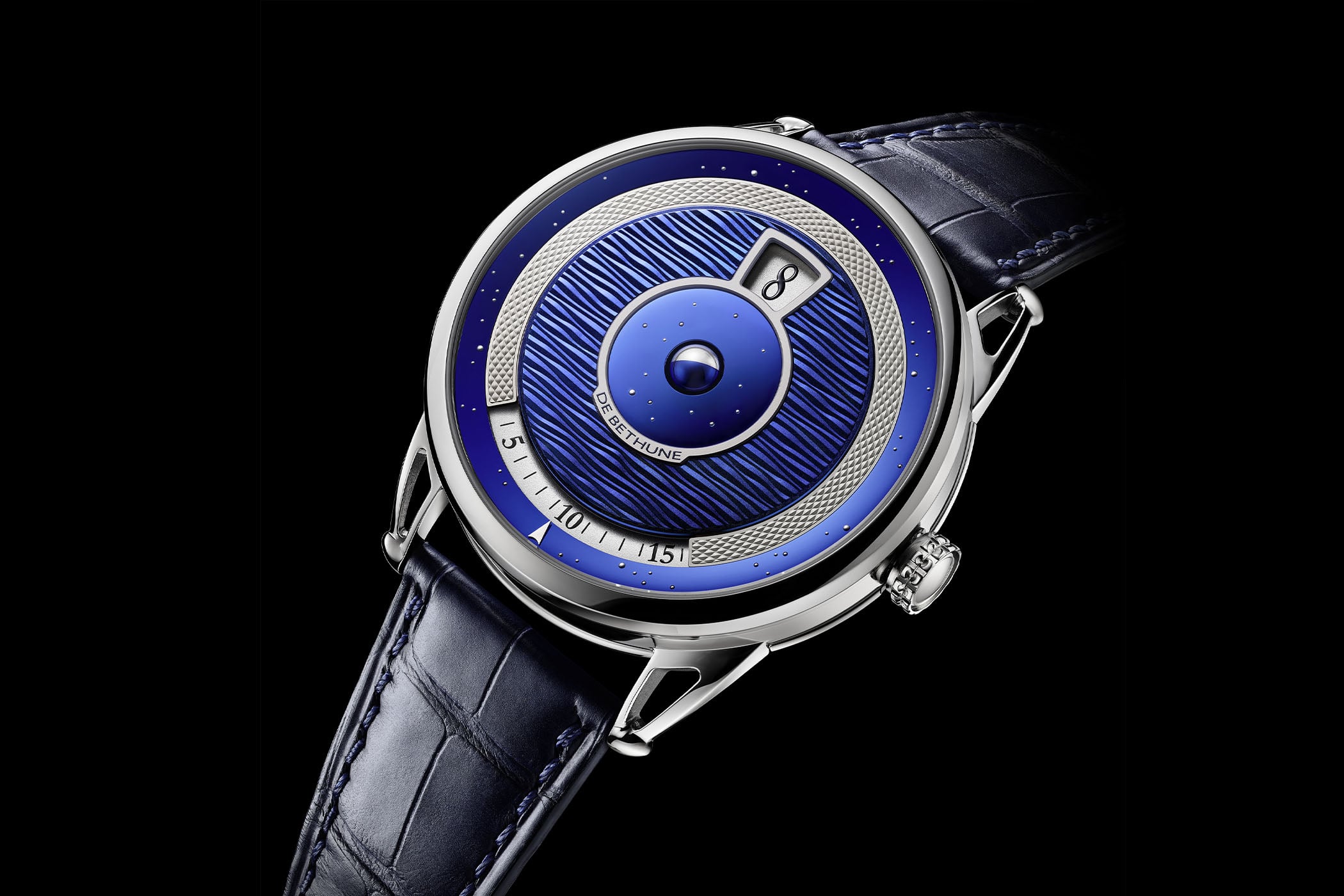
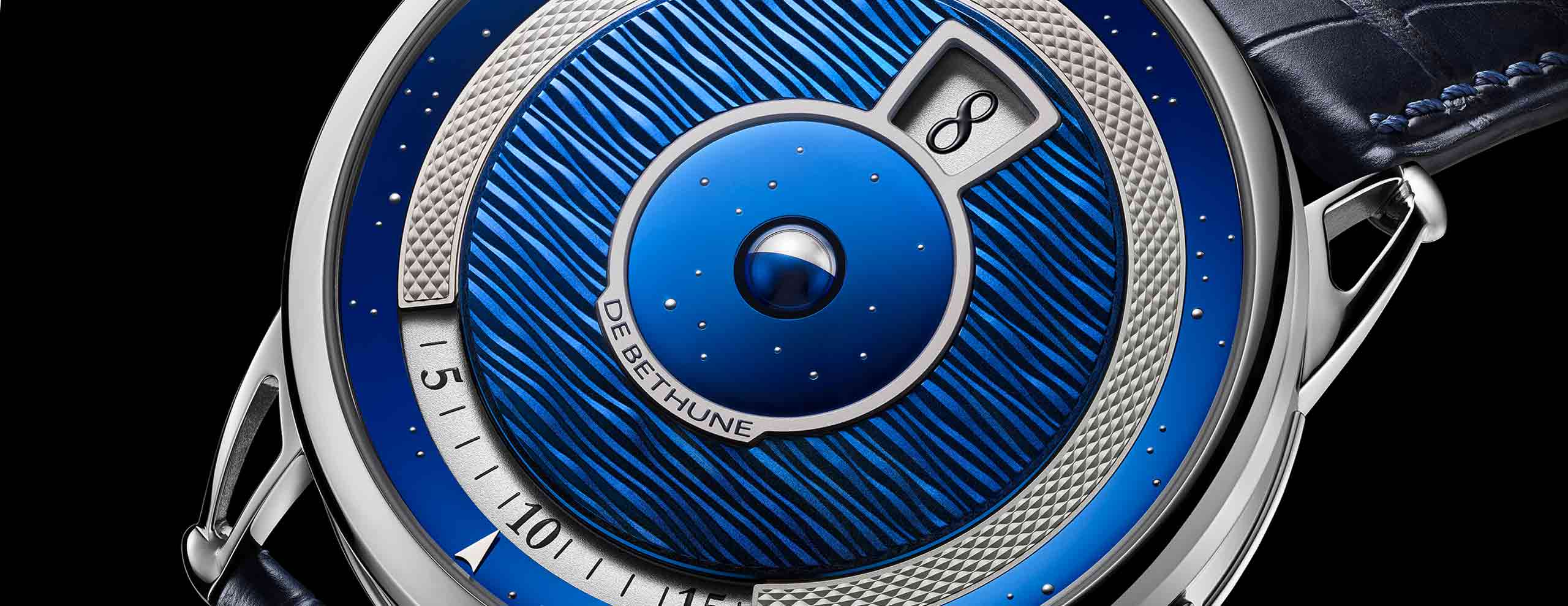
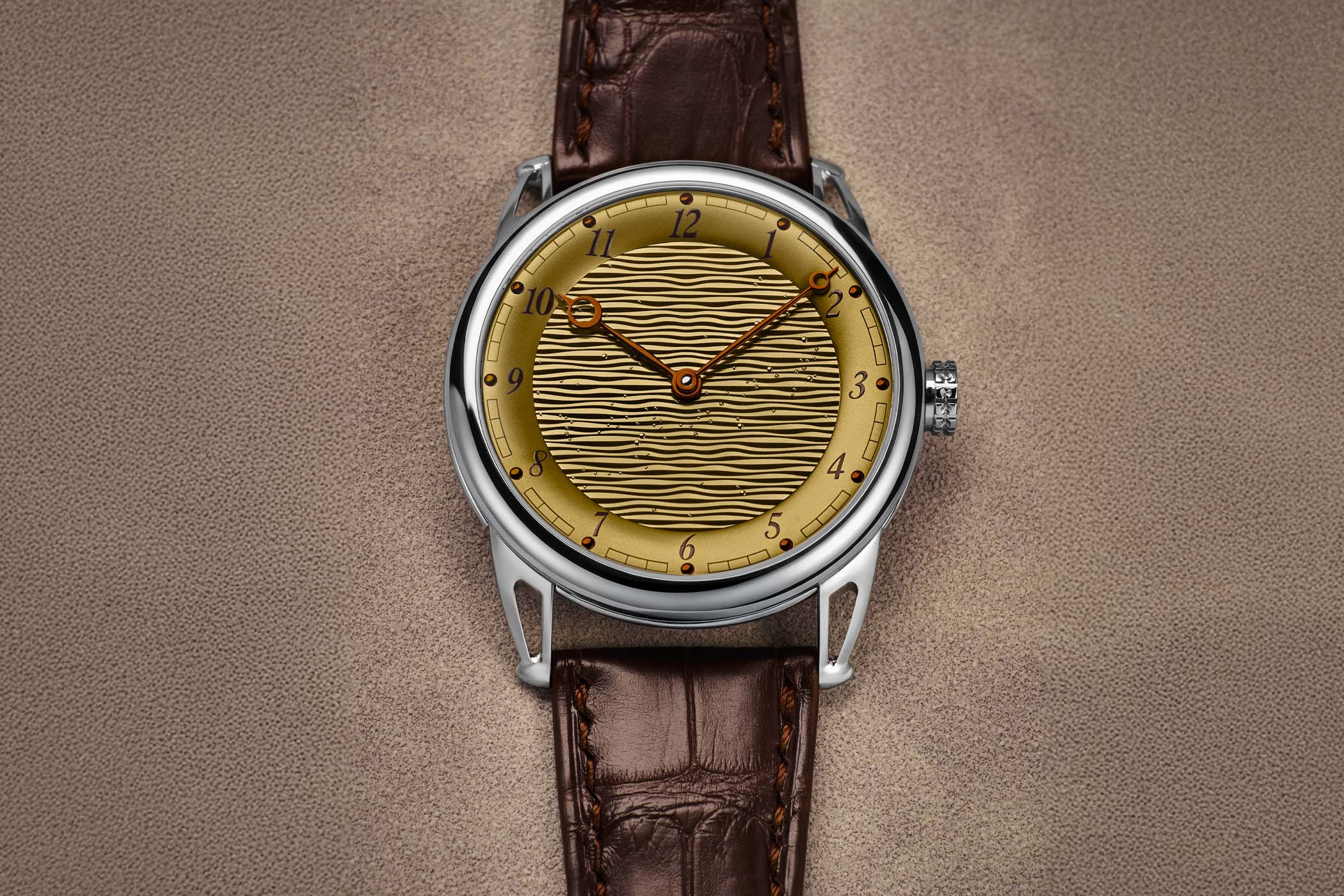
The design signatures are immediately recognisable: the three-dimensional spherical moonphase (a half-blued, half-polished titanium sphere accurate to one day every 122 years), delta-shaped bridges, floating lugs on the DB28, and blued titanium hands produced via a patented flame-bluing process. The brand's most visible technical invention is the triple parachrome balance wheel, a four-part assembly of silicon and titanium designed to compensate for thermal variation, magnetism, and shock in a single unit.
Ownership has shifted twice. Zanetta stepped back in the 2010s and the brand went through a restructuring before Pierre Jacques (formerly of De Bethune from the early days) returned as CEO in 2019 and stabilised the business. Denis Flageollet remains technical director. The current collection is built around the DB28 (cushion case with floating lugs), the DB25 (traditional round case), and the DB Kind of Two (reversible dress watch). Pricing ranges from ~CHF 70,000 for a simpler DB28 to CHF 500,000+ for tourbillon and resonance-chronograph complications. The 2011 DB28 won the Aiguille d'Or at the Geneva Watchmaking Grand Prix, the brand's highest accolade.



Comments
No comments yet, be the first to weigh in.