 SJX Watches
Explained: The Vertical Clutch of a Chronograph
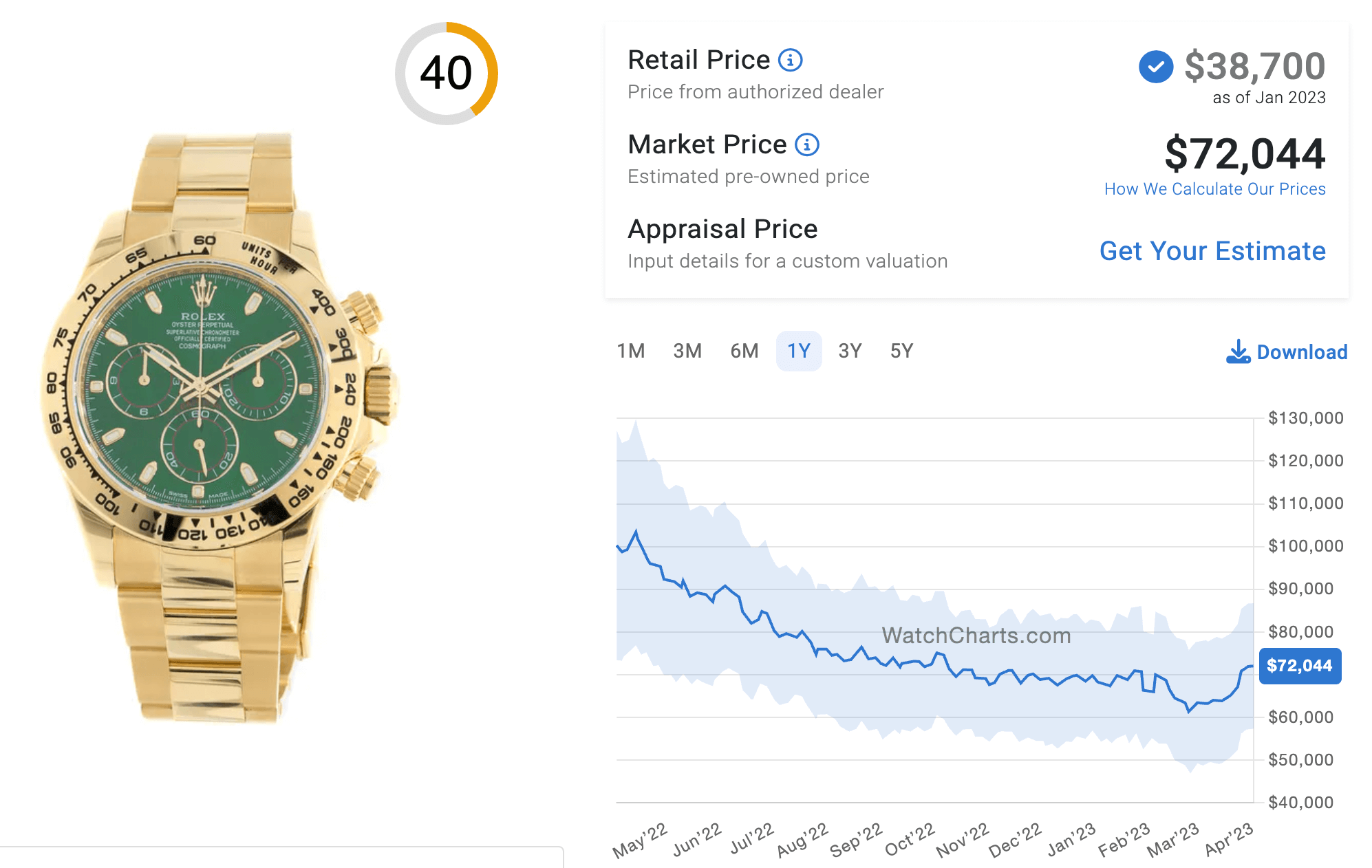
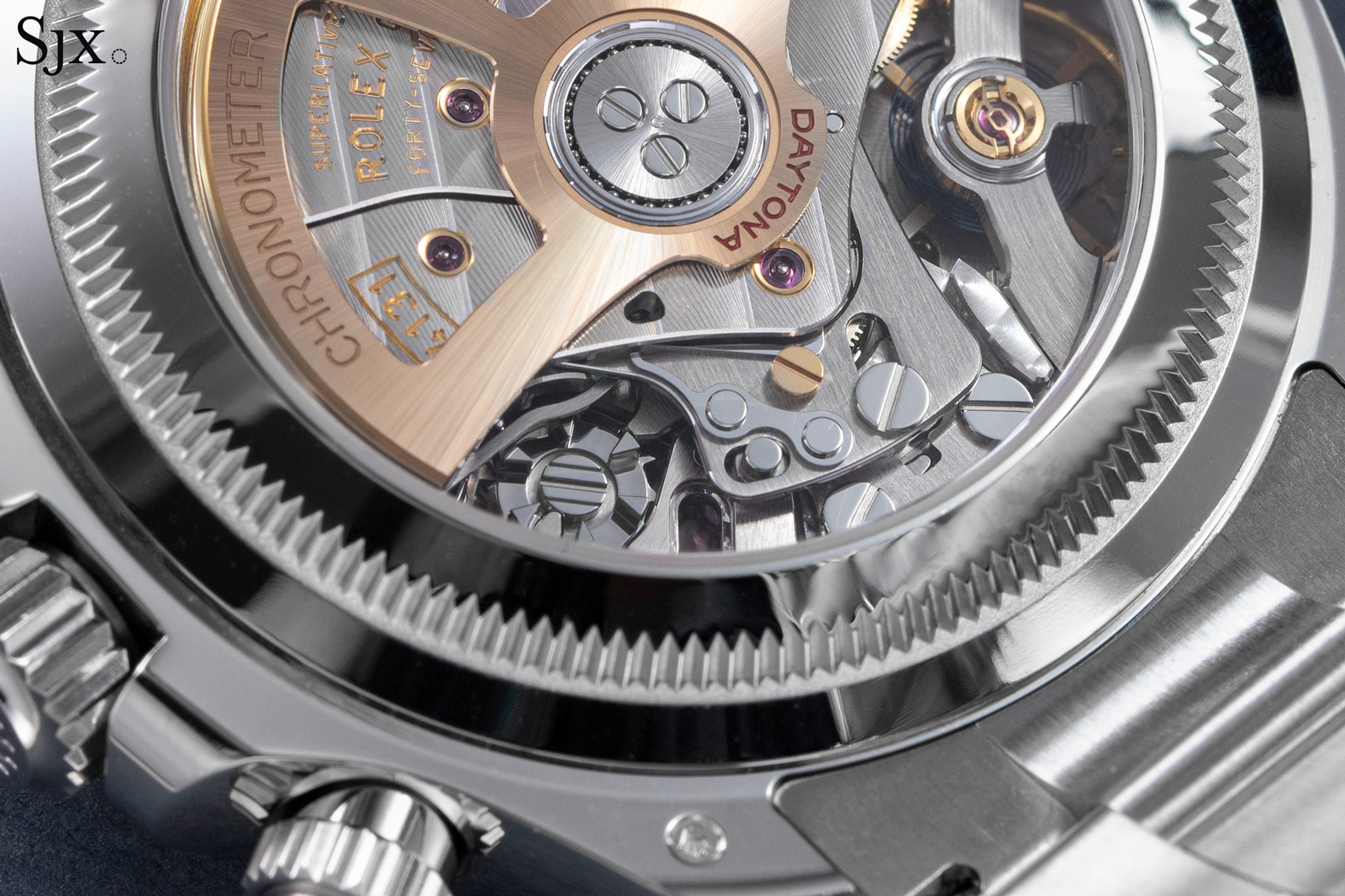
Having already explained the more traditional horizontal clutch (or lateral coupling), we now look forward to the more modern vertical clutch. This is found in some of the most famous chronographs in contemporary watchmaking, including the Rolex Daytona with the cal. 4131 (pictured above), Patek Philippe Nautilus with the CH 28-520, and Audemars Piguet Royal Oak Chronograph with the cal. 4401. Arguably the most advanced type of chronograph coupling mechanism, the vertical clutch as it is known today was debuted in 1969 by Seiko in the 6139 chronograph. But the concept can be found in late 19th century pocket watches, and even the inexpensive Pierce Chronographe of the 1930s. Today it is practically the default choice for new chronograph constructions. Equipped with the vertical clutch, the Patek Philippe CH 28-520 in the Nautilus Travel Time Chronograph ref. 5990/1A Like its horizontal counterpart, the vertical clutch serves as the mechanical link between the chronograph mechanism and the going train of a movement, allowing power to flow from the going train to the chronograph, which then allows the chronograph to run. While it fulfils the same function, a vertical clutch works differently from the horizontal equivalent, a distinction that comes with its own set of advantages and disadvantages. How it works A chronograph vertical clutch is similar to the clutch found in the manual transmission of some automobiles. The clutch of an automobile enables the intermittent connec...