Origin and the four-brand consortium
In 1965-1967, four major Swiss manufactures collaborated on a single goal: produce the world's thinnest production self-winding movement. Jaeger-LeCoultre, then the largest movement-making manufacture in Switzerland, took the lead on engineering. Audemars Piguet, Patek Philippe, and Vacheron Constantin each contributed funding, finishing input, and committed to using the resulting movement under their own caliber numbers. The result was the JLC Cal. 920 (also known as the LeCoultre 920 in some markets), launched in 1967 at 2.45 mm thin: an architectural breakthrough that nothing else in serial production matched until the modern era.
The defining engineering: peripheral full rotor
The 920's defining mechanical feature is the peripherally-supported full rotor. In a conventional automatic the rotor is mounted on a central bearing, with a hub that takes up several millimetres of vertical space. In the 920 the rotor is a full disc that sits flush against the back of the movement, with no central hub at all. Its weight is supported entirely by four small ceramic balls running in a track around the periphery of the movement plate. This sub-millimetre support is what allowed the architecture to hit 2.45 mm thin while still using a full-rotor (rather than micro-rotor) winding system. The visual signature: through a sapphire caseback, the rotor appears to "float" with no central pivot, the bridge geometry is fully visible behind it.
The rebadged versions
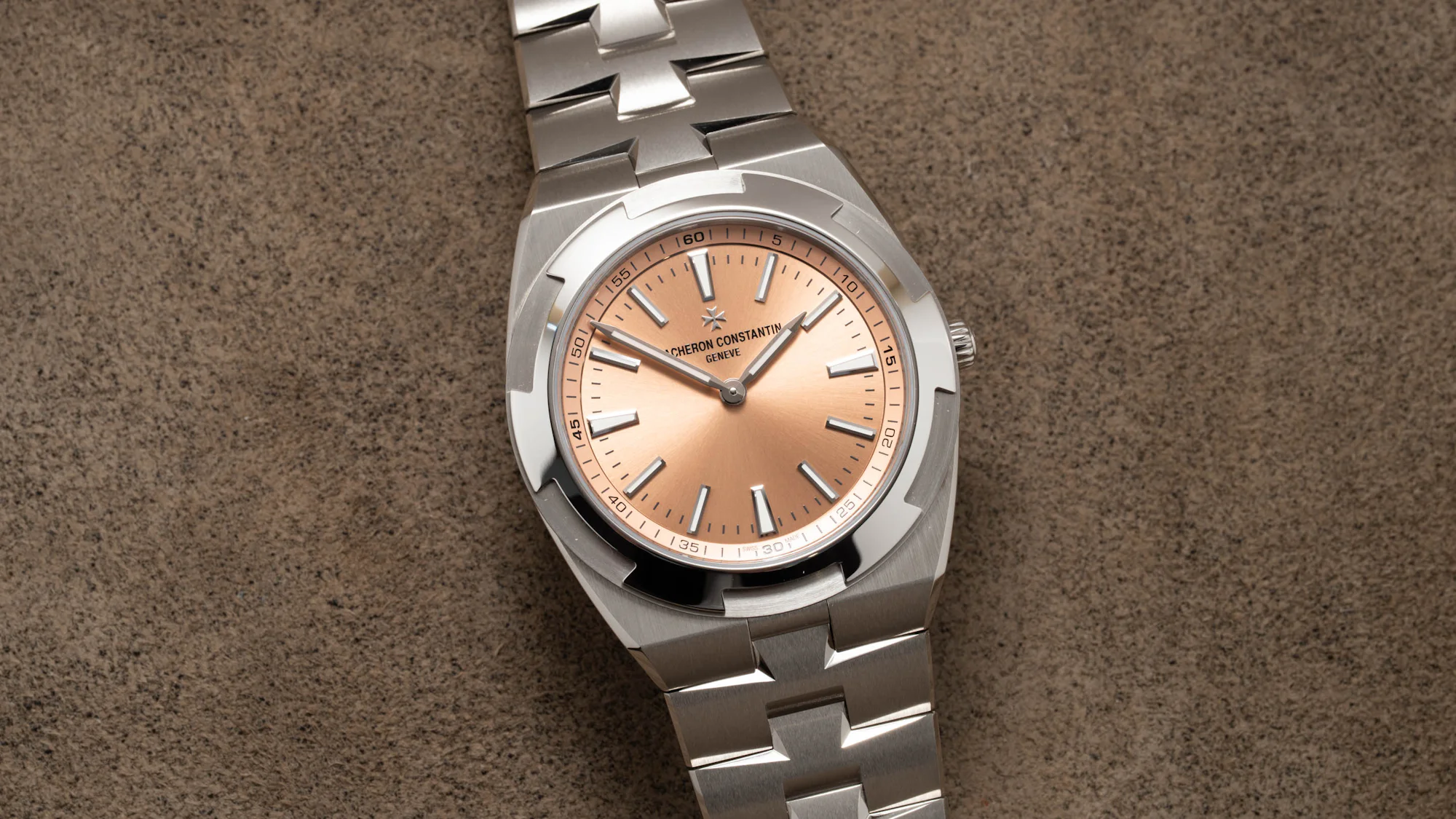
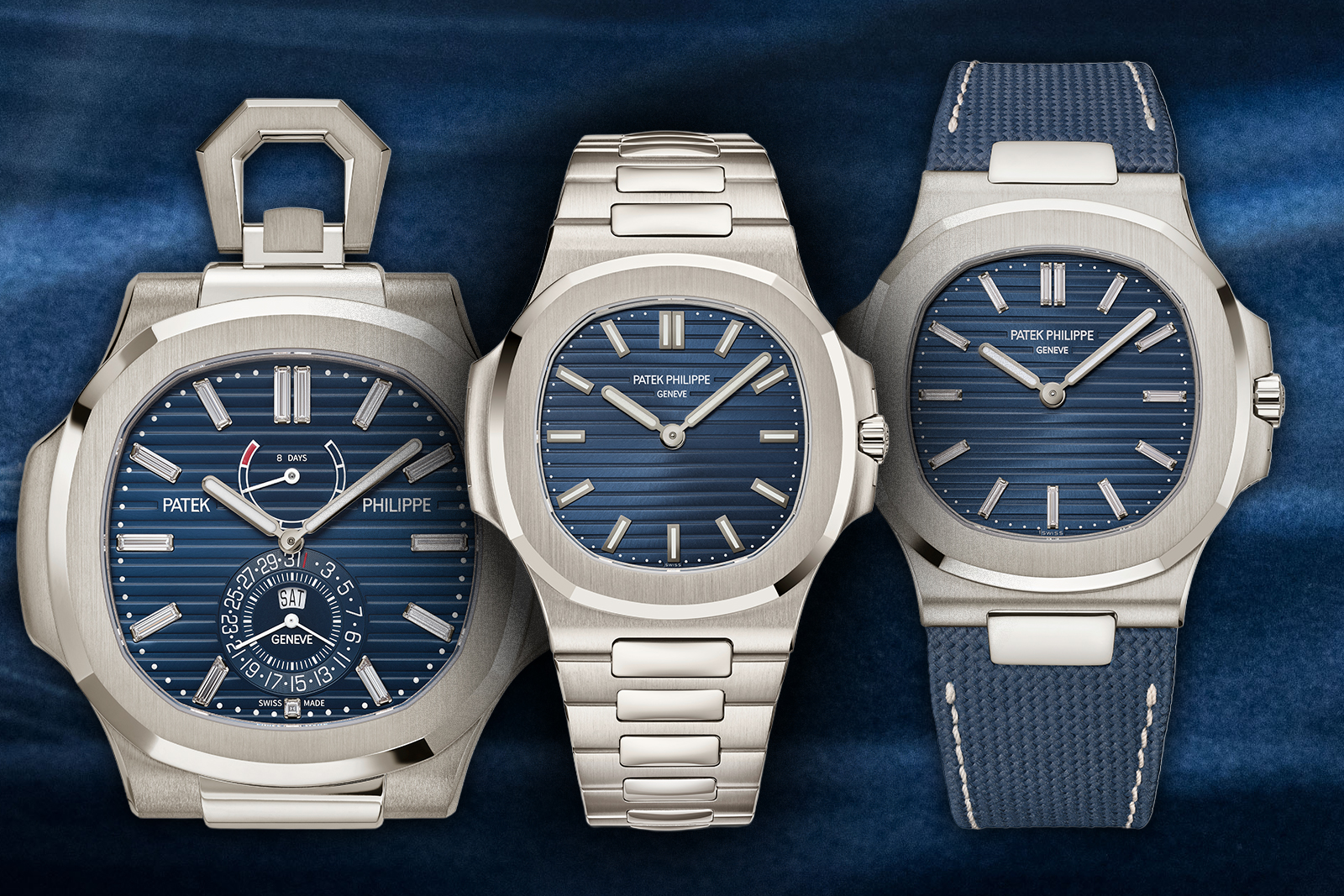
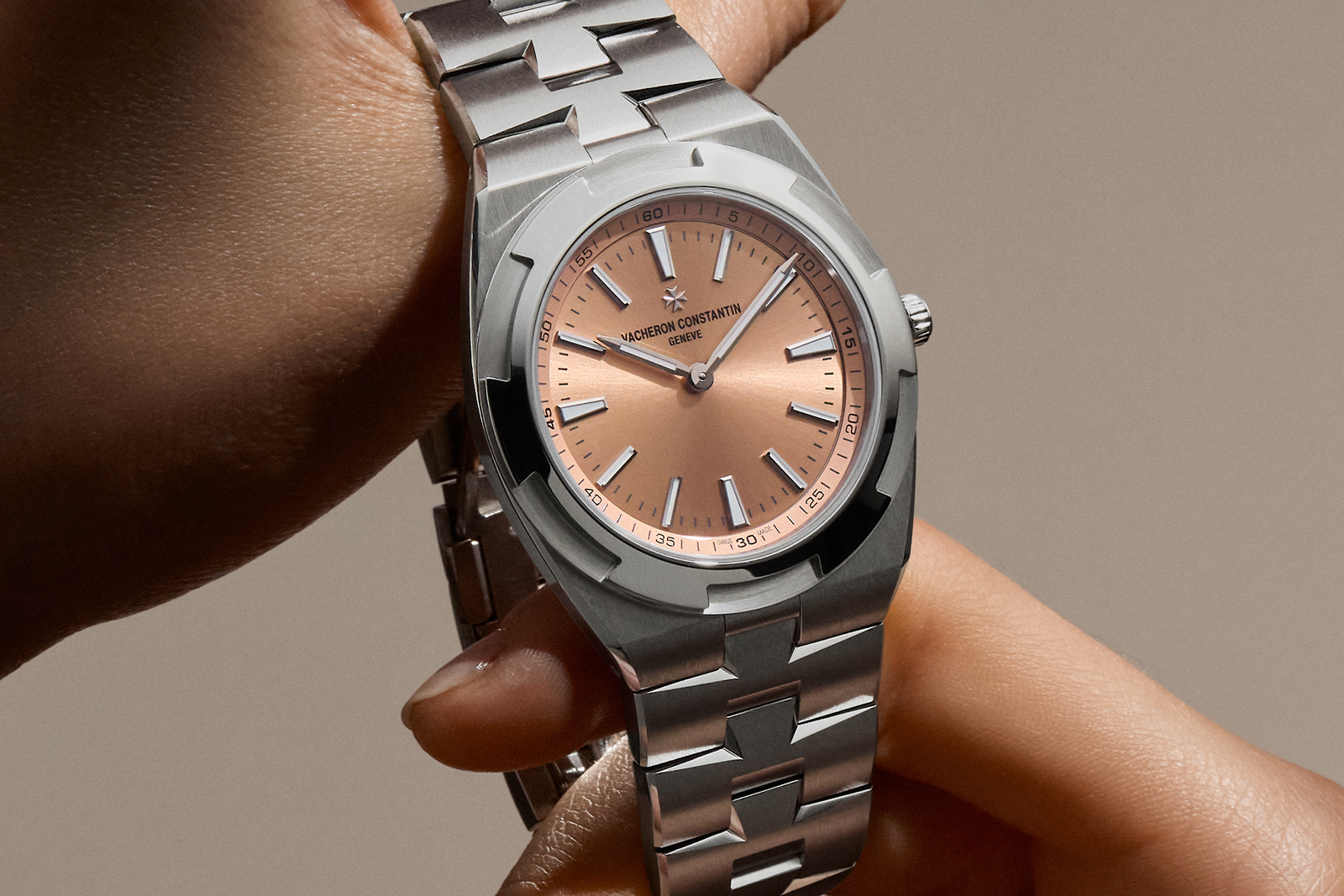
The same architecture appears under four caliber numbers. JLC Cal. 920: the JLC-original, used in JLC Master Ultra-Thin and certain Reverso variants. AP Cal. 2120 (and 2121 with date, 2122 with date+seconds): the AP-finished version, in the original 1972 Royal Oak ref. 5402 and the Royal Oak Jumbo Extra-Thin family until 2022. Patek Philippe Cal. 28-255: in the Patek Calatrava ref. 3554 and certain other thin Patek references of the 1970s-80s. Vacheron Constantin Cal. 1120: in the Vacheron 222 (1977) and several other Vacheron thin automatics. The base architecture is identical; the differences are in finishing (each manufacture applied its own decoration), regulation, and the rotor weight (gold for AP, varying for the others).
Why JLC kept making it
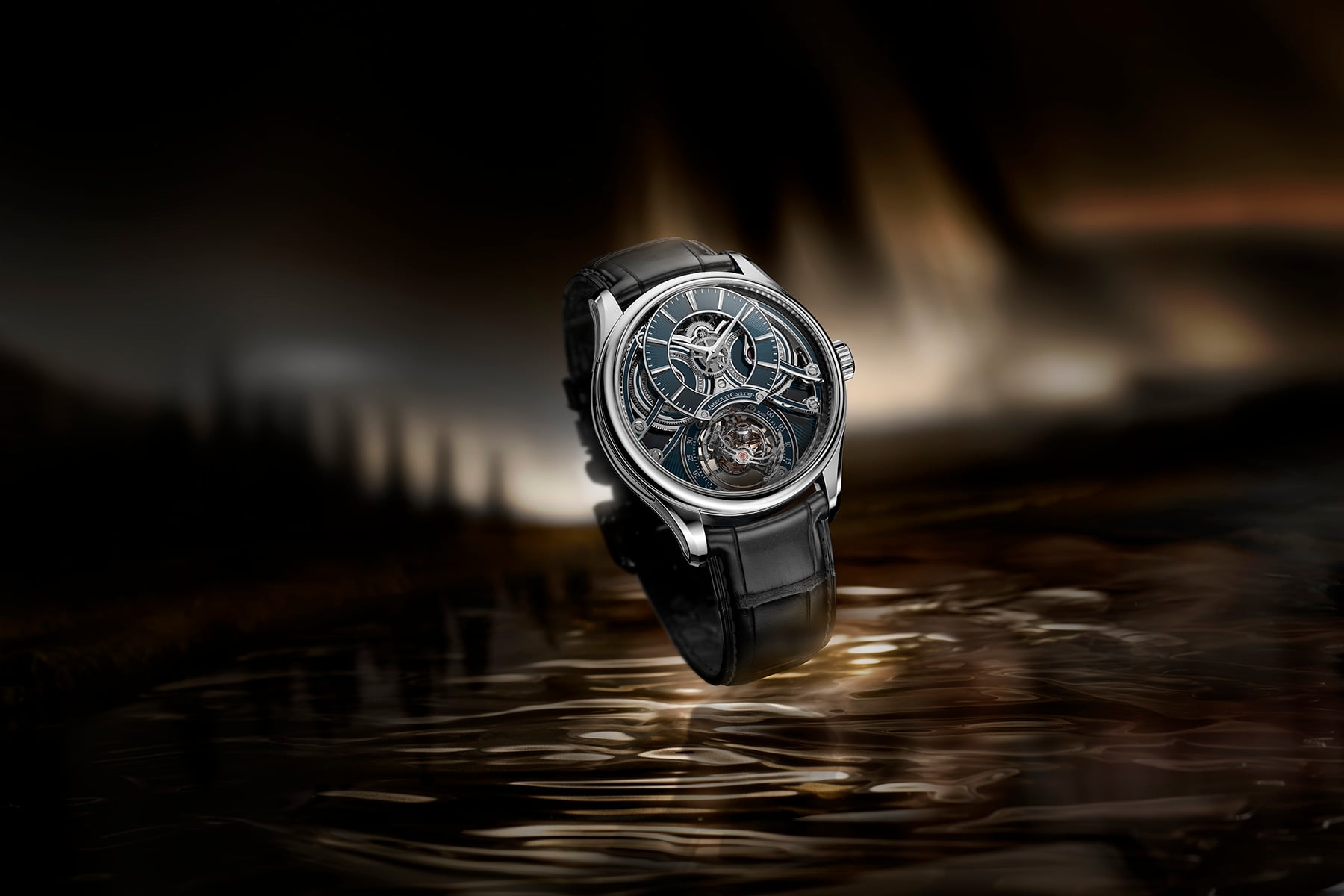
JLC has continued the Cal. 920 in production for 57+ years, longer than any of the licensee brands kept their version going. AP retired the 2120 in 2022 with the launch of the in-house Cal. 7121. Patek replaced its 28-255 family with the in-house Cal. 240 microrotor in 1977, then the modern Cal. 324. Vacheron retired the 1120 with the modern Caliber 2455 line. JLC, by contrast, still uses the 920 base in the Master Ultra-Thin and Reverso Tribute lines as of 2026. The 920 remains, after 57 years, an active production caliber within JLC's catalogue.
Watches that have used it
The 920 / 2120 / 28-255 / 1120 architecture has powered some of the most important thin automatic watches in modern horological history. The original 1972 Audemars Piguet Royal Oak ref. 5402 is the most famous; the AP Royal Oak Jumbo Extra-Thin ref. 15202 (1993-2022) carried the architecture for nearly three decades and is the cult collector reference. The Vacheron 222 (1977) is the spiritual sibling of the Royal Oak. The Patek Calatrava 3554 sits at the dressier end of the family. JLC's own Master Ultra-Thin uses the 920 base in modern form.
Service notes
Service is brand-specific. JLC services its own Cal. 920 in Le Sentier; AP services its 2120 in Le Brassus; Patek services the 28-255 in Geneva; Vacheron services the 1120 in Geneva. Cost varies dramatically by brand: JLC USD 800-1,200; AP CHF 1,800-2,800; Patek CHF 2,000-3,500; Vacheron CHF 1,500-2,500. The four-ball ceramic track on the periphery is the unique service consideration: aged or magnetised tracks need replacement, and only the originating manufacture (or JLC, the parts source) carries the parts. Independent service is technically possible but parts access is restricted. For more on the architecture see our AP 2120 page.
Comments
No comments yet, be the first to weigh in.