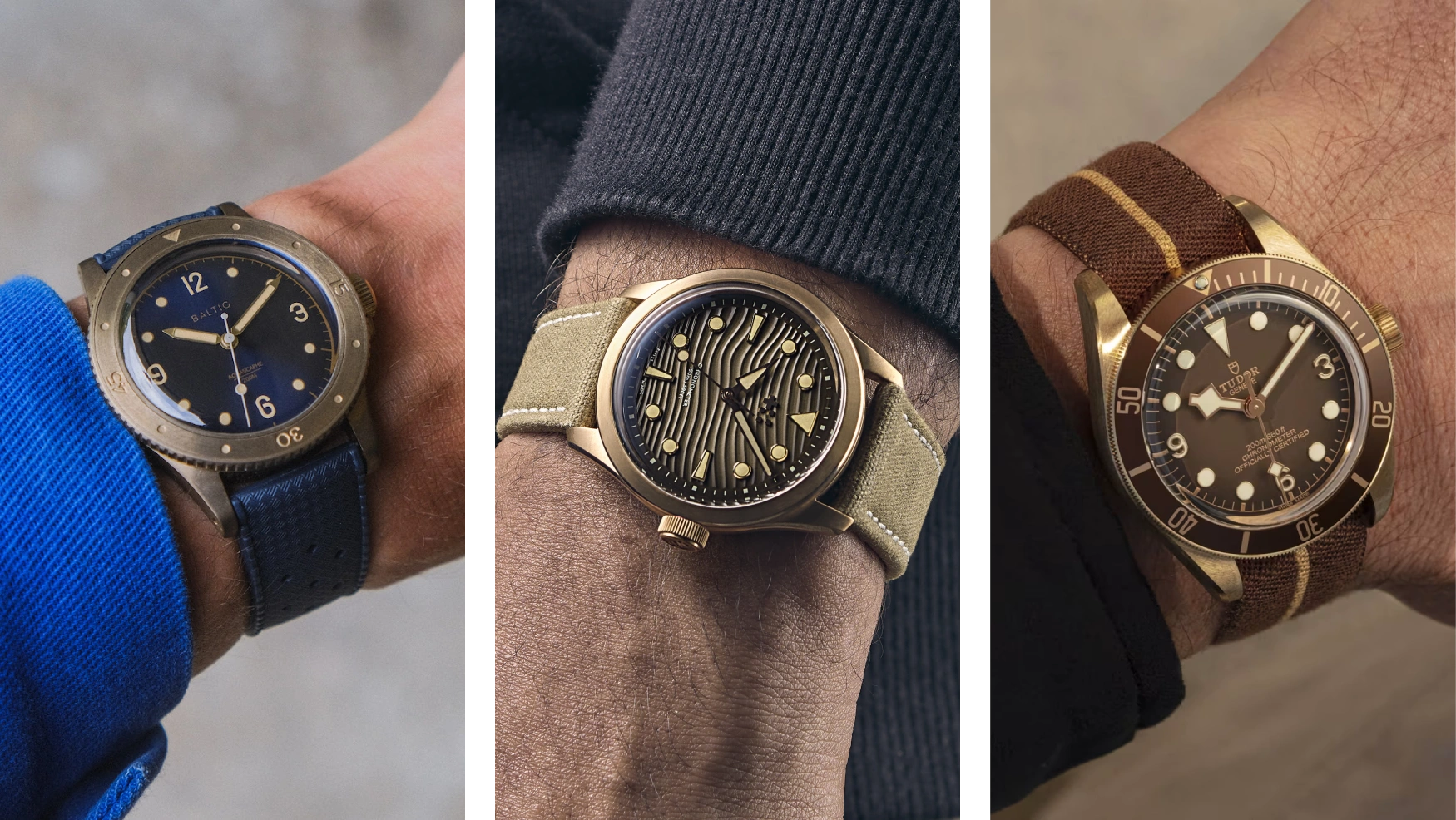
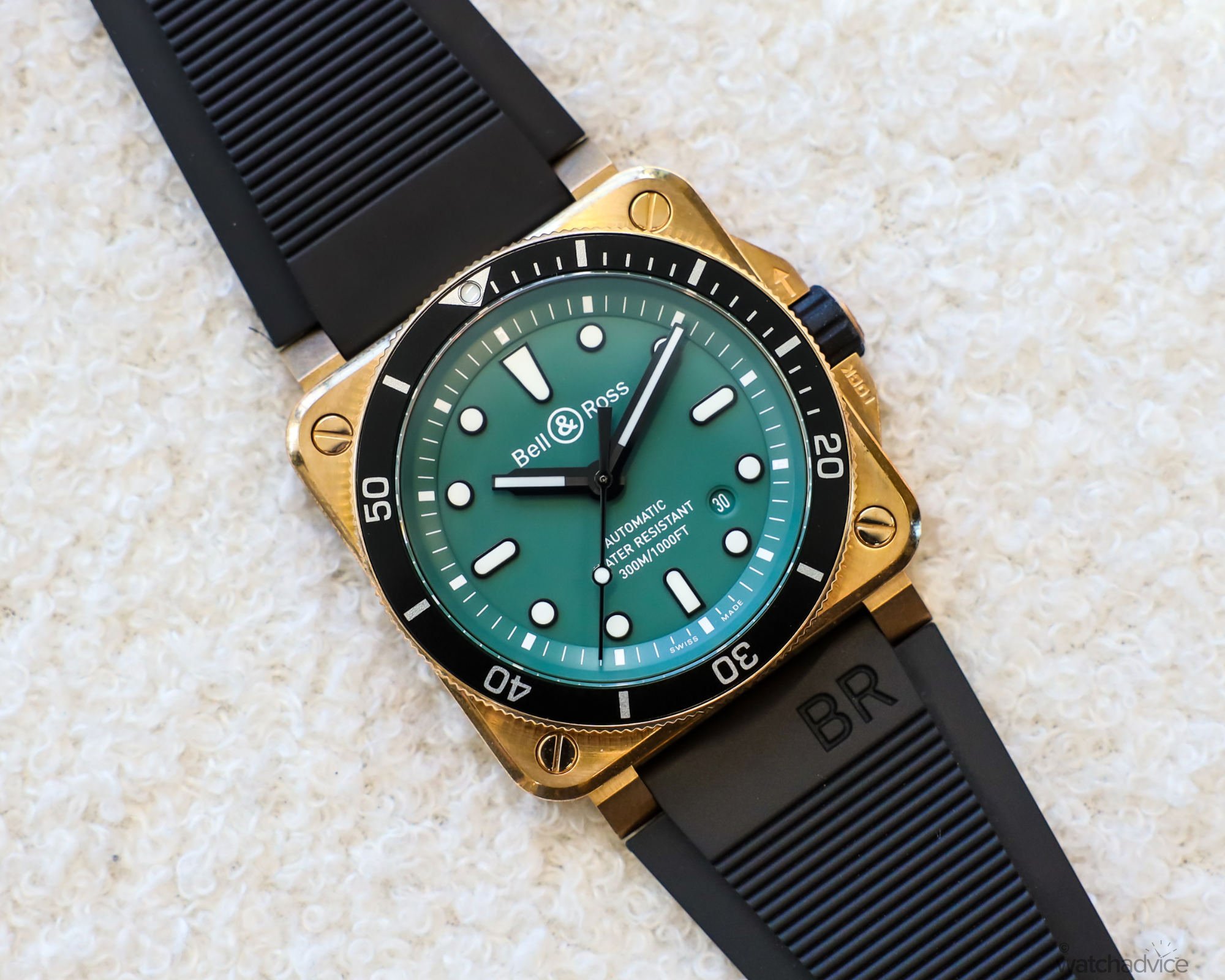
Bronze in watchmaking is almost universally the CuSn8 formulation: 92% copper, 8% tin. This is naval bronze, the same alloy used for marine propellers, ship fittings, and underwater hardware since the 19th century. The composition gives the alloy good corrosion resistance in seawater while remaining soft enough to machine to watch-case tolerances. CuSn8 is harder than copper but softer than steel; it scratches more easily than 316L stainless and shows wear marks more readily.
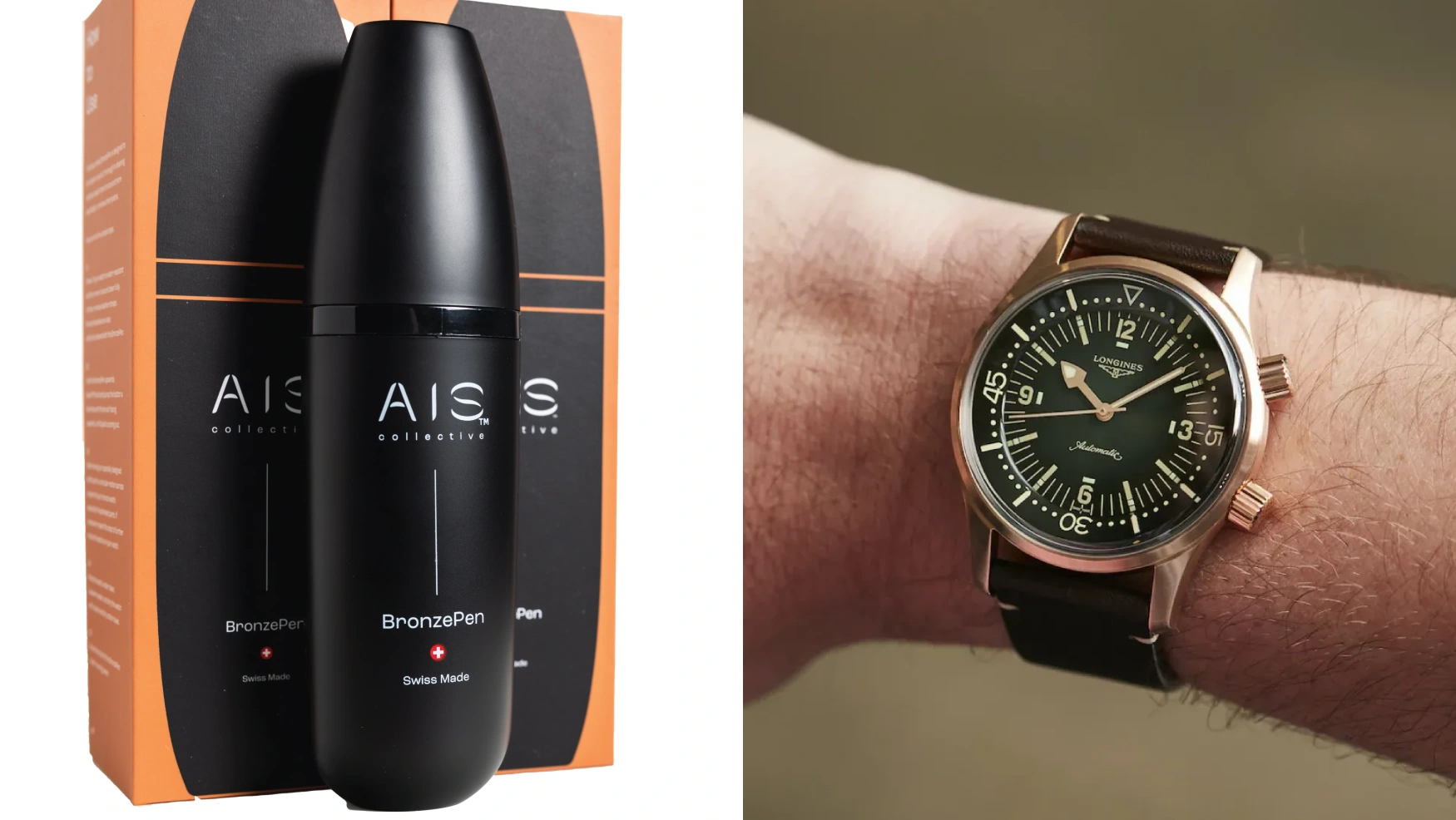
The defining behaviour of CuSn8 is oxidation patina formation. On contact with skin oils, sweat, salt water, humidity, and atmospheric oxygen, the surface layers oxidise into copper carbonates and copper oxychlorides: a green-brown layer that forms within weeks and stabilises over months. The exact colour and pattern is unique to each wearer's body chemistry, climate, and wear pattern; two identical bronze watches worn by two people will develop visibly different patinas within a year. The patina is protective: it shields underlying metal from further corrosion. It is also permanent in normal wear; aggressive chemical cleaning (lemon juice, baking soda, brass polish) can strip it back to fresh metal.
"Two identical bronze watches walk out of the boutique on Day 0. By Day 365 they look like different watches. That is the entire point."- Watch retailer on bronze patina identity
The first modern bronze production watch was the Panerai PAM 382 Submersible Bronzo, launched at SIHH 2011 in a 1,000-piece limited edition. The case was the standard 47mm Submersible cushion shape but cast in CuSn8; the caseback was titanium (skin-side) to avoid skin reaction. The release sold out at retail and traded at 2-3x list within months on the secondary market. Panerai followed with the PAM 507 Bronzo (2013), PAM 671 Bronzo Blu Notte (2017), and the PAM 968 (2019); the references have remained the most demanded Panerai limited series.
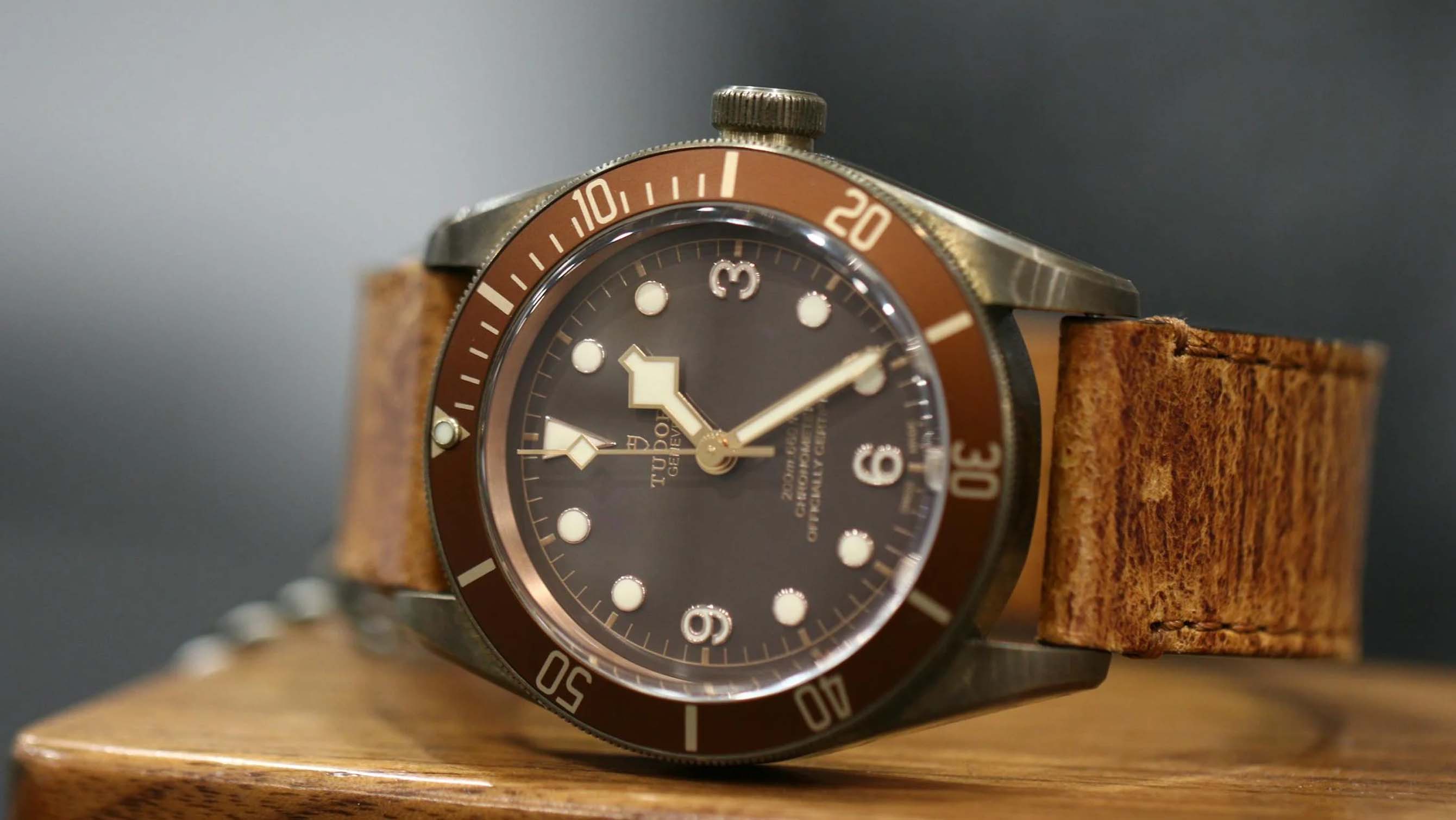
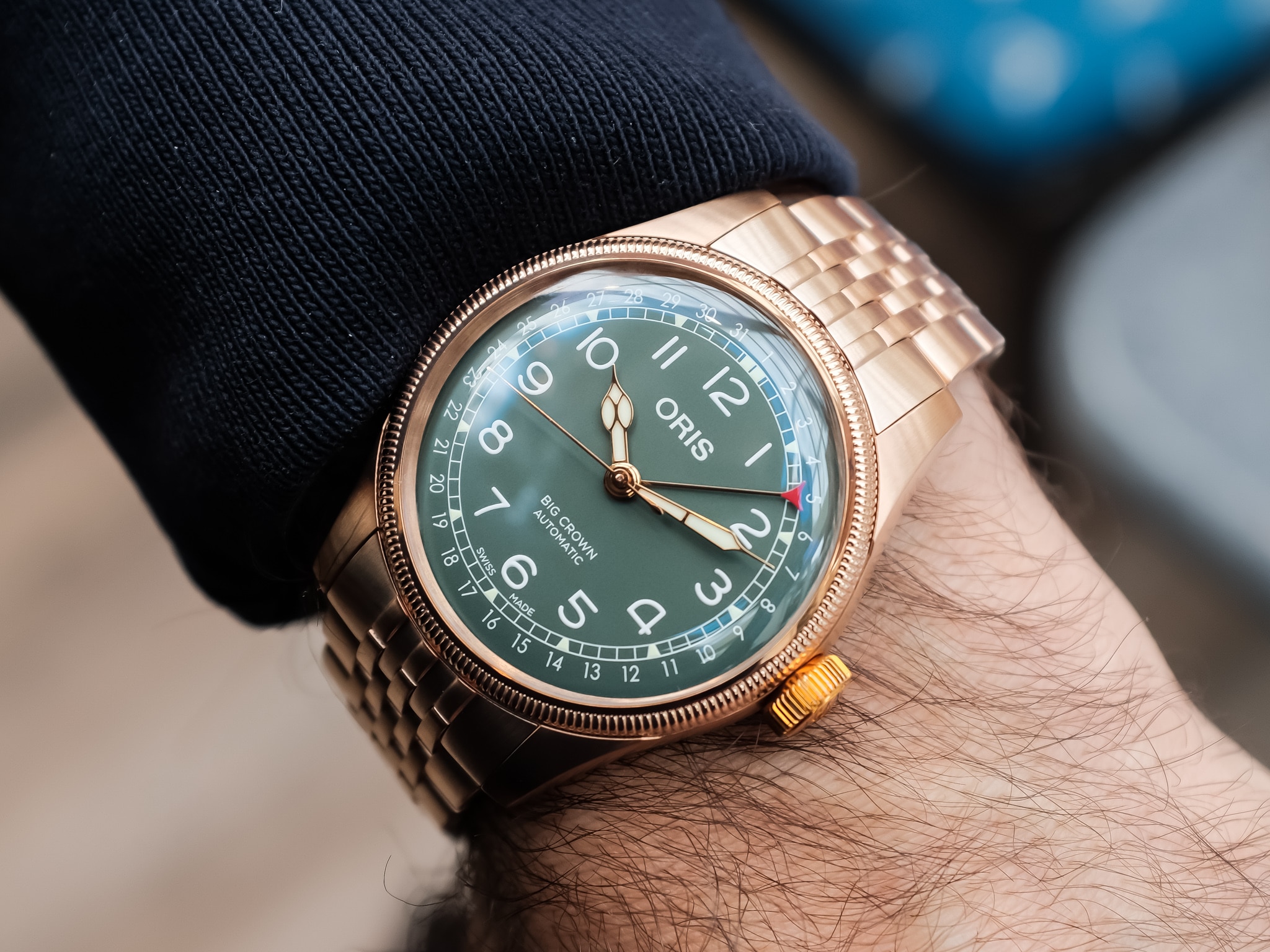
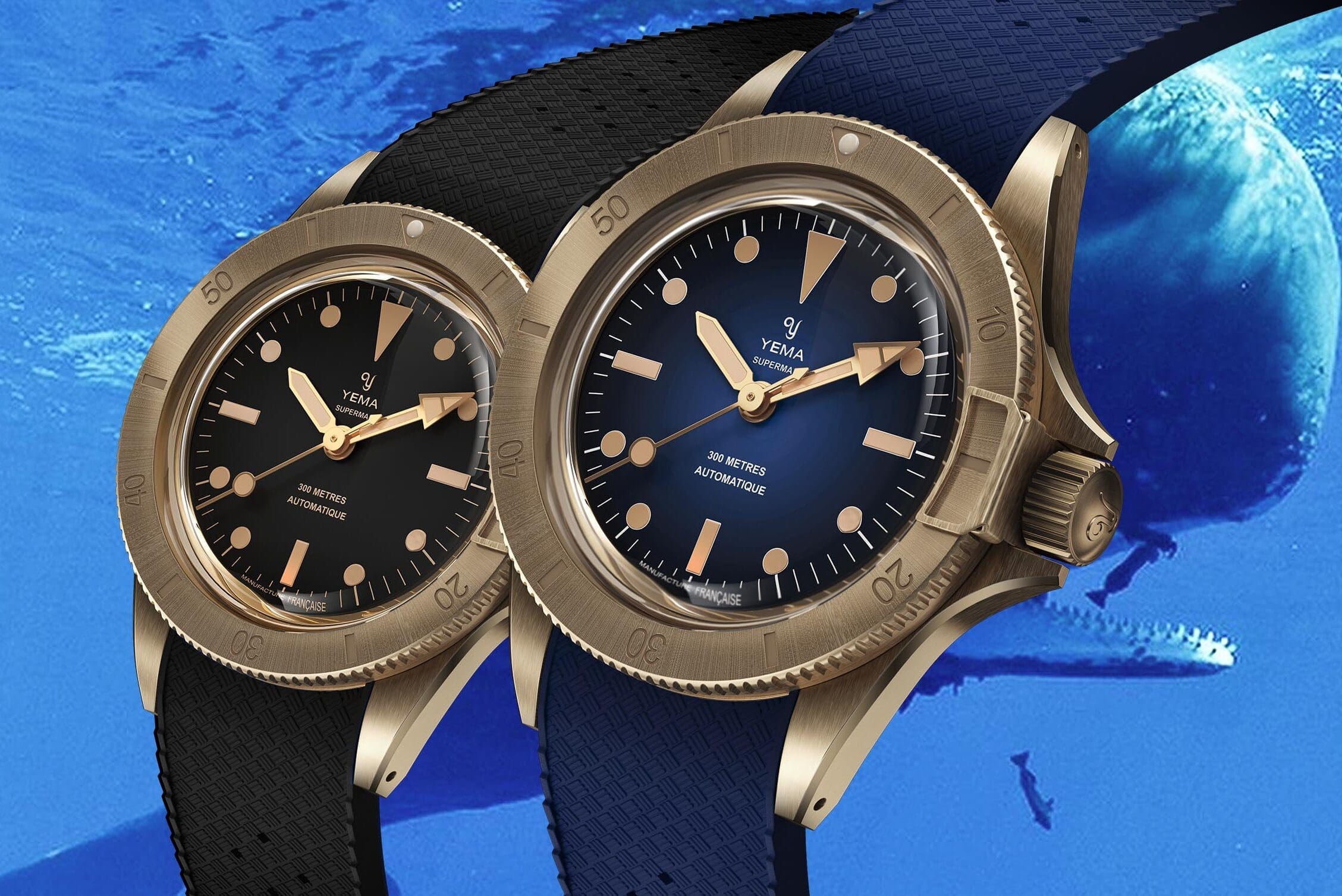
Tudor's Black Bay Bronze ref. 79250BM launched in 2016, broadening the bronze category from limited to volume production. The Tudor BB Bronze is 43mm, runs the in-house MT5601 movement, and retails around CHF 4,000-5,000; it has been continuously available since launch and is the most-sold bronze watch globally. Oris's Carl Brashear Limited Edition series (2016 first edition; further editions in subsequent years) is the other significant volume bronze line. Longines Heritage Diver Bronze, Zenith Type 20 Bronze, and various microbrand bronze pieces fill out the category.
The case-back material is a recurring engineering choice. Direct skin contact with bronze causes a temporary greenish discoloration on the wrist (the same patina that forms on the case but transferred to skin); this washes off with soap but is unwelcome. Most bronze watches use a titanium or steel caseback on the skin side to avoid this, with bronze restricted to the bezel, mid-case, and lugs. Some early Panerai Bronzos used full bronze including caseback; this has been less common in the post-2015 generation.
The collector positioning of bronze watches is around personal patina identity: the watch becomes uniquely "yours" through wear in a way no titanium, steel, or gold case can. Limited-edition bronze pieces (Panerai Bronzo, early Tudor BB Bronze) have held strong secondary-market value; the volume Tudor BB Bronze trades around retail. The category has not expanded into haute horlogerie (no Patek/AP/Lange/VC bronze pieces); it remains a tool-watch sub-segment.




Comments 3