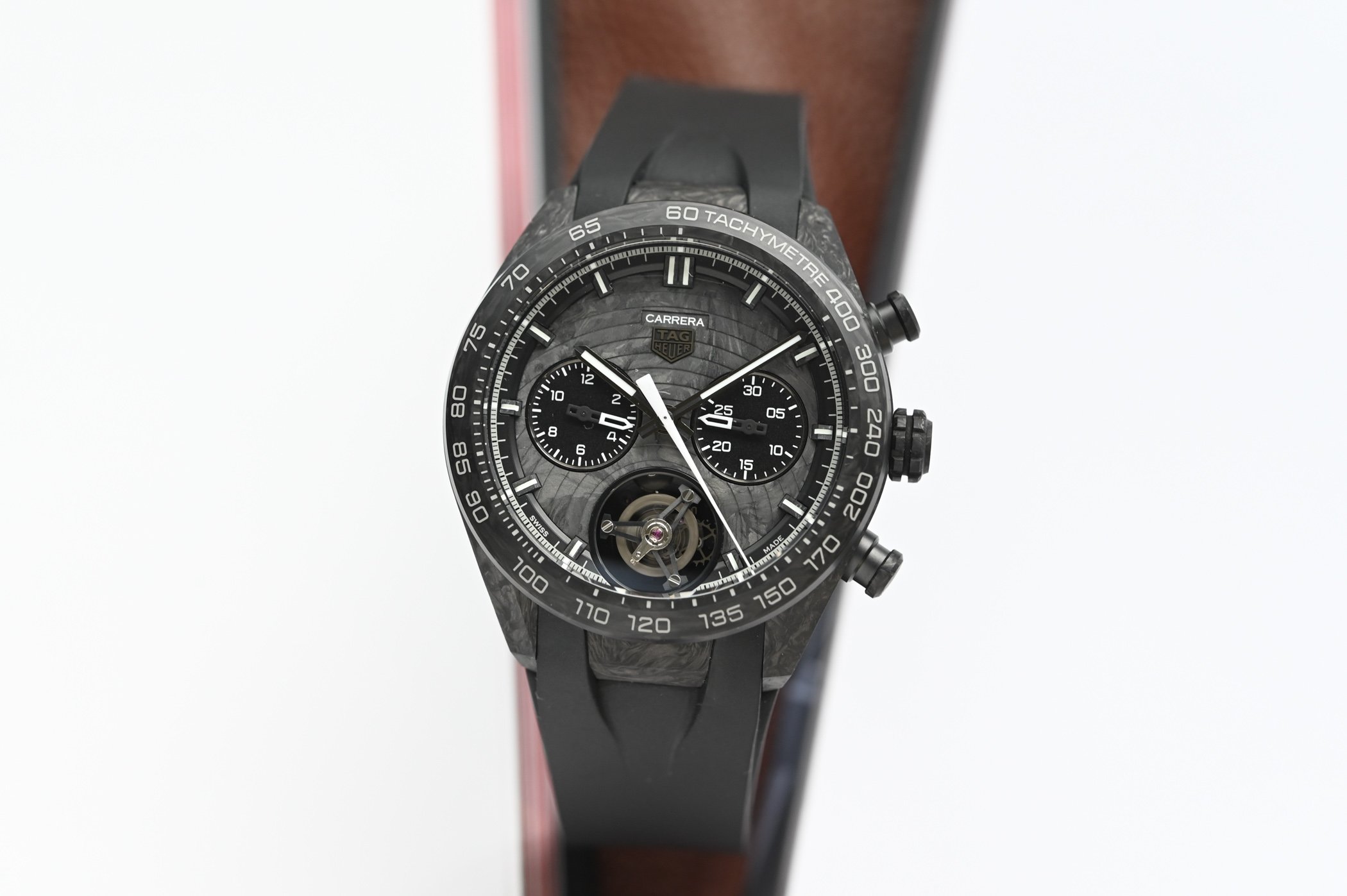
A mainspring is a thin steel-alloy ribbon, typically 30-40cm long, coiled inside a cylindrical barrel 10-12mm in diameter. When wound, the spring stores elastic potential energy; as it unwinds, the energy drives the gear train and ultimately the balance wheel. The spring's alloy chemistry determines its key properties: how much energy it can store per unit length, how consistently it delivers torque across the unwind cycle, how it responds to temperature, and how long it lasts before fatigue or setting.
Through the early 20th century, mainsprings were made of blue carbon steel: hardened and tempered to spring temper, with the characteristic blue oxidation that gave them the name. Blue steel springs delivered acceptable performance but had two weaknesses: setting (permanent deformation when left wound, reducing torque over time) and fatigue failure (eventual cracking after years of cycling). Service watchmakers replaced blue steel mainsprings every 5-10 years as part of routine maintenance.
"The mainspring is the storage tank. Everything downstream of it is just plumbing."- Watchmaker on mainspring centrality
Modern Swiss watchmaking uses two superior alloys. Elinvar (developed by Charles-Édouard Guillaume in 1920, Nobel Prize for the related Invar): nickel-iron-chromium alloy with thermally invariant elasticity, eliminating temperature-driven rate variations. Nivaflex (Nivarox-FAR, 1950s): cobalt-nickel-chromium alloy with even better thermal stability and essentially zero setting. Modern mainsprings are Nivaflex across the volume tier; the alloy is also self-lubricating (the cobalt content provides built-in friction control), so the spring does not require separate lubrication.
Mainspring length and barrel diameter determine power reserve. A single-barrel watch typically delivers 40-72 hours from full wind; the most common modern automatics (Cal. 2824, Cal. 3235) sit in this range. Longer reserves require either larger barrels (limited by case thickness) or multiple barrels: twin-barrel architectures deliver 7-10 days, triple-barrel 30+ days, and the extreme Hublot MP-05 LaFerrari achieves 50 days via 11 barrels.
Service implications: modern Nivaflex springs typically last 20-30+ years without replacement; routine service involves cleaning the spring and re-greasing the barrel walls with Moebius D5 grease but does not require replacing the spring itself. Vintage watches with original blue-steel springs often need replacement at service. Some modern manufactures (Patek, AP, Lange) use proprietary mainspring alloys with claimed longer lifespans; the practical difference is small at typical service intervals.
Comments 3