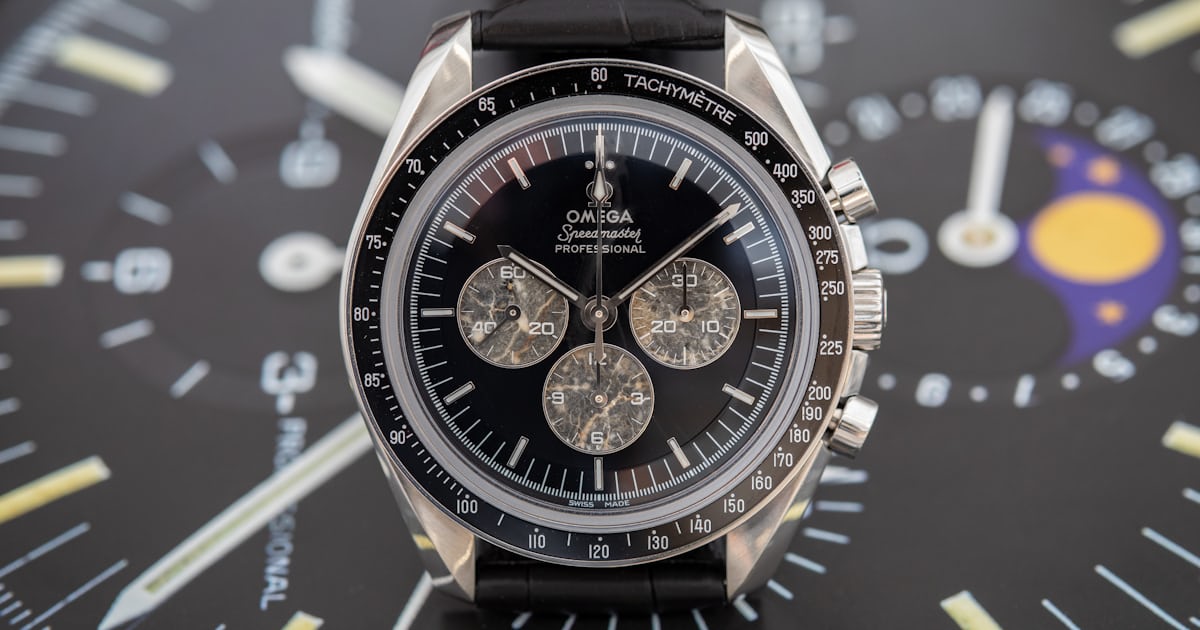
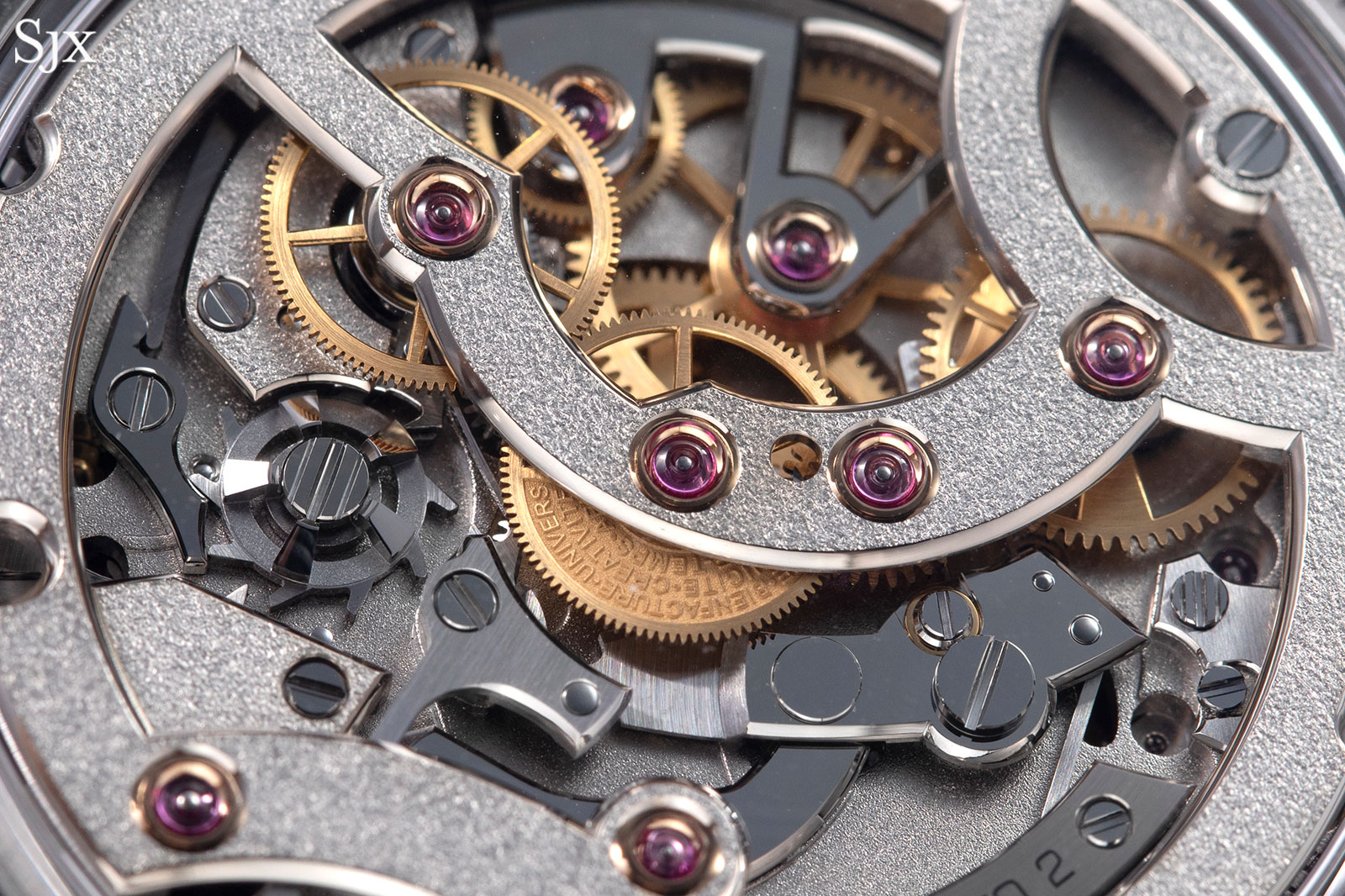
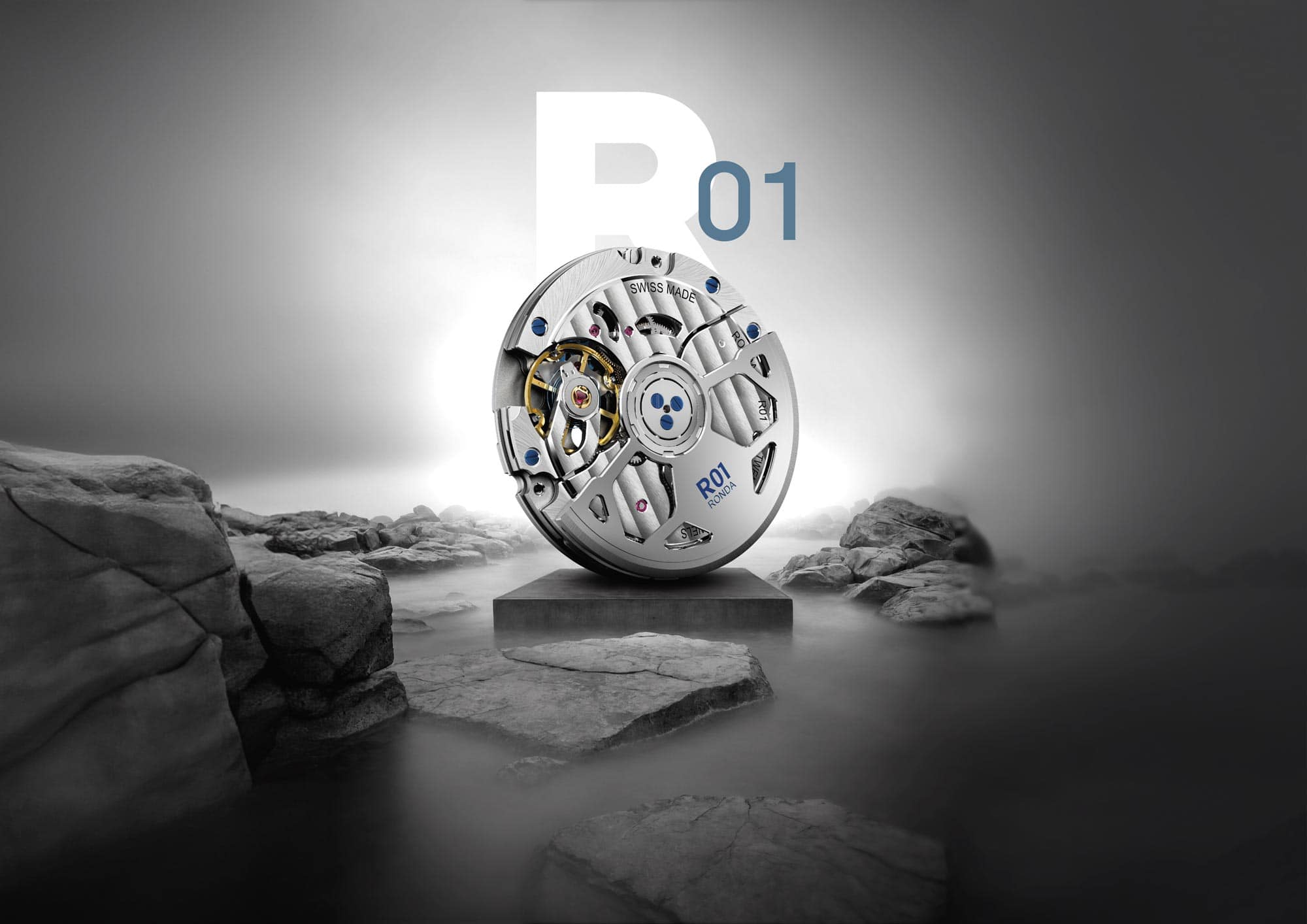
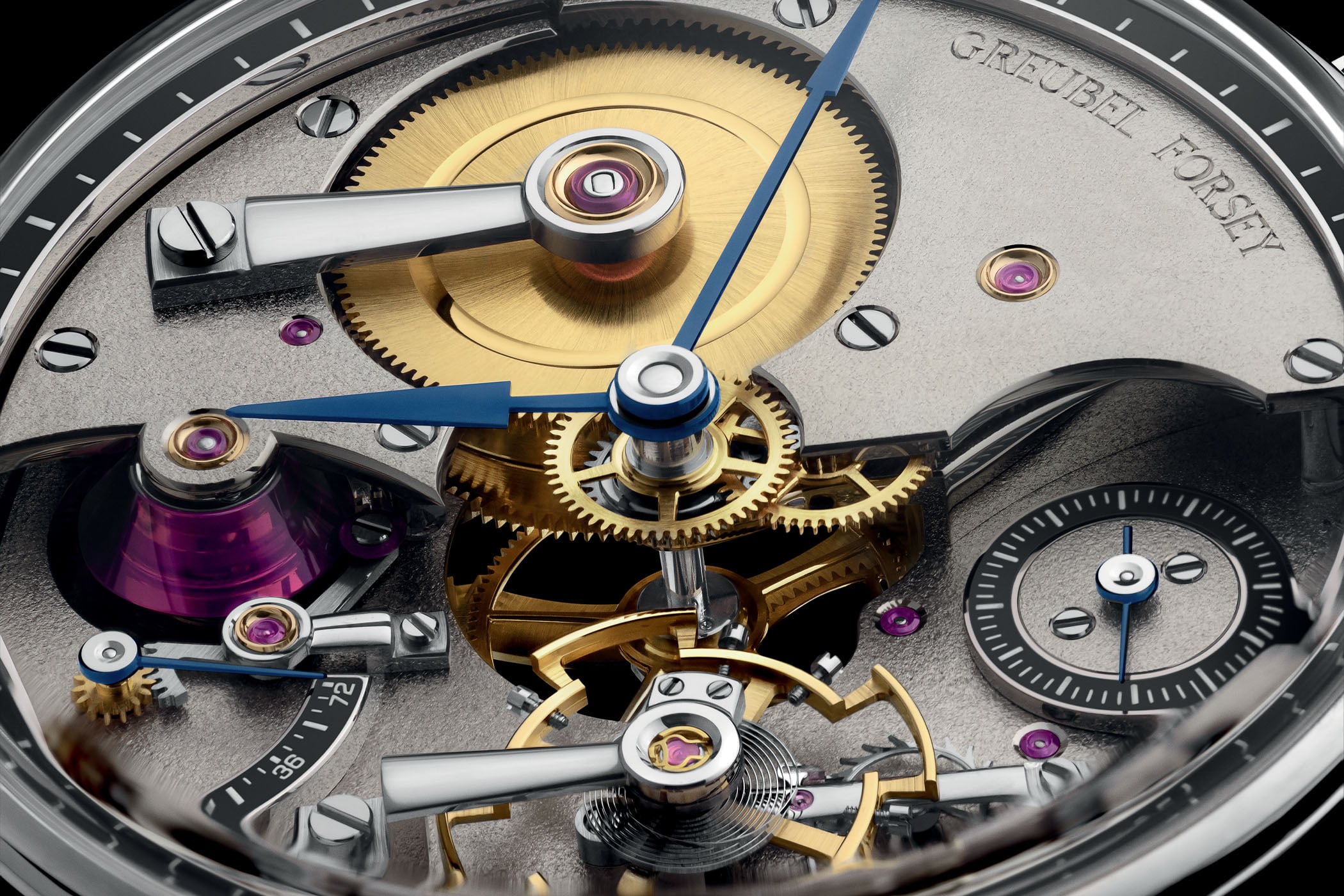
The two terms describe the same physical thing at different levels of abstraction. The movement is the assembled mechanism inside a watch case: the mainplate, bridges, gears, mainspring, escapement, balance wheel, hairspring, and (for automatics) the rotor. Every watch has exactly one movement (or two, for a watch with multiple time zones on independent calibres, e.g., JLC Reverso Duoface). The movement is the operational entity: it runs, it ticks, it needs servicing.
A caliber is a technical model designation: it identifies which specific design that movement is built to. The term comes from gunsmithing (where "caliber" identifies the bore diameter and ammunition compatibility); in watchmaking it identifies the movement's technical lineage and parts compatibility. Two different watches with the same caliber have interchangeable parts and the same mechanical specifications; the caliber determines servicing approach, parts catalogue, and rate behaviour.
"In casual conversation they are the same word. In a parts catalogue they are not. The catalogue wins."- Watchmaker on movement / caliber terminology
In casual English, the terms are routinely interchangeable: "this watch has an ETA 2824 movement" and "this watch has an ETA 2824 caliber" mean the same thing. Marketing copy uses the terms freely. Technical Swiss watchmaking distinguishes more carefully: in formal documentation, "movement" refers to the assembled physical entity (a count of how many movements are in stock, for example, or the rate of this movement on the bench), while "caliber" refers to the design (the parts catalogue for caliber X, or the technical specifications of caliber Y).
The caliber numbering system follows industry conventions developed through the 19th and 20th centuries. 4-digit numerical identifiers are the dominant form: ETA 2824-2, Valjoux 7750, Lemania 2310, Rolex Cal. 3135, Patek Cal. 324, JLC Cal. 920. The number often encodes a family or generation (the Rolex 31xx series, the Patek 2xx ultra-thin, the JLC 9xx ultra-thin). Letter prefixes or suffixes denote variations: Cal. 3135 vs 3155 (Datejust vs Day-Date variant), Cal. 7750 vs 7751 (chronograph vs day/date complication), 2824 vs 2824-2 (revised generation).
In vintage watch authentication, caliber identification is foundational. A vintage Rolex Submariner ref. 5513 should contain a Cal. 1530 or 1520 or 1570 movement (depending on production year); the wrong caliber number indicates a service replacement, a Frankenwatch (mixed parts from different references), or an outright fake. Caliber numbers are stamped on the movement bridge and can be inspected with the case back removed; auction-catalogue specifications cite caliber numbers explicitly.
The service-work distinction is the most operationally important. Parts catalogues are per-caliber; a balance staff for an ETA 2824-2 will not fit a Valjoux 7750; a Cal. 3135 mainspring will not service a Cal. 3235. A watchmaker accepting a watch for service identifies the caliber first, then orders matching parts. This is why "this watch needs a service" is meaningful (says the operational state) but "this watch needs a new movement" is loose (and could mean anything from a balance-staff replacement to a complete caliber substitution); "this caliber needs a new mainspring" is precise.






Comments 1