Watch brandsWatch wikiWatch videosVariousWatch calendarSaved articles
PopularRolexOmegaPatek PhilippeAudemars PiguetTudorGrand SeikoCartierSeikoIWCTAG HeuerBreitlingJaeger-LeCoultreA. Lange & SohneZenith
WristBuzzWatch WikiTungsten Carbide Watch Cases
🪨 Material · Hardest Common Watch Material · Rado DiaStar

Tungsten Carbide Watch Cases

The cemented-carbide composite that pioneered scratch-proof watchmaking with the 1962 Rado DiaStar.

Tungsten carbide (typically cemented carbide: tungsten-carbide grains bonded with cobalt) is the hardest common watch-case material: Vickers hardness 1,500-1,800, comparable to DLC coating and harder than steel by an order of magnitude. The material was pioneered in watchmaking by the 1962 Rado DiaStar, the first commercial scratch-proof watch; tungsten carbide remains in the Rado catalogue today and is also used by selected IWC Ingenieur references and a handful of microbrand pieces. The material is very heavy (density 14-16 g/cm³, ~75% denser than steel), essentially scratch-proof in normal wear, and difficult to refurbish (can only be polished by diamond-tooling).

MaterialCemented carbide: tungsten-carbide grains + cobalt binder
HardnessVickers 1,500-1,800 (~10× harder than steel)
Density14-16 g/cm³ (~75% denser than steel)
First commercialRado DiaStar (1962)
Modern usersRado (multiple references), IWC Ingenieur (selected), microbrands
RefurbishmentDiamond tooling only; brand service required
WristBuzz Articles13
Tungsten Carbide Watch Cases

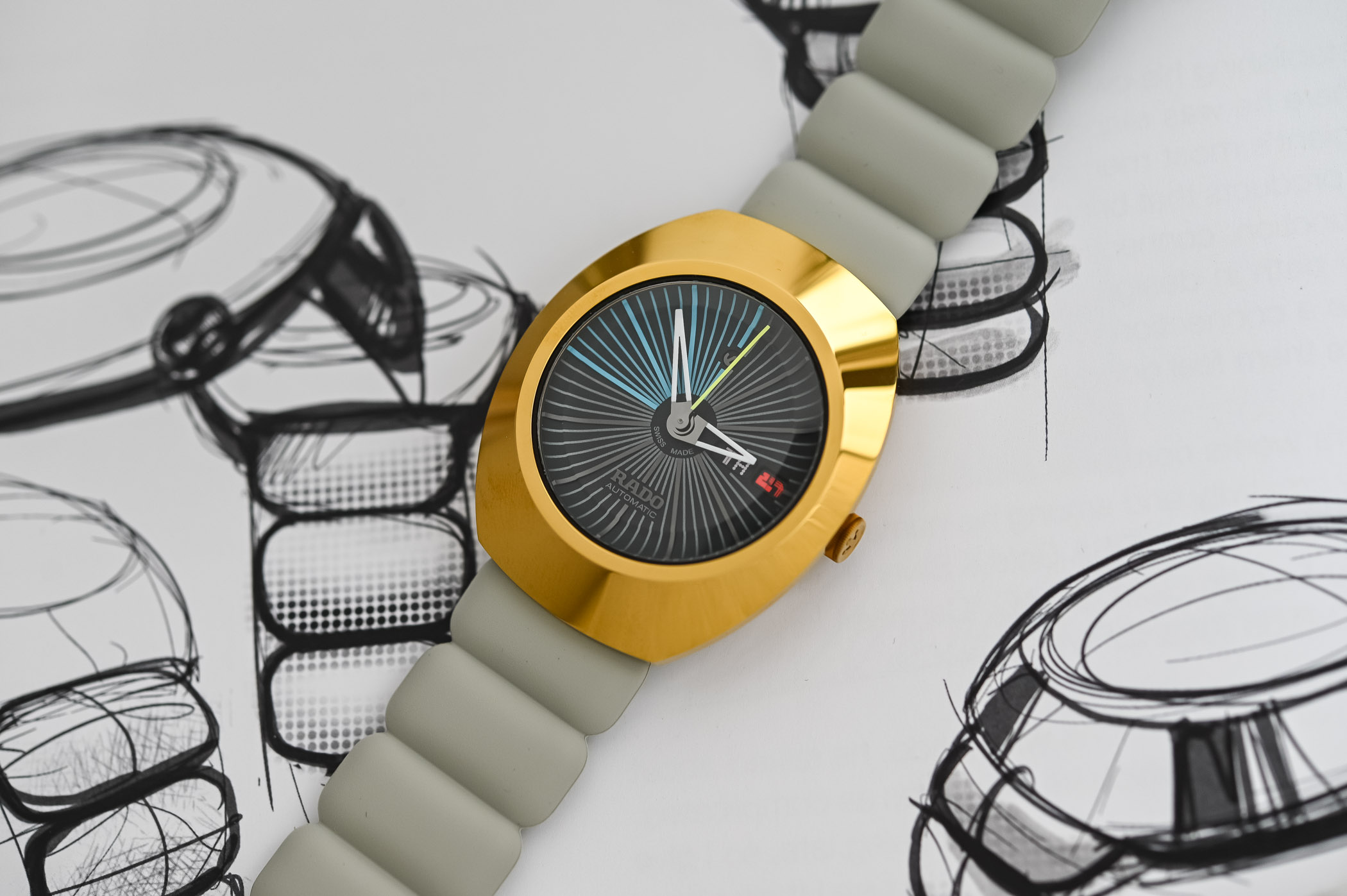
Photo: SJX Watches · Feb 14, 2025

1500-1800Vickers
1962Rado DiaStar
+75%Density vs Steel
DiamondOnly Tools
13WristBuzz Articles

The Tungsten Carbide Watch Cases Story

Tungsten carbide (chemical formula WC) is a chemical compound of tungsten and carbon that forms extremely hard ceramic-like crystals. In industrial use it is almost always processed as cemented carbide: tungsten-carbide grains sintered with a cobalt binder at high pressure and temperature, producing a dense composite material that is workable, machinable with diamond tooling, and significantly harder than any common metal. Cemented carbide is the standard material for industrial cutting tools (lathe inserts, drill bits, saw blades), giving it the colloquial nickname "industrial tooling material".

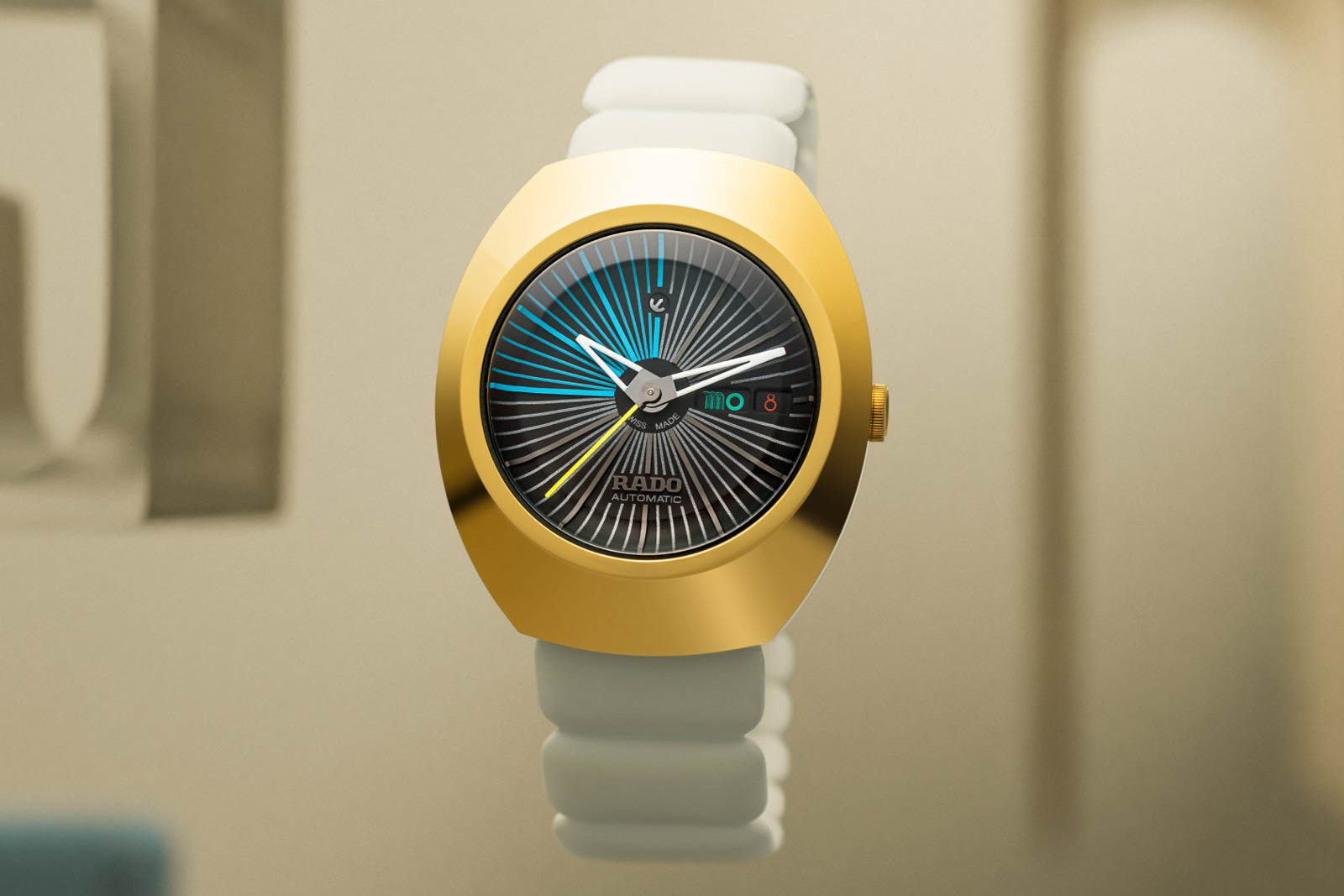
In watchmaking, tungsten carbide was pioneered by Rado with the DiaStar in 1962: the first commercial wristwatch advertised as "scratch-proof". The DiaStar case used cemented tungsten carbide for the entire case middle; the back was steel for skin contact (cobalt content of cemented carbide can cause skin reaction in sensitive wearers). The watch became Rado's identity-defining reference and remains in continuous production today as the Original DiaStar reference.

"In 1962 Rado put cutting-tool material on a wrist. Sixty years later the watch still looks like the day it left the factory."- Watch industry on the DiaStar legacy

Hardness comparison: tungsten carbide Vickers 1,500-1,800 vs stainless steel ~200-250, vs titanium grade 5 ~350, vs DLC coating 1,500-3,000, vs ceramic Mohs 9 (Vickers ~1,200). Tungsten carbide is ~10× harder than steel; in normal wear it is essentially scratch-proof against everyday materials (keys, sand, doorframes). Only diamond, sapphire, and harder ceramics can mark it.

Trade-offs: tungsten carbide is very heavy (density 14-16 g/cm³, ~75% denser than steel); a tungsten-carbide watch case feels noticeably weighty on the wrist. The material is brittle under sharp impact: a hard drop on a tile floor can chip the case edges in a way ductile steel would not. Refurbishment is essentially impossible: any case repair requires diamond tooling typically only available at the brand factory.

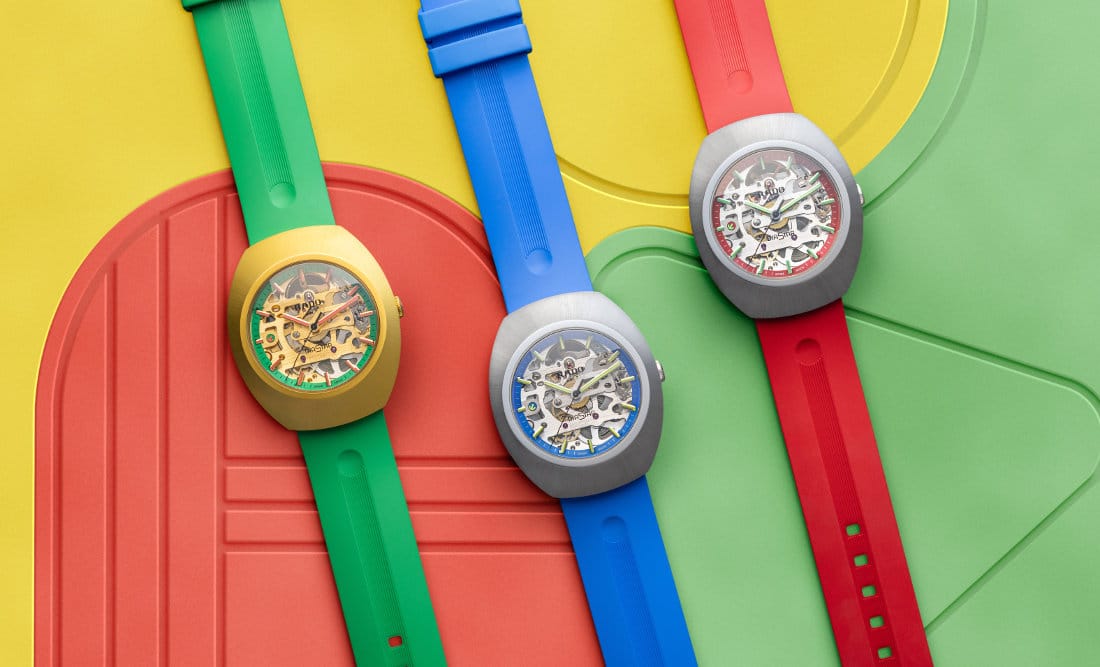
Modern users: Rado (multiple Original DiaStar references, plus tungsten-carbide variants in HyperChrome and Captain Cook); IWC Ingenieur Tungsten (selected references); selected microbrands offer tungsten-carbide-cased divers at premium price points. The material has been partially displaced by ceramic: zirconia ceramic achieves similar hardness with much lower weight (4-6 g/cm³ vs 14-16), and ceramic firing is more amenable to colour variation. Modern Rado uses ceramic far more than tungsten carbide; the Original DiaStar in tungsten carbide remains as a heritage product.
Tungsten Carbide References

1962+ · Rado
Original DiaStar
DiaStar

The reference tungsten-carbide watch since 1962. Continuous production, multiple references, defining Rado heritage.

Reference Heritage
Modern · Rado
HyperChrome Tungsten Carbide
HyperChrome

Modern Rado HyperChrome variants in tungsten carbide; chronograph and three-handers.

HyperChrome
Vintage · IWC
Ingenieur Tungsten (selected)
3508

Limited IWC Ingenieur references in tungsten carbide; vintage 1980s-90s production.

IWC Ingenieur
Modern · Microbrand
Microbrand tungsten-carbide divers
Various

A handful of microbrand divers offer tungsten-carbide cases at USD 1,000-2,500 retail.

Microbrand
Counterpoint · Modern Rado
Ceramic catalogue
True / Captain Cook ceramic

Counterpoint: modern Rado ceramic references far outnumber tungsten-carbide; lighter and easier colour variation.

Ceramic Counterpoint

Latest Tungsten Carbide Watch Cases News

SJX Watches
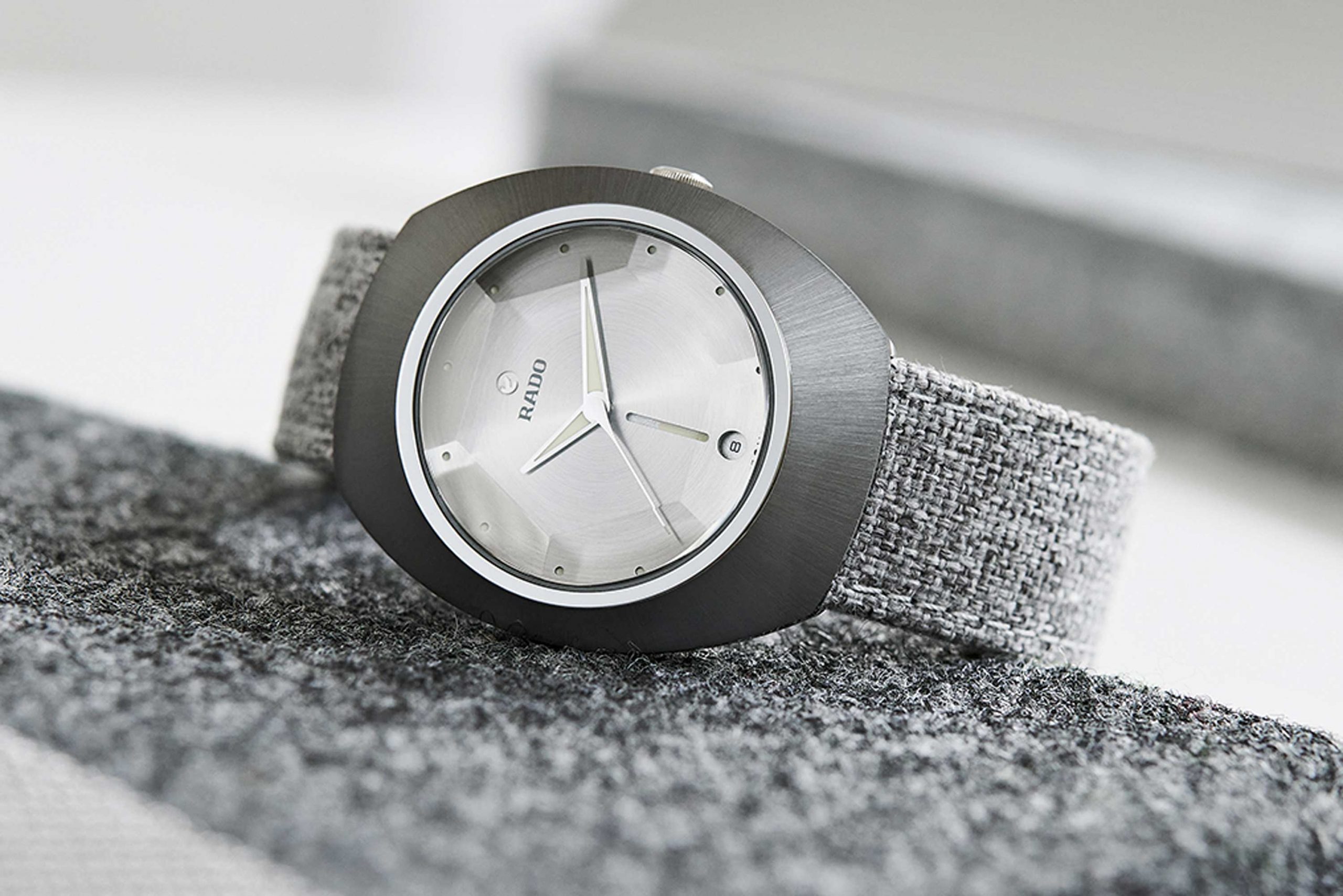
Industrial Designer Tej Chauhan Reimagines the Rado DiaStar
Feb 14, 2025
Monochrome
First Look – The Rado DiaStar Original x Tej Chauhan Special Edition
Feb 7, 2025
Monochrome
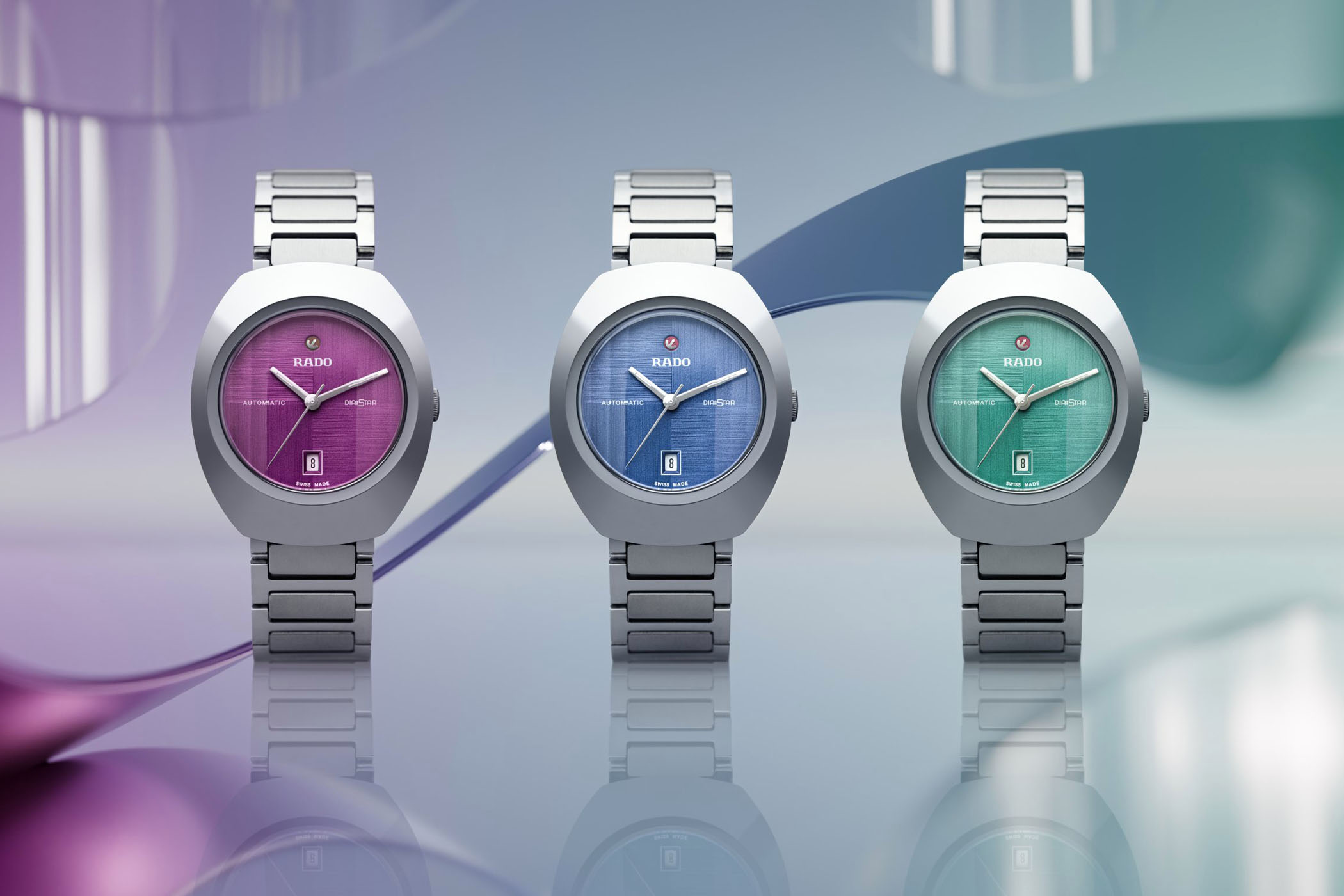
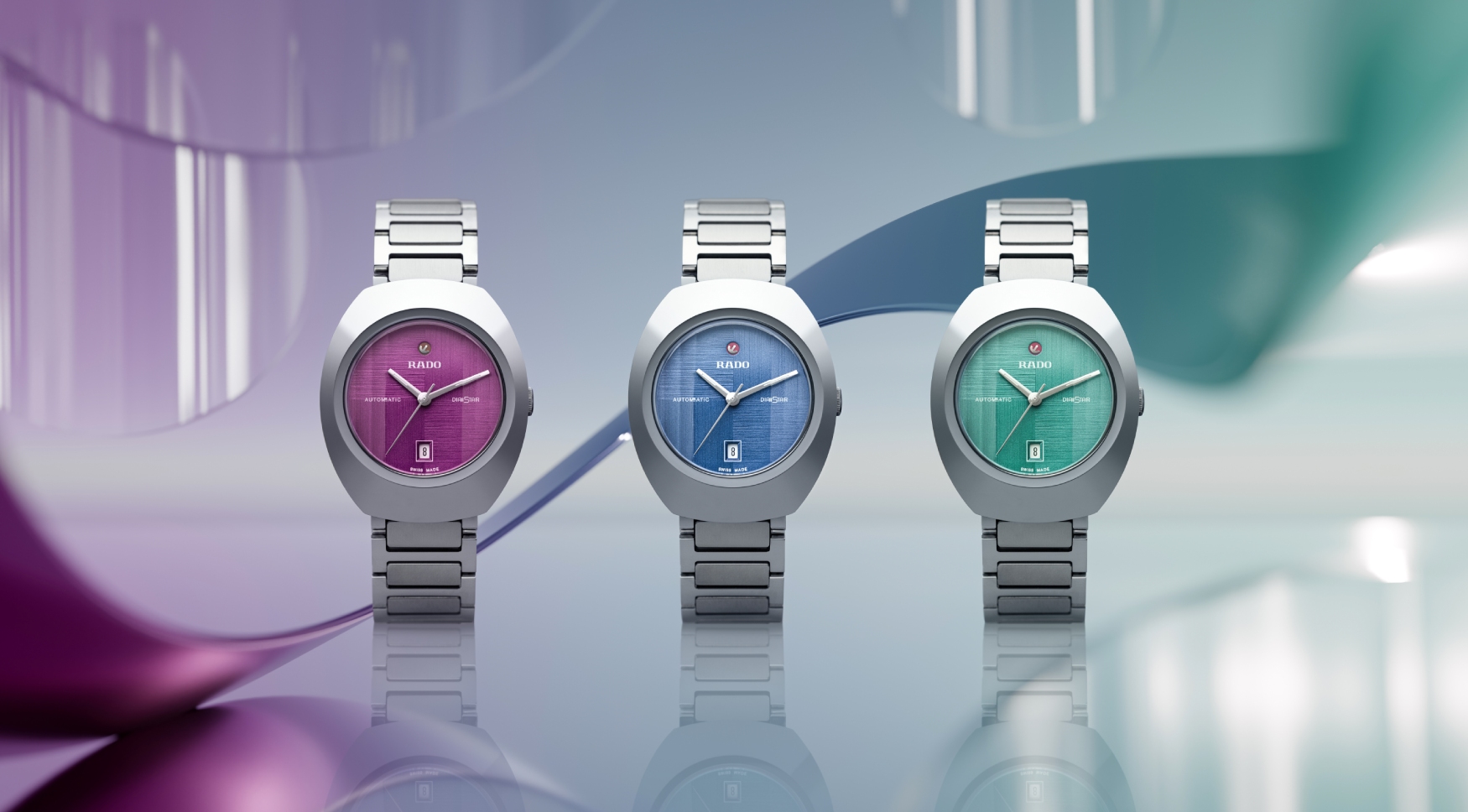
Introducing – Compact and Colourful Versions of the Rado Diastar
Jan 30, 2025
Time+Tide
These new 30mm Rado DiaStar Original watches look sweet enough to eat
Jan 26, 2025
Time+Tide
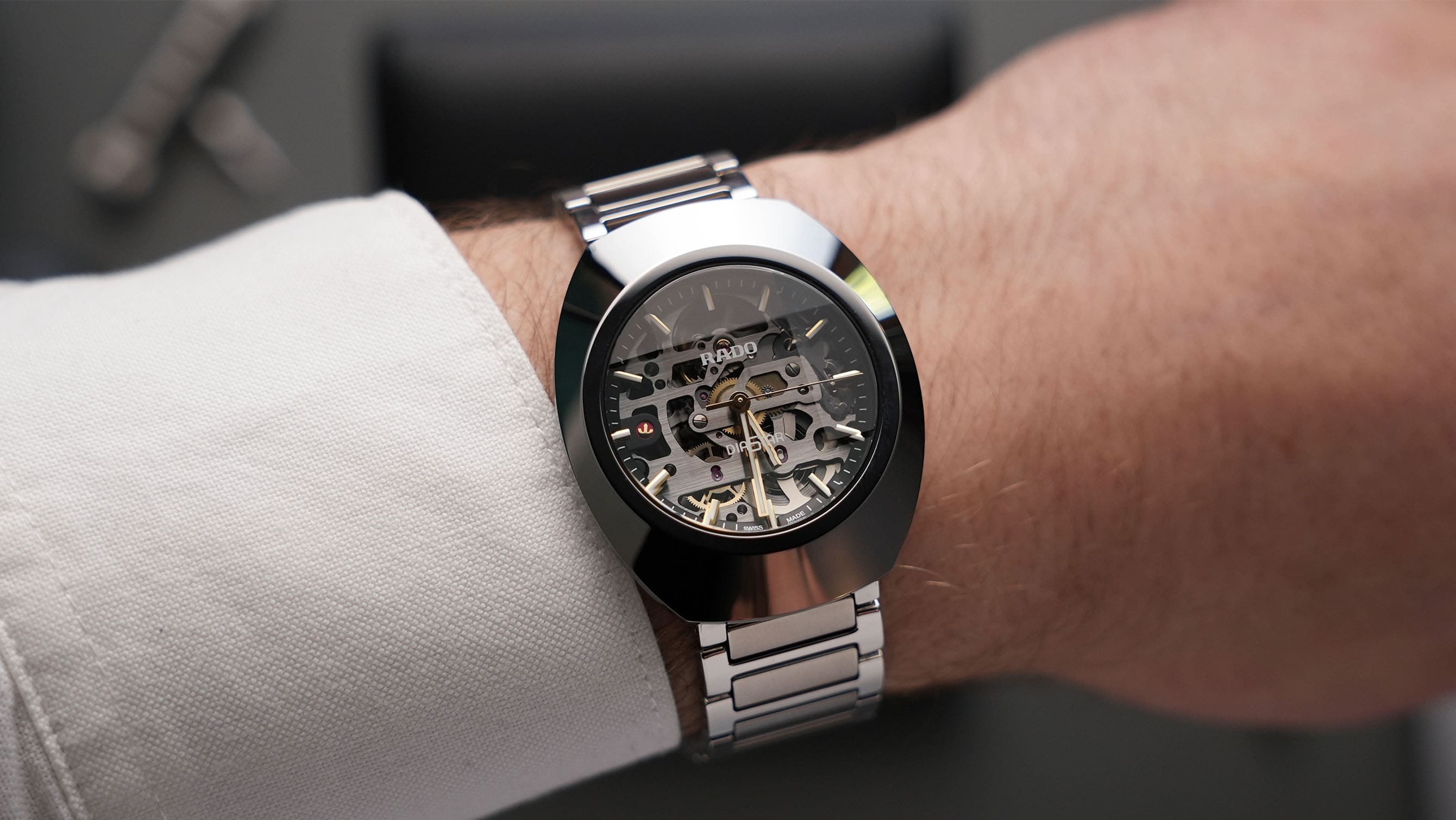
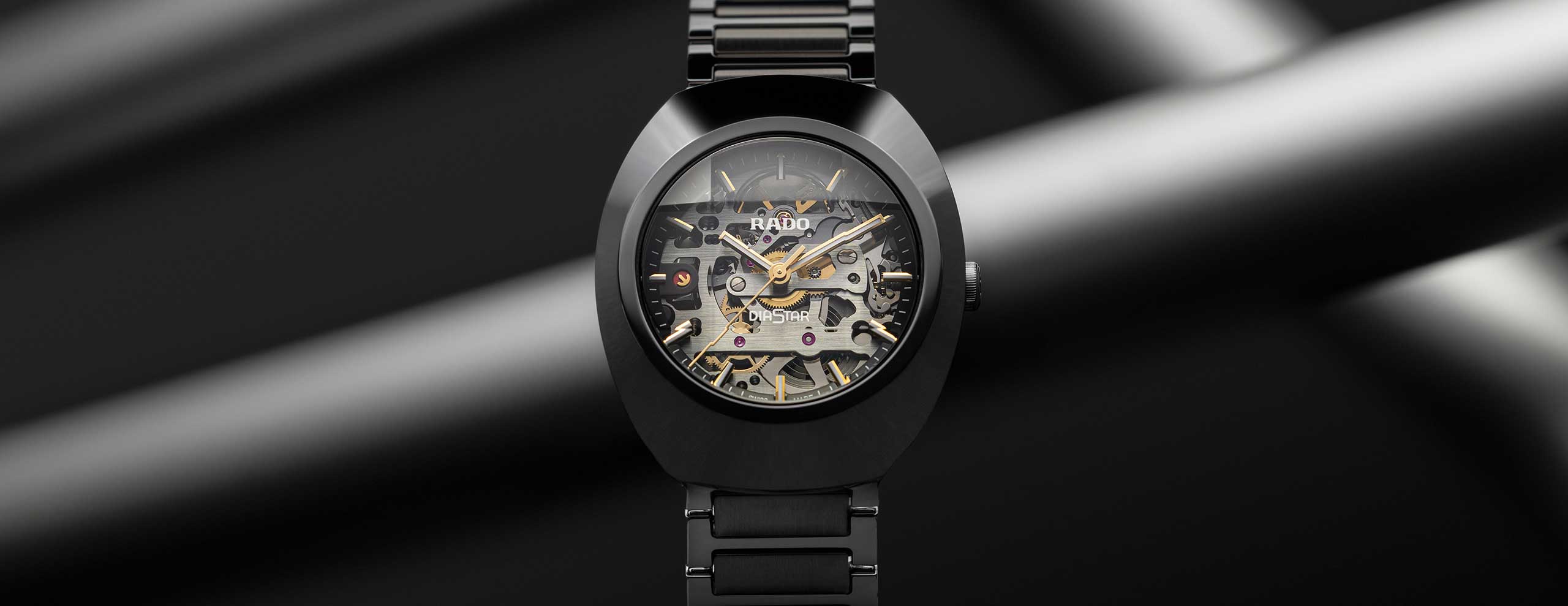
Rado DiaStar Original Skeleton
Oct 2, 2023
WatchAdvice
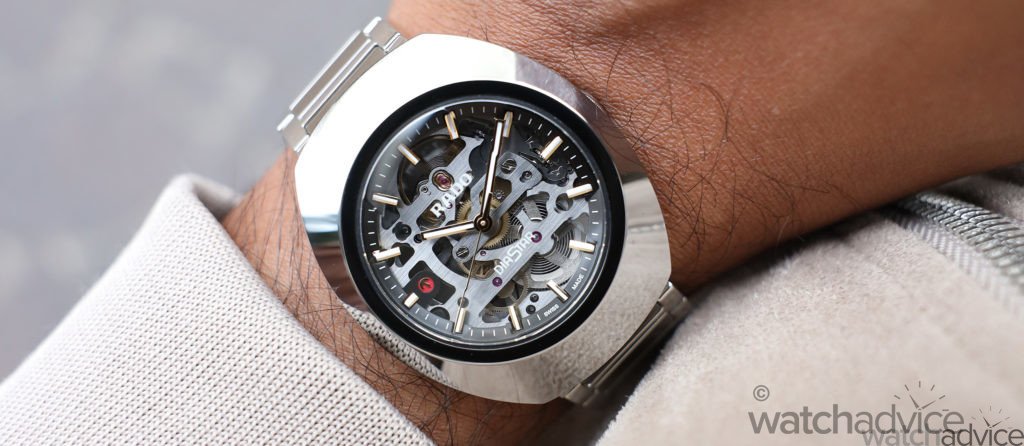
Hands-on with the Rado DiaStar Original Skeleton
Aug 8, 2023
Deployant
New: Rado DiaStar Original Skeleton
Jul 20, 2023
Revolution
The Rado Diastar Original Skeleton, celebrating 60 years of innovation
Jun 27, 2023
Revolution
Radically Modern: Rado Diastar Original
Oct 4, 2022
Revolution
The Rado DiaStar Celebrates Its 60th Anniversary
Sep 28, 2022
Time+Tide
FRIDAY WIND DOWN: Going wild with Norqain and reimagining a ’60s classic with Rado…
Sep 23, 2022
Deployant
New: Rado DiaStar Original 60 Year Anniversary Edition
Sep 22, 2022
View all 13 articles

Learn More