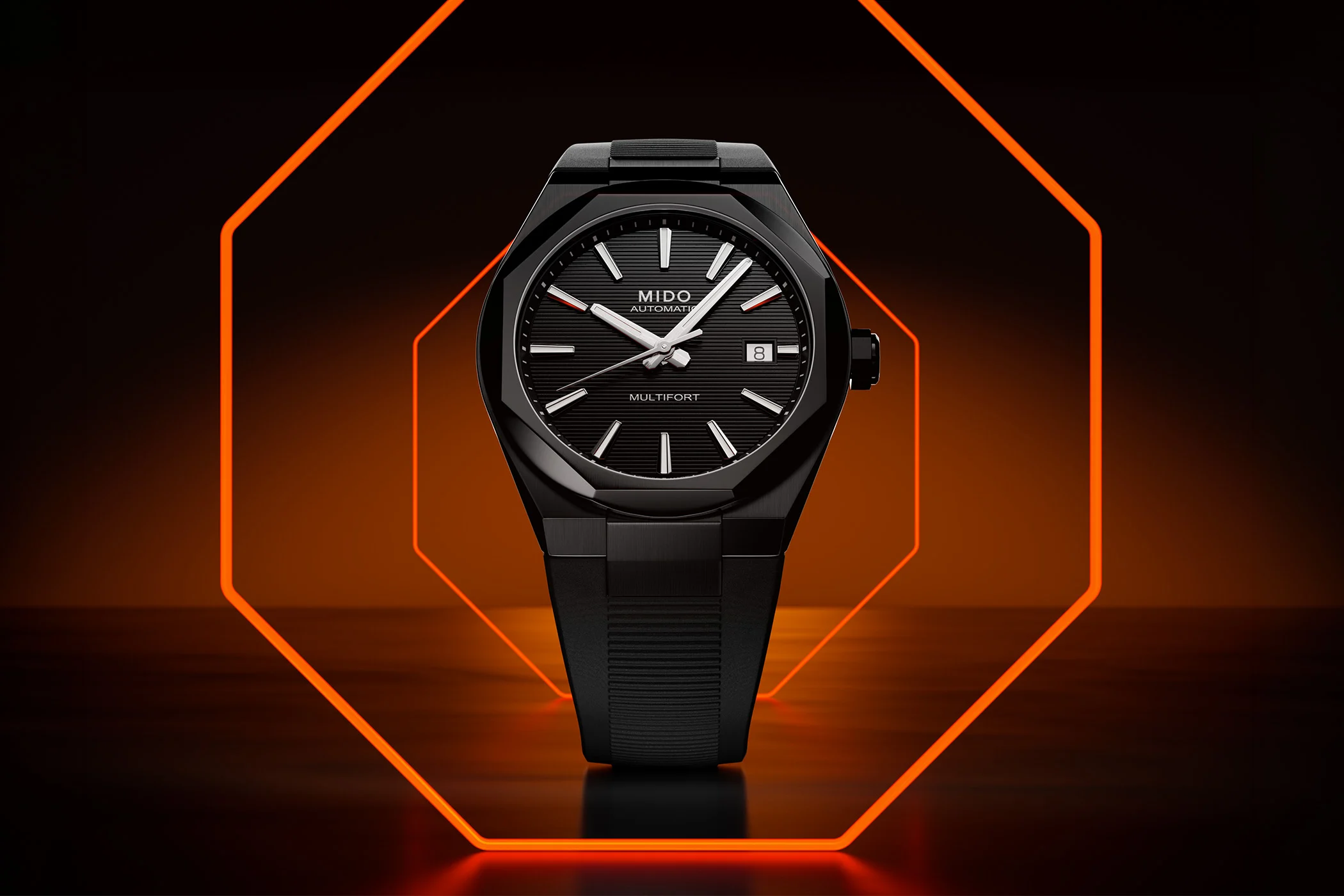
Physical Vapour Deposition (PVD) is the broader name for a family of vacuum-chamber coating techniques used across watchmaking, automotive, aerospace, and surgical-tool industries. The watch case is placed in a vacuum chamber at near-perfect vacuum; a target material (titanium, chromium, gold, or similar) is heated until it vaporises; the vapour condenses on the cooler watch case as a thin uniform film 1-3 microns thick. The film bonds at the atomic level to the underlying metal; under normal wear it does not flake or peel.
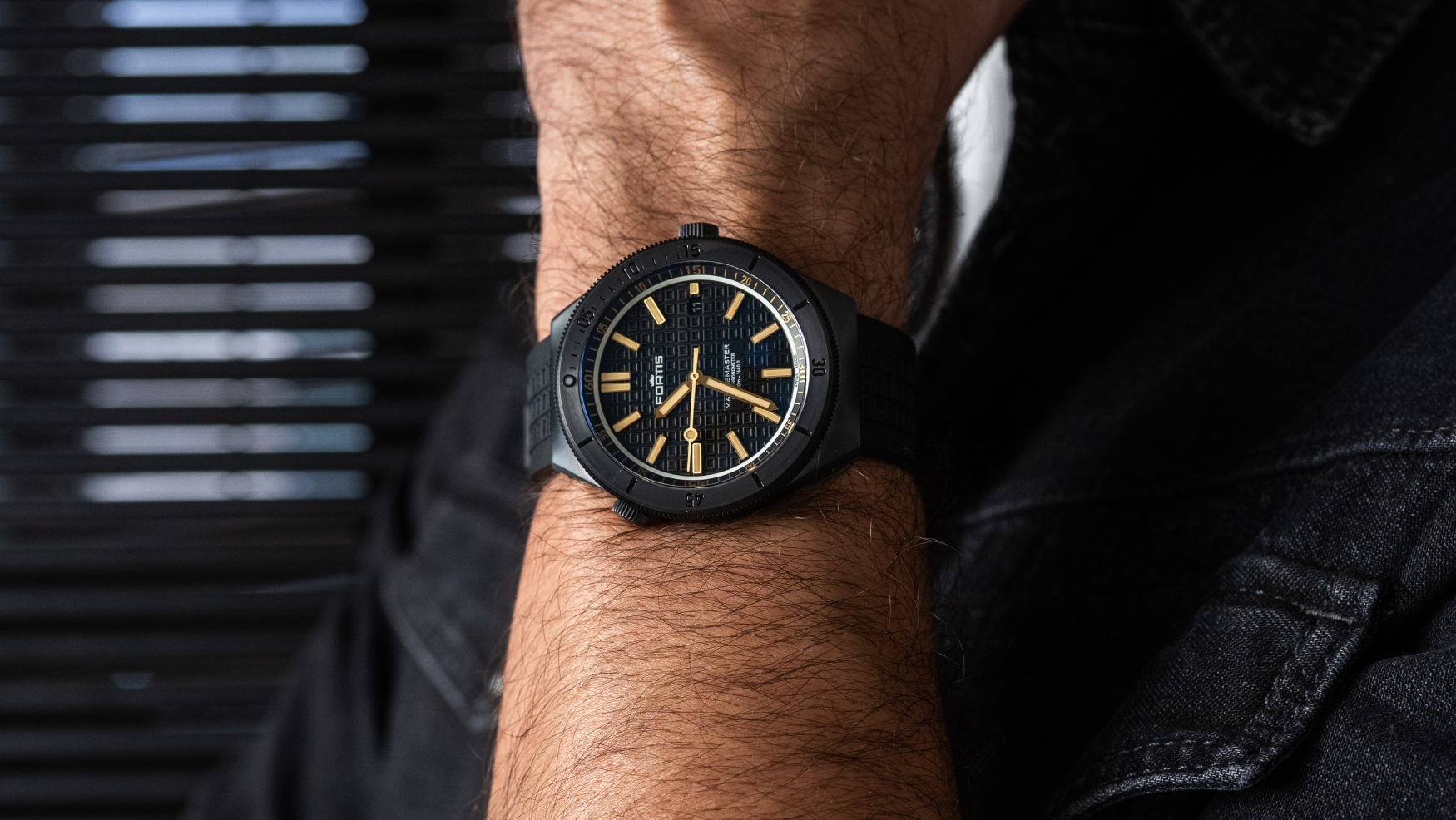
Diamond-Like Carbon (DLC) is a specific PVD variant where the deposited material is carbon in an amorphous structure (random arrangement of sp2 graphite-like and sp3 diamond-like bonds; the higher the sp3 content, the harder and more "diamond-like" the film). DLC films are matt black, very hard (Vickers 1,500 to 3,000+ for sp3-rich films, vs ~200 for 316L stainless steel), and have low friction coefficients (good for sliding contact). DLC is now the standard "tactical black" coating for tool and military watches.
"DLC is the only black on a watch case that is harder than the steel underneath. Every other black is paint."- Watchmaker on tactical case finishes
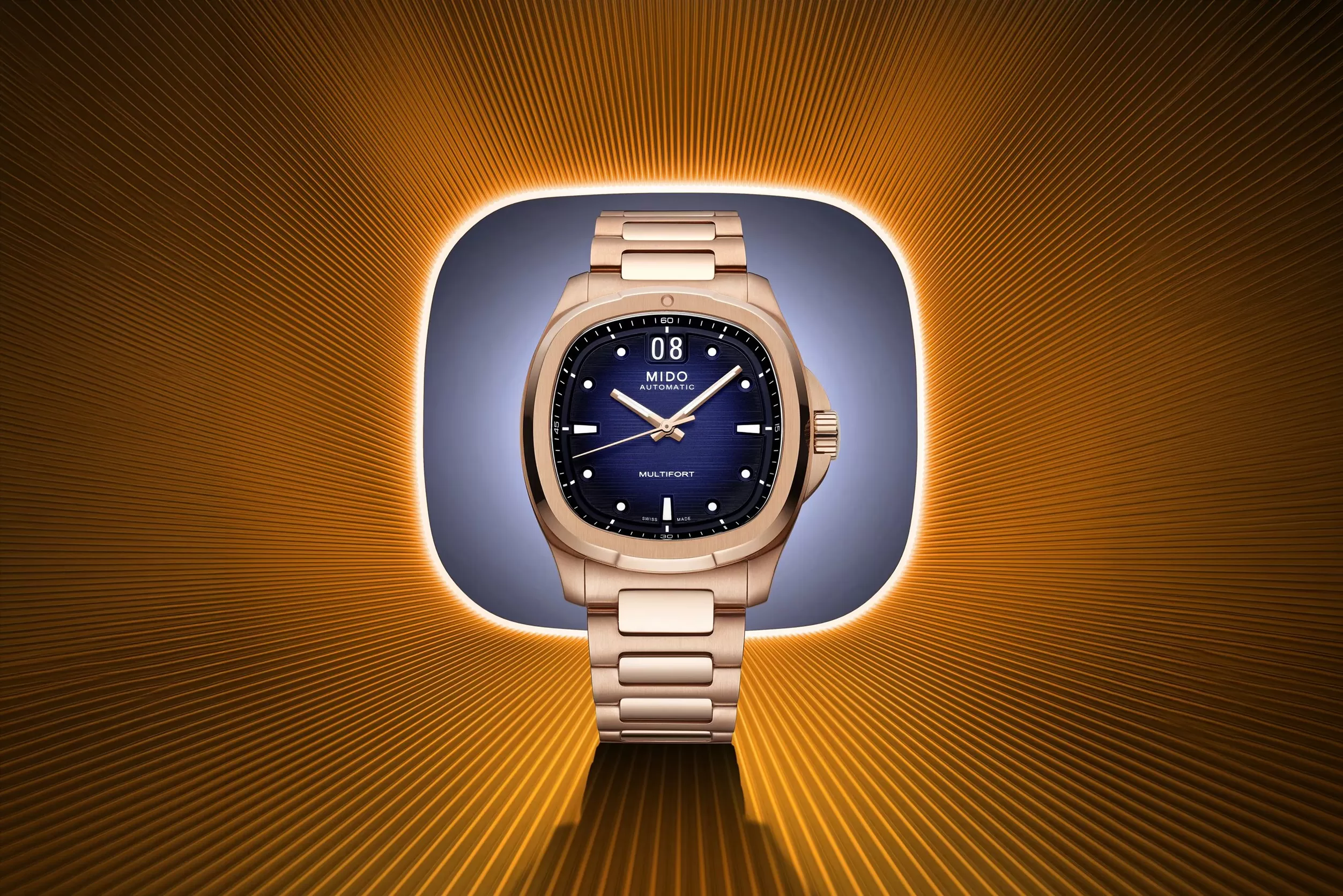
In watchmaking the most common PVD variants are titanium nitride (TiN, gold-coloured), titanium carbonitride (TiCN, dark grey), chromium nitride (CrN, black), and DLC (matt black, the hardest). The deposition process is identical; only the target material and chamber chemistry differ. Coloured PVD (rose-gold, blue, green) uses different metal nitrides or oxides; gold-tone PVD on steel watches is the cheapest way to imitate gold-tone without the actual gold cost.
The practical advantages over an uncoated case: scratch resistance (the surface is harder than most ambient threats: keys, sand, normal-wear contact); colour control (consistent colour without paint or anodisation); chemical resistance (DLC and PVD films are chemically inert against most cleaning fluids, sweat, and salt water). The limitations: hard impacts can chip the film (the underlying metal showing as a bright spot through black DLC); edges and engravings show wear faster than flat surfaces (where the film is thinner); the coating is not refinishable, once chipped or worn through, the only repair is full case stripping and re-coating, which is rarely offered as a service.
In modern Swiss watchmaking DLC is the default for tactical and military pieces: Sinn's EZM, U-, and 856 series; Bell & Ross's BR-X1, BR 03 Military; IWC's Top Gun line; Panerai's Composite series; Breitling's Avenger Blackbird; Tudor's Black Bay Dark and Pelagos LHD black variants; and modern G-Shock metal references. DLC has also become standard in the blacked-out luxury segment: Audemars Piguet Royal Oak Concept, Hublot All Black, Richard Mille Carbon TPT.
For buyers, the practical guide: any modern black-cased watch from a Swiss brand is using DLC or PVD; the materials are mature and reliable. The watch will look new for years if treated normally; sharp impacts will chip the coating. Refurbishment is generally not offered; some specialist coating houses can re-coat a watch case for CHF 400-800 plus shipping, but the work is not warrantied by the original brand. For long-term value retention, uncoated steel or titanium remains the safer bet; for visual identity and tactical use, DLC is unmatched.







Comments 3