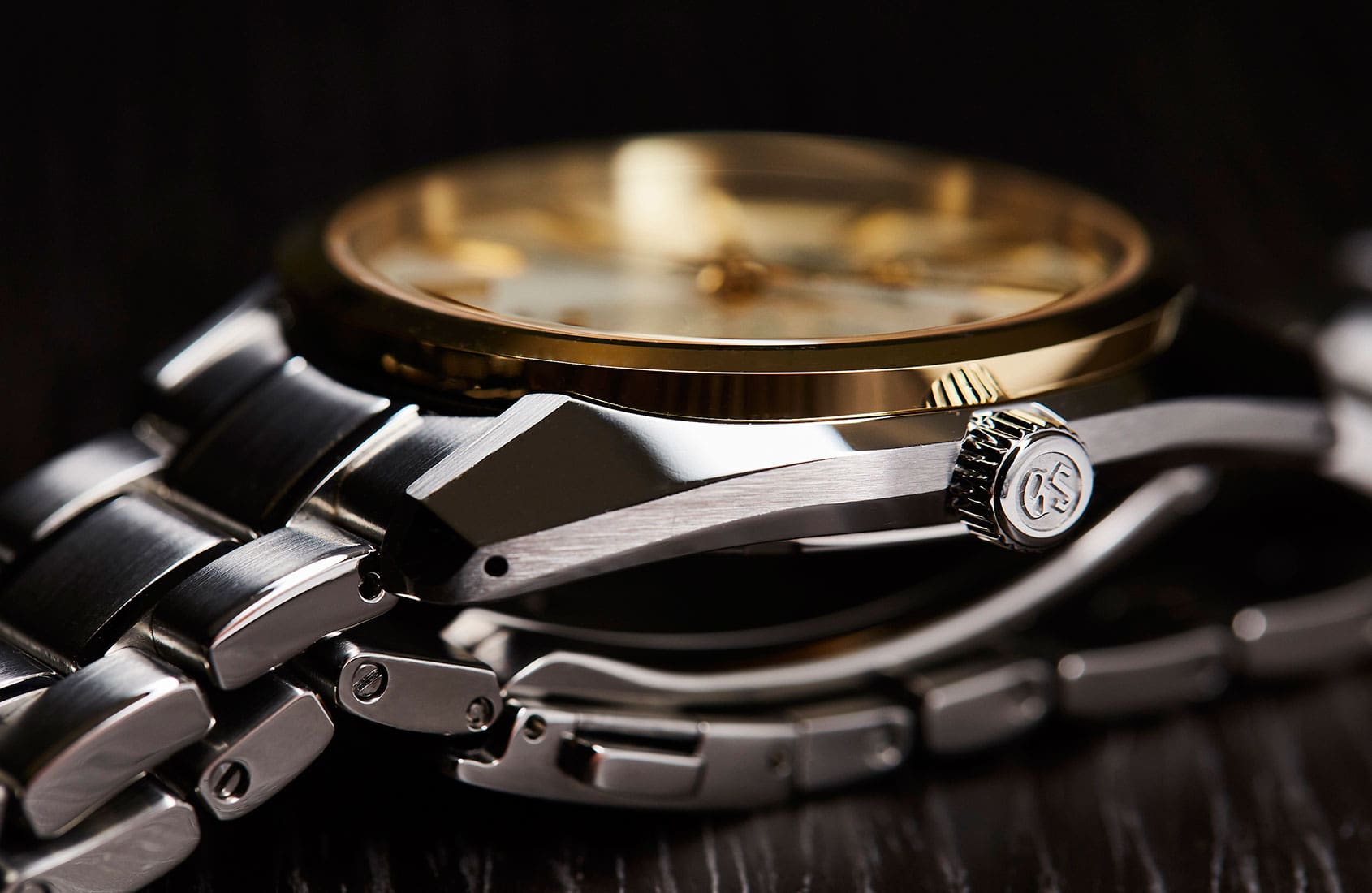
A standard polished watch case has a mirror finish at the macro level but is microscopically curved: reflections distort slightly as the eye moves around the surface. The reason is buffing-wheel pressure variation: when polishing with a rotating cloth wheel (the standard production technique), the buffer applies uneven pressure across the surface; the result is a slightly convex or concave finish even when the geometry was originally flat. Reflections in a buffer-polished surface curve and distort in ways the eye notices but cannot articulate.
Zaratsu polishing (the term comes from the Japanese term for sword-blade polishing) addresses this by using flat tin or zinc plates with successively finer abrasive pastes. The watch case is held by hand against the plate in figure-8 or specific-pattern motions; pressure is even across the surface; the resulting finish is flat to within a fraction of a wavelength of light. The polishing is not automatable: the precise pressure and angle control required is a skilled-craftsperson task, and CNC-finished surfaces produced via the standard buffer-wheel technique cannot reproduce the result.
"Look at the lugs under fluorescent light. If the stripes curve, the watch was buffed. If the stripes stay straight, the watch was zaratsu polished."- Grand Seiko collector on identifying the technique
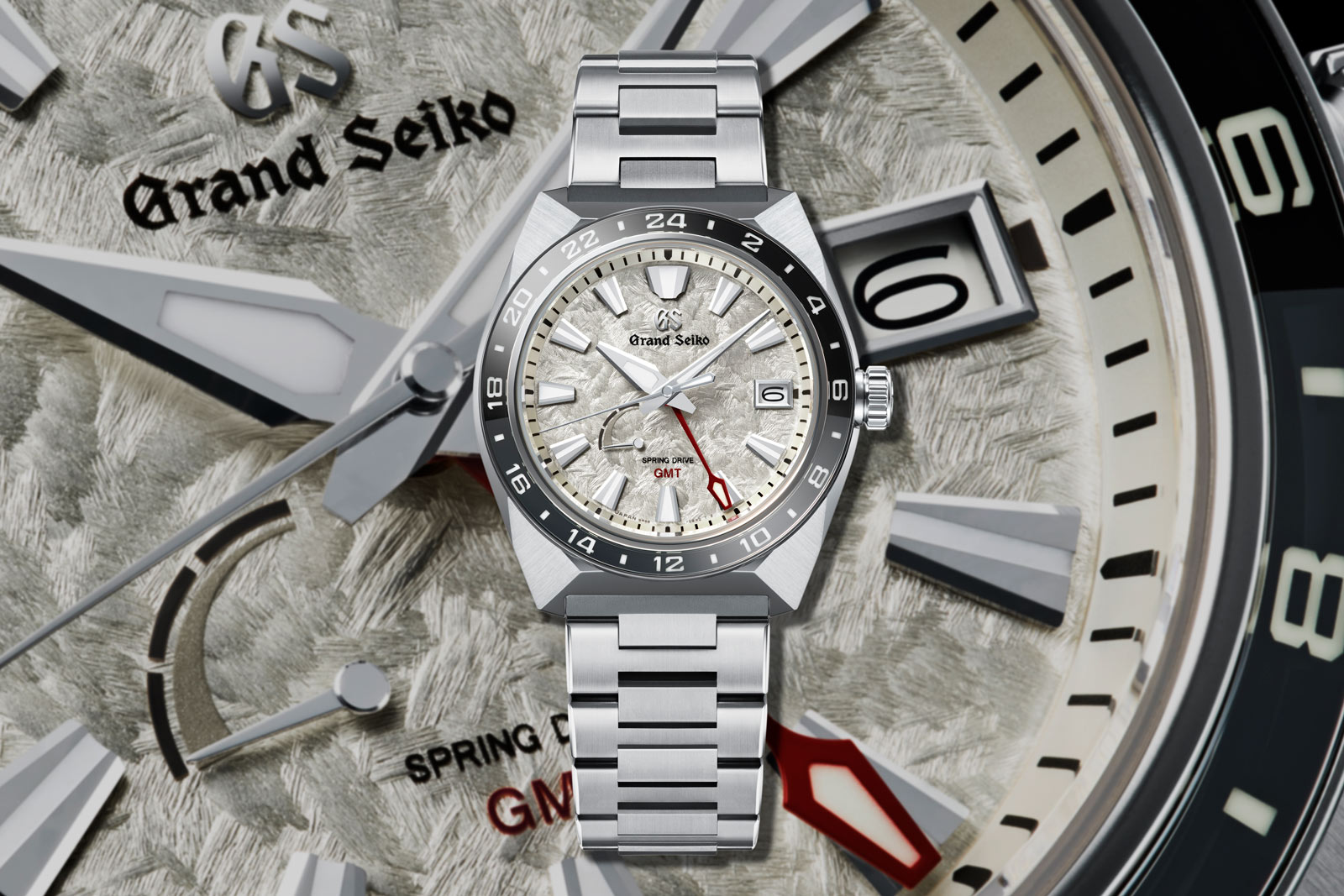
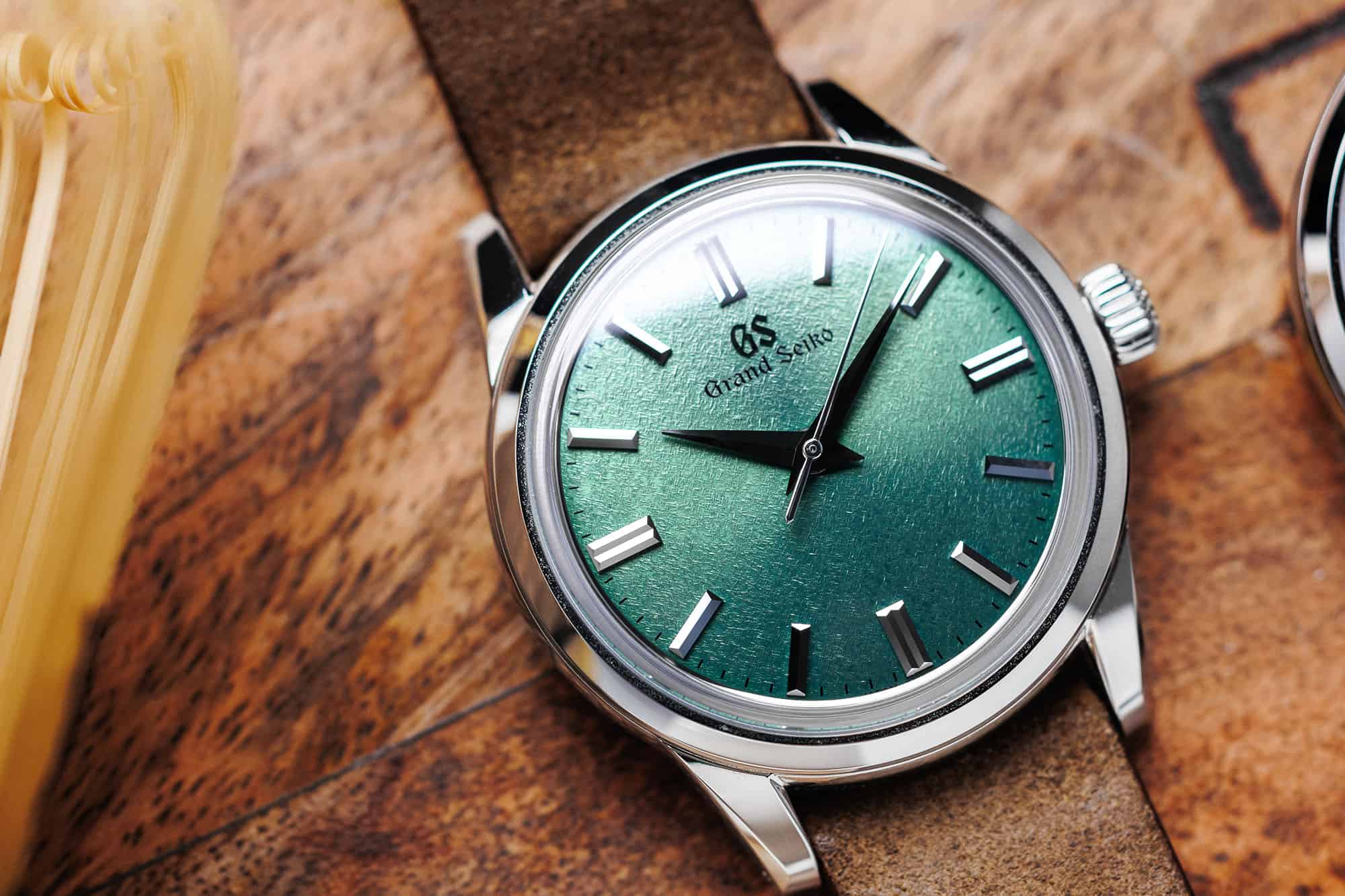
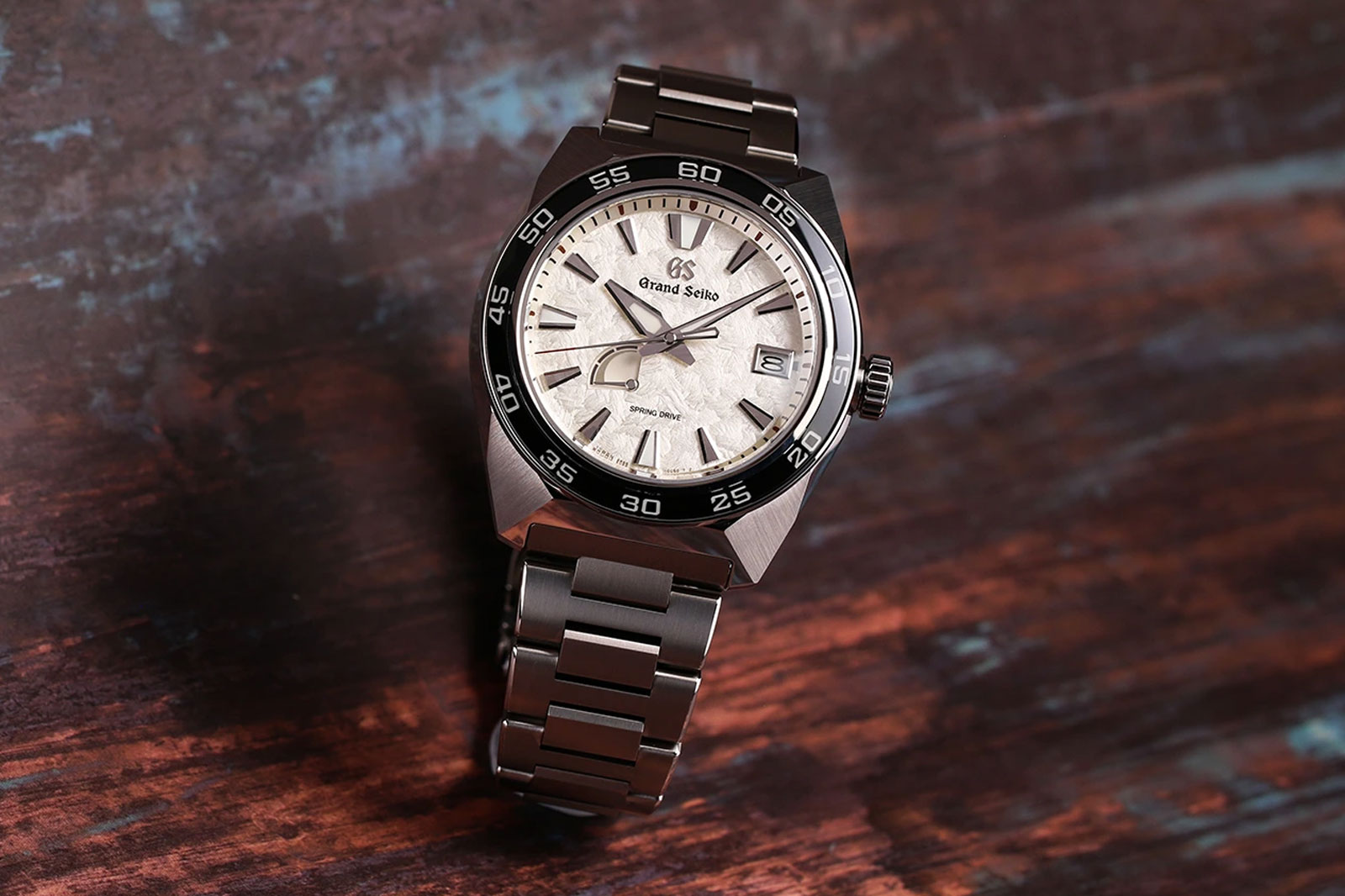
Grand Seiko applies zaratsu polishing across its catalogue: case bevels, lugs, bezel chamfers, and selected dial elements. The brand markets the technique explicitly as a Japanese craft heritage element; the typical Grand Seiko reference uses 2-4 hours of skilled zaratsu work per case. The Snowflake (SBGA211, the canonical modern Grand Seiko) and the 44GS-style cases in the Heritage Collection are the most-cited zaratsu showcases.
Visual identification: a zaratsu-polished surface shows sharp parallel reflections regardless of viewing angle. Hold a zaratsu-polished Grand Seiko case under a striped fluorescent ceiling light and the reflected stripes remain perfectly straight as you rotate the watch; on a buffer-polished case from a comparable Swiss brand the reflected stripes will visibly curve at certain angles. The difference is subtle but consistent and is what informed observers identify as "Grand Seiko finishing quality".
For buyers, the practical implication: Grand Seiko mid-tier references (CHF 4-8k retail) deliver case-finishing quality comparable to Swiss haute-horlogerie at CHF 30-50k. The trade-off vs Swiss: Grand Seiko movement finishing is competent but not at the haute-horlogerie peak (no black polish, less elaborate hand-finishing of bridges); the case finishing alone, however, is genuinely peer to Patek/AP/Lange. The model demonstrates that a regional craft tradition (Japanese blade polishing applied to watch cases) can produce results indistinguishable from Geneva at one-fifth the price.






Comments 1