Where it sits in the Seiko lineup
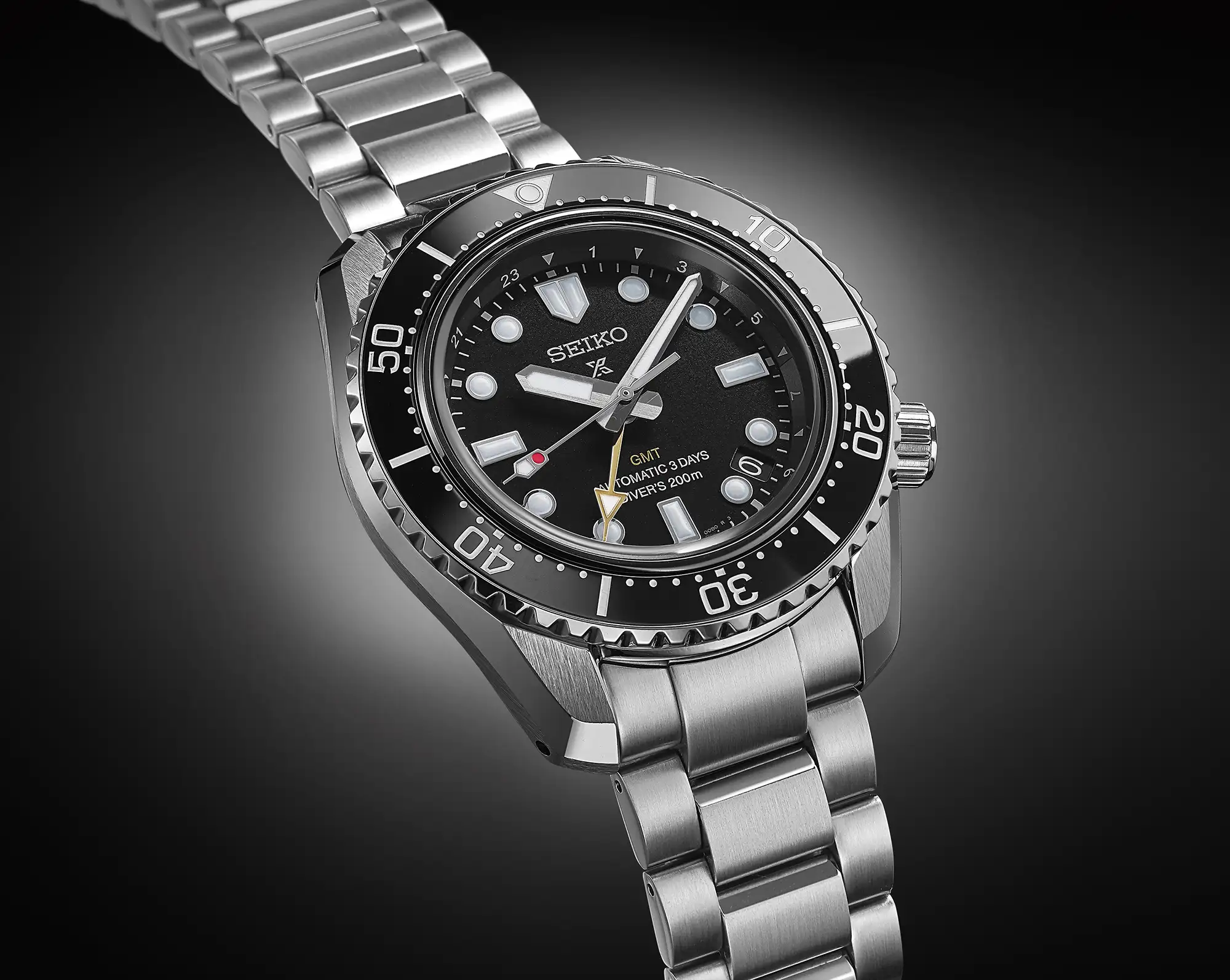
Seiko makes its own movements at multiple tiers. 4R36 (entry, ~CHF 50 in volume): in the Seiko 5 Sports, basic Prospex, ~41h reserve, no hand-wind in older variants (yes in current). 6R35 (mid, ~CHF 100): in the Prospex SPB143 / SPB315 dive line, the Presage Sharp Edged, the Cocktail Time. 8L35 / 8L37: the higher-tier "Premium" Prospex (Marinemaster SLA-series), 50-hour reserve. 9S65 / 9S85: Grand Seiko mechanical (covered in our Grand Seiko 9S85 page). The 6R35 launched in 2019 as an upgrade to the older 6R15 (50-hour reserve), bringing the power reserve to 70 hours via a redesigned mainspring barrel. By 2026 it powers the bulk of mid-tier Seiko mechanicals: Prospex divers in the CHF 800-1,400 range.
What is unusual: 3 Hz, 70-hour reserve
Most modern Swiss workhorses (ETA 2824-2, Sellita SW200-1, Miyota 9015) run at 4 Hz / 28,800 vph. The 6R35 runs at 3 Hz / 21,600 vph, the same frequency as the older 6R15 it replaced. Why? Two reasons. Power reserve: a slower beat consumes less energy per tick, so the same mainspring lasts longer. The 70-hour reserve is the practical benefit. Tradition: Seiko has historically favoured 21,600 vph as a balance between accuracy and serviceability, and there is no reason to change for an evolutionary update. The trade-off: each tick advances the seconds hand 1/6 second instead of 1/8, slightly less smooth visible sweep, but practically identical at-a-distance.
Accuracy in the wild
Seiko's factory specification is -15 to +25 seconds per day, which is wider than COSC (-4/+6) and even wider than ETA Standard grade (-12/+30). Reality is much better: a fresh 6R35 typically settles in at +5 to +15 sec/day after a few weeks of wear, and a competent watchmaker can regulate one to ±5 sec/day on a Witschi machine in 5 minutes. Seiko knowingly publishes a wide tolerance because they do not individually regulate each movement; brands selling 6R35-equipped watches as "chronometer-grade" generally do their own regulation in-house. The Spron 510 hairspring is a Seiko-developed alloy with reasonable magnetism resistance (better than Nivarox steel, worse than silicon).
Watches it powers
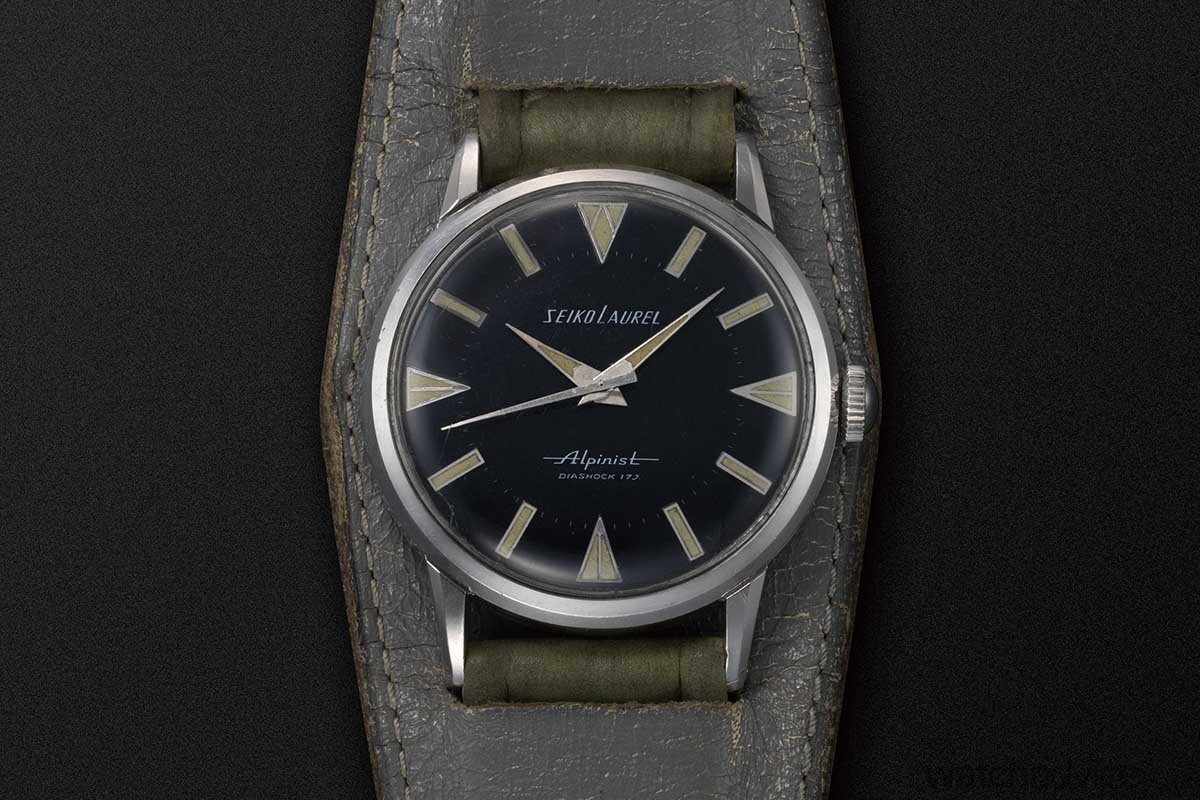
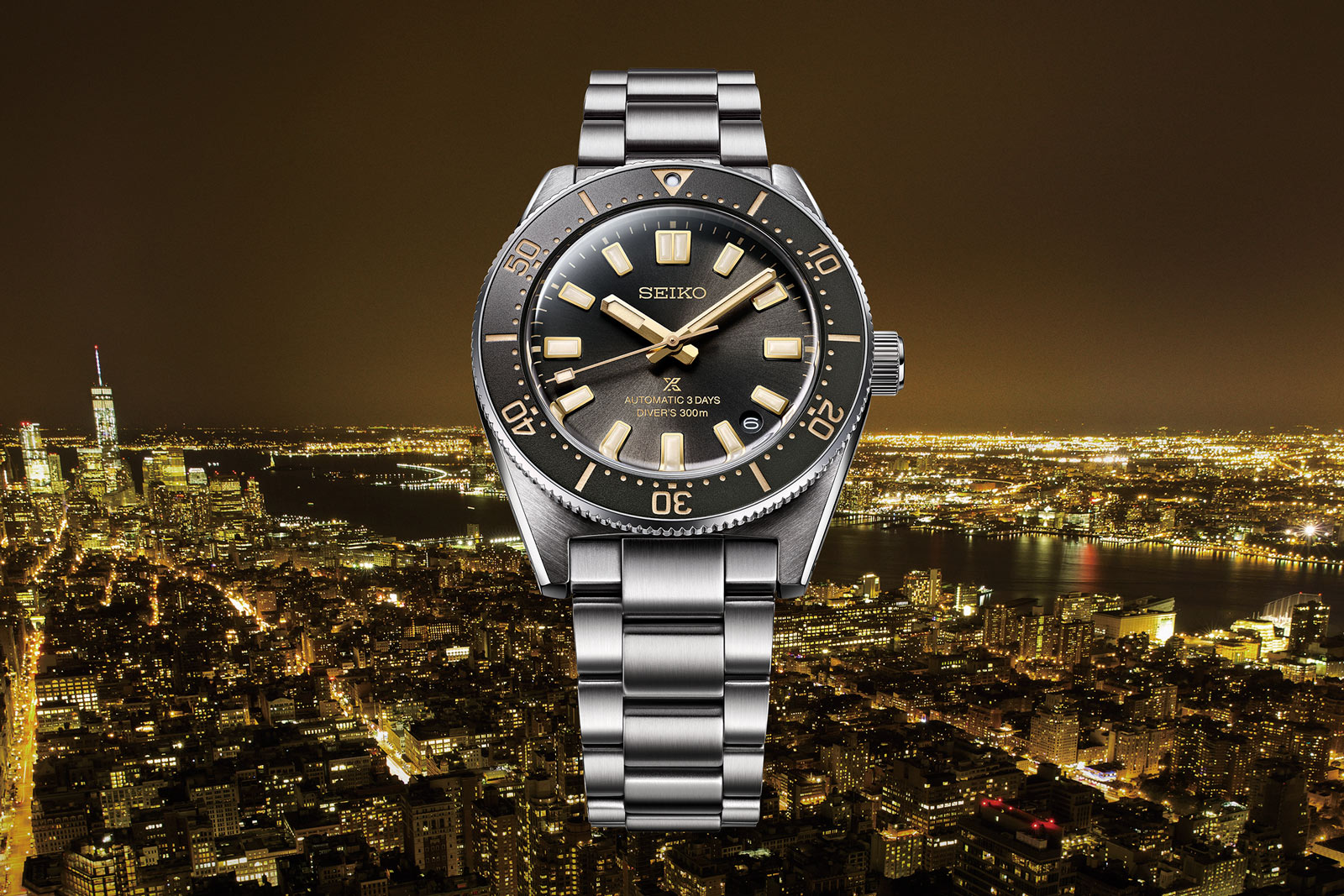
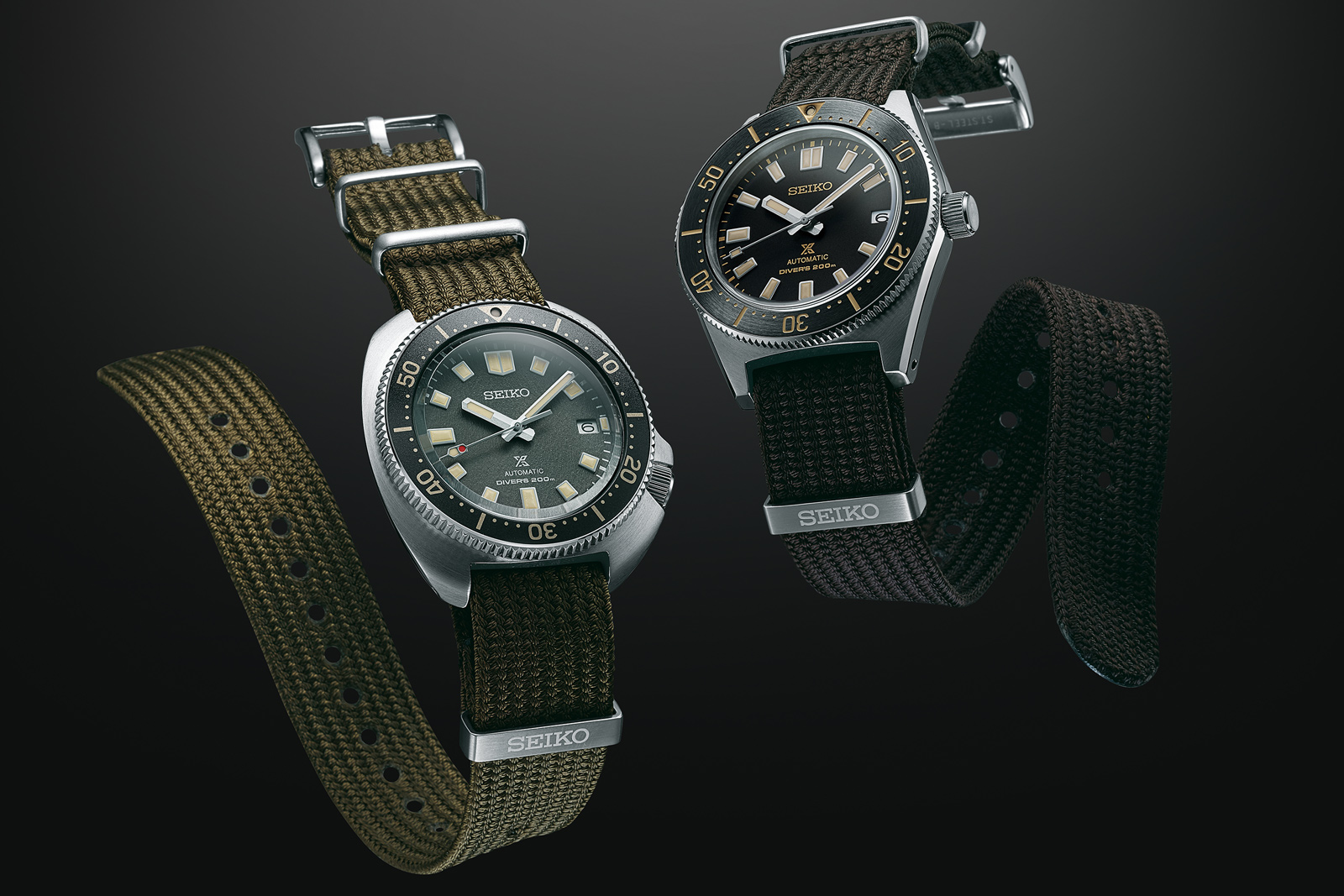
Seiko Prospex SPB143/SPB145/SPB147 (62MAS reissue), SPB149 (Sumo), SPB153/SPB155 (Alpinist), SPB315/SPB317/SPB321 (Willard reissue / Captain Willard), SPB077 (Save the Ocean / Tortoise), Presage Sharp Edged SPB165/SPB167, Presage Cocktail Time SRPB41/SRPB43, plus the upper tier of Seiko 5 Sports. By 2026 the 6R35 is the most-recognisable mid-tier Seiko caliber; if you bought a Seiko mechanical between CHF 700 and CHF 1,500 in the past 5 years, statistically it is a 6R35.
What buyers like and dislike
Like: 70-hour power reserve, hand-wind / hacking (the older 6R15 added these in 2018; current 6R35 ships with both standard), excellent value relative to a Sellita SW200-1 or Miyota 9015 in equivalent watches. The 6R35 movement decoration is minimal but functional; through display casebacks the Spron 510 hairspring is visible. Dislike: factory regulation tolerance is wide, so out-of-the-box accuracy varies between examples; rotor noise (single ball-bearing rotor, audible spin); date wheel sits deep below dial cutouts on some case designs (visible recess). Most of these are fixable or tolerable; the wider regulation is the most-cited complaint.
Service notes
Like other Seiko 6R-series movements, the 6R35 is officially parts-restricted: Seiko's factory position is that you swap the whole movement if it fails (cost: CHF 100-180 for a fresh module). Many independent watchmakers do service 6R35s anyway: clean, oil, regulate, replace mainspring. Cost: CHF 150-250 for a routine service, faster turnaround than Swiss work, no factory warranty. For a CHF 800 Prospex, this is the right call; for a CHF 1,400 Marinemaster, the upgraded 8L35 (which Seiko services properly) is sometimes worth the extra spend. Service interval target: 5-7 years for daily wear.

Comments
No comments yet, be the first to weigh in.