What "9S" means and the family tree
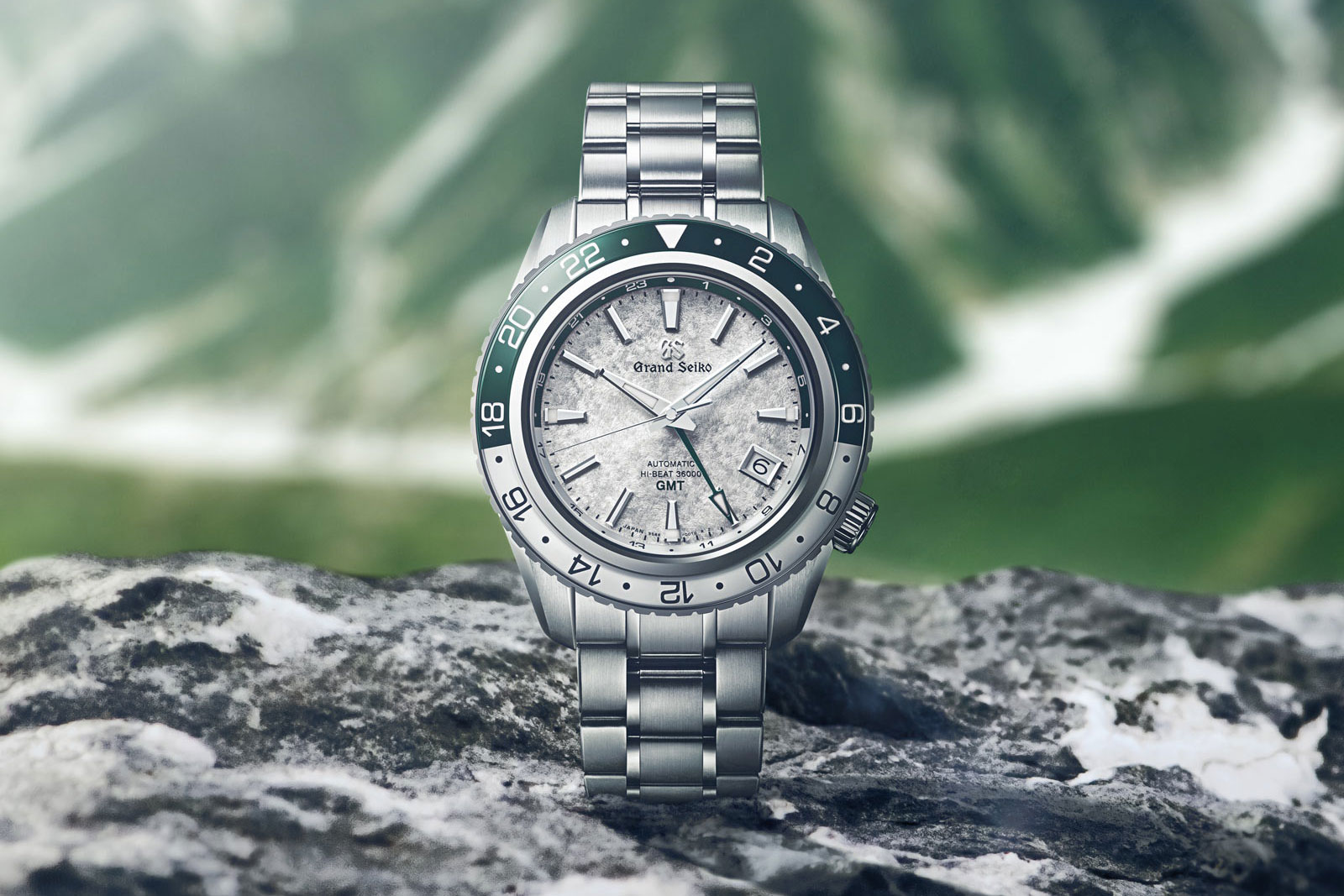
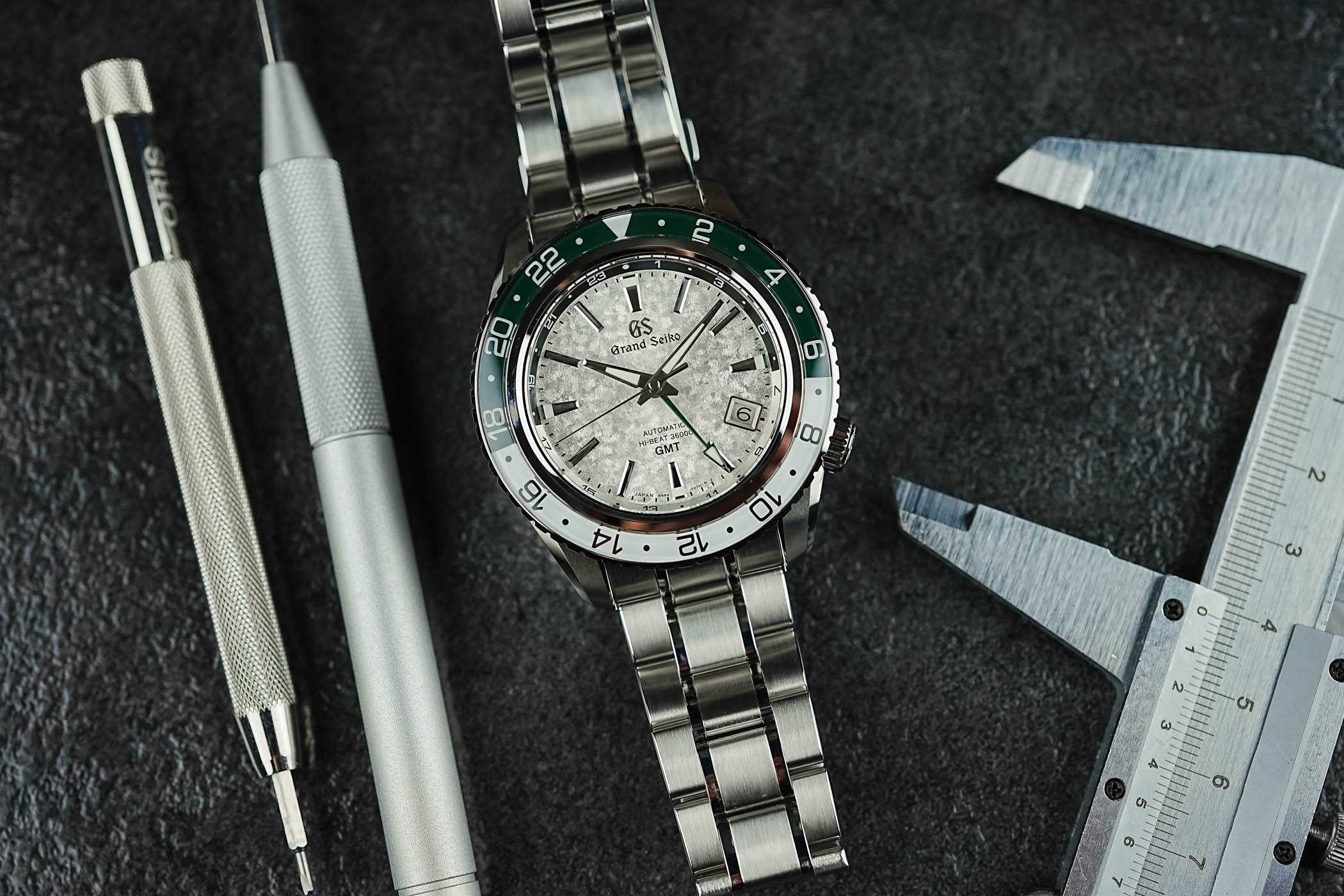
Grand Seiko uses a four-letter caliber prefix to indicate the technology family: 9F for high-accuracy quartz, 9R for Spring Drive, 9S for purely mechanical. Within the 9S family: 9S55/9S65 (4 Hz, 50-72 h) is the standard in-house automatic. 9S85 (5 Hz, 55 h) is the hi-beat. 9S86 adds GMT to the 9S85. 9S96 is the chronometer-grade 9S65. Specialised: 9S99 (Spring Drive Tourbillon, 2024), 9SA5 (next-gen 5 Hz with longer reserve, dual-impulse escapement). The 9S85 specifically is the everyday hi-beat workhorse, in production since 2009 and used across the Grand Seiko mechanical catalogue.
What "hi-beat" buys you
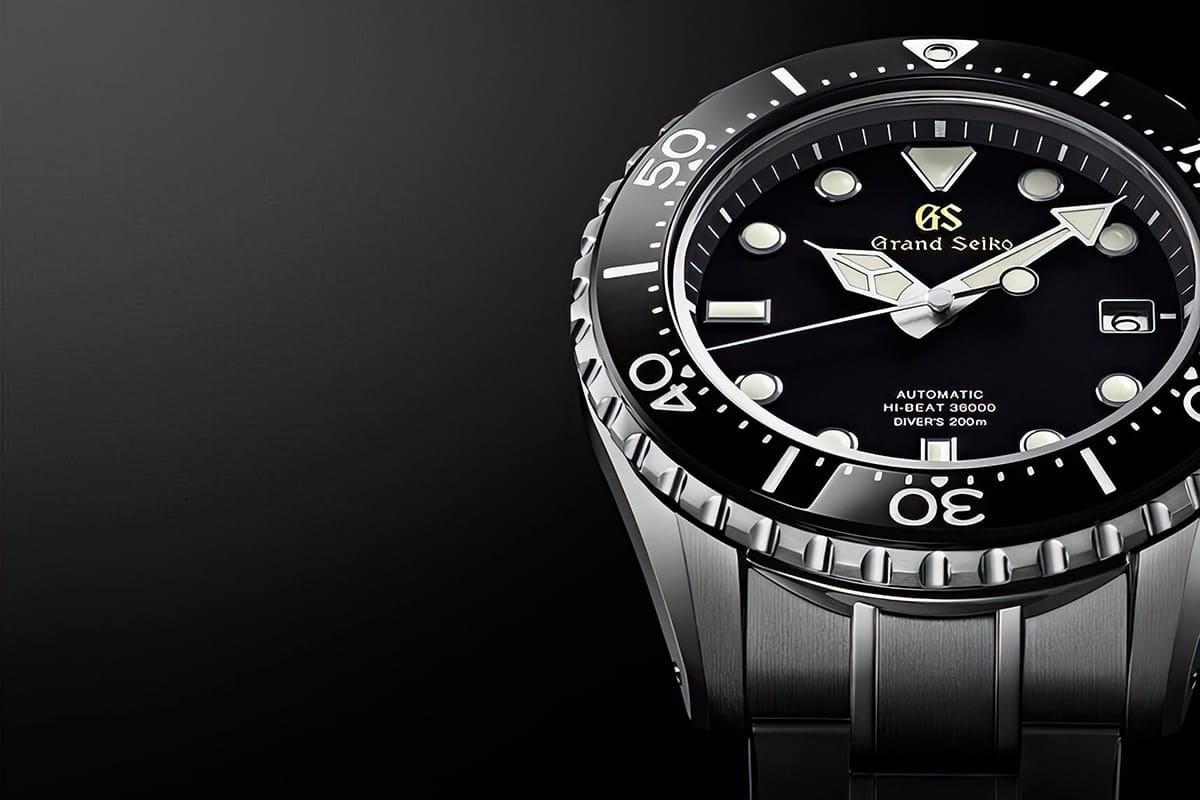
The 9S85 ticks at 5 Hz (36,000 vph), equivalent to 10 ticks per second. This is the same frequency as the Zenith El Primero; few mechanical movements run that fast. The advantages: tighter rate stability (more averaging per second), finer chronograph resolution (1/10 second), visually smoother seconds-hand sweep (10 steps per second is closer to continuous than the 8 steps of a 4 Hz movement). The trade-off: more wear on pivots and oils, requiring tighter tolerances and shorter service intervals. Grand Seiko's response is the proprietary Spron 610 hairspring (more wear-resistant than Nivarox), MEMS-fabricated escape parts, and tighter QC at every step.
Hand-finishing at industrial scale
Grand Seiko's 9S movements are produced at the Shizukuishi Watch Studio in Iwate Prefecture, northern Japan. Bridges are hand-polished using Zaratsu polishing (the same distortion-free mirror technique GS uses on case bevels), screw heads are hand-bevelled, and the balance is hand-regulated by a master watchmaker. Production volume is small relative to Swiss equivalents: GS makes roughly 40-50,000 mechanical watches per year total, against millions of Rolex equivalents. For a buyer this means: a 9S85 movement carries finishing that, in Switzerland, would only appear at CHF 25,000+ price points. The Grand Seiko hi-beat watches retail around CHF 8,000-12,000.
"Snowflake" and the GS aesthetic
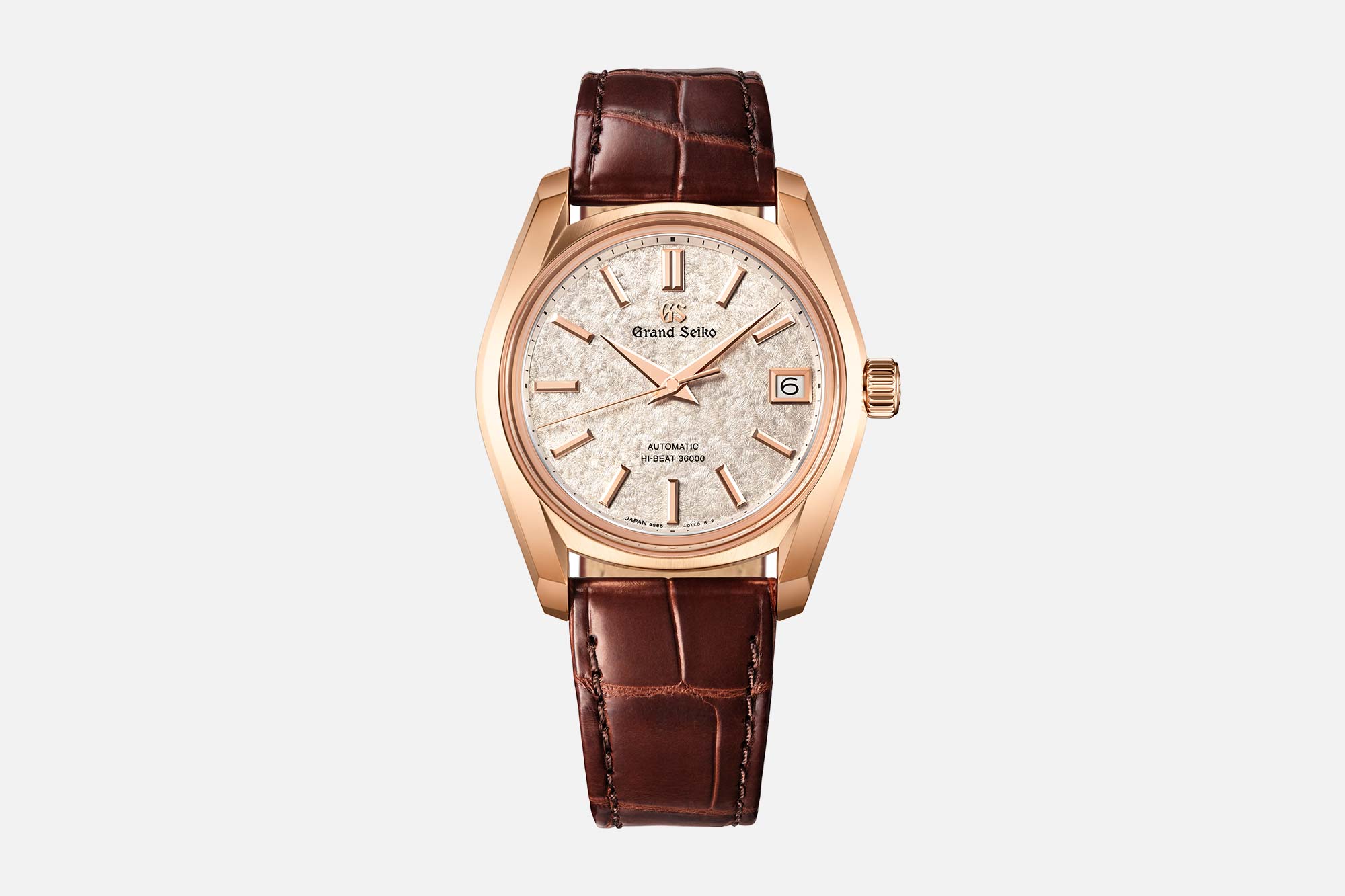
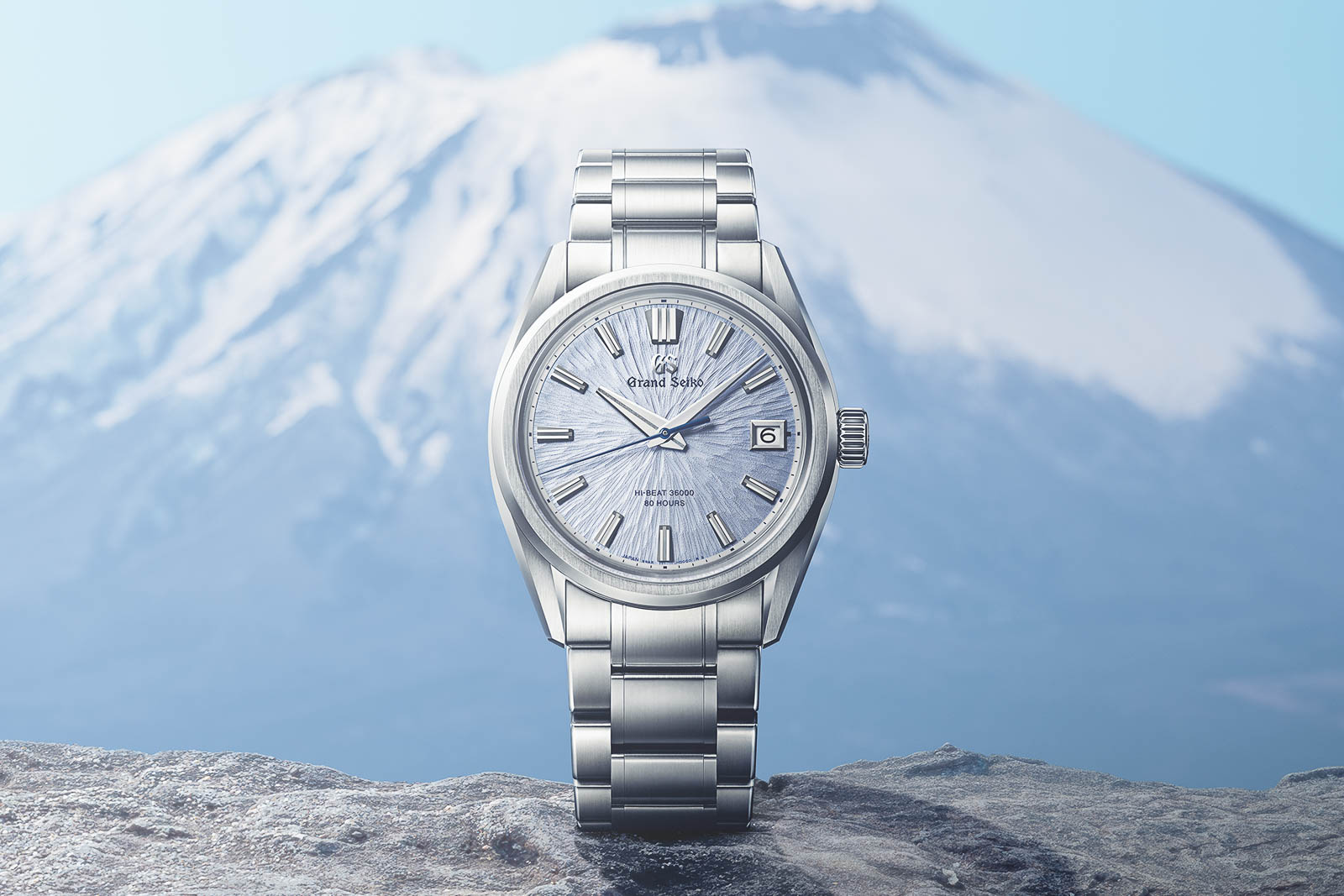
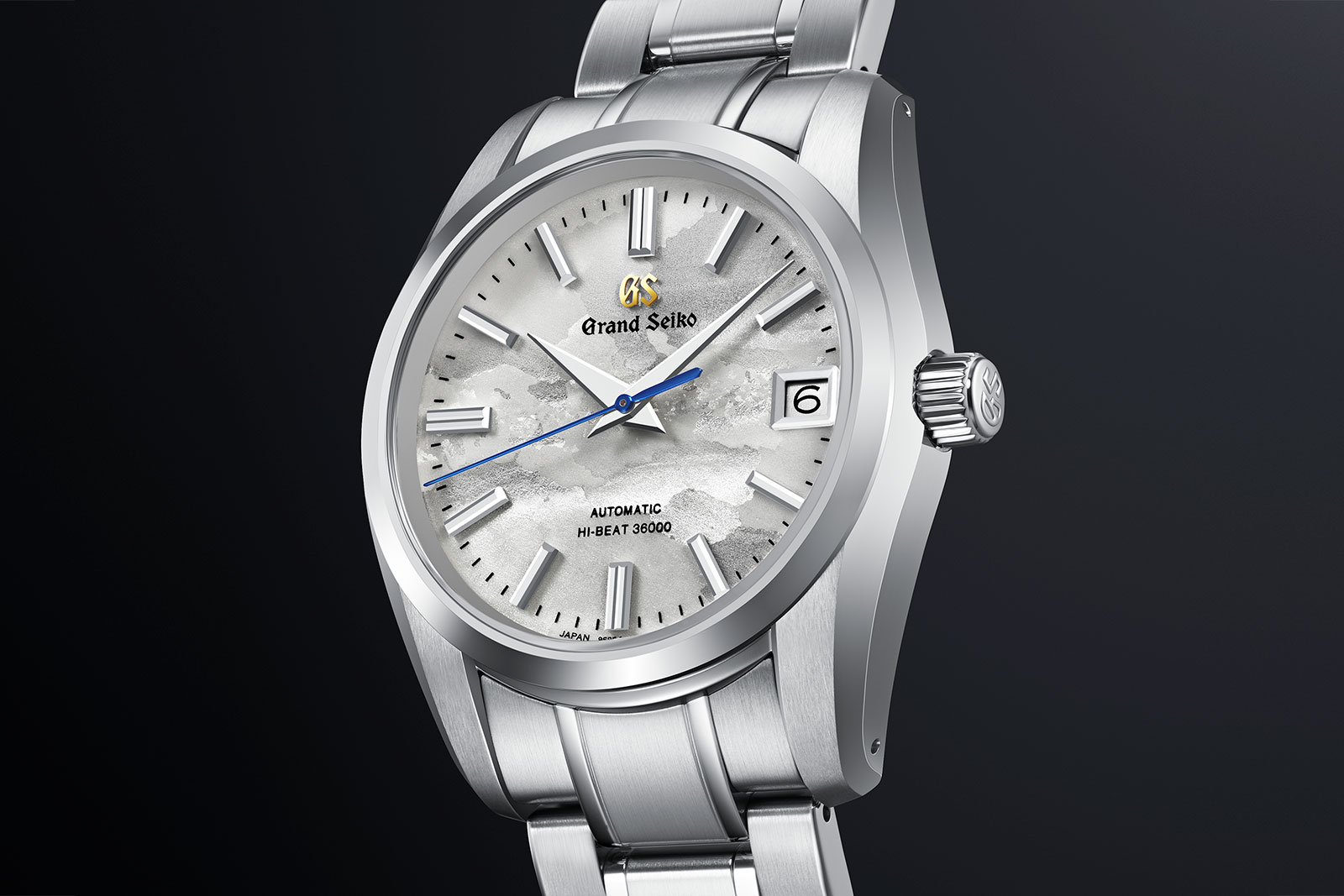
The most-recognised 9S-equipped Grand Seiko is the SBGA211 "Snowflake" (which actually uses the 9R65 Spring Drive, not the 9S85, but defines the GS dial aesthetic). For pure 9S85 hi-beat, the canonical reference is the SBGH273 (Mt. Iwate dial), the SBGH279 (white birch dial), or the limited-edition GS hi-beat anniversary pieces. The dials are textured to evoke snow, frost, mountain rock, or birch bark from the landscape around the Shizukuishi studio. The visual signature: razor-sharp snowflake hands (or dauphine variants), polished applied indices, and a 36,000-vph seconds hand that visibly sweeps faster than any 4 Hz watch.
Accuracy and certification
Standard 9S85: rated +5 to -3 sec/day in Grand Seiko's own internal certification (technically tighter than COSC at -4/+6, though using a different test protocol). The high-grade variant 9S86 / 9S96 is rated tighter at +4 to -2, and rare special editions go to ±2 sec/day. None of these are externally certified by COSC or METAS; Grand Seiko relies on its in-house standard, which is independently considered comparable to Rolex Superlative Chronometer (-2/+2) for the higher tier and looser than that for the standard tier. In owner reports, well-worn 9S85 watches commonly run +1 to +3 sec/day.
Service notes
Grand Seiko service for a 9S movement runs USD 800-1,200, performed at the Shizukuishi Watch Studio (Japan) or at GS-authorised service centres in major markets. Recommended interval: 5-7 years, slightly tighter than Swiss equivalents because of the hi-beat's higher wear rate. The Spron 610 hairspring is replaceable but only by Grand Seiko; independent service for a 9S85 is rare and limited to Japanese specialists. The watch typically returns from service freshly regulated to within 1-2 sec/day. For the broader hi-beat context, see our El Primero piece; for Spring Drive context see our Spring Drive 101.
Comments 2