Watch brandsWatch wikiWatch videosVariousWatch calendarSaved articles
PopularRolexOmegaPatek PhilippeAudemars PiguetTudorGrand SeikoCartierSeikoIWCTAG HeuerBreitlingJaeger-LeCoultreA. Lange & SohneZenith
WristBuzzWatch WikiFluted Bezel
🎨 Design · Rolex Datejust · Fine Vertical Grooves

Fluted Bezel

The vertically-grooved bezel that defines the Rolex Datejust and Day-Date and signals dress-watch elegance across the industry.

A fluted bezel is a watch bezel with fine vertical grooves machined into its outer edge. The signature is most strongly associated with Rolex: the Datejust (1945) and Day-Date (1956) made the fluted bezel a Rolex visual identity. Originally functional (the grooves provided grip for screwing the bezel onto the case during assembly, sealing the Oyster construction), the fluted bezel evolved into a purely decorative element as case manufacturing techniques improved. Today the fluted bezel is one of the most recognisable watch-design cues in the industry; almost every Rolex Datejust and Day-Date carries it, and a handful of other brands (Tudor 1926, Longines Conquest selected references) use it for vintage-dress identity.

OriginFunctional grip for screwing bezel onto Oyster case
Defining brandRolex Datejust (1945), Day-Date (1956)
Modern functionPurely decorative; bezel is now snap-fit or sealed-on
MaterialSolid 18k or stainless steel; not gold-plated
Visual signatureCatches and reflects light dynamically; "watch jewellery" effect
Other brandsTudor 1926; Longines Conquest dress; some Patek Calatrava variations
WristBuzz Articles18
Fluted Bezel

Photo: Teddy Baldassarre · Apr 13, 2026

1945Datejust
1956Day-Date
RolexIdentity
DecorativeModern Use
18WristBuzz Articles

The Fluted Bezel Story

The fluted bezel originated as a functional element of the Rolex Oyster case. The Oyster construction (introduced 1926) used a screw-down bezel threaded onto the case middle to compress a gasket and seal the watch against water; the bezel needed grip surface for the watchmaker to torque it tight during assembly. The fine vertical flutes machined onto the bezel's outer edge gave a fingertip surface that allowed precise tightening with a non-slip key. The function was identical to the screw-down crown's knurled surface.

Through the 1930s and 1940s, fluting was a routine industrial detail on Rolex (and many other) Oyster-construction watches; the visual was incidental, not designed. With the launch of the Datejust in 1945 (the first wristwatch with an automatically-changing date), Rolex marketing began foregrounding the fluted bezel as a visual signature of the model. The 1956 Day-Date (the "Presidential") doubled down on this: solid platinum or solid 18k gold flutes, polished to a mirror finish, became the dress-watch ornament that distinguished the Day-Date from every other Rolex.

"The flutes are no longer needed to seal the watch. They are kept because they are the watch."- Rolex commentary on the Datejust's fluted bezel

By the 1970s the engineering rationale had largely disappeared: improved gasket design and case-machining tolerances meant the bezel no longer needed assembly grip; modern Datejust and Day-Date bezels are snap-fit or sealed-on with the gasket pre-compressed, not screwed. The fluting persists as pure decoration: a brand-recognition signature that Rolex has chosen to retain across the Datejust and Day-Date catalogue indefinitely. Sport-watch Rolex models (Submariner, GMT-Master, Daytona) deliberately use smooth or knurled bezels instead, signalling tool-watch identity.

The visual effect of a fluted bezel is distinctive: the fine grooves catch and reflect light at multiple angles, giving the watch a "jewellery" sparkle that smooth bezels cannot reproduce. On a polished gold or steel bezel, the fluting reads as a continuous ring of reflected highlights; on a brushed bezel (rare), the fluting reads as fine textural depth. The width of the bezel and the depth/spacing of the flutes affect the visual weight: a thin Datejust 36 fluted bezel is restrained dress-watch elegance; a chunky Day-Date 40 white-gold flute is overtly bling.

Outside Rolex, fluted bezels appear on several other brands with vintage-dress positioning. Tudor's 1926 collection (named for the year the Oyster case was patented) has fluted-bezel references that explicitly cite the Rolex parentage. Longines's Conquest Heritage dress references occasionally use light fluting. Selected Patek Philippe Calatrava references (the "Clous de Paris" hobnail bezel) use a related but distinct decoration: square pyramid pattern rather than parallel flutes. Most modern non-Rolex use is conscious citation rather than independent design language.

For buyers, the fluted bezel is a style choice. Practical considerations: fluting catches dirt and lint at the grooves and requires occasional brushing with a soft toothbrush; polished fluted bezels show micro-scratches over years of wear and benefit from periodic light polishing at service. A solid-gold fluted bezel adds significant material cost vs a smooth bezel of the same diameter. Counterpoint: fluted bezels are difficult to refinish at the field-watchmaker level (requires precise lathe work) and most owners leave them as-is.

Notable Fluted-Bezel References

1945+ · Rolex
Datejust 36 (steel/gold)
126234

The defining fluted-bezel watch. Steel case with white-gold fluted bezel; the canonical Datejust.

Datejust Standard
1956+ · Rolex
Day-Date "Presidential" (solid gold)
228238

Solid 18k yellow / white / Everose gold case + fluted bezel. The dress-watch peak of the Rolex catalogue.

Presidential
Modern · Rolex
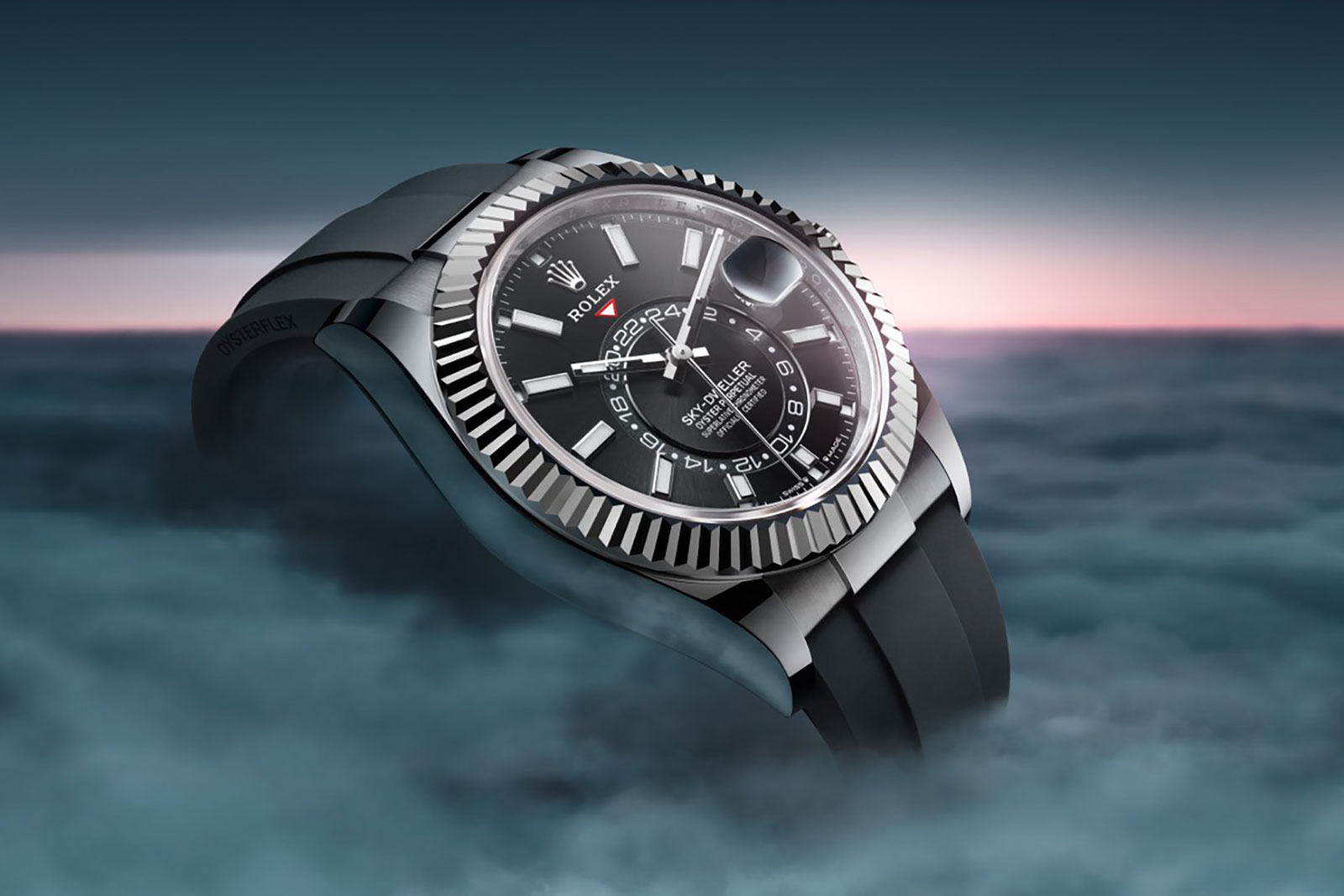
Sky-Dweller (fluted bezel)
326934

Modern complication watch (annual calendar + GMT) using the fluted bezel; signals dress positioning despite complication.

Sky-Dweller
Modern · Tudor
1926 (fluted)
1926

Tudor 1926 collection (named for Oyster case patent year) explicitly cites Rolex Datejust fluted-bezel design language.

Tudor Citation
Sport · Rolex
Submariner / GMT-Master (smooth/knurled)
Various

Counterpoint: Rolex sport watches deliberately use smooth or rotating-bezel construction; the absence of fluting signals tool-watch identity.

Smooth Counterpoint

Latest Fluted Bezel News

Monochrome
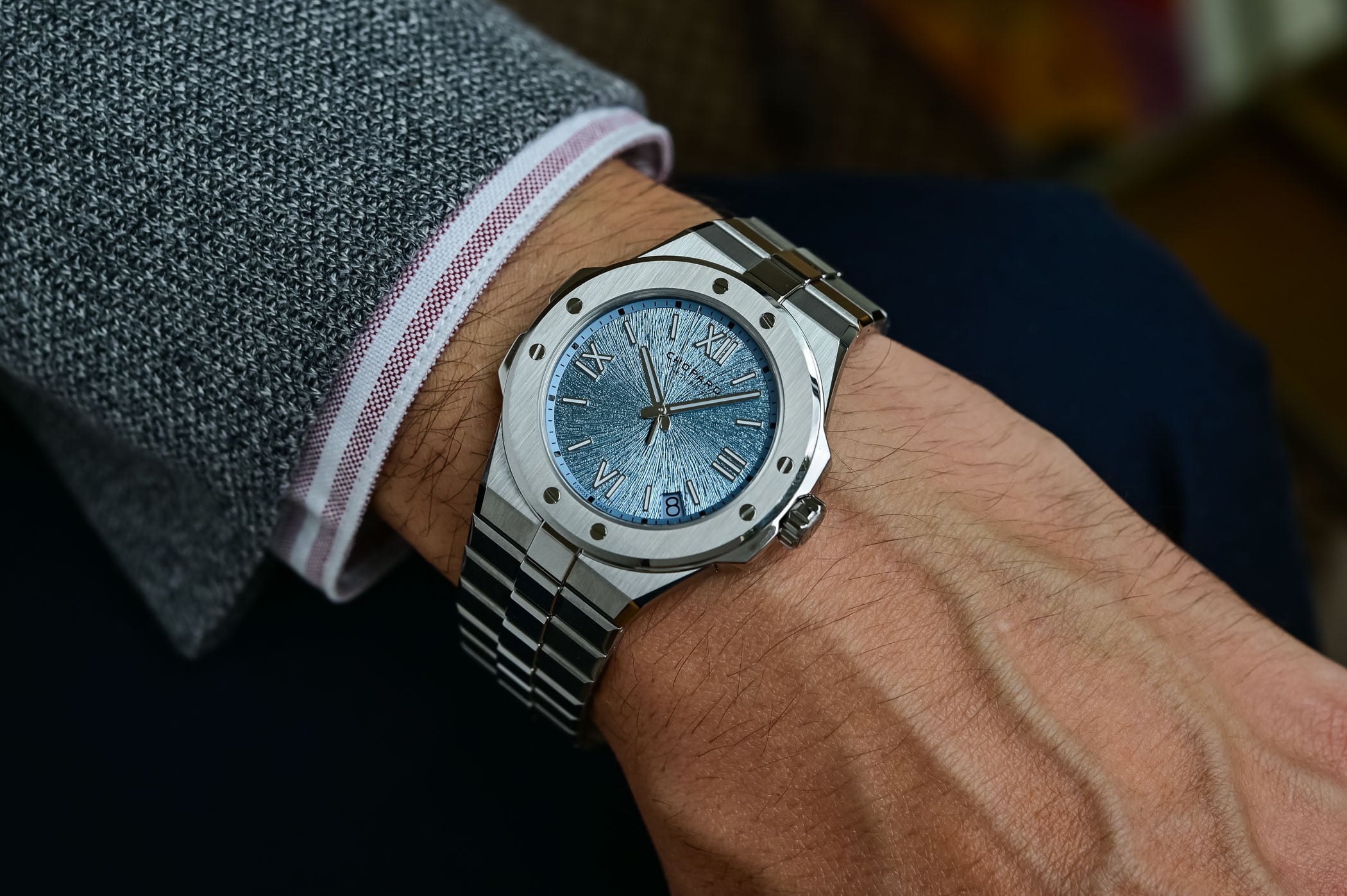
First Look – The New “Rhone Blue” Chopard Alpine Eagle 41mm and 36mm
Apr 18, 2026
Teddy Baldassarre
New Rolex Datejust 41 Debuts Green Ombré Lacquer Dial
Apr 13, 2026
Teddy Baldassarre
What Is A Fluted Bezel On A Watch?
Nov 12, 2025
Worn & Wound
The One Watch Collection: Our Contributors Weigh In
Oct 14, 2025
Worn & Wound
The Latest Oris Hölstein Edition is a Blacked Out ProPilot with a Glowing Surprise
Jun 2, 2025
Monochrome
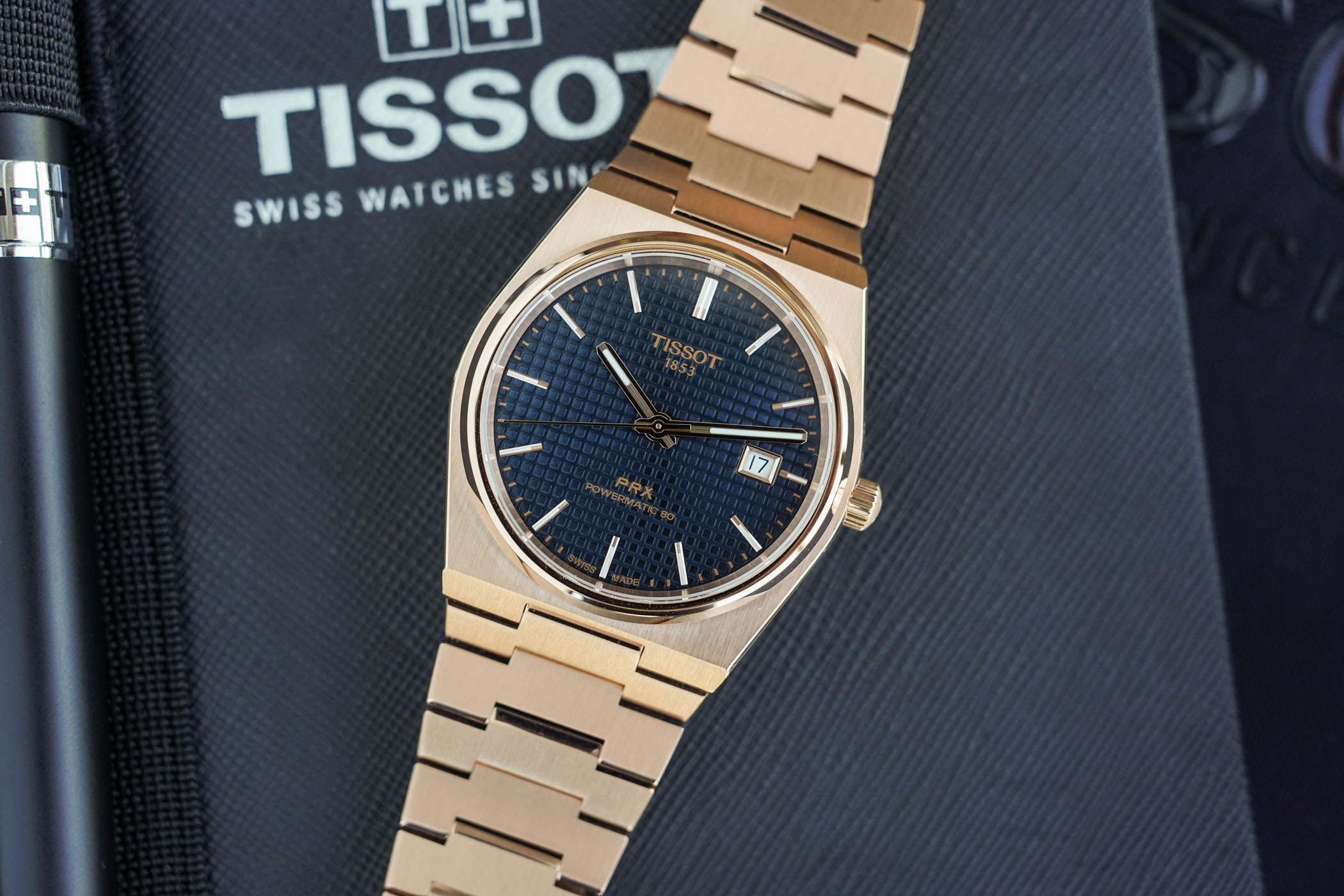
First Look – The new Tissot PRX Powermatic 80 40mm in Rose Gold PVD
Apr 11, 2025
Teddy Baldassarre
Editors' Picks: Our Favorite Watches & Wonders 2025 Releases
Apr 9, 2025
Monochrome
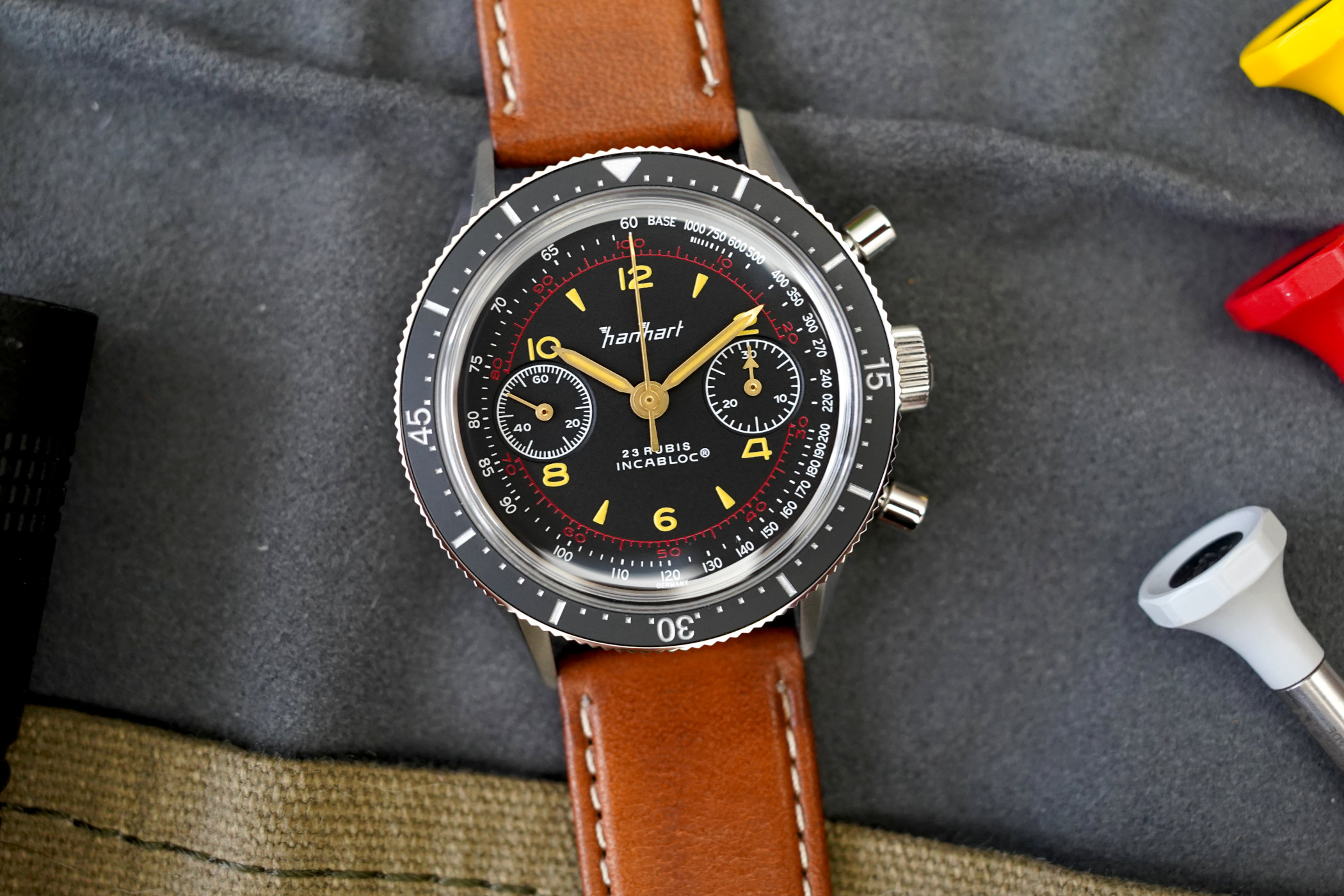
First Look – Hanhart Brings Back the 415 ES Chronograph (incl. Video Review)
Dec 3, 2024
SJX Watches
In-Depth: The Ingenuity of the Rolex Oyster Perpetual Sky-Dweller
Jul 29, 2024
Worn & Wound
Hanhart Marks an Important Aviation Anniversary with their Latest Release
May 28, 2024
Worn & Wound
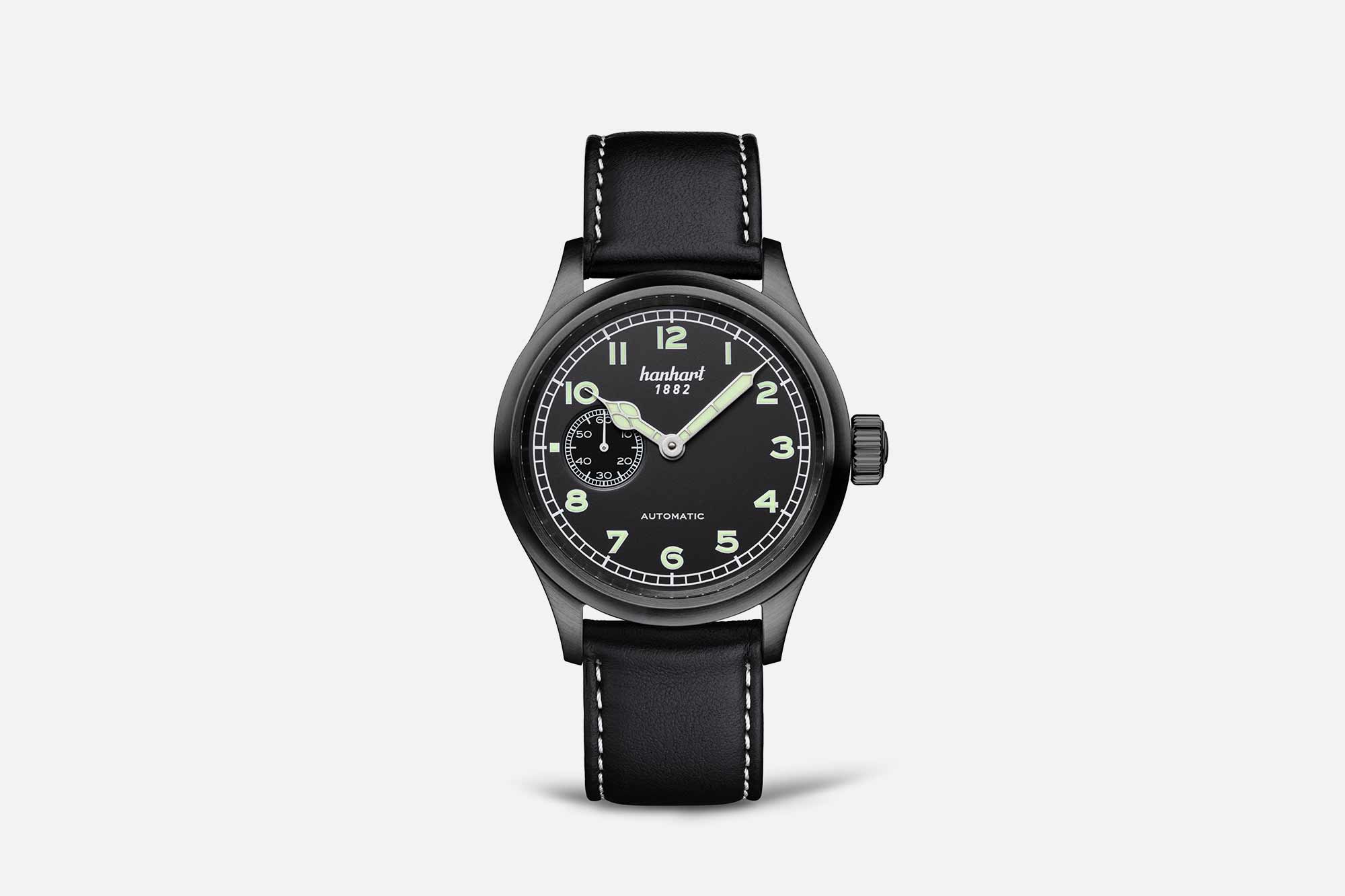
Hanhart Introduces the New Limited Production Preventor9
Apr 29, 2024
SJX Watches
Oris Introduces Cricket-Themed Big Crown Pointer Date
Jan 17, 2024
View all 18 articles

Learn More