
In collector vocabulary, patina is the desirable, age-induced visual change to a vintage watch that signals decades of honest wear without being damage. The most-discussed forms: tritium yellowing (radioactive tritium-painted lume on watches made 1960-1998 oxidises to a creamy yellow-orange over 30-50 years), dial tropicalisation (originally black dials shifting to chocolate brown under sustained UV; see tropical dial), printing fade (gilt or silver dial text dulling), brass hand oxidation (gold-plated brass hands dulling to bronze), crystal hazing (acrylic hesalite developing micro-scratches that diffract light), and case wear softening (brushed steel rounding into a satin glow).
Patina is the central price driver in the vintage market. A 1965 Rolex Submariner ref. 5513 with original cream-tritium lume, original gilt dial, and unrestored case sells for 3-5× a relume'd, redial'd, or polished example of the same reference. A Omega Speedmaster CK 2998 with full-tropical chocolate dial commands $80,000-$200,000+; the same reference with a faded-but-not-tropical black dial sells at $25,000-$50,000. The premium is binary: either the patina is original and matched (lume colour matches dial age, hand oxidation matches case wear), or it is suspect (mismatched parts, see frankenwatch).
"The Black Bay 58 took the patina argument from a footnote to a central question. Either you accept that a brand-new watch can earn the visual signature of a 50-year-old one, or you don't. There is no longer a middle position."- Hodinkee Reference Points, "On Fauxtina", 2018
A small subindustry exists to fake patina on vintage watches: artificial dial baking, lume "warming" with light tobacco staining, deliberately scratched-then-polished cases. Auction-house authentication now relies heavily on spectroscopic analysis of dial paint and lume to verify age; Phillips, Christie's, and Sotheby's all maintain in-house spectrometers. The collector heuristic for spotting faked patina: lume that is uniformly coloured (real tritium yellows unevenly, in patches), dial brown that is too consistent (real tropical is patchy and follows the UV path of the wearer's wrist), case wear that doesn't match expected wear points.
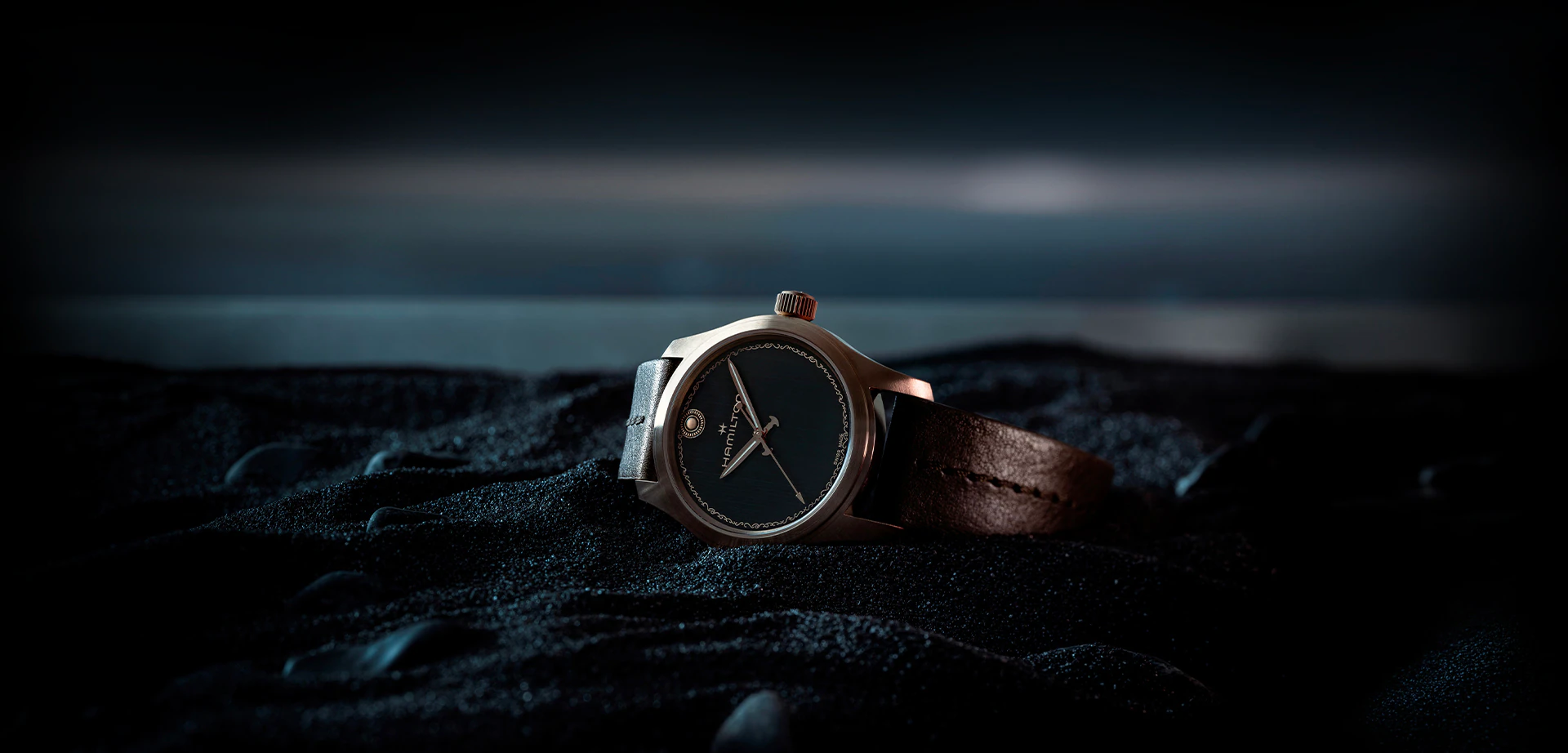
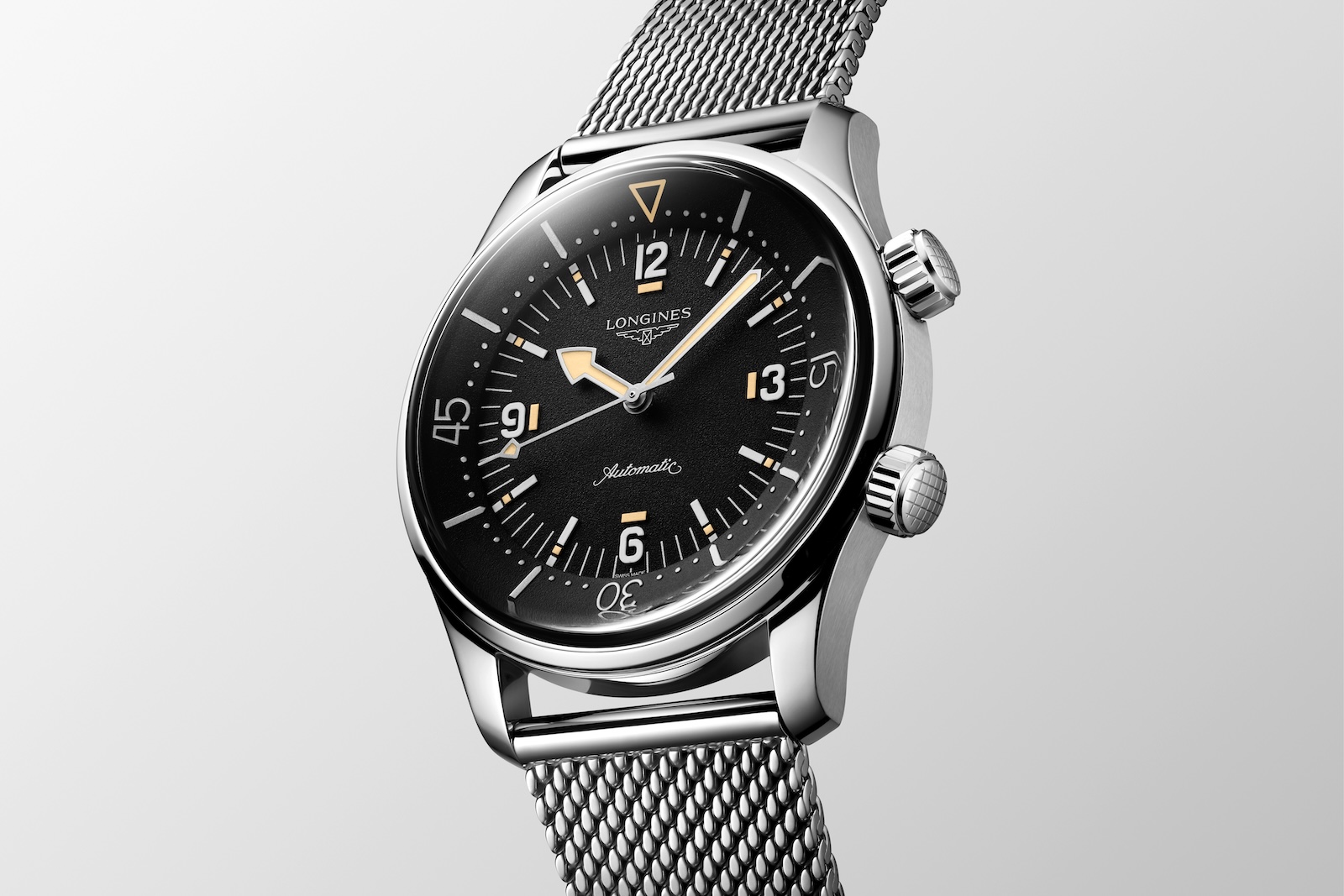
Fauxtina is the modern watch industry response: deliberately producing new watches with patina-coloured Super-LumiNova, dial paint, and printing. The benchmark is Tudor's 2012 Heritage Black Bay (and 2018 Black Bay 58), which uses a deliberately cream-tinted Super-LumiNova on white-printed indices and brass-toned hand surrounds to mimic 1960s tritium-aged Submariners. Other significant fauxtina watches: Longines Heritage Diver 1967, Hamilton Khaki Pioneer Mechanical, Omega Seamaster 300 Master Co-Axial (2014 reissue), Omega 1957 Trilogy (Speedmaster, Seamaster, Railmaster), Mido Ocean Star Tribute, Oris Divers Sixty-Five, Jaeger-LeCoultre Polaris Memovox, Glashütte Original Sixties Vintage.
The collector debate: fauxtina at its best is a respectful design tribute that lets a buyer who cannot afford or service a 60-year-old watch experience the visual character of one. At its worst it is a marketing shortcut that prevents new watches from establishing their own design language by borrowing the visual authority of older ones. The strongest fauxtina executions (Tudor BB58, Omega 1957 Trilogy) are widely accepted as legitimate vintage tributes; weaker ones (excessive yellow, cartoonish "aged" indices, mismatched brass on a brand-new case) are derided as "tryhard" and "cosplay" in collector vocabulary. The middle ground (Longines Legend Diver, Jaeger-LeCoultre Polaris) is debated case by case.
Some major brands have publicly stepped back from fauxtina: Rolex never adopted it (modern Submariners, Daytonas, GMT-Masters all use bright-white Chromalight); Audemars Piguet uses bright-white lume across the catalogue; Patek uses white-cream rather than yellow-cream. Tudor has begun moving toward white lume on the Black Bay Pro (2022) and Black Bay 54 (2023), suggesting the brand sees the cream era as a closing chapter. Vintage-tone Super-LumiNova is now considered a 2010s decade marker in collector eyes, much as orange-tritium hands are a 1980s marker on real vintage watches.






Comments 3