Baselworld traces its origin to 1917, when Basel hosted its first Schweizer Mustermesse Basel ("Swiss Sample Fair") as a general industrial trade show. The watch and jewellery section grew quickly as Switzerland's post-WWI watchmaking industry sought a domestic export channel; by 1931 the watch section had its own pavilion, and by 1972 the fair was renamed European Watch and Jewellery Show to reflect its watch-industry focus. In 2003 it became Baselworld under operator MCH Group, and the modern era began.
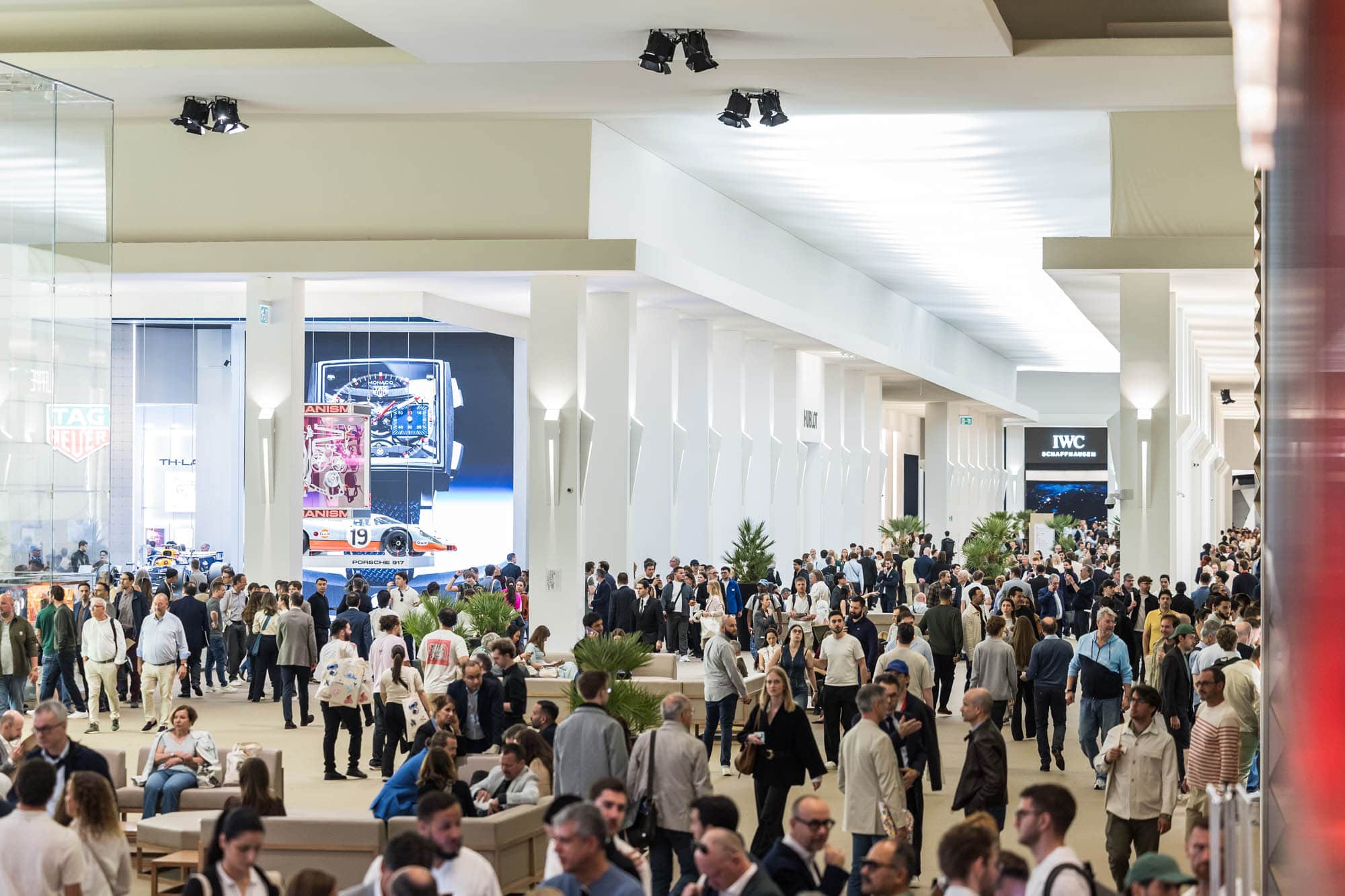
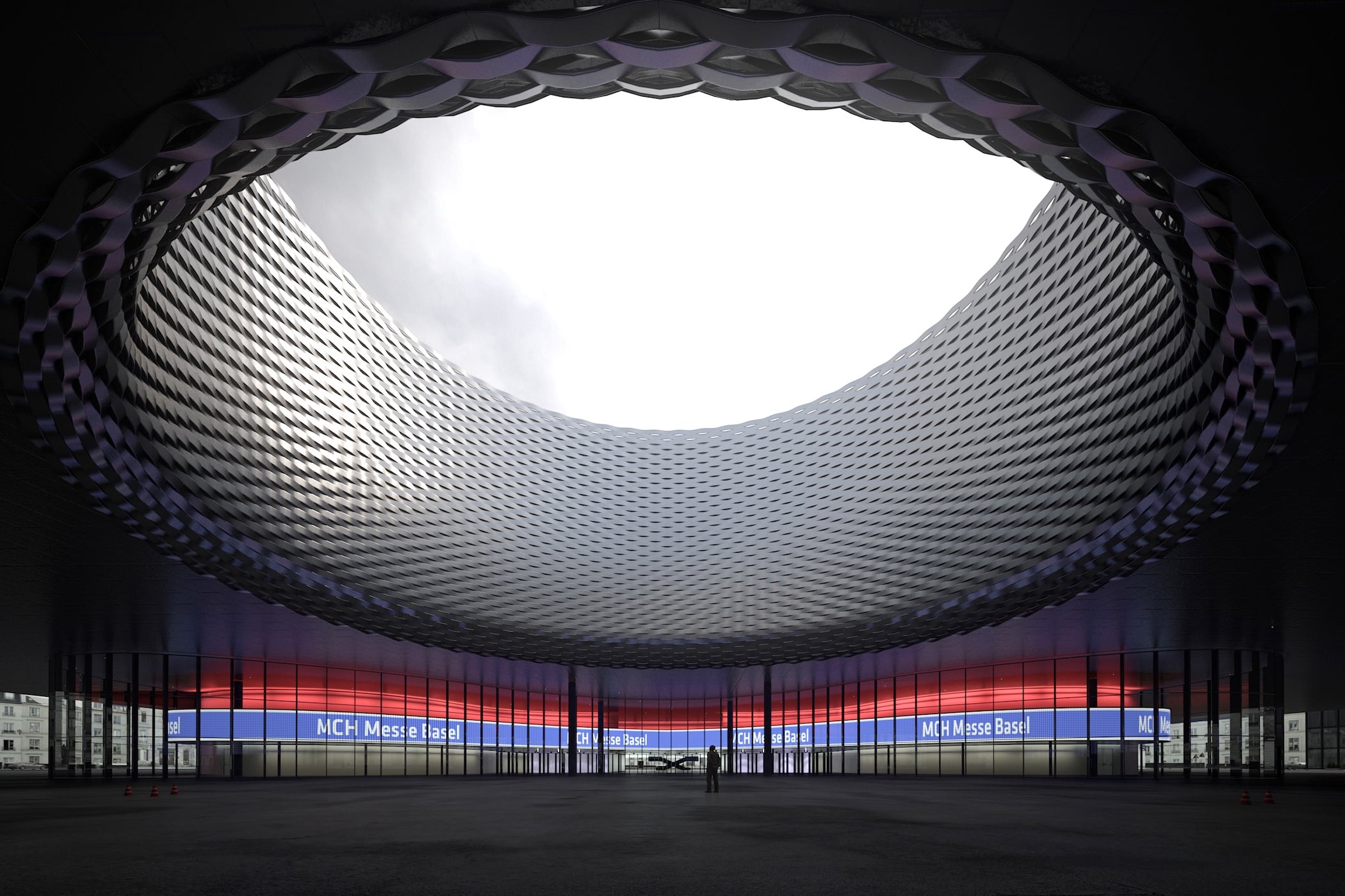
At its peak in the 2000s and 2010s, Baselworld was the centre of the watch industry universe. The fair was held annually in March or April at Messe Basel, the city's purpose-built convention complex. Over six days, ~150,000 trade visitors and journalists circulated between brand stands ranging from cubicle-sized microbrand displays to Rolex's seven-storey, ~CHF 50 million Hall 1.0 stand (built specifically for Rolex by architect Christoph Ingenhoven in 2011). Patek Philippe, Hublot, Breitling, Tudor, Chopard, Bulgari, and Chanel all maintained custom-built multi-story pavilions. The Saturday public day at the close drew tens of thousands of consumer visitors.
"For 100 years Baselworld was where the watch industry happened. In April 2020 it stopped happening, and the industry moved to Geneva in two months. The end of an era was decided by six executives in a Zoom call."- Hodinkee Reference Points, Baselworld retrospective 2020
Baselworld was where new releases happened. The annual Rolex press conference, held on Tuesday or Wednesday morning of fair week, was the year's single most-watched watch industry moment; new Submariner, Daytona, GMT-Master II, and Sky-Dweller variants were unveiled here for fifty-plus years. Patek's Nautilus 5711 (2006) and Aquanaut launches happened at Basel. The Breitling Navitimer, the Tudor Black Bay (2012), the Chopard L.U.C series, all major launches in those eras came through Basel.
The fair coexisted uneasily with SIHH (Salon International de la Haute Horlogerie), the smaller invite-only Geneva fair held by the Richemont group from 1991 onward. Where Baselworld was open and chaotic with thousands of brands, SIHH was small (~16 brands) and curated, dominated by AP, Vacheron, JLC, IWC, Piaget, and Cartier. The two fairs ran in parallel for 28 years, and serious watch journalists travelled between them in the same week.
The collapse came swiftly. Through the 2010s, exhibitor frustrations mounted: rising stand fees (Rolex's peak fee was estimated at CHF 50,000 per day for the Hall 1.0 space), monopolistic MCH Group practices on hotels and catering, and a lack of strategic vision as digital releases began bypassing the trade-show format. In 2018, after years of complaints, ~50% of exhibitors didn't return; in 2019 the fair was visibly smaller. The COVID-19 pandemic in early 2020 was the trigger but not the cause: when MCH Group announced Baselworld 2020 would be cancelled but exhibitor fees would be retained, the major brands had had enough.
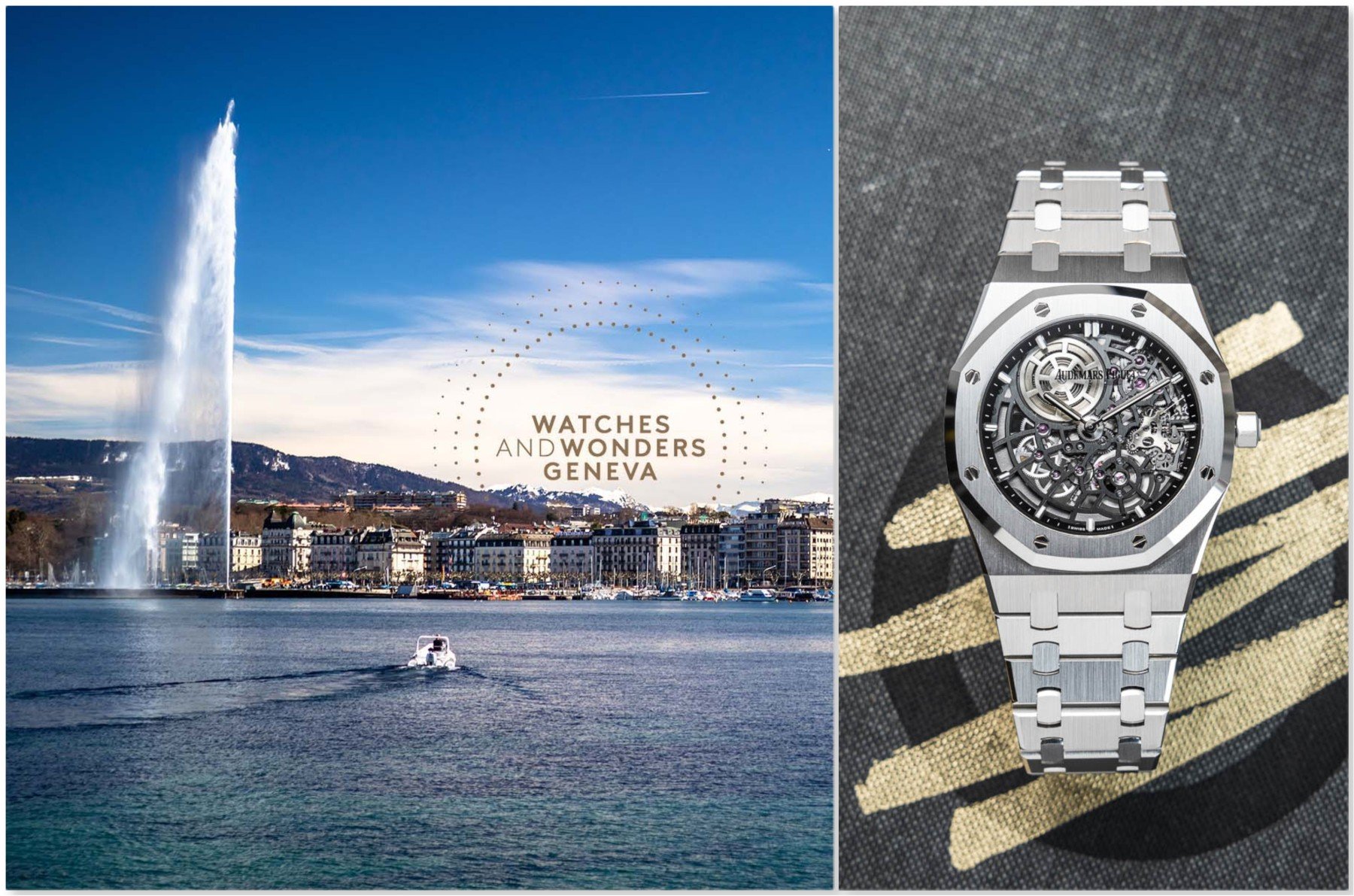
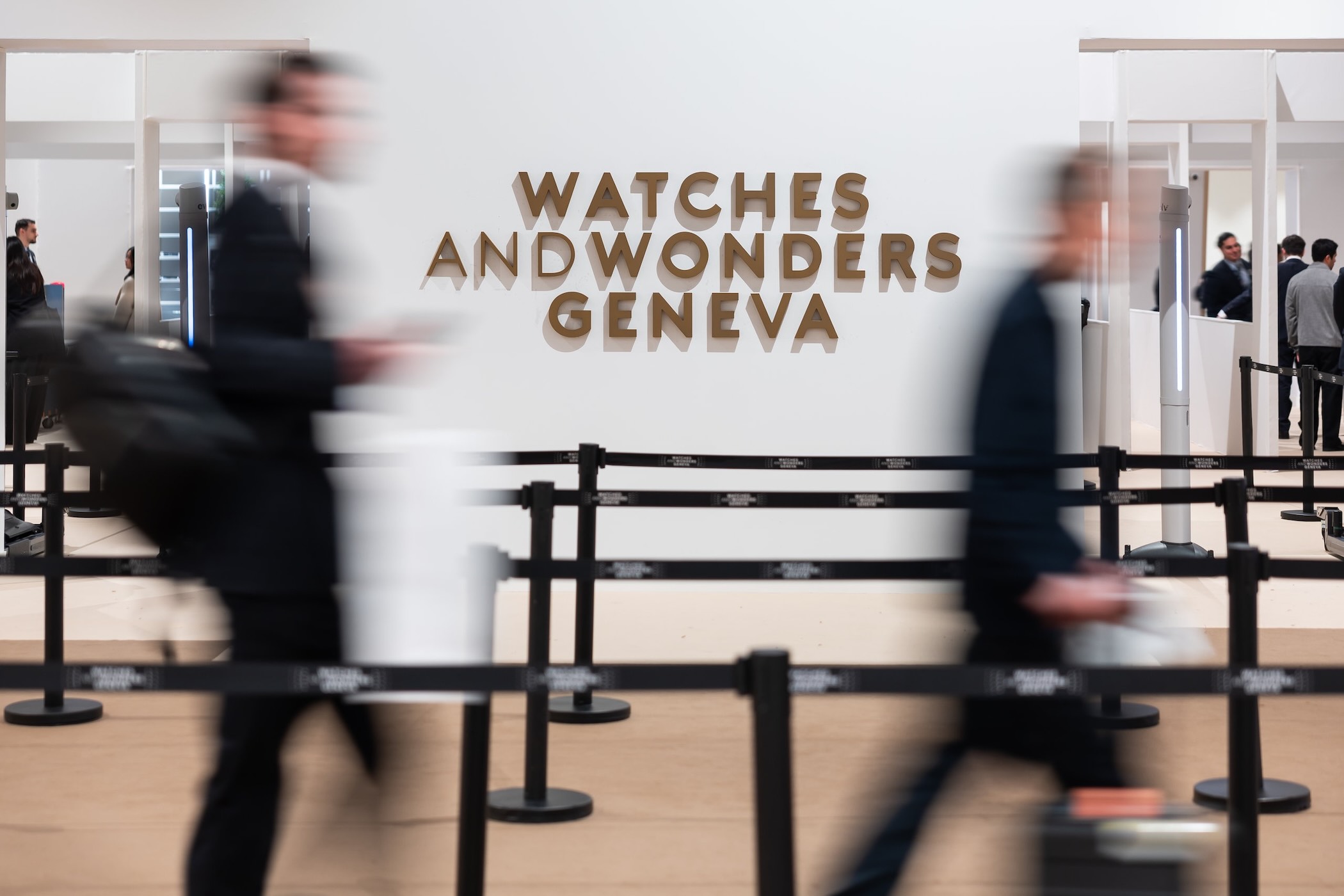
On 14 April 2020, Rolex, Tudor, Patek Philippe, Chanel, Chopard, and Hublot jointly announced their withdrawal from Baselworld. Within weeks they confirmed they would join the renamed Watches and Wonders Geneva (formerly SIHH), held at the same Messe Geneva location SIHH had used since 2014. The April 2020 announcement is widely cited as the moment Baselworld effectively ended; MCH Group attempted a 2021 reorganisation under the name "HourUniverse" but cancelled before any edition was held. The Messe Basel halls now host other trade shows; Watches and Wonders Geneva has been the industry centre since 2020.



Comments 1