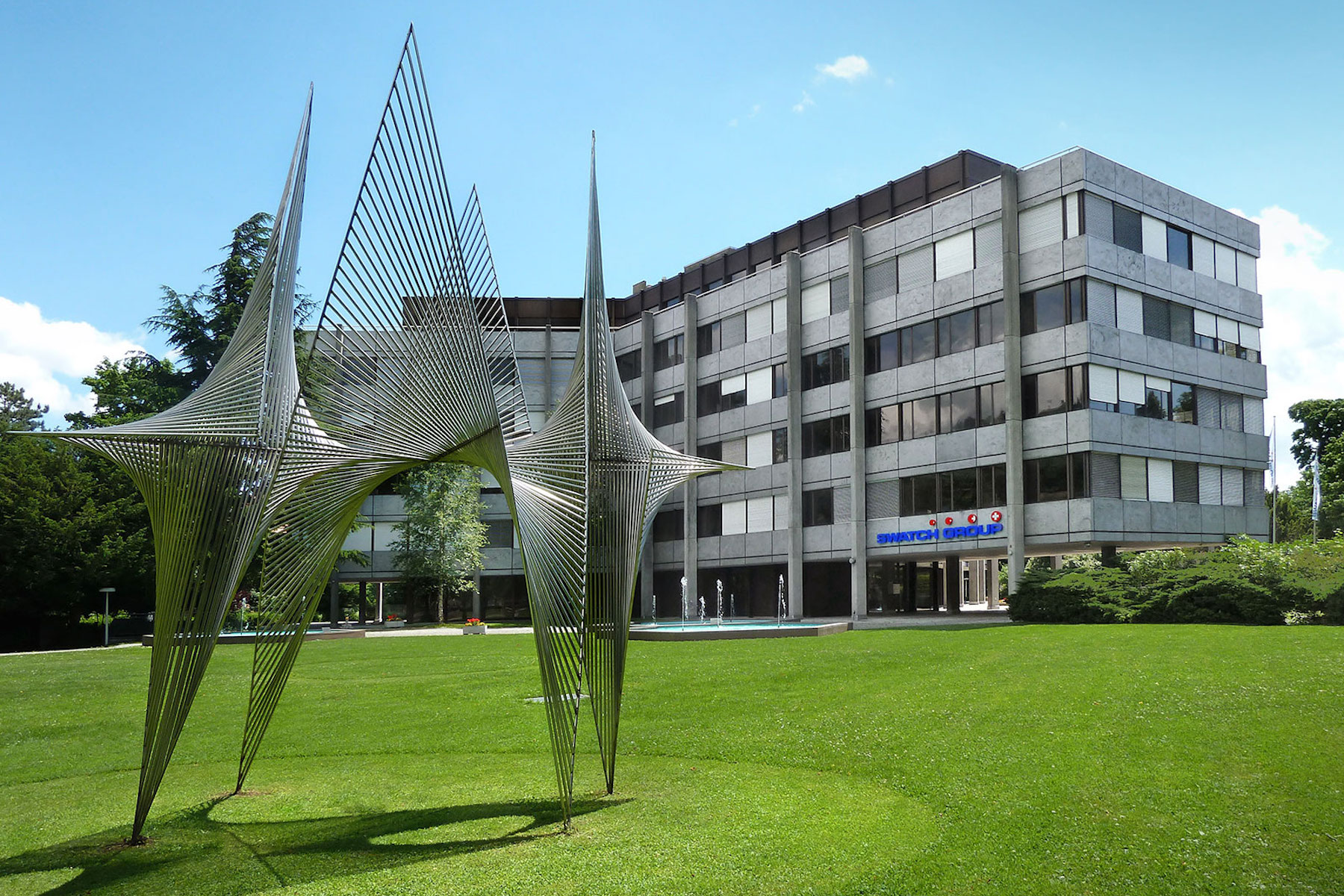
The modern Swiss watchmaking industry is dominated by three corporate holding groups: Swatch Group, Richemont, and LVMH Watches. Together they own over 40 watch brands and account for approximately two-thirds of Swiss watch export revenue. The major exceptions are the family-owned independents: Rolex (operated by the Wilsdorf Foundation), Tudor (owned by the same Wilsdorf Foundation), Patek Philippe (Stern family), Audemars Piguet (Audemars and Piguet families), and the smaller independents in the AHCI cluster. The three-group structure crystallised between 1985 and the early 2000s; before then, Swiss watchmaking was a fragmented industry of family- and partnership-owned brands.
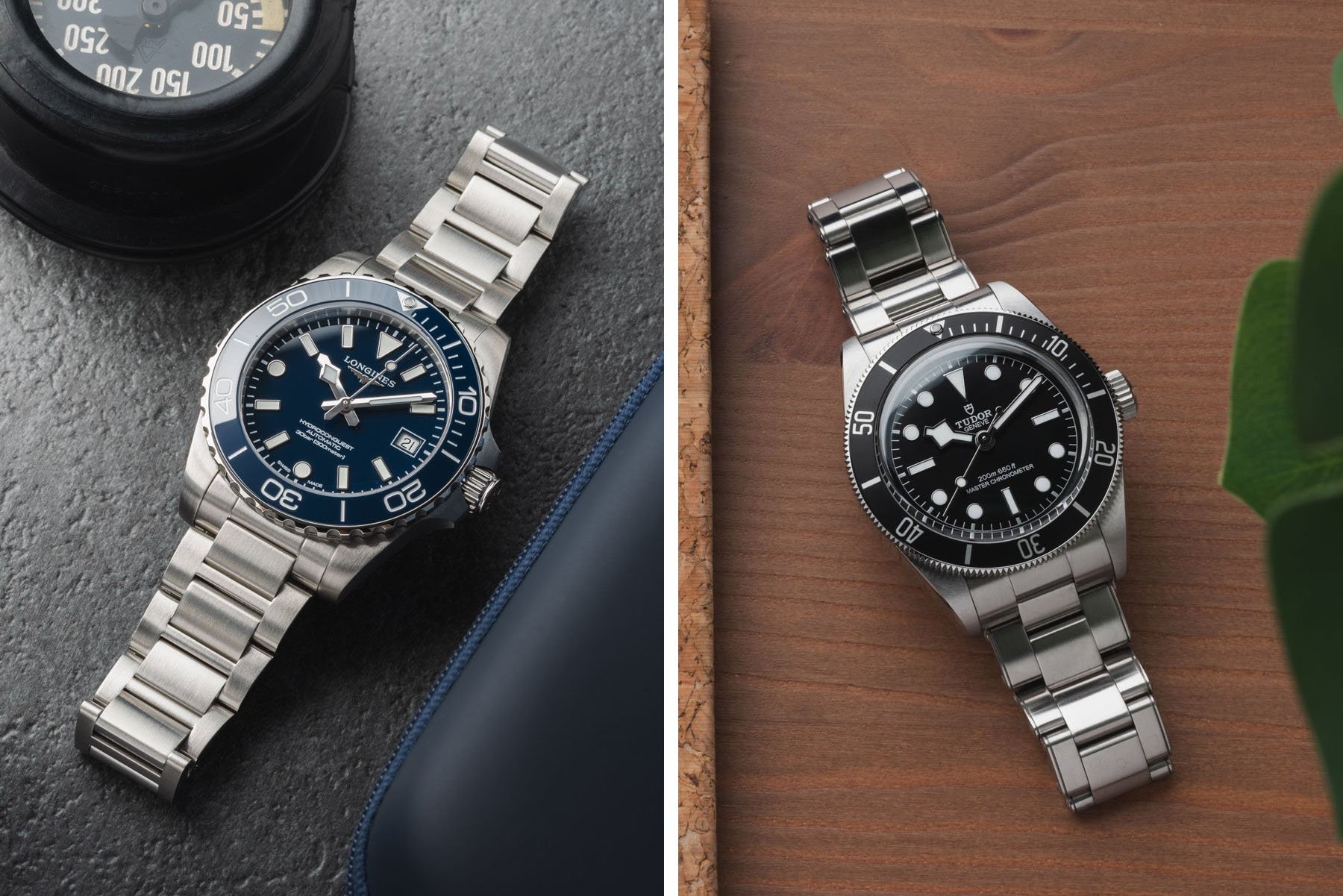
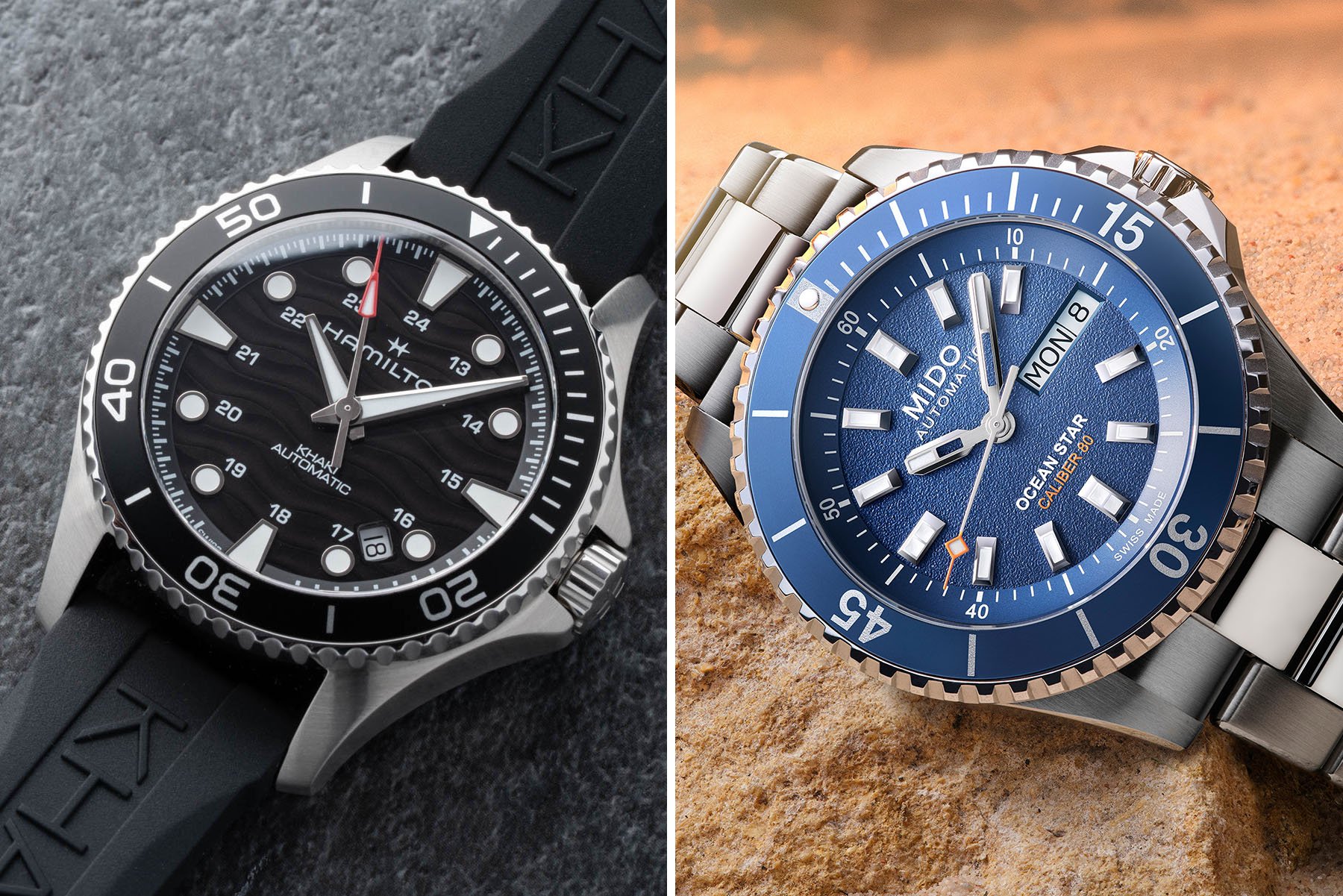
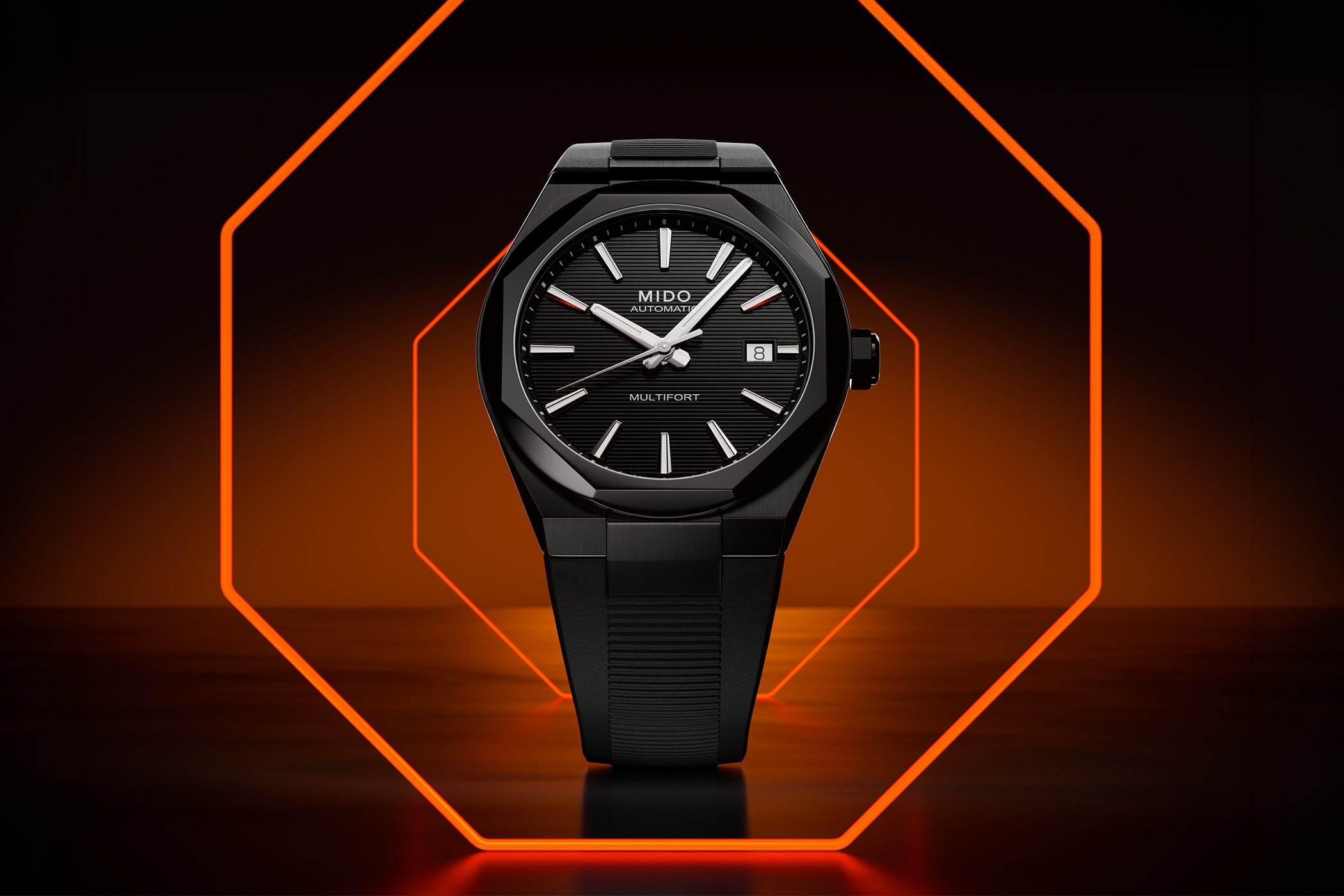
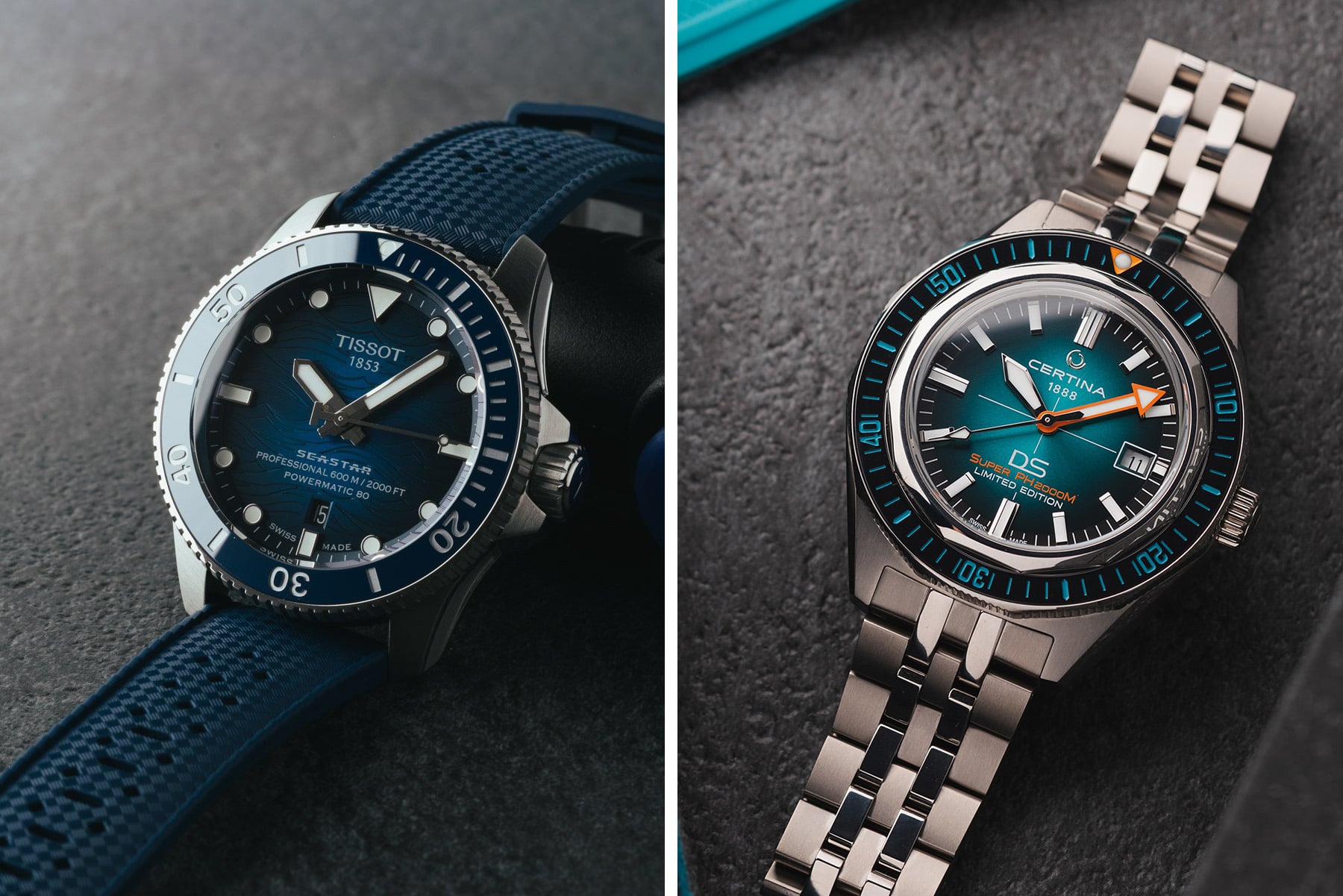
Swatch Group is the largest by revenue (~CHF 7.5 billion, 2023) and the broadest in price tier. Founded in 1985 as SMH (Société de Microélectronique et d'Horlogerie) by Nicolas Hayek as a merger of the failing SSIH and ASUAG conglomerates, it was renamed Swatch Group in 1998. The group spans the entire price spectrum from CHF 50 Swatches through Tissot, Hamilton, Rado, Mido, Certina, Calvin Klein at mid-tier, to Longines, Tissot upper-mid, Omega as the volume luxury pillar, and Blancpain, Breguet, Glashütte Original, Jaquet Droz, Harry Winston at the haute-horlogerie top. Swatch Group also owns the dominant Swiss movement-supply infrastructure: ETA, Frédéric Piguet, Lemania, Nivarox, and the Comadur ceramic-component supplier.
"In 1985 there were two hundred independent Swiss watch brands. In 2025 there are three holding groups, four family-owned independents, and a long tail of microbrands. The middle did not survive."- Industry consolidation commentary, Morgan Stanley Watch Industry Report
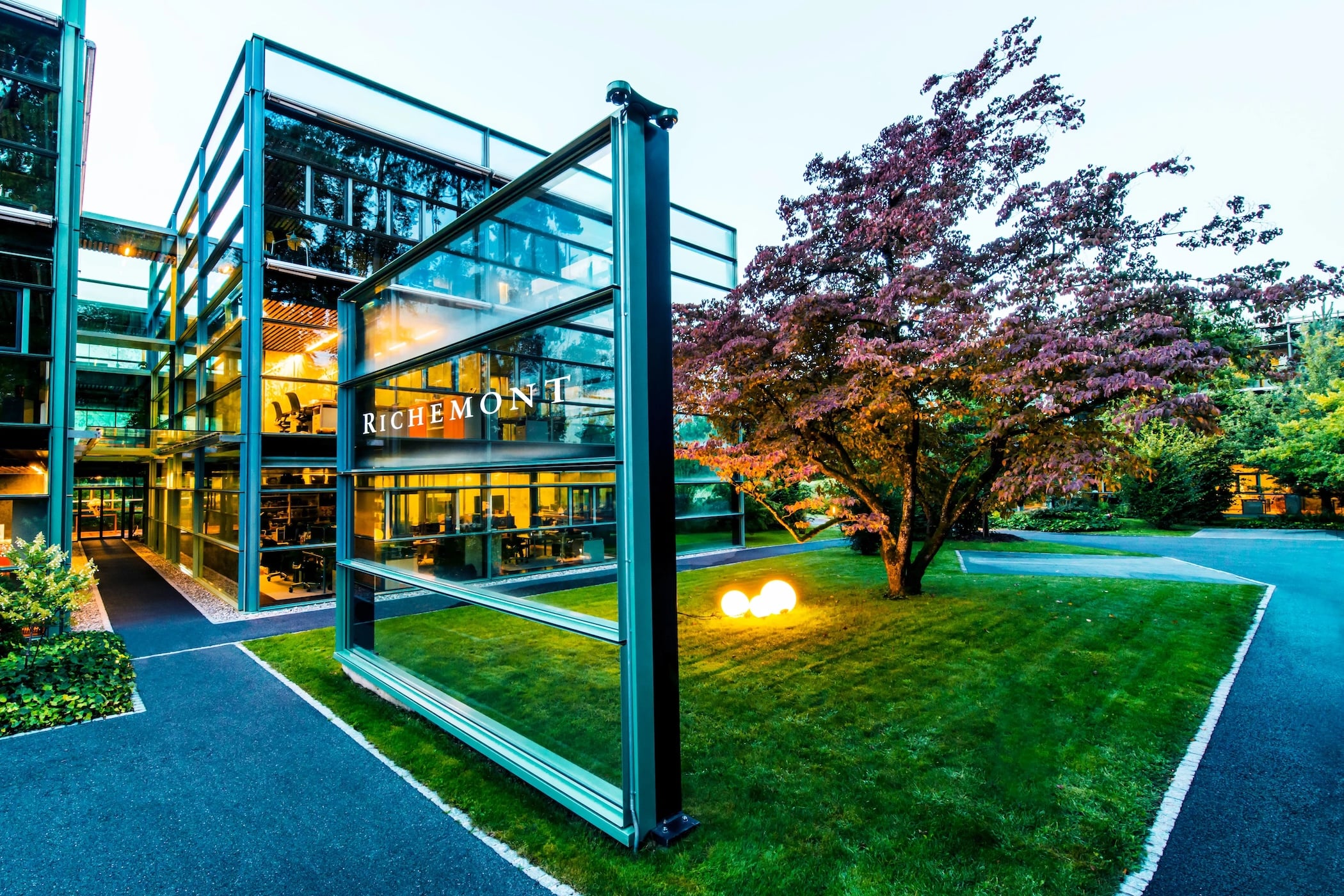
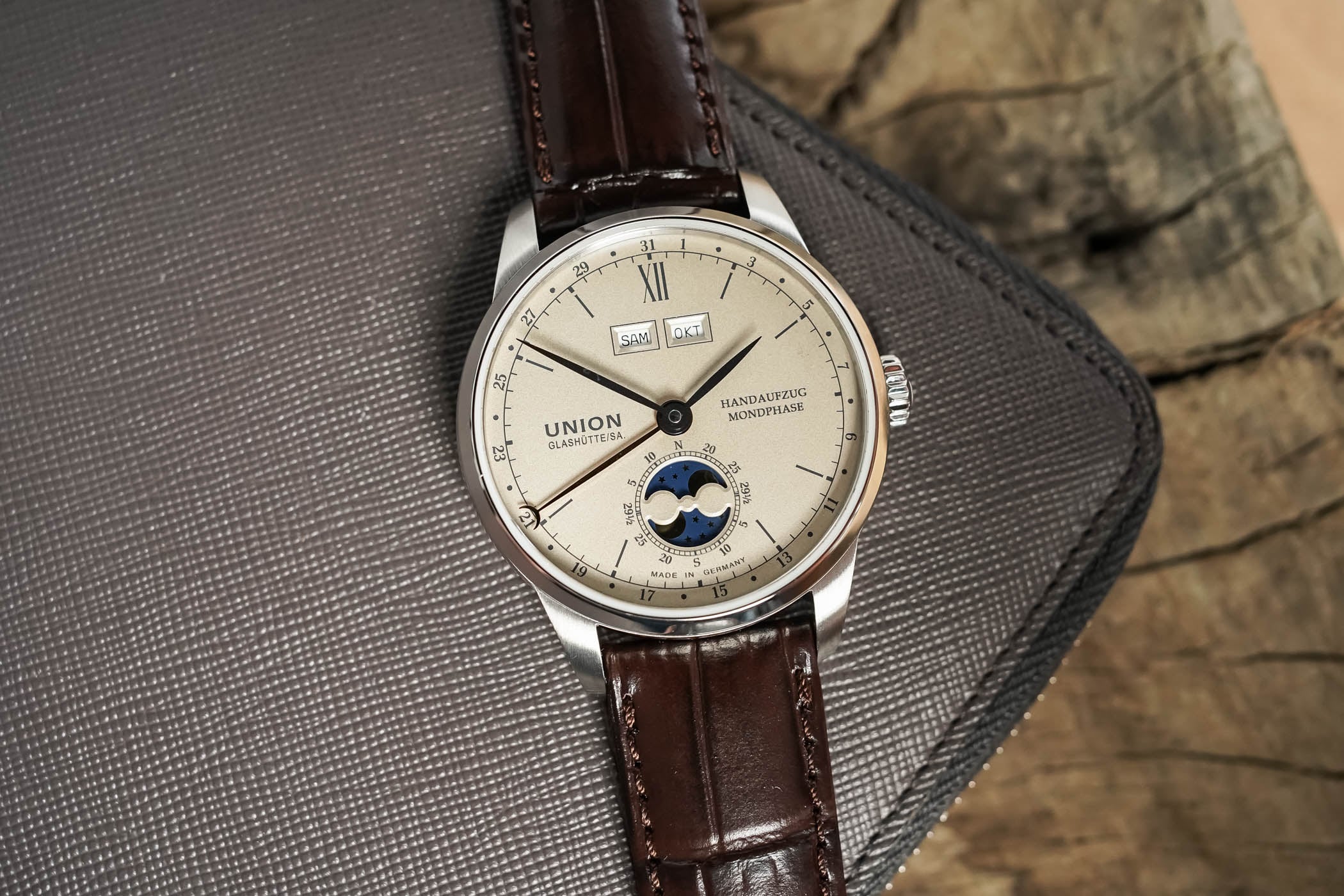
Richemont is the second largest, with approximately €21 billion revenue (FY2023) across luxury watches, jewellery, fashion, and accessories. Founded by the South African industrialist Johann Rupert in 1988 as a spin-off of the Rembrandt Group's tobacco assets, Richemont built its watch portfolio through acquisition: Cartier (1988), IWC (2000), Jaeger-LeCoultre (2000), A. Lange & Söhne (2000), Panerai (1997), Vacheron Constantin (1996), Montblanc (1985, via predecessor), Baume & Mercier, Roger Dubuis, and others. Richemont organises Watches and Wonders Geneva and operates the YOOX Net-a-Porter online luxury platform.
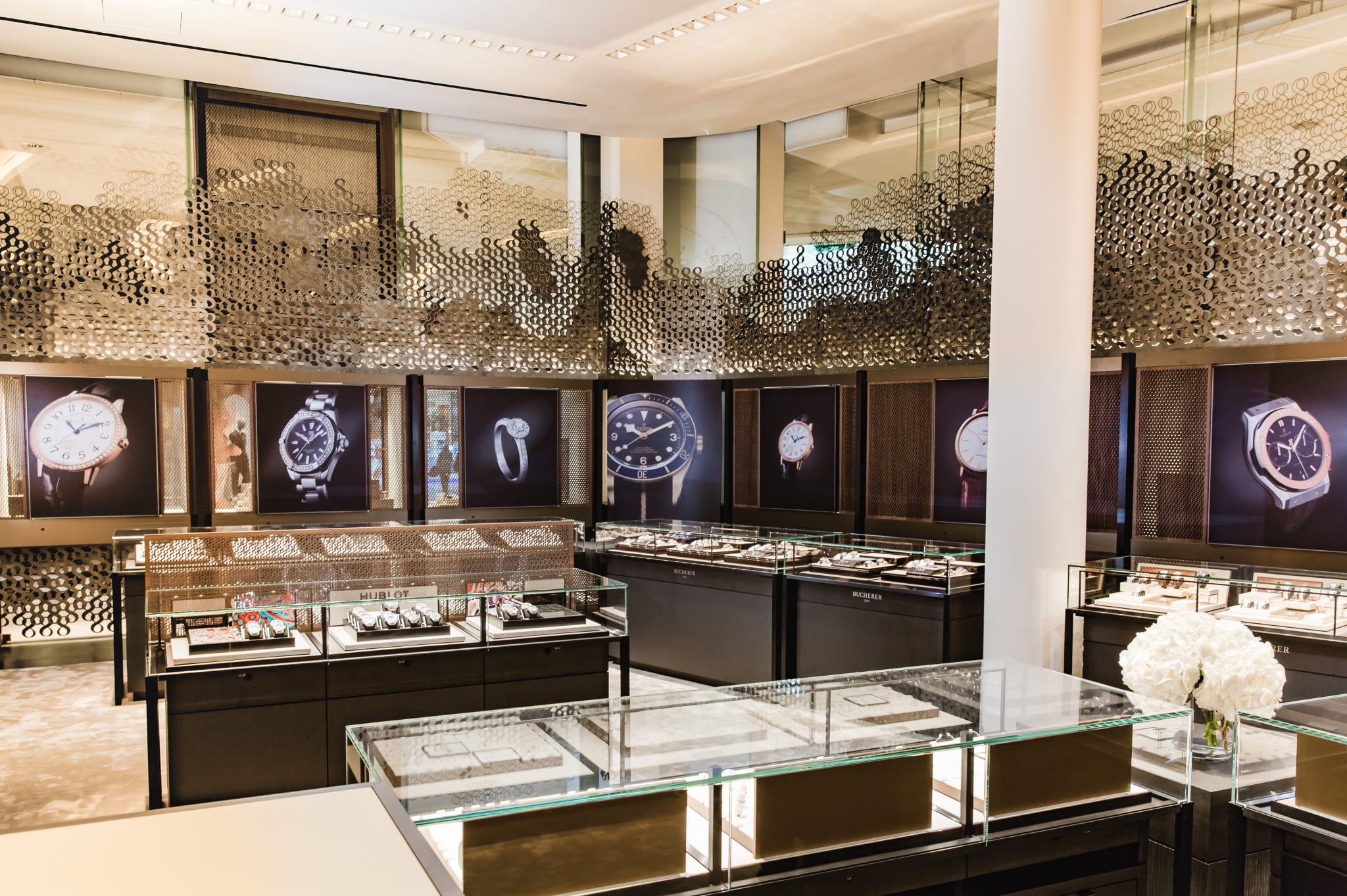
LVMH Watches is the watch division of LVMH Moët Hennessy Louis Vuitton, the French luxury conglomerate led by Bernard Arnault. LVMH entered watchmaking in the 1999-2008 window through acquisitions: TAG Heuer (1999), Hublot (2008), Zenith (1999), and the smaller Bulgari (acquired in 2011 with the broader Bulgari group). LVMH Watches+Jewellery revenue is approximately €11 billion (2023), of which the watch share is roughly 30-40%. LVMH's watch brands are positioned at the luxury sport / mainstream end (TAG Heuer Carrera, Zenith Defy 21, Hublot Big Bang) rather than at the haute-horlogerie tier where Richemont concentrates.
The strategic differences are visible. Swatch Group is vertically integrated: it owns the movement supply (ETA), the case manufacturing (multiple subsidiaries), and the brand portfolio in one structure. Richemont is positioned at the haute-horlogerie tier and operates a more decentralised, brand-first model where each manufacture (Lange, Vacheron, IWC) has its own production facility. LVMH Watches is the smallest of the three by revenue but the most aggressive on brand-marketing investment; its position is "luxury sport and lifestyle" rather than haute horlogerie, complementing LVMH's broader fashion identity. The three groups compete primarily at the CHF 5,000-50,000 price band; below they compete with Asian watchmakers, above they compete with the family-owned independents.
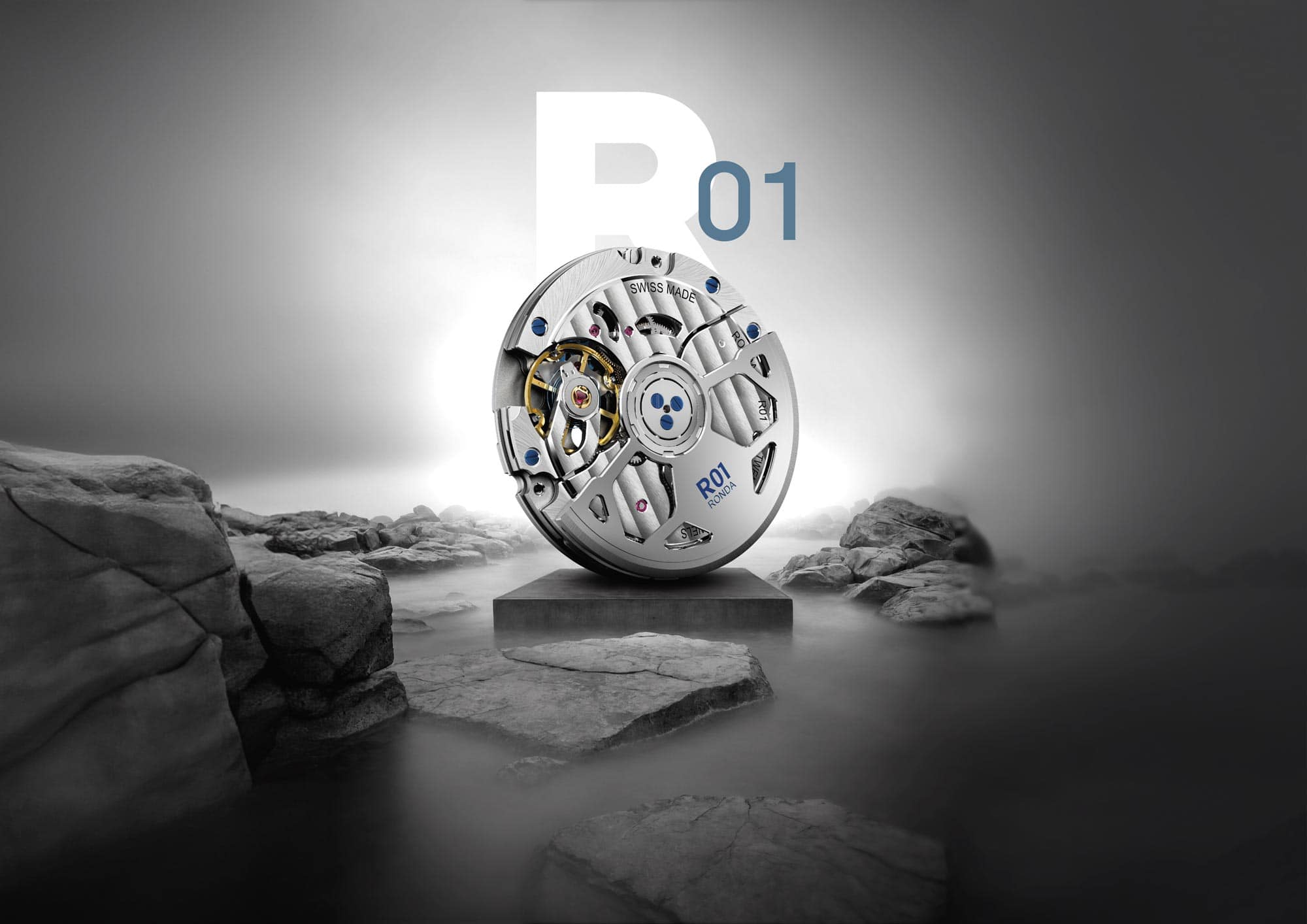
For collectors, the holding-group identity matters at three points: service network (Swatch Group brands share certain service infrastructure; Richemont brands share certain service centres; cross-group servicing requires extra coordination), movement supply (ETA-based brands at Swatch Group share calibers; non-Swatch-Group brands have had to develop or contract independent calibers since the 2002 ETA ébauche withdrawal, see Sellita SW200), and brand-portfolio strategic decisions (e.g., Richemont's 2015 movement-development consolidation at Vacheron, IWC, Lange and JLC, or LVMH's 2023 expansion of TAG Heuer into integrated-bracelet sports). The groups' commercial strategies effectively shape the catalogue choices a collector sees on the market.

Comments 1