Watch brandsWatch wikiWatch videosVariousWatch calendarSaved articles
PopularRolexOmegaPatek PhilippeAudemars PiguetTudorGrand SeikoCartierSeikoIWCTAG HeuerBreitlingJaeger-LeCoultreA. Lange & SohneZenith
WristBuzzWatch WikiConstant Force / Remontoir
⚙ Movement · Auxiliary Spring · Isochronism Solution

Constant Force / Remontoir

The mechanism that supplies a constant torque to the escapement, eliminating mainspring power-decline rate variation.

A constant-force mechanism (also remontoir d'égalité, French for "equality re-winder") is a watchmaking complication that supplies a uniform constant torque to the escapement regardless of the mainspring's state of wind. The mechanism uses an auxiliary intermediate spring rewound at fixed intervals (typically every 1, 8, or 60 seconds) by the mainspring; the auxiliary spring, not the mainspring directly, drives the escapement. This eliminates the rate variation that occurs in conventional watches as the mainspring unwinds (rate slows ~5-15 sec/day from full wind to zero); a constant-force watch maintains rate within seconds across the entire power reserve. The mechanism appears in haute-horlogerie complications: A. Lange & Söhne Pour le Mérite tourbillon, F.P. Journe Tourbillon Souverain, the modern AP Code 11.59 RD#3, and the historical Breguet pocket watches.

Other namesRemontoir d'égalité, constant force, "equalising winder"
FunctionSupplies constant torque to escapement regardless of mainspring state
MechanismAuxiliary spring rewound at fixed intervals by mainspring
Rewind interval1, 8, or 60 seconds (per design)
EffectRate within seconds across full power reserve (vs ~5-15 sec/day variation)
Notable usersLange Pour le Mérite, FP Journe Tourbillon Souverain, AP Code 11.59 RD#3
WristBuzz Articles140
Constant Force / Remontoir

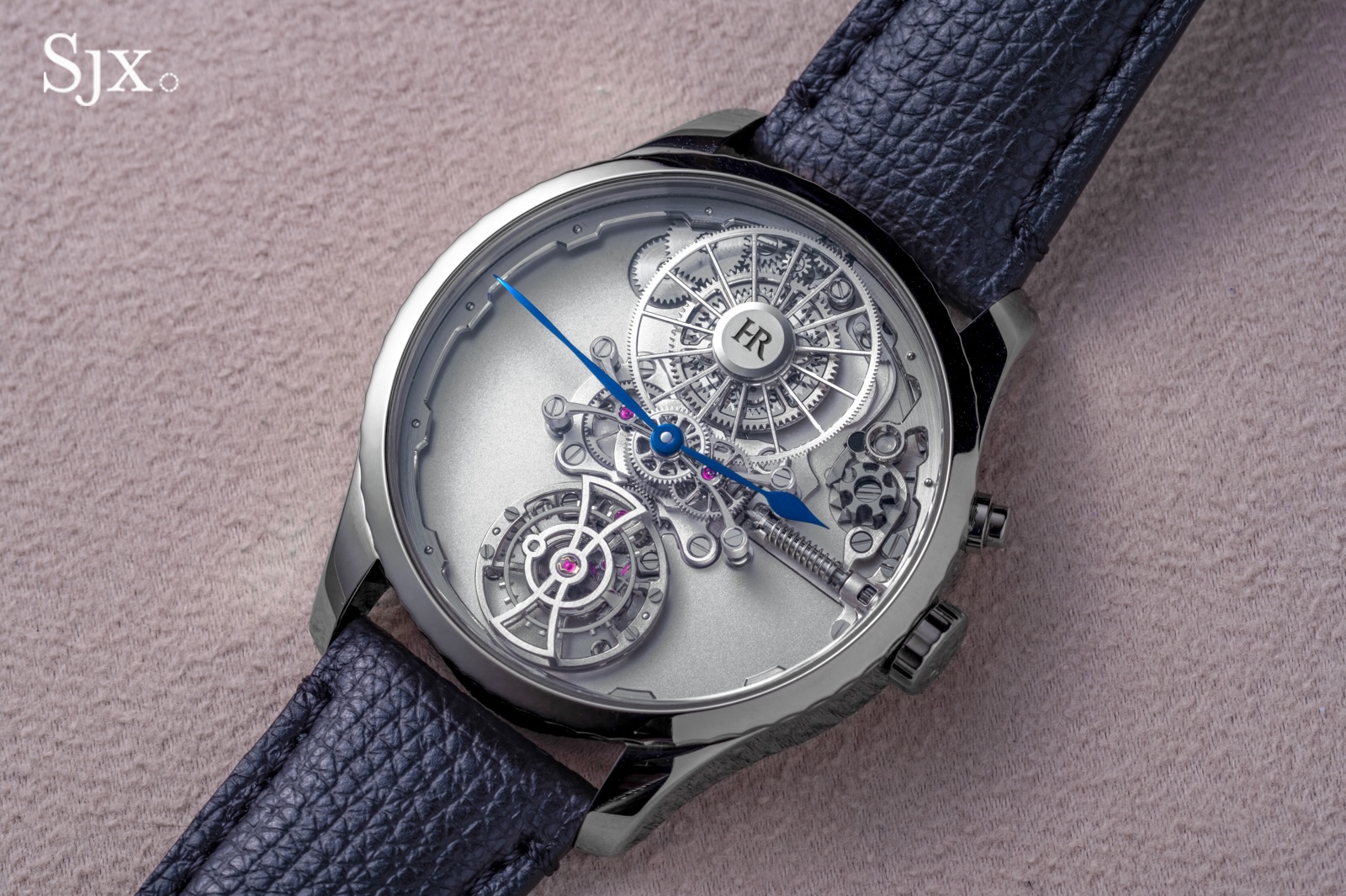
Photo: Hodinkee · Apr 4, 2026

ConstantTorque
AuxiliarySpring
SecVariation
HauteTier
140WristBuzz Articles

The Constant Force / Remontoir Story

A mechanical watch's rate is influenced by multiple factors: position (gravity acts on the balance differently in vertical vs horizontal), temperature, magnetic exposure, and crucially the mainspring's state of wind. As the mainspring unwinds, it delivers progressively less torque to the gear train; the balance amplitude drops; and the rate typically slows by 5-15 seconds per day across the power reserve. The watchmaker's art is regulating the watch to average correctly across the typical wear envelope; precision-grade movements use a free-sprung balance for tighter rate consistency, but the underlying mainspring-decline problem persists.

The remontoir d'égalité ("equality re-winder") solves this directly. An auxiliary spring sits between the mainspring barrel and the escapement; the auxiliary spring delivers torque to the escapement at a constant nominal value; the mainspring rewinds the auxiliary spring at fixed time intervals (1, 8, or 60 seconds depending on design), keeping the auxiliary spring fully wound regardless of the mainspring's state. The escapement therefore sees identical torque every cycle, eliminating rate decline.

"The mainspring unwinds. The remontoir does not. The escapement sees the same torque every second of the power reserve. That is the only way to make a watch run truly constant."- F.P. Journe on the remontoir mechanism

The mechanism dates to 18th-century pocket-watch engineering; Abraham-Louis Breguet employed remontoirs in his most precise pocket watches. The wristwatch implementation is significantly harder: the mechanism adds significant volume (the auxiliary spring assembly), introduces additional friction surfaces, and requires precise timing of the rewind cycle. Through the 20th century the wristwatch remontoir remained a haute-horlogerie research project; commercial production was rare.

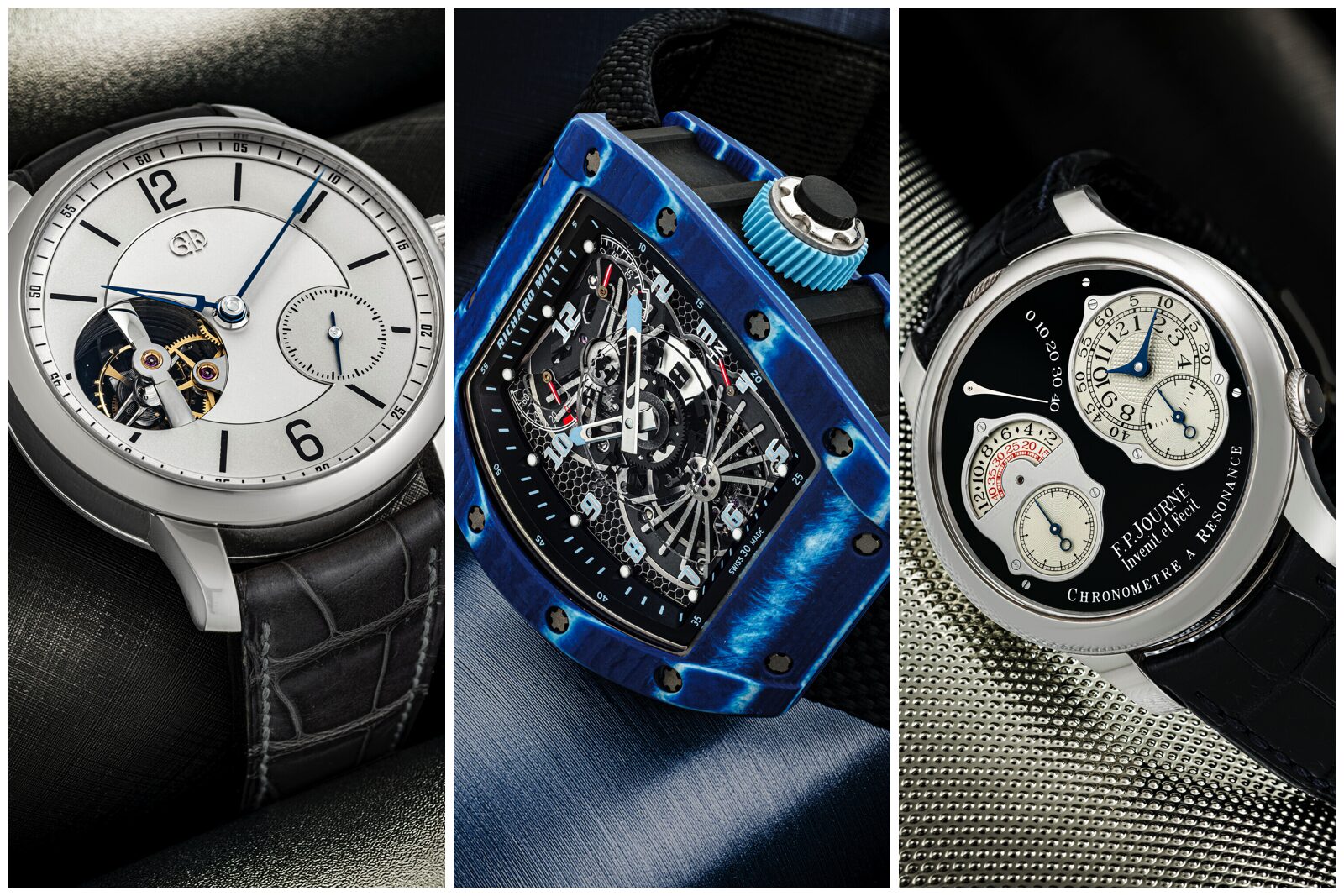
Modern wristwatch remontoir implementations begin with A. Lange & Söhne's Tourbillon "Pour le Mérite" at the 1994 Lange revival launch: the watch combines a tourbillon with a chain-and-fusee constant-force system (a slightly different mechanism: a chain wound around a tapered fusee equalises mainspring torque). F.P. Journe's Tourbillon Souverain (1999) uses a true 1-second remontoir; the rewind cycle is visible on the dial as the small seconds hand jumps in 1-second steps rather than smooth sweep. Romain Gauthier, Greubel Forsey, and Akrivia have produced modern remontoir references; AP's Code 11.59 RD#3 (2022) is the modern AP flagship constant-force.

The visible signature of a remontoir is the jumping seconds hand: the auxiliary spring rewinding at 1-second intervals causes the seconds hand to advance in discrete 1-second jumps rather than the continuous sweep of conventional movements. This is the same visual as a Spring Drive watch (which uses an electromagnetic regulator) or a quartz watch; the remontoir produces the same visual via a purely mechanical mechanism. For collectors the jumping seconds is the immediate identifier of a constant-force watch.

The practical effect on rate: a well-executed remontoir wristwatch maintains rate within ±2 seconds across the entire power reserve, vs ±10-15 seconds for a conventional movement. The price tier for remontoir watches is at the top of haute horlogerie: F.P. Journe Tourbillon Souverain ~CHF 250,000+; Lange Tourbillon Pour le Mérite ~CHF 400,000+; AP Code 11.59 RD#3 ~CHF 500,000+. The mechanism is reserved for showcase complications rather than volume production; modern silicon-hairspring 4 Hz movements achieve adequate rate stability for consumer-grade purposes without the mechanical complexity.
Notable Constant-Force / Remontoir Watches

1994 · A. Lange & Söhne
Tourbillon Pour le Mérite
701.001

The 1994 launch flagship. Chain-and-fusee constant-force + tourbillon. 50-piece production.

Lange Pour le Mérite
1999 · F.P. Journe
Tourbillon Souverain
Cal. 1499.3

The reference modern remontoir wristwatch. 1-second rewind cycle; visible jumping seconds.

Reference Modern
2018 · A. Lange & Söhne
Lange 31 Cabaret Constant Force
Cal. L043.1

31-day power reserve + constant-force seconds-jump mechanism. Lange engineering peak.

Lange 31
2022 · Audemars Piguet
Code 11.59 RD#3 Ultra-Complication
RD#3

AP Reference Department 3. Constant force + flying tourbillon + minute repeater + perpetual calendar.

Modern AP RD#3
Modern · Romain Gauthier
Logical One
Logical One

Independent watchmaker constant-force programme; chain-and-pulley equalising system.

Independent

Latest Constant Force / Remontoir News

Hodinkee
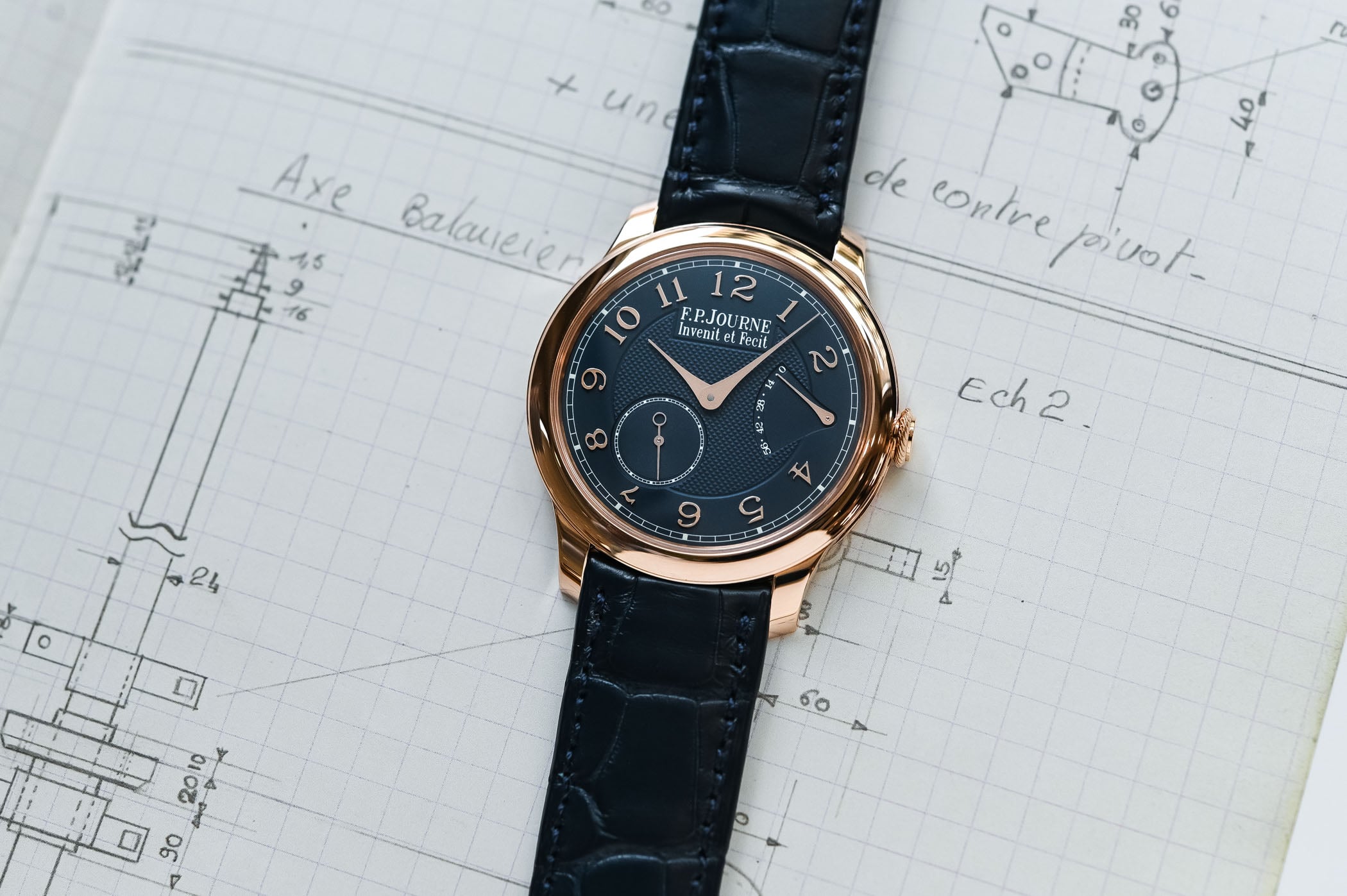
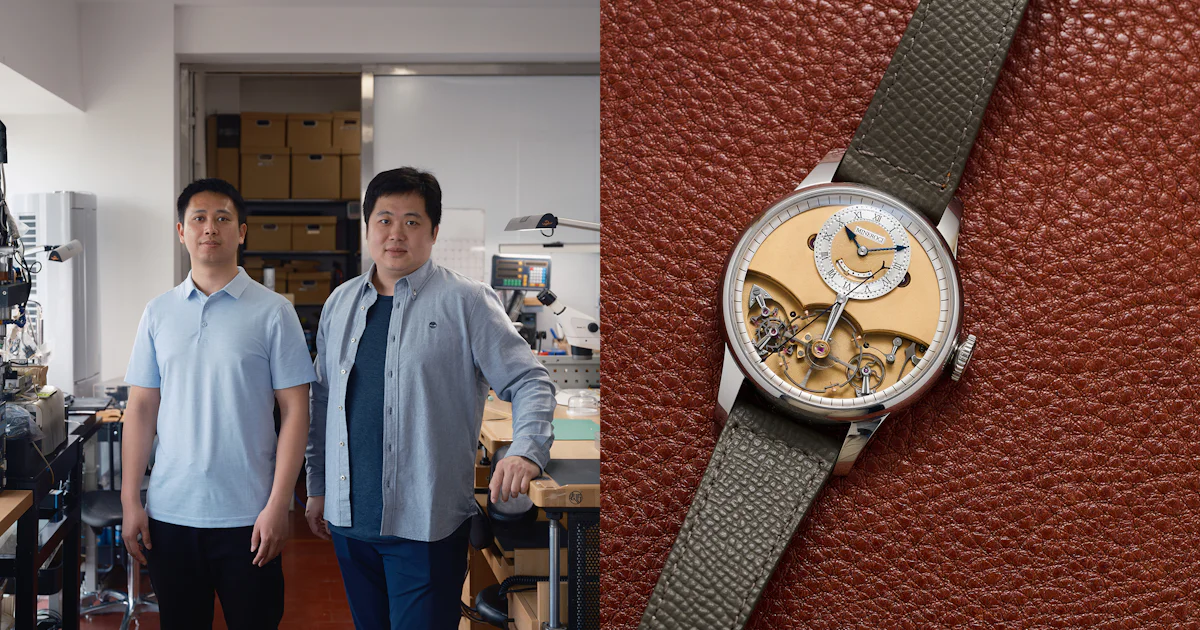
One To Watch: Mineroci Blends Chinese Cultural Influence With A Remontoir D’égalité For A Complicated Second Watch
Apr 4, 2026
SJX Watches
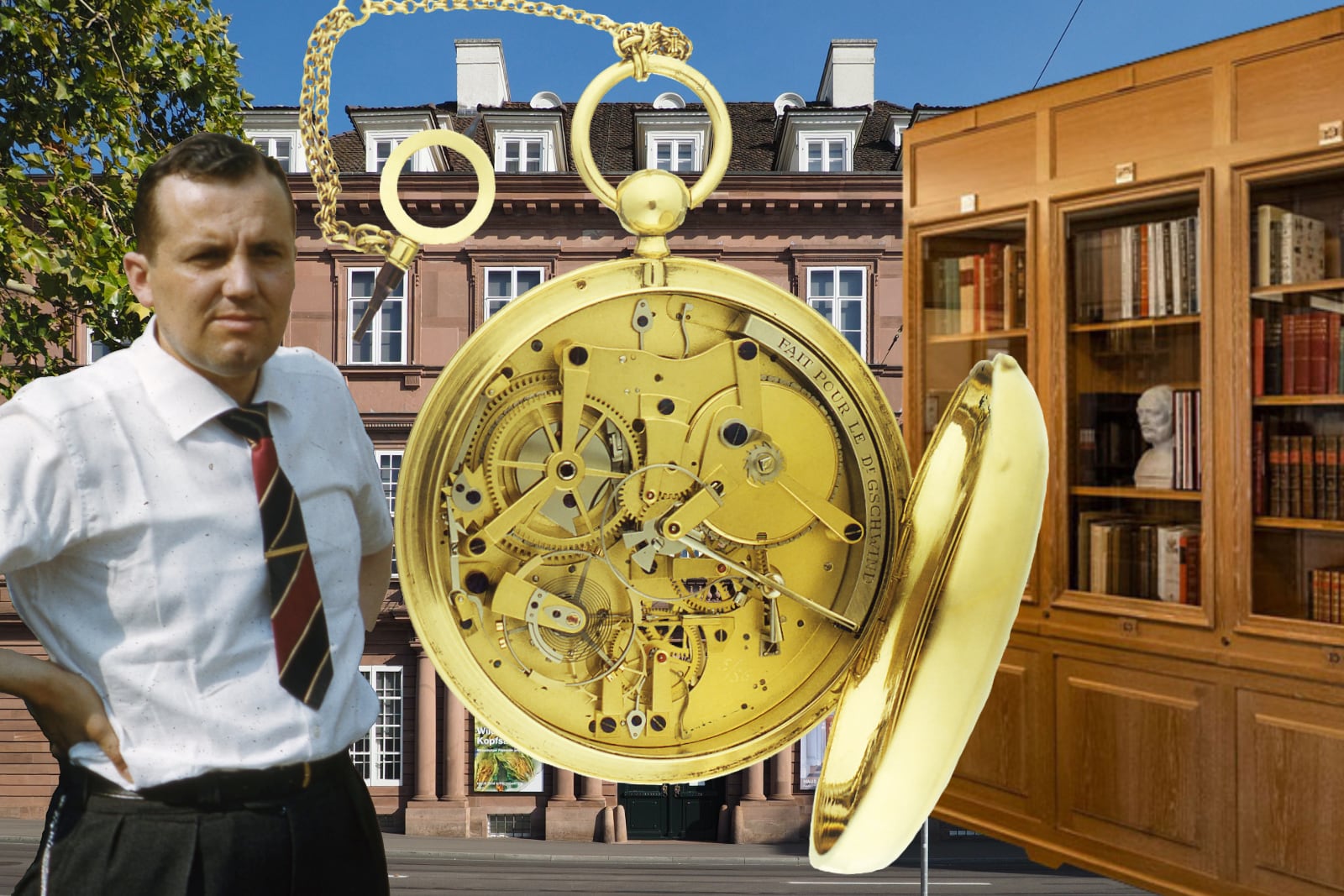
Complicated Collectors: Dr Eugen Gschwind
Mar 3, 2026
Hodinkee
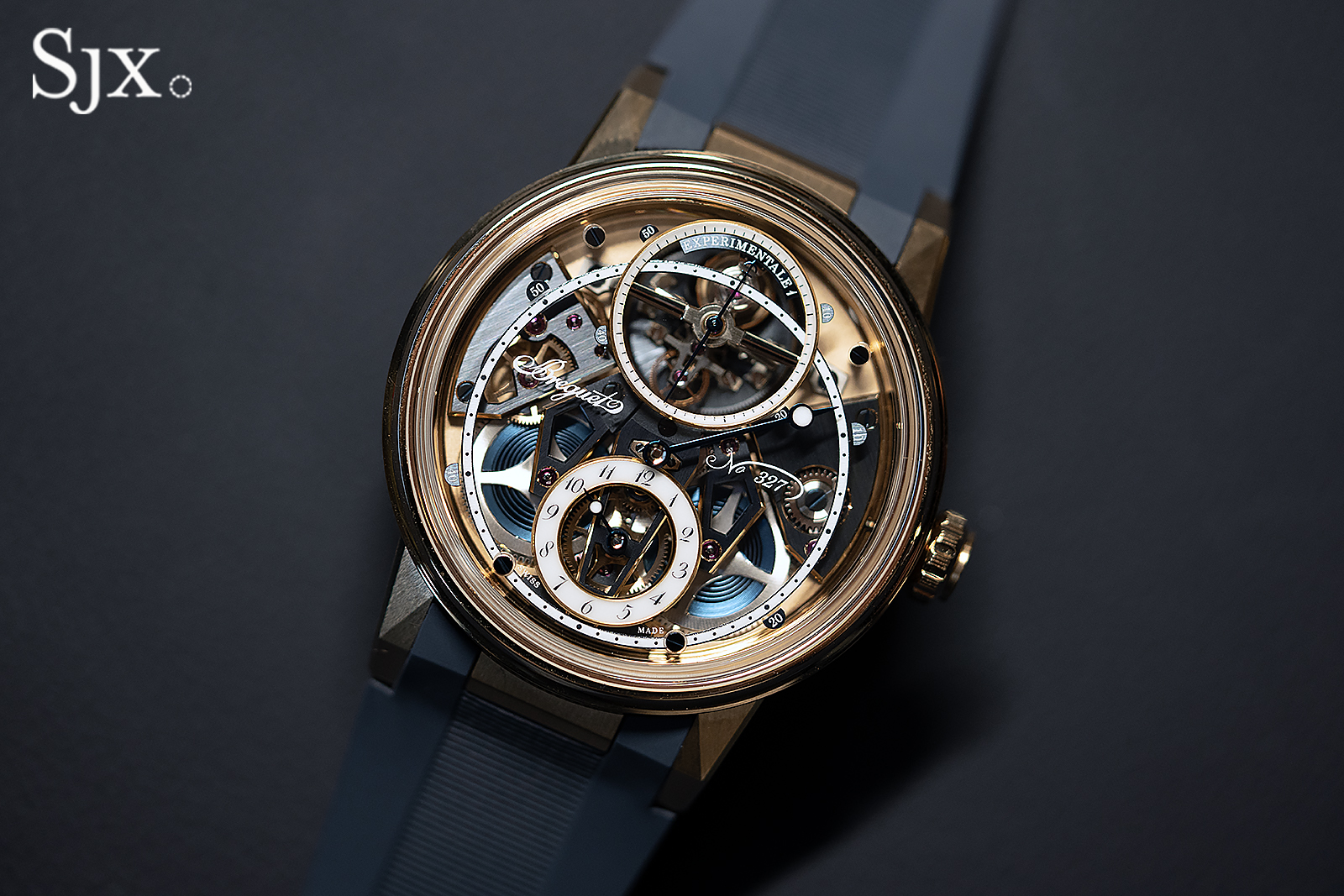
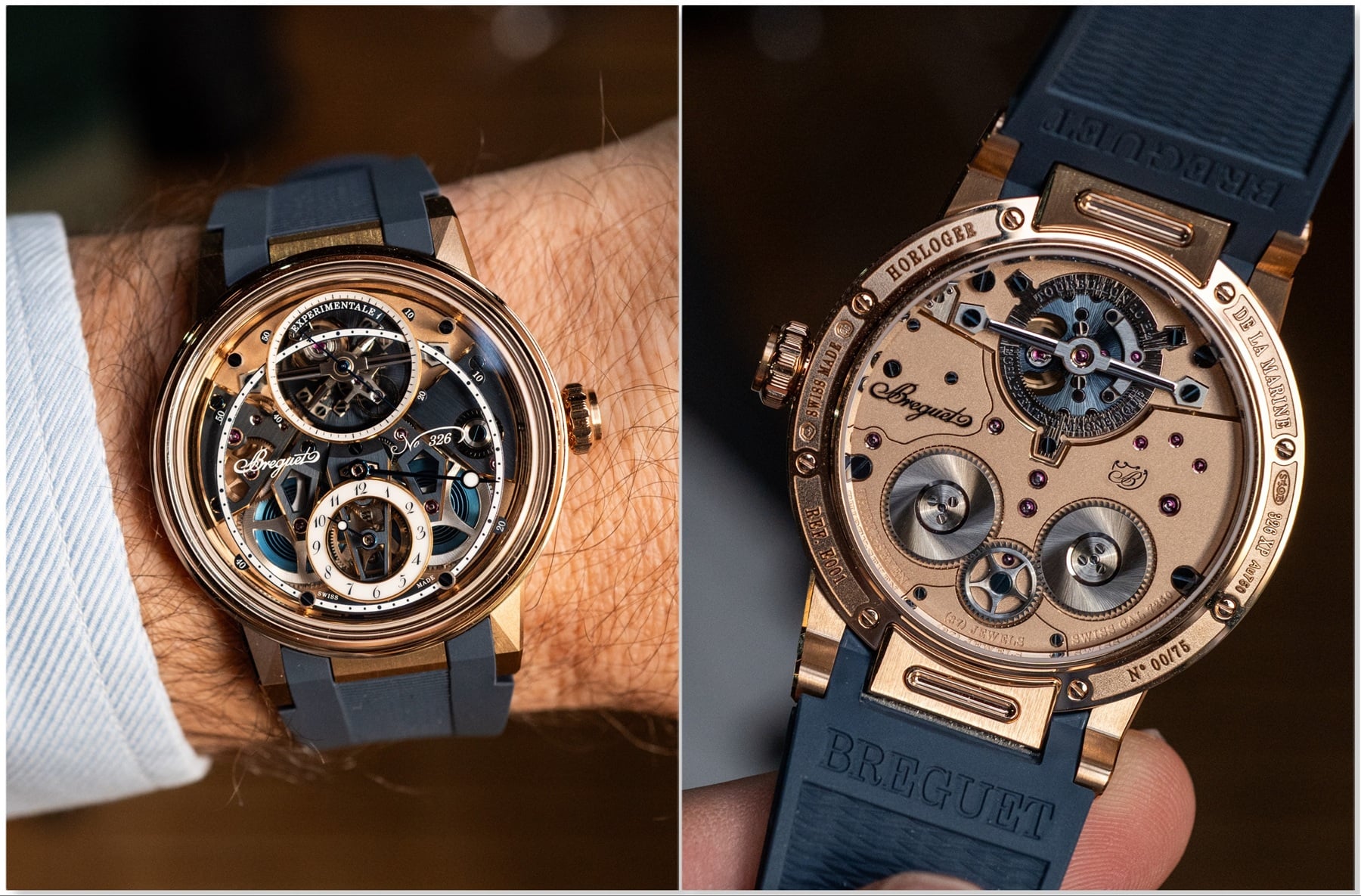
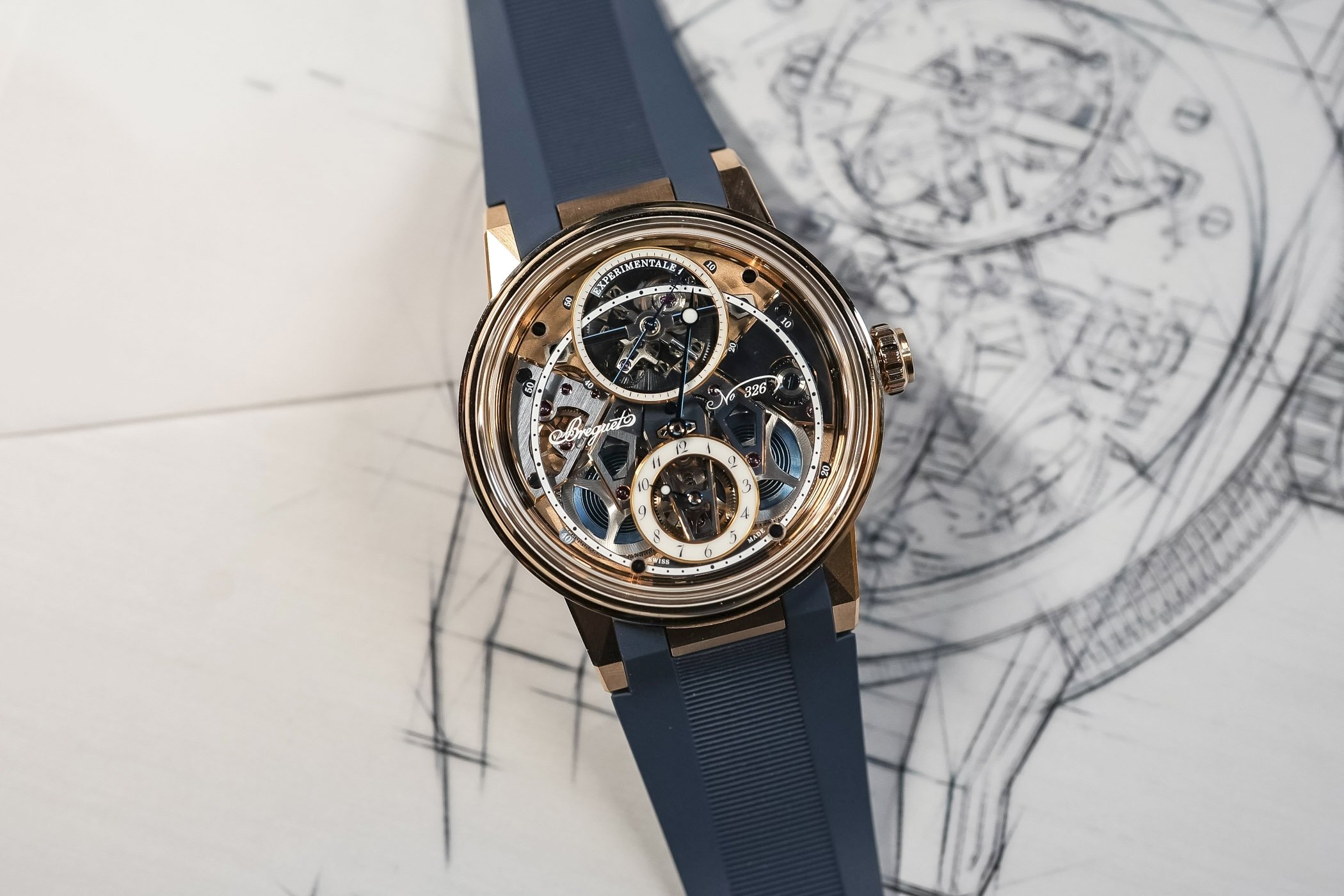
Introducing: Breguet's Year-End Showstopper Is The New 'Experimentale 1' With 10Hz Magnetic Constant Force Escapement Tourbillon
Dec 22, 2025
Monochrome
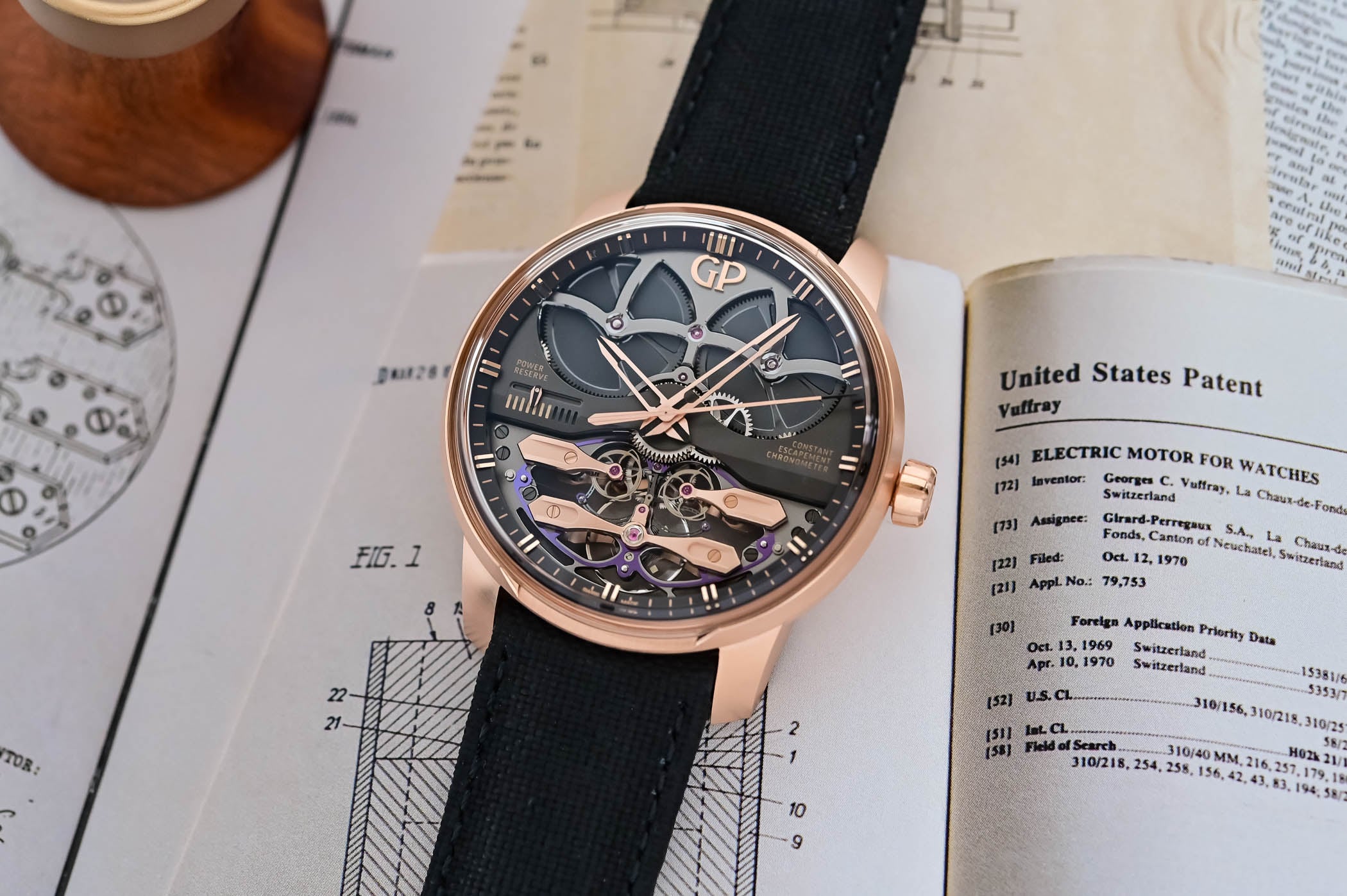
First Look – The Spectacular Pink Gold Edition of the Girard-Perregaux Neo Constant Escapement
Dec 19, 2025
SJX Watches
Best of 2025: Independent Watchmaking
Dec 19, 2025
Monochrome
In-Depth – Exploring the F.P. Journe Chronomètre Souverain 20th Anniversary, and What it Means (Incl. Video)
Dec 5, 2025
Worn & Wound
Breguet Ends a Big Anniversary Year with the Impressive Expérimentale 1
Dec 1, 2025
SJX Watches
Breguet’s Magnificent Magnetic Expérimentale 1
Dec 1, 2025
Fratello
Breaking News: Breguet Creates The First Contact-Free Escapement By Using Magnets
Dec 1, 2025
Monochrome
First Look – The Breguet Experimentale 1, With 10Hz High-Frequency Tourbillon and Constant Force Magnetic Escapement
Dec 1, 2025
Monochrome
Introducing – The Arnold & Son Constant Force 11 Platinum Edition
Nov 20, 2025
SJX Watches
Hands On: A. Lange & Söhne Richard Lange Jumping Seconds Pink Gold Dial
Oct 2, 2025
View all 140 articles

Learn More