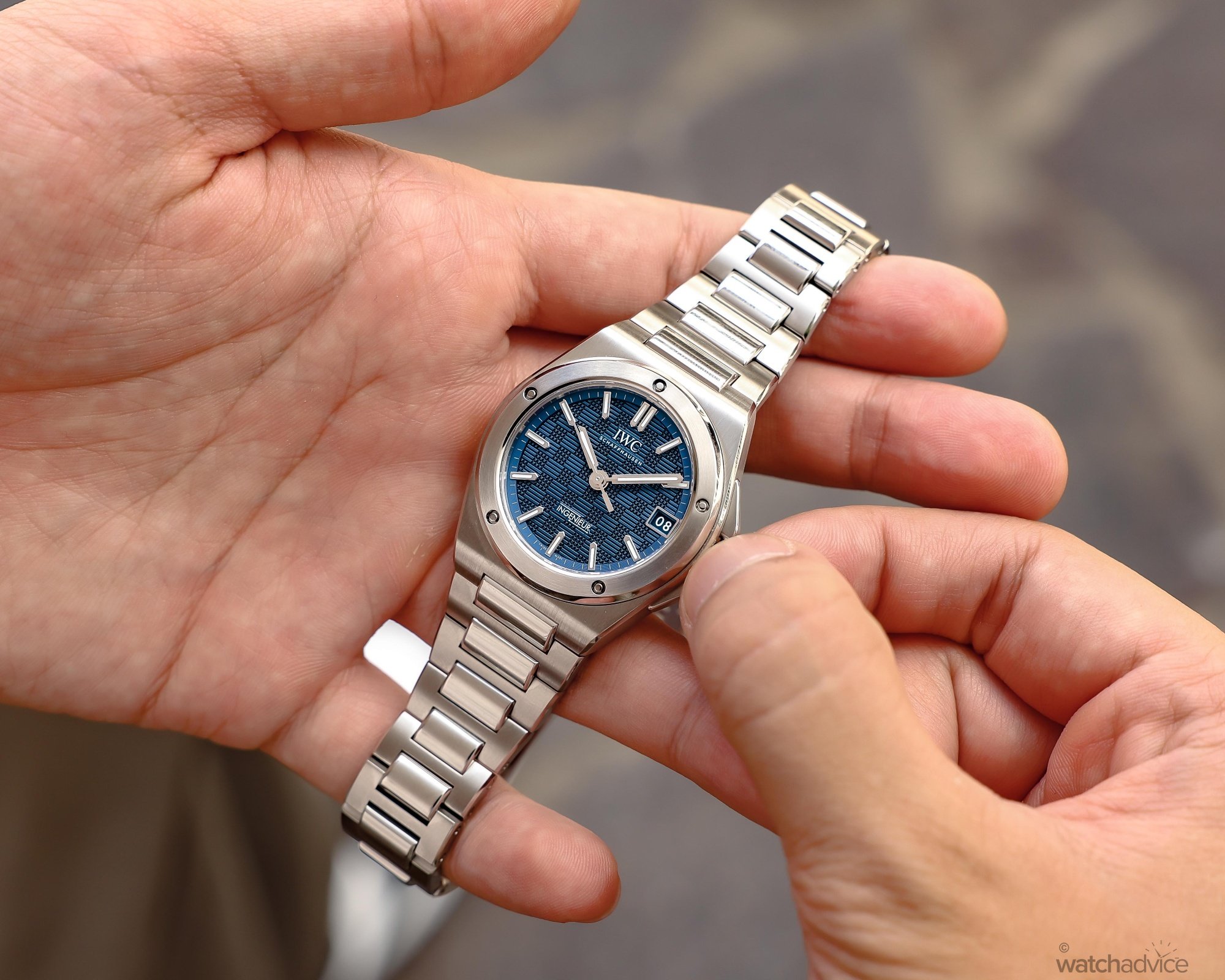
A Faraday cage, in watchmaking context, is a soft-iron inner case wrapped around the movement of an antimagnetic watch. The principle is named after Michael Faraday, the British physicist who described in 1836 how a closed conductive cage shields its interior from external electric fields. The watchmaking application is slightly different (it shields against magnetic rather than electric fields, and uses a high-permeability iron rather than a conductive cage), but the conceptual structure, a closed enclosure that diverts field lines around the protected interior, is the same.
The need for magnetic shielding emerged with industrial electrification in the early 20th century. By the 1920s, watchmakers and railway timekeepers were noticing that watches worn near electric motors, generators, transformers, or radio equipment were drifting badly or stopping altogether. The mechanism: a steel balance wheel and steel hairspring in a magnetic field become magnetised; the magnetised hairspring loses its isochronism (the coils stick to each other) and the watch slows or stops. Even after the watch is removed from the field, the steel components retain their magnetisation and continue to malfunction; demagnetisation is required to restore normal operation.
"The soft-iron inner case is the older, heavier solution. The silicon hairspring is the newer, lighter one. They solve the same problem in opposite directions: shield the steel, or replace the steel."- Watchmaking commentary on the antimagnetic transition
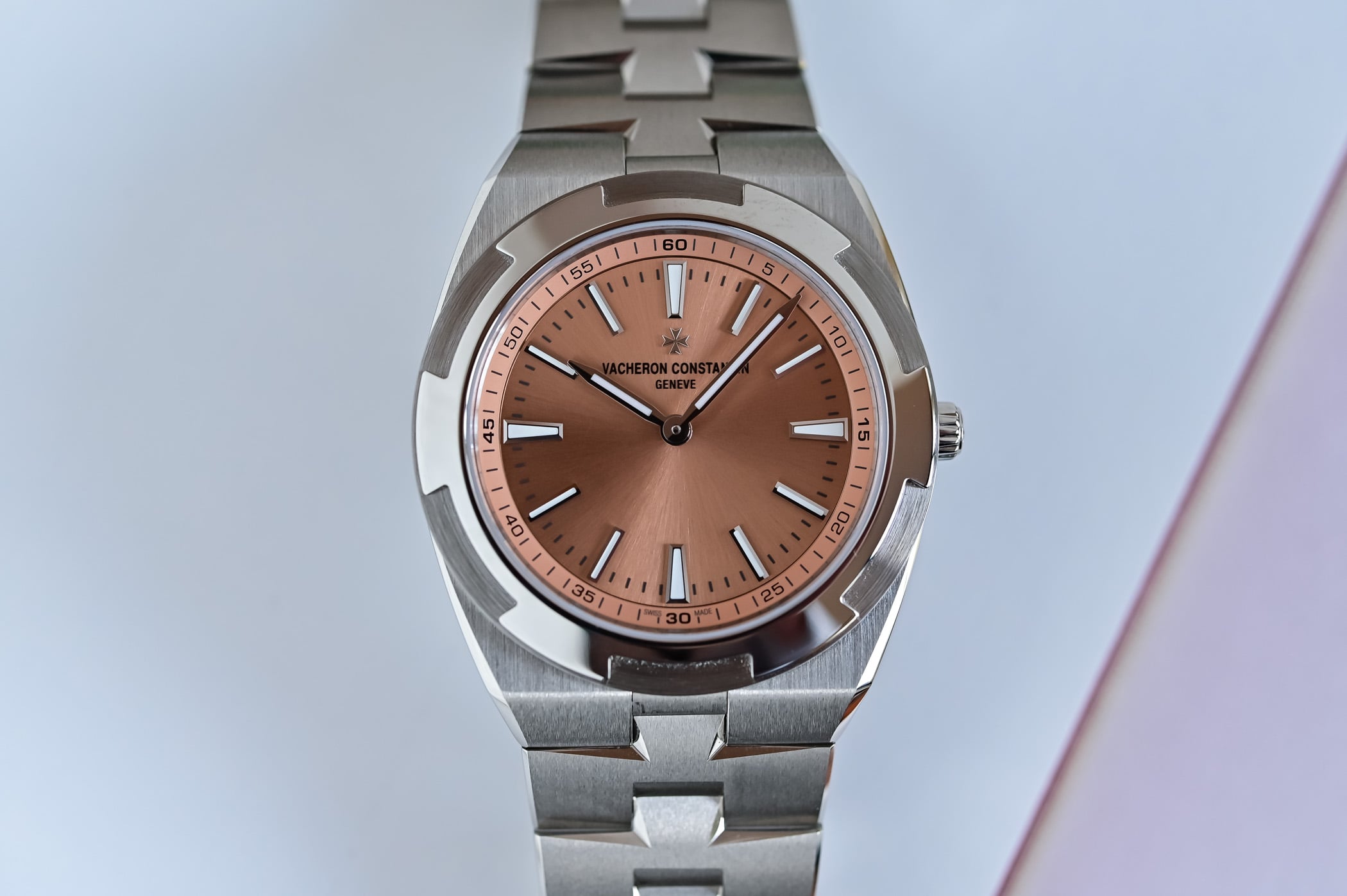
The first soft-iron inner case wristwatches appeared in the early 1930s. Tissot introduced the "Antimagnetique" in 1930; Vacheron Constantin followed; in pocket-watch form the technology had been used since the late 19th century in railway timekeeping. The construction was a three-piece soft-iron sleeve: an inner case shell wrapped around the movement, a soft-iron dial-side ring, and a soft-iron caseback. Together these form a closed magnetic loop that shunts external field lines around the movement instead of through it. Soft iron has very high magnetic permeability (roughly 5,000× that of steel) and very low magnetic retention (it loses its magnetisation almost completely once the external field is removed); both properties are required for the cage to work.
The canonical Faraday-cage wristwatches are from the 1948-1957 antimagnetic-watch boom. IWC's Mark XI (1948) used a soft-iron caseback and dial ring rated to roughly 80,000 A/m (~1,000 gauss), the British RAF specification for navigator's watches. IWC's Ingenieur ref. 666 (1955) added the inner case for civilian use, the first non-military antimagnetic wristwatch in serial production. Rolex's Milgauss ref. 6541 (1956) was rated to "1,000 gauss" (roughly 80,000 A/m), the marketing claim that gave the watch its name (milli-gauss). Omega's Railmaster CK 2914 (1957) covered the same antimagnetic specification for railway timekeepers.
The Faraday cage approach has limitations. The soft-iron inner case adds significant weight (vintage Milgauss ref. 6541 is noticeably heavier than its plain-cased contemporaries). It also requires a solid caseback (an exhibition caseback breaks the magnetic loop, so an antimagnetic Faraday-cage watch cannot show off its movement; the original Milgauss had only a closed steel back, no display option). The protection ceiling is roughly 80,000 A/m (~1,000 gauss); pushing higher requires impractically thick iron walls.
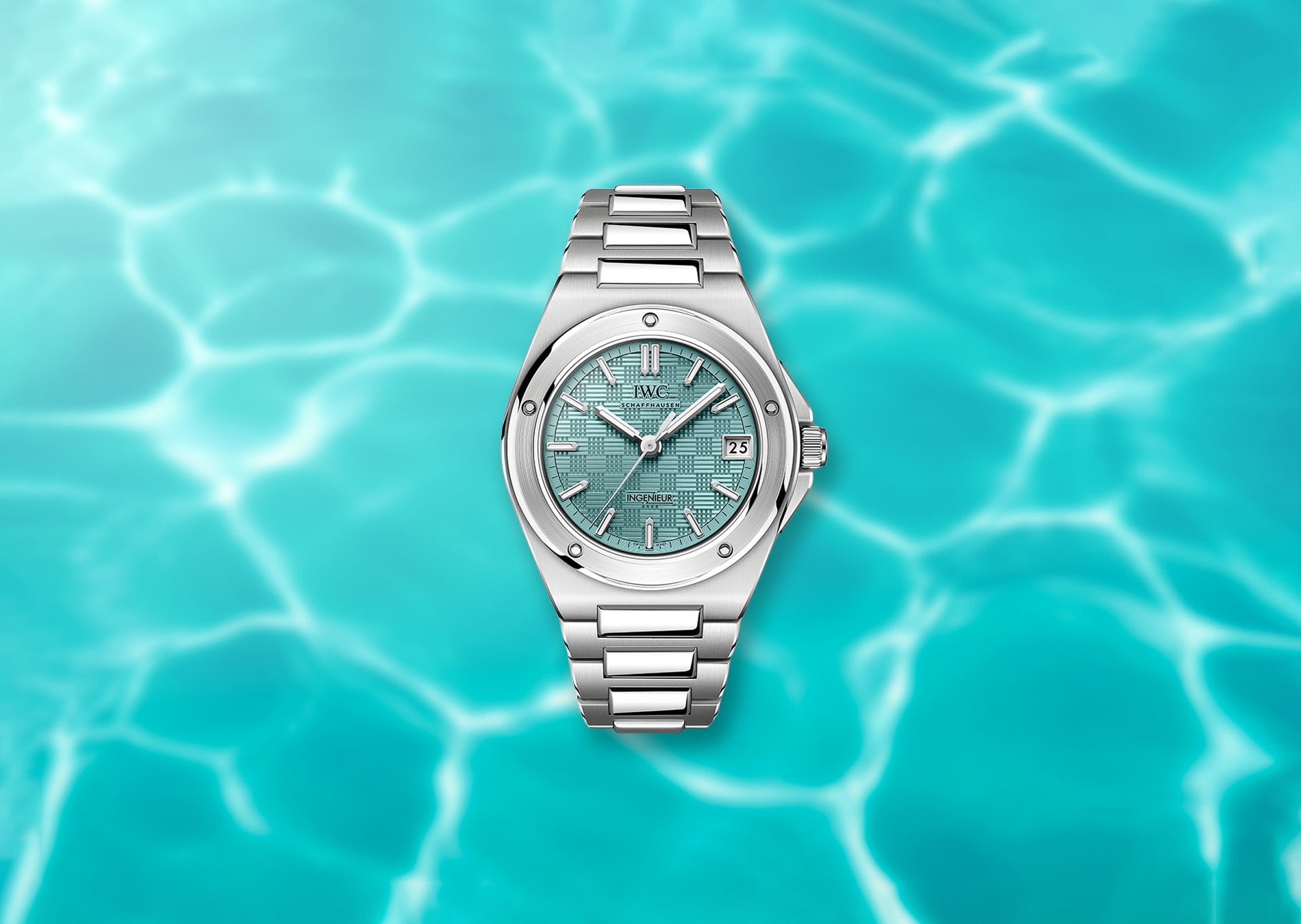
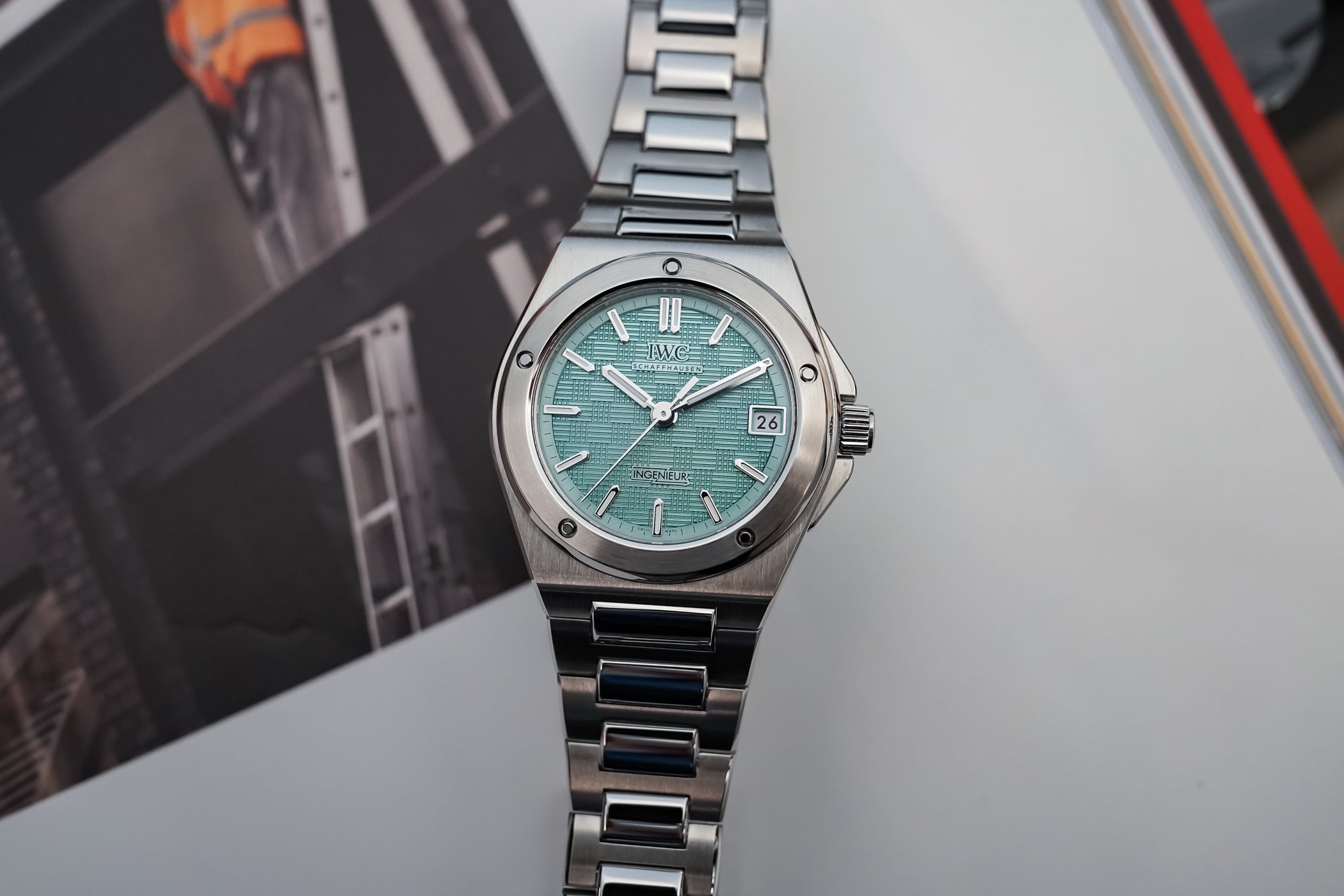
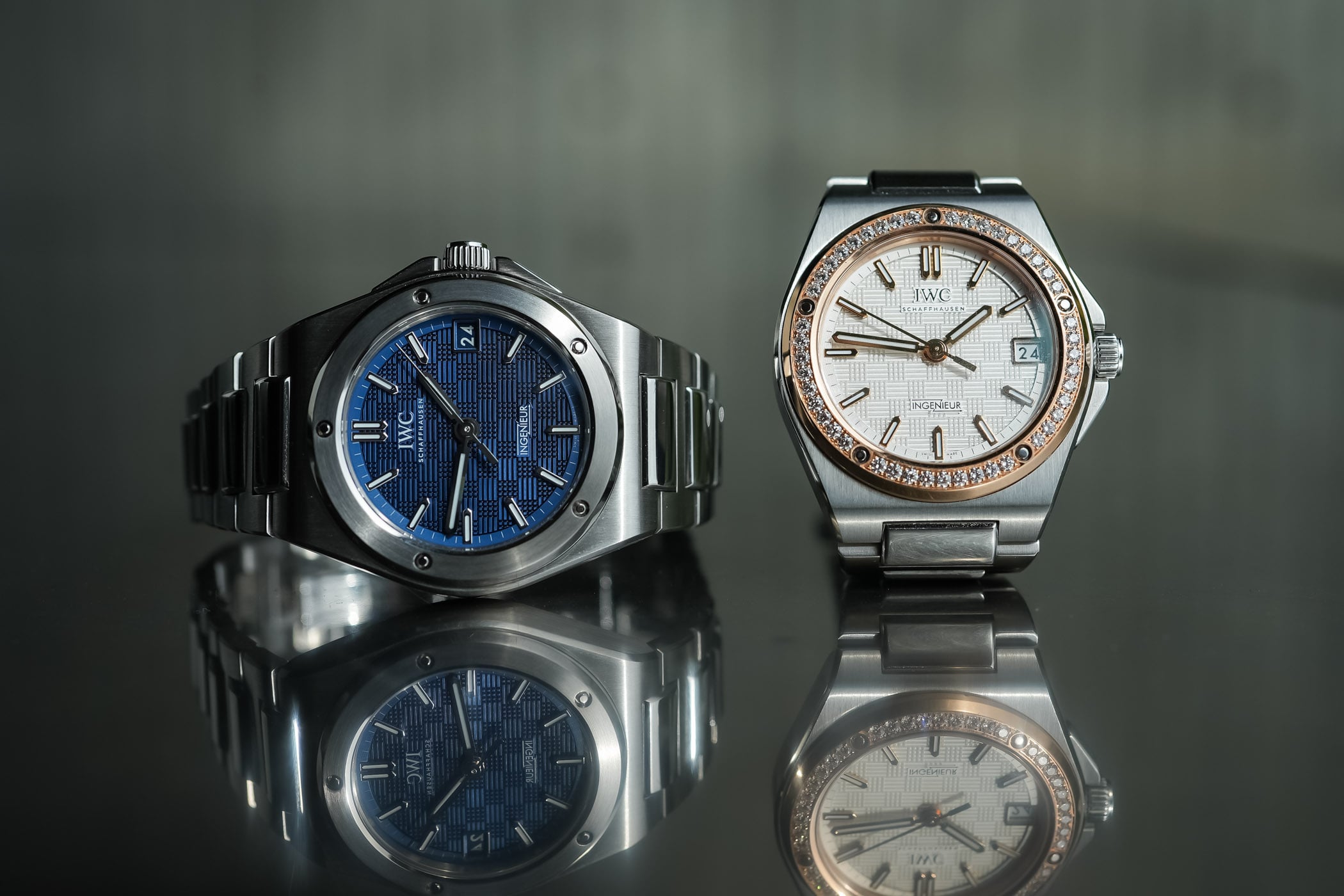
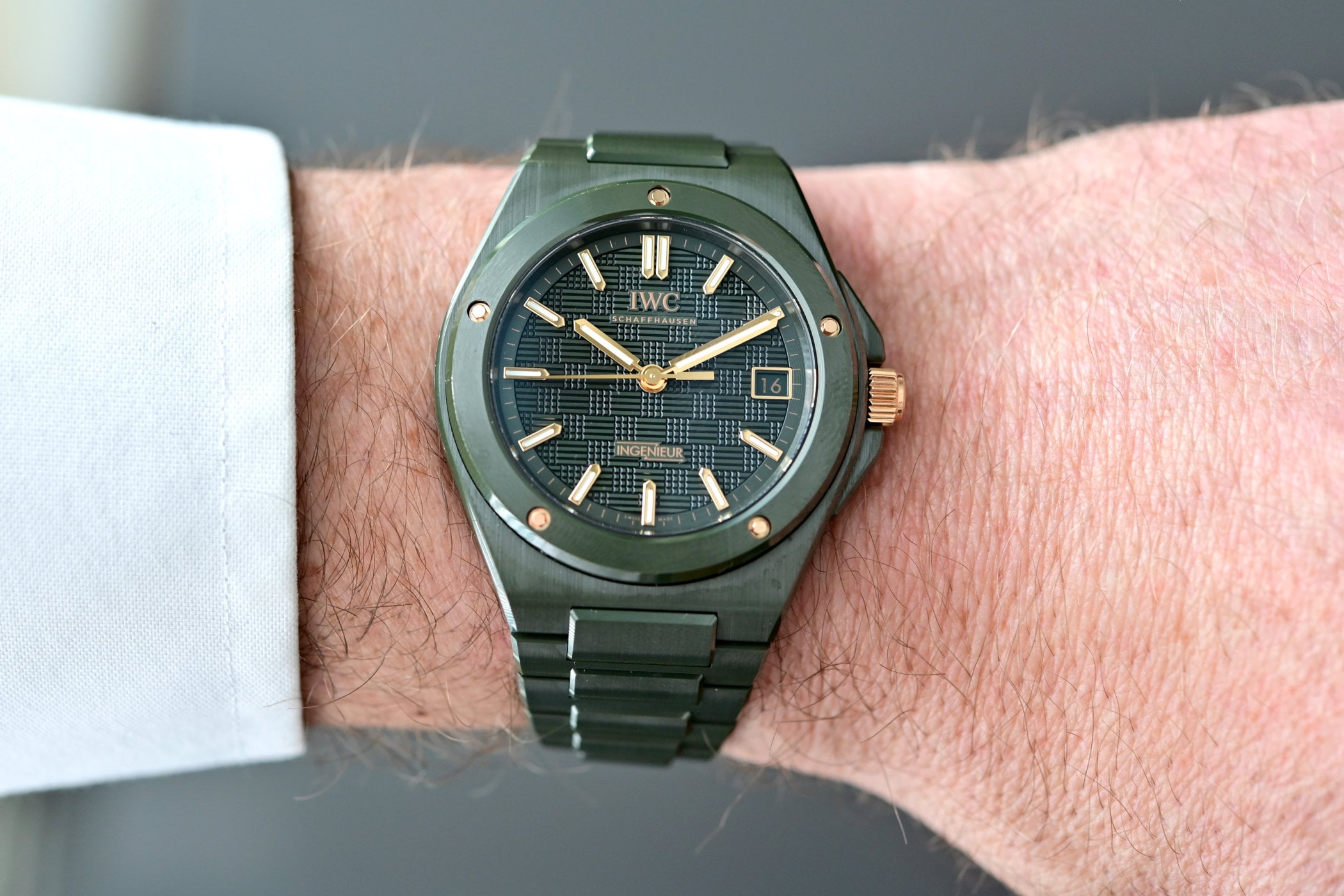
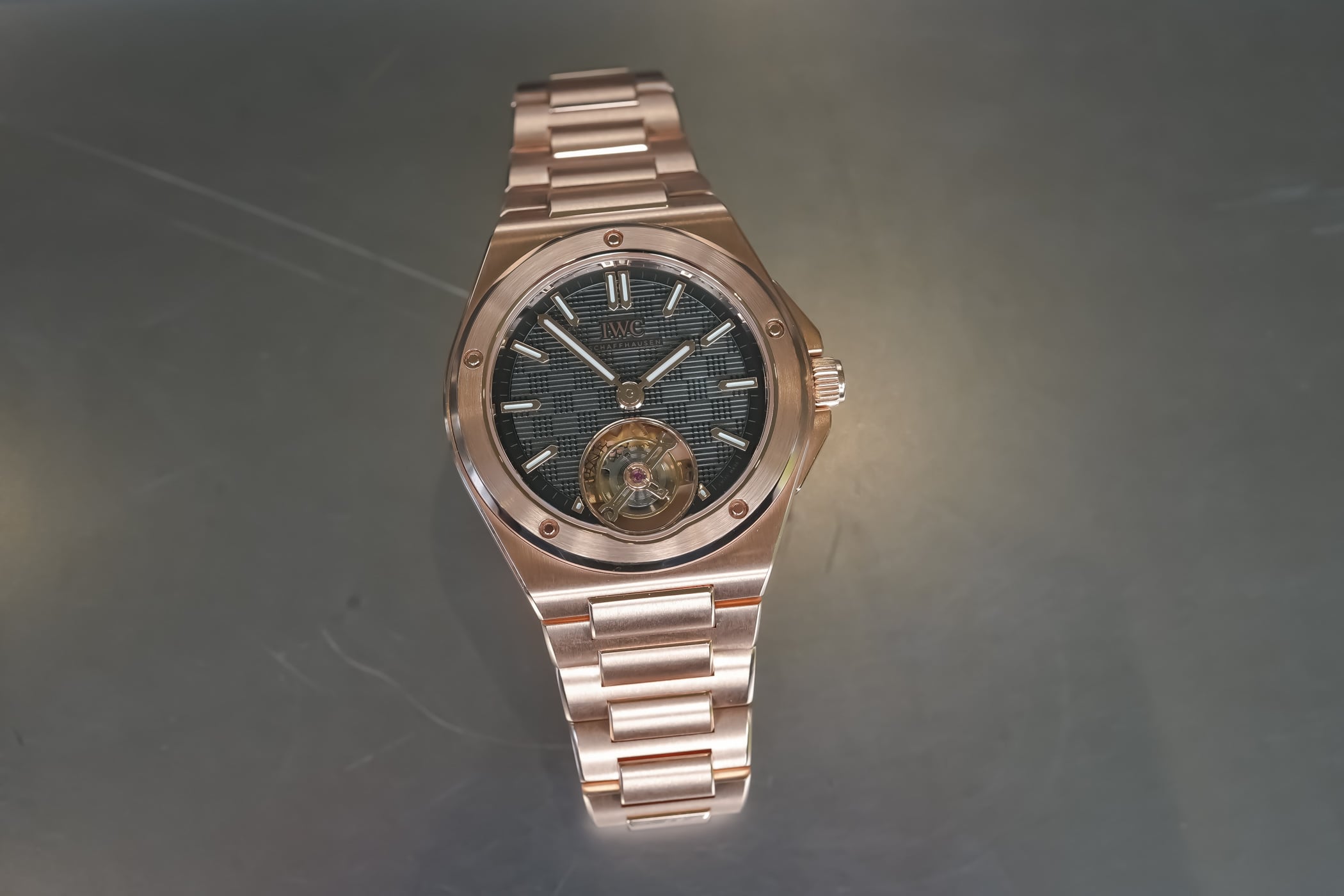
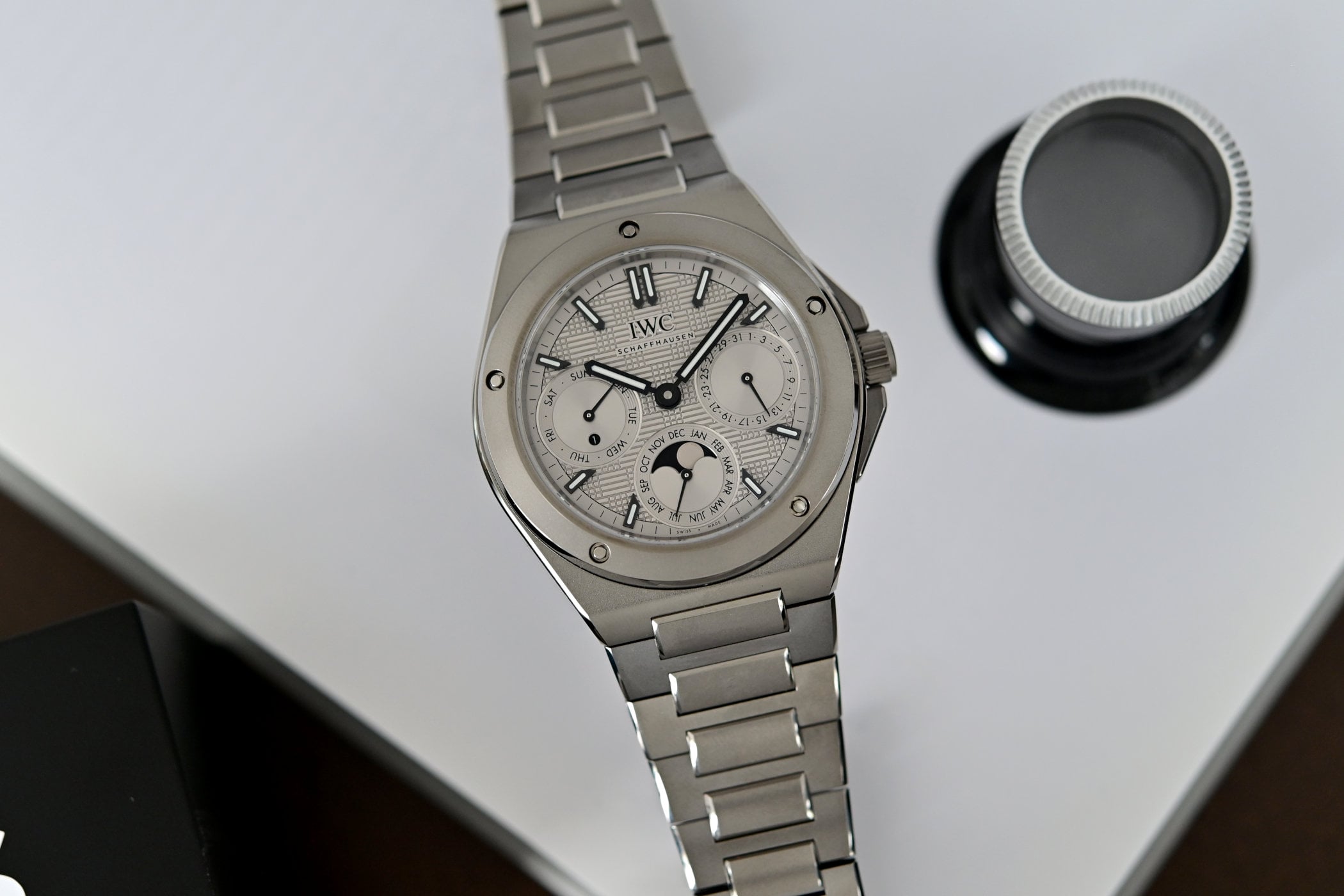
In the 2010s the Faraday-cage approach was largely superseded by antimagnetic movements. Omega's Cal. 8508 (2013) used silicon for the hairspring and non-ferrous alloys for the escape wheel and balance staff, eliminating the magnetisable components entirely. The result: a movement that resists 15,000 gauss (1.5 tesla) without any case shielding, allowing exhibition casebacks, thinner cases, and lower weight. The METAS Master Chronometer programme (2015) certifies modern Omega watches at the 15,000 gauss specification. Rolex's modern Milgauss ref. 116400 (2007) kept the soft-iron Faraday cage for traditional reasons but the Parachrom hairspring inside is itself antimagnetic, so the cage is somewhat redundant. The Faraday cage remains a deliberate design choice on the modern IWC Ingenieur (2023) for heritage rather than performance reasons.




Comments 2