Proprietary gold alloys are brand-specific gold formulations introduced by the major Swiss watchmakers since the early 2000s as a way to differentiate luxury watches at the raw-materials level. Every "gold" watch in the major Swiss catalogue is 18-karat (750/1000), meaning it must contain 75% pure gold by mass to legally carry the "18K" hallmark; the remaining 25% is alloy metal. Historically that 25% was a standardised mix of copper and silver (yellow gold) or copper alone (rose gold) or palladium and silver (white gold). Proprietary alloys replace the standardised mix with brand-specific additives that change colour, hardness, or fade-resistance, and in marketing terms create a recognisable "this brand's gold".
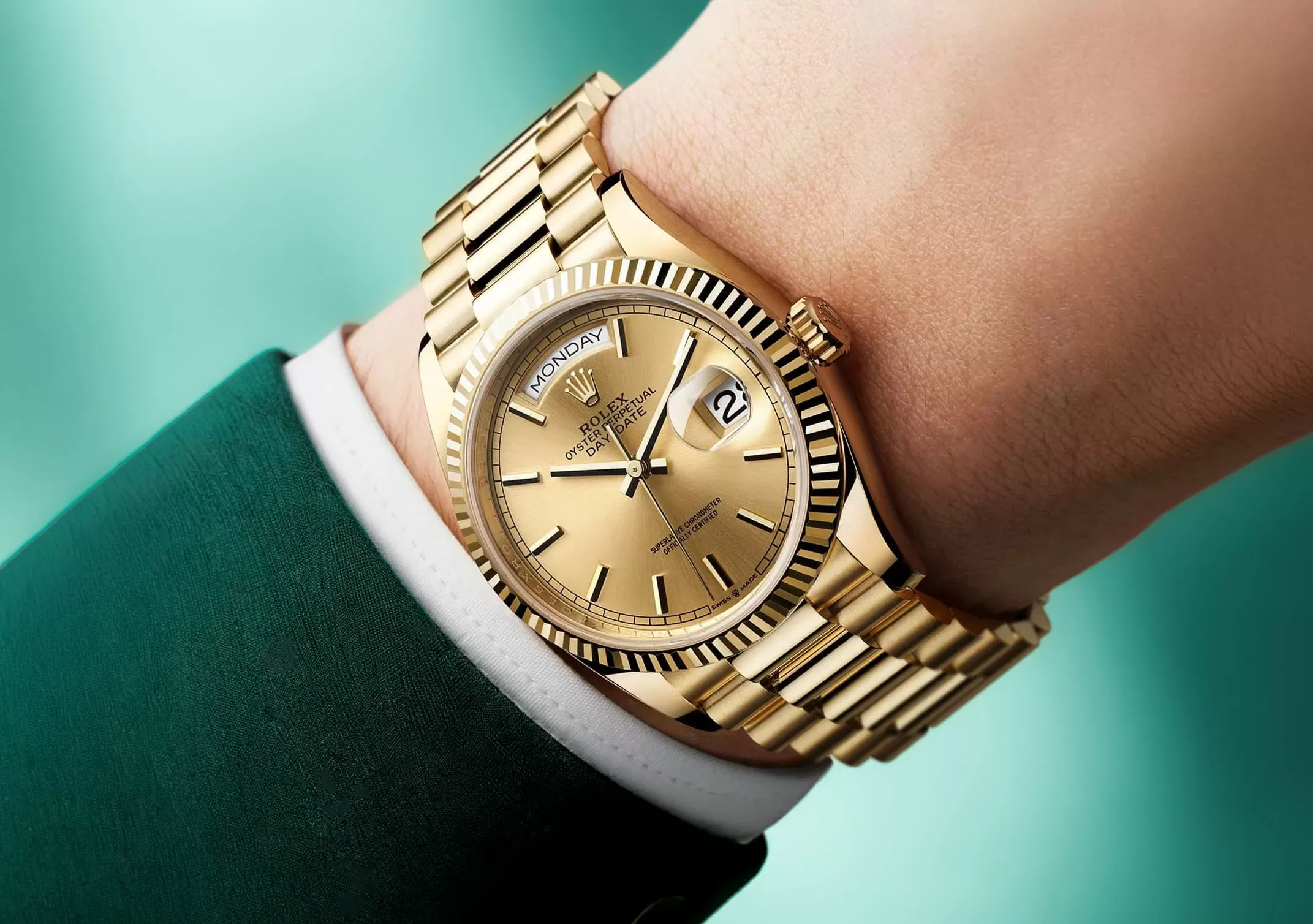
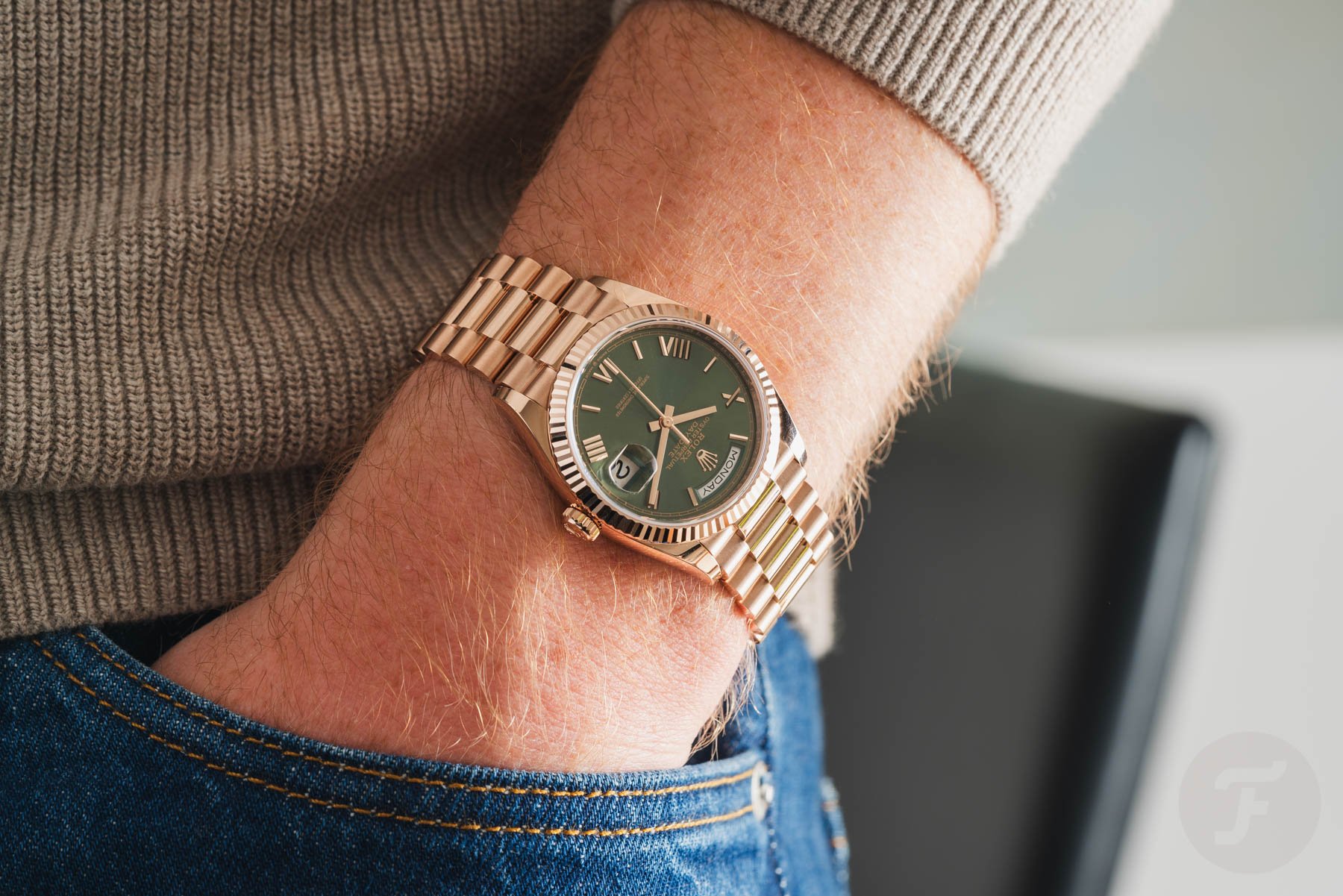
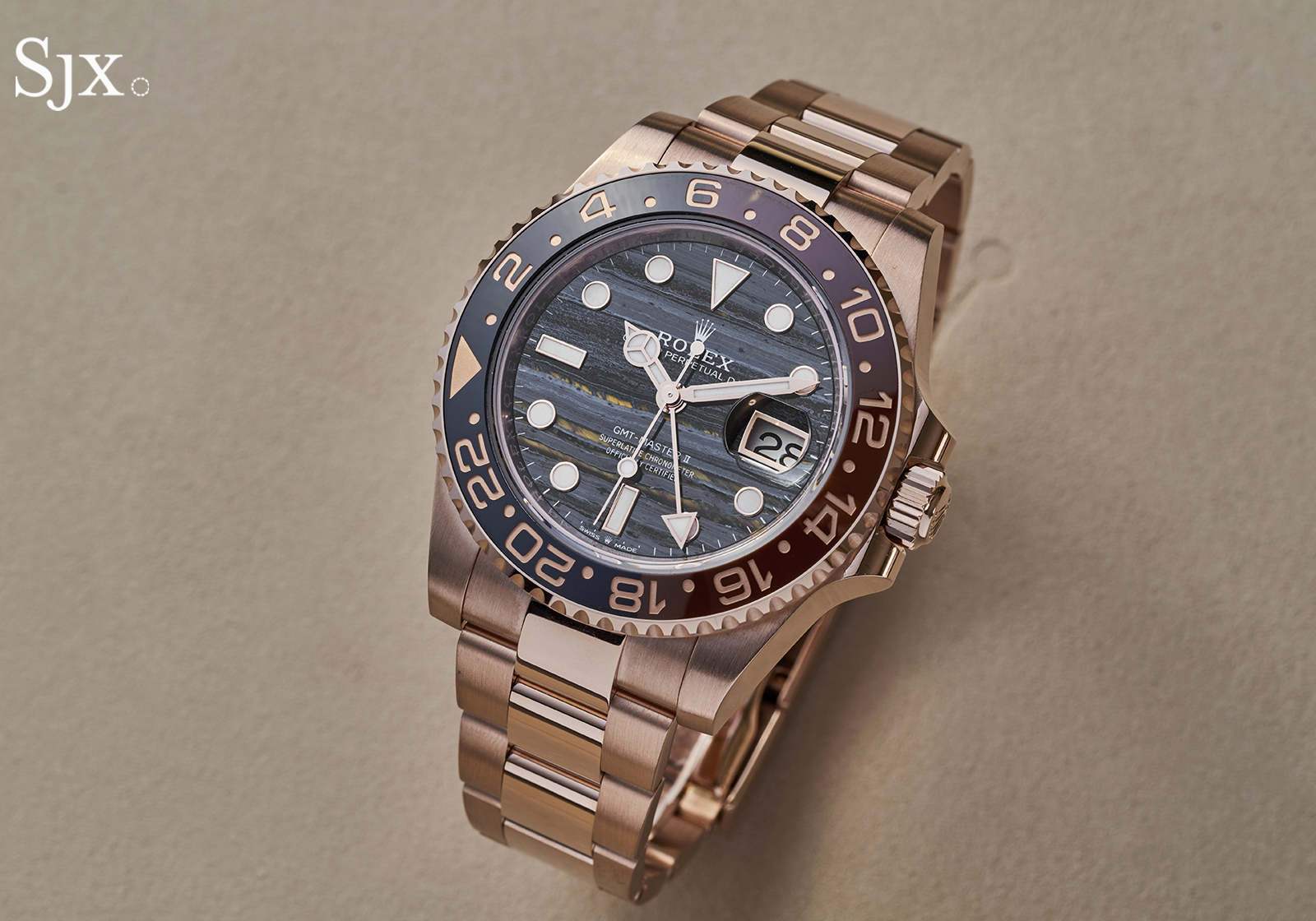
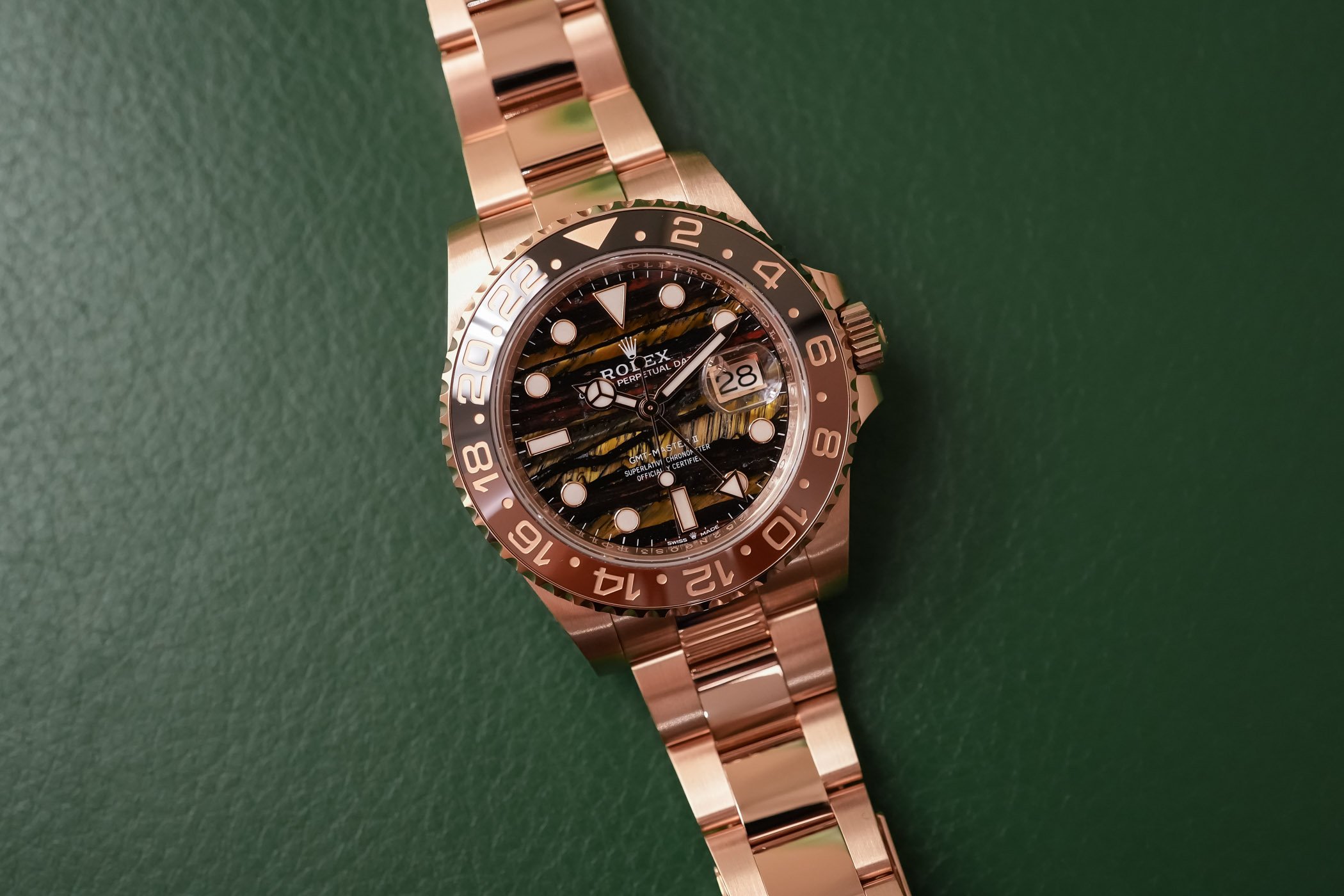
The defining proprietary alloy is Rolex Everose, introduced in 2005 in the Daytona rose-gold reference. Standard rose gold is approximately 75% gold, 22% copper, 3% silver; over time the high copper content reacts with sweat, sunscreen, and atmospheric sulphur, gradually fading the rose tone toward pale yellow. Rolex's solution was to add a small percentage of platinum (~2%) in place of some silver, plus a custom copper-silver ratio. The platinum stabilises the alloy chemically and prevents the rose colour from fading. Everose has remained the visual standard for "rose gold that stays rose" across Rolex's catalogue since 2005; rival brands eventually answered with their own stabilised rose-gold alloys.
"Five years from now, your standard rose gold watch is pale yellow. Everose stays rose. That is the entire commercial argument, and it is sufficient."- Rolex commentary on the 2005 Everose introduction
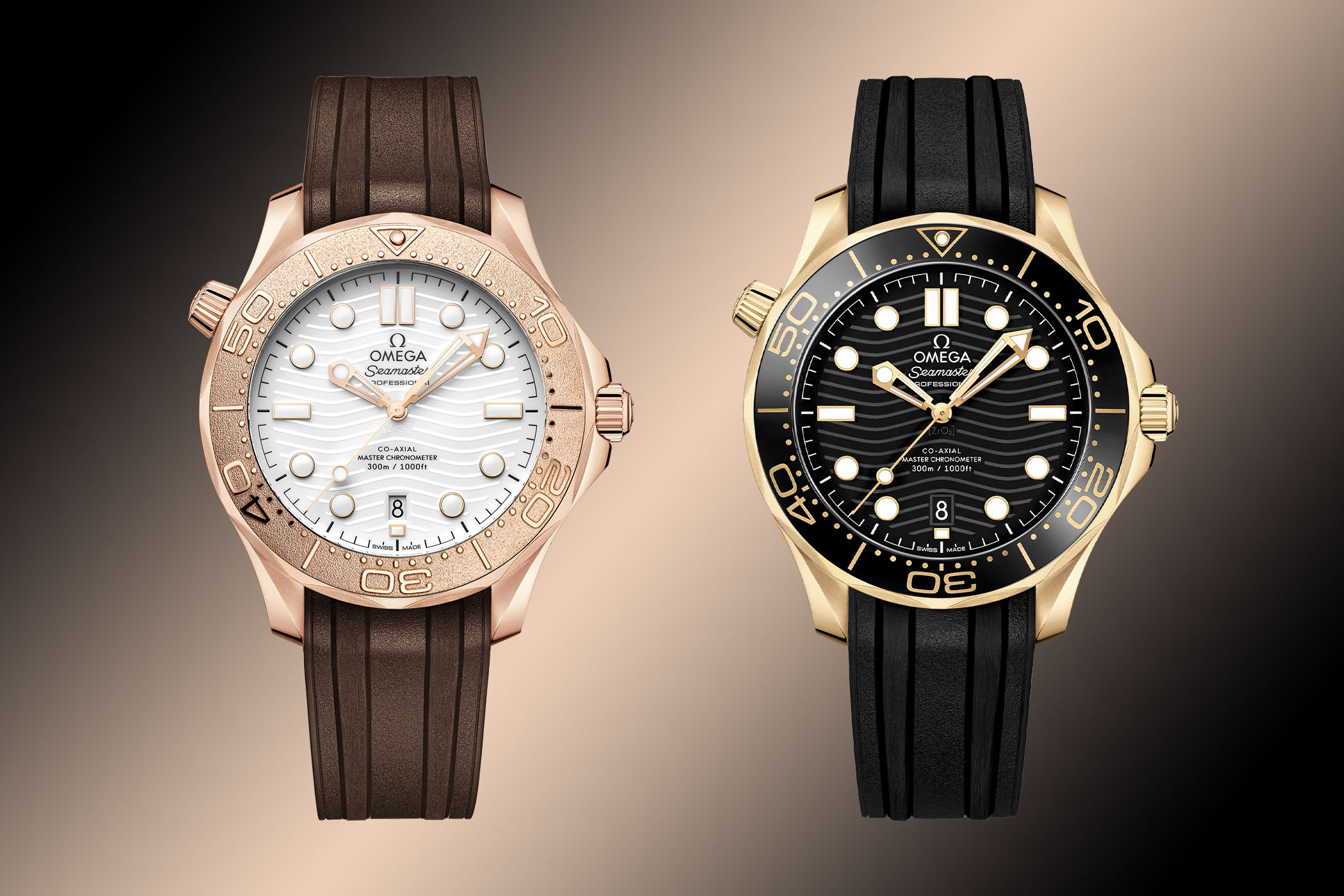
Omega's Sedna gold, introduced in 2013, takes a similar approach but with a warmer red tone. The Sedna formula is approximately 75% gold + 17% copper + 8% palladium; the higher copper gives a redder hue than Everose, and the palladium replaces silver to stabilise the colour and reduce tarnishing. Sedna is named after the dwarf planet 90377 Sedna, one of the reddest objects in the solar system. Omega Moonshine gold (2019) is the warm-yellow companion alloy, used on Speedmaster anniversary references. Omega Canopus gold (2020) is Omega's white-gold equivalent, named after the bright star Canopus.
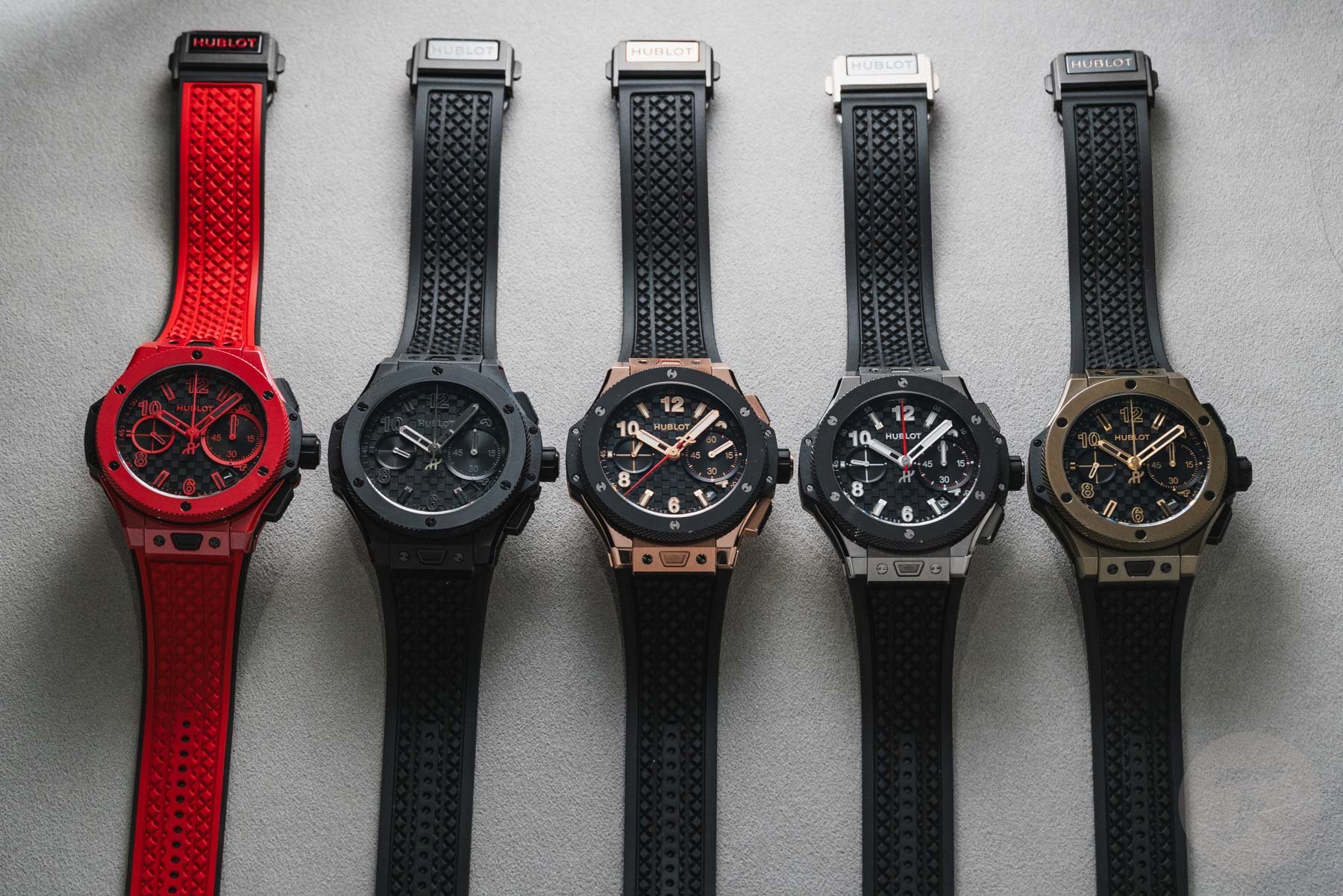
Hublot's Magic Gold (2011) takes a fundamentally different approach: it is the world's only scratch-resistant 18-karat gold. Magic Gold is a composite material, not a pure alloy: a porous boron-carbide ceramic skeleton is infused under high pressure with molten 24-karat pure gold, producing a finished material that is approximately 75% gold (18-karat) but with the hardness of ~1,000 Vickers (vs ~125 Vickers for standard 18K). That makes Magic Gold roughly 5× harder than the gold every other Swiss brand uses, in the same range as hardened steel or zirconia ceramic. The trade-off: Magic Gold cannot be cast or hand-finished using traditional techniques; the ceramic-infusion process requires specialised industrial equipment that Hublot patented and operates in-house.
A. Lange & Söhne's Honey Gold, introduced in 2010, is the brand's warm yellow-gold formulation used on selected limited Lange 1, Datograph, and Saxonia references. The alloy is approximately 75% gold + 9% copper + 16% silver, with Lange-specific finishing processes that produce a distinctive deep-honey colour (not pale yellow, not rose). Honey Gold is harder than standard yellow gold and resists tarnishing better; the visual signature is its slightly amber hue under indoor light. Lange uses Honey Gold sparingly: anniversary references, special editions, and the brand's most heavily decorated pieces.
Other proprietary alloys in current production include Cartier Apple Gold (a slightly green-tinted yellow used on Cartier high-jewellery pieces), Audemars Piguet Sand Gold (a beige/champagne hue on the Royal Oak Frosted Gold), Patek Philippe's unnamed but distinct rose-gold formulation, and Vacheron Constantin's Beige Gold on selected Patrimony references. The trend across the industry is clear: raw-materials differentiation has joined complications and finishing as a third axis of luxury-watch positioning, alongside the older hierarchy. For collectors, a watch in Everose, Sedna, Magic Gold, or Honey Gold is no longer "just gold"; it carries brand-specific provenance at the metallurgy level, and most of these alloys command 5-15% premiums over standardised 18K equivalents at retail.




Comments 2